Smart Nutrition Tips for Busy People
Life moves fast. Between work, family, and endless to-do lists, eating healthy can easily fall to the bottom of the priority list.
Grabbing takeout, skipping breakfast, or relying on coffee to get through the day might feel convenient, but over time, it drains your energy, affects focus, and weakens your overall health.
The truth is, you don’t need hours in the kitchen or complicated meal plans to eat well.
With a few smart strategies and mindful habits, you can nourish your body — even on your busiest days.
Here are simple, smart nutrition tips for busy people who want to stay healthy without adding stress to their already packed schedules.
1. Start Your Day with a Real Breakfast
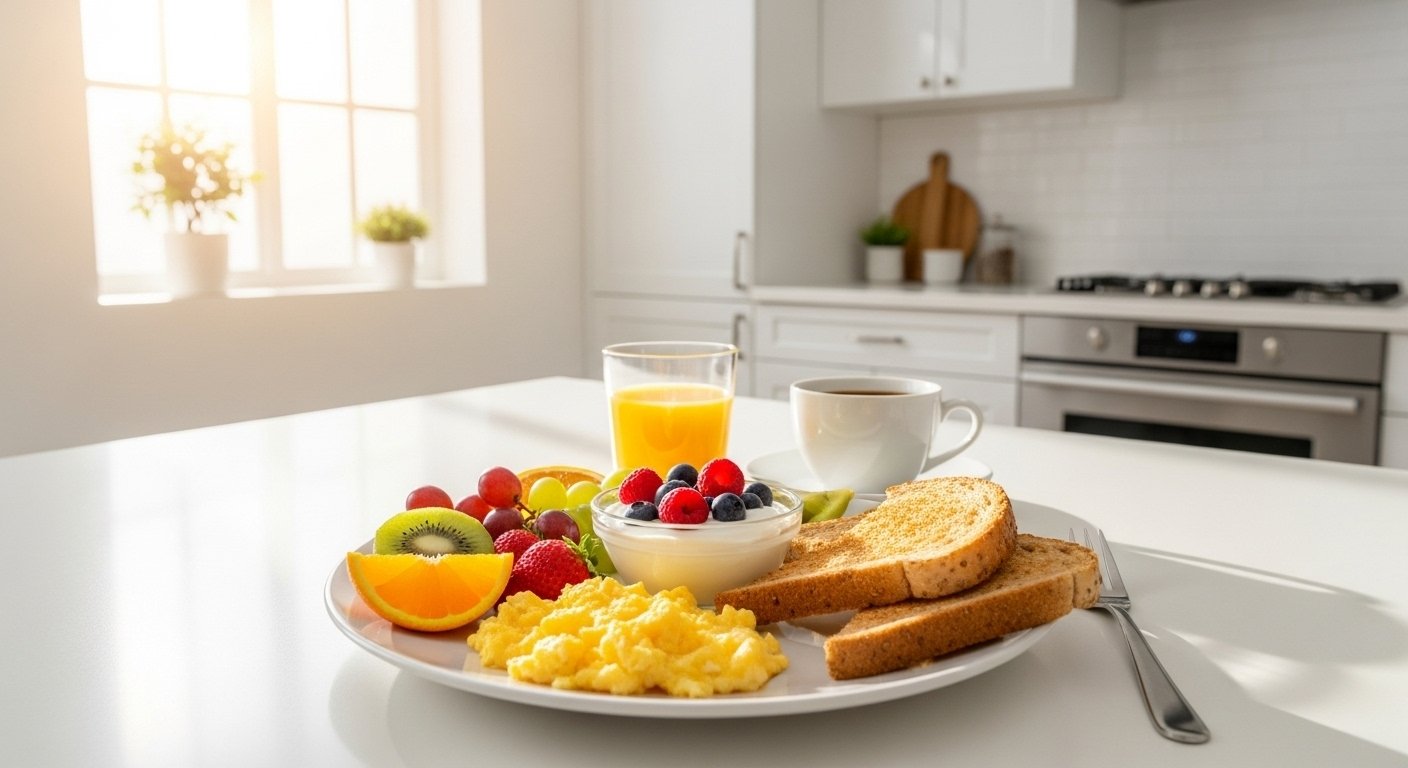
Breakfast truly sets the tone for your day.
Skipping it might save you a few minutes in the morning, but it often leads to fatigue, brain fog, and overeating later.
You don’t need a gourmet spread — just something balanced and quick.
Try these easy options:
- Greek yogurt with fruit and granola
- Oatmeal topped with nuts and honey
- Smoothie with spinach, banana, and protein powder
- Boiled eggs with whole-grain toast
- Overnight oats prepared the night before
A nutritious breakfast keeps your blood sugar steady and your energy stable — perfect for powering through a busy morning.
2. Keep Healthy Snacks on Hand
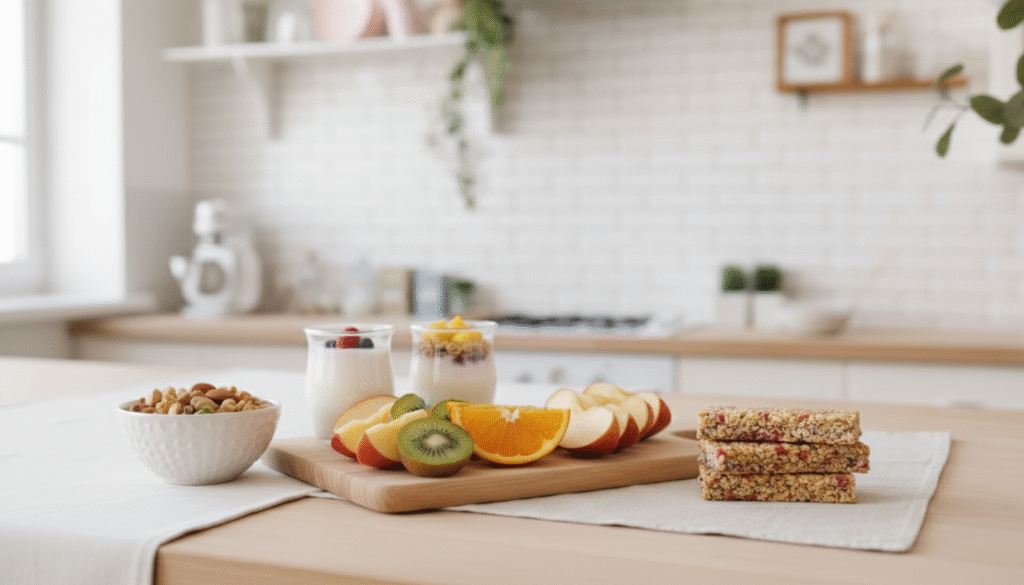
When hunger strikes between meals, having healthy snacks ready prevents you from reaching for vending machine junk or fast food.
Smart grab-and-go snacks:
- A handful of almonds or walnuts
- Apple or banana with peanut butter
- Hummus with whole-grain crackers or carrot sticks
- Greek yogurt or cottage cheese cups
- Trail mix (choose low-sugar or homemade versions)
Stock your desk, car, or bag with non-perishable snacks.
That way, you’ll always have something nourishing within reach — no matter how busy your day gets.
3. Hydrate — Before You Caffeinate
Many people mistake thirst for hunger or tiredness.
Dehydration can make you feel sluggish, cranky, and unfocused — and the easiest fix is simple: drink water.
Smart hydration habits:
- Start your morning with a glass of water before coffee.
- Keep a refillable bottle with you throughout the day.
- Set reminders on your phone or use an app to track intake.
- Add lemon, cucumber, or mint for flavor if plain water bores you.
Aim for about 8 cups (2 liters) of water daily — more if you’re active.
Hydration keeps your metabolism active, your skin glowing, and your brain sharp.
4. Plan Ahead — Even Just a Little
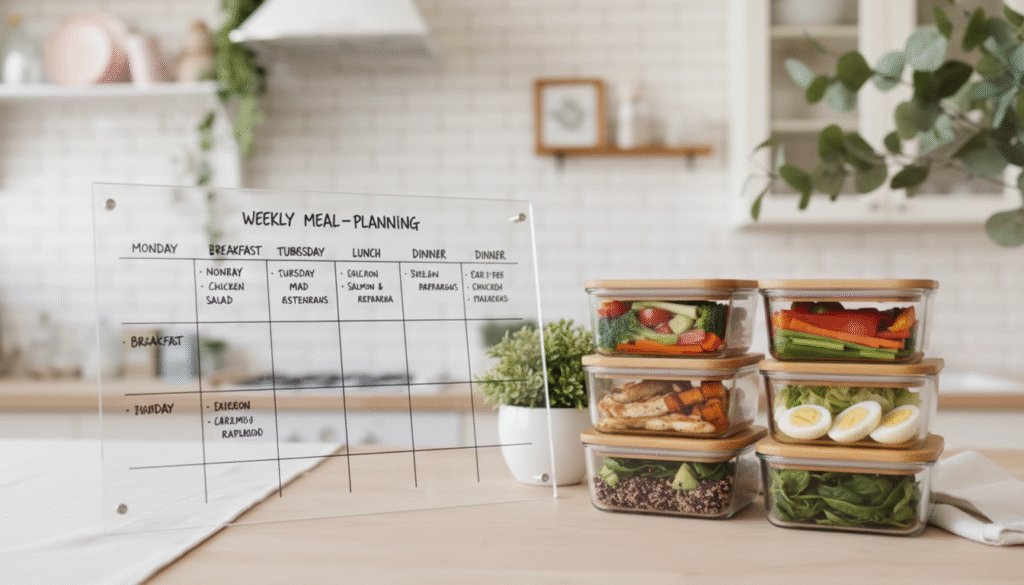
Meal planning doesn’t have to be complicated.
Even spending 15–20 minutes thinking about what you’ll eat during the week can save hours of decision fatigue later.
Simple meal prep ideas for busy people:
- Cook once, eat twice: Make extra portions for next-day lunches.
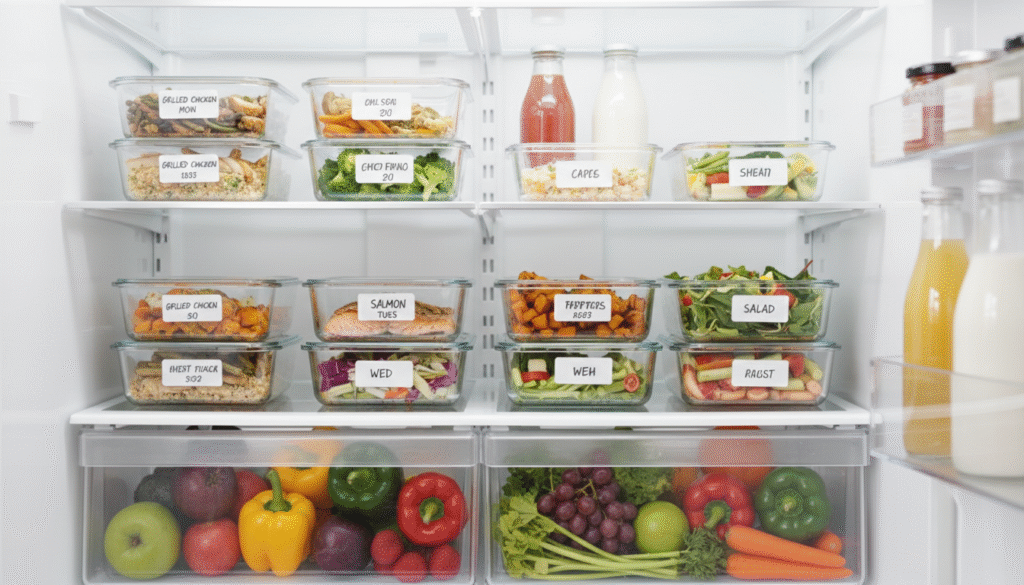
- Pre-chop veggies and store them in airtight containers.
- Prepare protein (like grilled chicken or boiled eggs) in bulk.
- Portion snacks into small bags or containers.
- Keep healthy staples on hand — eggs, rice, frozen vegetables, canned beans.
When your fridge is stocked with ready-to-eat foods, you’ll be less tempted to order takeout.
5. Eat Balanced Meals — Not “Perfect” Ones
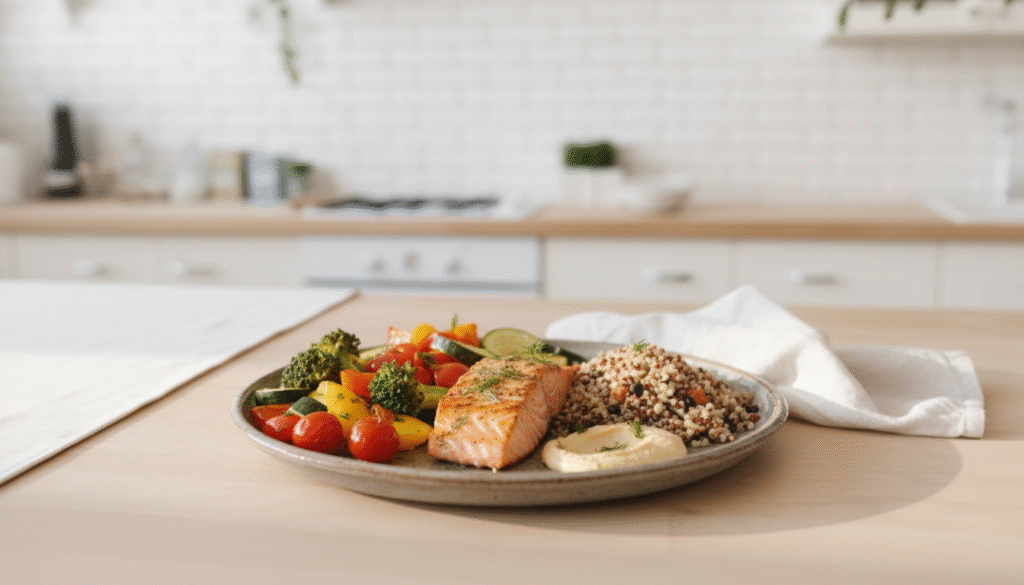
A healthy meal doesn’t have to be Instagram-worthy. The goal is balance, not perfection.
A simple formula to remember is the “½ + ¼ + ¼ rule”:
- ½ your plate: fruits or vegetables
- ¼ your plate: lean protein (chicken, tofu, fish, beans)
- ¼ your plate: whole grains (rice, oats, quinoa, pasta)
Add healthy fats (avocado, olive oil, nuts) for energy and brain health.
Balanced meals help you stay full longer, stabilize your blood sugar, and avoid energy crashes — crucial for busy days.
6. Don’t Rely on Processed “Health Foods”
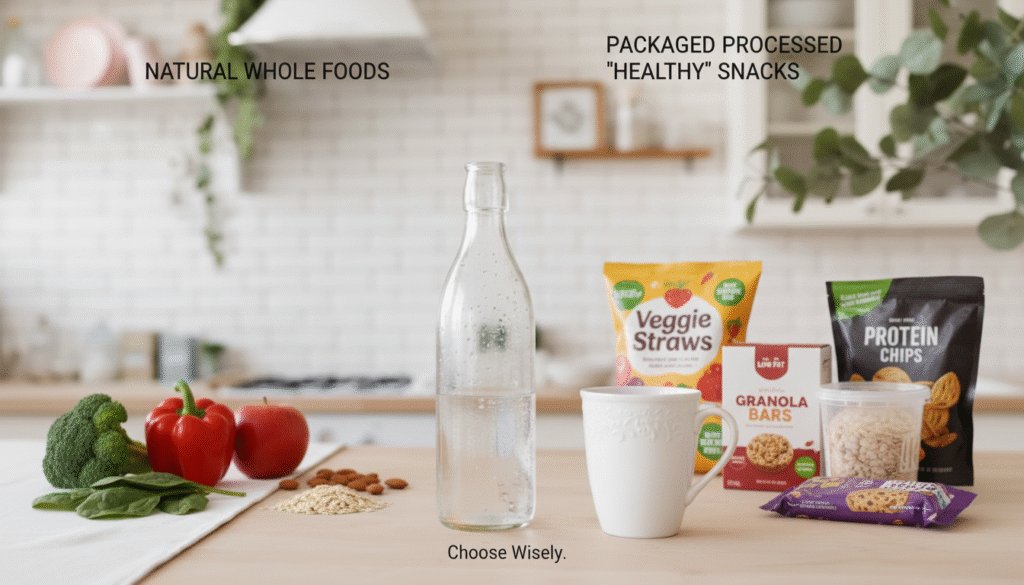
Many packaged foods labeled “healthy,” “low-fat,” or “sugar-free” are actually loaded with additives or hidden sugars.
Examples to watch out for:
- Flavored yogurts (choose plain, add fruit instead)
- Protein bars with long ingredient lists
- Low-fat salad dressings (often high in sugar)
- “Energy drinks” filled with caffeine and sweeteners
If a product has more than five unrecognizable ingredients, think twice.
Whole foods — even if simple — are always the smarter choice.
Stick to ingredients you can pronounce and meals you could make in your own kitchen.
7. Use Smart Shortcuts — Not Excuses
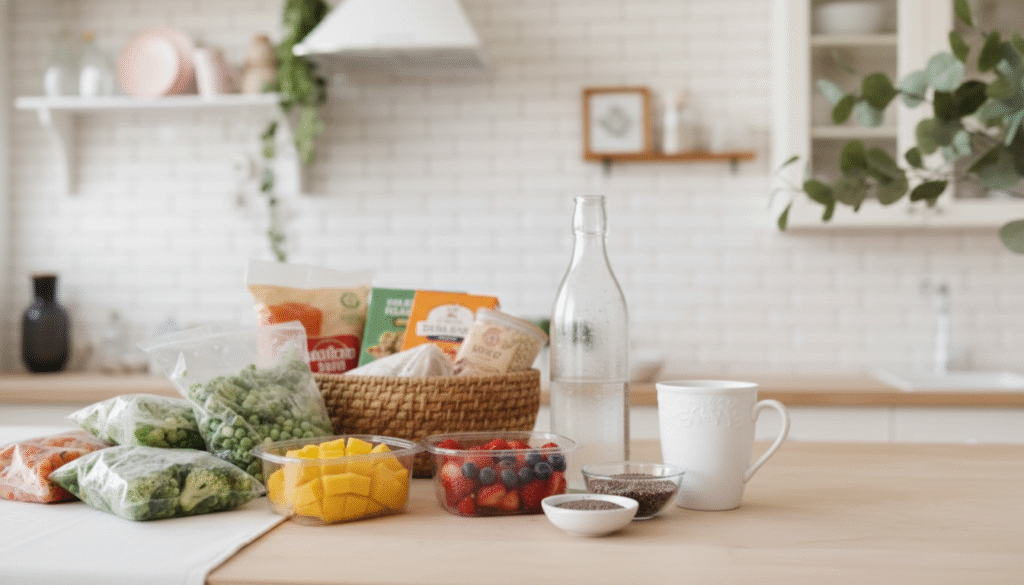
You don’t have to cook every meal from scratch.
Healthy eating can be quick if you use smart shortcuts.
Time-saving options that are still nutritious:
- Pre-washed salad greens and frozen veggies
- Canned beans or lentils (just rinse before using)
- Pre-cooked brown rice or quinoa packets
- Rotisserie chicken for easy protein
- Ready-to-blend smoothie packs
Busy doesn’t mean unhealthy — it means you need to make health easier to fit into your lifestyle.
Work smarter, not harder, in the kitchen.
8. Practice Mindful Eating — Even When You’re in a Hurry

Most busy people eat on autopilot — in front of a screen, in the car, or while multitasking.
This often leads to overeating and poor digestion.
Mindful eating is simple:
- Sit down for meals, even if it’s just 10 minutes.
- Put away your phone or laptop.
- Eat slowly and actually taste your food.
- Stop when you feel satisfied — not stuffed.
When you eat with awareness, your body digests better and your brain registers fullness faster.
It’s not just what you eat — it’s how you eat that matters.
9. Don’t Skip Meals — Especially Lunch
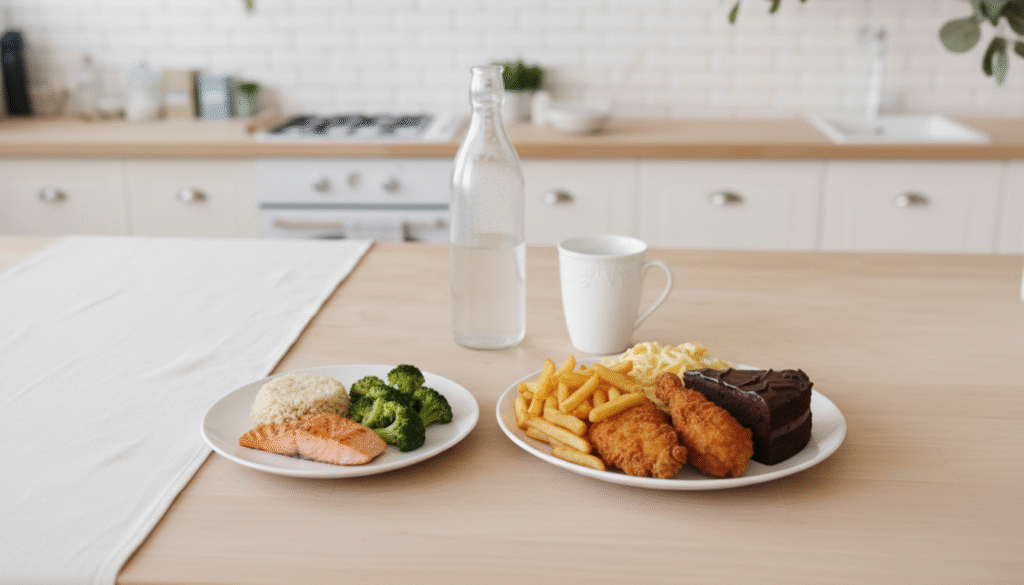
Skipping meals can backfire. It slows metabolism and leads to binge eating later in the day.
Even if your schedule is hectic, aim for three balanced meals or five smaller meals/snacks spaced throughout the day.
If lunch is your challenge:
- Pack a simple wrap or salad the night before.
- Keep healthy frozen meals on hand for emergencies.
- Prep grain bowls with veggies and proteins in advance.
Think of food as fuel — skipping meals is like expecting your car to run without gas.
10. Watch Your Portion Sizes
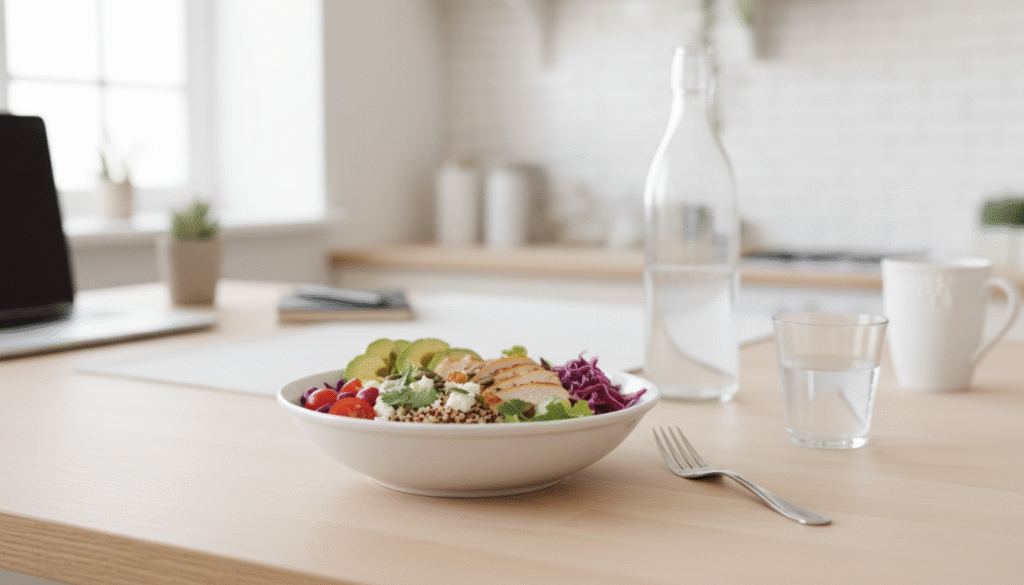
Even healthy foods can lead to weight gain or sluggishness if eaten in excess.
Tips to control portions easily:
- Use smaller plates.
- Avoid eating straight from the bag or box.
- Fill half your plate with vegetables first.
- Pay attention to hunger cues — are you actually hungry or just stressed?
Balance and moderation are key. You don’t have to give up your favorite foods — just enjoy them mindfully and in sensible portions.
11. Prepare “Emergency Meals”
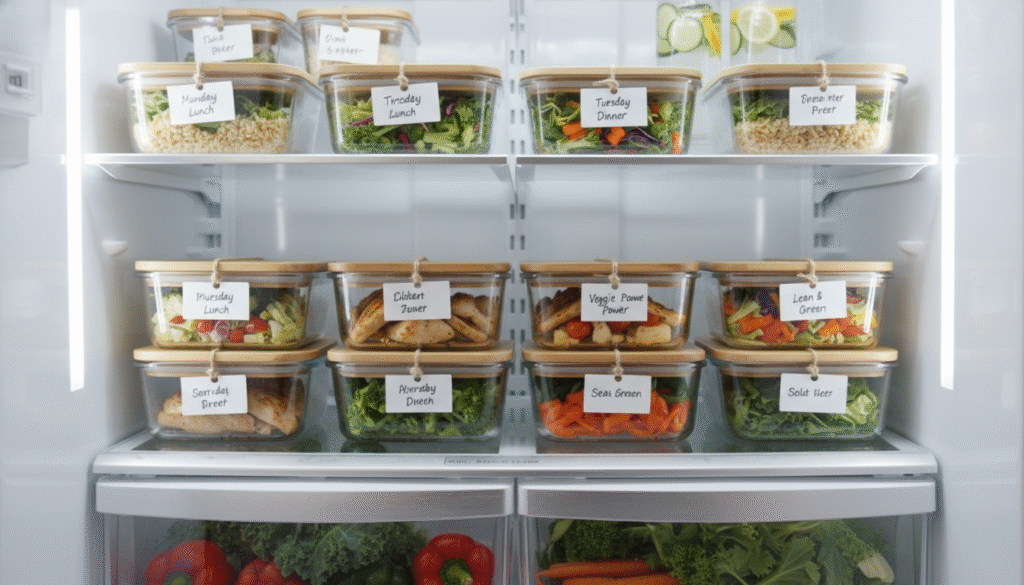
There will always be days when you’re too tired to cook or too busy to plan.
Instead of ordering fast food, keep “emergency meals” ready.
Easy ideas:
- Healthy frozen meals (with real ingredients and low sodium)
- Canned soups with added veggies or beans
- Omelets with whatever is in your fridge
- Whole-grain toast with avocado and eggs
It’s all about having quick, realistic backup options that keep you from reaching for junk.
12. Be Cautious with Liquid Calories
Coffee drinks, smoothies, and sodas can sneak hundreds of calories and grams of sugar into your day without you realizing it.
Smarter swaps:
- Choose black coffee or add milk instead of sugary syrups.
- Make smoothies at home so you control the ingredients.
- Drink water or herbal tea instead of soda.
- Limit alcohol on weekdays — it can disrupt sleep and slow metabolism.
Liquid calories add up quickly — choose beverages that hydrate, not ones that drain your energy.
13. Listen to Your Body

Your body gives signals — you just need to pay attention.
Notice how certain foods make you feel. Do you feel sluggish after heavy meals? Energized after lighter ones?
The goal of smart nutrition isn’t restriction — it’s understanding.
Learn what fuels you best. The more you listen to your body, the easier it becomes to make healthy choices automatically.
14. Be Kind to Yourself

Healthy eating isn’t about being perfect — it’s about consistency.
There will be days when you eat fast food, skip a meal, or crave chocolate. That’s okay. What matters is getting back on track, not giving up.
Food is part of life’s joy — it’s meant to nourish and be enjoyed.
Be gentle with yourself. Progress, not perfection, is what creates real, lasting health.
15. Remember — Small Changes Lead to Big Results
You don’t have to overhaul your diet overnight.
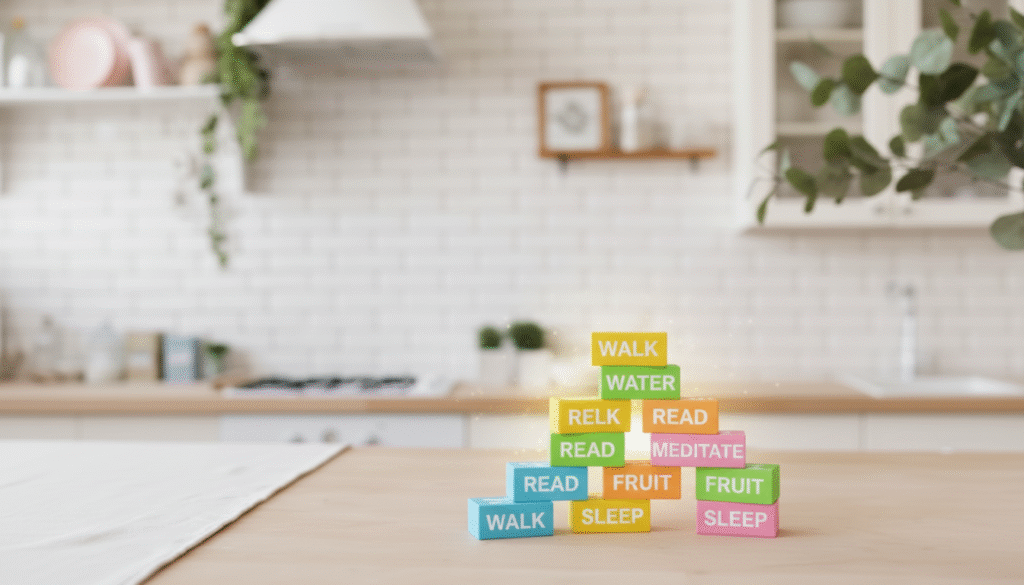
Start small: add a fruit to breakfast, pack a lunch twice a week, drink more water, or replace one sugary drink with tea.
Each small choice adds up.
And over time, those little habits create a lifestyle that supports energy, focus, and well-being — even on the busiest days.
Final Thoughts
Healthy eating doesn’t require endless time or willpower — it just takes awareness, preparation, and self-compassion.
By keeping things simple and consistent, you can nourish your body and mind every day, no matter how hectic life gets.
Remember: Smart nutrition isn’t about restriction — it’s about balance.
Fuel your body with care, listen to what it needs, and make small, sustainable choices that fit your lifestyle.
Because when you eat well, you think clearer, move stronger, and live happier — and that’s what real health is all about.