

12-Week Female Strength Training Plan for Lean Muscle
For too long, strength training has been misunderstood, especially for women. Many still believe lifting weights will make them ‘bulky’ or is only for bodybuilders. The truth is, building lean muscle is one of the most powerful things you can do for your health, confidence, and overall well-being. It’s about empowering your body, enhancing your metabolism, and creating a physique that feels strong and capable.
This 12-week plan is designed specifically for women looking to build lean muscle, increase strength, and transform their bodies. We’ll guide you through progressive phases, practical workouts, and essential lifestyle habits to ensure your success.
Why Strength Training is a Game-Changer for Women

Forget the myths. Strength training offers incredible benefits that extend far beyond aesthetics. It’s a cornerstone of a healthy, vibrant life.
- Boosted Metabolism Muscle tissue is more metabolically active than fat. The more lean muscle you have, the more calories your body burns at rest, helping with weight management.
- Increased Bone Density Lifting weights places stress on your bones, stimulating them to become stronger and denser. This is crucial for preventing osteoporosis, especially as women age.
- Enhanced Functional Strength Everyday tasks become easier, from carrying groceries to playing with children. You’ll feel more capable and resilient.
- Improved Body Composition Rather than just losing weight, strength training helps you reshape your body, reducing body fat and increasing muscle mass for a toned, strong look.
- Better Mood and Confidence Exercise, especially strength training, releases endorphins, reducing stress and boosting self-esteem. Feeling strong is incredibly empowering.
Before You Begin- Essential Preparation Steps

To make the most of your 12-week journey, a little preparation goes a long way. Setting yourself up for success from the start can make all the difference.
Consult a Professional- Your Health First
Before embarking on any new exercise program, it’s always wise to consult with your doctor or a qualified healthcare professional. They can ensure you’re healthy enough for strength training and provide personalized advice, especially if you have any pre-existing conditions or injuries.
Set Realistic and Empowering Goals
What do you hope to achieve? Is it to lift heavier, feel stronger, or improve your body composition? Set SMART goals (Specific, Measurable, Achievable, Relevant, Time-bound). For example, ‘I want to be able to deadlift my body weight by the end of 12 weeks,’ or ‘I want to feel more energetic and confident in my clothes.’
Gather Your Equipment- Home or Gym
Whether you’re hitting the gym or working out at home, ensure you have access to the necessary equipment. Gyms typically offer a full range of free weights (dumbbells, barbells), machines, and resistance bands. For home workouts, a good set of adjustable dumbbells, resistance bands, and a sturdy bench can be sufficient to start.
Master the Warm-up and Cool-down
These are non-negotiable! A proper warm-up prepares your body for exercise, increasing blood flow and flexibility, reducing injury risk. A cool-down aids recovery and flexibility. Always include 5-10 minutes of dynamic stretching before and static stretching after your workout.
The 12-Week Plan Overview- Phases and Progression
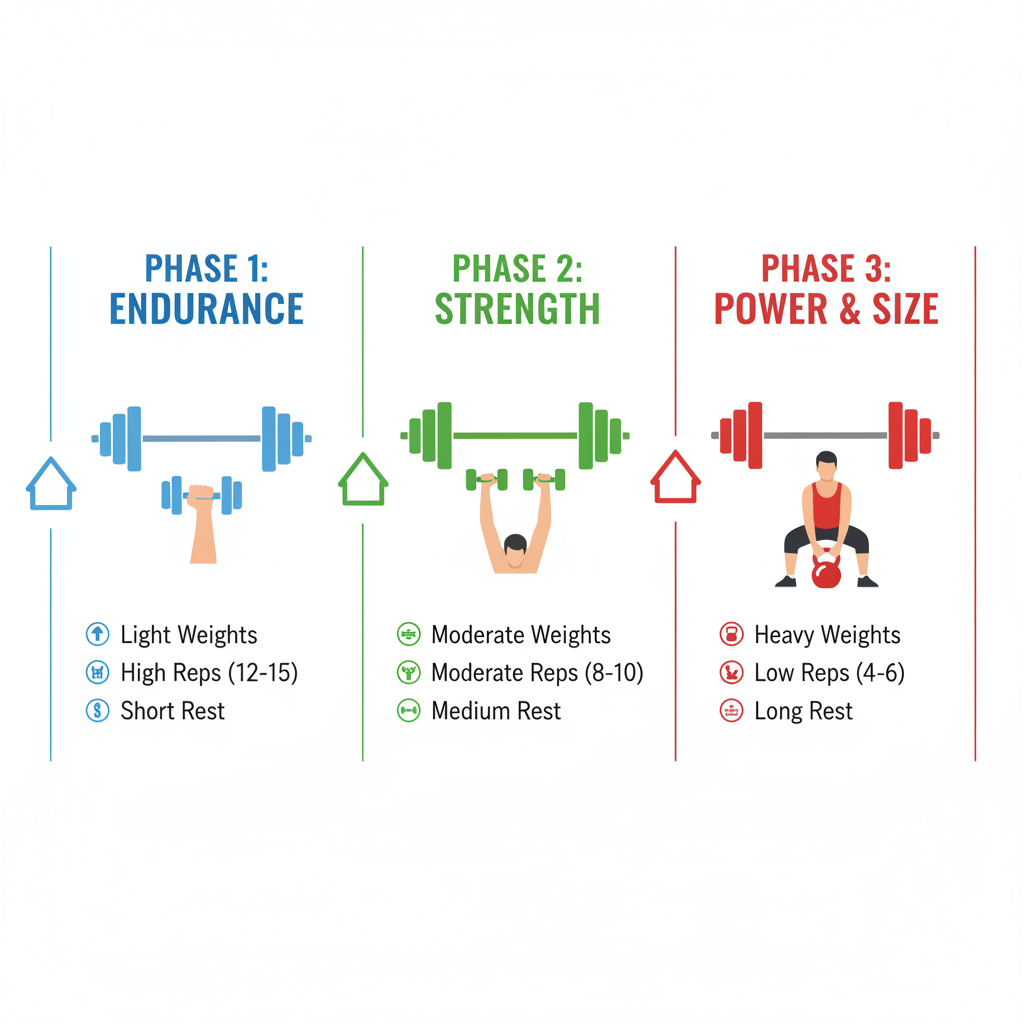
This plan is structured into three distinct phases, each building upon the last to ensure continuous progress and adaptation. The key to building lean muscle is progressive overload-gradually increasing the challenge to your muscles over time.
Phase 1- Foundation and Form (Weeks 1-4)
Goal: Learn proper form, build a solid strength base, and establish a consistent routine. Focus on mastering fundamental movements.
- Frequency: 3 full-body workouts per week.
- Exercises: Compound movements (squats, deadlifts, presses, rows) with lighter weights to perfect technique.
- Sets/Reps: 3 sets of 10-12 repetitions.
- Rest: 60-90 seconds between sets.
Phase 2- Hypertrophy and Growth (Weeks 5-8)
Goal: Increase muscle size and strength. Introduce heavier weights and slightly lower reps to stimulate muscle growth.
- Frequency: 4 workouts per week (e.g., upper/lower split or push/pull/legs).
- Exercises: Continue with compound movements, adding some isolation exercises.
- Sets/Reps: 3-4 sets of 8-10 repetitions.
- Rest: 60 seconds between sets. Focus on increasing weight while maintaining form.
Phase 3- Strength and Definition (Weeks 9-12)
Goal: Maximize strength gains, improve muscle definition, and challenge your limits.
- Frequency: 4-5 workouts per week (e.g., upper/lower split or specific muscle group focus).
- Exercises: Heavier compound lifts with lower reps, advanced variations, and intensified isolation work.
- Sets/Reps: 3-5 sets of 5-8 repetitions for primary lifts; 3 sets of 10-12 for accessory work.
- Rest: 90-120 seconds for heavy lifts; 45-60 seconds for accessory work.
Weekly Workout Structure- Sample Schedule

Here’s an example of how your weekly schedule might look, especially during Phase 2 and 3. Remember to listen to your body and adjust as needed.
| Day | Workout Focus | Key Exercises (Examples) |
|---|---|---|
| Monday | Lower Body A | Barbell Squats, Romanian Deadlifts, Leg Press, Glute Bridges |
| Tuesday | Upper Body A | Overhead Press, Barbell Rows, Bench Press, Dumbbell Bicep Curls |
| Wednesday | Active Recovery / Rest | Light walk, stretching, foam rolling |
| Thursday | Lower Body B | Leg Extensions, Hamstring Curls, Lunges, Calf Raises |
| Friday | Upper Body B / Full Body | Pull-ups/Lat Pulldowns, Dumbbell Rows, Incline Dumbbell Press, Tricep Extensions |
| Saturday | Optional Active Recovery / Rest | Yoga, hiking, light cardio |
| Sunday | Rest | Full rest and recovery |
Progressive Overload in Practice: To ensure you’re always challenging your muscles, aim to either increase the weight, increase the reps, increase the sets, or decrease rest time over the 12 weeks. Keep a workout journal to track your progress!
Nutrition for Lean Muscle Growth- Fuel Your Body

Your efforts in the gym mean little without proper nutrition. Fueling your body correctly is paramount for muscle repair, growth, and energy.
- Prioritize Protein Aim for 0.7-1 gram of protein per pound of body weight daily. This is essential for muscle repair and synthesis. Sources: lean meats, poultry, fish, eggs, dairy, legumes, tofu, protein powder.
- Embrace Complex Carbohydrates Carbs are your primary energy source. Choose whole grains, fruits, and vegetables to fuel your workouts and replenish glycogen stores.
- Include Healthy Fats Essential for hormone production and overall health. Avocados, nuts, seeds, olive oil, and fatty fish are excellent choices.
- Stay Hydrated Water plays a critical role in nutrient transport, energy levels, and muscle function. Drink plenty throughout the day, especially around your workouts.
- Listen to Your Body Pay attention to hunger cues and energy levels. Adjust your intake as needed based on your activity and goals.
Mindset, Consistency, and Recovery- The Unsung Heroes

Building lean muscle is a marathon, not a sprint. Your mental approach and commitment to recovery are just as important as your workouts.
Cultivate a Resilient Mindset
There will be days you don’t feel like training, or plateaus where progress seems to stall. Remind yourself of your goals, celebrate small victories, and view challenges as opportunities to learn and adapt. Strength isn’t just physical; it’s mental too.
Consistency Trumps Intensity
Showing up consistently, even on days you’re not feeling 100%, yields better long-term results than sporadic, intense bursts. Build a routine that fits your lifestyle and stick to it. Small, consistent efforts compound over time.
Prioritize Quality Sleep
Muscle growth and repair primarily occur during sleep. Aim for 7-9 hours of quality sleep per night. Create a relaxing bedtime routine to optimize your recovery.
Manage Stress Effectively
Chronic stress can hinder muscle growth and recovery by elevating cortisol levels. Incorporate stress-reducing activities like meditation, yoga, reading, or spending time in nature.
Listen to Your Body’s Signals
Don’t push through sharp pain. Rest when needed. Active recovery days (light walking, stretching) can be incredibly beneficial. Recovery is where your muscles actually grow stronger.
Your Stronger Self Awaits
Embarking on this 12-week strength training journey is more than just a fitness plan-it’s an investment in your health, your confidence, and your future. You have the power within you to build a stronger, more resilient body and mind. It won’t always be easy, but every rep, every set, and every consistent effort brings you closer to your goals.
Embrace the challenge, celebrate your progress, and trust the process. By the end of these 12 weeks, you won’t just see a difference in your physique; you’ll feel an incredible shift in your strength, energy, and self-belief. Start today, and discover the incredible power of your own body.