
1-Mile-a-Day Low-Impact Walking Workout You Can Do at Home
Life can be busy, unpredictable, and sometimes, just plain exhausting. Finding time, energy, or even the motivation to hit the gym or brave the elements for a walk outside can feel like an impossible task. But what if staying active didn’t require a special trip, expensive equipment, or even perfect weather? What if you could achieve a meaningful workout right in the comfort of your own home, regardless of your fitness level?
That’s exactly what a 1-mile-a-day low-impact walking workout offers. It’s a simple, effective, and incredibly accessible way to integrate consistent movement into your daily routine. This guide will walk you through everything you need to know to start your journey, proving that big fitness goals can begin with small, consistent steps – right where you are.
Why a 1-Mile-a-Day Walk at Home is a Game Changer
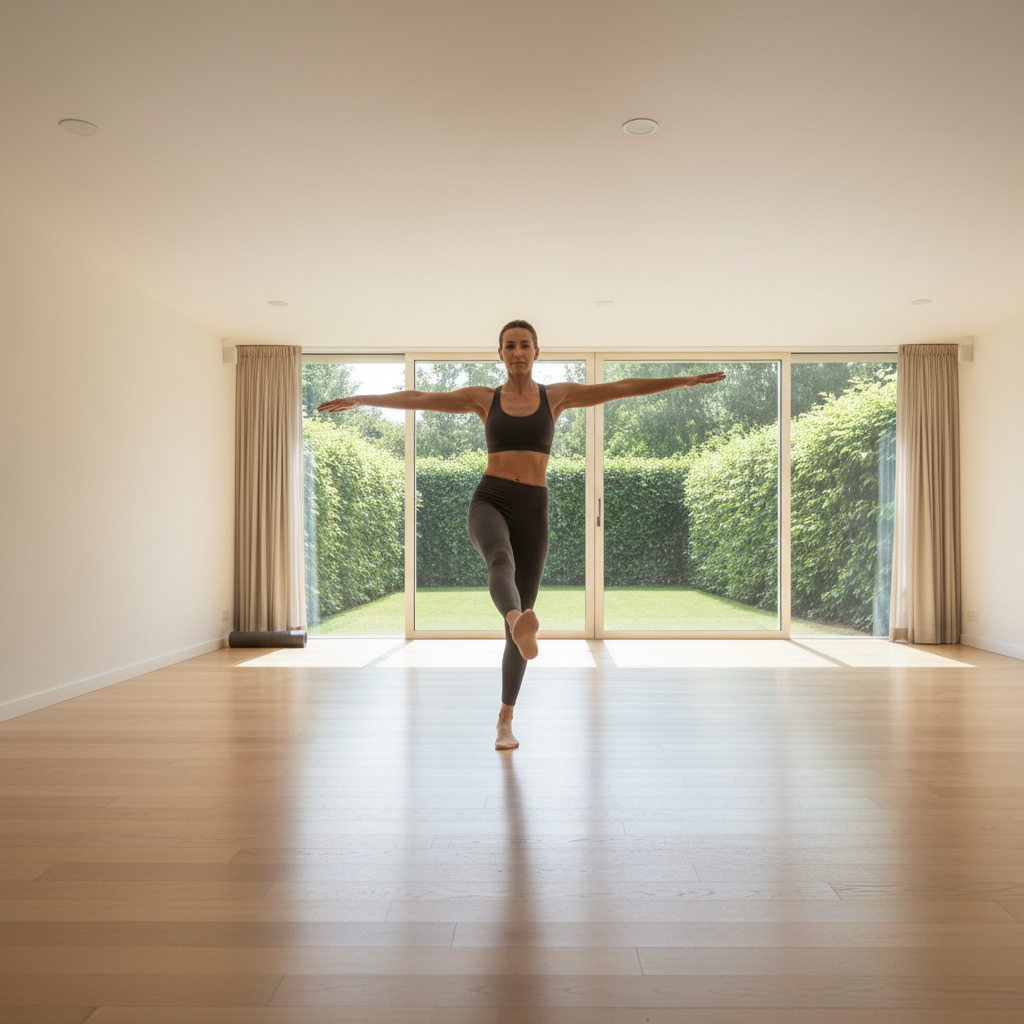
Committing to daily movement, even something as straightforward as a mile walk, can unlock a surprising array of benefits for your physical and mental well-being. It’s not just about burning calories; it’s about building a foundation for a healthier, more energetic life.
Physical Benefits
- Improved Cardiovascular Health Regular walking strengthens your heart, improves blood circulation, and can help lower blood pressure.
- Joint-Friendly Movement As a low-impact exercise, walking puts minimal stress on your joints, making it ideal for all ages and fitness levels, especially if you’re recovering from an injury or dealing with joint pain.
- Enhanced Muscle Tone While not a strength workout, walking engages muscles in your legs, glutes, and core, contributing to better muscle tone and endurance.
- Better Energy Levels Consistent activity boosts your metabolism and can help you feel more energetic throughout the day, combating that afternoon slump.
- Weight Management Support A daily mile walk contributes to your overall calorie expenditure, supporting healthy weight management when combined with a balanced diet.
Mental and Emotional Boosts
- Stress Reduction Physical activity is a powerful stress reliever. Walking can help clear your mind, reduce anxiety, and promote a sense of calm.
- Mood Enhancement Movement releases endorphins, natural mood elevators that can help reduce feelings of sadness and improve overall happiness.
- Improved Sleep Quality Regular exercise, especially earlier in the day, can lead to deeper, more restorative sleep.
- Increased Focus and Creativity Taking a mental break to move can help you return to tasks with renewed focus and fresh ideas.
Getting Started – Your At-Home Walking Toolkit
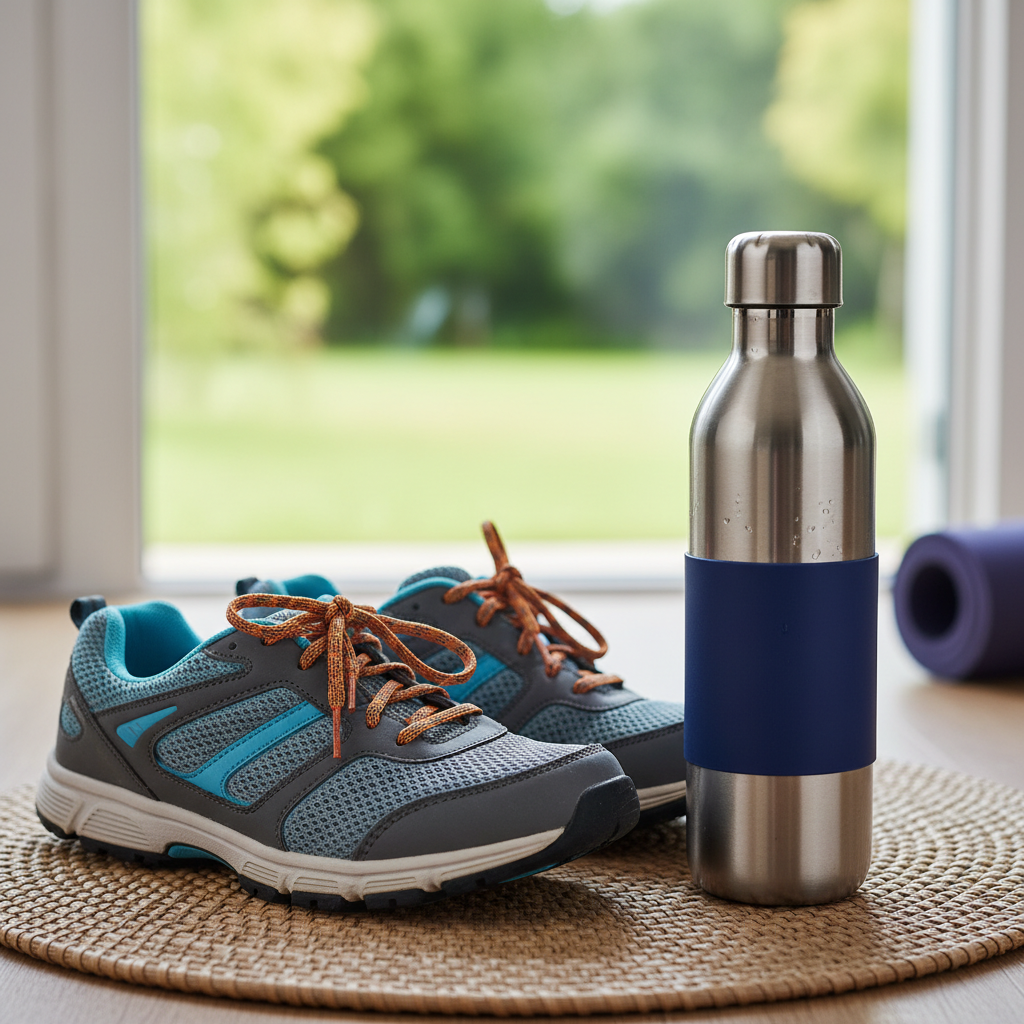
One of the best things about an at-home walking workout is how little you need to begin. Forget fancy equipment or gym memberships; your body and a small space are truly all that’s required.
What You’ll Need
- Comfortable Shoes While you can walk barefoot, supportive athletic shoes are best, especially if you’re on hard floors.
- Comfortable Clothing Choose activewear that allows for a full range of motion and keeps you cool.
- Water Bottle Stay hydrated! Keep water nearby and sip throughout your workout.
- Small Space A living room, bedroom, or even a hallway can work. You just need enough room to take a few steps in each direction or march in place.
- Optional – Music or Podcast To keep you motivated and entertained.
- Optional – Fitness Tracker To monitor your steps or time.
Safety First
- Clear Your Space Ensure your walking area is free of obstacles, rugs that might slip, or anything you could trip over.
- Listen to Your Body If you feel any sharp pain, stop immediately. It’s okay to take breaks or modify movements.
- Stay Hydrated Drink water before, during, and after your workout.
The Warm-Up – Preparing Your Body
Before you dive into your mile, a quick warm-up is crucial. This prepares your muscles, increases blood flow, and helps prevent injury. Aim for 3-5 minutes of light movement.
- Marching in Place Start with a gentle march, lifting your knees moderately. (1 minute)
- Arm Circles Slowly rotate your arms forward and backward, gradually increasing the range of motion. (30 seconds each direction)
- Leg Swings Hold onto a wall or chair for balance and gently swing one leg forward and backward, then side to side. Repeat with the other leg. (30 seconds each leg/direction)
- Torso Twists Stand with feet shoulder-width apart and gently twist your torso from side to side. (30 seconds)
Your 1-Mile At-Home Walking Routine – Step-by-Step
The beauty of an at-home walking workout is its adaptability. A mile for one person might be 15 minutes of continuous movement, while for another, it could be 25 minutes with varied steps. Focus on continuous movement for approximately 15-25 minutes, adjusting based on your pace and the intensity of your movements. Here’s a sample routine combining various low-impact movements:
Perform each movement for 1-2 minutes, moving from one to the next with minimal rest. Repeat the entire circuit 2-3 times to accumulate your mile.
- Marching in Place Lift your knees high, engage your core, and swing your arms naturally. This is your foundation.
- Side Steps Step to the right, bring your left foot to meet it. Repeat 4-8 times, then switch directions. Keep a slight bend in your knees.
- Knee Lifts with Arm Pulls Bring one knee up towards your chest while simultaneously pulling your elbows down as if doing a lat pulldown. Alternate legs.
- Heel Taps Tap one heel forward, then bring it back. Alternate heels, like you’re gently kicking something forward.
- Grapevine Steps (or modified side shuffle) Step right, cross left foot behind right, step right again, bring left foot to meet. Repeat to the left. If space is limited, just do a larger side step with a small hop or shuffle.
- Calf Raises Stand tall, then lift onto the balls of your feet, squeezing your calves. Lower slowly. Integrate these every few minutes.
- Walking Lunges (Modified) Step one foot forward, bending both knees to a 90-degree angle (ensure front knee stays behind toes). Push back to start. Alternate legs. If space is an issue, do stationary lunges.
- Box Steps (or Step Touches) If you have a low, sturdy step or just imagine one, step up with one foot, then the other, then step down. Alternate leading feet.
How to track your mile A general rule of thumb is that a mile is roughly 2,000 steps or takes about 15-20 minutes of brisk walking. With varied movements, aim for 20-25 minutes of continuous effort. Use a fitness tracker if you have one, or simply set a timer.
Cool-Down – Essential for Recovery
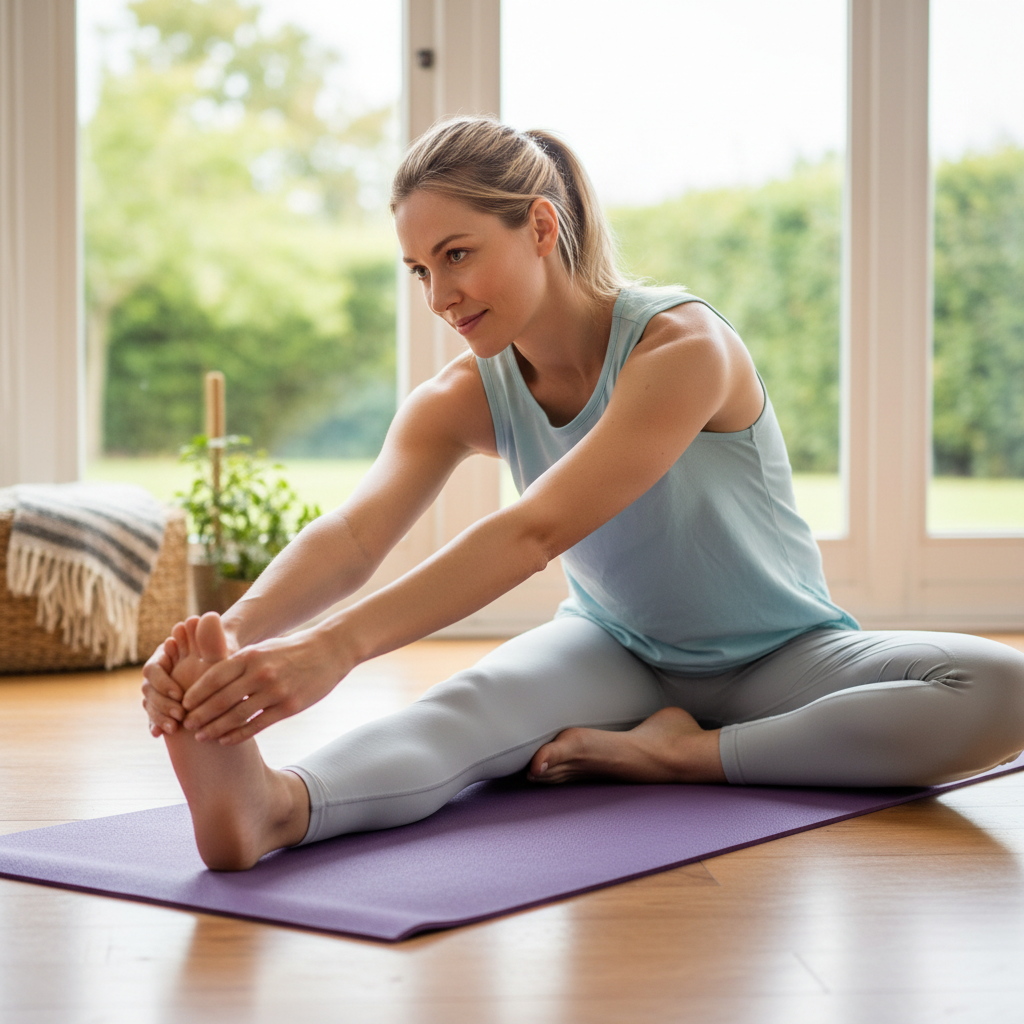
Just as important as warming up, cooling down helps your heart rate return to normal and prevents muscle soreness. Dedicate 3-5 minutes to gentle stretches.
- Hamstring Stretch Sit or stand. Extend one leg forward with your heel on the floor, toes pointed up. Gently lean forward from your hips until you feel a stretch in the back of your thigh. (30 seconds per leg)
- Quad Stretch Stand and hold onto something for balance. Grab your right ankle with your right hand and gently pull your heel towards your glutes. Keep your knees close together. (30 seconds per leg)
- Calf Stretch Stand facing a wall. Place your hands on the wall, step one foot back, keeping your heel on the ground. Lean forward until you feel a stretch in your calf. (30 seconds per leg)
- Trunk Twist Lie on your back, knees bent, feet flat. Let your knees gently fall to one side, keeping your shoulders on the floor. Look the opposite way. (30 seconds per side)
Making it a Habit – Consistency is Key
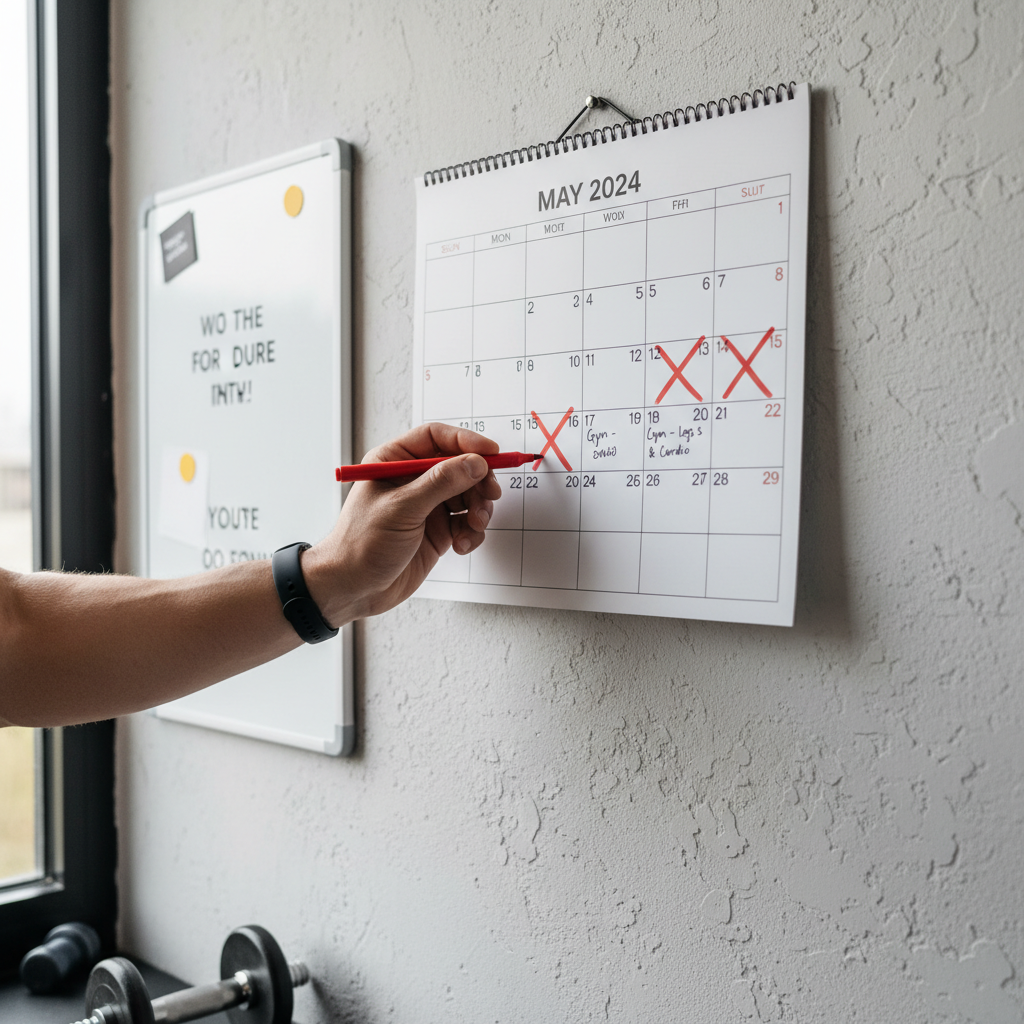
The real magic of the 1-mile-a-day challenge lies in its consistency. Here’s how to make it stick:
- Schedule It Treat your workout like an important appointment. Put it on your calendar.
- Find Your Why Remind yourself of the benefits you’re seeking – more energy, better mood, improved health.
- Start Small If 20 minutes feels daunting, start with 10 and gradually increase. Any movement is better than none.
- Stack Your Habits Pair your walk with something you already do, like listening to your favorite podcast or watching a show.
- Track Your Progress Use a simple journal or app to celebrate your daily achievements.
- Be Kind to Yourself Miss a day? No problem. Just get back on track tomorrow. Don’t let perfection be the enemy of good.
Troubleshooting Common Challenges
Lack of Space
Even a small area is enough. Focus on movements like marching in place, knee lifts, and heel taps that don’t require much travel. You can also move around a piece of furniture or the perimeter of a room.
Lack of Motivation
Change your environment (move to a different room), put on upbeat music, call a friend for an accountability check-in, or remind yourself how good you’ll feel afterward.
Boredom
Vary your routine! Try new music, a different podcast, or even follow along with an online walking workout video. Change up the order of your movements or add light hand weights if you feel ready for more challenge.
Ready to Walk Your Way to Better Health?
A 1-mile-a-day low-impact walking workout at home is more than just exercise; it’s an investment in your physical and mental health. It’s a testament to the power of consistency and the belief that you don’t need grand gestures to make significant progress. By embracing this simple, accessible routine, you’re not just taking steps; you’re building a stronger, healthier, and happier you, one mile at a time. Lace up, press play on your favorite tunes, and start your journey today. Your body and mind will thank you.