Easy Low-Impact Fat-Burn Workouts for Every Fitness Level
You don’t have to jump, run, or push yourself to exhaustion to burn fat and get fit. In fact, some of the most effective workouts are low-impact, meaning they’re gentle on your joints while still powerful enough to help you lose weight, build strength, and feel amazing.
Whether you’re a beginner starting your fitness journey, returning after an injury, or simply looking for gentler ways to stay active, low-impact workouts are perfect for every fitness level.
They’re easy to follow, can be done at home, and require little to no equipment — making them one of the most accessible forms of exercise for busy lives.
Let’s explore how low-impact workouts help burn fat, the best exercises to start with, and a few simple routines you can try today.
What Are Low-Impact Workouts?
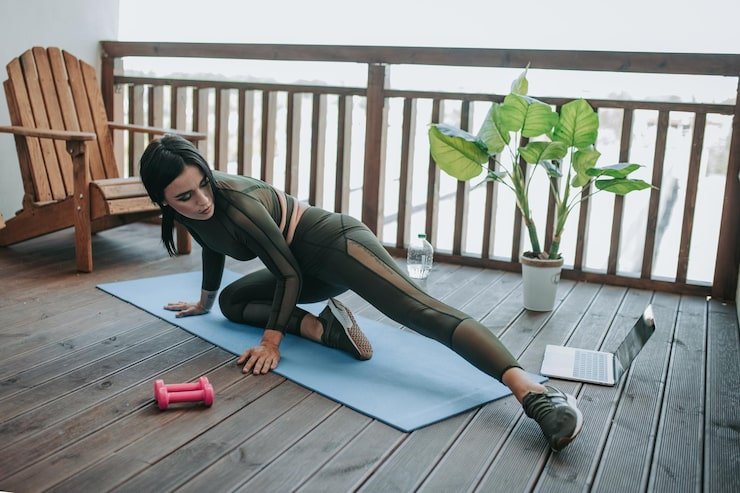
Low-impact workouts are exercises that reduce stress on your joints while keeping your heart rate elevated enough to burn calories and strengthen muscles.
Unlike high-impact activities like running or jumping, low-impact moves keep at least one foot on the ground at all times, minimizing strain on your knees, ankles, and hips.
They can include:
- Walking
- Cycling
- Swimming
- Yoga
- Pilates
- Strength training
- Bodyweight circuits
These exercises still challenge your body — they just do it more gently. And the best part? You can modify them to match your current fitness level.
How Low-Impact Workouts Help Burn Fat
You might wonder: if there’s no jumping or sprinting, can low-impact exercises really burn fat?
The answer is yes — absolutely. Here’s how it works:
- They boost your metabolism: Consistent low-impact exercise helps your body burn more calories, even at rest.
- They build lean muscle: Strength-based low-impact movements help tone your body and increase your daily energy burn.
- They reduce cortisol (stress hormone): Lower stress means better fat metabolism and improved overall health.
- They’re sustainable: Because they’re gentler, you’re more likely to stay consistent — the real key to lasting fat loss.
Fat-burning doesn’t require intensity — it requires consistency. And low-impact workouts are something you can do every day without risking burnout or injury.
Benefits of Low-Impact Exercise
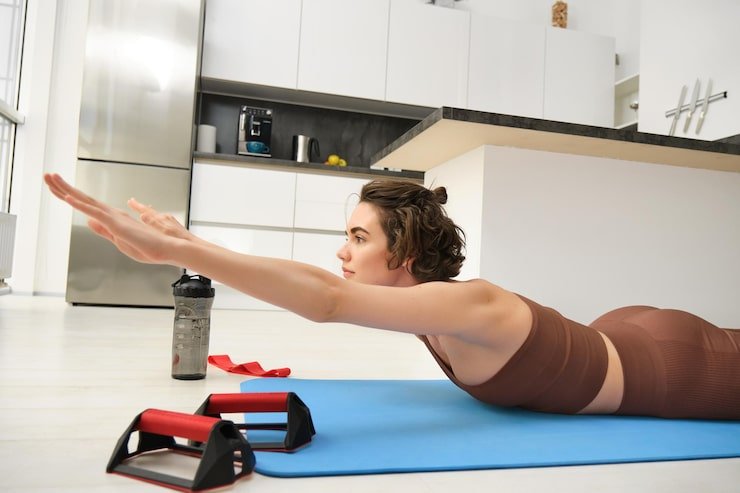
Low-impact workouts are a perfect blend of effectiveness and sustainability.
Here’s why they’re worth making a part of your daily routine:
- Easier on joints and muscles
- Reduce risk of injury
- Improve flexibility and mobility
- Build endurance and balance
- Boost mood and energy
- Suitable for all ages and fitness levels
They’re especially great for beginners, older adults, or anyone recovering from injury — but they can also challenge seasoned exercisers when done with intensity and proper form.
Getting Started: What You’ll Need
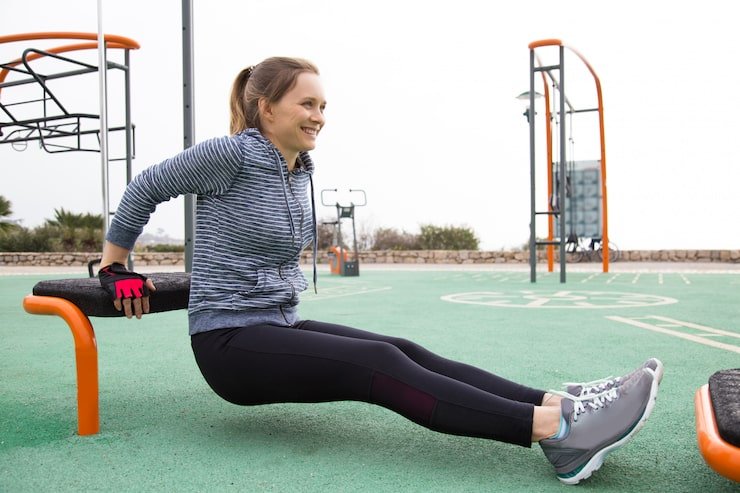
You don’t need a fancy setup to begin.
Here’s what helps:
- A yoga mat or soft surface
- Comfortable workout clothes and shoes
- A water bottle
- Optional: light dumbbells or resistance bands
And most importantly, bring your consistency — that’s the secret ingredient to progress.
Warm-Up: Prepare Your Body
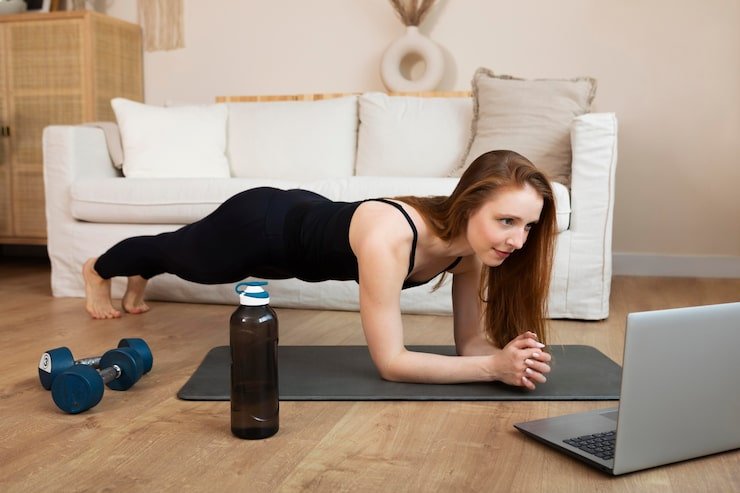
Always start your workouts with a gentle warm-up to increase circulation and prevent injury.
Try this quick 5-minute warm-up:
- March in place – 1 minute
- Arm circles – 30 seconds each direction
- Side steps with arm swings – 1 minute
- Gentle torso twists – 30 seconds
- Slow squats or hip rotations – 1 minute
Once you feel warm, you’re ready to move.
1. Low-Impact Cardio Circuit (Fat-Burning Focus)
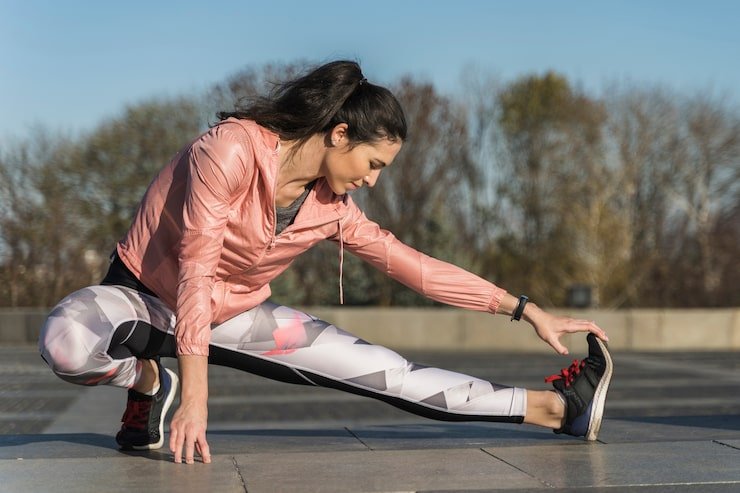
This circuit will raise your heart rate while protecting your joints. Perfect for all fitness levels.
Perform each exercise for 40 seconds, rest for 20 seconds, and repeat the full circuit 3–4 times.
- March with Arm Swings
Lift your knees high and swing your arms to increase heart rate.
Modification: Speed it up for more intensity. - Step Touch with Squat
Step side-to-side, adding a light squat with each step.
Targets: Legs, glutes, and cardio endurance. - Standing Knee Drives
Bring your knee up toward your chest while engaging your abs. Alternate sides.
Great for the core and coordination. - Reverse Lunges
Step one leg back and lower into a lunge, keeping your front knee over your ankle.
Strengthens glutes and thighs. - Side Step Jacks
Step one foot to the side while lifting your arms overhead — like a jumping jack, but without the jump.
Cardio with zero impact. - Standing Mountain Climbers
Bring your knees toward your chest quickly, alternating sides.
Perfect for cardio and core activation.
Cool down: March in place and stretch for 3–5 minutes.
2. Strength-Based Low-Impact Workout (Tone and Burn)
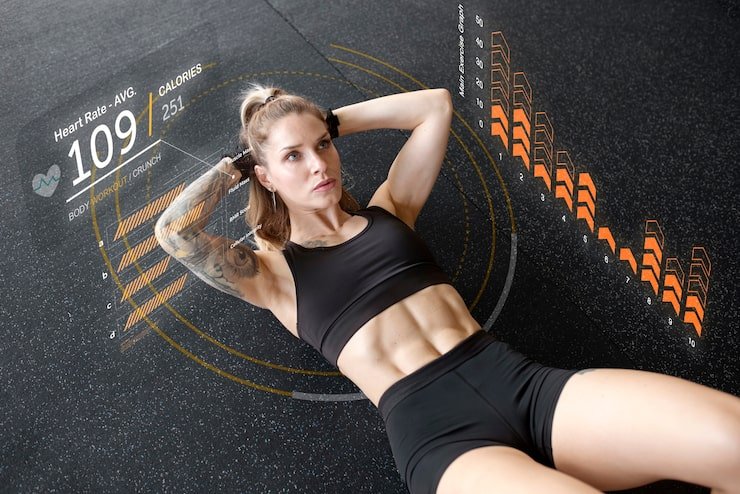
This workout helps you build lean muscle — which boosts metabolism and enhances fat loss.
Do 10–12 reps of each exercise. Repeat the circuit 3 times.
- Bodyweight Squats
Keep your chest tall, lower your hips, and press through your heels to stand.
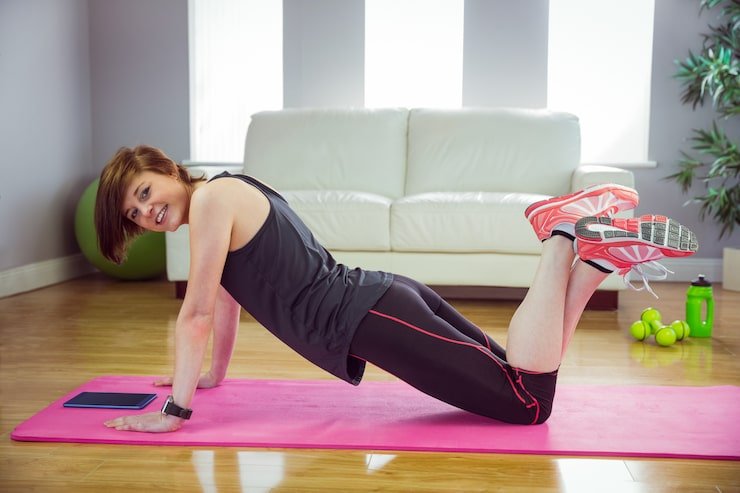
Targets glutes, quads, and core. - Modified Push-Ups
On your knees or a wall, keep your core tight and lower your chest slowly.
Strengthens arms, shoulders, and chest. - Glute Bridges
Lie on your back, lift your hips, and squeeze your glutes at the top.
Excellent for lower body and core stability. - Standing Side Leg Raises
Stand tall, lift one leg out to the side, lower slowly. Switch sides.
Great for hip strength and balance. - Plank (Knee or Full)
Hold a strong position, keeping your body in a straight line.
Works the entire core and shoulders.
Optional: Add light dumbbells for extra resistance.
3. Core and Balance Workout
Your core plays a huge role in fat-burning and stability. These exercises improve strength and posture while tightening your midsection.
Do 12–15 reps each. Repeat 2–3 rounds.
- Standing Oblique Crunches
Bring your elbow toward your knee, alternating sides.
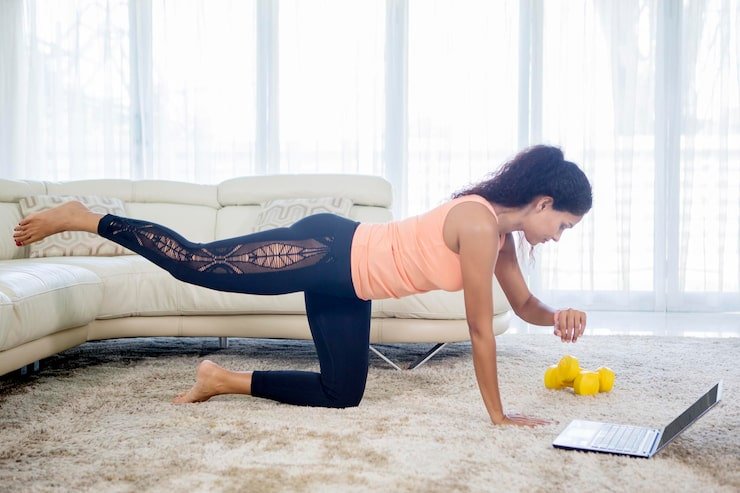
Engages abs and improves coordination. - Bird-Dog
On all fours, extend opposite arm and leg. Hold, then switch.
Enhances balance and core control. - Seated Knee Tucks
Sit on the edge of a chair or mat, lean slightly back, and bring knees toward your chest.
Strengthens lower abs. - Side Plank (Knees or Full)
Hold each side for 20–30 seconds.
Tones obliques and builds stability. - Glute Bridge March
From a bridge position, lift one foot off the ground at a time.
Activates core and glutes together.
4. Gentle Low-Impact Cardio Flow
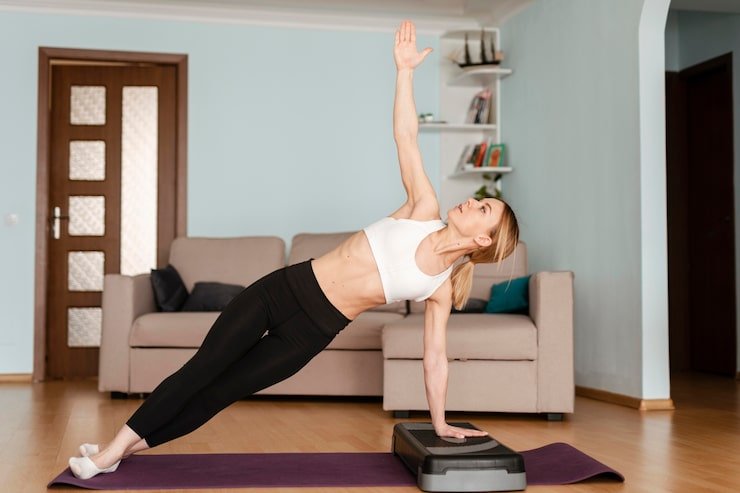
For days you want to move but keep it light, this flowing routine is perfect.
Perform each move for 45 seconds, move smoothly from one to the next.
- Step touch
- Side leg lifts
- Arm circles
- March in place
- Squat to reach overhead
- Gentle knee lifts
- Standing twists
- Slow side lunges
This type of flow boosts blood circulation, burns calories, and helps relieve stress — all without strain.
5. Recovery and Flexibility Routine
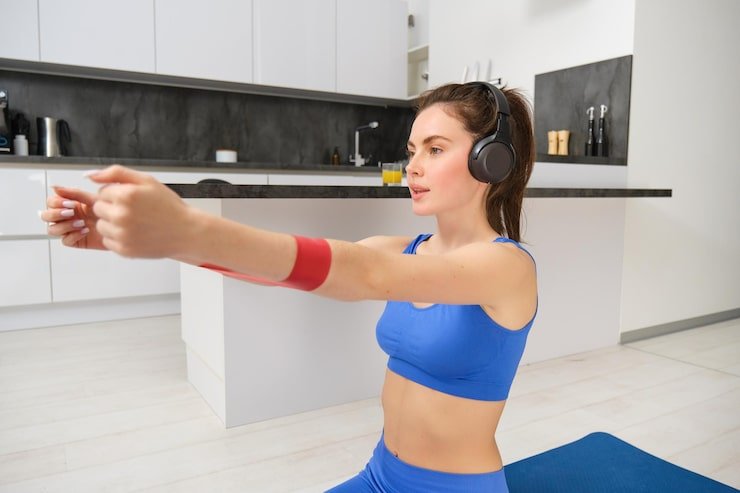
Never underestimate recovery. Low-impact stretching and mobility work keep your body flexible and pain-free.
Simple daily stretch sequence:
- Neck rolls – 30 seconds
- Shoulder rolls – 30 seconds
- Standing quad stretch – 30 seconds each side
- Hamstring stretch – 30 seconds
- Cat-cow stretch – 1 minute
- Deep breathing – 1 minute
Stretching after workouts prevents stiffness and improves muscle recovery — helping you stay consistent long-term.
How Often Should You Do Low-Impact Workouts?
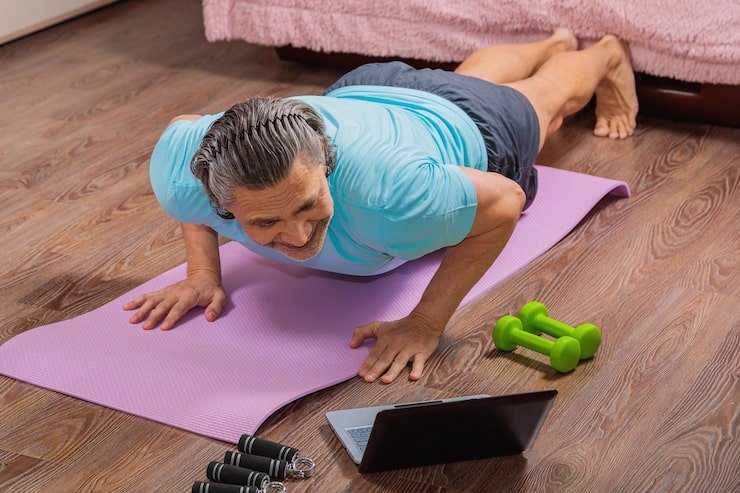
For best results:
- Aim for 4–5 low-impact workouts per week.
- Alternate between cardio-based days and strength-based days.
- Include stretching or yoga 1–2 times weekly for flexibility and relaxation.
Even 20–30 minutes daily can make a big difference in your energy, endurance, and mood.
Tips to Maximize Fat Burn at Any Level
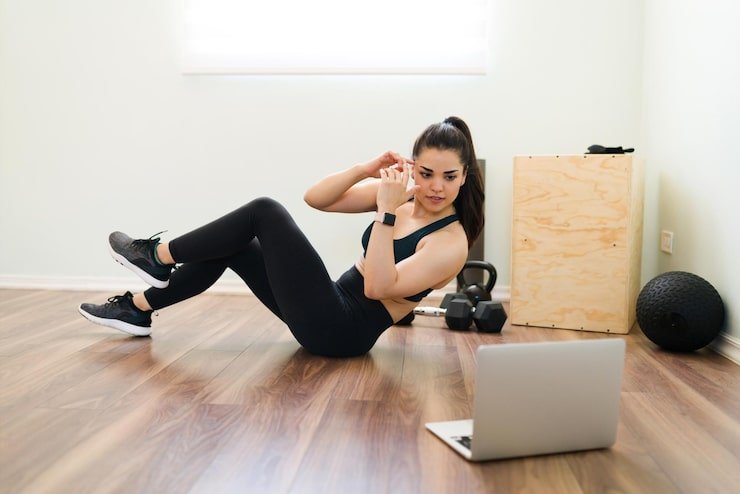
Low-impact doesn’t mean low results. With the right approach, you can see amazing progress.
- Focus on form: Quality movement burns more calories than rushed reps.
- Add resistance: Use light dumbbells or resistance bands for intensity.
- Shorten rest periods: Keep heart rate up for continuous fat burn.
- Stay consistent: Regular workouts create lasting results.
- Pair with healthy eating: Balanced nutrition enhances fat loss and energy.
- Track progress: Measure how you feel, not just what the scale says.
Consistency + movement = transformation — no matter your pace or experience.
Why Low-Impact Doesn’t Mean Easy
Some people assume that “low-impact” equals “low intensity,” but that’s far from true.
Low-impact workouts can be incredibly challenging — they simply protect your joints while demanding strength, endurance, and control.
Moves like squats, planks, and lunges engage multiple muscle groups, raising your heart rate without any jumping. You’ll still sweat, tone, and feel that satisfying post-workout glow — just with less wear and tear on your body.
Listening to Your Body
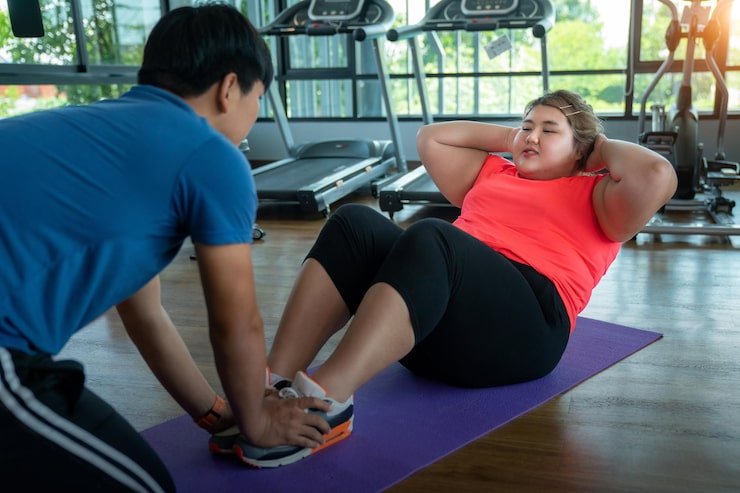
One of the best things about low-impact exercise is that it encourages mindfulness. You become more aware of how your body feels and moves.
Pay attention to:
- How your muscles engage
- Your breathing rhythm
- Signs of fatigue or strain
Rest when needed, modify movements, and progress gradually. Fitness is personal — and low-impact training respects that.
Final Thoughts
Fat-burning doesn’t have to mean pushing your limits or pounding your joints. Low-impact workouts are the perfect balance of effective, sustainable, and gentle movement that keeps your body strong, flexible, and energized.
You can do them anywhere — at home, in the park, or even in your living room. And whether you’re a beginner or a seasoned exerciser, you’ll find that these workouts challenge you in the best way possible.
Start where you are. Move with purpose. Be consistent — and you’ll see (and feel) the difference within weeks.
Because fitness isn’t about intensity — it’s about showing up, staying consistent, and choosing movement that supports your body.
Strong, balanced, and confident — that’s what low-impact training is all about.


