15 Best Protein Foods to Eat Every Day
Protein is the fundamental building block of life. Every cell in the human body contains protein, and it is essential for repairing tissues, producing enzymes, and maintaining muscle mass. Whether you are an elite athlete looking to recover from a grueling workout or someone simply trying to maintain a healthy weight, getting enough high-quality protein is non-negotiable.
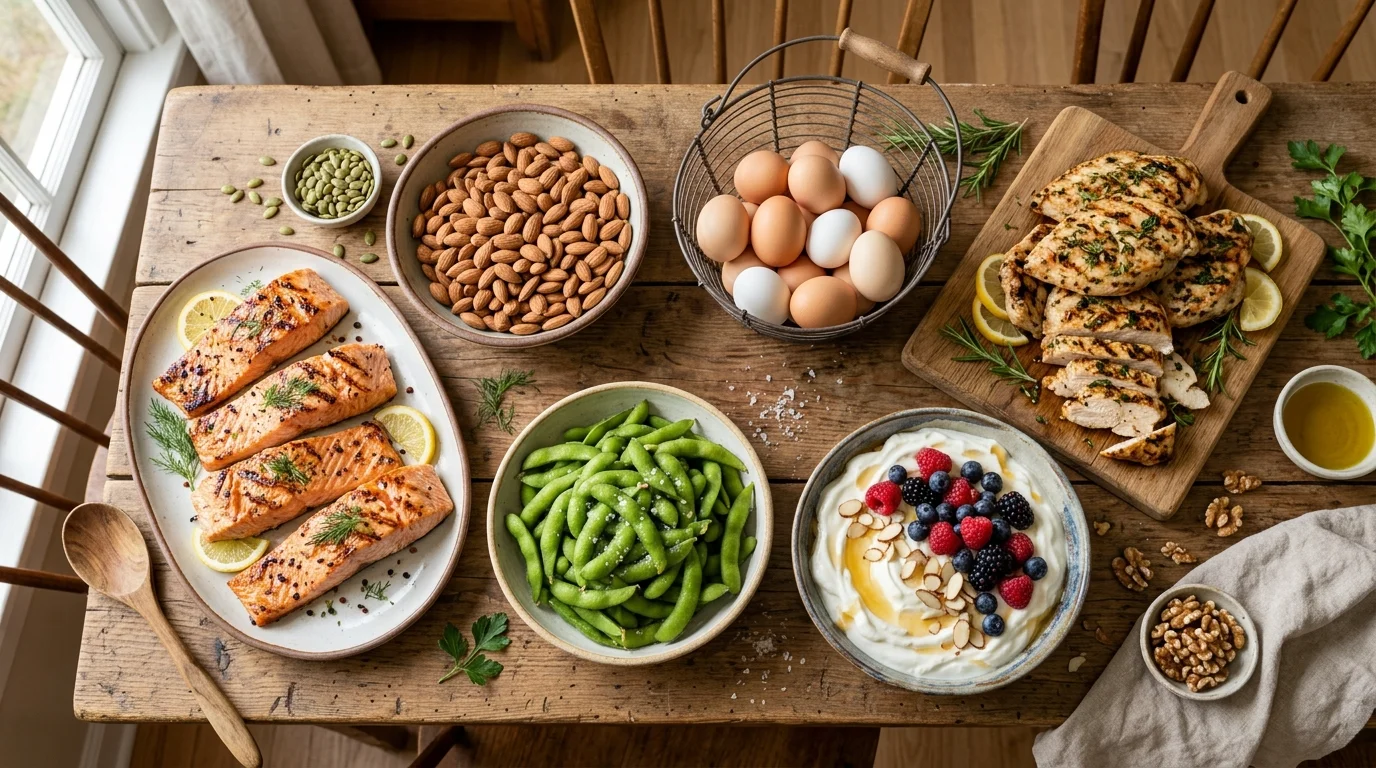
Consuming a diverse range of protein sources ensures you get all the essential amino acids your body cannot produce on its own. Below is a comprehensive guide to the 15 best protein foods you should consider incorporating into your daily diet for optimal health and vitality.
1. Eggs

Often referred to as “nature’s multivitamin,” eggs are one of the most nutritious foods on the planet. They are a complete protein source, meaning they contain all nine essential amino acids. A single large egg provides about 6 grams of protein along with healthy fats, vitamins, and minerals like choline, which is vital for brain health. Because they are incredibly versatile—whether boiled, poached, or scrambled—they make for an easy addition to any meal.
2. Chicken Breast
Chicken breast is a staple in the fitness community for a reason. It is exceptionally lean, meaning most of its calories come directly from protein rather than fat. One roasted chicken breast without skin provides approximately 53 grams of protein. It is an excellent source of B vitamins, particularly niacin and B6, which help the body convert food into energy.
3. Greek Yogurt

Unlike regular yogurt, Greek yogurt undergoes a straining process that removes the liquid whey, resulting in a product that is much higher in protein and lower in sugar. A 6-ounce serving can pack up to 17 grams of protein. Additionally, it is loaded with probiotics, which support a healthy gut microbiome and improve digestion.
4. Salmon
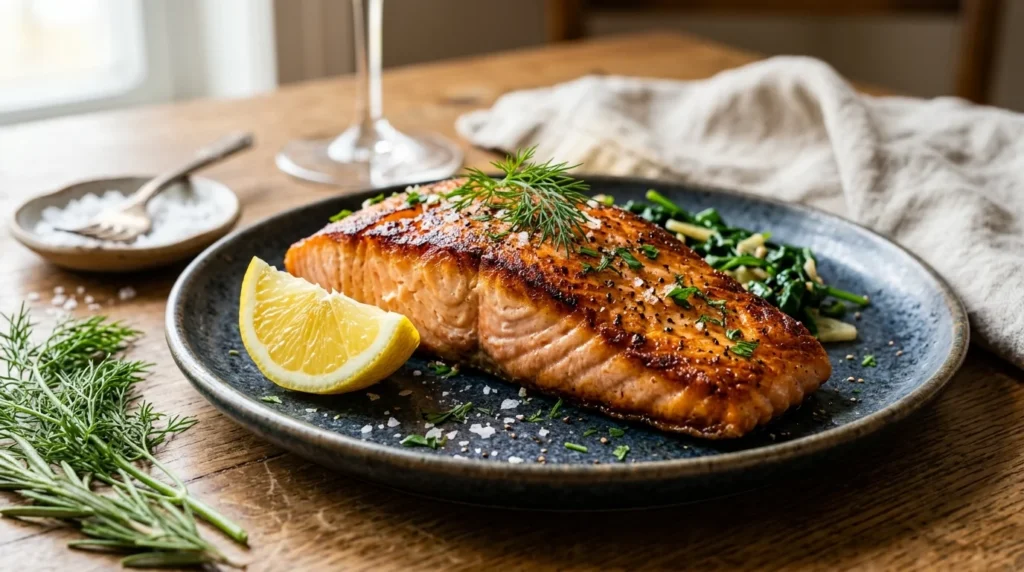
Salmon is a nutritional powerhouse. While it provides roughly 20 grams of protein per 3-ounce serving, its real claim to fame is its high concentration of omega-3 fatty acids. These healthy fats are known to reduce inflammation, support heart health, and improve cognitive function. Eating salmon regularly provides a “two-for-one” benefit of high-quality protein and essential fats.
5. Lentils
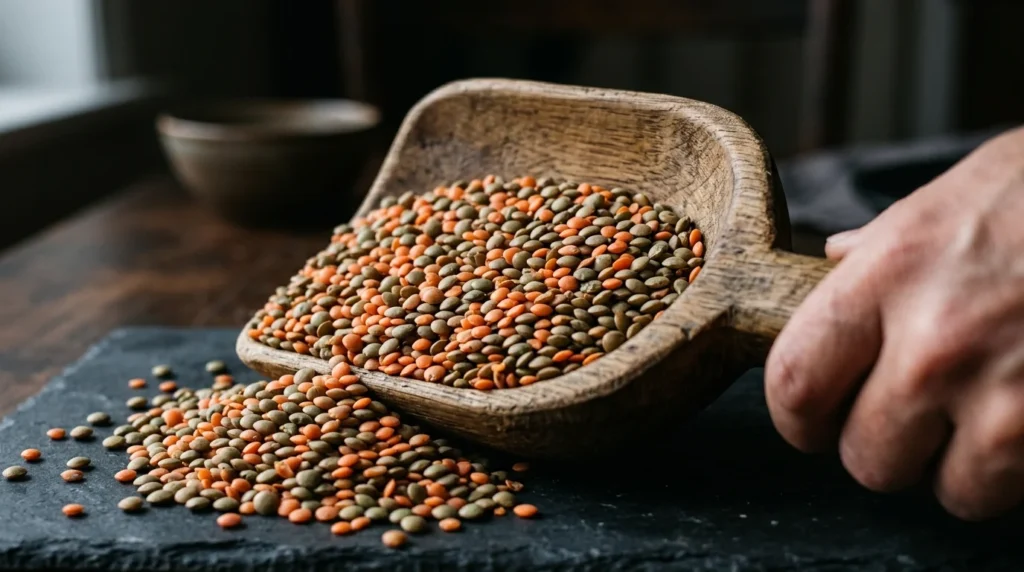
For those following a plant-based diet, lentils are an absolute must. They are among the world’s best sources of plant-based protein. One cup of cooked lentils contains about 18 grams of protein and 15 grams of fiber. This high fiber content helps stabilize blood sugar levels and keeps you feeling full for longer, making them a fantastic tool for weight management.
6. Tofu

Tofu is made from condensed soy milk that is pressed into solid white blocks. It is a rare plant-based “complete” protein. It is incredibly adaptable, absorbing the flavors of whatever it is cooked with. Beyond protein, tofu is a great source of calcium and manganese, which are essential for maintaining strong bones.
7. Almonds
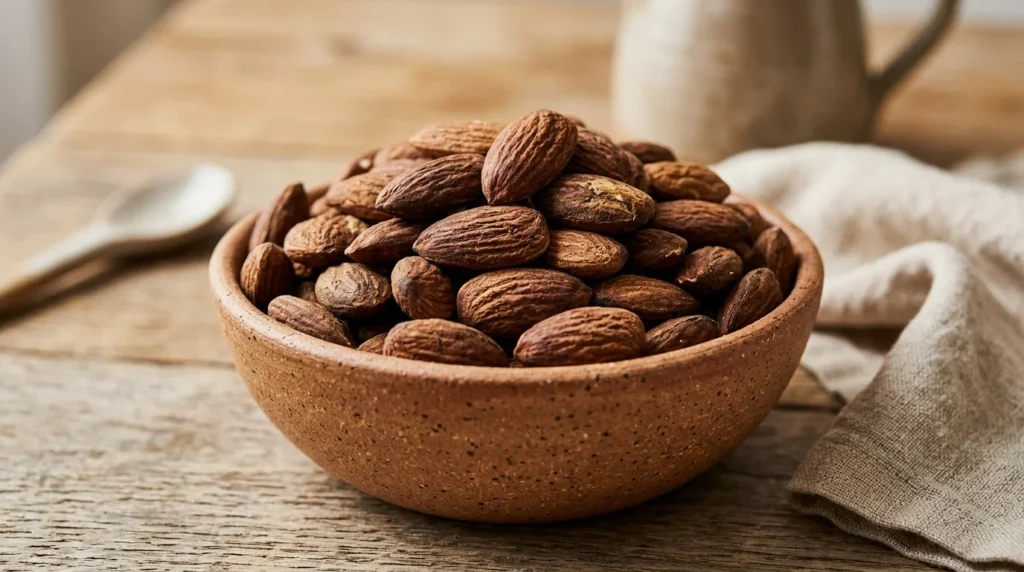
Almonds are a convenient, portable snack that provides a surprising amount of protein. About 10 almonds provide roughly 2.5 grams of protein. While you shouldn’t rely on them as your sole protein source due to their high calorie and fat content, they are packed with vitamin E, magnesium, and fiber, making them a heart-healthy addition to your daily routine.
8. Quinoa
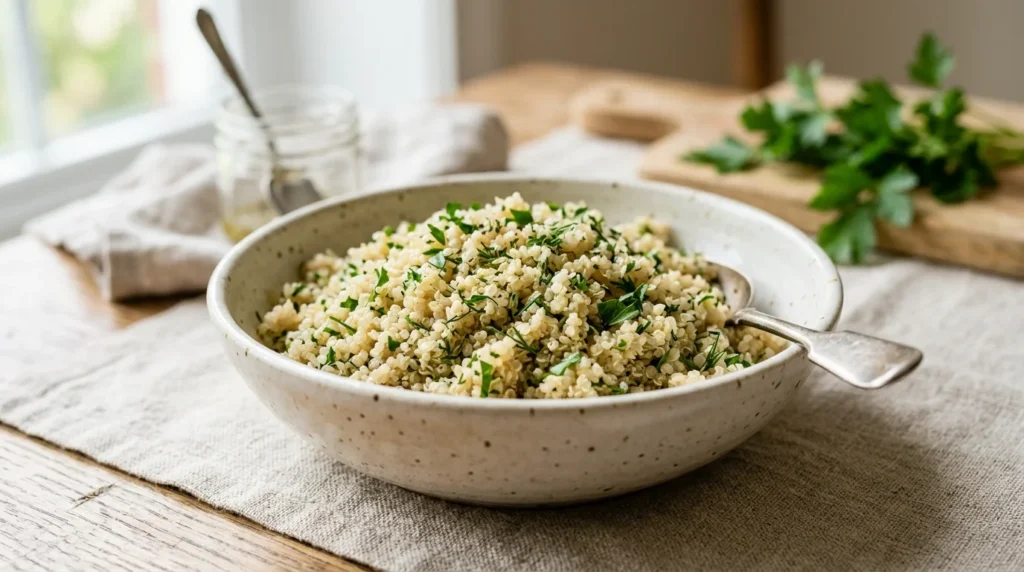
Quinoa is a pseudo-cereal that has gained “superfood” status over the last decade. Unlike most grains, it is a complete protein. One cup of cooked quinoa provides about 8 grams of protein. It is also high in magnesium, iron, and fiber, and it is naturally gluten-free, making it an excellent base for salads or a substitute for rice.
9. Cottage Cheese
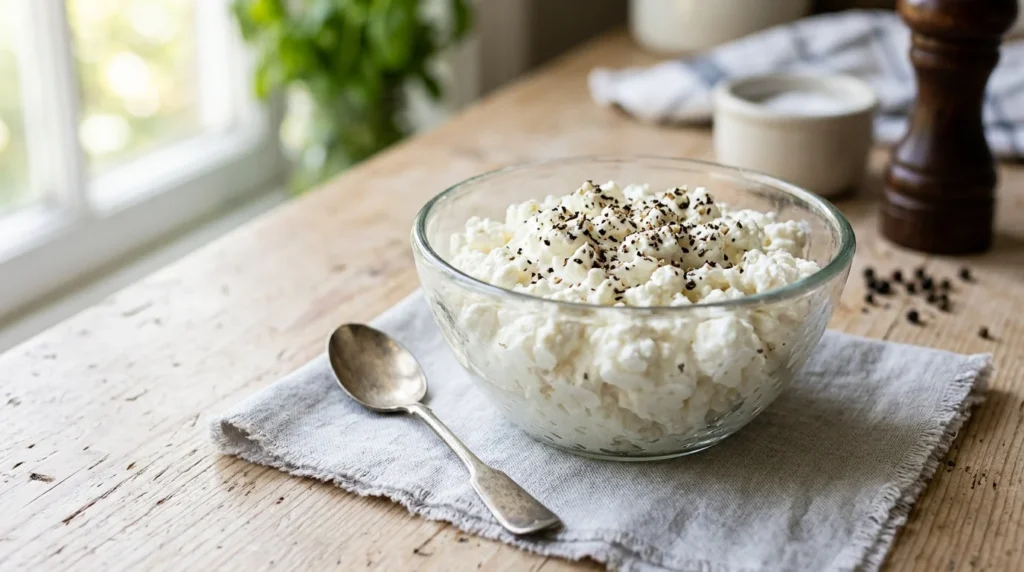
Cottage cheese is a low-calorie dairy product with a very high protein-to-calorie ratio. It is particularly rich in casein protein, which is a slow-digesting protein. This makes it a popular choice for an evening snack, as it provides a steady release of amino acids to the muscles throughout the night. It is also a fantastic source of calcium and phosphorus.
10. Lean Beef
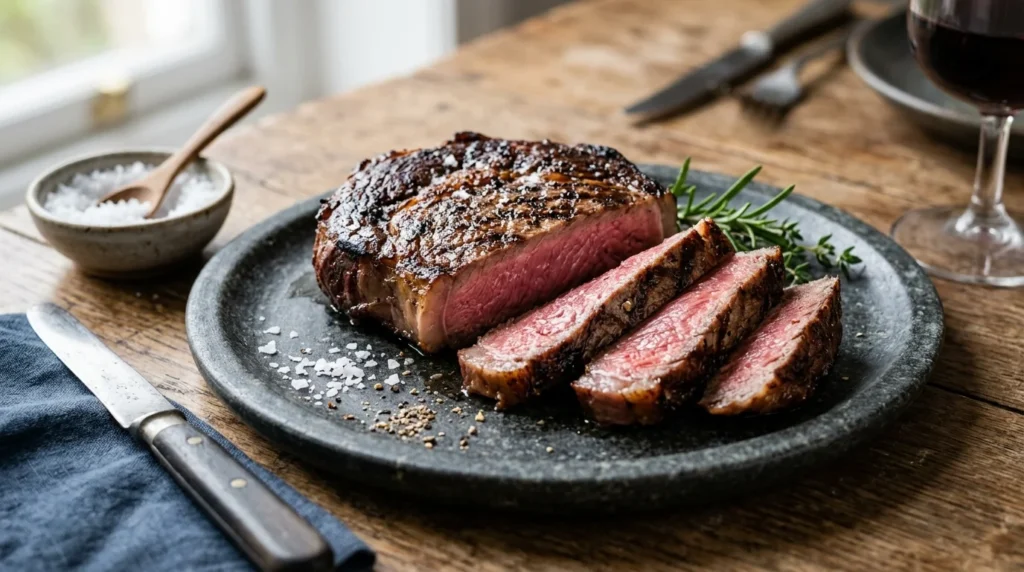
Lean beef is highly bioavailable, meaning the body absorbs and uses its protein very efficiently. It is one of the best sources of heme iron, which is absorbed more easily than the iron found in plants. Beef is also rich in zinc and vitamin B12. When selecting beef, look for “lean” cuts like sirloin or eye of round to keep saturated fat intake in check.
11. Turkey Breast
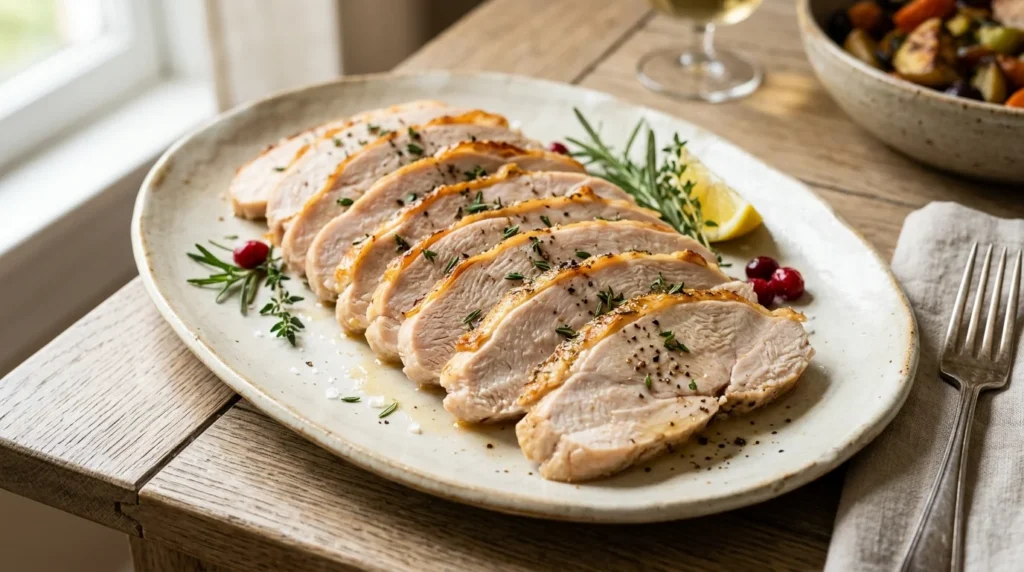
Turkey breast is very similar to chicken breast in its nutritional profile. It is extremely lean and provides a high dose of protein—about 26 grams per 3-ounce serving. It also contains selenium, which acts as a powerful antioxidant and supports immune function. It’s not just for the holidays; turkey is a fantastic everyday protein for sandwiches and salads.
12. Tempeh
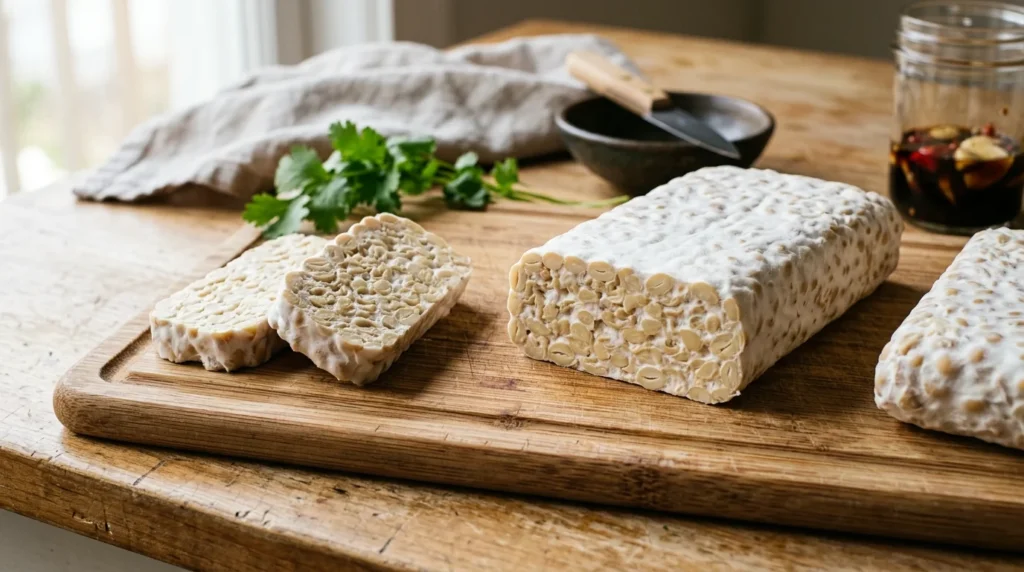
Tempeh is made by fermenting cooked soybeans and then firming them into a dense cake. Because it is fermented, it contains probiotics that are beneficial for gut health. It has a nutty flavor and a firm texture that holds up well in stir-fries and sandwiches. A 3-ounce serving of tempeh contains about 15 grams of protein.
13. Pumpkin Seeds
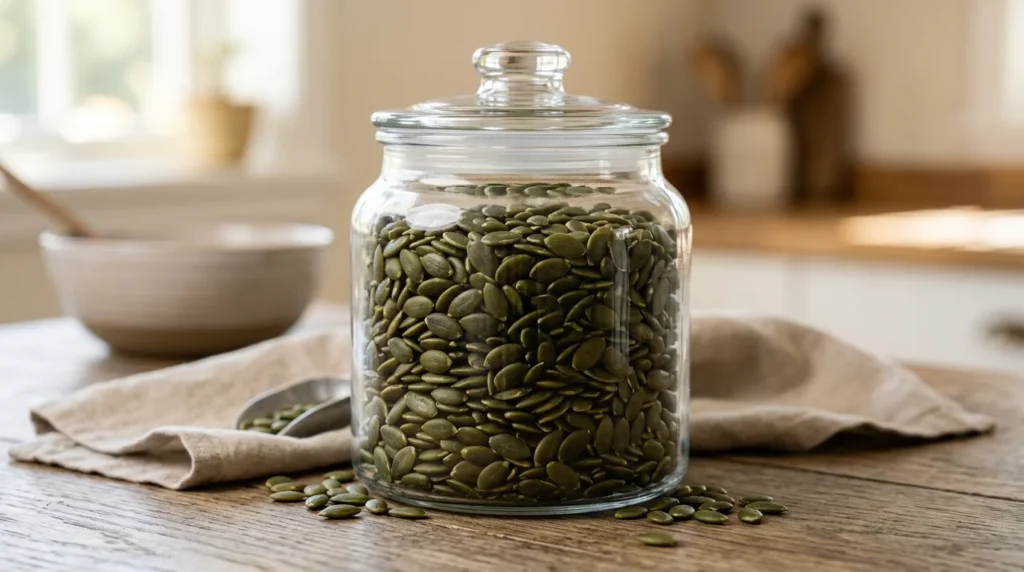
Pumpkin seeds are an overlooked protein source. They are incredibly rich in minerals, particularly magnesium and zinc. A small handful (about one ounce) provides 7 grams of protein. They can be added to oatmeal, sprinkled on top of salads, or eaten on their own as a crunchy, nutrient-dense snack.
14. Edamame
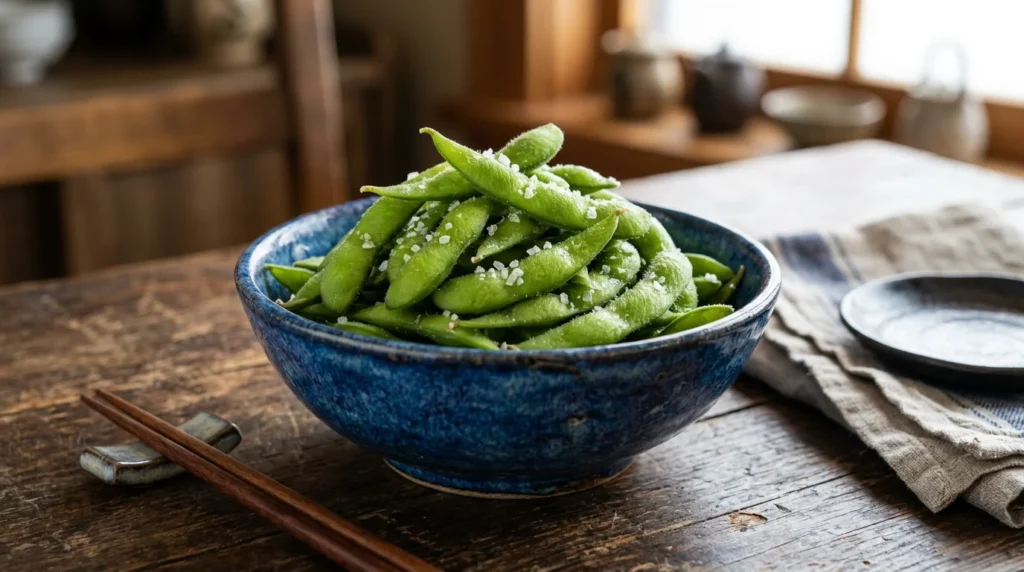
Edamame are young soybeans that are harvested before they have hardened. They are a popular appetizer in many Asian cuisines and for good reason. One cup of cooked edamame provides 18 grams of protein. They are also rich in folate and vitamin K, which play crucial roles in heart health and bone metabolism.
15. Whey Protein
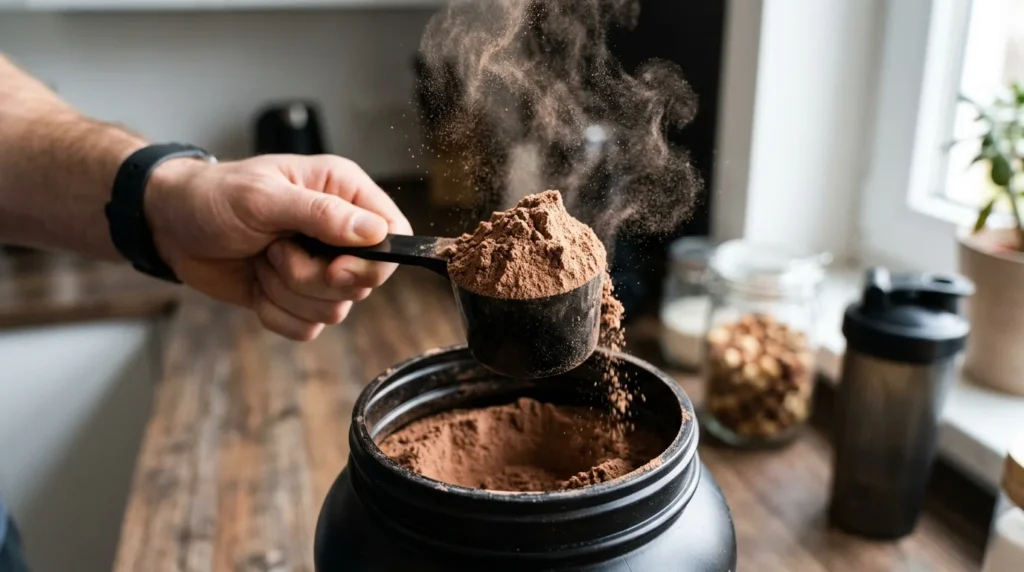
While whole foods should always be your priority, whey protein is a highly convenient way to boost your daily intake. It is derived from milk during the cheesemaking process and is absorbed very quickly by the body. This makes it the ideal post-workout supplement to jumpstart muscle recovery. A single scoop typically provides between 20 and 25 grams of high-quality protein.
Conclusion
Achieving your health and fitness goals begins with what you put on your plate. By incorporating a variety of these 15 protein-rich foods into your daily meals, you ensure that your body has the resources it needs to thrive. From the convenience of eggs and almonds to the nutrient density of salmon and lentils, there is a protein source to suit every palate and dietary preference. Start small by adding one or two of these foods to your grocery list this week and feel the difference in your energy and recovery levels.