How Much Protein Should You Eat Daily?
Protein is often hailed as the “king of macronutrients,” and for good reason. It’s the building block of your muscles, the architect of your enzymes, and the driver behind your metabolic health. Yet, despite its importance, the question of exactly how much you should eat remains one of the most debated topics in nutrition. Is the standard government recommendation enough, or should you be doubling down on chicken breasts and protein shakes?
The answer isn’t one-size-fits-all. Your ideal protein intake depends on your age, activity level, body composition, and ultimate health goals. Whether you are looking to shed fat, build a physique that turns heads, or simply age gracefully, understanding your protein requirements is the first step toward optimization.
1. Sedentary Adults

For those who spend most of their day at a desk and engage in minimal physical activity, the requirements are relatively modest. The Recommended Dietary Allowance (RDA) for protein is currently set at 0.8 grams per kilogram of body weight (or about 0.36 grams per pound).
It is crucial to understand that the RDA is the minimum amount required to prevent deficiency and muscle wasting—it is not necessarily the optimal amount for thriving. For a 165-pound (75 kg) sedentary man, this equals about 60 grams of protein per day. While this prevents illness, many nutritionists argue that even sedentary individuals benefit from slightly higher intakes (around 1.0 to 1.2 grams per kilogram) to support immune function and skin health.
2. Muscle Gain

If your goal is hypertrophy (building muscle), your protein needs skyrocket. When you lift weights, you create microscopic tears in your muscle fibers. Protein provides the amino acids necessary to repair those tears, making the fibers thicker and stronger than before.
Research consistently shows that for those engaging in intense resistance training, the sweet spot lies between 1.6 and 2.2 grams of protein per kilogram of body weight (0.7 to 1.0 grams per pound). Going beyond this range typically doesn’t yield significantly more muscle, but staying below it can stall your progress regardless of how hard you train. In this context, protein isn’t just food; it’s the raw material for your transformation.
3. Weight Loss
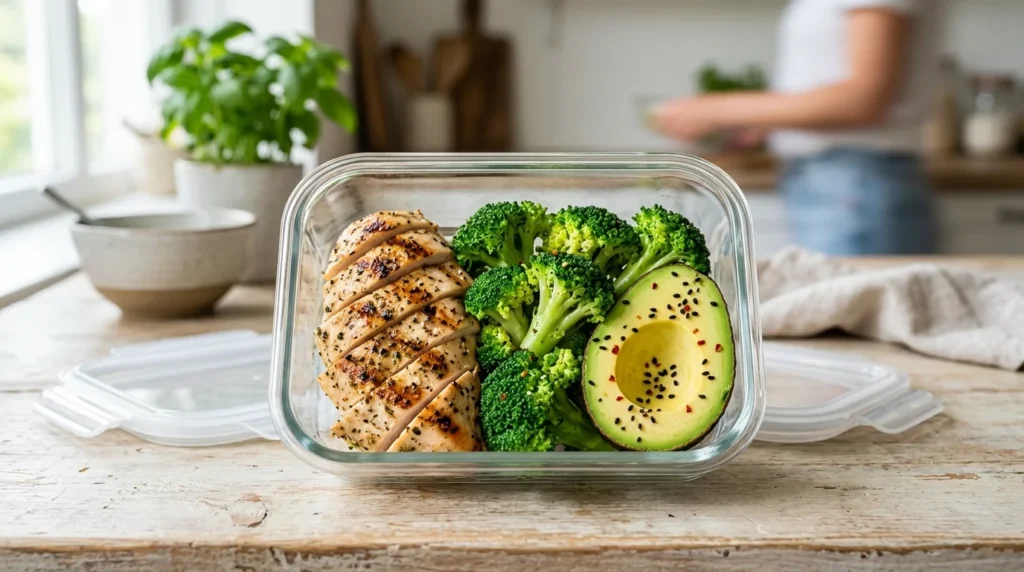
Counterintuitively, you may need more protein when you are dieting than when you are maintaining your weight. When you are in a calorie deficit, your body looks for energy sources, and it may begin to break down muscle tissue to get it. A high protein intake acts as a “muscle sparer,” signaling to your body to burn fat while keeping your lean mass intact.
Furthermore, protein is the most satiating macronutrient. It reduces levels of the hunger hormone ghrelin and boosts the levels of peptide YY, a hormone that makes you feel full. By aiming for 2.0 to 2.4 grams of protein per kilogram of lean body mass during a fat-loss phase, you can stay fuller for longer and keep your metabolism firing at a higher rate due to the “thermic effect of food.”
4. Golden Years

As we age, our bodies become less efficient at processing protein—a phenomenon known as “anabolic resistance.” This can lead to sarcopenia, the age-related loss of muscle mass and strength, which is a leading cause of frailty and falls in the elderly.
To combat this, older adults (65+) actually need a higher protein intake than younger sedentary adults. Experts recommend that seniors aim for at least 1.2 to 1.5 grams per kilogram of body weight. Ensuring that each meal contains at least 30-40 grams of high-quality protein can help trigger muscle protein synthesis effectively, maintaining independence and physical vitality well into the later stages of life.
5. Plant Power
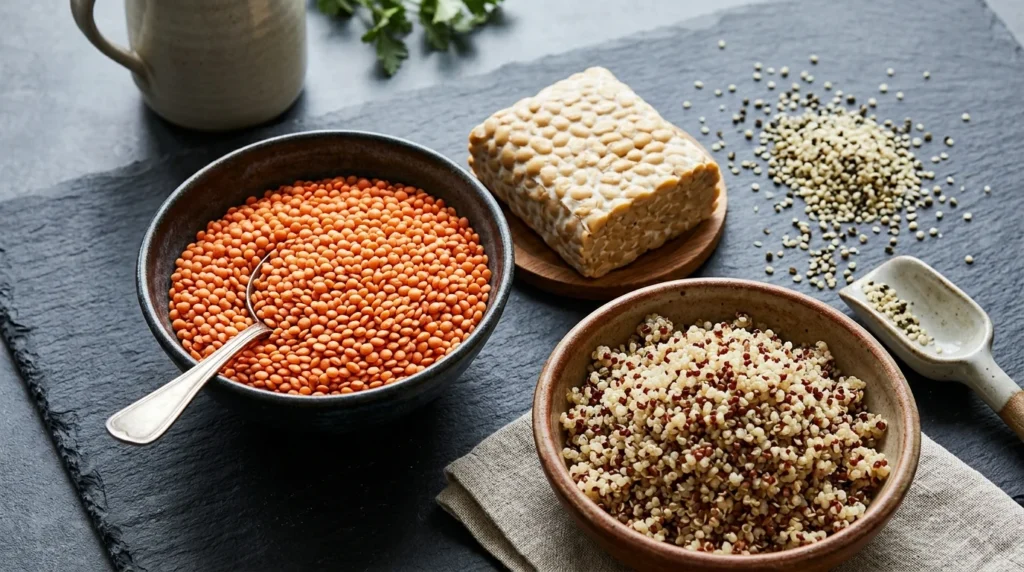
The “protein gap” between plant-based and animal-based diets is a common concern. Animal proteins are “complete,” meaning they contain all nine essential amino acids in the right proportions. Plant proteins are often “incomplete” or have lower bioavailability, meaning the body doesn’t absorb them quite as easily.
If you are a vegan or vegetarian, you can absolutely meet your protein needs, but you may need to eat about 10-20% more total protein to account for the lower digestibility of plant sources. Combining different sources—like beans and rice or hummus and pita—ensures you get a full spectrum of amino acids. Focusing on soy, quinoa, and buckwheat is also beneficial, as these are among the few complete plant proteins.
6. Ideal Timing
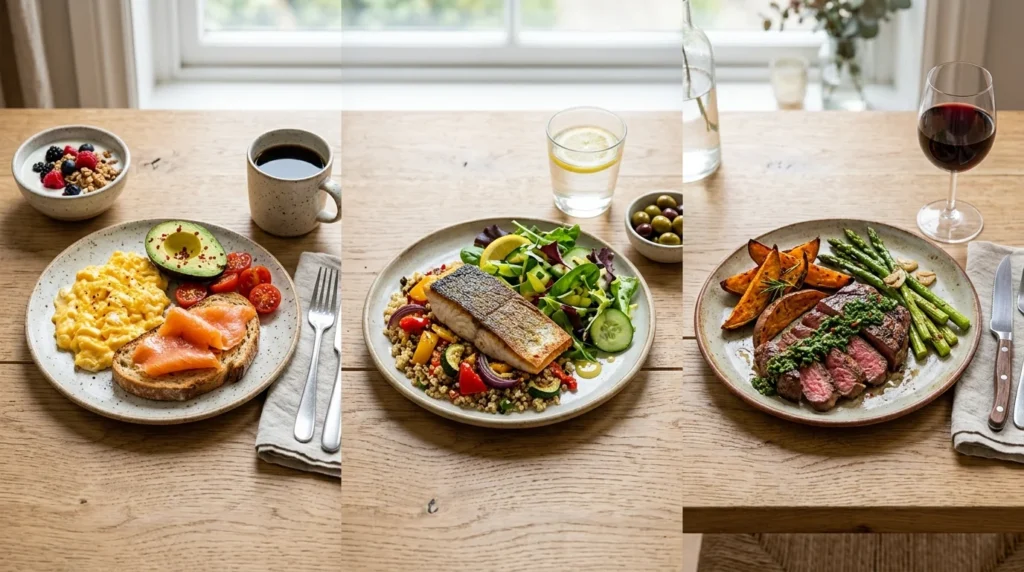
It isn’t just about the total number at the end of the day; it’s about how you distribute it. Your body can only process a certain amount of protein for muscle repair at one time. If you eat 100 grams of protein in one sitting and 5 grams the rest of the day, you aren’t optimizing your “anabolic windows.”
The most effective strategy is to spread your protein intake evenly across 3 to 5 meals. Aiming for 20 to 40 grams of protein per meal ensures that your muscle protein synthesis remains elevated throughout the day. A high-protein breakfast, in particular, has been shown to reduce late-night snacking and improve blood sugar control.
7. Safety Limits

A common myth is that high-protein diets damage the kidneys. For individuals with healthy, functioning kidneys, there is no scientific evidence to suggest that a high protein intake causes harm. The kidneys are designed to filter excess amino acids.
However, if you have pre-existing kidney disease, you must follow a doctor’s guidance, as your body may struggle to process the nitrogen byproducts of protein metabolism. For everyone else, the “upper limit” is generally considered to be around 3.3 grams per kilogram of body weight—not because it’s dangerous, but because after that point, the extra protein is simply used as expensive fuel (calories) rather than for any unique structural benefit. Always remember to increase your water intake when you increase protein to help your system run smoothly.