

As we navigate life’s journey past the age of 50, many of us start to notice subtle shifts in our bodies. Everyday tasks might feel a little harder, energy levels might dip, and the thought of staying active might seem daunting. But what if we told you there’s a powerful, proven way to not only slow down these changes but actually reverse some of them? The secret lies in strength training.
It’s a common misconception that strength training is only for young athletes or bodybuilders. The truth is, it’s one of the most vital activities you can embrace to maintain your independence, vitality, and overall well-being as you age. This guide will walk you through why strength training is a game-changer for seniors over 50, how to get started safely, and provide a practical plan to help you stay strong and active for years to come.
Why Strength Training is Essential After 50
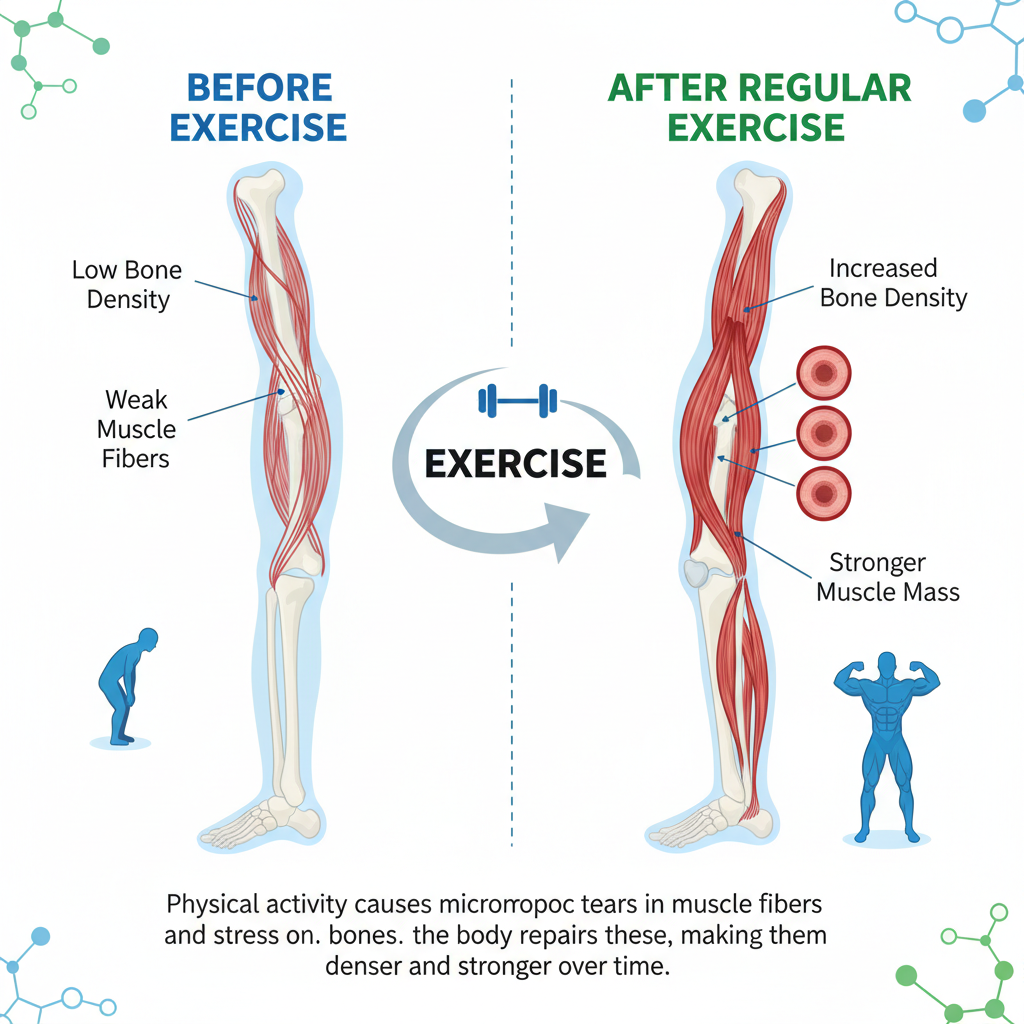
Aging naturally brings changes, but many of the declines we associate with getting older are not inevitable. Strength training is a powerful tool to counteract these effects and enhance your quality of life.
Combatting Sarcopenia and Osteoporosis
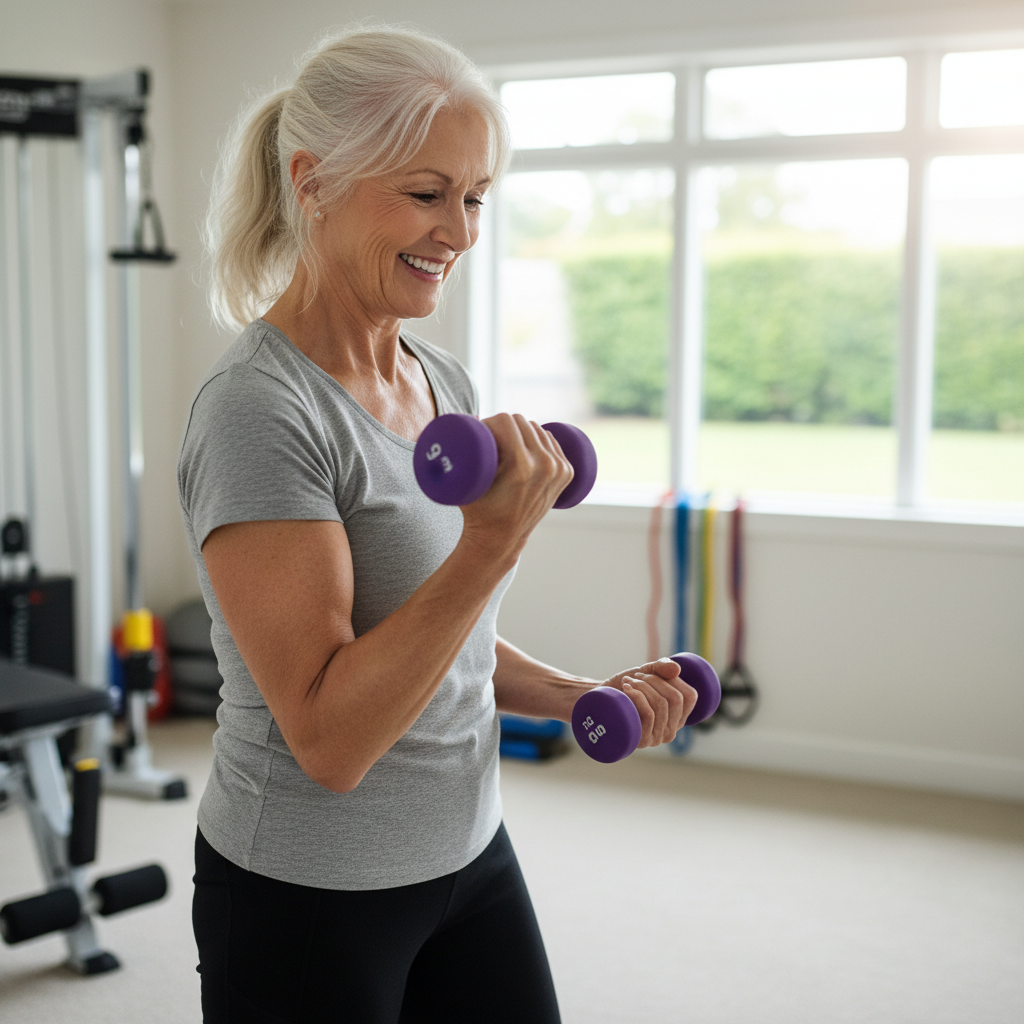
One of the most significant challenges seniors face is the natural loss of muscle mass, known as sarcopenia, and bone density, or osteoporosis. These conditions can lead to weakness, increased risk of falls, and fractures. Strength training directly addresses both. By consistently challenging your muscles, you stimulate muscle growth and help preserve existing muscle tissue. This process also puts beneficial stress on your bones, encouraging them to become denser and stronger, significantly reducing your risk of fractures.
Enhancing Mobility and Balance
Improved strength translates directly into better mobility and balance. Stronger legs mean easier walking, climbing stairs, and standing up from a chair. A stronger core improves stability, making you less prone to stumbles and falls. This enhanced physical capability allows you to maintain your independence and continue enjoying activities you love, from gardening to dancing.
Boosting Metabolism and Weight Management
Muscle tissue is metabolically active, meaning it burns more calories at rest than fat tissue. As we lose muscle mass with age, our metabolism can slow down, making weight management more challenging. Strength training helps build and maintain muscle, which in turn keeps your metabolism humming, making it easier to manage your weight and reduce the risk of obesity-related health issues.
Improving Mood and Cognitive Function
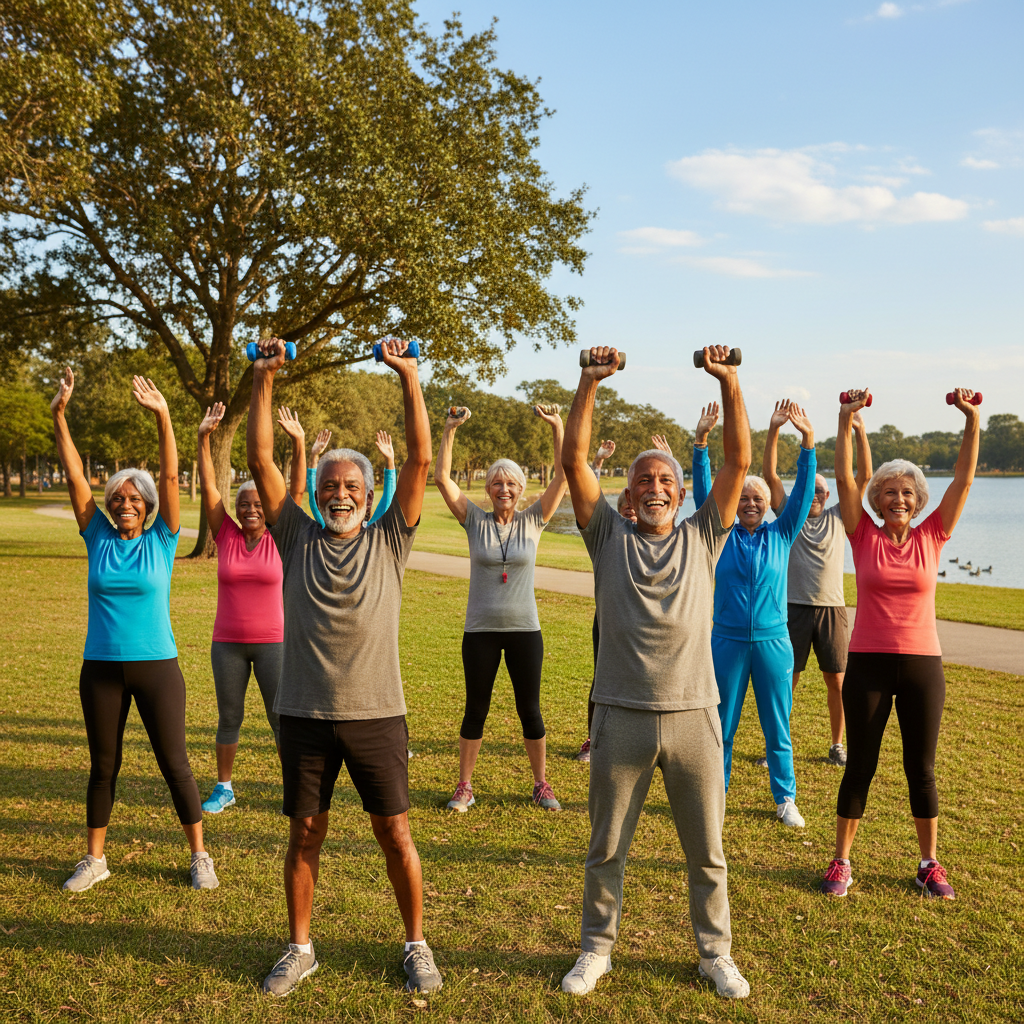
The benefits of strength training extend beyond the physical. Regular exercise, including strength training, has been shown to release endorphins, natural mood elevators that can combat symptoms of depression and anxiety. Furthermore, studies suggest that physical activity can improve cognitive functions like memory, attention, and problem-solving, helping to keep your mind sharp as you age.
Getting Started Safely and Effectively
Embarking on a new fitness journey can feel overwhelming, but with the right approach, strength training can be safe and incredibly rewarding for seniors.
Consult Your Doctor First

Before starting any new exercise program, especially if you have pre-existing health conditions or haven’t been active in a while, it’s crucial to consult your doctor. They can provide personalized advice and ensure you’re ready for physical activity.
Focus on Form, Not Weight
When you begin, prioritize learning the correct form for each exercise. Using proper technique is far more important than lifting heavy weights. Good form prevents injury and ensures you’re effectively targeting the intended muscles. Start with bodyweight exercises or very light weights, and consider working with a certified personal trainer experienced in senior fitness if possible.
Listen to Your Body
Pay attention to how your body feels. Some muscle soreness after a workout is normal, especially when you’re new to it, but sharp pain is a sign to stop. Rest and recovery are just as important as the workout itself. Give your muscles at least 48 hours to recover between strength training sessions for the same muscle group.
Sample Strength Training Program for Seniors
This sample program is designed to be a starting point. Adjust the intensity and duration based on your fitness level and comfort. Aim for 2-3 sessions per week on non-consecutive days.
Warm-up (5-10 minutes)

Begin with light cardio and dynamic stretches to prepare your muscles and joints. Examples include arm circles, leg swings, torso twists, and marching in place.
Key Exercises
Perform 2-3 sets of 8-12 repetitions for each exercise. Rest for 60-90 seconds between sets.
- Chair Squats: Stand in front of a sturdy chair, feet shoulder-width apart. Slowly lower yourself as if to sit, then push back up. Keep your chest up and core engaged. This strengthens legs and glutes.
- Wall Push-ups: Stand facing a wall, about an arm’s length away. Place hands on the wall slightly wider than shoulder-width. Lean towards the wall, bending elbows, then push back. Targets chest and triceps.
- Dumbbell Rows (or Resistance Band Rows): Sit on a chair or stand, holding a light dumbbell in one hand (or resistance band anchored). Lean slightly forward, keeping your back straight. Pull the dumbbell towards your chest, squeezing your shoulder blade. Works back and biceps.
- Glute Bridges: Lie on your back with knees bent, feet flat on the floor close to your glutes. Lift your hips off the floor until your body forms a straight line from shoulders to knees. Squeeze your glutes at the top. Strengthens glutes and core.
- Calf Raises: Stand tall, holding onto a chair or wall for balance. Slowly raise up onto the balls of your feet, then lower with control. Targets calf muscles.
- Modified Plank: Start on your hands and knees. Extend your legs back, resting on your knees or toes, maintaining a straight line from head to heels. Hold for 20-30 seconds, engaging your core. Builds core strength.
Cool-down (5-10 minutes)
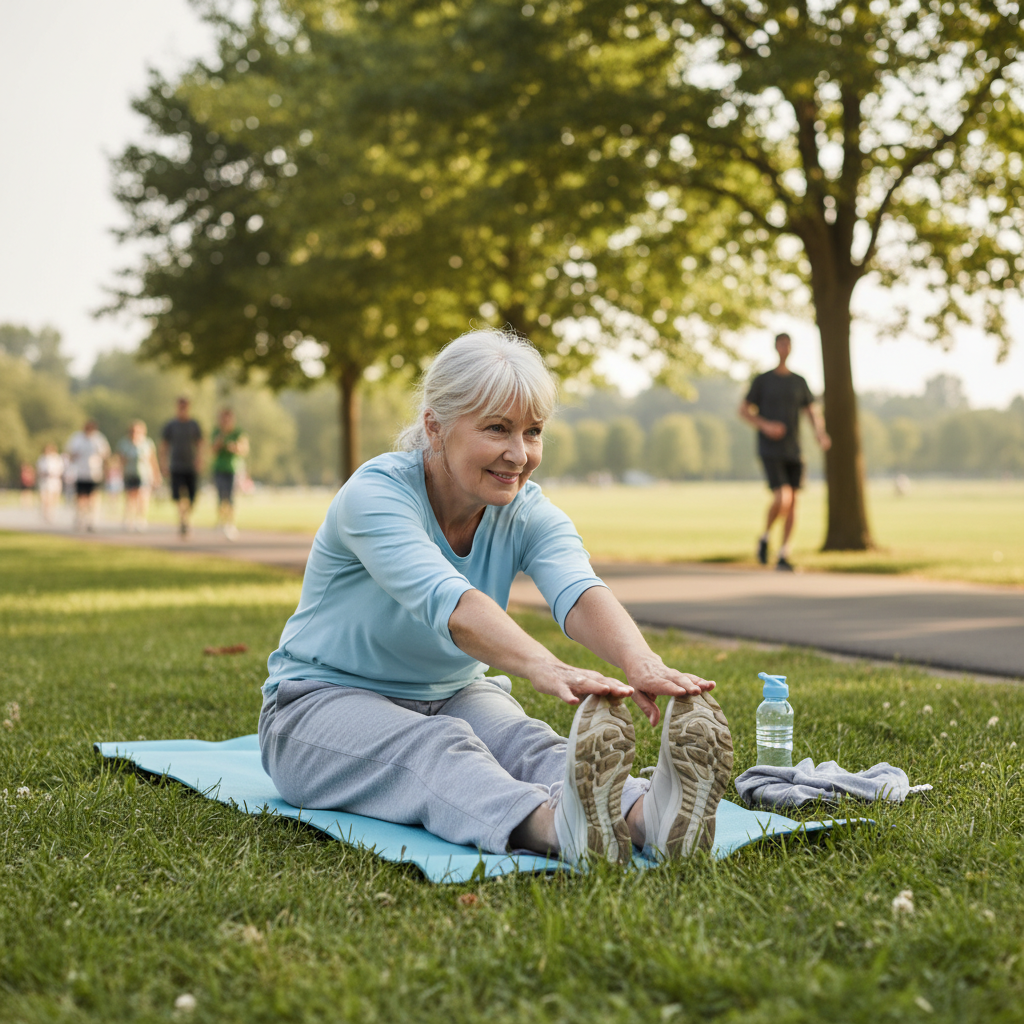
Finish with static stretches, holding each stretch for 20-30 seconds. Focus on the muscles you worked, such as hamstrings, quads, chest, and back.
Building Consistency and Mindset for Long-Term Success
True progress comes from consistency, not intensity. Cultivating the right mindset will keep you on track.
Make it a Habit
Schedule your workouts like important appointments. Choose a time that works best for you and stick to it. Over time, it will become a natural part of your routine.
Find Your Why
What motivates you? Is it playing with grandchildren, staying independent, or simply feeling better? Keep your ‘why’ at the forefront of your mind to fuel your commitment.
Celebrate Small Wins
Acknowledge your progress, no matter how small. Maybe you lifted a slightly heavier weight, did one more repetition, or simply showed up on a day you didn’t feel like it. Every step forward is a victory.
Stay Patient and Persistent
Results don’t happen overnight. There will be days you feel strong and days you feel less motivated. That’s normal. Consistency over time is what truly matters. If you miss a session, don’t dwell on it; just get back on track with the next one.
Conclusion
Strength training for seniors over 50 is not just about building muscle; it’s about building a stronger, more vibrant life. It’s about empowering yourself to embrace each day with confidence, energy, and the physical capability to do the things you love. Imagine moving through your day with less pain, more energy, and the peace of mind that comes from knowing you’re actively investing in your health and future. This isn’t just an exercise routine; it’s a pathway to greater independence, a sharper mind, and a happier spirit.
Don’t let age be a barrier to your well-being. Take that first step today. Start slow, be consistent, and watch as your body and mind transform. Your strongest, most active years are still ahead of you. Embrace the journey and unlock the incredible power within you to stay strong and active for life.