

So, you’ve been hitting the gym, lifting heavy, and eating your protein, but your muscle growth seems to have hit a plateau. It’s a frustrating spot many of us find ourselves in. We follow the common advice, yet those elusive gains slow down. What if there are crucial pieces of the puzzle that aren’t typically discussed in your average gym conversation or by every trainer? This article dives deep into those often-overlooked strategies that can truly accelerate your muscle growth, taking you from stalled progress to consistent gains.
We’re going beyond the basics of ‘lift heavy, eat protein, get sleep.’ While those are foundational, true progress often lies in the subtle yet powerful adjustments to your training, nutrition, recovery, and even your mindset. Get ready to uncover the ‘secrets’ that can transform your physique and push past those plateaus.
Beyond the Obvious – The Mind-Muscle Connection

Many people lift weights simply to move the load from point A to point B. While this builds strength, it doesn’t always optimize muscle hypertrophy. The mind-muscle connection is about consciously focusing on the contraction of the target muscle throughout the entire range of motion. It means feeling the muscle work, not just moving the weight.
How to build it:
- Slow down your reps: Reduce momentum and focus on a controlled concentric (lifting) and eccentric (lowering) phase.
- Lighten the load: Temporarily reduce the weight to truly feel the muscle engagement without relying on other muscle groups or momentum.
- Pre-exhaustion: Perform an isolation exercise for a muscle before a compound movement. For example, do pec flyes before bench press to ensure your chest is fully engaged.
- Squeeze and hold: At the peak of contraction, intentionally squeeze the target muscle for a second or two.
This isn’t just a woo-woo concept; research suggests that a strong mind-muscle connection can lead to greater muscle activation and hypertrophy, especially for experienced lifters.
The Power of Deload Weeks and Strategic Rest

The relentless pursuit of ‘more’ often leads to burnout and injury, not muscle growth. Deload weeks are periods of planned, reduced training intensity or volume designed to help your body recover, adapt, and come back stronger. Most trainers talk about rest days, but fewer emphasize strategic deloads.
Why deloads are critical:
- Central Nervous System (CNS) recovery: Heavy lifting taxes your CNS. Deloads allow it to recuperate, preventing fatigue and improving performance.
- Joint and connective tissue repair: Give your joints a break from heavy loads, reducing injury risk.
- Hormonal balance: Chronic stress from overtraining can elevate cortisol, hindering muscle growth. Deloads help normalize hormone levels.
- Psychological refresh: A break can reignite your motivation and excitement for training.
How to implement a deload:
- Typically every 6-12 weeks, depending on training intensity.
- Reduce weight by 40-60% of your working sets, maintaining perfect form.
- Keep reps the same, but reduce the number of sets.
- Focus on mobility and active recovery during this week.
Nutritional Nuances for Peak Anabolism

Everyone knows protein is key for muscle growth. But beyond the protein shake, the timing and type of your macros, and the often-ignored micronutrients, play a massive role.
Timing Your Macros for Maximum Impact

While the ‘anabolic window’ isn’t as narrow as once thought, strategic nutrient timing can optimize recovery and growth.
- Pre-workout: A balanced meal (carbs, protein, healthy fats) 1-2 hours before training provides sustained energy.
- Intra-workout: For longer or very intense sessions, a carb-rich drink can prevent muscle breakdown and maintain energy.
- Post-workout: Aim for a quickly digestible protein and carbohydrate source within an hour after training to kickstart recovery and replenish glycogen stores.
Micronutrients – The Unsung Heroes

Vitamins and minerals are crucial for countless bodily functions, including hormone production, energy metabolism, and muscle repair. Deficiencies can silently sabotage your gains.
- Magnesium: Important for muscle function, energy production, and sleep.
- Zinc: Vital for testosterone production and immune function.
- Vitamin D: Linked to muscle strength and recovery.
- B Vitamins: Essential for energy metabolism.
- Iron: Carries oxygen to muscles.
Focus on a diverse diet rich in fruits, vegetables, and whole grains to ensure adequate micronutrient intake.
Hydration’s Role in Muscle Growth

Muscle tissue is approximately 75% water. Even slight dehydration can impair performance, reduce strength, and hinder protein synthesis. It’s not just about avoiding thirst; it’s about optimal cellular function.
Stay hydrated:
- Drink water consistently throughout the day, not just during workouts.
- Aim for at least 3-4 liters daily, more if you’re active or in a hot climate.
- Consider electrolytes during intense, prolonged training sessions.
Sleep – The Ultimate Anabolic State

You break down muscle in the gym, but you build it during recovery, and sleep is arguably the most potent recovery tool. During deep sleep, your body releases growth hormone, which is vital for muscle repair and growth. Lack of sleep elevates cortisol (a catabolic hormone) and reduces testosterone, directly impeding your gains.
Optimize your sleep:
- Aim for 7-9 hours of quality sleep per night.
- Establish a consistent sleep schedule, even on weekends.
- Create a relaxing bedtime routine: dim lights, avoid screens, read a book.
- Ensure your bedroom is dark, quiet, and cool.
Stress Management – The Silent Muscle Killer

Chronic stress, whether from work, relationships, or even overtraining, keeps your body in a ‘fight or flight’ state, constantly releasing cortisol. High cortisol levels are catabolic, meaning they break down muscle tissue, and they also interfere with recovery and fat loss.
Strategies to manage stress:
- Mindfulness and meditation: Even 10-15 minutes a day can make a difference.
- Deep breathing exercises: Calms the nervous system.
- Hobbies and downtime: Engage in activities you enjoy that take your mind off stressors.
- Nature walks: Spending time outdoors can significantly reduce stress levels.
- Social connection: Lean on friends and family for support.
Optimizing Training Volume and Intensity
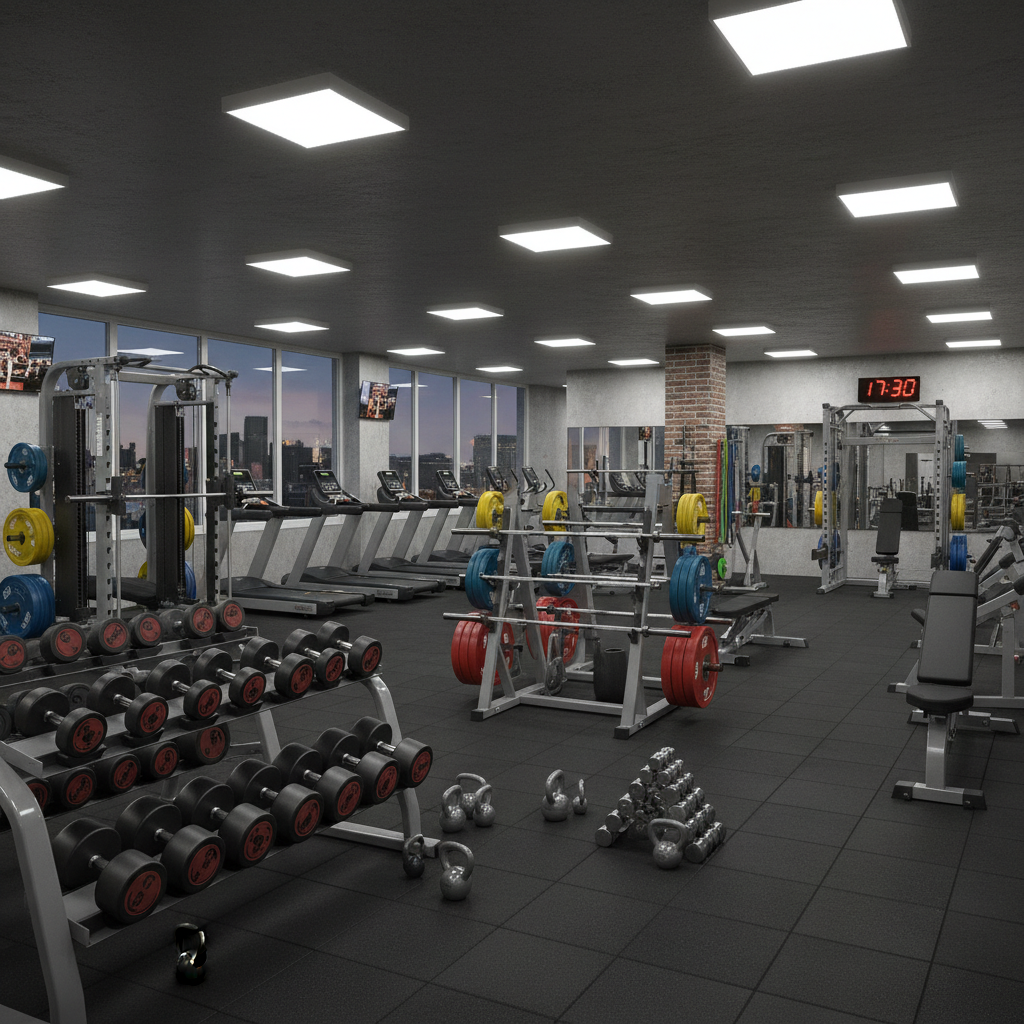
While trainers often focus on lifting heavy, the nuances of progressive overload, tempo, and unilateral training are often glossed over. These are key for continuous adaptation.
Progressive Overload Redefined
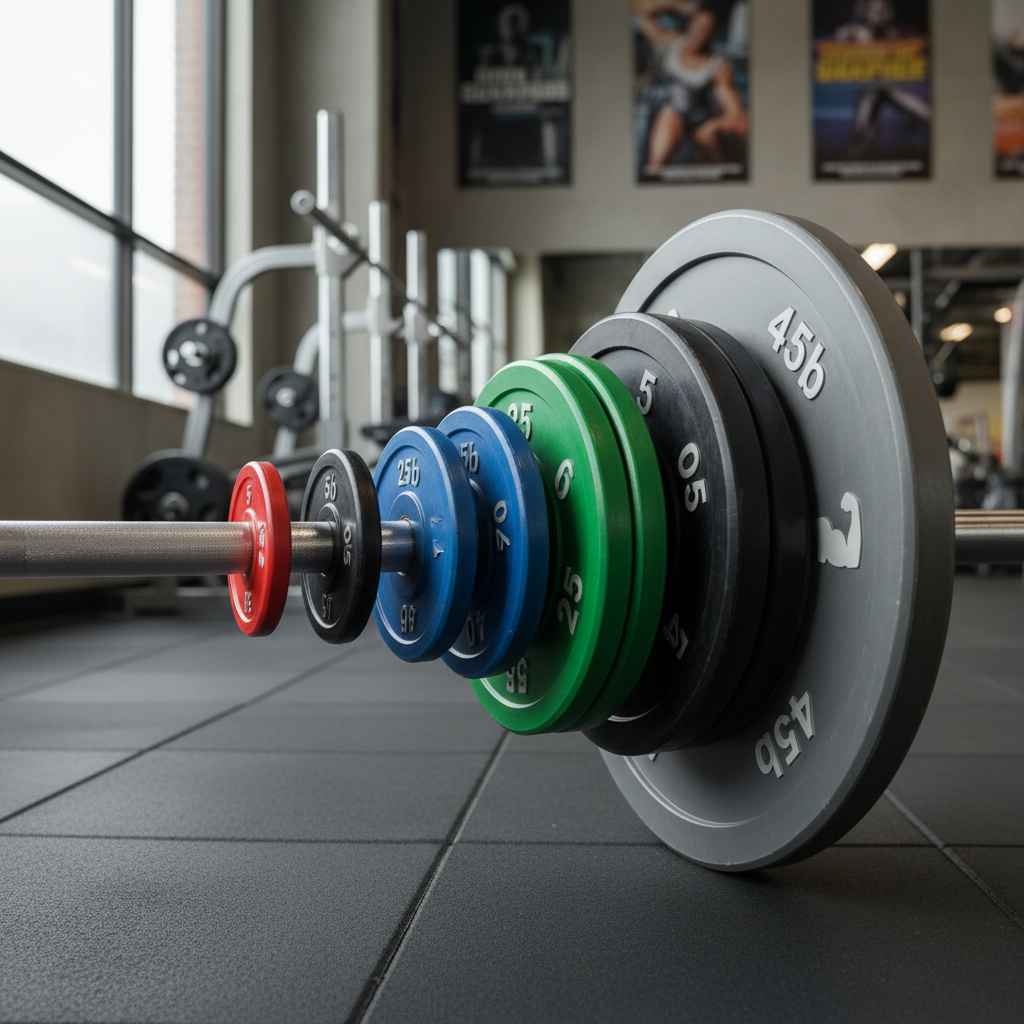
Progressive overload isn’t just about adding more weight. It’s about continually challenging your muscles in different ways.
- Increase reps: If you hit your target reps, aim for one or two more next time.
- Increase sets: Gradually add more sets to your workout.
- Reduce rest times: Shorter rest periods increase intensity.
- Improve form: Lifting the same weight with better form is a form of overload.
- Increase time under tension: Slow down reps to keep muscles working longer.
Tempo Training and Time Under Tension
Painting pixels…
Many lifters rush through reps. Tempo training involves controlling the speed of each phase of a lift (e.g., 2 seconds down, 1-second pause, 2 seconds up). This increases time under tension, which is a powerful stimulus for muscle growth, as it creates more micro-trauma and metabolic stress.
Unilateral Training for Balanced Growth
Scheduled for generation…Generate Now
While compound bilateral movements are foundational, incorporating unilateral exercises (working one limb at a time, like single-leg squats or single-arm rows) can address muscle imbalances, improve stability, and recruit more muscle fibers.
Lifestyle Habits for Sustained Progress
Scheduled for generation…Generate Now
Muscle growth isn’t just about what happens in the gym; it’s a 24/7 process influenced by your daily habits.
Active Recovery and Mobility
Scheduled for generation…Generate Now
Instead of just sitting on rest days, engage in active recovery like light walks, stretching, or foam rolling. This increases blood flow, helps flush out metabolic waste, and improves flexibility, all of which contribute to better recovery and performance in subsequent workouts.
Consistency Over Perfection
Scheduled for generation…Generate Now