

Ever feel like your shoulders are constantly hunched forward, or that no matter how much you train, your upper back just isn’t quite ‘there’? You’re not alone. Many fitness enthusiasts, from beginners to seasoned lifters, often overlook a crucial muscle group: the rear deltoids. These small but mighty muscles, located at the back of your shoulders, are the unsung heroes of good posture, injury prevention, and a truly balanced, powerful physique.
We tend to focus on the mirror muscles – the chest, biceps, and even the front and side deltoids. While these are important, neglecting your rear delts can lead to muscular imbalances, poor posture, and even a higher risk of shoulder injuries. But what if there was a way to unlock a stronger, healthier, and more aesthetically pleasing upper body with just a few strategic exercises? This guide will introduce you to rear delt movements you’ll wish you’d incorporated into your routine years ago, helping you build a foundation of strength and confidence.
Why Rear Delts are Your Unsung Heroes
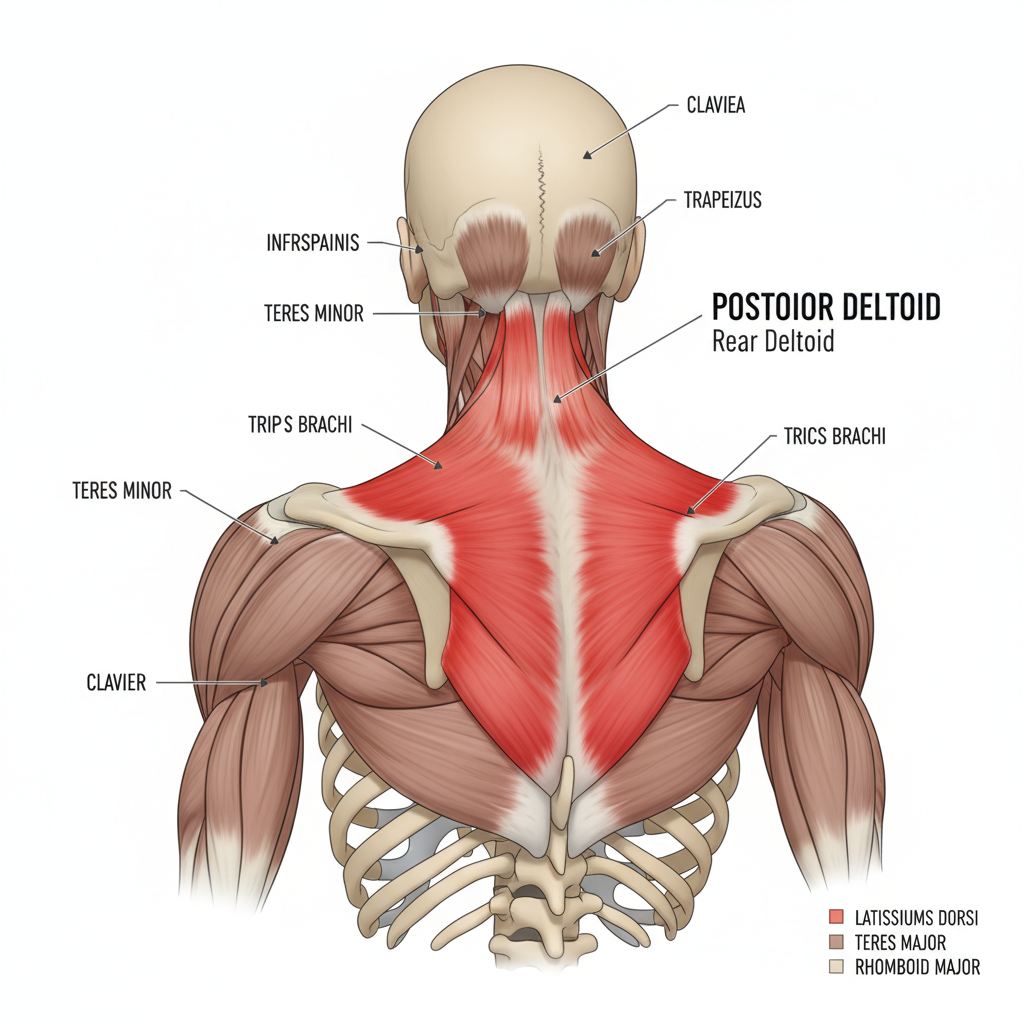
The shoulder is a complex joint, involving three heads of the deltoid muscle: the anterior (front), lateral (side), and posterior (rear). While the anterior deltoid helps with pushing movements and the lateral deltoid provides shoulder width, the rear deltoid plays a vital role in pulling movements, external rotation, and stabilizing the shoulder joint. Think about it: every time you pull something towards you, row, or even just maintain good posture, your rear delts are working.
Ignoring them creates a common imbalance where the stronger front delts pull your shoulders forward, leading to a rounded upper back – often called ‘hunchback posture’ or ‘desk posture’. Strengthening your rear delts helps counteract this, pulling your shoulders back and down, improving your posture, and reducing strain on your neck and upper back. Beyond aesthetics and posture, strong rear delts are critical for overall shoulder health, reducing the risk of impingement and other common shoulder issues.
Common Mistakes Holding Back Your Rear Delts

It’s easy to fall into traps that prevent your rear delts from reaching their full potential. Recognizing these common pitfalls is the first step toward correcting them:
- Over-reliance on Compound Movements While exercises like rows and pull-ups engage the rear delts, they often aren’t enough to specifically target and develop them effectively. Your lats and biceps tend to take over.
- Improper Form Many people mistake rear delt exercises for lateral raises or shrugs, using too much weight and compensating with other muscle groups, especially the traps. This reduces the isolation on the rear delts.
- Neglecting Mind-Muscle Connection The rear delts are small, and it’s easy to just ‘go through the motions’. Focusing on feeling the contraction in the target muscle is crucial for growth.
- Inconsistent Training Like any muscle, the rear delts need consistent, dedicated training to respond and grow. Sporadic efforts won’t yield the desired results.
Essential Rear Delt Exercises You Need to Master
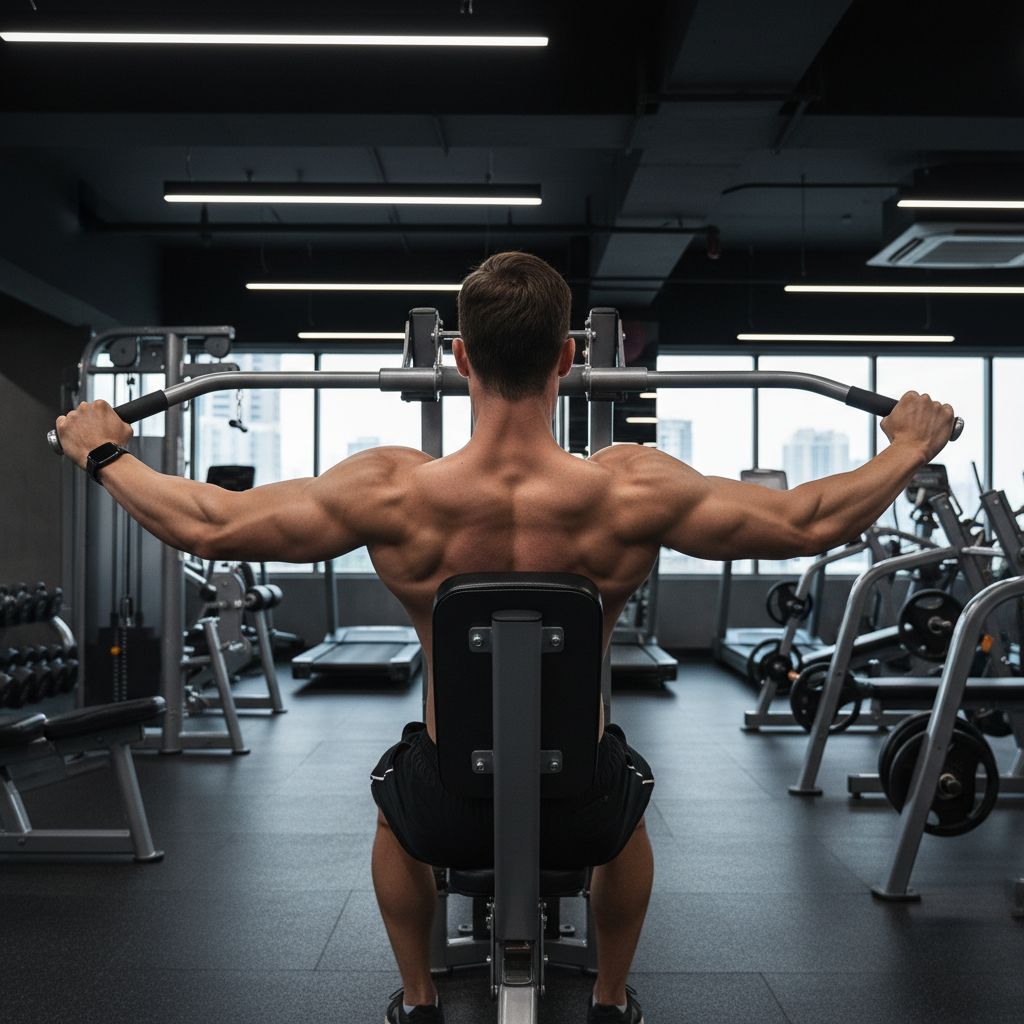
Ready to give your rear delts the attention they deserve? Here are some of the most effective exercises to integrate into your routine:
1. Reverse Pec Deck Fly
This machine-based exercise is fantastic for isolating the rear delts with minimal involvement from other muscles. It provides consistent tension throughout the movement.
- Adjust the seat height so your shoulders are level with the machine’s handles.
- Face the machine, gripping the handles with a neutral or pronated grip.
- With a slight bend in your elbows, push the handles back and out, squeezing your shoulder blades together.
- Focus on initiating the movement with your rear delts, not your traps.
- Slowly return to the starting position, controlling the weight.
2. Face Pulls
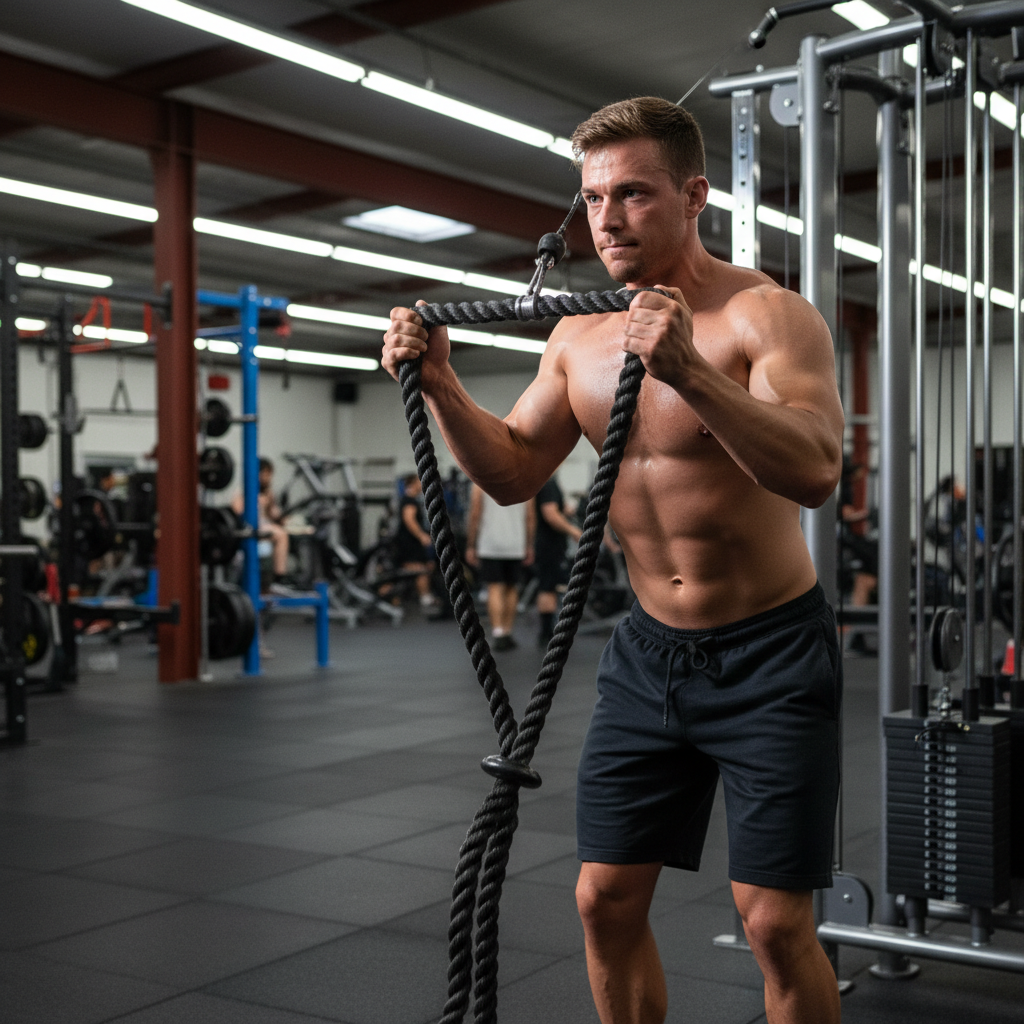
Face pulls are a powerhouse exercise for the rear delts, rotator cuff, and upper back. They are excellent for shoulder health and posture.
- Set a cable pulley to chest height and attach a rope handle.
- Grab the rope with an overhand grip, thumbs pointing towards you.
- Step back to create tension, keeping your core braced and a slight bend in your knees.
- Pull the rope towards your face, aiming for your ears, externally rotating your shoulders as you pull.
- Squeeze your rear delts and upper back at the peak contraction.
- Control the release back to the starting position.
3. Bent-Over Dumbbell Lateral Raises
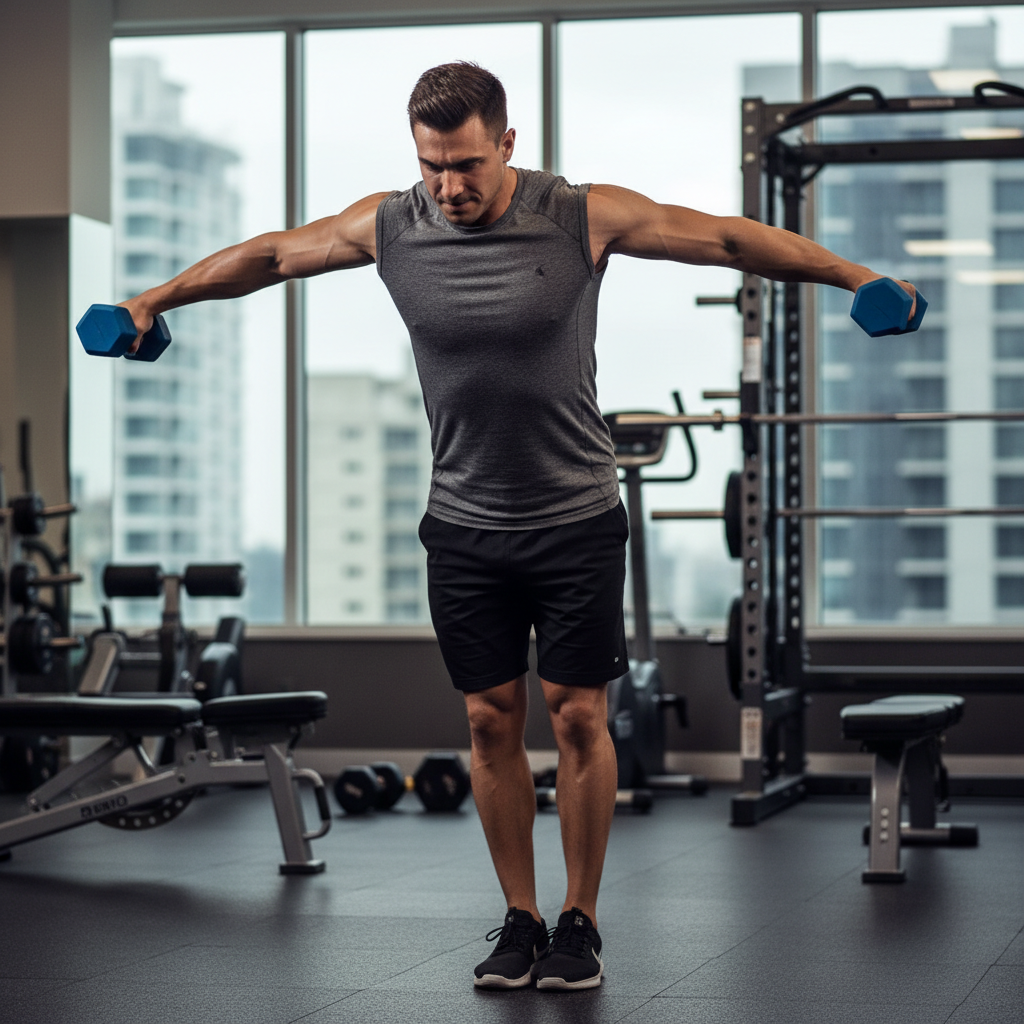
This classic exercise directly targets the rear delts. It requires good form and a lighter weight to truly isolate the muscle.
- Hold a dumbbell in each hand, palms facing each other.
- Hinge at your hips, keeping a slight bend in your knees and your back straight, until your torso is almost parallel to the floor. Let the dumbbells hang directly below your shoulders.
- Keeping a slight bend in your elbows, raise the dumbbells out to the sides in an arc, focusing on squeezing your rear delts. Imagine pushing the dumbbells away from you.
- Stop when your arms are parallel to the floor or slightly above.
- Lower the dumbbells slowly and with control.
4. Cable Rear Delt Fly
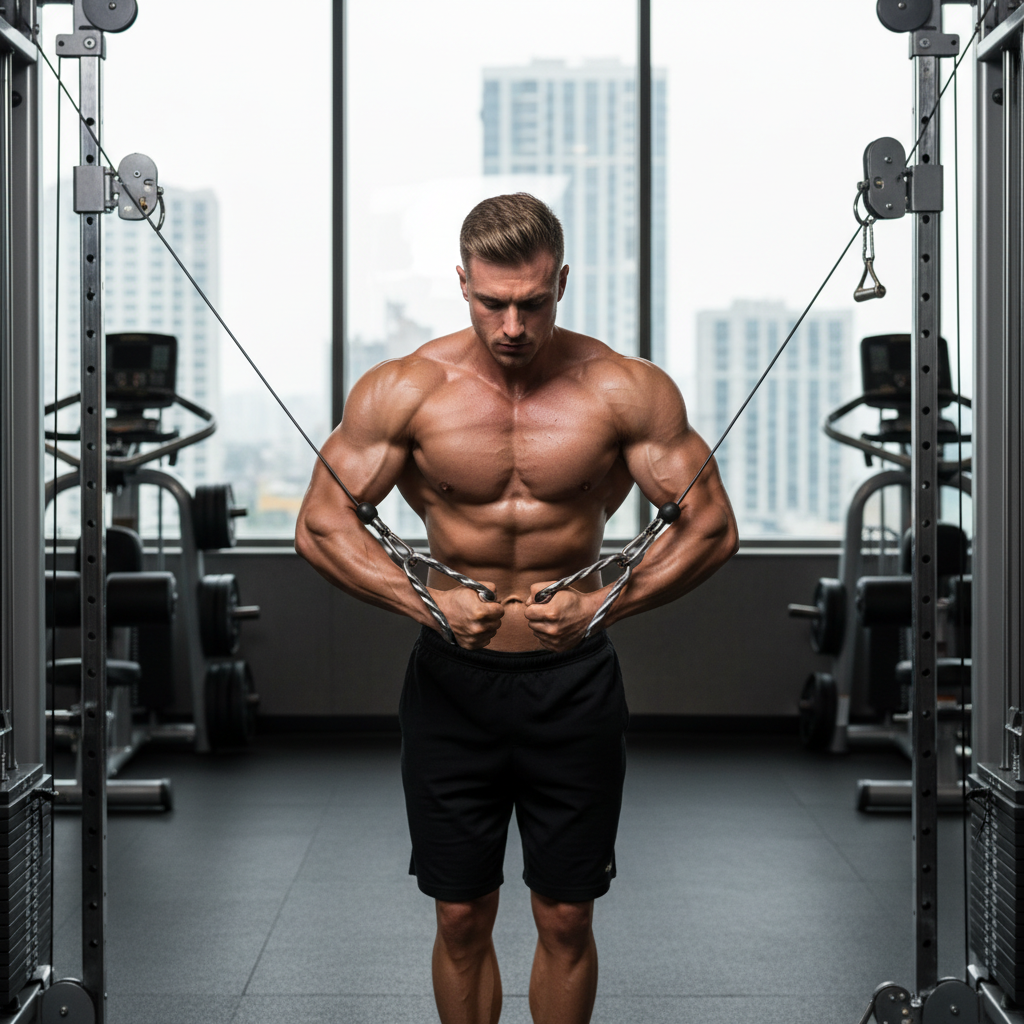
Using cables provides constant tension throughout the entire range of motion, which is excellent for muscle development.
- Set two cable pulleys to shoulder height, one on each side of you.
- Grab the opposite handle (left hand grabs right cable, right hand grabs left cable), crossing your arms in front of you.
- Step back slightly to create tension, keeping a soft bend in your elbows.
- Pull the cables out and back, opening your arms wide, focusing on squeezing your rear delts.
- Control the eccentric phase as you return to the starting position.
5. Band Pull-Aparts
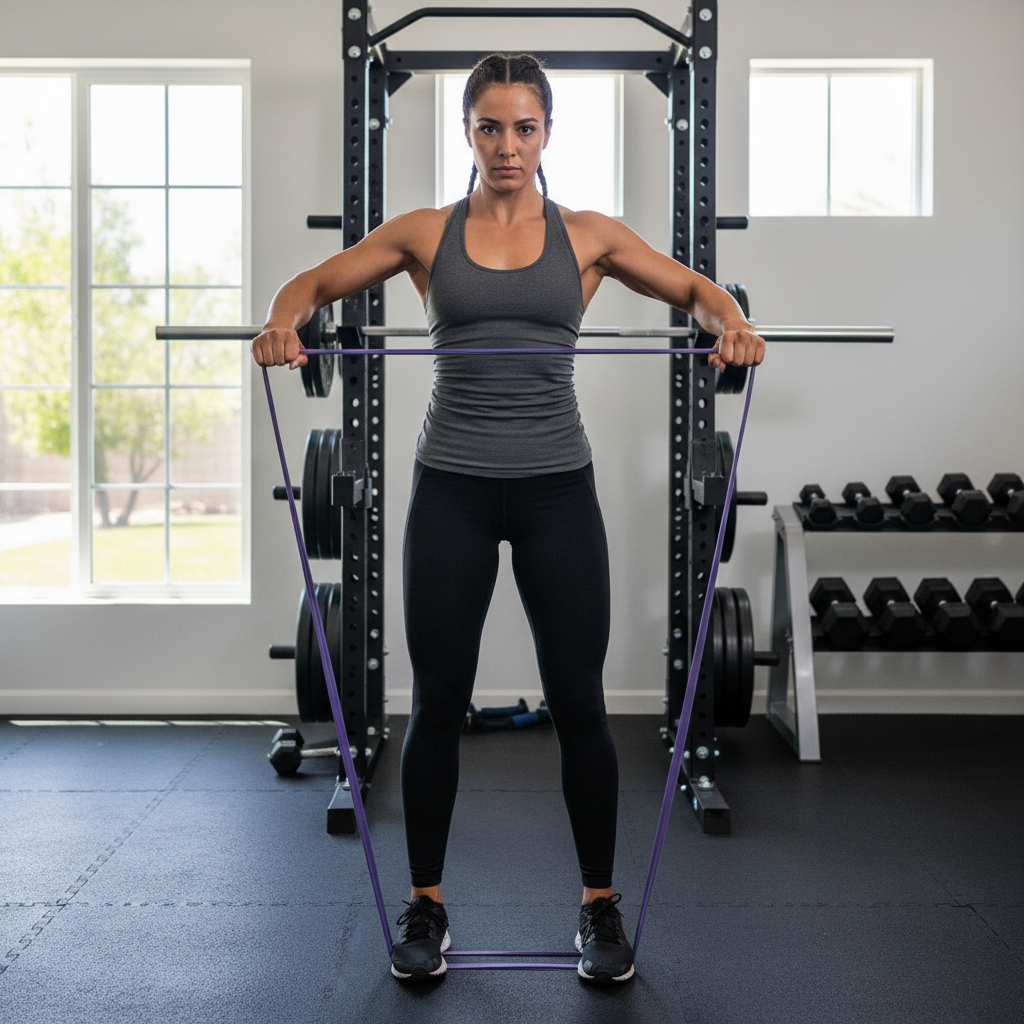
Perfect for warm-ups, cool-downs, or quick activation, band pull-aparts are simple, effective, and can be done anywhere.
- Hold a resistance band with an overhand grip, hands shoulder-width apart, arms extended straight out in front of you at chest height.
- Keeping your arms straight, pull the band apart by squeezing your shoulder blades together.
- Continue pulling until your arms are fully extended to the sides, forming a ‘T’ shape.
- Slowly return to the starting position, controlling the band.
Integrating Rear Delt Work Into Your Routine
Consistency is key for rear delt development. Aim for 2-3 rear delt focused sessions per week. You can incorporate these exercises into your existing shoulder workouts, back workouts, or even as part of a full-body routine. Start with 3-4 sets of 10-15 repetitions for each exercise. Focus on lighter weights and perfect form to truly feel the muscle working.
Sample Weekly Integration:
- Upper Body Day 1 After your main pressing movements, add 2-3 rear delt exercises (e.g., Reverse Pec Deck, Face Pulls).
- Upper Body Day 2 As part of your warm-up or accessory work, include 1-2 rear delt exercises (e.g., Band Pull-Aparts, Bent-Over Dumbbell Lateral Raises).
- Full Body Day Incorporate 1-2 rear delt exercises towards the end of your workout.
Mindset and Consistency for Lasting Results

Building strong rear delts isn’t just about the exercises; it’s about commitment. These muscles often take time to develop, so patience and consistency are paramount. Focus on the mind-muscle connection – truly feel your rear delts working with each rep. Don’t be discouraged if you don’t see immediate results; small, consistent efforts compound over time into significant improvements. Make rear delt work a non-negotiable part of your routine, just like brushing your teeth. Your posture, shoulder health, and overall physique will thank you.
Conclusion- Unlock Your Strongest Self
Neglecting your rear delts is like building a house without a strong foundation – eventually, problems will arise. By incorporating these powerful rear delt exercises into your fitness regimen, you’re not just building muscle; you’re investing in better posture, enhanced shoulder health, and a more balanced, confident physique. Imagine standing taller, moving with greater ease, and feeling the strength radiate from your shoulders. It’s time to stop wishing and start doing. Embrace these movements, commit to consistency, and watch as your entire upper body transforms. Your future self, with strong, resilient shoulders, will thank you for starting today!