

For centuries, miso paste has been a beloved staple in Japanese cuisine, adding a unique depth of savory flavor known as umami to countless dishes. But beyond its culinary appeal, this humble fermented soybean paste holds a secret power: an impressive array of nutritional benefits that can significantly contribute to your overall health and well-being.
In the world of health and fitness, we often look for nutrient-dense foods that can support our bodies from the inside out. Miso paste fits this description perfectly. It’s more than just a seasoning; it’s a food packed with beneficial bacteria, essential vitamins, and minerals that can do wonders for your gut, immune system, and more.
This article will take a closer look at what miso paste truly is, break down its key nutrition facts, and explore the remarkable health benefits it offers. We’ll also dive into practical ways you can easily incorporate this versatile ingredient into your daily diet, helping you build healthy habits that stick.
What Exactly is Miso Paste?
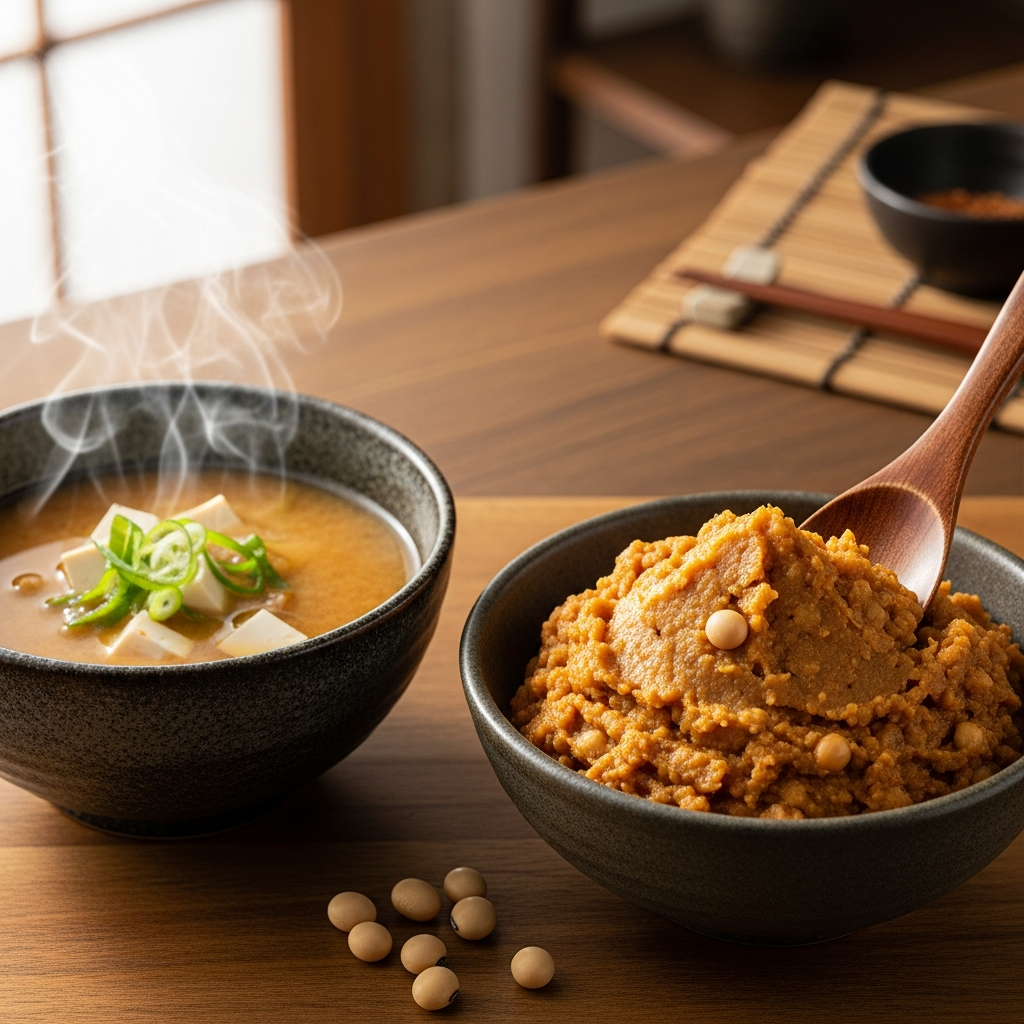
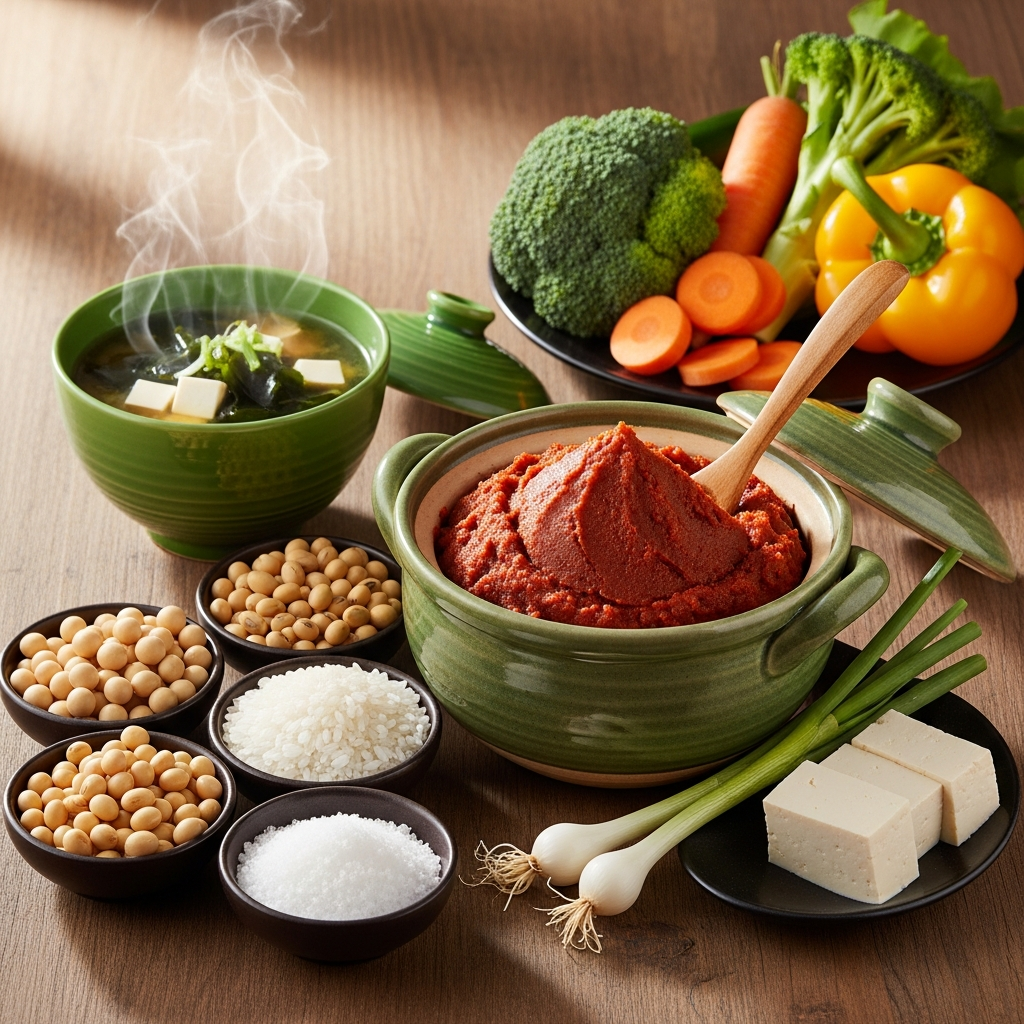
Miso paste is a traditional Japanese seasoning produced by fermenting soybeans with salt and *koji*, a type of fungus (Aspergillus oryzae). Often, other ingredients like rice, barley, or rye are added to the mixture, which contributes to the wide variety of miso types available.
The fermentation process can last from a few weeks to several years. This extended period allows enzymes to break down the soybeans, creating a rich, flavorful paste and producing beneficial compounds, including probiotics.
The Fermentation Process
At its heart, miso making is an ancient art. Soybeans are steamed, mixed with *koji* (rice, barley, or soybean inoculated with a special mold), salt, and sometimes water. This mixture is then left to ferment in barrels.
The type of grain used and the length of fermentation determine the color and flavor of the miso. Lighter misos, like white or sweet miso, ferment for shorter periods and have a milder, sweeter taste. Darker misos, such as red or barley miso, ferment longer, resulting in a deeper, saltier, and more robust flavor.
Each type offers its own culinary versatility and slightly different nutritional profile, making miso a truly dynamic food.
Miso Paste: A Look at Its Nutrition Facts
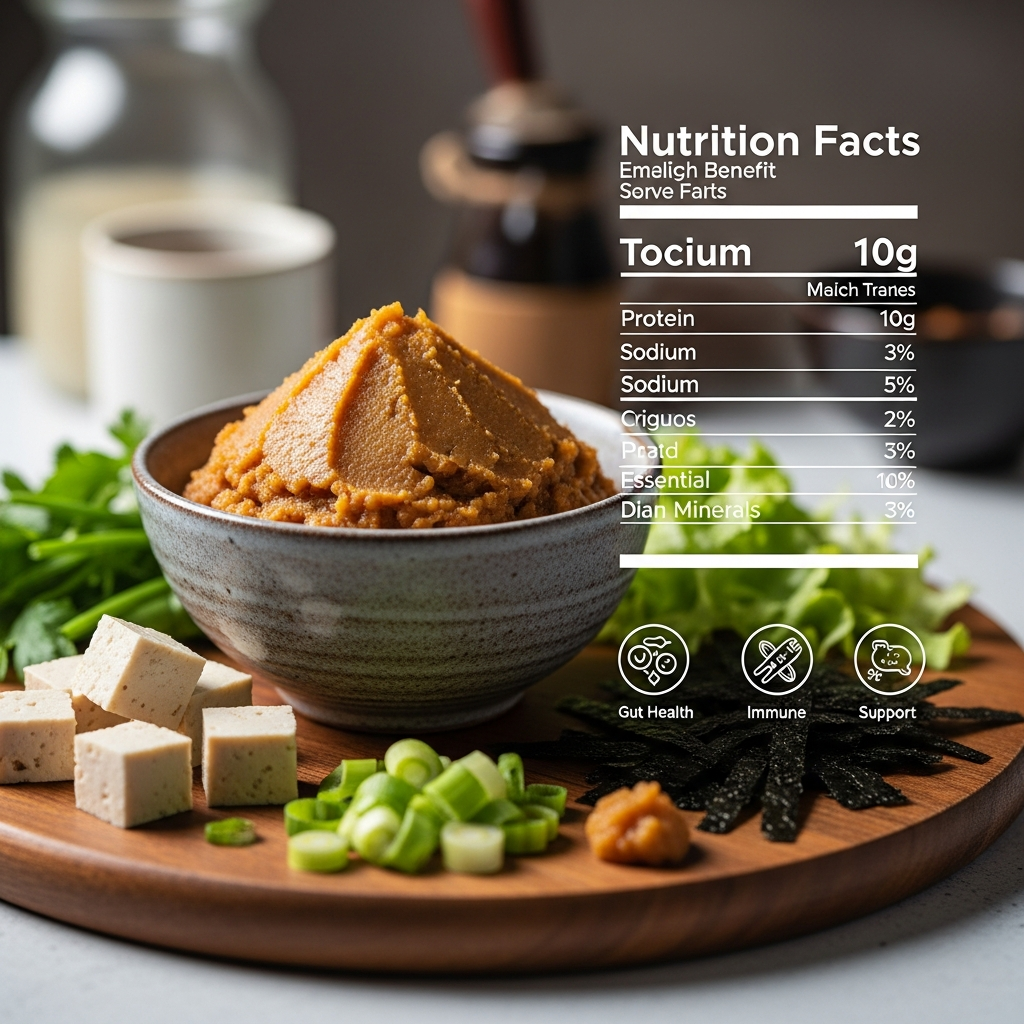
Don’t let the unassuming appearance of miso paste fool you; it’s a nutritional powerhouse. While the exact values can vary slightly depending on the type of miso and the specific brand, a typical serving offers a good range of essential nutrients.
Key Nutrients Per Serving
A standard serving of miso paste is usually around 1 tablespoon (about 17 grams). Here’s a general idea of what you might find:
* Calories: Around 30-35 calories. It’s a low-calorie ingredient that adds significant flavor.
* Protein: Approximately 2-3 grams. As a fermented soybean product, it provides a decent amount of plant-based protein.
* Carbohydrates: Roughly 4-5 grams, with a small amount of dietary fiber (around 1 gram).
* Fat: Less than 1 gram, primarily healthy unsaturated fats.
* Vitamins: Miso is a good source of B vitamins, including vitamin B2 (riboflavin), vitamin B9 (folate), and notably, vitamin K. Some fermented misos may even contain small amounts of vitamin B12.
* Minerals: It provides important minerals like manganese, zinc, copper, and iron.
* Sodium: This is a notable component, typically ranging from 600-700 mg per tablespoon, which is a significant portion of the daily recommended intake.
Understanding the Sodium Content
Yes, miso paste is relatively high in sodium. For those monitoring their sodium intake, this is an important factor to consider. However, the good news is that miso is incredibly flavorful, meaning a little goes a long way.
You don’t need to use a lot to impart its rich taste to your dishes. When cooking with miso, you can often reduce or eliminate other sources of salt in your recipe to maintain a healthy balance. It’s all about thoughtful preparation and mindful portion control.
The Remarkable Health Benefits of Miso Paste
The traditional wisdom surrounding miso’s health properties is increasingly backed by modern science. Its unique composition, especially its fermentation, makes it a valuable addition to a health-conscious diet.
Supports Gut Health and Digestion
This is arguably miso’s most celebrated benefit. As a fermented food, miso is a natural source of beneficial probiotics. These live microorganisms, when consumed in adequate amounts, contribute to a healthy gut microbiome.
A balanced gut flora is crucial for efficient digestion, proper nutrient absorption, and even plays a role in our mood and overall well-being. Regular consumption of fermented foods like miso can help replenish and diversify the good bacteria in your gut.
Boosts Immune Function
A healthy gut is intrinsically linked to a strong immune system. About 70-80% of our immune cells reside in our gut. By fostering a thriving gut environment, miso indirectly supports your body’s ability to fight off illness and infection.
The beneficial bacteria in miso help train the immune system, making it more robust and responsive. Additionally, miso contains antioxidants that protect cells from damage, further contributing to immune health.
May Promote Heart Health
While miso does contain sodium, some studies suggest that fermented soy products may actually have a protective effect on heart health. The unique compounds formed during fermentation, such as peptides, might help moderate blood pressure.
The antioxidants present in miso can also help reduce inflammation and oxidative stress, both of which are risk factors for heart disease. It’s a complex interplay, and when consumed as part of a balanced diet, miso can be a positive addition.
A Good Source of Plant-Based Protein
For those following a vegetarian, vegan, or plant-forward diet, miso offers a valuable source of protein. Protein is essential for building and repairing tissues, producing enzymes and hormones, and supporting muscle growth and recovery.
Incorporating miso into meals can help ensure you’re getting adequate protein without relying solely on animal products. This is particularly beneficial for active individuals focused on strength training and overall fitness.
Rich in Antioxidants
Miso paste is loaded with various antioxidants, including isoflavones, melanoidins, and ferulic acid. These compounds help combat free radicals in the body, which are unstable molecules that can cause cellular damage and contribute to aging and chronic diseases.
By regularly consuming antioxidant-rich foods like miso, you help protect your cells and reduce inflammation throughout your body, fostering better long-term health.
Contributes to Bone Health
Miso contains vitamin K, a fat-soluble vitamin crucial for bone metabolism and blood clotting. It also provides essential minerals like manganese, which plays a role in bone formation and overall bone density.
While not a primary source of calcium, the combination of vitamin K and other minerals in miso can support the health and strength of your bones, especially as part of a diet rich in other bone-building nutrients.
May Aid in Cancer Prevention
Research into the effects of fermented soy products like miso on cancer prevention is ongoing and promising. Studies suggest that the isoflavones in miso, particularly genistein and daidzein, may have anti-cancer properties.
Some studies have indicated a potential link between regular miso consumption and a reduced risk of certain cancers, such as breast, prostate, and liver cancer. However, more research is needed to fully understand these complex interactions.
How to Incorporate Miso Paste into Your Daily Life
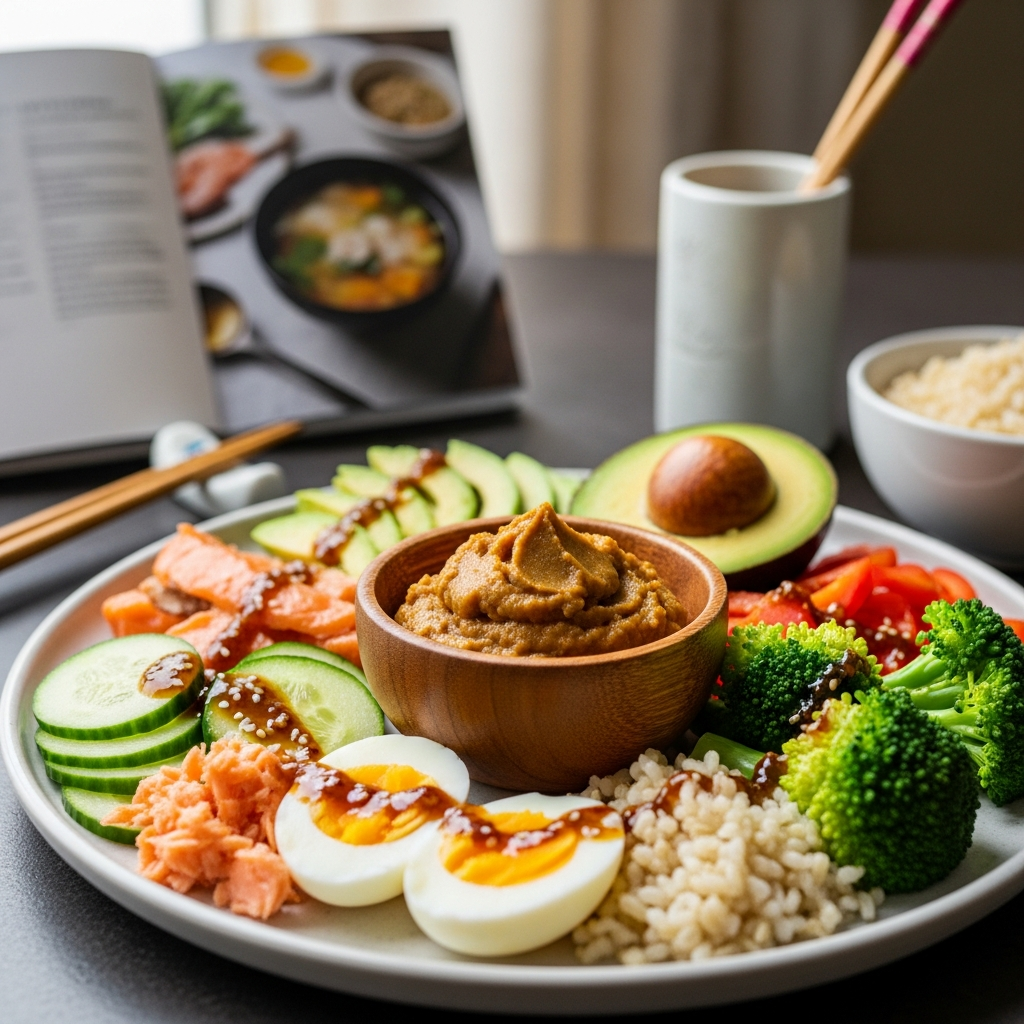
Miso is incredibly versatile, extending far beyond the traditional bowl of miso soup. Its rich, savory flavor can elevate a wide range of dishes, making it easy and enjoyable to add to your everyday cooking.
Beyond Just Miso Soup
While miso soup is a classic, don’t limit yourself! Think of miso as a flavor enhancer that can bring depth and umami to almost any savory dish.
Marinades and Dressings
Miso adds a fantastic savory, slightly sweet, and tangy element to marinades for fish, chicken, tofu, or vegetables. Mix it with a little rice vinegar, sesame oil, ginger, and garlic for a quick, flavorful marinade. For dressings, whisk a teaspoon of miso into your favorite vinaigrette for an instant upgrade.
Flavorful Glazes and Sauces
Use miso to create delicious glazes for roasted vegetables like eggplant, carrots, or Brussels sprouts. It’s also excellent in sauces for stir-fries or as a brush-on glaze for grilled corn on the cob.
Enhancing Broths and Stews
A spoonful of miso can transform a simple vegetable or chicken broth into a much richer, more complex base for soups and stews. Remember to add it near the end of cooking to preserve its probiotic benefits.
Savory Spreads and Dips
Mix miso into hummus for an umami twist, or blend it with softened butter for a unique compound butter to spread on toast or melt over grilled proteins. A small amount can even be stirred into mashed potatoes or avocado toast.
Simple Recipes to Get Started
You don’t need to be a gourmet chef to enjoy miso. Here are a couple of super easy ways to begin:
Quick Miso Vinaigrette
1. In a small bowl, whisk together 1 tablespoon of white or yellow miso paste, 2 tablespoons of rice vinegar, 1 tablespoon of olive oil, 1 teaspoon of honey or maple syrup (optional), and a pinch of black pepper.
2. Add a tiny splash of water if it’s too thick.
3. Drizzle over your favorite salad, roasted vegetables, or use as a light marinade.
Miso Glazed Veggies
1. Preheat your oven to 400°F (200°C).
2. Chop your favorite vegetables (broccoli, asparagus, sweet potatoes, or carrots work great).
3. In a bowl, toss the veggies with 1 tablespoon of olive oil.
4. In a separate small bowl, mix 1 tablespoon of miso paste with 1 teaspoon of warm water until smooth, then stir in 1 teaspoon of honey or maple syrup.
5. Spread the vegetables on a baking sheet and roast for 15-20 minutes.
6. Drizzle the miso glaze over the partially roasted vegetables, toss to coat, and return to the oven for another 5-10 minutes until tender and slightly caramelized.
Tips for Cooking with Miso
* Add at the End: To preserve the live probiotics and enzymes in miso, it’s best to add it to dishes after they’ve been removed from direct heat, especially for soups. If you’re using it in marinades or glazes that will be cooked, the flavor will still be wonderful, but the probiotic content might be reduced.
* Start Small: Miso is potent. Begin with a small amount and taste as you go. You can always add more.
* Dilute for Smoothness: For dressings and thinner sauces, dissolve miso paste in a little warm water or liquid from your recipe before adding it to avoid lumps.
* Storage:Keep miso paste tightly sealed in the refrigerator. It lasts a very long time, often for several months or even up to a year, due to its high salt content and fermentation.
Mindset and Consistency: Making Miso a Healthy Habit
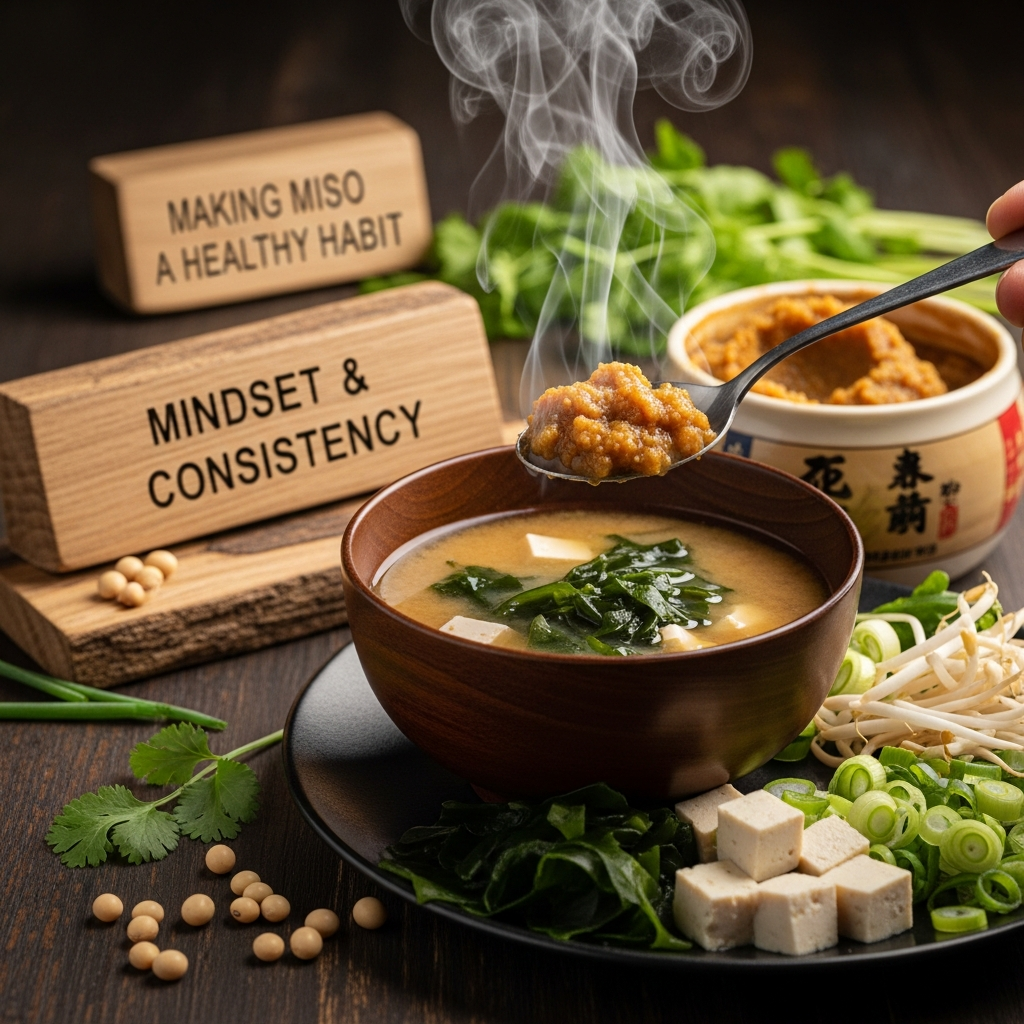
Building new habits, especially around food, is a journey. The key is to approach it with a positive mindset and aim for consistency, not perfection. Adding miso to your diet can be a simple, delicious step towards better health.
Start Small, Stay Consistent
Don’t feel pressured to overhaul your entire diet overnight. Begin by incorporating miso once or twice a week. Try that simple miso vinaigrette or glaze. When you find a way you genuinely enjoy it, it becomes easier to make it a regular part of your routine.
Think about one meal a day or a few meals a week where you could easily swap in miso. Perhaps it’s a dressing for your lunch salad or stirring a teaspoon into your evening soup. Small, consistent efforts build lasting habits.
Listen to Your Body
As with any new food, pay attention to how your body responds. While miso is generally very beneficial, some individuals might need to adjust their sodium intake in other areas of their diet. Notice any positive changes in your digestion or energy levels.
This mindful approach to eating helps you build a more intuitive understanding of what fuels your body best.
The Joy of Culinary Exploration
Embrace the journey of discovering new flavors and culinary traditions. Miso offers a world of taste and health benefits that can make healthy eating exciting and enjoyable. When you connect the food you eat with feeling good, it transforms from a chore into a delightful part of your wellness practice.
Finding joy in preparing and consuming nutritious foods is a powerful motivator for long-term health and consistency.