Easy Diet Tips for Hormone Balance
A well-balanced diet can help support hormone balance and overall health. Here are some easy diet tips to get you started:
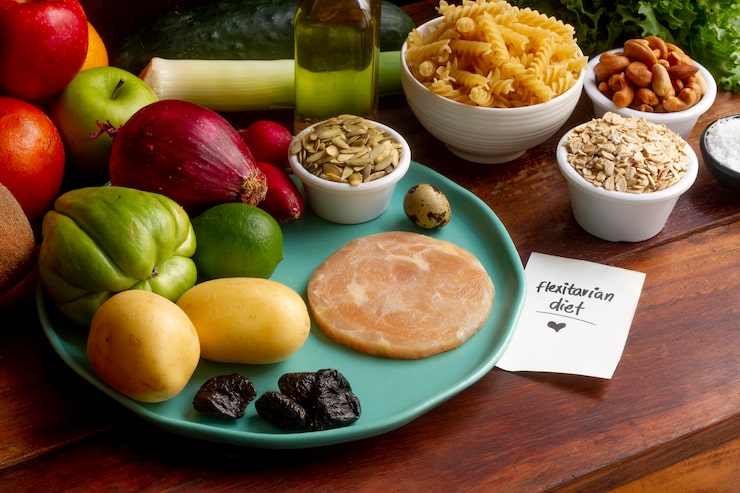
1. Eat Whole Foods

- Focus on whole, unprocessed foods like fruits, vegetables, whole grains, lean proteins, and healthy fats.
- Avoid processed and packaged foods that can disrupt hormone balance.
2. Include Omega-3 Rich Foods

- Fatty fish like salmon, sardines, and mackerel are rich in omega-3 fatty acids that support hormone production.
- Plant-based sources like flaxseeds, chia seeds, and walnuts are also great options.
3. Eat Foods Rich in Antioxidants

- Berries, leafy greens, and other fruits and vegetables are rich in antioxidants that help reduce inflammation and support hormone balance.
4. Stay Hydrated
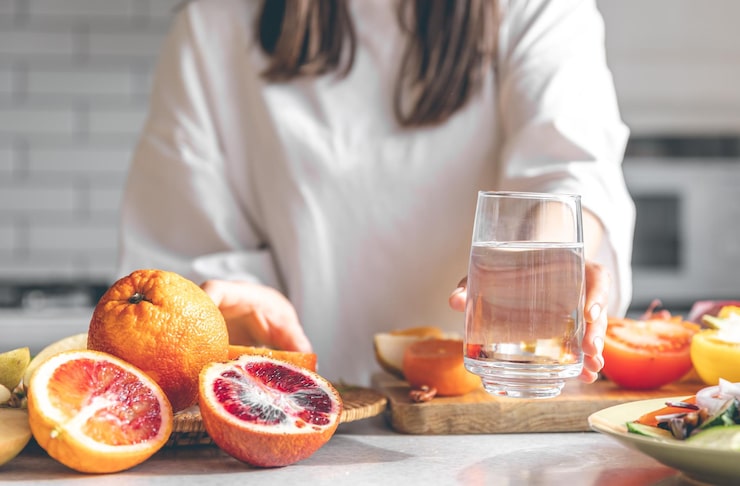
- Drink plenty of water throughout the day to help flush out toxins and support hormone balance.
- Aim for at least 8 cups (64 oz) of water per day.
5. Limit Sugar and Refined Carbs
- Consuming high amounts of sugar and refined carbs can disrupt hormone balance and lead to insulin resistance.
- Opt for complex carbohydrates like whole grains, fruits, and vegetables instead.
6. Include Probiotic-Rich Foods
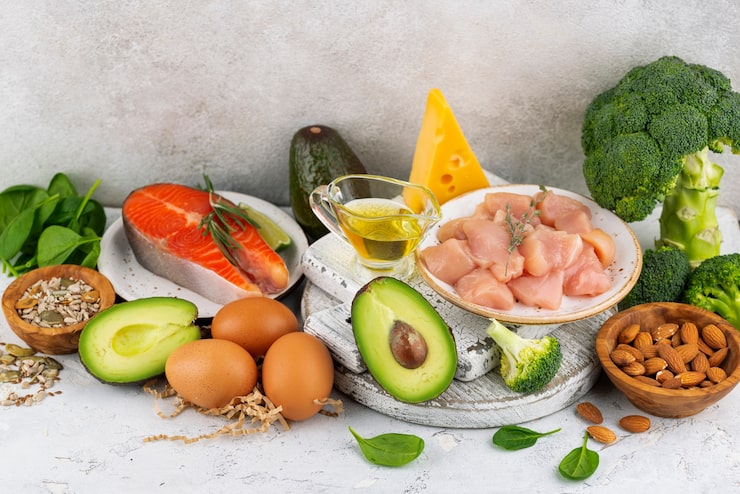
- Probiotics can help support gut health and hormone balance.
- Include probiotic-rich foods like yogurt, kefir, kimchi, and sauerkraut in your diet.
7. Eat Foods Rich in Vitamin D

- Vitamin D is essential for hormone production and balance.
- Include vitamin D-rich foods like fatty fish, egg yolks, and fortified dairy products in your diet.
Final Thought
A balanced diet can play a significant role in supporting hormone balance and overall health. By incorporating whole foods, omega-3 rich foods, antioxidant-rich foods, and probiotic-rich foods, and limiting sugar and refined carbs, you can help support your hormone health and feel your best.