Dreaming of strong, sculpted shoulders that not only look impressive but also provide functional power for everyday life? Calisthenics, or bodyweight training, offers an incredibly effective path to achieving this. Forget the heavy weights and crowded gyms; with just your body and a little dedication, you can build remarkable shoulder strength, definition, and stability.
This guide will dive into the world of calisthenics shoulder training, revealing the exercises, techniques, and mindset you need to transform your upper body. Whether you’re a beginner or looking to advance your bodyweight journey, prepare to unlock your potential and carve out those strong, defined arms you’ve always wanted.
Understanding Your Shoulders- An Overview

Your shoulders are complex joints, crucial for nearly all upper body movements. They are primarily powered by the deltoid muscles, which consist of three main heads:
- Anterior Deltoid (front) responsible for flexing and internally rotating the arm.
- Medial Deltoid (side) responsible for abducting the arm (lifting it out to the side).
- Posterior Deltoid (rear) responsible for extending and externally rotating the arm.
For truly strong, defined, and healthy shoulders, it’s vital to train all three heads equally. An imbalance can lead to poor posture, limited mobility, and increased risk of injury. Calisthenics, when programmed correctly, offers a fantastic way to achieve this comprehensive development.
Why Calisthenics for Shoulders- The Benefits

Choosing calisthenics for your shoulder development comes with a host of advantages:
- Accessibility No gym membership or expensive equipment required. You can train anywhere, anytime.
- Functional Strength Calisthenics builds strength that translates directly to real-world movements, improving your overall body control and athletic performance.
- Injury Prevention By strengthening the stabilizing muscles around the shoulder joint, calisthenics can improve joint integrity and reduce the risk of common shoulder injuries.
- Enhanced Body Awareness You learn to control your body through space, improving proprioception and coordination.
- Progressive Challenge The beauty of calisthenics lies in its endless progressions. There’s always a harder variation to master, keeping your training engaging and effective.
Essential Calisthenics Shoulder Exercises- Build Your Foundation

To build strong, defined shoulders, you’ll want to incorporate exercises that target all heads of the deltoids. Here are some foundational and progressive movements:
Pike Push-ups- Front and Side Deltoids
This is an excellent starting point for overhead pressing strength. Start with your hands on the floor, wider than shoulder-width, and your hips elevated, forming an inverted ‘V’ shape with your body. Lower your head towards the floor, then press back up.
- Progression Elevate your feet on a sturdy surface (e.g., a chair) to increase the load on your shoulders.
Pseudo Planche Push-ups- Front Deltoids and Core
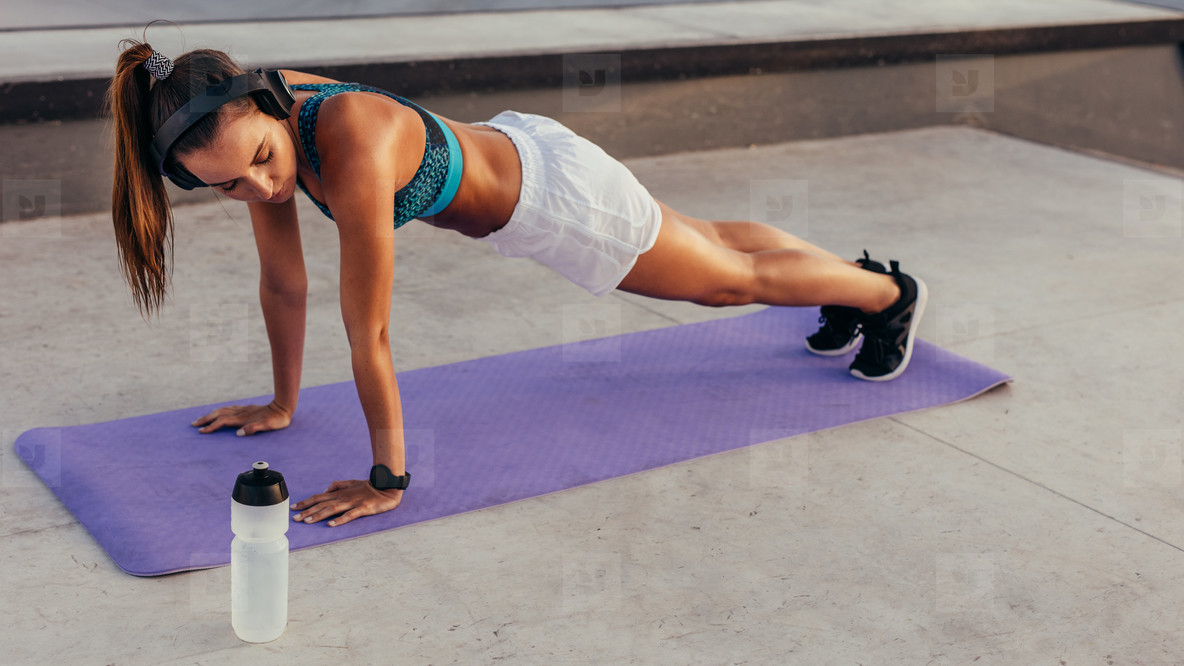
A fantastic exercise for building strength in the anterior deltoids and preparing for more advanced planche movements. Start in a push-up position, then lean your body forward so your shoulders are significantly past your hands. Keep your elbows tucked in and push up. The further you lean, the harder it gets.
Handstand Holds and Push-ups- All Deltoids, Core, and Stability
The ultimate calisthenics shoulder builder. Start with wall handstand holds to build confidence and stability. Once comfortable, you can begin training for handstand push-ups.
- Wall Handstand Hold Kick up against a wall, holding the position for time. Focus on keeping your body straight and core engaged.
- Wall Handstand Push-up Perform a handstand against a wall, then slowly lower your head towards the floor (you can use an abmat or folded towel for cushioning) and press back up.
Bodyweight Rows- Posterior Deltoids and Upper Back
Often overlooked, the posterior deltoids are crucial for balanced shoulder development and good posture. Use a sturdy bar (like a low pull-up bar or even a strong table edge). Hang underneath, then pull your chest towards the bar, squeezing your shoulder blades together. Adjust your foot placement to modify difficulty.
Crafting Your Calisthenics Shoulder Workout Routine- Sample Plans

Consistency and progressive overload are key. Here are sample routines to get you started:
Beginner Shoulder Routine
Perform 2-3 times per week, with at least one day of rest in between.
- Pike Push-ups: 3 sets of 8-12 repetitions
- Pseudo Planche Push-ups (minimal lean): 3 sets of 6-10 repetitions
- Wall Handstand Hold: 3 sets, hold for 15-30 seconds
- Bodyweight Rows: 3 sets of 10-15 repetitions
Intermediate Shoulder Routine
Focus on increasing volume, intensity, or moving to harder progressions.
- Elevated Pike Push-ups: 3 sets of 6-10 repetitions
- Pseudo Planche Push-ups (moderate lean): 3 sets of 5-8 repetitions
- Wall Handstand Hold: 3 sets, hold for 30-60 seconds
- Wall Handstand Push-ups (partial range): 3 sets of 3-5 repetitions
- Bodyweight Rows (feet elevated): 3 sets of 8-12 repetitions
Important Considerations
- Warm-up Always start with 5-10 minutes of light cardio and dynamic shoulder mobility drills.
- Cool-down Finish with static stretches for your shoulders and chest.
- Progressive Overload To keep making gains, you must continually challenge your muscles. This means increasing reps, sets, hold time, or moving to a harder exercise variation.
Mindset and Consistency- Staying on Track
Building boulder shoulders and chiseled arms through calisthenics is as much a mental challenge as it is a physical one. Unlike lifting heavy weights where you can simply add a plate to the bar, bodyweight mastery requires a deep level of patience and a focused mindset. When you are working against your own gravity, progress often feels incremental, and it is easy to become discouraged if you do not see massive changes in a week. Success in this discipline starts with accepting that strength is a journey of refinement. You must shift your focus from immediate aesthetic results to the mastery of movement. Instead of asking how big your deltoids look today, ask yourself if your form was tighter during your pike pushups or if you held that handstand for two seconds longer.
Consistency is the bridge between your current physique and your ultimate goal. In the world of calisthenics, your body needs regular stimulus to adapt to the increasing demands of bodyweight leverage. Skipping sessions creates a gap in your nervous system’s ability to learn these complex movements. To stay on track, you must move beyond relying on fleeting bursts of motivation. Motivation might get you started on a Monday morning, but discipline is what gets you through a workout on a rainy Thursday when you feel tired. Create a non-negotiable schedule and treat your shoulder training like an important appointment. Even if you only have fifteen minutes, doing a few sets of high-quality repetitions is far better for your long-term progress than doing nothing at all.
Tracking your progress is perhaps the most effective way to maintain your mental edge. Since calisthenics progress can be subtle, keeping a training log allows you to see the reality of your growth. When you look back and realize that a month ago you could only perform three clean dips and now you are doing eight, that data provides the psychological fuel needed to keep pushing. Celebrate these small victories because they are the building blocks of a transformed physique. Remember that everyone faces plateaus where progress seems to stall. During these times, your mindset determines whether you quit or find a way to break through. Stay consistent, trust the process, and recognize that every single rep is an investment in the stronger, more defined version of yourself.
Final Thought
“Your shoulders are more than just muscle; they are the architecture of your ambition. In calisthenics, you don’t just lift weight—you learn to carry yourself. When you master your own gravity, you realize that the strength to hold up the world begins with the discipline to hold up your own frame. Build a foundation that doesn’t just look powerful, but feels immovable.”