
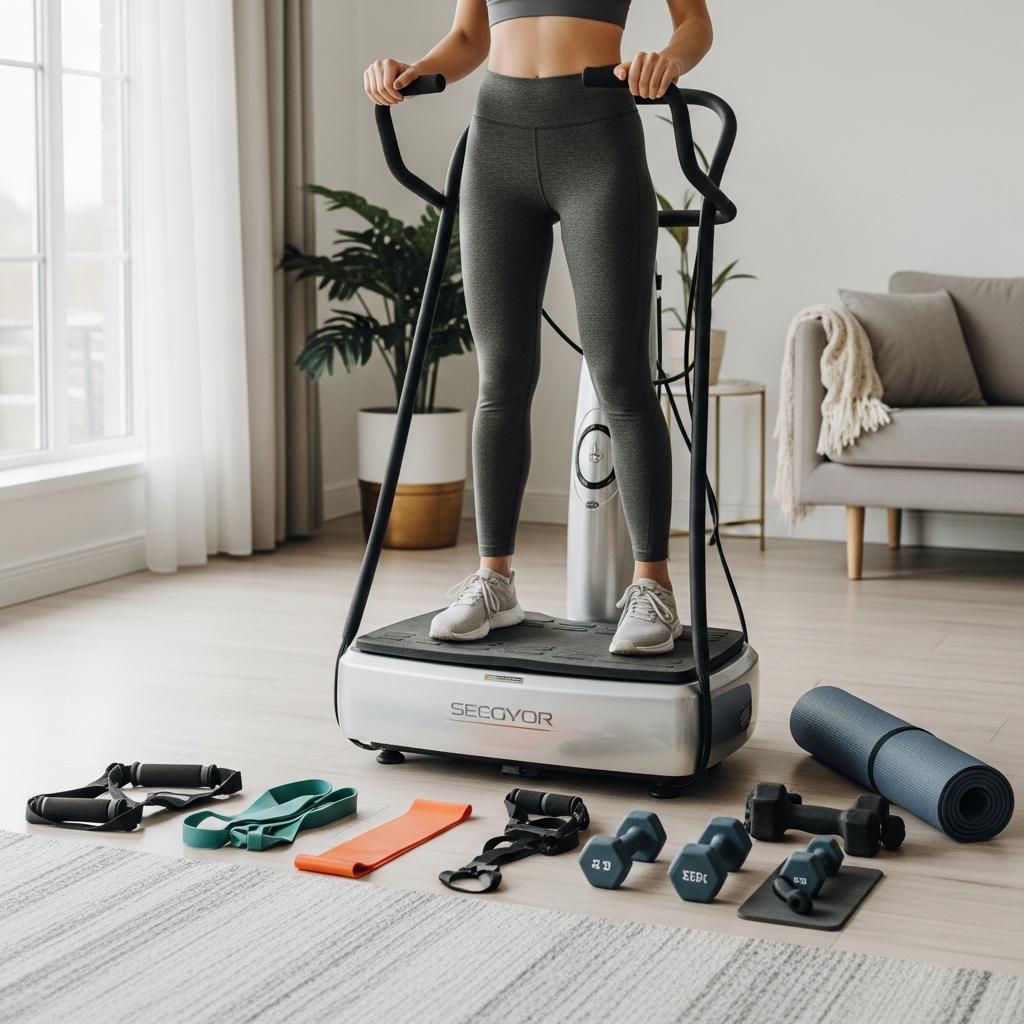
Beginner’s Guide to Using a Vibration Plate Safely
Stepping into the world of fitness equipment can feel a bit overwhelming, especially when you encounter something new and unique like a vibration plate. Maybe you’ve seen one at the gym, or perhaps a friend raved about its benefits. Whatever brought you here , you’re in the right place to learn how to approach this tool with confidence and , most importantly, safety.
A vibration plate, also known as a whole-body vibration machine, can be a fantastic addition to your fitness routine. It promises to enhance your workouts in various ways, but like any piece of equipment, knowing how to use it correctly from day one is essential. This guide is designed for you, the beginner, to ensure your experience is positive, effective, and always safe.
What Exactly Is a Vibration Plate?
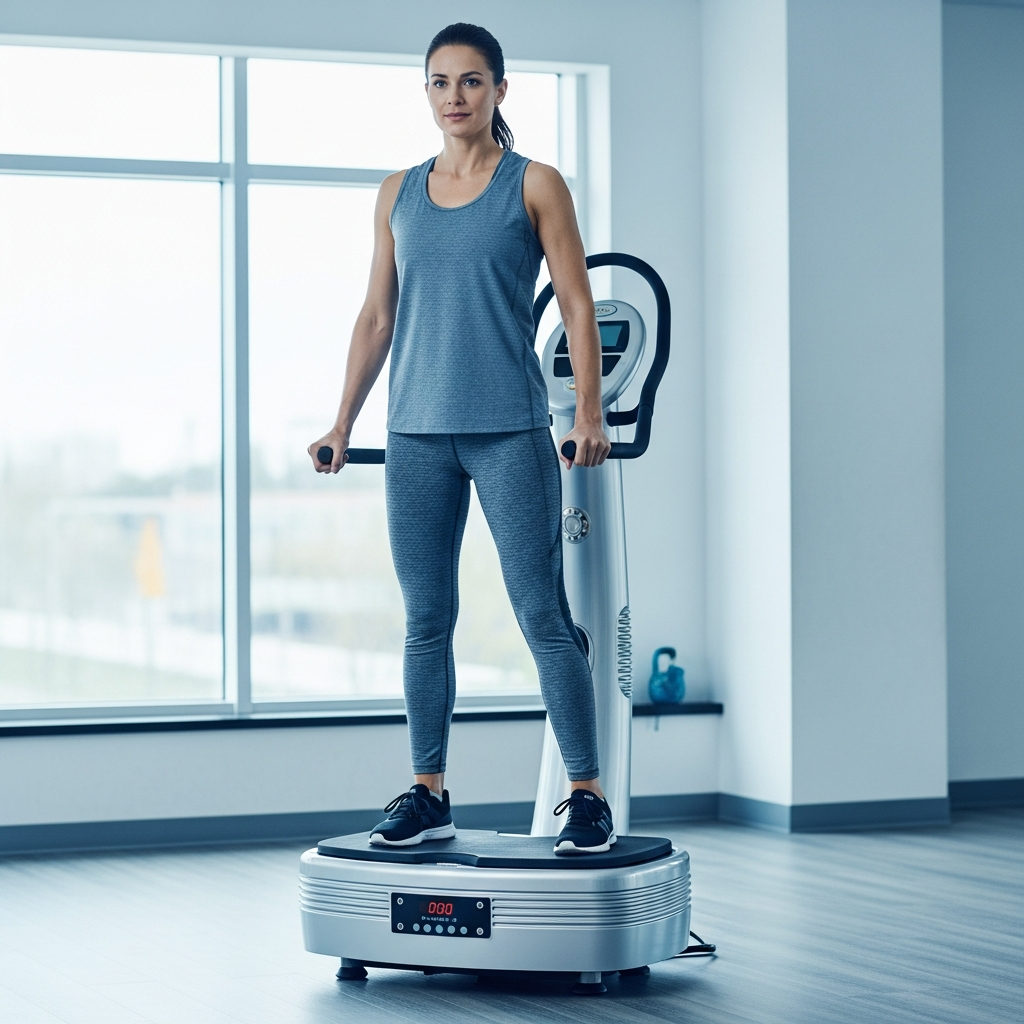
Imagine a platform that vibrates rapidly. That’s essentially a vibration plate! You stand, sit, or even lie on it, and these quick vibrations transfer energy to your body. It sounds simple, but the way your body responds to these vibrations is what makes it interesting.
How Does It Work?
When the plate vibrates, your muscles automatically contract and relax dozens of times per second to stabilize your body. This happens as a natural reflex. It’s like your body is doing mini-workouts without you actively trying to lift weights or perform strenuous movements. This involuntary muscle action is the core principle behind whole-body vibration training.
Potential Benefits
People often turn to vibration plates for a range of potential benefits. Many users report improvements in muscle strength and tone, especially when combined with traditional exercises. Others find it helpful for boosting circulation, enhancing flexibility, or improving balance, particularly as they get older. It’s often seen as a way to add an extra dimension to a workout or assist with recovery, but remember, individual results vary, and it’s not a magic solution.
Is a Vibration Plate Right For You? Important Safety Considerations
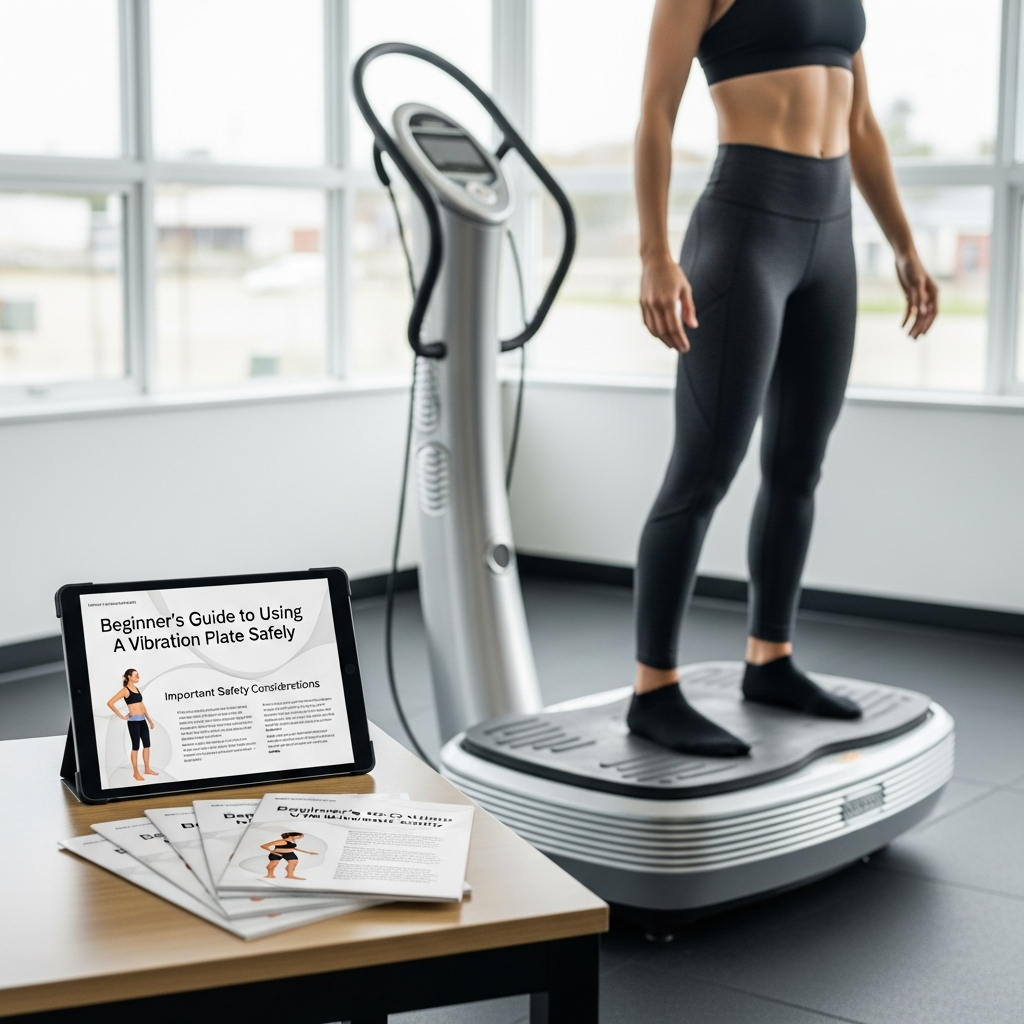
Before you even step onto a vibration plate, it’s crucial to consider if it’s the right fit for your health and current physical condition. Safety should always be your number one priority.
Always Talk to Your Doctor First
This is perhaps the most important piece of advice in this entire guide. Before starting any new exercise program, especially one involving a vibration plate, speak with your doctor. They know your health history and can advise if this type of activity is suitable for you. This step helps prevent potential issues and ensures you’re making a safe choice for your body.
Who Should Avoid Vibration Plates?
While vibration plates can be beneficial for many, there are certain situations where they should be avoided. If any of these apply to you, it’s best to steer clear or seek specific medical advice:
* Pregnancy
* Recent surgery
* Existing heart conditions or pacemakers
* Epilepsy
* Severe diabetes
* Acute thrombosis
* Gallstones, kidney stones, or bladder stones
* Recent fractures or acute herniated discs
* Severe migraines
* Metal implants (like pins, plates, or screws), though this can vary; always consult your doctor
* Tumors
* Open wounds
This list isn’t exhaustive, so always err on the side of caution and consult a healthcare professional.
Choosing the Right Plate
Not all vibration plates are created equal. For beginners, choosing a plate with user-friendly controls and good stability is important. Look for features like:
* Adjustable Intensity/Frequency: This allows you to start very gently and gradually increase.
* Stable Handrails: These are excellent for balance and support, especially when you’re just starting out.
* Clear Display: Easy-to-read controls help you monitor your settings.
* Type of Vibration: Some plates offer lineal (up-down) vibration, while others have oscillating (see-saw) or pivotal motion. For beginners, a gentle oscillating or lineal vibration might be more comfortable to start with.
Getting Started: Your First Steps with a Vibration Plate
Once you’ve got the green light from your doctor and your plate is ready, it’s time to prepare for your first session. Think of this as laying a solid foundation for your future workouts.
Setting Up Your Plate
Proper placement is key to stability. Choose a flat, stable surface for your vibration plate. Make sure it’s not wobbly and there’s enough space around it so you can move freely without bumping into furniture. If your plate has a power cord, ensure it’s not a tripping hazard.
Understanding the Controls
Most vibration plates will have controls for time, frequency, and sometimes amplitude.
* Time: This sets how long your session will last. As a beginner, you’ll start with short durations.
* Frequency (Hz): This refers to how many times per second the plate vibrates. A lower frequency means slower vibrations, which is ideal for beginners.
* Amplitude: This is the distance the plate moves up and down (or side to side) with each vibration. Lower amplitude means smaller movements, also better for beginners.
Start with the lowest settings for both frequency and amplitude, and a short time duration. You can always increase them later as you get more comfortable.
Proper Posture is Key
Correct posture isn’t just about looking good; it’s fundamental to using a vibration plate safely and effectively. Poor posture can lead to discomfort or strain.
The “Soft Knees” Rule
Never lock your knees when standing on a vibration plate. Always keep a slight bend in your knees. This allows your leg muscles to absorb the vibrations naturally, preventing the vibrations from traveling directly to your head and joints, which can be uncomfortable and potentially harmful.
Engaging Your Core
Lightly pull your belly button towards your spine, engaging your core muscles. This helps stabilize your torso and protect your back. It also encourages a full-body engagement, which is one of the goals of whole-body vibration.
Maintaining Balance
If your plate has handrails, use them for support, especially when starting out. Distribute your weight evenly on the plate. Look straight ahead, not down at your feet, to help maintain your balance. If you feel unsteady, step off immediately.
Safe Beginner Workouts and Exercises
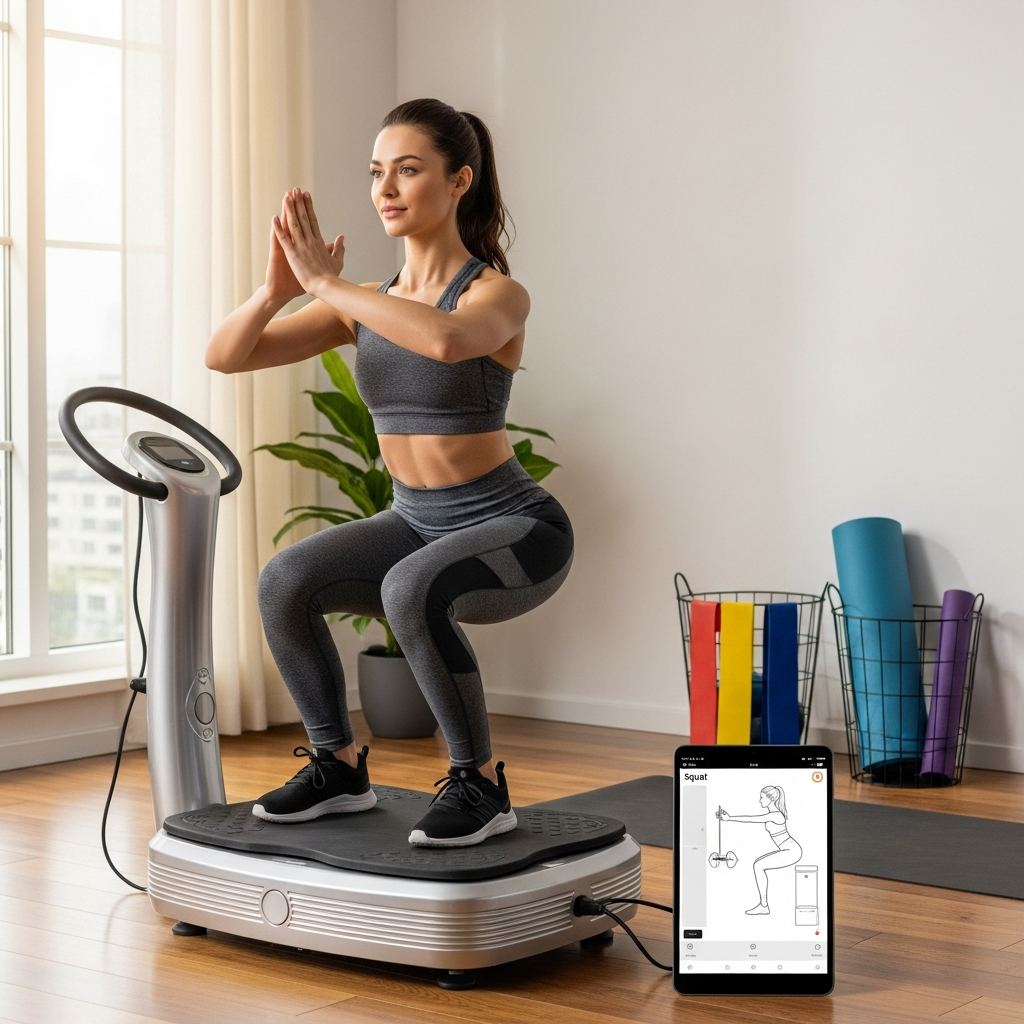
Your first few sessions should focus on getting used to the sensation and perfecting your basic stance. Don’t try to do too much too soon.
Starting Slow and Steady
Begin with very short sessions. A good starting point is 3-5 minutes, two to three times a week. Use the lowest frequency and amplitude settings available on your machine. As your body adapts, you can gradually increase the duration by a minute or two, or slightly bump up the intensity over several weeks.
Sample Beginner Exercises
These exercises are simple and focus on static holds, allowing you to get comfortable with the vibrations.
Standing Gently
* How to do it: Stand on the plate with feet shoulder-width apart, knees slightly bent, and core engaged. Use handrails for support.
* Focus: Getting used to the sensation, maintaining balance and proper posture.
* Duration: 30-60 seconds.
Calf Raises
* How to do it: Stand with balls of your feet on the plate, heels slightly off. Rise onto your toes, then slowly lower your heels back down (but not completely off the plate if possible). Keep knees soft.
* Focus: Targeting calf muscles, improving balance.
* Duration: 10-15 repetitions.
Gentle Squats (Shallow)
* How to do it: Stand on the plate with feet shoulder-width apart. Slowly lower your hips as if sitting in a chair, keeping your back straight and knees behind your toes. Only go as deep as comfortable, about a quarter squat.
* Focus: Engaging glutes and thighs, improving lower body strength.
* Duration: 8-12 repetitions.
Planks (Hands on Floor, Feet on Plate)
* How to do it: Place your hands on the floor directly under your shoulders, and your feet (toes or balls of feet) on the vibration plate. Keep your body in a straight line from head to heels, engaging your core.
* Focus: Core strength and stability.
* Duration: 20-30 seconds.
Seated Upper Body Stretch
* How to do it: Sit on the edge of the vibration plate with your feet flat on the floor. Gently place your hands on the plate in front of you (if comfortable) or beside you. You can also place one hand on the plate and gently lean into it to stretch your shoulder or chest.
* Focus: Gentle upper body stimulation and relaxation.
* Duration: 30-60 seconds per side.
Listen to Your Body
This is paramount. If you feel any sharp pain, dizziness, nausea, or intense discomfort, stop immediately. Your body is giving you important feedback. It’s okay to take a break or end the session early. Pushing through pain can lead to injury.
Building a Safe Routine: Weekly Plan & Consistency
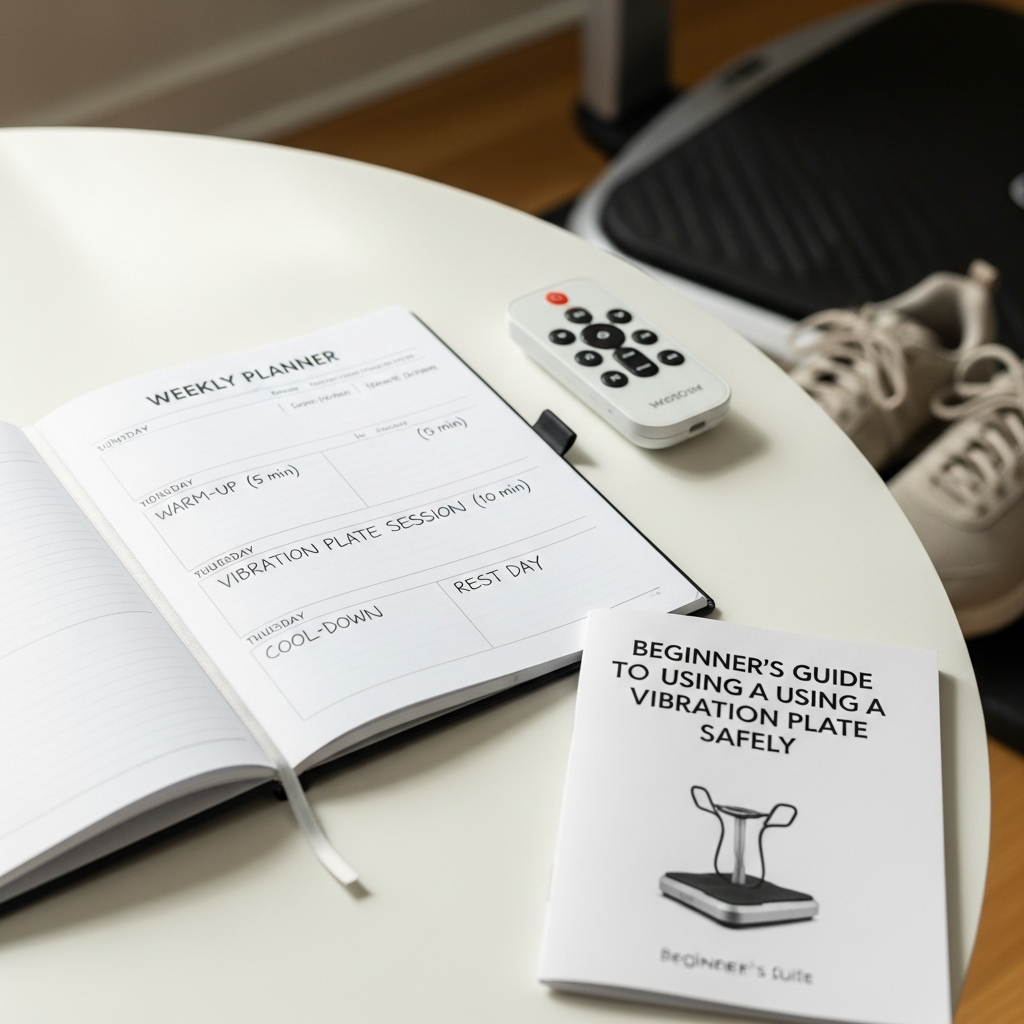
Consistency is key to seeing any results from your fitness efforts. Here’s how to gradually build up your vibration plate routine safely.
Your First Few Weeks: Focus on Adaptation
Think of the first month as an introduction. Your body needs time to get used to the new stimulus.
| Week | Session Duration | Frequency Per Week | Focus |
| 1 | 3-5 minutes | 2-3 times | Mastering posture, gentle standing |
| 2 | 5-7 minutes | 3 times | Introducing calf raises, gentle squats |
| 3 | 7-10 minutes | 3-4 times | Adding planks (feet on plate) |
| 4 | 10 minutes | 3-4 times | Combining exercises, comfortable pace |
Always use the lowest comfortable settings for frequency and amplitude during these initial weeks.
Making It a Habit
To make your vibration plate routine stick, integrate it into your daily life.
* Schedule It: Treat your vibration plate session like any other appointment. Put it in your calendar.
* Pair It: Do it at the same time as another habit. Maybe after your morning coffee or before you cool down from another workout.
* Keep It Accessible: Don’t tuck your plate away in a closet. Keep it in a visible, easy-to-access spot to remove barriers to use.
* Be Patient: Don’t expect instant results. Fitness is a journey, and small, consistent steps lead to big changes over time.
Progressive Overload
Once you’re comfortable with your 10-minute sessions at low intensity, you can start to gradually challenge yourself. This is called progressive overload.
* Increase Duration: Add a minute or two to your sessions, up to a maximum of 15-20 minutes for beginners.
* Increase Intensity: Slowly bump up the frequency or amplitude settings. Only change one variable at a time so you can assess your body’s response.
* Add Variety: Introduce new exercises or hold existing ones for slightly longer. Always maintain proper form.
Remember, “gradually” is the operative word here. Listen to your body and adjust accordingly.
Common Mistakes to Avoid
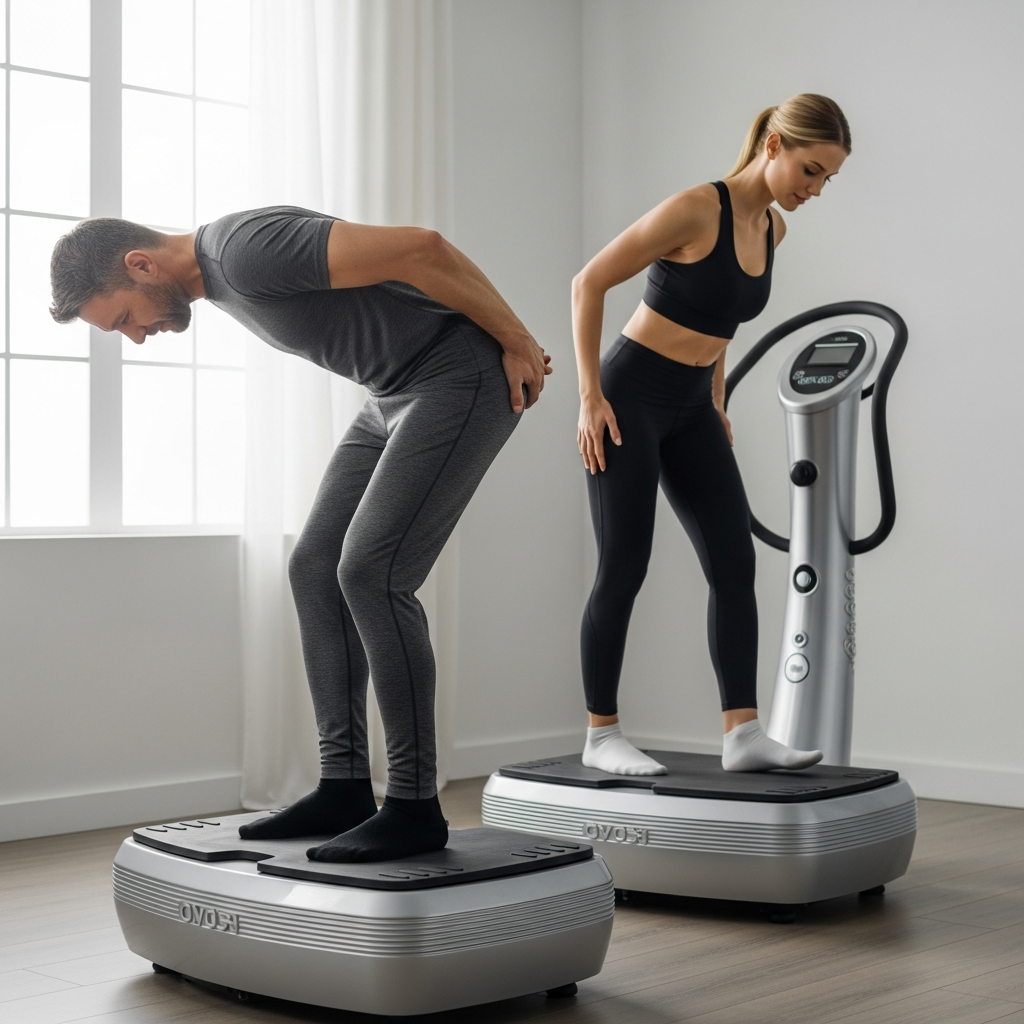
Even with the best intentions, it’s easy to fall into common traps when using new equipment. Being aware of these can help you avoid them.
Don’t Overdo It Too Soon
The temptation to increase intensity or duration quickly can be strong, especially if you feel great after your first few sessions. Resist it. Your muscles and joints need time to adapt to the vibrations. Too much too soon can lead to soreness, fatigue, or even injury.
Don’t Lock Your Knees
We’ve mentioned this, but it bears repeating. Locked knees transmit vibrations directly to your head and spinal column, which can cause headaches or joint discomfort. Always maintain that soft bend.
Don’t Forget Hydration
Exercise, even passive-feeling exercise like standing on a vibration plate, requires your body to work. Staying well-hydrated before, during, and after your sessions supports muscle function and overall well-being.
Don’t Ignore Discomfort
Your body is your best guide. A slight muscle fatigue is normal, but sharp pain or dizziness is a red flag. Stop your session, rest, and re-evaluate. If pain persists, consult your doctor.


