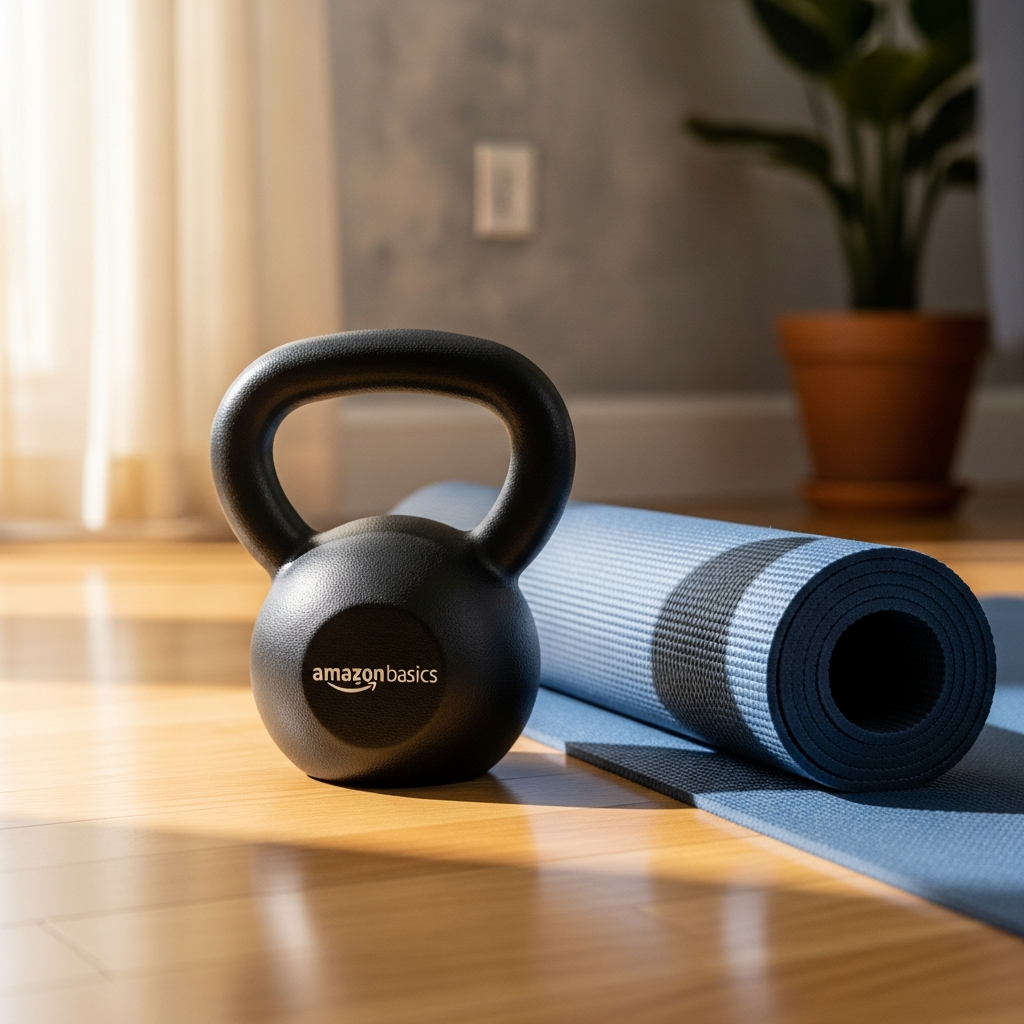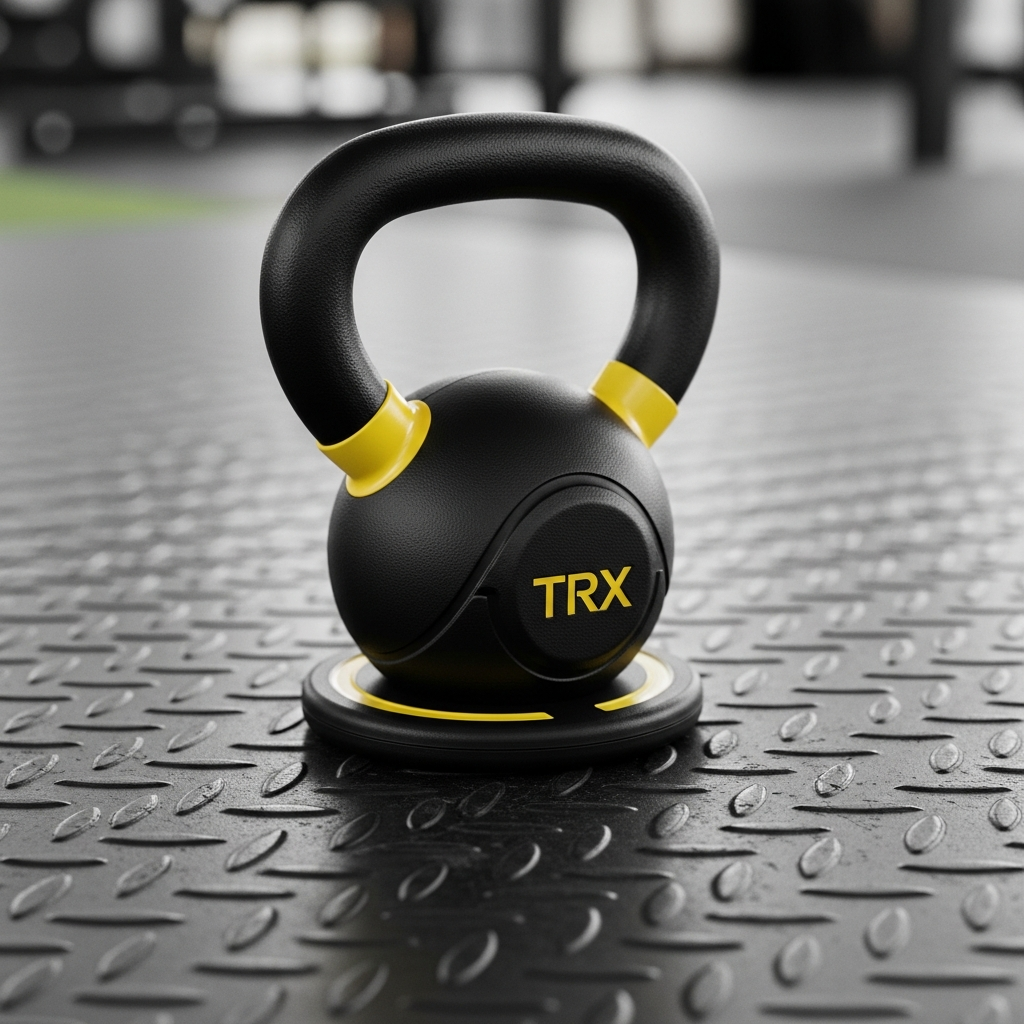
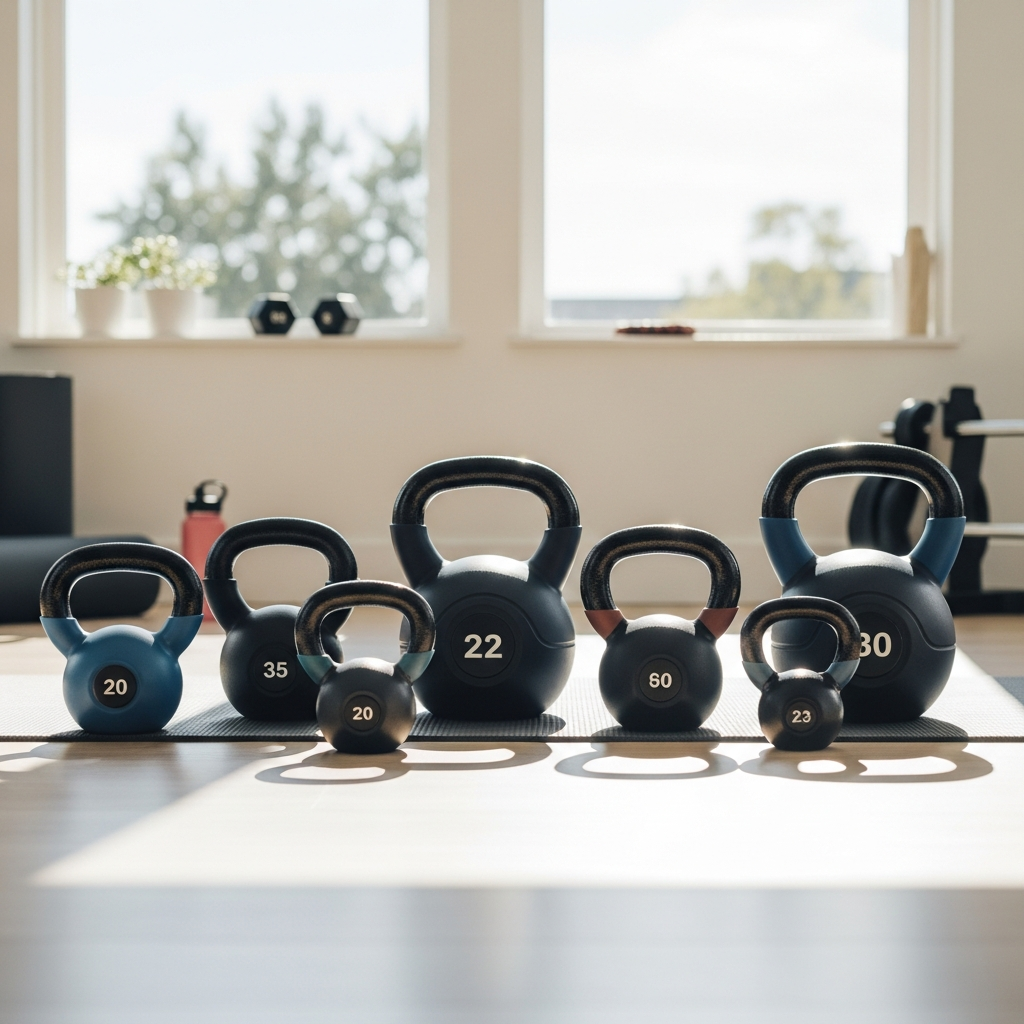
Starting a strength training journey at home can feel like a big step, but it doesn’t have to be complicated. If you’re looking for a versatile, effective, and space-saving piece of equipment that can transform your body and boost your fitness, kettlebells are an excellent choice. These cannonball-shaped weights with a handle offer a unique way to build strength, endurance, and flexibility all at once.
They’re fantastic for high-intensity interval training (HIIT), strength work, and even improving your mobility. Whether you’re a complete beginner or an experienced lifter, a well-chosen kettlebell can become the cornerstone of your home gym. But with so many options out there, how do you pick the right one for your needs? Let’s dive in and find your perfect fit.
Why Choose Kettlebells for Your Home Workouts?

Kettlebells aren’t just a trend; they offer a host of benefits that make them ideal for home strength training.
* Full-Body Workouts: Kettlebell exercises often engage multiple muscle groups simultaneously, leading to efficient and effective full-body workouts in less time. Think swings, squats, presses, and rows.
* Functional Strength: Many kettlebell movements mimic real-life actions, improving your functional strength for everyday tasks like lifting groceries or playing with kids.
* Cardiovascular Fitness: The dynamic nature of kettlebell training, especially exercises like swings and snatches, can significantly elevate your heart rate, providing an excellent cardio workout alongside strength building.
* Improved Mobility and Flexibility: The unique shape and movement patterns of kettlebell training can help improve joint mobility, flexibility, and overall range of motion.
* Space-Saving: One or two kettlebells take up very little space, making them perfect for smaller home gyms or even just a corner of your living room.
* Progressive Overload: You can easily progress by increasing weight or complexity of exercises, ensuring continuous challenge and growth.
Key Factors to Consider When Buying a Kettlebell

Before you pick a kettlebell, it’s helpful to understand what makes a good one. Thinking about these factors will ensure you choose a kettlebell that suits your goals and budget.
Material
Kettlebells come in various materials, each with its pros and cons.
* Cast Iron: These are the most common and classic type. They are durable, offer a good grip, and often have a raw, authentic feel. Some may have a powder coat finish for better grip and rust resistance.
* Vinyl or Neoprene Coated:These have a cast iron core covered in a protective layer. They are gentler on floors, quieter if dropped, and often come in bright colors. The coating can sometimes make the handle thicker.
* Competition Kettlebells: These are made from steel and are all the same size, regardless of weight. This uniformity is great for consistent technique, but they are typically more expensive.
* Adjustable Kettlebells: These allow you to change the weight by adding or removing plates. They save space and money if you need multiple weights, but they can be bulkier and sometimes have a less balanced feel than solid kettlebells.
Handle Design
The handle is where you connect with the kettlebell, so its design is crucial for comfort and safety.
* Smoothness: The handle should be smooth enough to avoid chafing your hands but not so smooth that it becomes slippery, especially when your hands sweat.
* Thickness: A good handle allows you to grip it securely without excessive strain. Too thick, and it’s hard to hold; too thin, and it can dig into your hand.
* Width: The handle should be wide enough to accommodate both hands comfortably for exercises like two-handed swings.
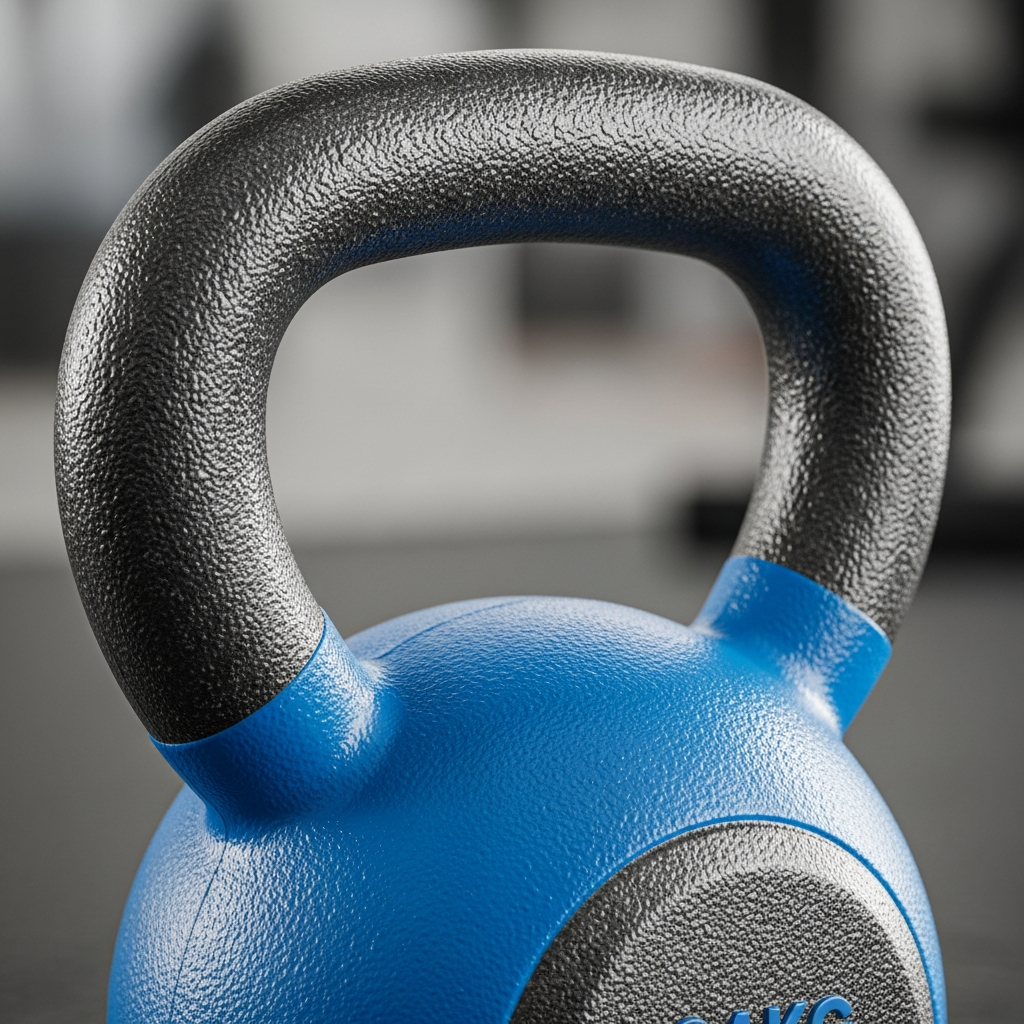
* Texture: Some handles are polished, others have a slight texture. Powder-coated cast iron often provides the best balance of grip and comfort.
Weight Selection
Choosing the right starting weight is arguably the most important decision for a beginner. It’s better to start lighter and perfect your form than to go too heavy and risk injury.
* For Women* A good starting point is often 8kg (18 lbs) for general strength, or 12kg (26 lbs) for those with some prior strength training experience.
* For Men: Beginners often start with 12kg (26 lbs) to 16kg (35 lbs). If you’re already strong, 20kg (44 lbs) might be suitable.
* Consider Your Goals: For ballistic movements like swings, you might use a heavier weight than for presses or Turkish get-ups, which require more control.
* When in Doubt, Go Lighter: You can always progress, but poor form with a heavy weight can lead to injury.
Base Stability
The base of the kettlebell matters, especially if you plan to do exercises where the kettlebell rests on the floor, like renegade rows or kettlebell push-ups.
* A flat, stable base prevents the kettlebell from wobbling or tipping over.
* This ensures safety and allows for a wider range of exercises.
Price vs. Quality
Kettlebells range in price. While it’s tempting to go for the cheapest option, investing a little more in a quality kettlebell can make a big difference in your training experience and the longevity of the equipment. Look for durable materials, good finishes, and reputable brands.
Our Top 7 Best Kettlebells for Home Strength Training

Based on the factors above, here are our picks for the best kettlebells to consider for your home workouts. We’ve focused on variety to suit different needs and preferences.
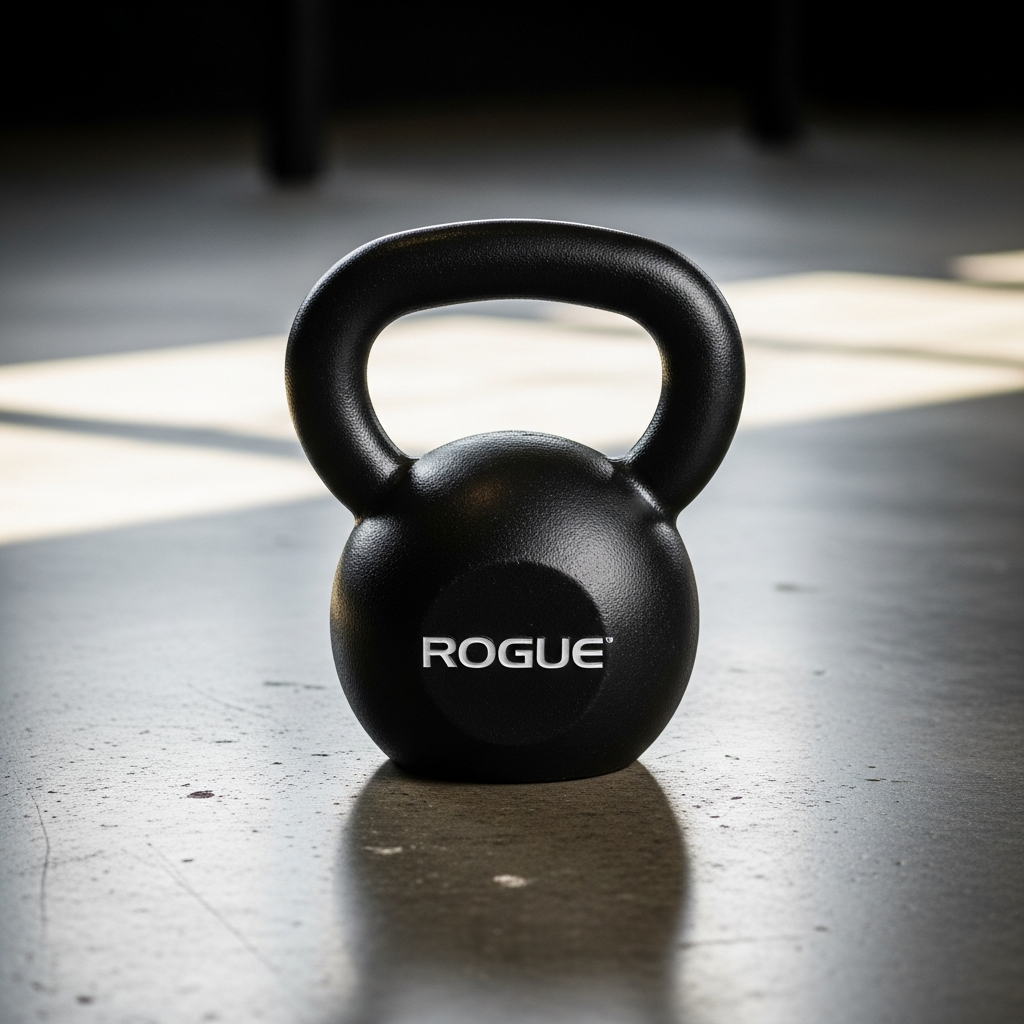
1. The Classic Cast Iron Kettlebell
This is the standard workhorse for many home gyms. Itโs simple, effective, and built to last.
Why We Like It
These kettlebells feature a solid cast iron construction with a uniform design across different weights. They often come with a powder-coated finish that offers an excellent grip, even with sweaty hands, without being overly abrasive. The handle is typically wide enough for two-handed swings.
Ideal For
Beginners and intermediate users looking for a reliable, no-frills kettlebell. Great for all types of exercises, from swings and squats to presses and carries.
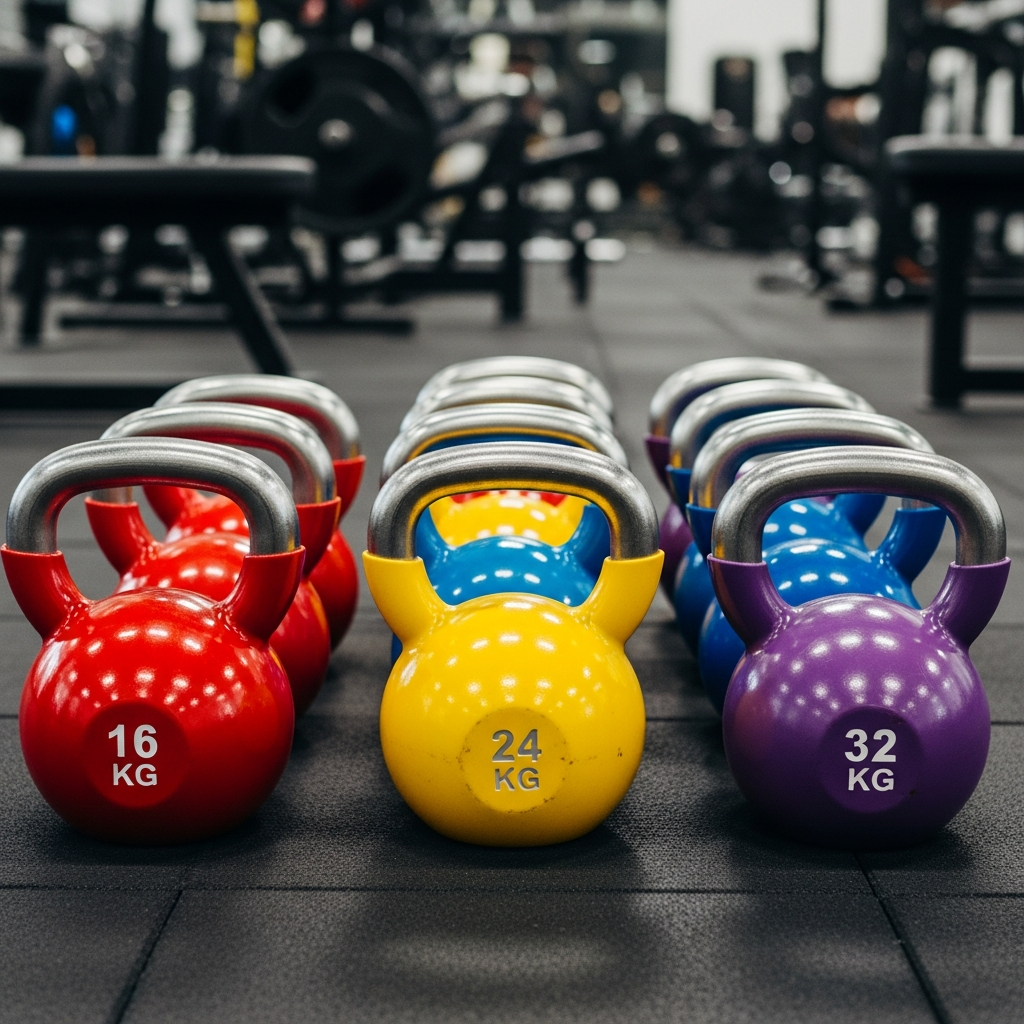
2. The Ergonomic Vinyl Kettlebell
For those who want to be kinder to their floors and prefer a slightly softer touch, vinyl-coated kettlebells are a great option.
Why We Like It
These kettlebells have a cast iron core wrapped in a durable vinyl or neoprene coating. This protects your floors, reduces noise if dropped, and can add a splash of color to your home gym. The coating can sometimes make the handle slightly thicker, which some people prefer for grip comfort.
Ideal For
Individuals training in apartments, those with sensitive floors, or anyone who prefers a softer exterior. Excellent for general fitness and conditioning.
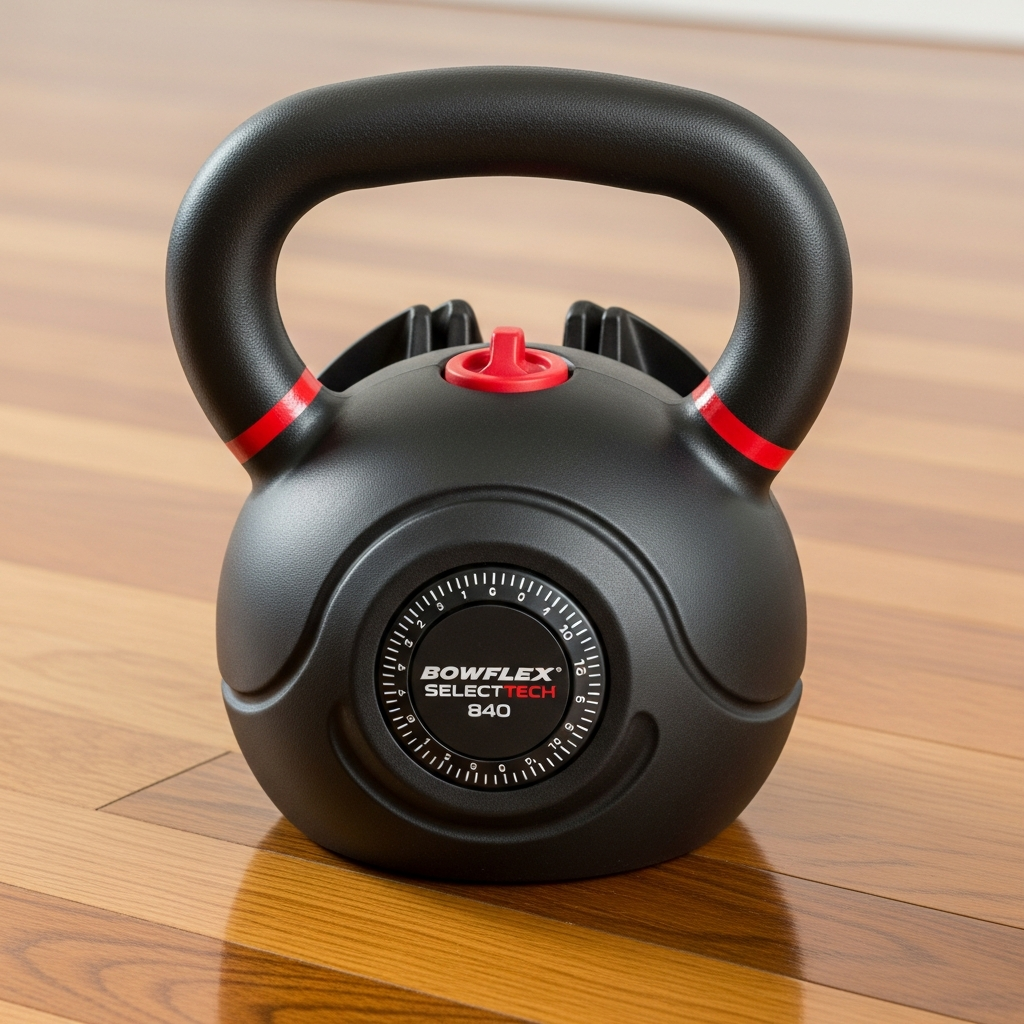
3. The Adjustable Weight Kettlebell
When space is at a premium or you want to progress through multiple weights without buying several kettlebells, an adjustable option is a smart choice.
Why We Like It
This innovative design allows you to change the weight by adding or removing plates or using a dial system. It’s incredibly versatile, saving you space and often money in the long run. Modern adjustable kettlebells are much more compact and balanced than earlier versions.
Ideal For
Home gym owners with limited space, those on a budget who want a wide weight range, and users who anticipate rapid progression.
4. The Competition Style Kettlebell
If you’re serious about your kettlebell technique and want to potentially compete or just love consistent feel across weights, this is your pick.
Why We Like It
Competition kettlebells are made from steel and, unlike cast iron bells, they maintain the exact same physical dimensions regardless of their weight. This means the handle size, bell diameter, and height remain constant, allowing for consistent form and technique as you go heavier. They usually have a smooth, unpainted handle.
Ideal For
Experienced kettlebell users, those focused on advanced techniques, or anyone who values absolute consistency in their equipment for precise movements.
5. The Rubber-Coated Kettlebell
Offering a balance between the classic cast iron and vinyl-coated options, rubber-coated kettlebells provide floor protection with a robust feel.
Why We Like It
These kettlebells feature a high-density rubber coating over a solid core. This provides excellent floor protection and noise reduction, similar to vinyl, but often with a more rugged and durable finish. The handle is typically exposed cast iron, offering a traditional grip feel.
Ideal For
Users who want floor protection but prefer the classic grip of an un-coated cast iron handle. Great for functional training and garage gyms.
6. The Textured Grip Kettlebell
For those who prioritize an unshakeable grip, especially during high-rep or sweaty workouts, a kettlebell with an enhanced textured handle is a game-changer.
Why We Like It
These kettlebells often feature a more aggressive powder coat or a specifically designed texture on the handle to prevent slipping. This can be beneficial for those with particularly sweaty hands or for movements where grip strength is a limiting factor.
Ideal For
Advanced users, those performing high-volume workouts, or anyone who frequently struggles with grip during intense sessions.
7. The Single Cast Kettlebell (Gravity Cast)
Representing the pinnacle of quality in traditional kettlebells, single cast options offer superior balance and durability.
Why We Like It
These kettlebells are molded as one solid piece, eliminating any seams, welds, or weak points. This results in a perfectly balanced kettlebell that feels incredibly solid and reliable. The finish is typically very smooth but grippy, providing a premium training experience.
Ideal For
Discerning users who prioritize top-tier quality, balance, and longevity in their equipment. Excellent for those who view their kettlebell as a long-term investment.
Getting Started with Kettlebells: Mindset & Safety

Picking the right kettlebell is just the first step. To truly benefit from this amazing tool, you need to approach your training with the right mindset and focus on safety.
Start Light and Focus on Form
This cannot be stressed enough. Kettlebell movements are dynamic and complex. Improper form can lead to injury.
* Watch Tutorials: Before you even pick up the kettlebell, spend time watching reputable instructional videos on basic movements like the kettlebell swing, goblet squat, and press.
* Practice with a Lighter Weight: Begin with a weight that feels almost too light. This allows you to engrain proper movement patterns without the added stress of a heavy load.
* Get Feedback: If possible, record yourself or have a friend watch your form to provide feedback. A coach can be invaluable here.
Consistency is Your Secret Weapon
Fitness is a marathon, not a sprint. Regular, even short, workouts are far more effective than sporadic, intense sessions.
* Schedule It: Treat your workout time like any other important appointment. Put it on your calendar.
* Find Your “Why”: Remind yourself why you started. Is it for more energy, better health, or to feel stronger? Connect to that motivation daily.
* Don’t Aim for Perfection: Some days you’ll feel amazing, others less so. Just showing up and doing *something* is a win.
Listen to Your Body
Pain is a signal, not a goal. Learn to differentiate between muscle soreness (good!) and joint pain (bad!).
* Rest When Needed: Overtraining can lead to burnout and injury. Give your body time to recover and rebuild.
* Modify Exercises: If an exercise causes discomfort, look for modifications or alternatives that allow you to work around the issue.
* Hydrate and Nourish: Support your body’s recovery with plenty of water and nutrient-dense foods.
Sample Kettlebell Workout Plan for Beginners

Hereโs a simple weekly plan to help you get started with your new kettlebell. Focus on form over speed or heavy weight. Aim for 2-3 times a week, with rest days in between.
Weekly Plan Example
| Day | Workout Focus | Exercises (3 sets of 10-12 reps unless specified) | Notes |
| Monday | Full Body Strength & Power | 1. Kettlebell Goblet Squat | Focus on deep squat, chest up. |
| | | 2. Kettlebell Two-Handed Swing | Explosive hips, shoulders relaxed. |
| | | 3. Kettlebell Push Press (single arm, 6-8 each) | Use legs for momentum, control the lower. |
| | | 4. Kettlebell Renegade Row (single arm, 6-8 each) | Keep hips stable, plank position. |
| Tuesday | Active Recovery / Rest | Light walk, stretching, foam rolling | Give your muscles time to recover. |
| Wednesday | Full Body Strength & Endurance | 1. Kettlebell Deadlift | Hinge at hips, keep back straight. |
| | | 2. Kettlebell Clean & Press (single arm, 6-8 each) | Fluid movement, control. |
| | | 3. Kettlebell Reverse Lunge (single arm, 8-10 each) | Keep front knee over ankle. |
| | | 4. Kettlebell Floor Press (single arm, 8-10 each) | Lie on back, press straight up. |
| Thursday | Active Recovery / Rest | Light walk, stretching, foam rolling | Prioritize good sleep. |
| Friday | Full Body Conditioning | 1. Kettlebell Goblet Squat | Use a slightly faster tempo. |
| | | 2. Kettlebell Two-Handed Swing (4 sets of 15-20) | Focus on explosive power. |
| | | 3. Kettlebell Farmers Carry (walk 30-60 secs) | Hold a kettlebell in each hand, walk tall. |
| | | 4. Plank (3 sets, hold 30-60 secs) | Engage core, straight line from head to heels. |
| Saturday | Rest | Enjoy your day! | |
| Sunday | Active Recovery / Mobility | Yoga, light stretching, mobility drills | Prepare for the week ahead. |
Everyday Habits for Success
* Morning Movement: Even 5 minutes of stretching or light bodyweight exercises can prime your body and mind for the day.
* Hydration: Keep a water bottle handy and sip throughout the day. Your muscles and overall health will thank you.
* Mindful Eating: Pay attention to what you eat and how it makes you feel. Fuel your body with nutritious foods.
* Prioritize Sleep: Quality sleep is non-negotiable for recovery and energy. Aim for 7-9 hours