Gluten-Free High-Protein Pasta Recipe for Muscle Fuel
Building and maintaining muscle is a journey that goes beyond just lifting weights. What you put into your body is just as crucial, if not more so, than your time in the gym. For many, finding meals that are both delicious, muscle-supportive, and fit specific dietary needs, like being gluten-free, can feel like a puzzle.
This article is designed to give you a simple, powerful solution: a gluten-free, high-protein pasta recipe that serves as excellent fuel for your muscles. We’ll dive into why this meal works, how to make it, and how to fit it seamlessly into your healthy, active lifestyle. Get ready to nourish your body and boost your gains with every forkful.
Why This Recipe is Your Muscle-Building Ally
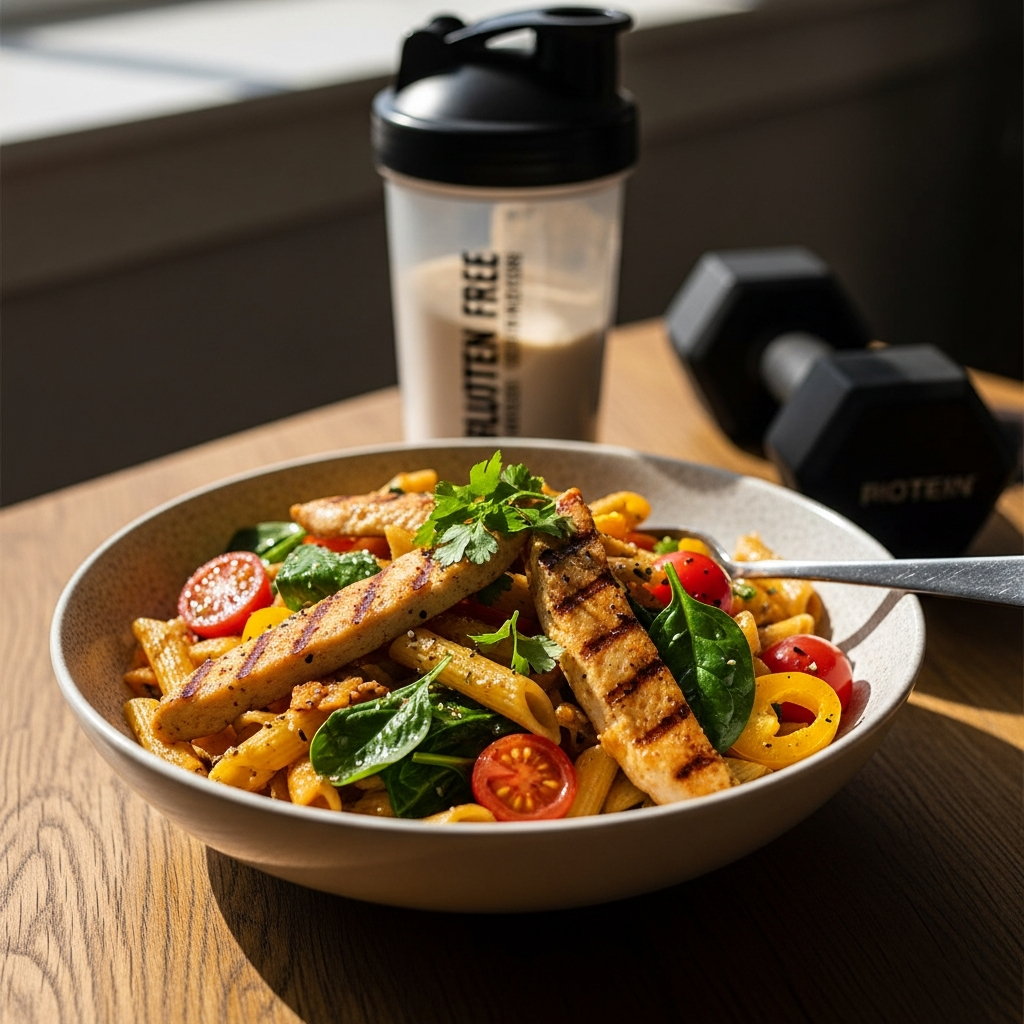
Eating smart is the foundation of a strong body. This particular pasta dish isn’t just tasty; it’s a strategic choice for anyone looking to support their fitness goals, especially muscle growth and recovery.
The Power of Protein for Muscles
Protein is the building block of life, and for your muscles, it’s absolutely essential. When you work out, especially with strength training, you create tiny tears in your muscle fibers. Protein helps repair these tears.
Consuming enough protein allows your body to rebuild these fibers stronger and larger, a process known as muscle protein synthesis. Without adequate protein, your muscles can’t recover effectively or grow.
A high-protein meal after a workout can kickstart this repair process, making your efforts in the gym more rewarding. Even on rest days, protein helps maintain muscle mass.
The Gluten-Free Advantage
For many people, gluten, a protein found in wheat, barley, and rye, can cause digestive discomfort, bloating, or even more serious issues like inflammation. Choosing gluten-free options can make a big difference.
When your digestive system is happy, your body can absorb nutrients more efficiently. This means better fuel delivery to your muscles and an overall feeling of well-being, which translates to better energy for your workouts.
By opting for gluten-free ingredients, you might experience less digestive stress, improved energy levels, and a reduction in post-meal sluggishness. This allows you to perform at your best, both in and out of the gym.
Smart Carbohydrates for Sustained Energy
While protein builds, carbohydrates provide the energy. Complex carbohydrates are your body’s preferred fuel source, especially for demanding physical activity.
They are broken down into glucose, which is stored as glycogen in your muscles and liver. This glycogen is what powers you through your workouts and replenishes your energy stores afterward.
A balanced meal with smart carbs prevents energy crashes, keeps you feeling full, and ensures you have the sustained power you need to tackle your fitness goals. They work hand-in-hand with protein to support your active lifestyle.
Decoding Gluten-Free High-Protein Pasta Options
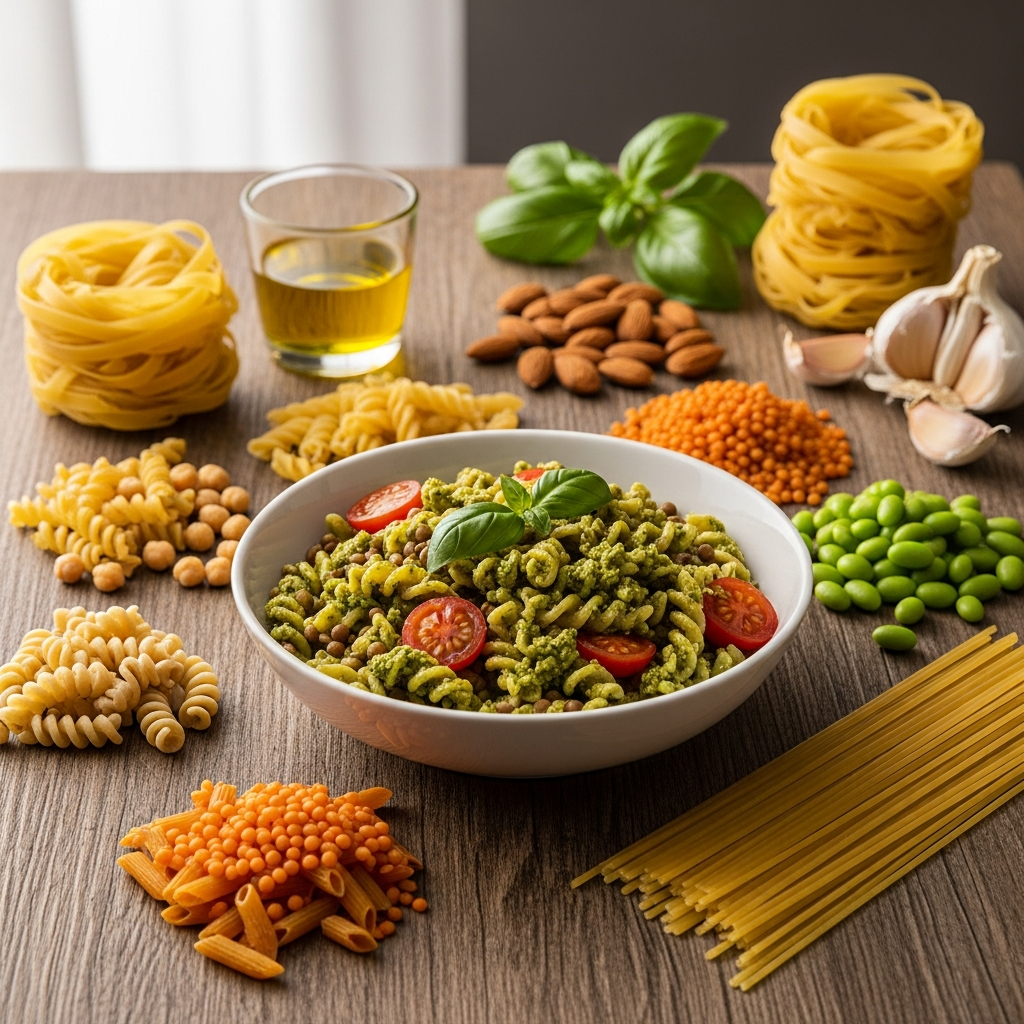
The world of gluten-free pasta has come a long way. Gone are the days when bland, gummy options were the only choice. Now, you have several excellent choices that offer both great taste and a significant protein boost.
Common Types and Their Benefits
Knowing your options helps you pick the best pasta for your specific needs and preferences. Each type brings something unique to your plate.
* Lentil Pasta: Made from red or green lentils, this pasta is naturally rich in protein and fiber. It often has a pleasant, slightly earthy flavor and holds its shape well.
* Chickpea Pasta: A popular choice, chickpea pasta boasts a good protein content and a satisfying texture that’s close to traditional pasta. It’s also high in fiber, aiding digestion.
* Edamame Pasta: If you’re looking for a very high-protein option, edamame pasta is a winner. It’s made from green soybeans and often has a firm texture, making it great for soaking up sauces.
* Brown Rice Pasta: While lower in protein than bean or lentil options, brown rice pasta is a classic gluten-free staple. It’s easily digestible and a good source of complex carbohydrates. You can pair it with other protein-rich ingredients to balance the meal.
How to Choose the Best for Your Goals
Selecting the right gluten-free pasta involves a quick check of the label and thinking about your meal.
When you’re at the grocery store, always read the nutrition facts. Look for the protein content per serving; generally, aiming for 10-25 grams per serving from the pasta itself is a good starting point.
Consider the texture. Some pastas are firmer than others. If you prefer a more traditional al dente feel, chickpea or edamame pastas often deliver. For a softer bite, brown rice pasta might be your preference.
Finally, check the ingredients list. Opt for pastas with minimal, recognizable ingredients. The fewer added fillers, the better for your body.
Your Go-To Gluten-Free High-Protein Pasta Recipe
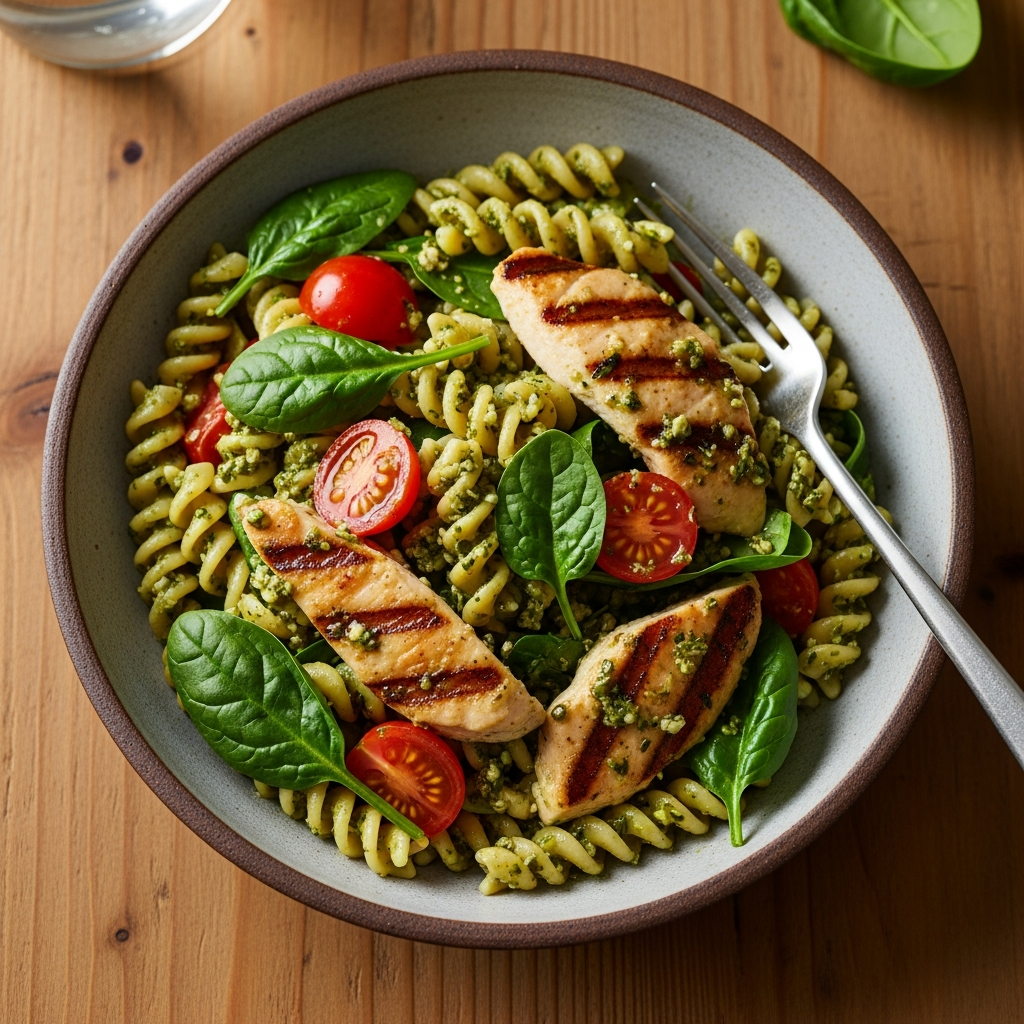
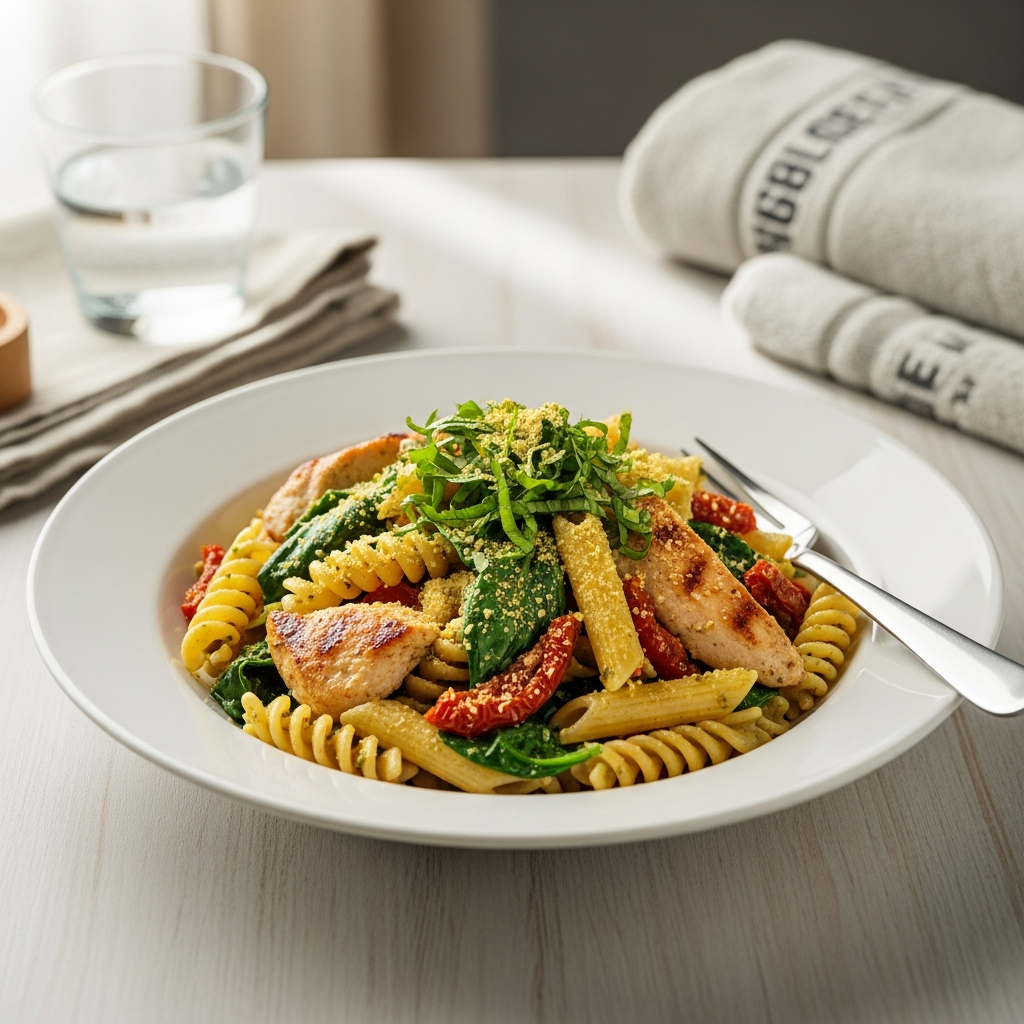
This recipe is designed to be simple, delicious, and incredibly effective for fueling your muscles. It’s packed with lean protein, smart carbohydrates, and a generous serving of vegetables.
The “Power Plate” Pasta with Lean Chicken & Veggies
This meal is a complete package, offering everything your body needs for recovery and energy. It’s also versatile, so you can easily adapt it to your taste.
What You’ll Need (Ingredients)
Gathering your ingredients beforehand makes the cooking process smooth and enjoyable.
* 1 box (8 oz) gluten-free high-protein pasta (chickpea or lentil recommended)
* 1 lb boneless, skinless chicken breast, cut into 1-inch cubes
* 2 tablespoons olive oil, divided
* 1 large head of broccoli, chopped into florets
* 1 bell pepper (any color), sliced
* 2 cups fresh spinach
* 3 cloves garlic, minced
* 1/2 cup low-sodium chicken or vegetable broth
* 1/2 cup marinara sauce (low sugar, no added gluten)
* Salt and black pepper to taste
* Optional: Red pepper flakes for a little kick, fresh basil or parsley for garnish
Step-by-Step Cooking Instructions
Follow these simple steps for a perfect meal every time. Cooking doesn’t have to be complicated to be effective.
1. Cook the Pasta: Bring a large pot of salted water to a boil. Add the gluten-free pasta and cook according to package directions until al dente. Drain well and set aside.
2. Prepare the Chicken: While the pasta cooks, heat 1 tablespoon of olive oil in a large skillet or pan over medium-high heat. Add the cubed chicken breast, season with salt and pepper, and cook until golden brown and cooked through, about 5-7 minutes. Remove chicken from the pan and set aside.
3. Sauté the Vegetables: Add the remaining 1 tablespoon of olive oil to the same skillet. Add the chopped broccoli and bell pepper. Sauté for 5-7 minutes until the vegetables are tender-crisp.
4. Add Garlic and Spinach: Stir in the minced garlic and cook for another minute until fragrant. Add the fresh spinach and cook until wilted, about 2-3 minutes.
5. Combine and Finish: Return the cooked chicken to the skillet with the vegetables. Pour in the broth and marinara sauce. Bring to a gentle simmer. Add the drained pasta to the skillet and toss everything together until evenly coated and heated through. Taste and adjust seasoning as needed.
6. Serve: Divide into bowls, garnish with fresh herbs if desired, and enjoy your muscle-fueling meal.
Pro Tips for Success
Making small adjustments can lead to big improvements in your cooking and meal prep.
Consider batch cooking this recipe. It reheats well and is perfect for healthy lunches or quick dinners throughout the week. Store individual portions in airtight containers.
Don’t be shy with seasoning. Gluten-free pasta can sometimes be a bit bland, so generous seasoning of the chicken and vegetables is key to a flavorful dish.
Feel free to add a sprinkle of nutritional yeast for a cheesy flavor and an extra protein boost, or a squeeze of lemon juice at the end for brightness.
Elevate Your Meal: Customization & Mindset
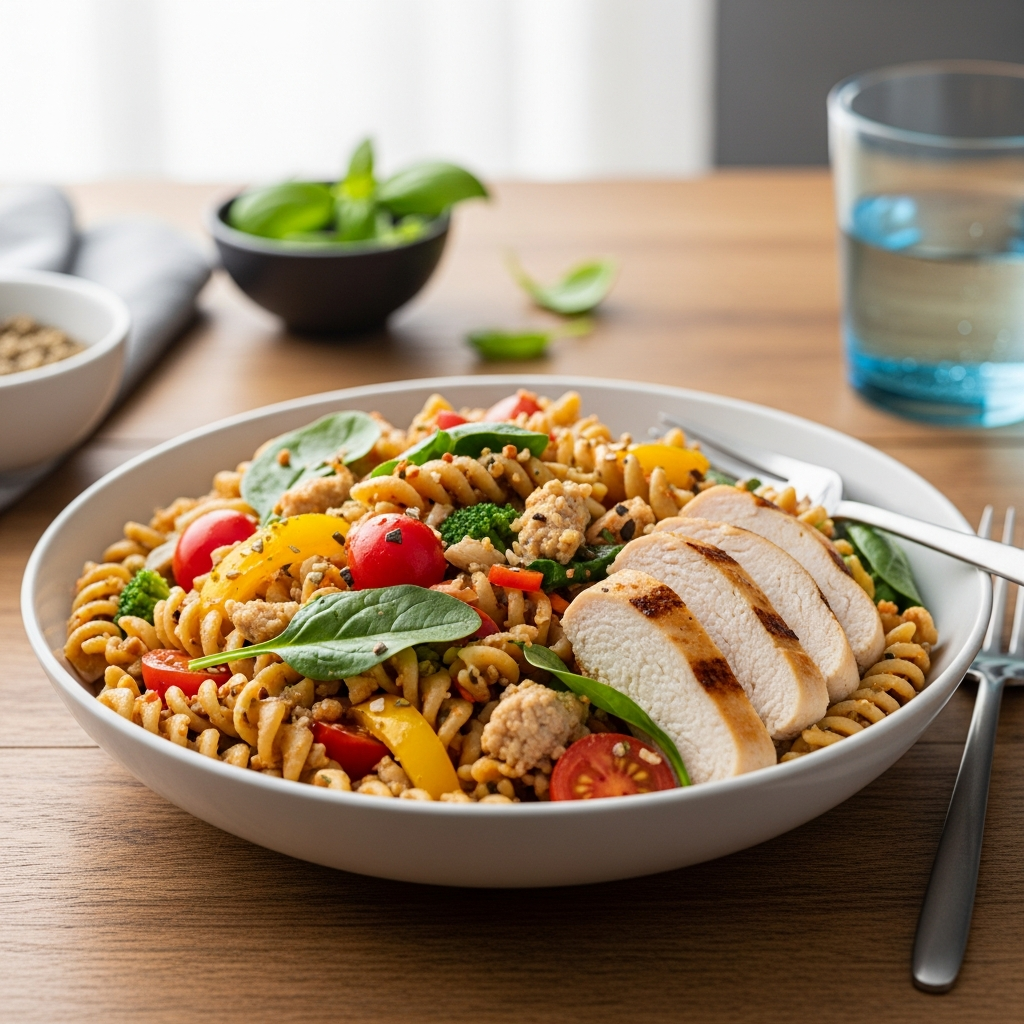
Making healthy eating a sustainable part of your life means enjoying your food and finding ways to keep things interesting. This recipe is a fantastic starting point, but don’t be afraid to make it your own.
Swapping Ingredients for Variety
Keeping your meals fresh and exciting helps prevent food boredom and ensures you’re getting a wide range of nutrients.
* Protein Alternatives: Instead of chicken, try lean ground turkey, shrimp, or even firm tofu or tempeh for a vegetarian twist. Canned tuna or salmon can also be quickly added at the end.
* Vegetable Swaps: Experiment with different vegetables based on what’s in season or what you enjoy. Asparagus, zucchini, mushrooms, kale, or cherry tomatoes are all excellent additions.
* Sauce Variations: While marinara is classic, you could also use a homemade pesto (ensure it’s dairy-free if needed), a simple olive oil and garlic sauce, or a light peanut sauce for an Asian-inspired flavor profile.
Making it a Habit: Consistency is Key
Eating well is a habit, not a one-time event. Integrating this type of meal regularly requires a little planning and consistency.
Plan your meals at the beginning of the week. Knowing what you’ll eat helps you stick to your goals and reduces decision fatigue.
Make a grocery list based on your meal plan and stick to it at the store. This prevents impulse buys of less nutritious options.
Dedicate some time on a Sunday afternoon to do some batch cooking. Cooking larger quantities of chicken or chopping all your vegetables saves time during busy weekdays.
The Mindset of Fueling Your Body
Changing how you view food can transform your relationship with eating and your fitness journey.
Think of every meal as an opportunity to fuel your body and support your goals. Food isn’t just about taste; it’s about performance, recovery, and overall health.
Learn to listen to your body’s hunger and fullness cues. Eating mindfully helps you recognize when you’re truly hungry and when you’re satisfied.
Embrace the cooking process. Cooking your own meals gives you control over ingredients and promotes a deeper connection to what you’re eating. It’s a skill that benefits your health for a lifetime.
Integrating This Meal into Your Fitness Routine
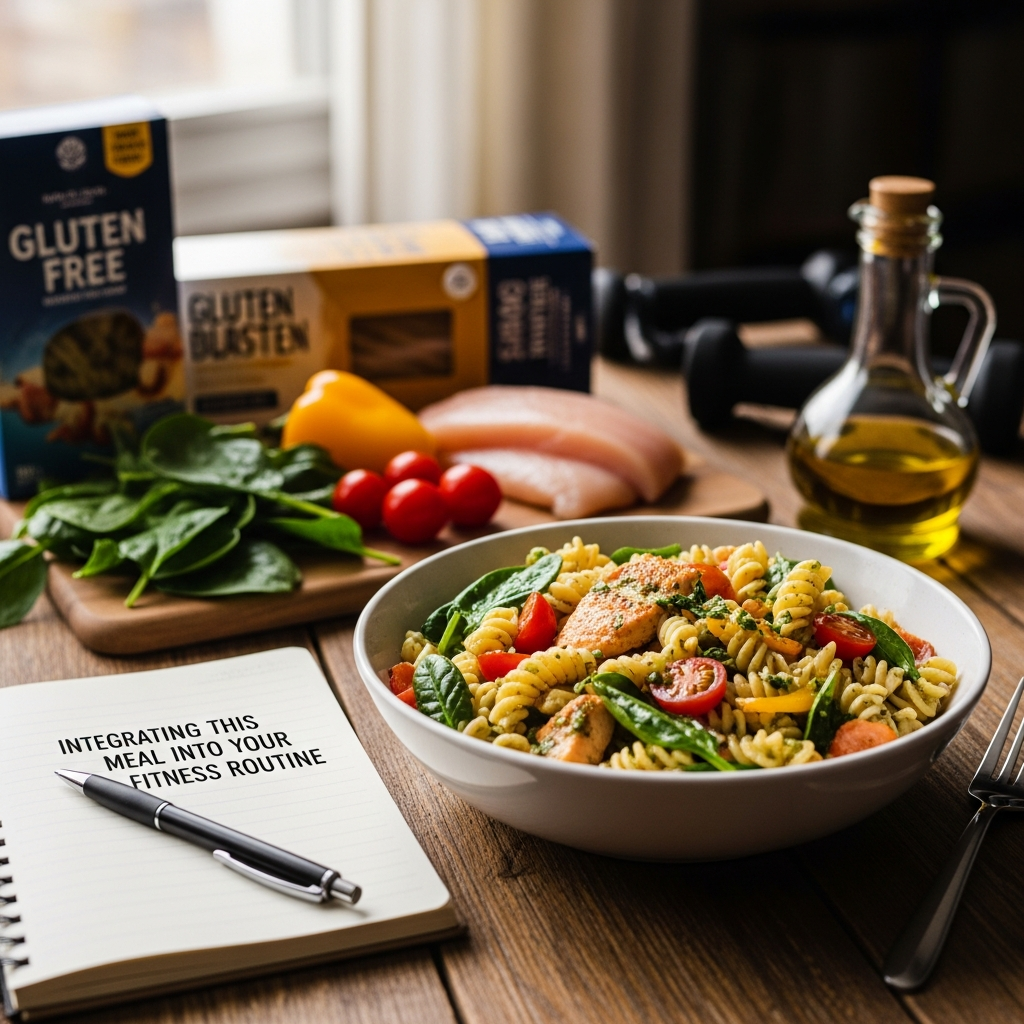
Timing your nutrient intake can optimize its impact on your muscle recovery and energy levels. This pasta dish is incredibly versatile, fitting well into different parts of your day.
Pre-Workout Fuel? Post-Workout Recovery?
Understanding when to eat certain meals can give you an edge in your fitness journey.
If you plan to eat this pasta dish before a workout, aim for about 2-3 hours beforehand. This gives your body enough time to digest the complex carbs and protein, providing sustained energy without feeling heavy during your exercise.
As a post-workout meal, consume it within 30-90 minutes after your training session. This is a critical window for replenishing glycogen stores and delivering essential amino acids for muscle repair and growth.
Adjust your portion sizes based on your activity level and fitness goals. If it’s a rest day or you’re aiming for weight loss, a slightly smaller portion might be appropriate. For intense training days, a more generous serving is beneficial.
Sample Weekly Meal Plan Snippet
Here’s an example of how this “Power Plate” Pasta could fit into a balanced week, ensuring you’re fueling your body effectively.
* Monday Dinner (Post-Workout): “Power Plate” Pasta with Chicken and Broccoli. Perfect after a strength training session.
* Tuesday Lunch (Meal Prep): Leftover “Power Plate” Pasta. A convenient, protein-packed lunch.
* Wednesday Dinner (Active Rest Day): Smaller portion of “Power Plate” Pasta with extra spinach. Supports recovery even on lighter days.
* Friday Lunch (Pre-Workout): Half portion of “Power Plate” Pasta, 2 hours before a high-intensity interval training (HIIT) session.
This shows how you can incorporate the meal multiple times, adjusting for timing and portion, without feeling repetitive or bored. It’s about smart planning.