Vegetarian Protein Sources Every Fitness Lover Should Use
Are you a fitness enthusiast looking to optimize your nutrition, but find yourself navigating the world of vegetarian eating? Or maybe you’re curious about plant-based options but worry about getting enough protein to fuel your workouts and recovery? You’re not alone. The misconception that a vegetarian diet can’t adequately support a fitness-focused lifestyle is persistent, but it’s time to set the record straight.
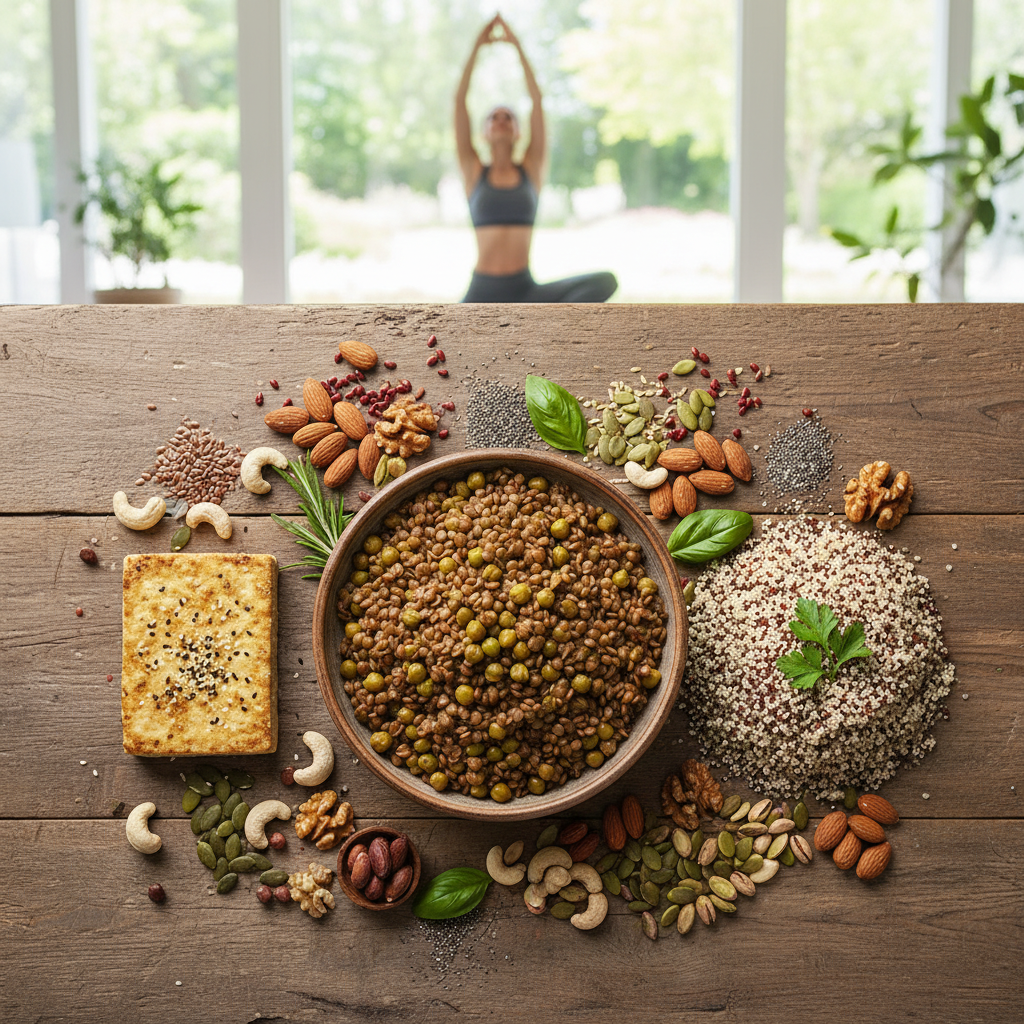
Building strength, recovering effectively, and maintaining energy levels all hinge on sufficient protein intake. For those embracing a vegetarian path, the good news is that nature provides an incredible bounty of protein-rich foods perfectly suited for athletic goals. This comprehensive guide will unlock the power of plant-based protein, showcasing diverse, delicious, and effective sources that every fitness lover can confidently integrate into their diet. Get ready to discover how to fuel your body, build muscle, and thrive on plants!
Understanding Protein Power – Why It Matters for Fitness

Protein is the cornerstone of a fit body. It’s not just for bodybuilders; it’s essential for everyone, especially those who are active. Think of protein as the building blocks for your muscles, tissues, enzymes, and hormones. When you work out, you create tiny tears in your muscle fibers. Protein steps in to repair these tears, making your muscles stronger and more resilient. Without enough protein, recovery slows down, muscle growth stalls, and you might even feel constantly fatigued.
Dispelling the Complete Protein Myth
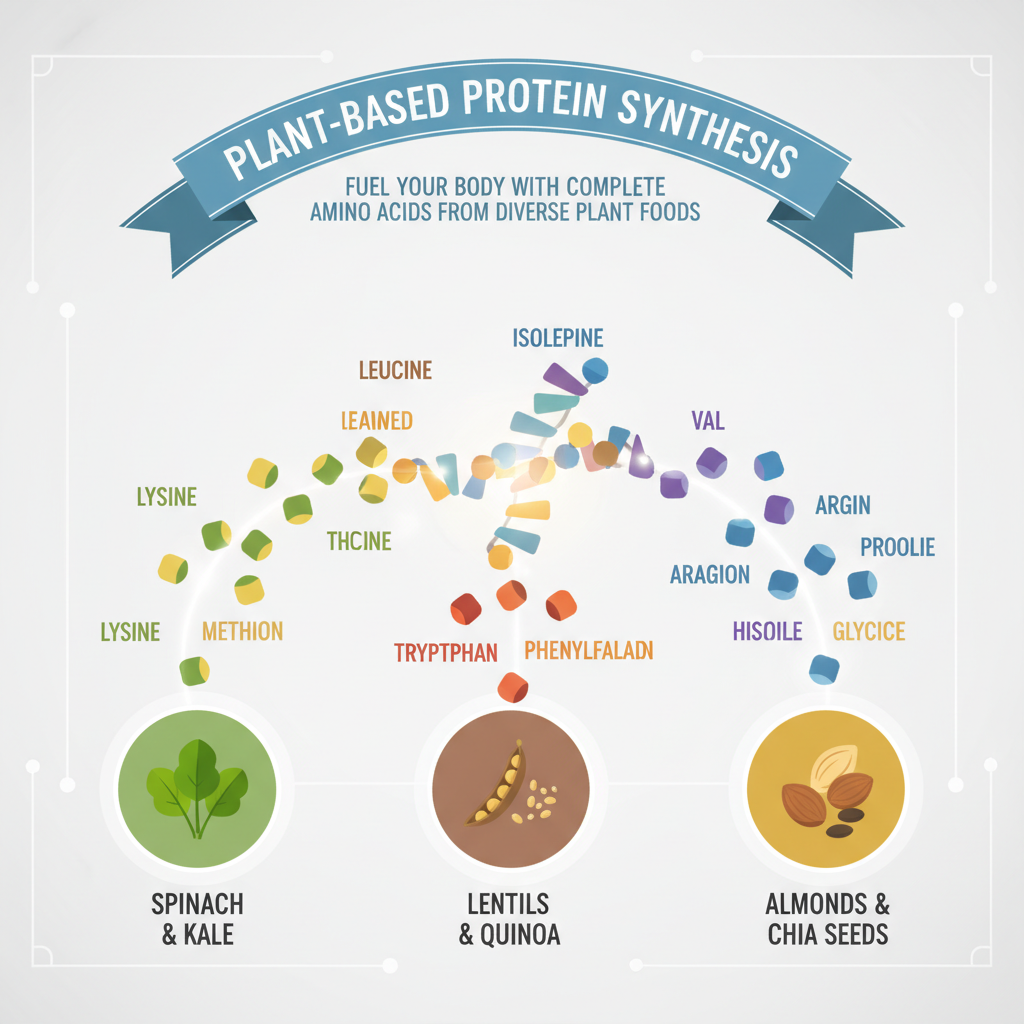
One common concern about vegetarian protein is the idea of “incomplete proteins.” While it’s true that some plant foods might lack one or two of the nine essential amino acids (those your body can’t produce), this is easily overcome. By eating a variety of plant-based proteins throughout the day, you naturally consume all the essential amino acids your body needs. Your body is smart; it combines amino acids from different sources to create complete proteins. Focus on variety, not on combining specific foods at every single meal.
The Mighty Legumes – Beans, Lentils, and Chickpeas
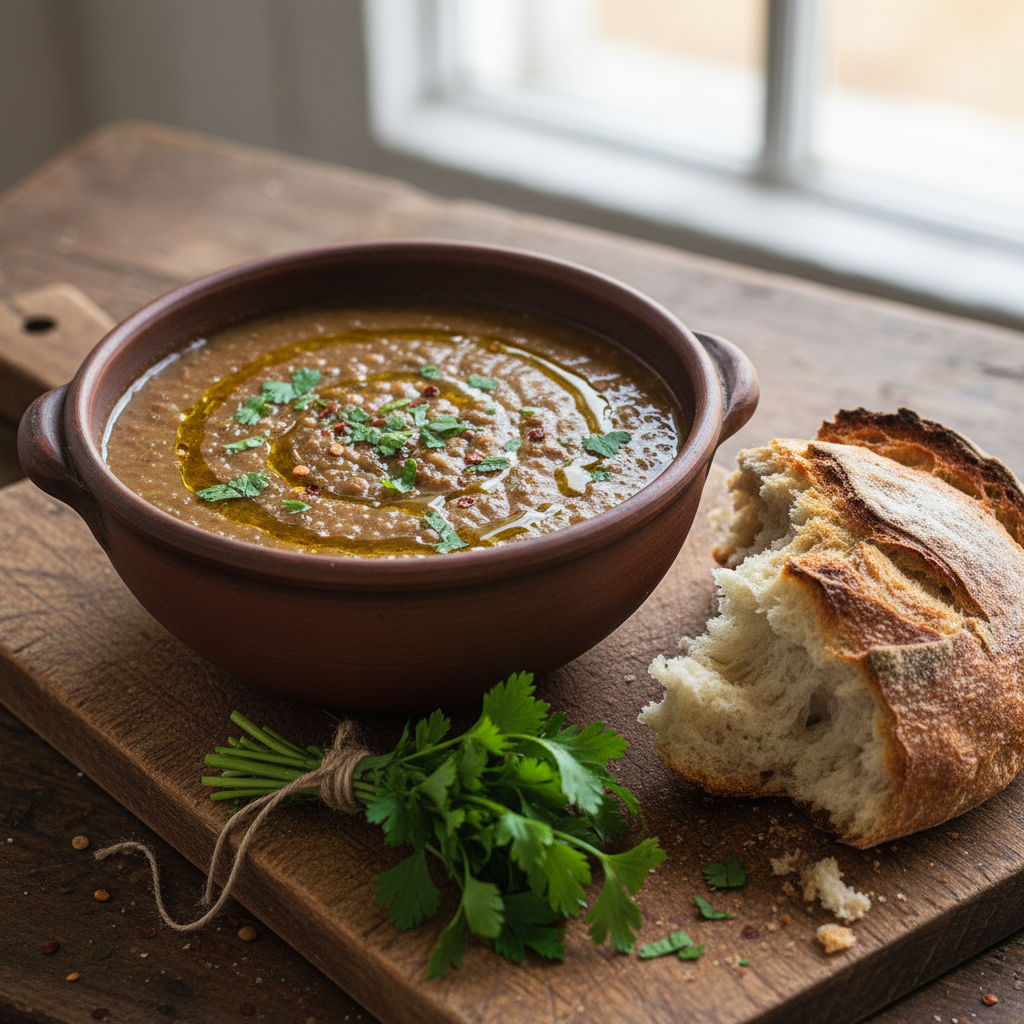
Legumes are true nutritional powerhouses. They are not only packed with protein but also abundant in fiber, which aids digestion and keeps you feeling full. Plus, they’re incredibly affordable and versatile.
- Lentils: A cup of cooked lentils offers about 18 grams of protein. They cook quickly and are fantastic in soups, stews, salads, or as a base for veggie burgers.
- Black Beans: With around 15 grams of protein per cup, black beans are a staple in many cuisines. Add them to tacos, burritos, salads, or make a hearty black bean soup.
- Chickpeas (Garbanzo Beans): Providing about 15 grams of protein per cup, chickpeas are famous for hummus, but also delicious roasted for a crispy snack or added to curries and salads.
Everyday Habit – Legume Power
Make it a habit to add a serving of legumes to at least one meal daily. This simple change significantly boosts your protein and fiber intake. Try a lentil-based pasta sauce, a chickpea salad sandwich, or black bean tacos for dinner.
Soy Superstars – Tofu, Tempeh, and Edamame
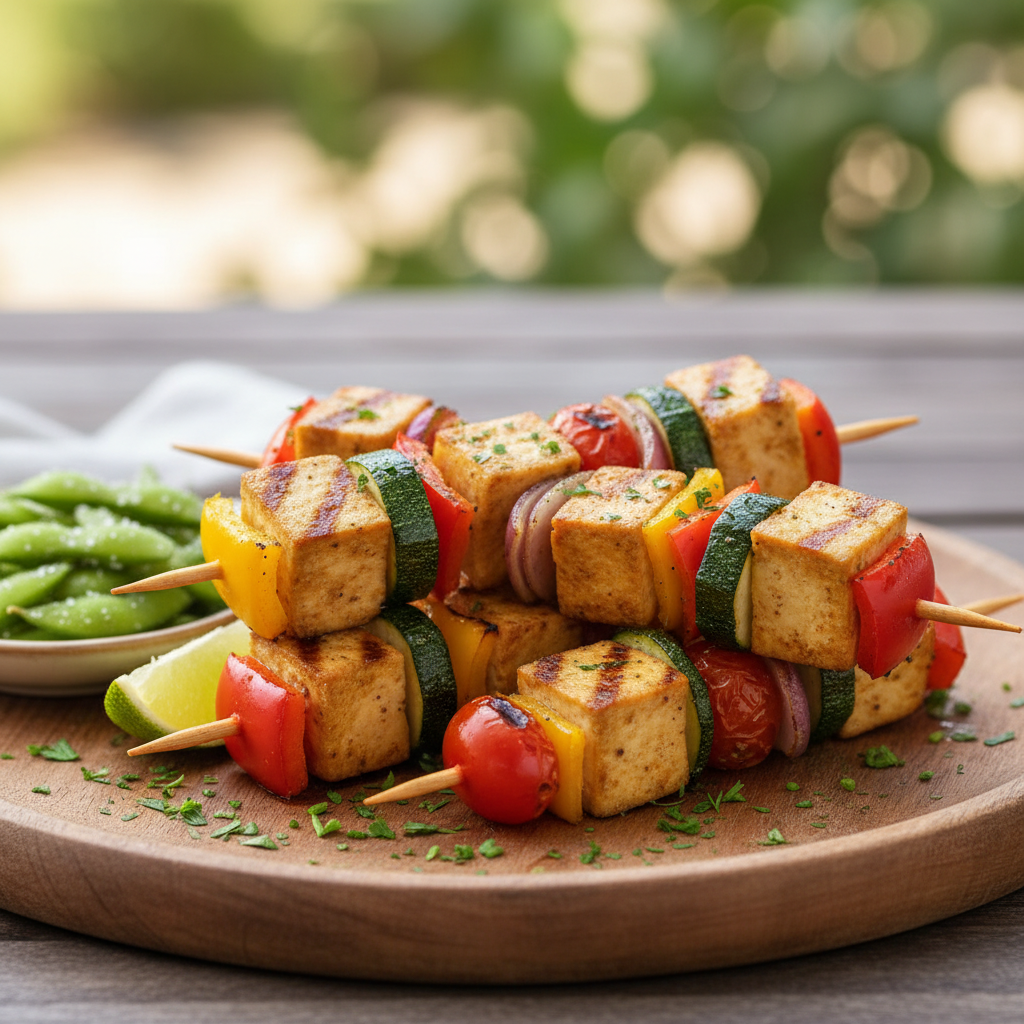
Soy products are often celebrated as some of the most complete plant-based protein sources, meaning they contain all nine essential amino acids. They are incredibly versatile and can take on various flavors and textures.
- Tofu: A staple in many Asian cuisines, tofu can be pressed, marinated, and cooked in countless ways – from stir-fries and scrambles to baked or grilled dishes. A half-cup serving can provide around 10-20 grams of protein depending on firmness.
- Tempeh: Made from fermented soybeans, tempeh has a firmer texture and a nutty, earthy flavor. It’s excellent for grilling, crumbling into chili, or making “bacon” strips. A 3-ounce serving offers about 19 grams of protein.
- Edamame: These young soybeans can be enjoyed steamed in their pods as a snack or shelled and added to salads and stir-fries. A cup provides about 18 grams of protein.
Mindset – Overcoming Soy Myths
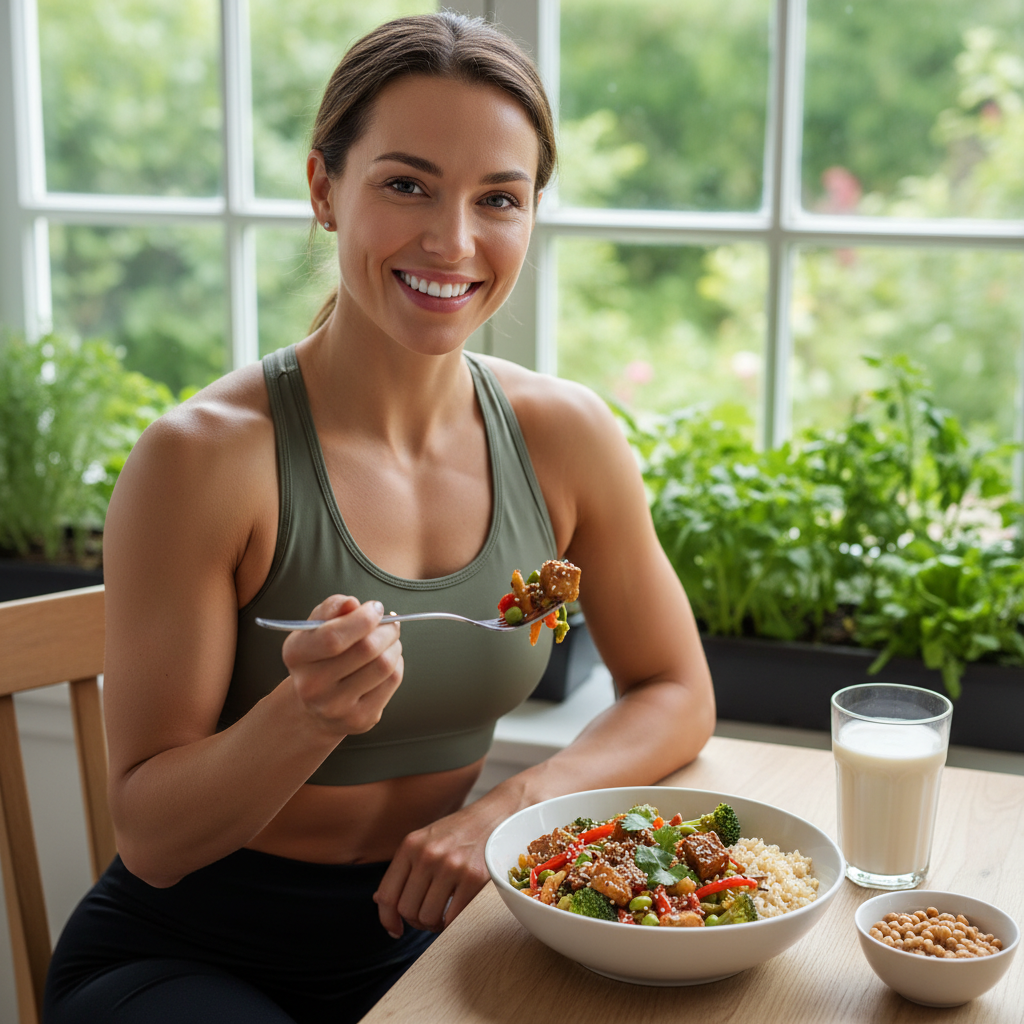
Concerns about soy are often exaggerated. For most healthy individuals, moderate consumption of whole, unprocessed soy foods like tofu, tempeh, and edamame is perfectly safe and beneficial. Focus on variety in your diet rather than obsessing over a single food.
Grains with Gains – Quinoa, Amaranth, and Buckwheat
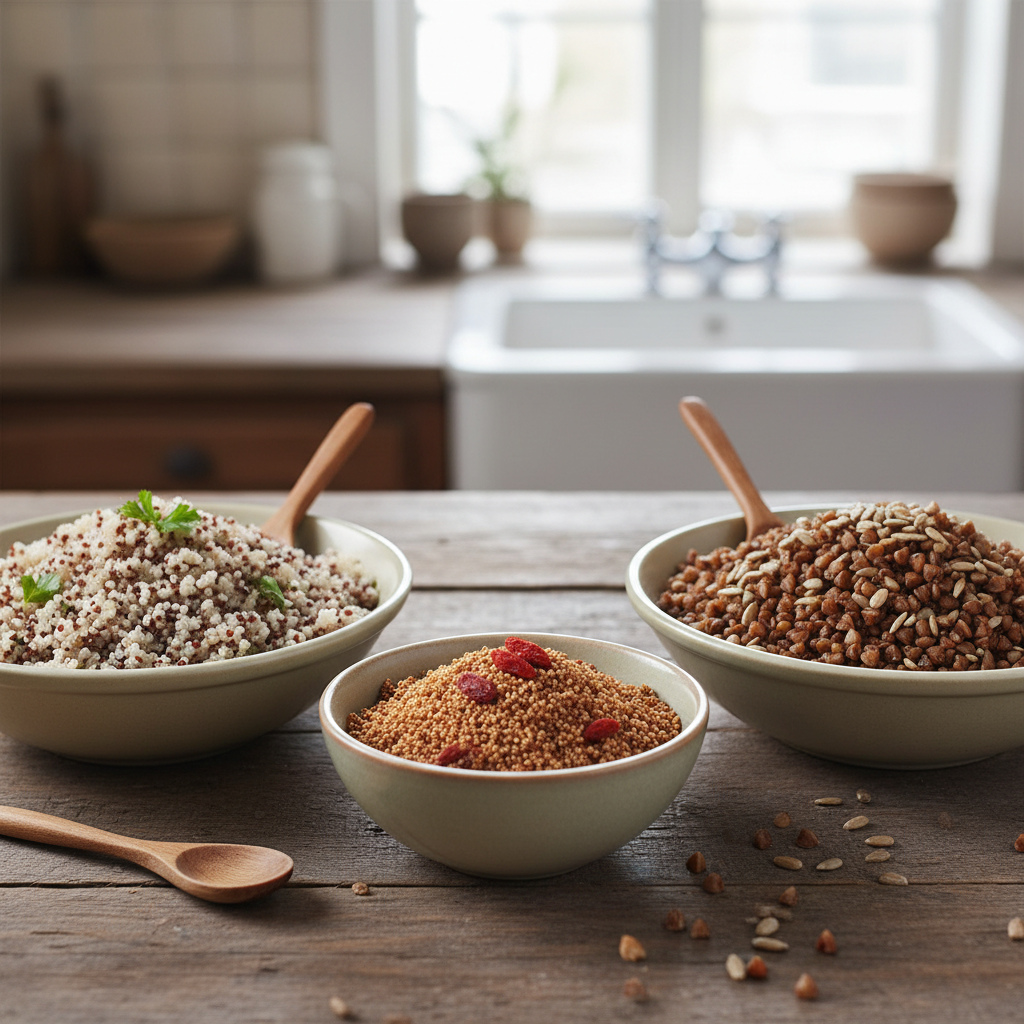
Not all grains are created equal when it comes to protein. Some ancient grains stand out for their impressive protein content and, in some cases, a complete amino acid profile.
- Quinoa: This “pseudo-grain” is a complete protein, offering about 8 grams per cooked cup. It’s a fantastic rice alternative, perfect for salads, bowls, or as a side dish.
- Amaranth: Another complete protein, amaranth provides about 9 grams per cooked cup. It has an earthy, nutty flavor and can be used in porridges, stews, or even popped like popcorn.
- Buckwheat: Despite its name, buckwheat is not related to wheat and is gluten-free. It’s a good source of protein (about 6 grams per cooked cup) and fiber, great for pancakes or as “kasha.”
Easy Integration – Grain Swaps
Swap out less protein-rich grains like white rice for quinoa or buckwheat in your meals. This simple swap significantly boosts your protein intake without much effort.
Nuts and Seeds – Tiny Powerhouses
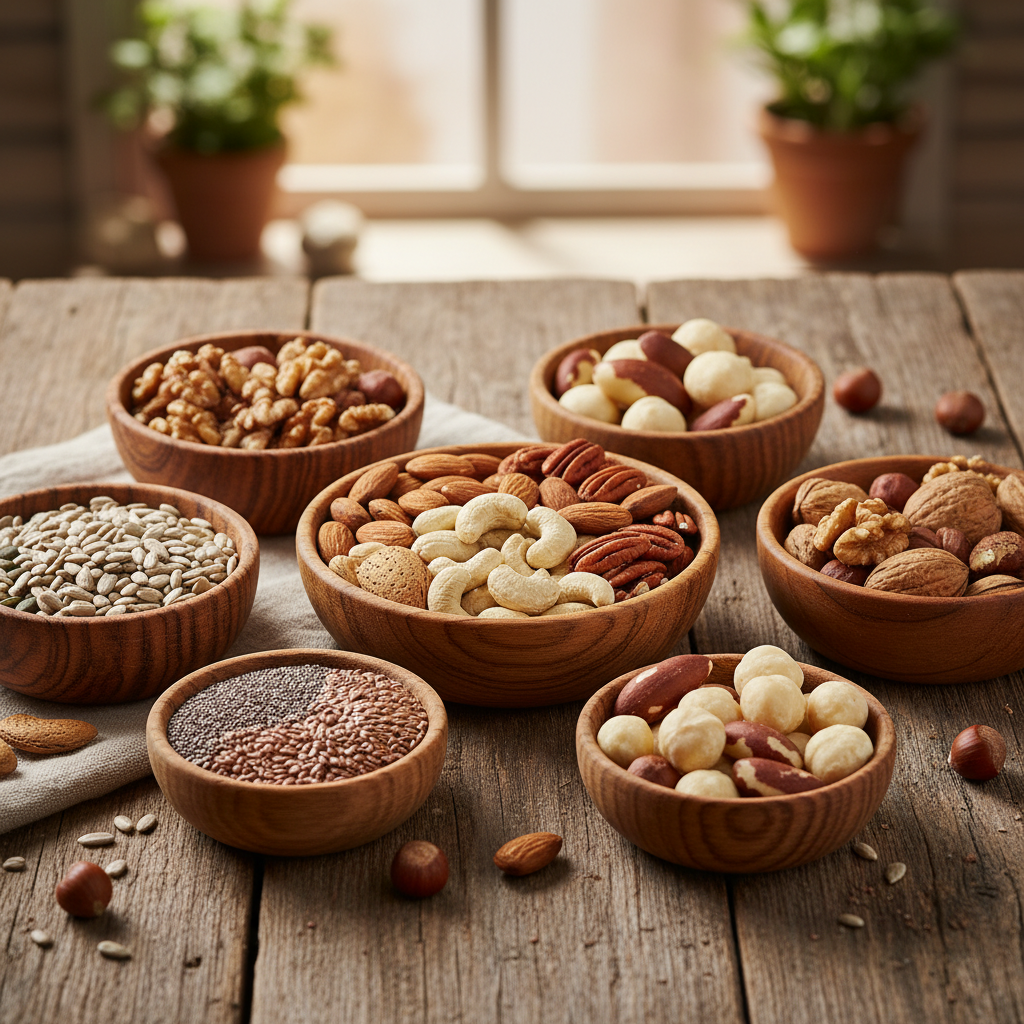
Don’t underestimate the small but mighty nuts and seeds. They are packed with protein, healthy fats, fiber, and a host of micronutrients, making them ideal for snacks or meal enhancements.
- Hemp Seeds: With 10 grams of protein in just three tablespoons, hemp seeds are a complete protein and easily sprinkled on salads, yogurt, or blended into smoothies.
- Chia Seeds: These tiny seeds offer about 5 grams of protein per two tablespoons, along with omega-3 fatty acids and fiber. Great for puddings, overnight oats, or as an egg replacer.
- Almonds: About 6 grams of protein per ounce. A perfect snack or addition to oatmeal.
- Peanuts and Peanut Butter: High in protein (about 7 grams per two tablespoons of butter). A classic and versatile choice.
Snack Smart – Nuts and Seeds
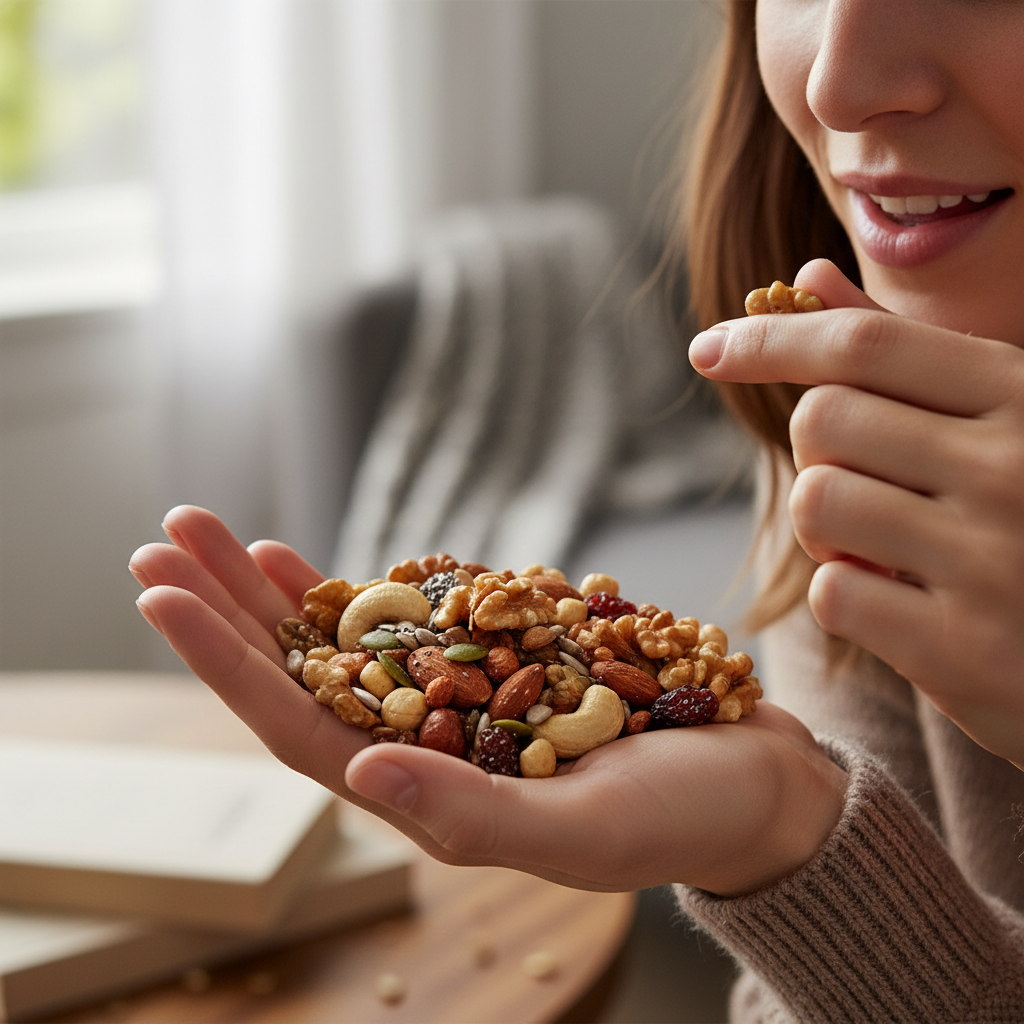
Keep a small bag of mixed nuts and seeds with you for a quick, protein-rich snack. Add a tablespoon of chia or hemp seeds to your morning smoothie or yogurt for an easy boost.
Dairy and Egg Delights – If You Include Them
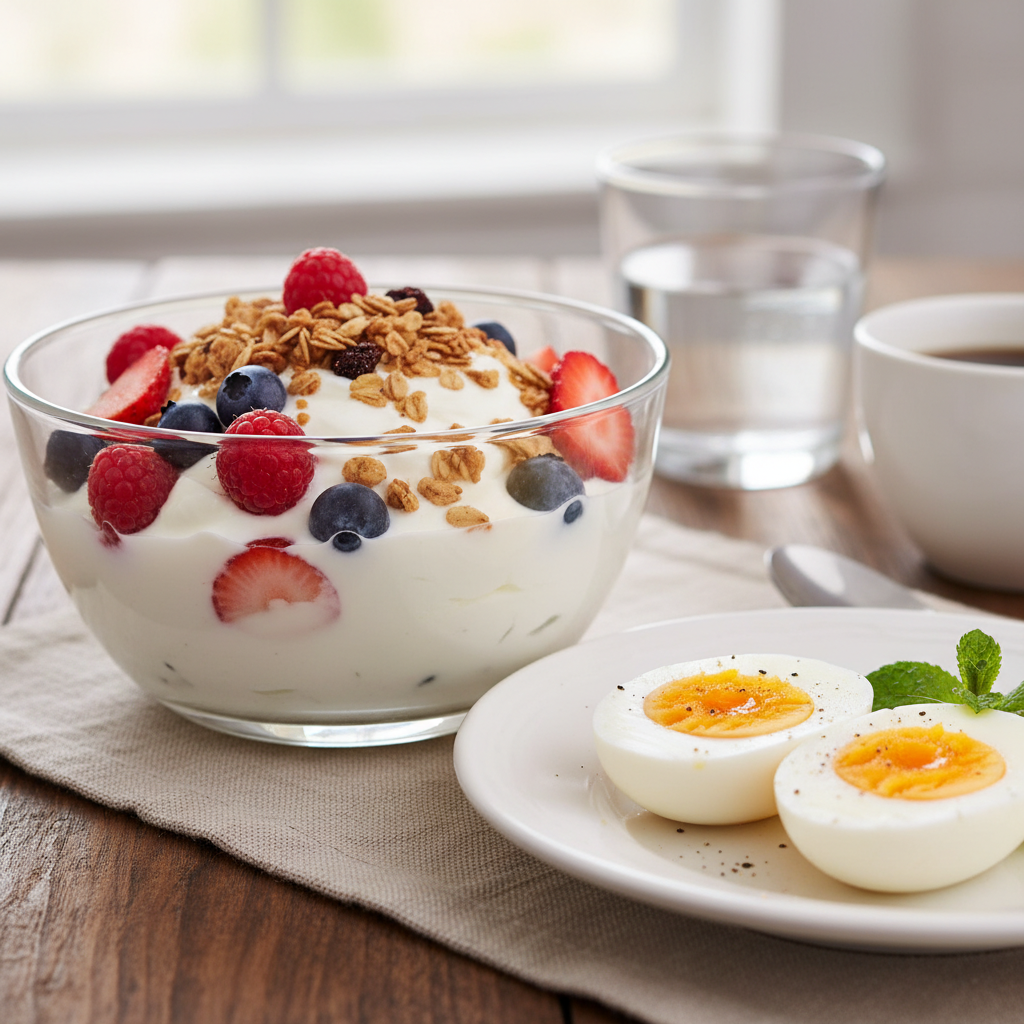
For lacto-ovo vegetarians, dairy and eggs offer some of the highest quality and most bioavailable protein sources, meaning your body can easily absorb and utilize their amino acids.
- Eggs: Often called nature’s perfect protein, one large egg contains about 6 grams of complete protein. Versatile for any meal of the day.
- Greek Yogurt: Strained yogurt significantly boosts protein content, with about 15-20 grams per serving. Excellent for breakfast, snacks, or as a sour cream substitute.
- Cottage Cheese: Another dairy champion, cottage cheese provides around 12-15 grams of protein per half-cup. Enjoy it plain, with fruit, or as a savory snack.
Quick Protein Boost – Dairy and Eggs
Start your day with a high-protein breakfast like scrambled eggs or Greek yogurt. These options provide sustained energy and help kickstart muscle recovery.
Beyond the Basics – Protein Powders and Bars
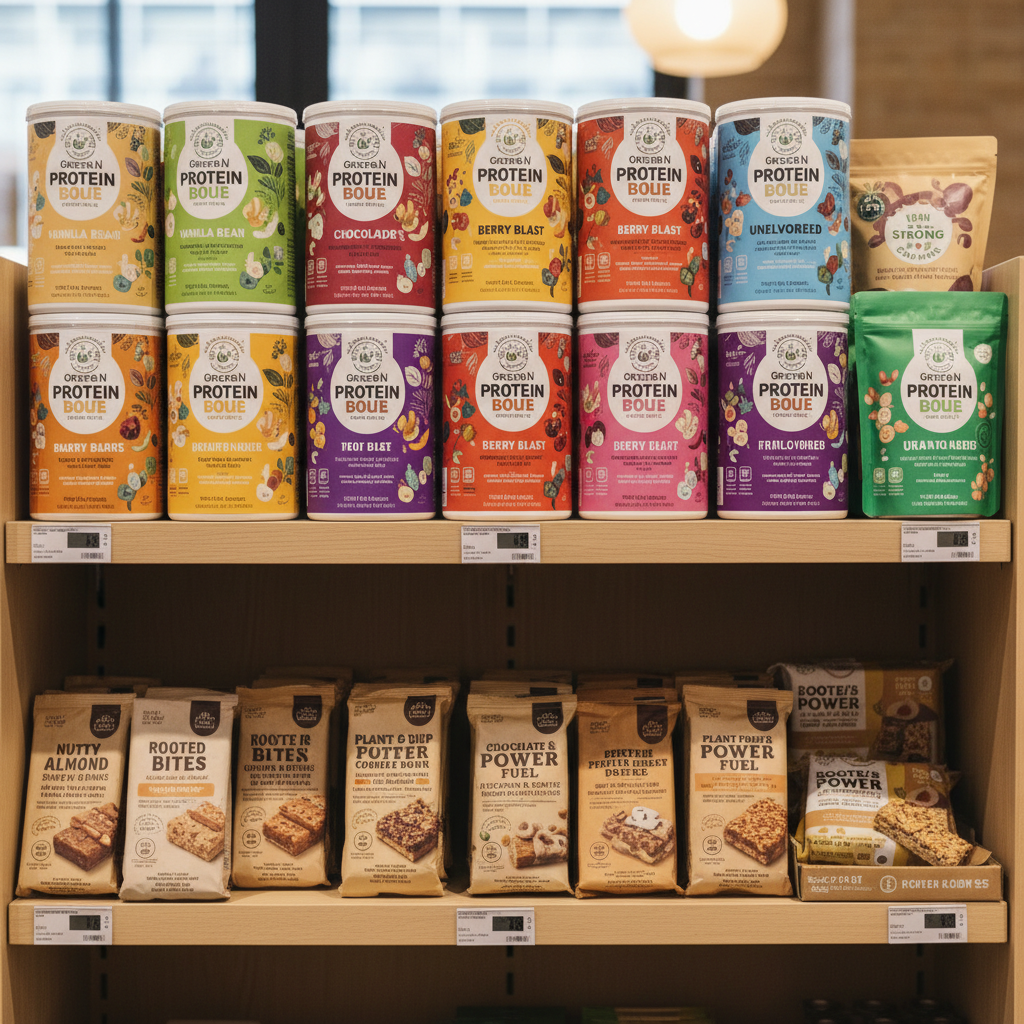
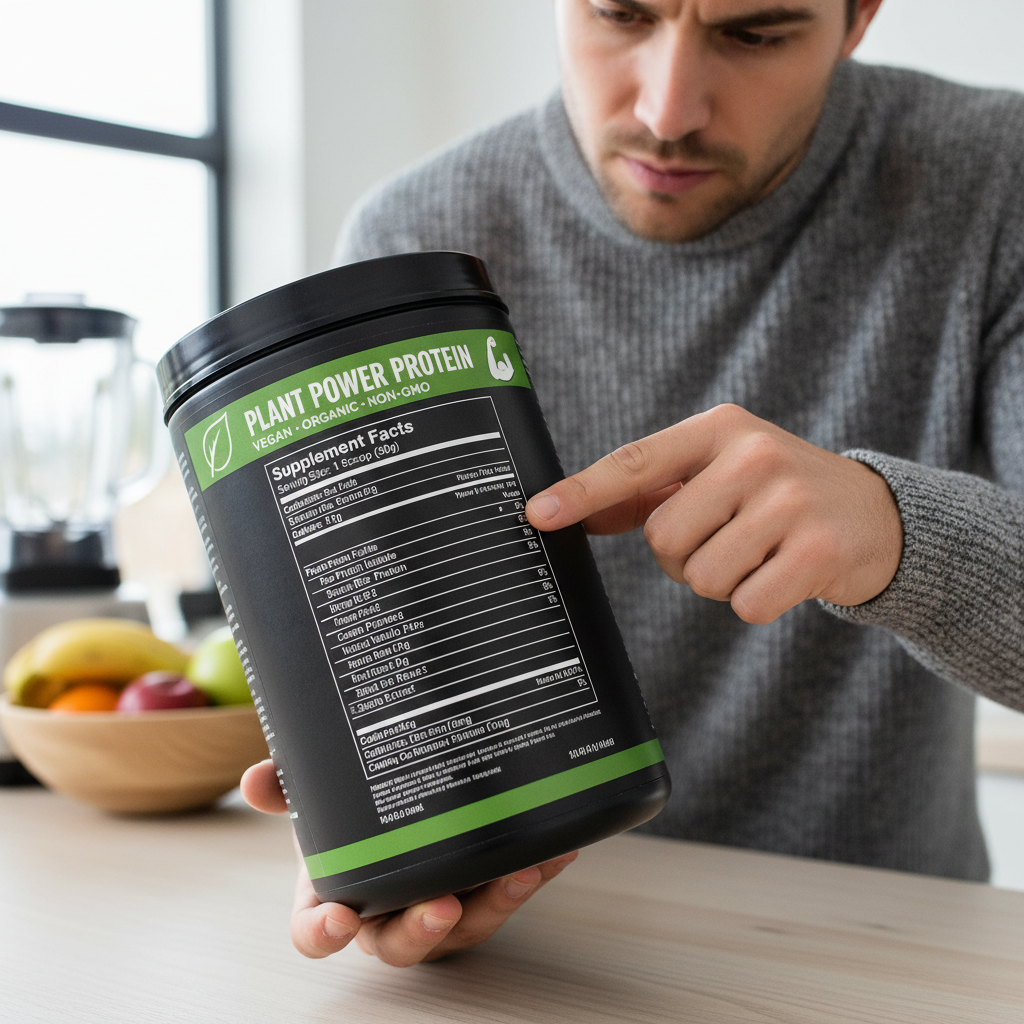
While whole foods should always be your primary focus, plant-based protein powders and bars can be convenient supplements, especially for busy individuals or those with higher protein needs.
- Pea Protein: A popular choice, pea protein is easily digestible and rich in branched-chain amino acids (BCAAs), crucial for muscle growth.
- Rice Protein: Often combined with pea protein to create a complete amino acid profile, rice protein is hypoallergenic.
- Hemp Protein: Made from ground hemp seeds, it offers not only protein but also fiber and healthy fats.
Choosing Supplements Wisely
Look for powders with minimal added sugars and artificial ingredients. Consider third-party tested brands for purity. Use them as a supplement to, not a replacement for, whole food protein sources.
Crafting Your Vegetarian Protein Plan – Everyday Habits
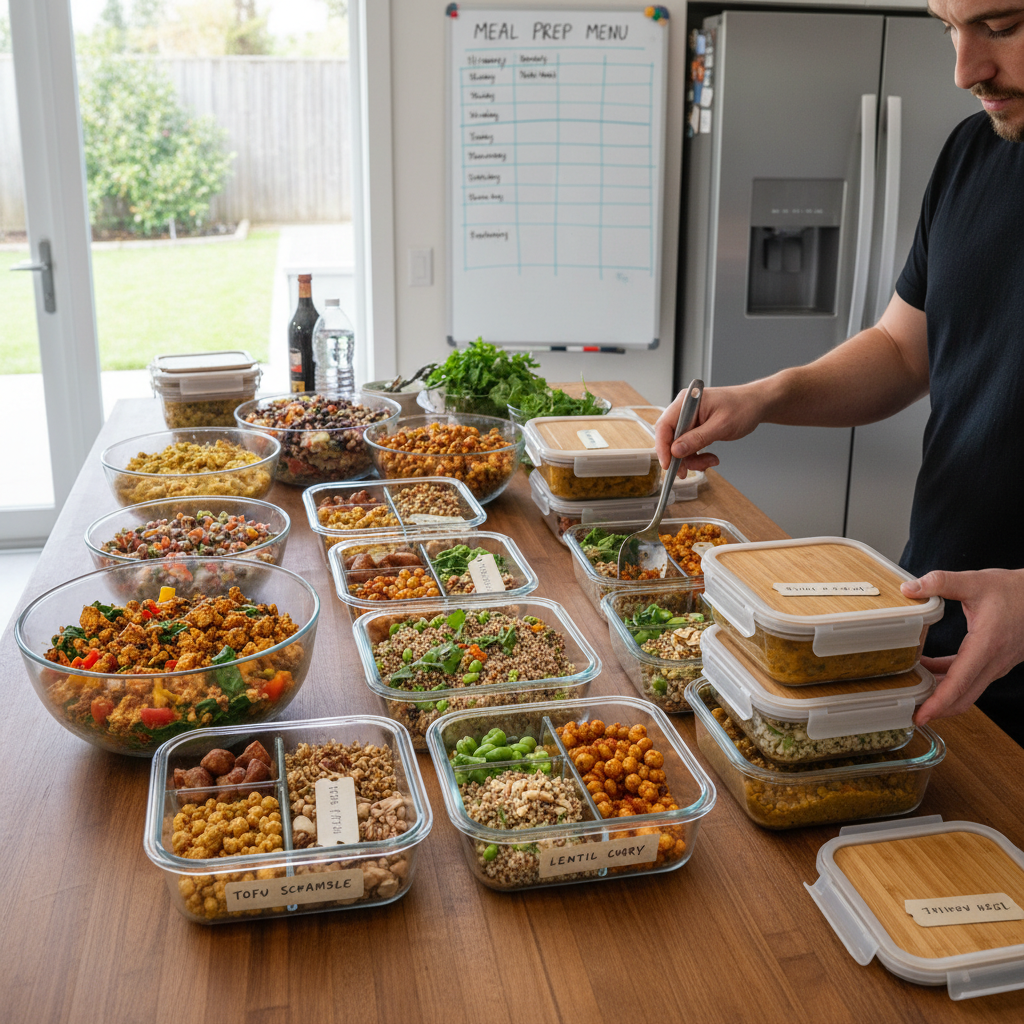
Successfully integrating these proteins into your diet requires a little planning. Here’s how to make it a sustainable habit:
- Plan Ahead: Dedicate time each week to plan your meals and snacks. This helps ensure you have protein-rich options readily available.
- Combine for Completeness: While not strictly necessary at every meal, combining different plant protein sources throughout the day (e.g., rice and beans, hummus and whole-wheat pita) ensures a full spectrum of amino acids.
- Snack Smart: Keep protein-rich snacks like nuts, seeds, Greek yogurt, or a hard-boiled egg handy to prevent hunger pangs and keep protein levels steady.
Sample Daily Vegetarian Protein Plan
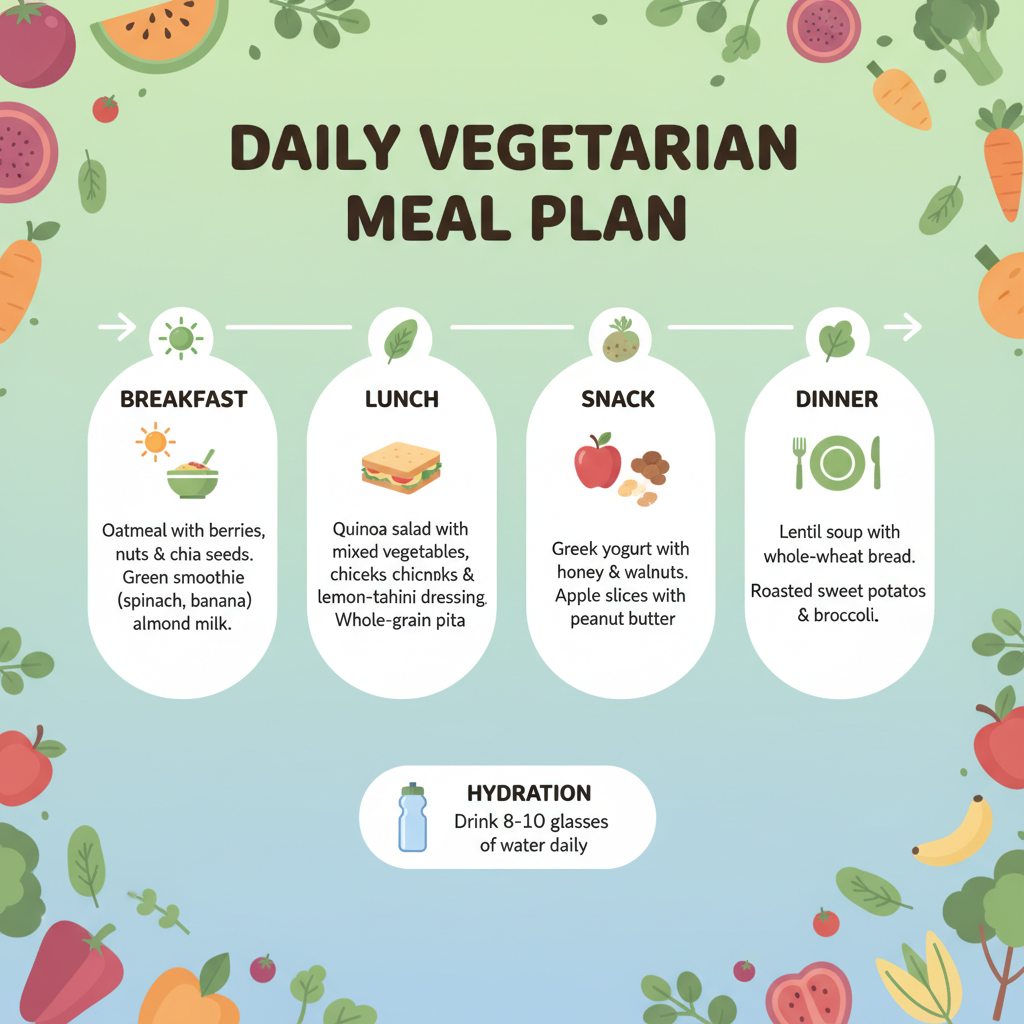
| Meal | Vegetarian Protein Sources |
|---|---|
| Breakfast | Greek yogurt with hemp seeds and berries, or tofu scramble |
| Lunch | Lentil soup with whole-grain bread, or chickpea salad sandwich |
| Snack | Handful of almonds, or edamame |
| Dinner | Tempeh stir-fry with quinoa, or black bean burgers |
Staying Consistent – Mindset for Plant-Based Fitness
Making any dietary change, especially one focused on optimizing fitness, requires consistency and a positive mindset. Don’t view it as a restriction, but as an opportunity to explore a world of delicious, nutritious foods.
- Embrace Variety: The plant kingdom is incredibly diverse. Experiment with new ingredients and recipes to keep things exciting and ensure a broad nutrient intake.
- Listen to Your Body: Pay attention to how different foods make you feel. Adjust your intake based on your energy levels, recovery, and workout performance.
- Be Patient and Kind to Yourself: It’s a journey, not a race. There will be days you don’t hit every protein target perfectly, and that’s okay. Focus on overall progress and enjoyment.
Embracing vegetarian protein sources is not just about meeting your fitness macros; it’s about discovering a sustainable, vibrant, and incredibly diverse way to fuel your body. From the humble lentil to the versatile tofu, the plant kingdom offers an abundance of options to help you build muscle, recover faster, and achieve your fitness goals with zest. Start experimenting today, listen to your body, and enjoy the incredible journey of plant-powered strength!


