

9 Weightlifting Mistakes That Are Holding Back Your Results
You hit the gym consistently. You push yourself. Yet, despite all the effort, the muscle gains feel slow, the strength plateaus persist, and the progress you envisioned seems out of reach. It’s a common, frustrating experience for many dedicated lifters. The good news? Often, the culprit isn’t a lack of effort, but rather a few subtle—or sometimes not so subtle—mistakes in your approach.
In the world of weightlifting, small adjustments can lead to monumental shifts in results. This article will shine a light on 9 of the most prevalent weightlifting mistakes that might be sabotaging your progress. More importantly, we’ll provide clear, actionable strategies to correct them, helping you unlock your true potential and build the strength and physique you’ve been working so hard for.
The Foundation of Progress – Why Mistakes Matter
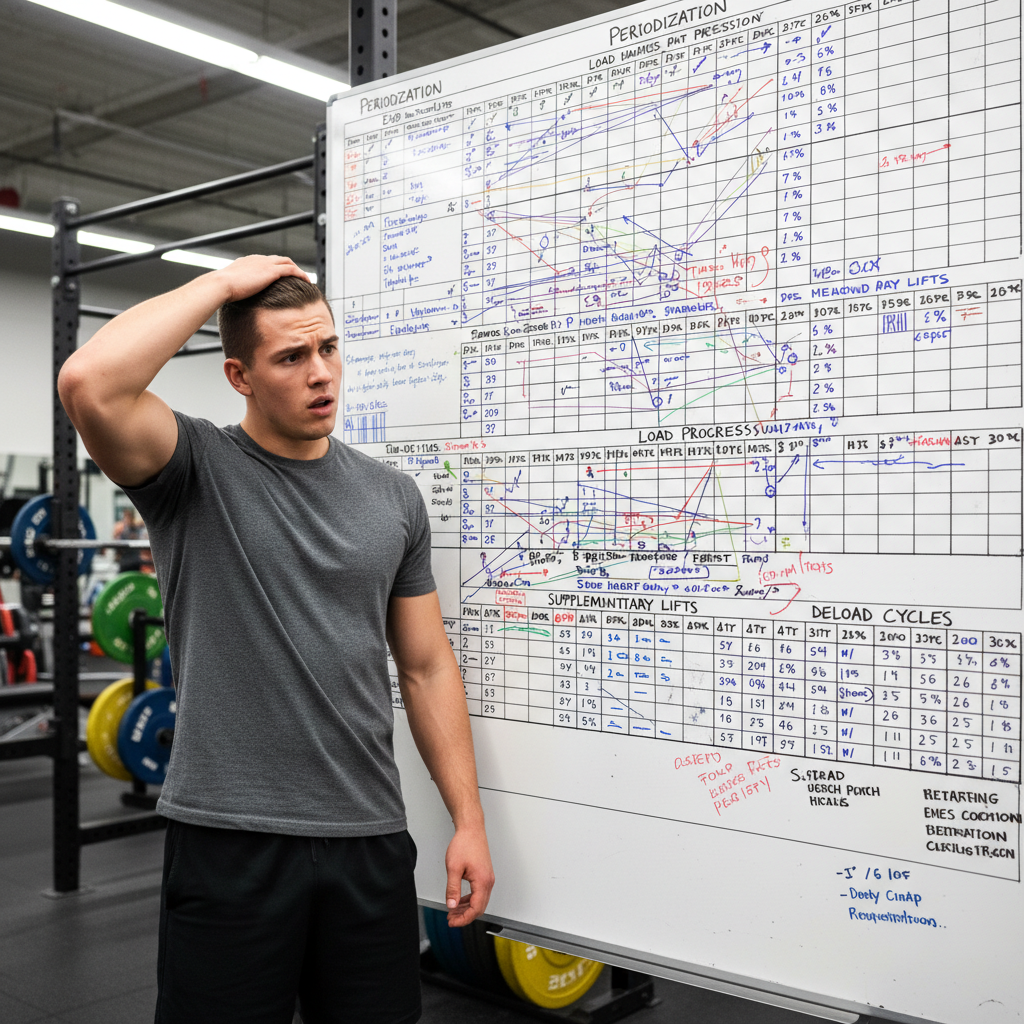
Weightlifting is more than just moving heavy objects. It’s a science, an art, and a journey of continuous learning. Even seasoned lifters can fall into habits that hinder their progress. Understanding why these mistakes matter is the first step toward correcting them. Each error, from improper form to neglecting recovery, creates a ripple effect, potentially leading to injuries, plateaus, and demotivation. Let’s dive in and identify what might be holding you back.
Mistake 1 – Ignoring Proper Form

What it Looks Like
This is perhaps the most common and damaging mistake. Ego often dictates lifting more weight than you can handle with correct technique. You might see rounded backs during deadlifts, knees caving in on squats, or excessive swinging during bicep curls. Poor form doesn’t just reduce the effectiveness of an exercise; it dramatically increases your risk of injury, which can sideline your progress for weeks or even months.
The Fix
Prioritize technique over weight. Start with lighter weights and focus intently on executing each movement with precision. Watch videos of proper form, record yourself, and consider hiring a qualified coach for a few sessions. Engage the correct muscles and feel the movement. Remember, quality reps build strength and muscle far more effectively than sloppy, heavy ones.
Mistake 2 – Ego Lifting and Overtraining

What it Looks Like
Ego lifting is the drive to lift maximum weight for bragging rights, often at the expense of form. Overtraining, on the other hand, is pushing your body beyond its capacity to recover, leading to chronic fatigue, decreased performance, increased injury risk, and even hormonal imbalances. Both stem from a “more is better” mentality that ultimately backfires.
The Fix
Listen to your body. Focus on progressive overload (more on that later), not just heavier weights every session. Understand that rest and recovery are just as crucial as the workout itself. Structure your training to allow for adequate recovery between intense sessions. Signs of overtraining include persistent soreness, mood changes, sleep disturbances, and a decrease in strength.
Mistake 3 – Neglecting Progressive Overload

What it Looks Like
Many lifters fall into the trap of doing the same exercises with the same weights and reps week after week. While consistency is good, without a mechanism to continually challenge your muscles, they have no reason to adapt and grow stronger. This leads to plateaus and frustration.
The Fix
Consistently increase the challenge. Progressive overload is the fundamental principle of muscle growth. This doesn’t just mean adding more weight. It can also involve:
- Increasing reps with the same weight.
- Performing more sets.
- Reducing rest time between sets.
- Increasing time under tension (slower reps).
- Improving exercise form.
- Increasing training frequency.
Plan how you’ll progress each week or month.
Mistake 4 – Inconsistent Training Schedule

What it Looks Like
Life happens, and sometimes gym sessions get missed. However, chronic inconsistency—randomly skipping days, changing your routine on a whim, or going weeks without lifting—prevents your body from establishing a rhythm and adapting effectively. Muscle growth and strength gains require consistent stimulus over time.
The Fix
Make it a habit. Schedule your workouts like important appointments and stick to them. Find a routine that fits your lifestyle, even if it’s just three days a week. Consistency builds momentum and makes it easier to stay on track. If you miss a session, don’t despair; just get back to it as soon as you can.
Mistake 5 – Poor Nutrition Habits

What it Looks Like
You can train like a beast, but if your nutrition isn’t supporting your goals, your results will suffer. Undereating, not consuming enough protein, relying on processed foods, or neglecting essential micronutrients will hinder muscle repair, growth, and energy levels.
The Fix
Fuel your body purposefully. Focus on a balanced diet rich in whole foods.
- Protein: Aim for 0.7-1 gram per pound of body weight to support muscle repair and growth.
- Carbohydrates: Provide energy for workouts and replenish glycogen stores. Choose complex carbs like oats, rice, and potatoes.
- Healthy Fats: Essential for hormone production and overall health.
- Hydration: Drink plenty of water throughout the day.
Think of food as fuel for your performance and recovery.
Mistake 6 – Skipping Warm-ups and Cool-downs

What it Looks Like
Rushing straight into heavy lifts without preparing your body, or abruptly ending a workout without winding down, is a recipe for disaster. Skipping warm-ups increases injury risk and reduces performance. Neglecting cool-downs can impede flexibility and recovery.
The Fix
Embrace the bookends of your workout.
- Warm-up (5-10 minutes): Light cardio (jogging, cycling) to elevate heart rate, followed by dynamic stretches (arm circles, leg swings) to prepare joints and muscles for movement.
- Cool-down (5-10 minutes): Light cardio, followed by static stretches (holding stretches for 20-30 seconds) to improve flexibility and aid recovery.
These small investments of time pay huge dividends in injury prevention and long-term progress.
Mistake 7 – Insufficient Rest and Recovery
What it Looks Like
The magic of muscle growth doesn’t happen in the gym; it happens during recovery. If you’re consistently getting inadequate sleep, constantly stressed, or not giving muscle groups enough time to repair before hitting them again, you’re short-circuiting your progress.
The Fix
Prioritize rest as much as training.
- Sleep: Aim for 7-9 hours of quality sleep per night. This is when your body produces growth hormones and repairs tissue.
- Active Recovery: Light activities like walking, yoga, or stretching on off-days can improve blood flow and reduce soreness.
- Manage Stress: Chronic stress elevates cortisol, which can hinder muscle growth and recovery. Practice stress-reducing techniques.
Your body needs time to rebuild stronger.
Mistake 8 – Lack of a Structured Program

What it Looks Like
Winging it in the gym, doing random exercises, or simply following whatever machine is free, lacks purpose and direction. Without a clear plan, you won’t hit all muscle groups effectively, nor will you consistently apply progressive overload. This scattered approach leads to unbalanced development and stalled progress.
The Fix
Follow a well-designed program. A structured program outlines your exercises, sets, reps, and progression strategy over weeks or months. It ensures balanced muscle development, allows for proper recovery, and provides a clear path to your goals. Many reputable programs are available online, or you can consult a personal trainer for a customized plan. Stick to a program for at least 8-12 weeks before considering changes.
Mistake 9 – Not Tracking Progress

What it Looks Like
If you don’t know what you lifted last week, how can you expect to improve this week? Relying solely on memory for weights, reps, or even how you felt, is unreliable. Without data, it’s impossible to objectively assess if you’re progressing or identify areas needing adjustment.
The Fix
Become a meticulous tracker. Keep a workout journal, use a fitness app, or even a simple spreadsheet. Record:
- Exercises performed
- Weight lifted
- Sets and reps
- Perceived exertion (RPE) or how challenging it felt
- Any notes on form or pain
Review your logs regularly. This data is invaluable for applying progressive overload and staying motivated as you see tangible proof of your hard work.
Mindset Matters – Staying Consistent and Motivated

Beyond the physical mechanics, your mindset plays a monumental role in your weightlifting journey. Patience is paramount; results don’t happen overnight. Celebrate small victories, whether it’s an extra rep, a slight weight increase, or simply showing up when you didn’t feel like it. Understand that plateaus are normal, not failures. They are opportunities to reassess, adjust, and come back stronger. Cultivate a growth mindset, viewing challenges as stepping stones rather than roadblocks. Consistency, fueled by a positive attitude and a belief in your own capability, is the ultimate driver of long-term success.
Conclusion – Your Path to Unstoppable Progress
The journey of weightlifting is incredibly rewarding, but it’s also one of continuous learning and adaptation. By understanding and actively correcting these 9 common mistakes, you’re not just lifting weights; you’re building a smarter, more effective approach to your fitness. Remember, progress isn’t linear, but with diligence in form, intelligent programming, consistent effort, and dedicated recovery, you can overcome plateaus and unlock new levels of strength and muscle growth.
Stop letting these common pitfalls hold you back. Take what you’ve learned today, apply it to your next workout, and watch as your dedication finally translates into the tangible results you’ve been striving for. Your strongest self is waiting—go out there and build it!