
If you’re living with PCOS (Polycystic Ovary Syndrome), you already know how challenging it can be to manage symptoms like fatigue, cravings, irregular cycles, and weight fluctuations. But one of the most powerful ways to regain balance and feel your best is through food — not restriction, but nourishment.
The right diet doesn’t have to be complicated or extreme. It’s all about eating in a way that keeps your blood sugar stable, reduces inflammation, and supports hormone balance.
The good news? You don’t need expensive superfoods or complicated meal plans. With simple swaps and everyday foods, you can create a PCOS-friendly diet that feels satisfying, energizing, and sustainable.
Let’s explore how to do it step by step — and what delicious, easy meals can support your health naturally.
Understanding PCOS and Nutrition
PCOS is a hormonal imbalance that affects many women, influencing insulin levels, ovulation, and metabolism. One of the main drivers of PCOS symptoms is insulin resistance, which means your body has trouble using insulin effectively, leading to blood sugar spikes and hormonal disruptions.
That’s why diet plays such a big role. By choosing foods that stabilize your blood sugar, you can help reduce insulin resistance, balance hormones, and support your energy levels and mood.
A PCOS-friendly diet doesn’t mean cutting out entire food groups — it’s about finding balance through real, whole foods that work with your body, not against it.
Key Principles of a PCOS-Friendly Diet

Here are a few simple nutrition habits that make the biggest difference when managing PCOS:
1. Focus on Balanced Blood Sugar
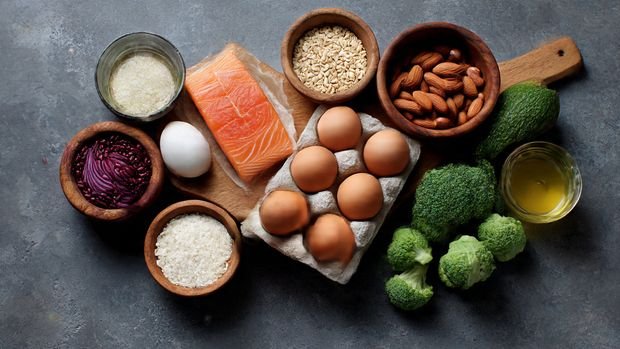
Every meal should include protein, fiber, and healthy fats — this combo keeps your blood sugar stable and reduces cravings. Avoid eating carbs alone (like white bread or sugary snacks), as they can cause energy crashes and hormonal spikes.
2. Choose Whole, Unprocessed Foods
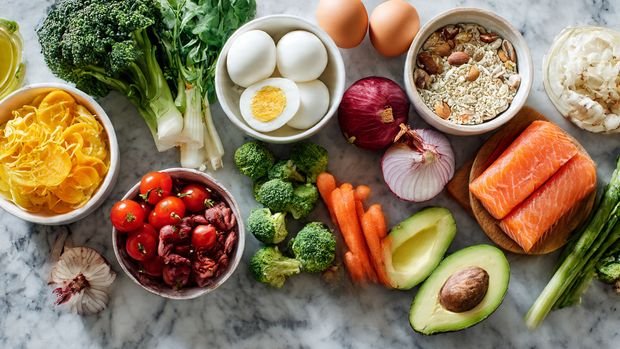
Base your meals on foods as close to their natural form as possible — vegetables, fruits, whole grains, nuts, seeds, and lean proteins. These support gut health and reduce inflammation.
3. Add Anti-Inflammatory Foods
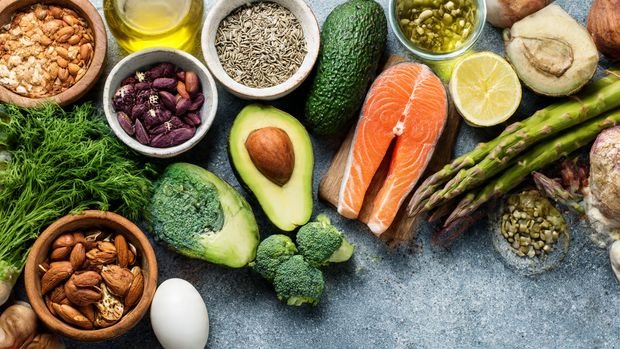
Inflammation can worsen PCOS symptoms. Include foods like berries, turmeric, leafy greens, olive oil, and fatty fish to help your body heal naturally.
4. Be Smart About Carbs
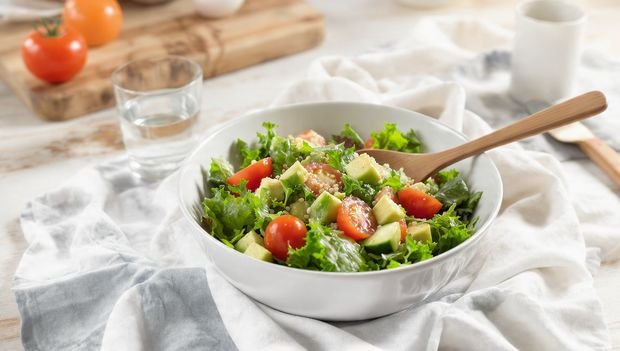
You don’t need to go “no-carb.” Instead, choose low-glycemic carbs like quinoa, brown rice, oats, and sweet potatoes — they release energy slowly and prevent insulin spikes.
5. Eat Regular, Nourishing Meals
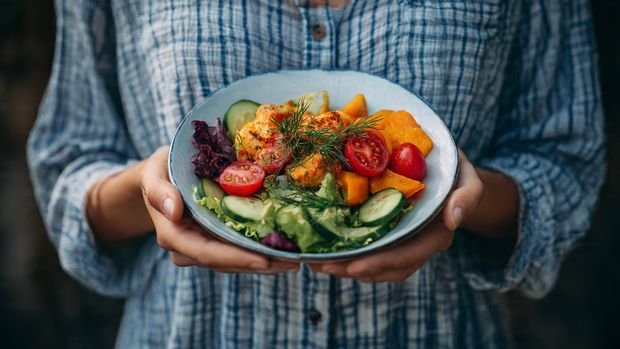
Skipping meals can worsen hormonal imbalances and trigger cravings. Instead, aim for three balanced meals and one healthy snack each day.
6. Stay Hydrated

Water helps with digestion, detoxification, and hormonal regulation. Herbal teas (like spearmint or cinnamon tea) can also be beneficial for women with PCOS.
Foods That Support Hormonal Balance
Best Foods for PCOS
- Protein: Eggs, chicken, fish, tofu, Greek yogurt, legumes
- Healthy Fats: Avocado, olive oil, nuts, seeds, fatty fish
- Low-Glycemic Carbs: Oats, quinoa, brown rice, lentils, beans, sweet potatoes
- Fiber-Rich Veggies: Spinach, kale, broccoli, zucchini, cauliflower
- Fruits (in moderation): Berries, apples, pears, citrus fruits
- Spices: Cinnamon, turmeric, ginger — they reduce inflammation and support blood sugar control
Foods to Limit
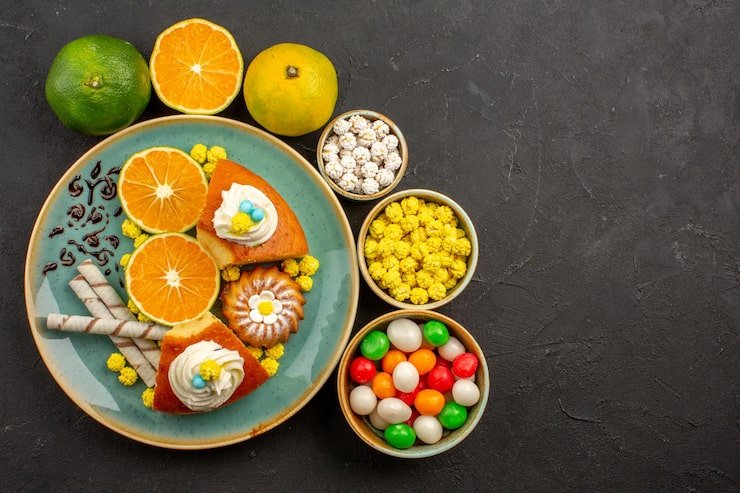
- Sugary snacks, pastries, and white bread
- Processed or fried foods
- Sweetened drinks (soda, sweet tea)
- Excess dairy (for some women, it may cause bloating or acne)
- High-sodium processed meats
Remember — it’s not about perfection or restriction. It’s about making better choices most of the time.
Easy PCOS-Friendly Breakfast Ideas

Starting your day with a balanced, high-protein breakfast helps prevent mid-morning crashes and sugar cravings.
Here are a few ideas that are simple, delicious, and hormone-friendly:
1. Greek Yogurt Parfait
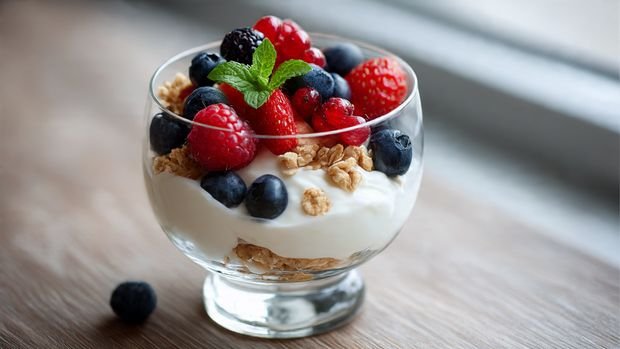
Layer plain Greek yogurt with berries, chia seeds, and a handful of nuts.
This breakfast is rich in protein, fiber, and healthy fats — perfect for stable energy.
2. Veggie Omelet with Avocado
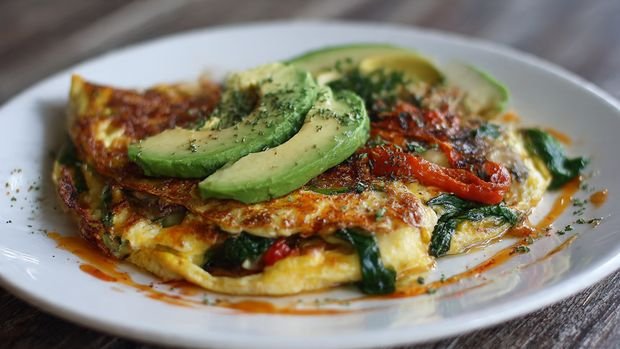
Whisk two eggs with chopped spinach, tomatoes, and peppers. Cook and top with avocado slices.
Eggs provide protein, while avocado adds healthy fats to keep you full longer.
3. Overnight Oats with Seeds
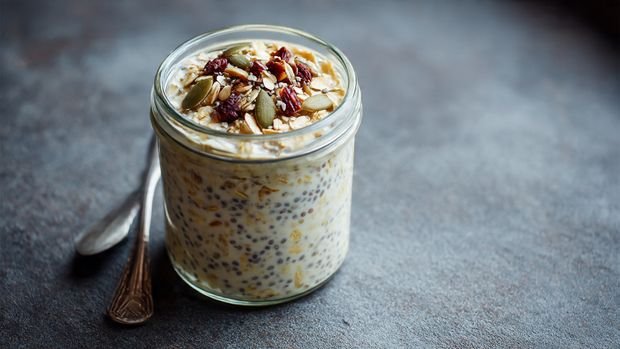
Mix oats with unsweetened almond milk, chia seeds, and cinnamon. Let sit overnight.
Add a few berries or nuts in the morning for a low-glycemic, fiber-filled meal.
4. Protein Smoothie
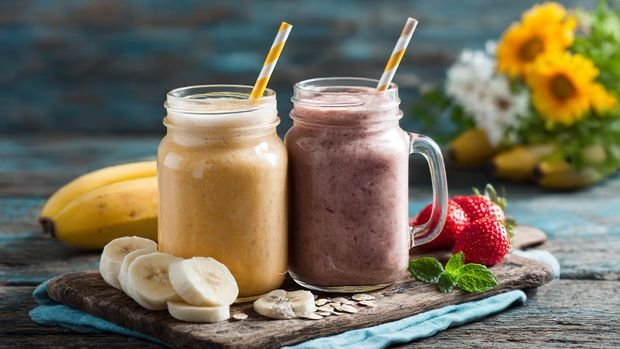
Blend unsweetened almond milk, spinach, protein powder, peanut butter, and frozen berries.
Quick, portable, and perfect for busy mornings.
5. Quinoa Breakfast Bowl
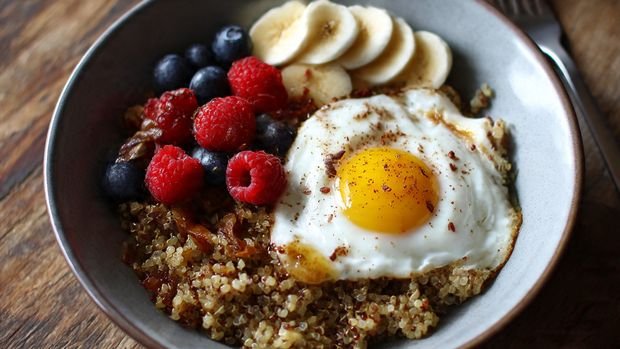
Use cooked quinoa as your base, add almond milk, nuts, and a sprinkle of cinnamon.
It’s warm, satisfying, and naturally gluten-free.
PCOS-Friendly Lunch Ideas
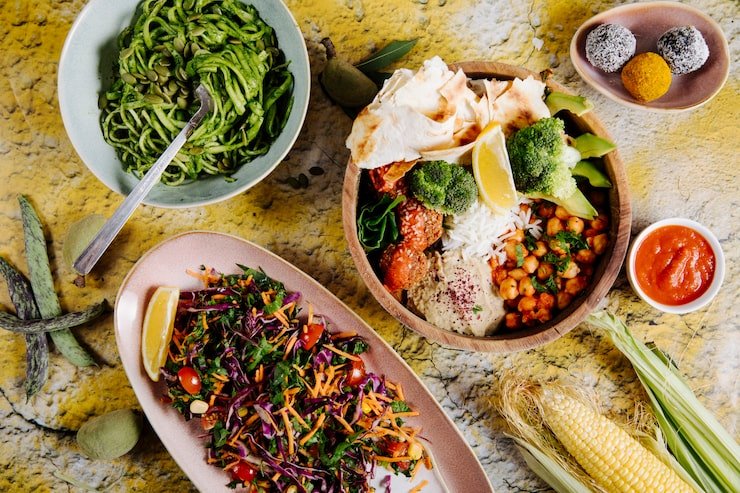
Midday meals should be nourishing and satisfying to prevent energy dips. Focus on balanced plates with protein, fiber, and healthy fats.
1. Grilled Chicken or Tofu Salad
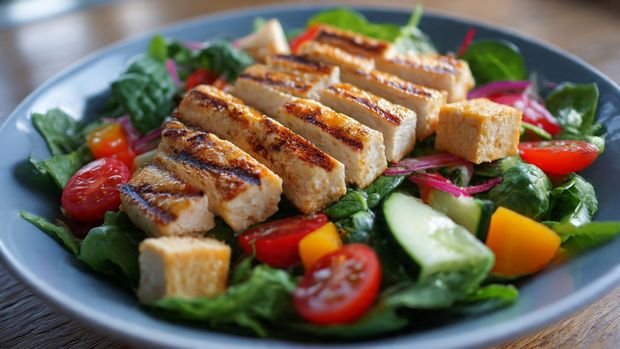
Combine leafy greens, grilled chicken or tofu, cherry tomatoes, cucumber, and olive oil dressing.
Add quinoa or chickpeas for extra fiber.
2. Lentil Soup with Whole Grain Toast
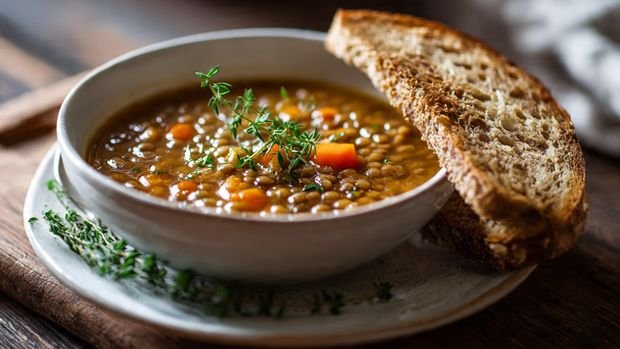
Lentils are high in protein and iron, and they help regulate blood sugar. Serve with a slice of whole-grain toast or avocado for balance.
3. Buddha Bowl
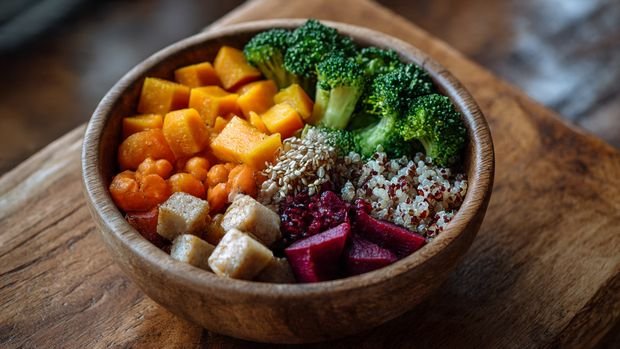
Fill your bowl with brown rice or quinoa, roasted vegetables, chickpeas, and tahini dressing.
This combination supports gut health and keeps you satisfied for hours.
4. Whole-Grain Wrap
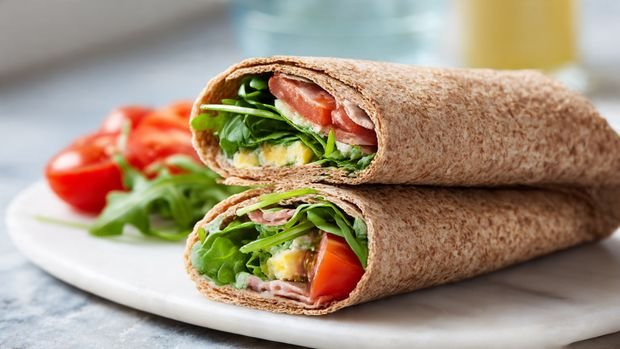
Use a whole-wheat or low-carb wrap, fill it with eggs, beans, or grilled veggies, and add some hummus.
A portable, balanced meal that works great for workdays.
5. Salmon and Greens
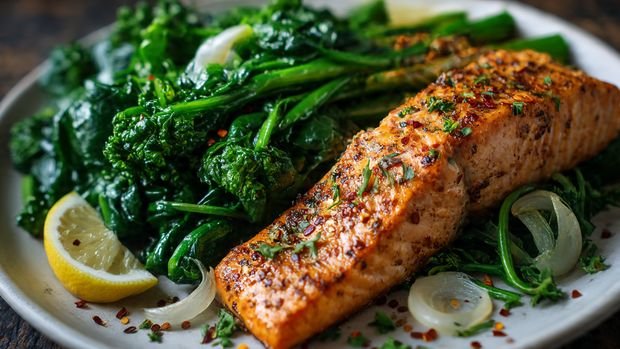
Pair baked or grilled salmon with steamed broccoli and sweet potato.
Salmon provides omega-3 fats, which reduce inflammation and support hormone health.
Simple PCOS-Friendly Dinner Ideas
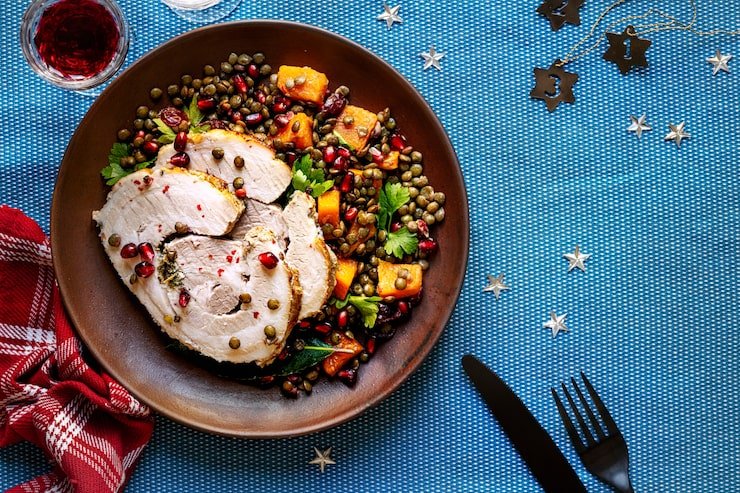
Evening meals should be light but nutrient-dense — enough to nourish you without spiking your blood sugar before bed.
1. Stir-Fry with Tofu or Chicken
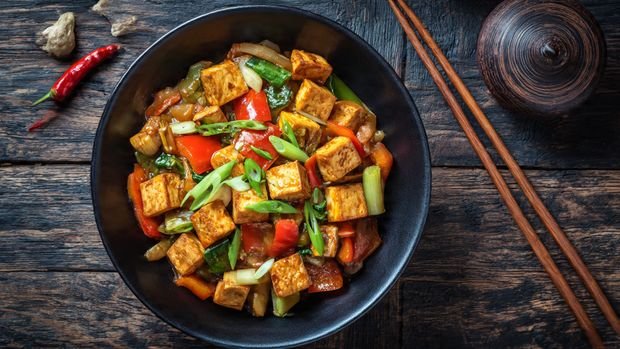
Cook your favorite vegetables (broccoli, bell peppers, carrots) with tofu or chicken in olive oil, garlic, and low-sodium soy sauce.
Serve with quinoa or brown rice.
2. Zucchini Noodles with Turkey Meatballs
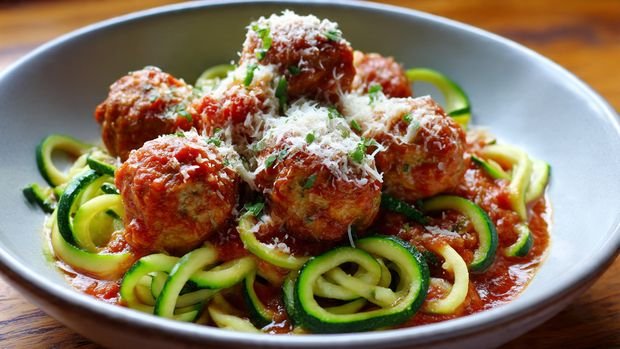
Use spiralized zucchini instead of pasta and top with turkey meatballs and marinara sauce.
A high-protein, low-carb dinner that tastes comforting and fresh.
3. Baked Salmon with Roasted Veggies
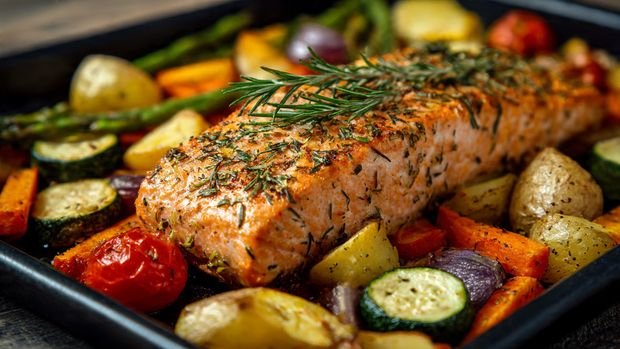
Place salmon on a baking sheet with olive oil, lemon, and herbs. Roast with veggies like asparagus and sweet potatoes.
A one-pan meal that’s both quick and hormone-friendly.
4. Chickpea Curry
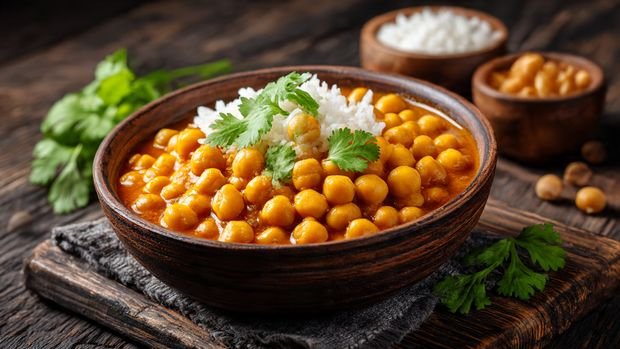
Sauté onions, garlic, and spices like turmeric and cumin. Add chickpeas and coconut milk for a creamy curry.
Serve with brown rice or quinoa for fiber and protein.
5. Veggie-Packed Soup
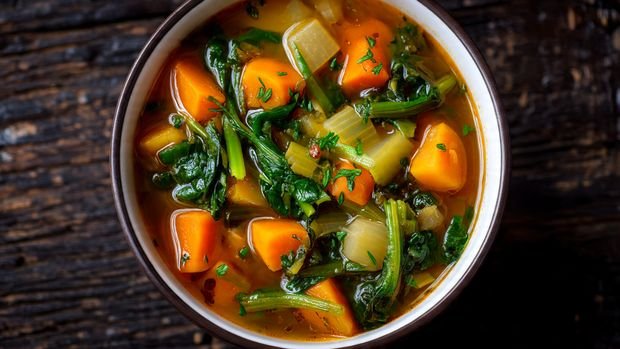
Soups made with lentils, beans, or chicken broth are easy to digest and satisfying.
Perfect for cozy evenings and light dinners.
Healthy Snacks for PCOS
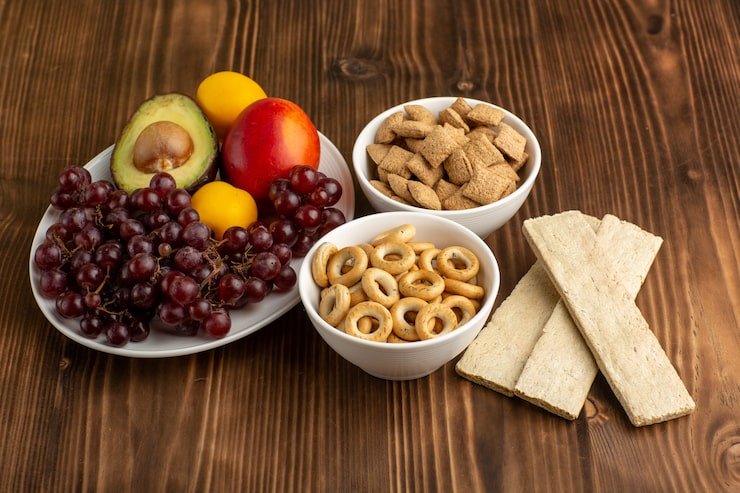
Snacking isn’t off-limits — it’s about choosing the right ones that balance your blood sugar and curb cravings.
Smart PCOS snacks:
- A handful of almonds or walnuts
- Greek yogurt with cinnamon
- Apple slices with peanut butter
- Boiled eggs
- Hummus with cucumber or carrot sticks
- Homemade energy balls (oats, nut butter, chia seeds)
These snacks are quick, satisfying, and won’t cause insulin spikes.
Hydration and Hormonal Balance
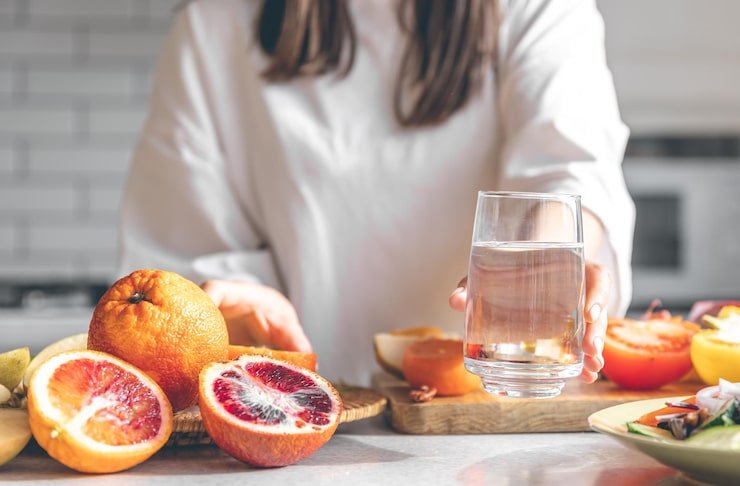
Hydration is often overlooked but essential for managing PCOS. Water supports digestion, hormone function, and detoxification.
Aim for: 2–3 liters of water daily.
You can also include:
- Spearmint tea: helps regulate hormones and reduce excess androgens.
- Cinnamon tea: supports insulin balance.
- Green tea: boosts metabolism and reduces inflammation.
Avoid sugary drinks, as they can disrupt insulin levels and worsen fatigue.
Simple Tips for Eating with PCOS Every Day

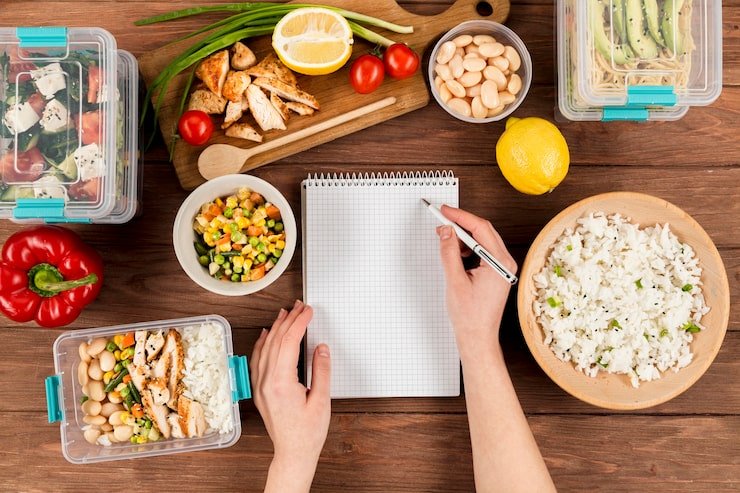
- Plan ahead: Prepping meals or snacks helps avoid last-minute junk food choices.
- Eat mindfully: Slow down, chew well, and enjoy your food — it supports digestion and satisfaction.
- Don’t fear healthy fats: They’re crucial for hormone production and brain health.
- Add color to every meal: The more colorful your plate, the more nutrients and antioxidants you get.
- Stay consistent: Progress takes time — it’s about building lasting habits, not quick fixes.
Sample One-Day PCOS-Friendly Meal Plan
Breakfast:
Greek yogurt parfait with berries, chia seeds, and walnuts.
Mid-Morning Snack:
Apple slices with almond butter.
Lunch:
Quinoa bowl with chickpeas, roasted veggies, and tahini dressing.
Snack:
Greek yogurt with cinnamon or a boiled egg.
Dinner:
Baked salmon with sweet potato and sautéed spinach.
Evening Drink:
Spearmint tea for relaxation and hormone balance.
This plan is simple, satisfying, and full of anti-inflammatory, hormone-supporting nutrients.
Final Thoughts
Living with PCOS can feel overwhelming at times, but small, consistent nutrition habits can make a big difference in how you feel day to day.
A PCOS-friendly diet isn’t about restriction — it’s about nourishment, balance, and choosing foods that love your hormones back.
Focus on eating whole, colorful foods, balancing your blood sugar, and listening to your body’s signals. With time and consistency, you’ll notice better energy, mood stability, and overall well-being.
Because healing PCOS doesn’t start with perfection — it starts with one thoughtful meal, one kind decision, and one day at a time.