
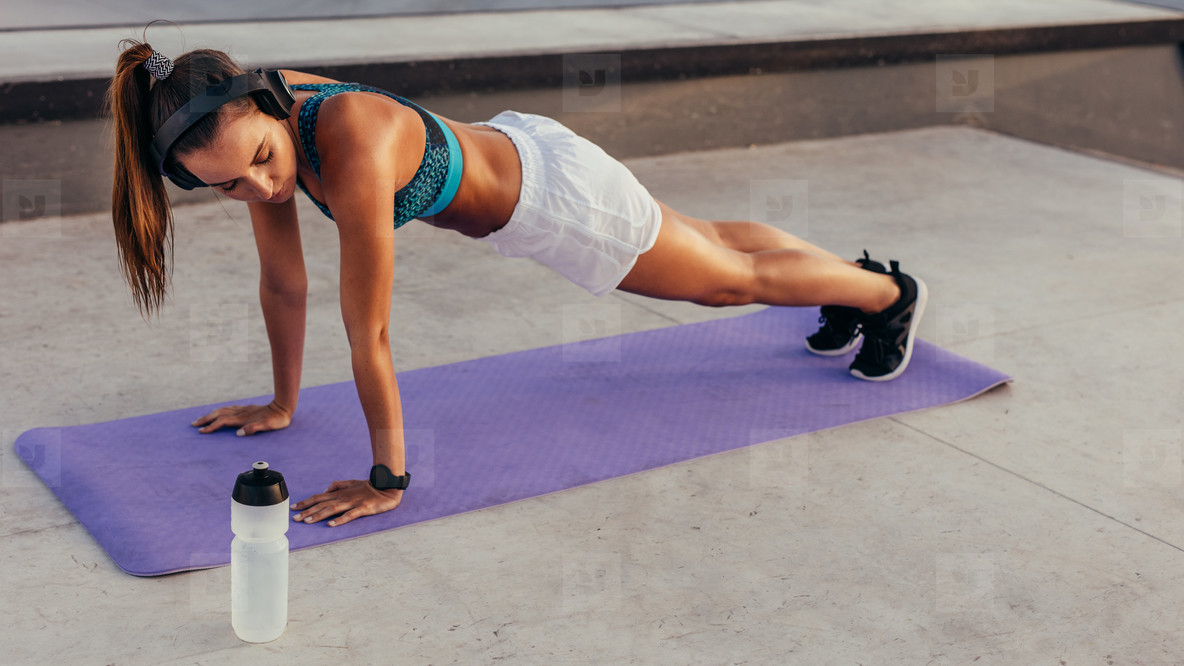
Life can feel like a whirlwind sometimes. Between work, family, and daily pressures, stress can quietly build up, leaving us feeling drained, irritable, and overwhelmed. It’s a common experience, and if you’ve ever felt this way, you’re certainly not alone.
The good news is that you have a powerful, natural tool at your disposal to fight back against stress and lift your spirits: exercise. Moving your body isn’t just about looking good; it’s profoundly about feeling good – mentally and emotionally. It’s a natural mood booster that offers a much-needed escape and a powerful reset button for your mind and body.
In this article, we’ll explore how different types of workouts can help you release tension, calm your mind, and infuse your day with positive energy. Get ready to discover practical, enjoyable ways to move your way to a happier, more resilient you.
The Science Behind Sweat and Serenity
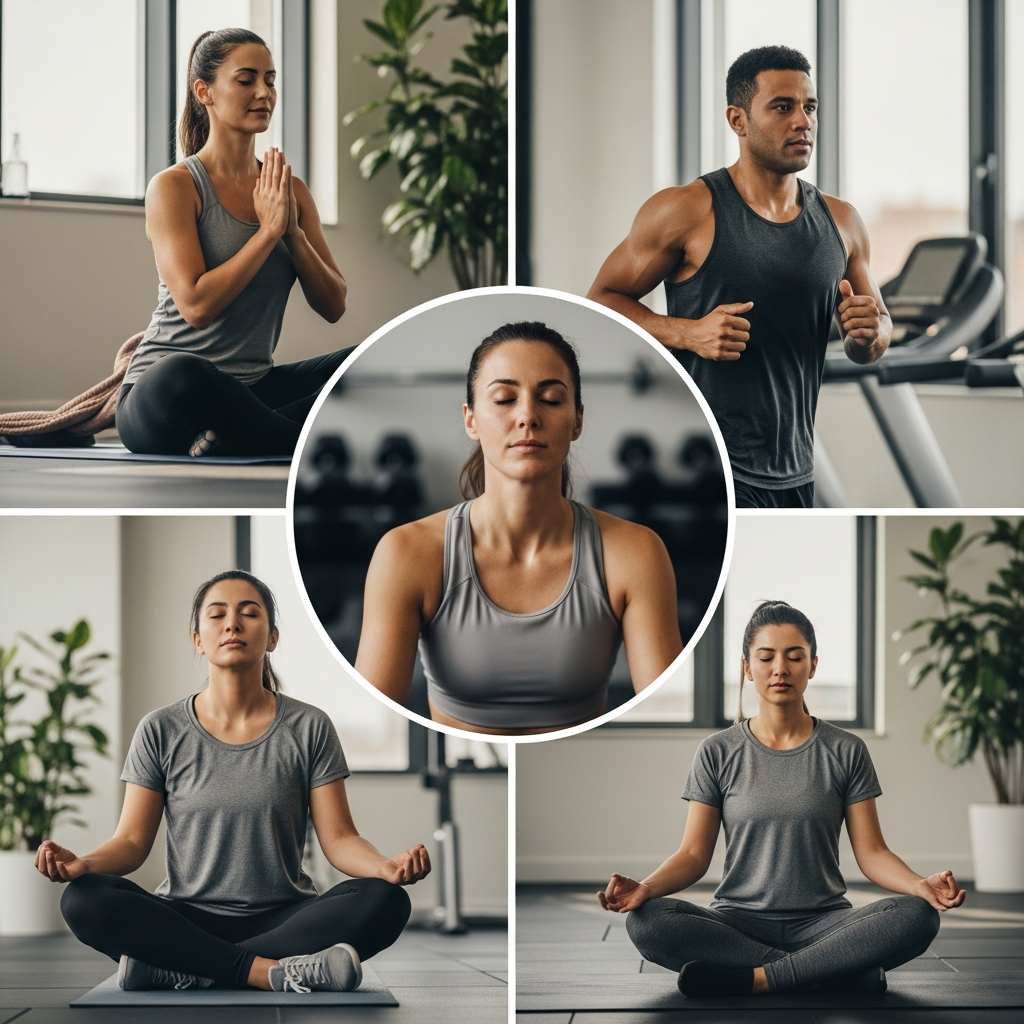
Before we dive into specific workouts, let’s briefly touch on why exercise is such an incredible antidote to stress and a powerful mood enhancer. It’s more than just a feeling; there’s real science at play.
How Exercise Helps Your Brain and Body
When you get moving, a remarkable chain of events begins inside you. This isn’t just about burning calories; it’s about shifting your internal chemistry for the better.
Endorphins: Your Body’s Natural Painkillers and Mood Lifters
Perhaps the most famous benefit, exercise triggers the release of endorphins. These are natural opioids produced by your brain that create feelings of euphoria and well-being. They can reduce the perception of pain and bring about a sense of calm.
Stress Hormone Reduction
Physical activity helps lower the levels of stress hormones like cortisol and adrenaline. When you’re stressed, these hormones are constantly elevated. Exercise acts as a physical outlet, helping your body process and flush them out, bringing your system back into balance.
Improved Sleep Quality
Stress often disrupts sleep, creating a vicious cycle. Regular exercise helps you fall asleep faster and enjoy deeper, more restorative sleep. Better sleep means a more refreshed mind and better emotional regulation the next day.
Enhanced Self-Esteem and Sense of Accomplishment
Achieving fitness goals, no matter how small, builds confidence. Pushing through a tough workout or mastering a new movement provides a tangible sense of accomplishment, which is a powerful boost to your self-esteem and mood.
Mindfulness in Motion
Many forms of exercise, especially rhythmic or focus-intensive ones, can act as a form of moving meditation. By concentrating on your breath, your body, or the rhythm of your steps, you temporarily step away from stressful thoughts and live fully in the present moment.
Workouts That Get Your Heart Pumping and Spirits Soaring

Cardiovascular exercise, often called cardio, is fantastic for getting your blood flowing, boosting your heart rate, and releasing those wonderful endorphins. It’s accessible and offers immediate mood-lifting benefits.
Cardio for a Clear Mind
These activities are great for shaking off anxious energy and getting your body feeling alive.
Running or Jogging
Running is a classic stress-reliever for a reason. The rhythmic motion and outdoor environment (if you choose to run outside) can be incredibly meditative. It’s a great way to clear your head and gain perspective.
* Practical Tip: Don’t feel pressured to sprint. A gentle jog or even a run/walk combo is perfectly effective. Focus on your breathing and the feeling of your feet on the ground. Start with 20-30 minutes, a few times a week.
Brisk Walking
If running feels too intense, a brisk walk is an excellent alternative. It’s low-impact, easy to fit into your day, and offers many of the same mental benefits. Walking in nature, often called “green exercise,” has added stress-reducing effects.
* Practical Tip: Aim for a pace where you can still talk but would be slightly out of breath. Try to get outside, even if it’s just around your block. Thirty minutes a day can make a big difference.
Cycling (Indoor or Outdoor)
Whether you’re cruising through scenic routes on a bike or sweating it out in a spin class, cycling is a powerful mood booster. It’s easy on the joints and allows for varying levels of intensity, so you can tailor it to your energy levels.
* Practical Tip: If outdoors, explore new paths. If indoors, try a virtual class or create your own playlist to keep energy high. Vary your speed and resistance to challenge yourself without overdoing it.
Dancing
Dancing is pure joy in motion. It combines physical activity with creativity and often music, which is a potent combination for mood enhancement. You don’t need to be a professional; just letting loose and moving your body freely is enough.
* Practical Tip: Put on your favorite upbeat music at home and just move! Join a dance fitness class like Zumba, or learn a new style. The social aspect of group classes can further reduce stress.
Strength Training: Building Resilience Inside and Out

Strength training isn’t just for building muscles; it’s a powerful tool for mental fortitude. When you feel physically stronger, you often feel mentally stronger and more capable of handling life’s challenges.
Lifting for Mental Toughness
The focus required for proper form in strength training can be a welcome distraction from stressful thoughts, and the sense of progress is incredibly motivating.
Bodyweight Exercises
You don’t need fancy equipment to build strength. Your own body weight is a fantastic tool. Bodyweight exercises are convenient, free, and can be done almost anywhere.
* Examples:
* Squats: Great for legs and glutes.
* Lunges: Improves balance and leg strength.
* Push-ups: Works chest, shoulders, and triceps. (Modify on knees if needed).
* Planks: Fantastic for core stability.
* Glute Bridges: Strengthens glutes and lower back.
* Table: Simple Bodyweight Workout for Mood**
| Exercise | Sets | Reps | Focus |
| Squats | 3 | 10-15 | Controlled movement, deep breath |
| Push-ups | 3 | 8-12 (or to fatigue) | Engage core, steady pace |
| Plank | 3 | Hold 30-60 sec | Core stability, mental focus |
| Glute Bridges | 3 | 12-15 | Squeeze glutes, relax shoulders |
| Alternating Lunges | 3 | 10-12 per leg | Balance and leg endurance |
Weightlifting (Dumbbells, Resistance Bands)
Adding light weights or resistance bands can amplify the benefits of strength training. The sense of progressive overload – lifting a little heavier or doing more reps over time – is incredibly empowering and confidence-boosting.
* Practical Tip: Focus on proper form over heavy weight. Watch instructional videos and start with lighter weights to master the movement. The feeling of physical capability can translate into a greater sense of personal power.
* Sample Routine: Full Body Stress-Relief Workout (with light weights)**
1. Goblet Squats: Hold one dumbbell vertically against your chest, feet shoulder-width apart. Squat down as if sitting in a chair, keeping your chest up. (3 sets of 10-12 reps)
2. Dumbbell Rows: Hinge at your hips, back straight, holding a dumbbell in each hand. Pull the weights towards your chest, squeezing your shoulder blades. (3 sets of 8-10 reps per arm)
3. Overhead Press: Stand tall, holding dumbbells at shoulder height, palms facing forward. Press the weights straight overhead until arms are fully extended. (3 sets of 8-10 reps)
4. Reverse Lunges: Step back with one foot, lowering your hips until both knees are bent at about a 90-degree angle. Push back to start. Hold light dumbbells at your sides. (3 sets of 10-12 reps per leg)
5. Bicep Curls: Stand tall, hold dumbbells palms forward. Curl the weights towards your shoulders, keeping elbows tucked in. (3 sets of 10-12 reps)
Mind-Body Practices: Calming the Storm Within
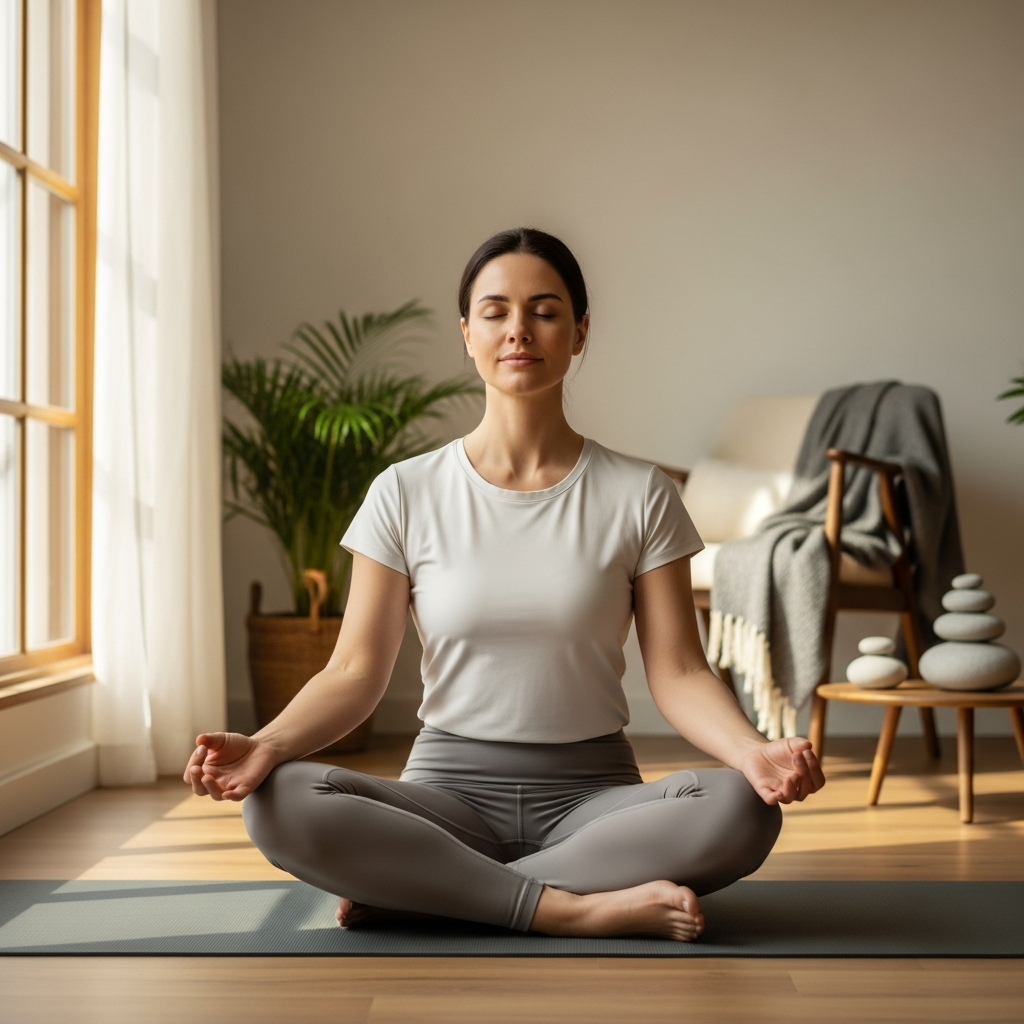
Sometimes, what we need isn’t intense exertion, but gentle, focused movement that connects our mind and body. These practices are excellent for fostering calm, flexibility, and inner peace.
Yoga: Flowing Towards Peace
Yoga combines physical postures, breathing techniques, and meditation. It’s a holistic practice that has been shown to significantly reduce stress, anxiety, and depression while improving overall well-being.
Types of Yoga for Stress Relief
* Hatha Yoga: A slower-paced style focusing on holding poses for several breaths. Great for beginners to learn foundational poses and develop body awareness.
* Vinyasa Yoga: A more dynamic style where movements flow smoothly from one pose to the next, often synchronized with breath. It can be a moving meditation that helps clear the mind.
* Restorative Yoga: Uses props like blankets and bolsters to support your body in gentle poses, allowing for deep relaxation and release of tension. Ideal for days you need extra calm.
Benefits Beyond Flexibility
Yoga doesn’t just make you more flexible; it improves balance, strength, and helps regulate your nervous system. The focus on breathwork (pranayama) is particularly effective for calming an overactive mind.
* Practical Tip: Find a beginner-friendly class or online tutorial. Focus less on perfecting poses and more on how your body feels and the rhythm of your breath. Even 15-20 minutes a few times a week can be transformative.
Pilates: Core Strength, Mind-Body Connection
Pilates focuses on core strength, precise movements, and breath control. It’s a wonderful way to build strength and flexibility while cultivating a strong mind-body connection.
Gentle yet Powerful
Pilates might look gentle, but it’s incredibly effective at building deep core strength, improving posture, and increasing body awareness. This mindful approach to movement can be very grounding.
* Practical Tip: Start with mat Pilates classes or videos. Pay close attention to instructions regarding your core engagement and breathing. The concentration required helps quiet distracting thoughts.
Tai Chi: Meditation in Motion
Tai Chi is an ancient Chinese martial art known for its slow, flowing movements and deep breathing. It’s often described as “meditation in motion” and is fantastic for reducing stress, improving balance, and promoting a sense of inner calm.
Slow, Deliberate Movements
The gentle, continuous movements of Tai Chi encourage focus and relaxation. It’s particularly beneficial for improving concentration and reducing tension in the body.
* Practical Tip: Look for a local Tai Chi class, as learning the forms from an instructor is ideal. However, many introductory videos are available online to get you started. It’s suitable for all ages and fitness levels.
Outdoor Adventures: Nature’s Therapy Session
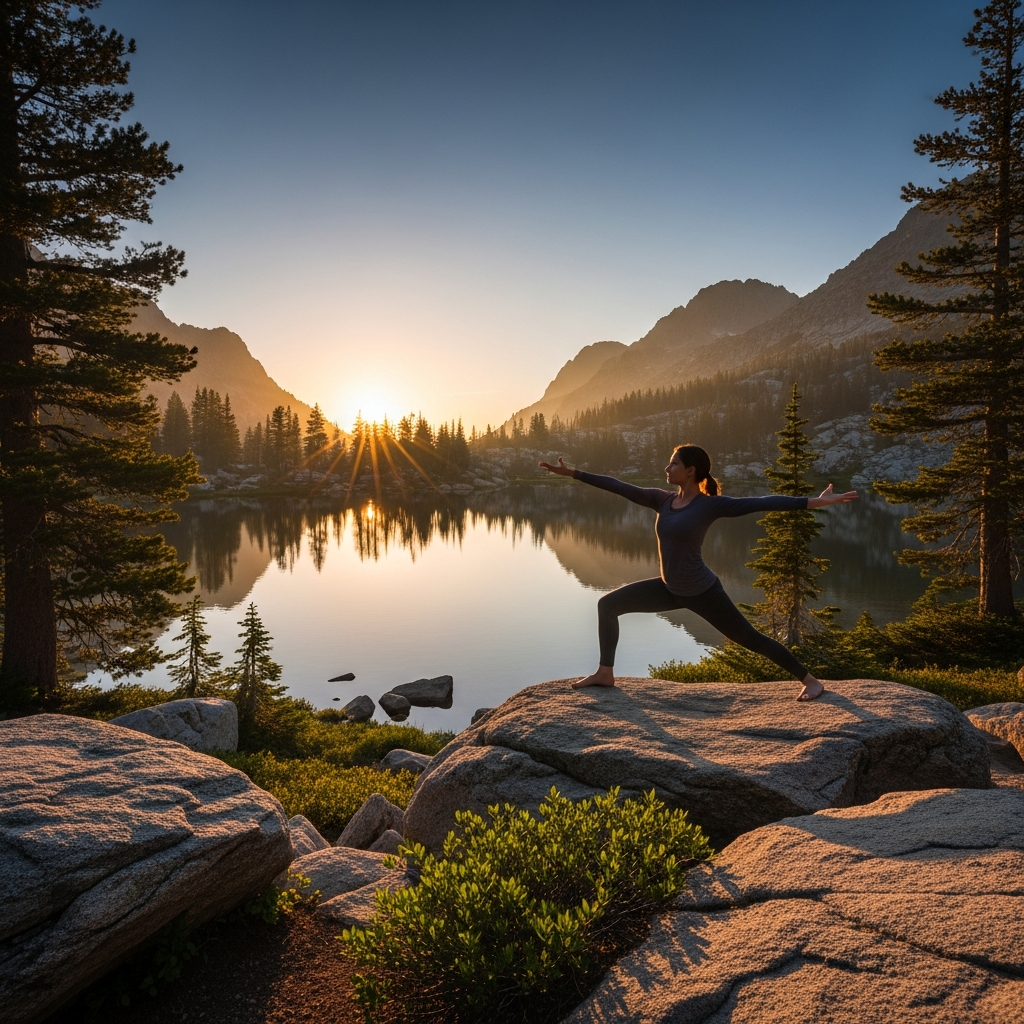
Combining the benefits of exercise with the calming power of nature creates a potent recipe for stress relief and mood enhancement. Getting outside offers a refreshing change of scenery and a deeper connection to the world around you.
Hiking and Nature Walks
Stepping onto a trail, whether it’s a paved path in a park or a rugged mountain ascent, can be incredibly therapeutic. The fresh air, natural sounds, and beautiful views provide a multi-sensory experience that melts stress away.
The “Green Exercise” Effect
Research shows that exercising in natural environments, often called “green exercise,” has a greater positive impact on mood and self-esteem than exercising indoors. It helps reduce rumination (dwelling on negative thoughts).
* Practical Tip: Find a local park, nature reserve, or hiking trail. Leave your phone on silent or put it away. Focus on the sounds, sights, and smells of nature. Start with shorter, easier trails and build up your endurance.
Swimming
Swimming is a full-body workout that’s incredibly soothing. The rhythmic strokes, the sensation of water, and the quiet environment of the pool can create a meditative state.
Full-Body Workout, Calming Rhythmic Movement
Swimming works nearly every major muscle group without impact on your joints, making it a great option if you have knee or joint issues. The consistent, rhythmic motion of swimming can be incredibly calming and helps you focus on your breath.
* Practical Tip: If you’re a beginner, start with short laps and focus on your breathing technique. If you’re an experienced swimmer, try varying your strokes or doing interval training to keep it interesting.
Making Movement a Habit: Consistency is Key
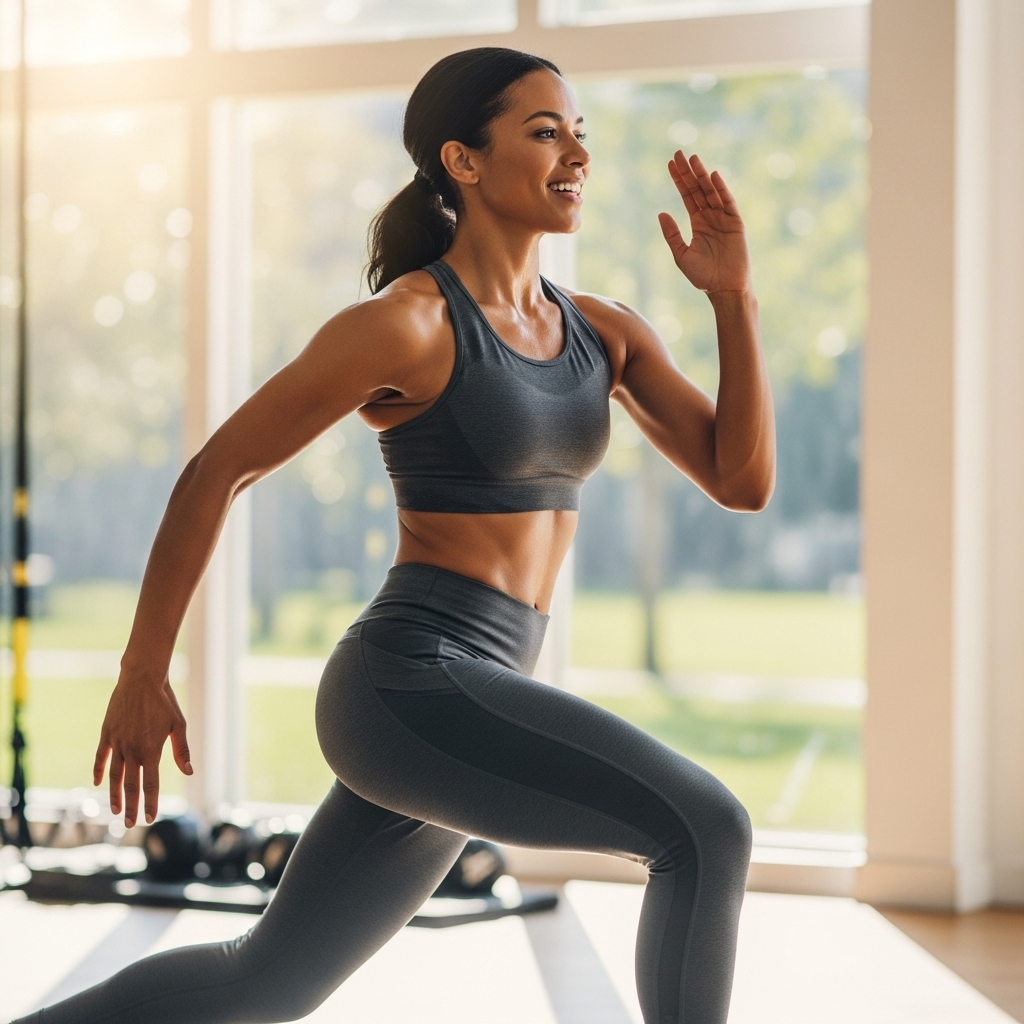
Starting a new workout routine for stress relief is great, but the real magic happens when you make it a consistent part of your life. Life gets busy, and motivation can dip, but with a few strategies, you can stay on track.
Finding Your Fit: No One-Size-Fits-All
What works for one person might not work for another. The best workout for you is the one you enjoy enough to do consistently.
Listen to Your Body
Pay attention to how different activities make you feel, both physically and mentally. Some days you might crave an intense cardio session; other days, a gentle yoga flow might be exactly what you need.
Explore Different Activities
Don’t be afraid to try new things. You might discover a hidden passion for rock climbing, cycling, or even disc golf. Variety keeps things interesting and prevents boredom.
Setting Realistic Goals
Big, ambitious goals can sometimes feel overwhelming. Breaking them down into smaller, manageable steps makes them much easier to achieve.
Start Small, Build Up
Instead of aiming for an hour of intense exercise every day, start with 15-20 minutes, two or three times a week. Once that feels manageable, gradually increase the duration or frequency.
Celebrate Small Wins
Acknowledge your efforts and progress, no matter how minor. Did you stick to your plan for a week? Did you add five minutes to your walk? Pat yourself on the back! This positive reinforcement helps build momentum.
Overcoming Obstacles
Life throws curveballs. Having strategies to navigate common challenges can help you maintain consistency.
Schedule It Like an Appointment
Block out time in your calendar for your workouts, just as you would for a work meeting or doctor’s appointment. This makes it a priority.
Find an Accountability Partner
Exercising with a friend, family member, or joining a group class can provide motivation and a sense of commitment. Knowing someone is waiting for you can be a powerful incentive.
Have a Backup Plan
What will you do if the weather is bad for your outdoor run, or you can’t make it to your usual class? Have a few go-to home workouts or indoor alternatives ready.
* Table: Weekly Workout Schedule for Stress & Mood
| Day | Focus Type (Example) | Activity (Example) | Duration | Notes |
| Monday | Strength | Bodyweight Circuit / Light Dumbbell Workout | 30 min | Kickstart the week, feel strong |
| Tuesday | Cardio | Brisk Walk in Nature / Light Jog | 30-40 min | Get fresh air, clear your head |
| Wednesday | Mind-Body | Gentle Yoga / Pilates (online class) | 20-30 min | Focus on breath, release tension |
| Thursday | Active Recovery | Easy Walk / Stretching / Foam Rolling | 20 min | Rest muscles, improve flexibility |
| Friday | Cardio/Fun | Dance workout / Cycling / Swimming | 30-45 min | Burn off weekend anticipation, enjoy |
| Saturday | Outdoor Adventure | Hiking / Longer Walk with family or friends | 60+ min | Connect with nature, social interaction |
| Sunday | Rest / Gentle | Rest or a very gentle stretch / Tai Chi | 15-20 min | Reflect, recharge, prepare for the week |