

Eating well doesn’t have to be complicated or boring. In fact, making small, smart changes to your daily diet can have a huge impact on your energy levels, digestion, and overall health. One of the simplest and most effective changes you can make is to incorporate more whole grains into your meals.
Whole grains are powerhouses of nutrition, packed with fiber, vitamins, and minerals that support everything from a healthy heart to steady energy throughout your day. If you’ve been wondering how to add more of these incredible foods to your plate without a major overhaul, you’re in the right place. We’ll explore five super easy ways to make whole grains a natural part of your routine, along with a helpful list of 12 smart choices to get you started.
Why Whole Grains Are Your Body’s Best Friend

Before we dive into the how-to, let’s briefly touch on why whole grains deserve a prime spot in your diet. Unlike refined grains, which have had their bran and germ removed, whole grains keep all three parts of the grain kernel: the bran, germ, and endosperm. This means they retain all their valuable nutrients.
They are an excellent source of dietary fiber, which aids digestion, helps you feel full longer, and supports healthy blood sugar levels. Beyond fiber, whole grains offer essential B vitamins, magnesium, iron, and other antioxidants. Regularly consuming them has been linked to a reduced risk of heart disease, type 2 diabetes, and even certain cancers. For those focused on fitness, the sustained energy from complex carbohydrates in whole grains is invaluable for workouts and recovery.
5 Easy Ways to Make Whole Grains a Daily Habit

Integrating whole grains into your diet doesn’t require drastic changes. Often, it’s about making simple swaps or additions to meals you already enjoy. Here are five practical strategies to boost your intake effortlessly.
1. Swap Refined Grains for Whole Grain Alternatives
This is perhaps the easiest and most impactful change you can make. Many everyday pantry staples come in both refined and whole grain versions.
How to Make the Swap:
* Bread and Toast: Instead of white bread, choose 100% whole wheat bread for sandwiches and toast. Look for “whole wheat flour” as the first ingredient.
* Pasta Power: Trade regular white pasta for whole wheat pasta. It holds sauces well and offers a denser texture.
* Rice Revolution: When making rice dishes, opt for brown rice instead of white. It has a nuttier flavor and a satisfying chew.
* Tortilla Turnaround: For tacos, burritos, or wraps, use whole wheat tortillas or corn tortillas instead of white flour versions.
* Flour Fundamentals: If you bake or cook with flour, try substituting half or all of the white flour with whole wheat flour in recipes like pancakes, muffins, or even pizza dough.
Small changes like these accumulate quickly and contribute significantly to your daily fiber and nutrient intake without you even noticing much difference in taste or texture.
2. Make Whole Grains Your Breakfast Staple
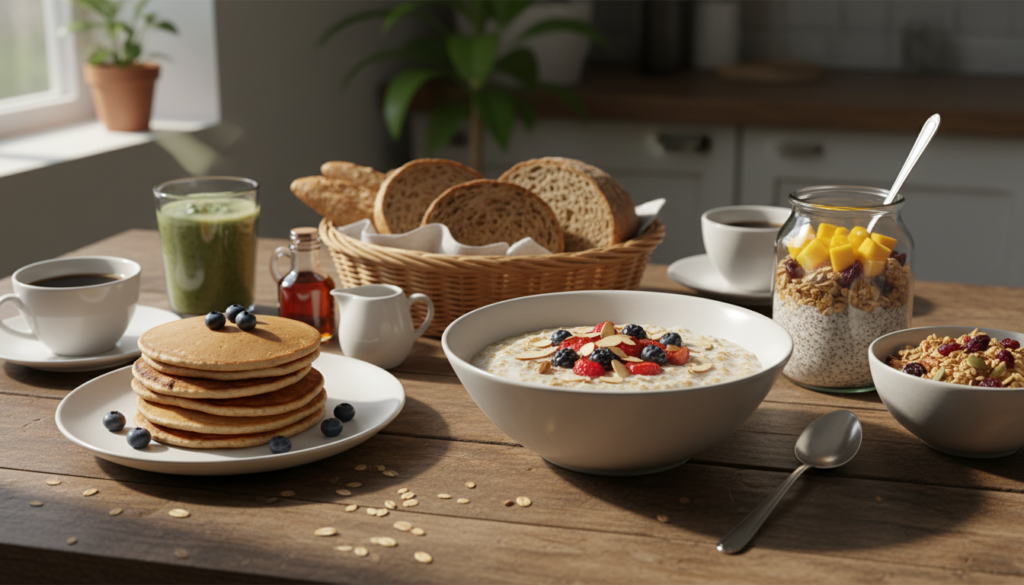
Breakfast is a fantastic opportunity to start your day with a serving of whole grains. They provide sustained energy, keeping you full and focused until lunchtime.
Breakfast Ideas to Try:
* Oatmeal Classic: A warm bowl of rolled oats or steel-cut oats is a breakfast champion. Cook with water or milk and add fruits, nuts, or a dash of cinnamon.
* Overnight Oats: Prepare oats the night before by mixing them with milk or yogurt, chia seeds, and your favorite toppings. It’s ready to grab and go in the morning.
* Whole Grain Cereal: Choose cereals that list a whole grain (like whole oats, whole wheat, or whole corn) as the first ingredient and are low in added sugar.
* Whole Grain Pancakes/Waffles: Use whole wheat flour or an oat flour blend to make your favorite breakfast treats healthier.
* Whole Grain Toast Toppers: Enjoy 100% whole wheat toast with avocado, eggs, or natural nut butter.
A whole grain breakfast sets a positive tone for healthy eating throughout your entire day. It helps stabilize blood sugar and prevents that mid-morning energy slump.
3. Add Cooked Grains to Soups, Salads, and Sides
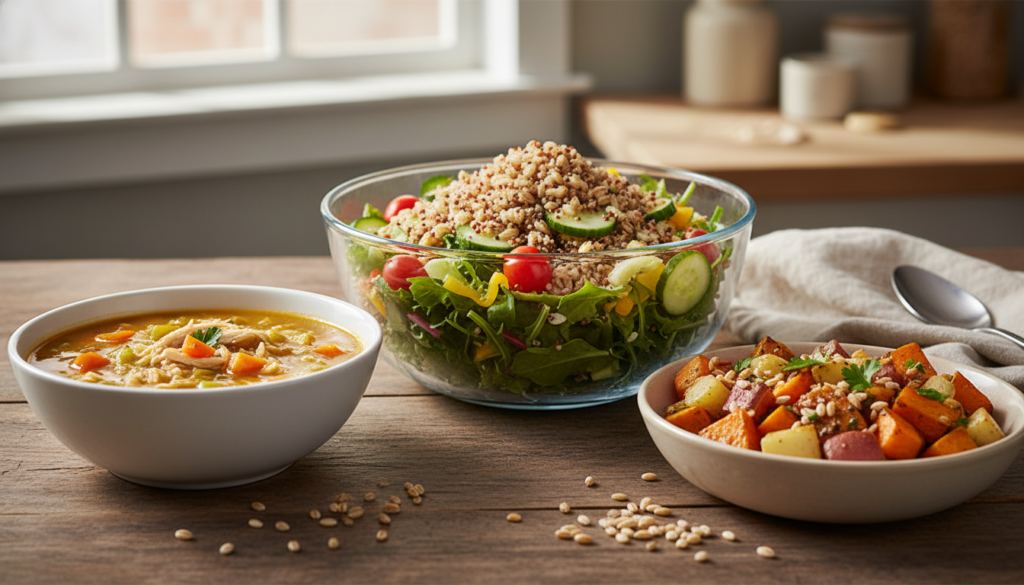
Cooked whole grains are incredibly versatile and can be added to almost any savory dish to boost its nutritional value and add texture. Think of them as a foundation for a more filling and satisfying meal.
Incorporating Grains into Meals:
* Soup Support: Stir cooked barley, farro, or wild rice into your favorite soups and stews. They absorb flavors beautifully and add a hearty element.
* Salad Boost: Transform a simple salad into a complete meal by adding a scoop of cooked quinoa, bulgur, or millet. They add protein and fiber, making your salad more satisfying.
* Veggie Sidekick: Instead of just plain vegetables, serve them alongside a small portion of cooked brown rice, wheat berries, or quinoa. This provides a balanced plate.
* Stir-fry Star: Replace white rice with brown rice or even quinoa in your stir-fries for a healthier, fiber-rich base.
* Meatless Meals: Use grains like farro or barley as a base for veggie burgers or as a hearty addition to stuffed bell peppers.
Keep a batch of cooked grains in your fridge to easily toss into meals throughout the week. This simple prep can save you time and make healthy eating much easier.
4. Get Creative with Whole Grain Flours
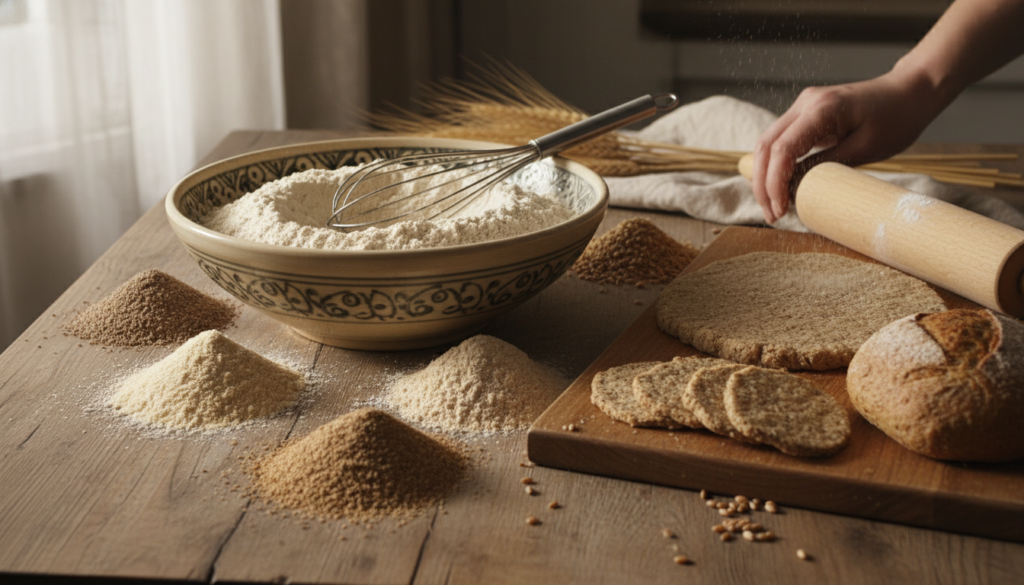
Baking and cooking with whole grain flours can open up a world of delicious possibilities. While some recipes might require specific ratios, many can easily accommodate whole grain flour substitutions.
Creative Flour Uses:
* Muffin Makeover: When baking muffins, quick breads, or banana bread, swap out half of the all-purpose flour for whole wheat flour. This adds fiber and a pleasant nutty flavor.
* Pancake Perfection: Use whole wheat or oat flour to make your pancakes and waffles. They’ll be more filling and nutritious.
* Pizza Dough Upgrade: Experiment with whole wheat flour in your homemade pizza dough. It creates a satisfyingly chewy crust.
* Cookie Conscious: For cookies, try replacing 25-50% of white flour with whole wheat pastry flour, which is a bit lighter than regular whole wheat flour.
* Thickening Agent: Use whole grain flours to thicken gravies or sauces, adding a subtle depth of flavor.
Remember that whole grain flours can sometimes absorb more liquid, so you might need to adjust recipes slightly. Start with small substitutions and work your way up.
5. Explore New and Ancient Grains
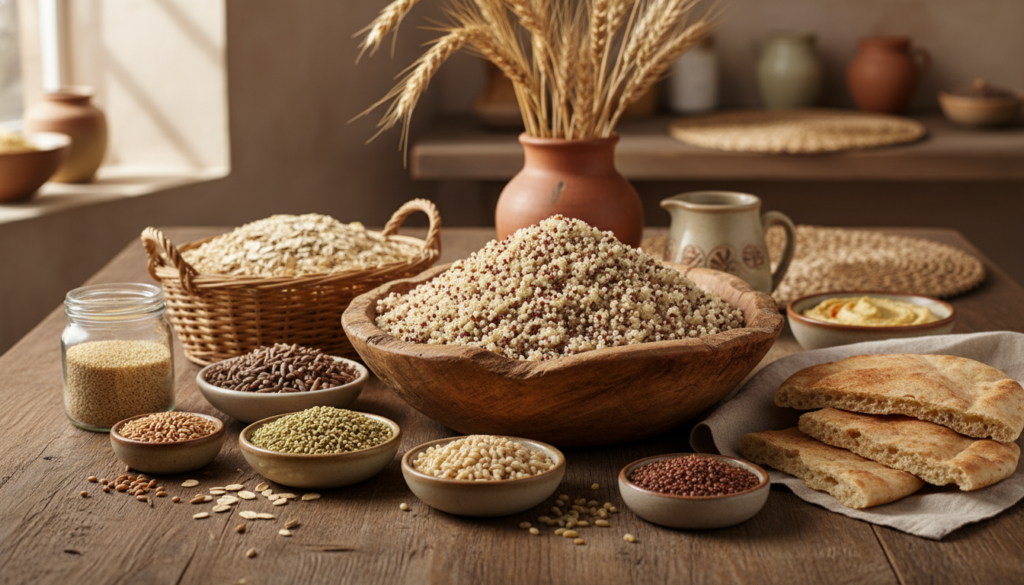
Beyond the common whole grains, there’s a whole world of ancient and less common grains waiting to be discovered. Trying new grains can add variety to your diet and introduce you to new flavors and textures.
How to Explore:
* Start Simple: Pick one new grain each month to try. Look for recipes online or in cookbooks.
* Incorporate into Familiar Dishes: Instead of just having quinoa in a salad, try making a “risotto” with farro or a pilaf with millet.
* Mix and Match: Blend a new grain with a familiar one. For example, half brown rice and half wild rice.
* Check Local Stores: Many grocery stores now carry a wider variety of whole grains in their bulk or health food sections.
* Read Labels: Look for grains that are truly “whole grain” and not refined.
Expanding your whole grain repertoire keeps your meals interesting and ensures you’re getting a broad spectrum of nutrients. Don’t be afraid to experiment with grains you’ve never tried before.
12 Smart Whole Grain Choices
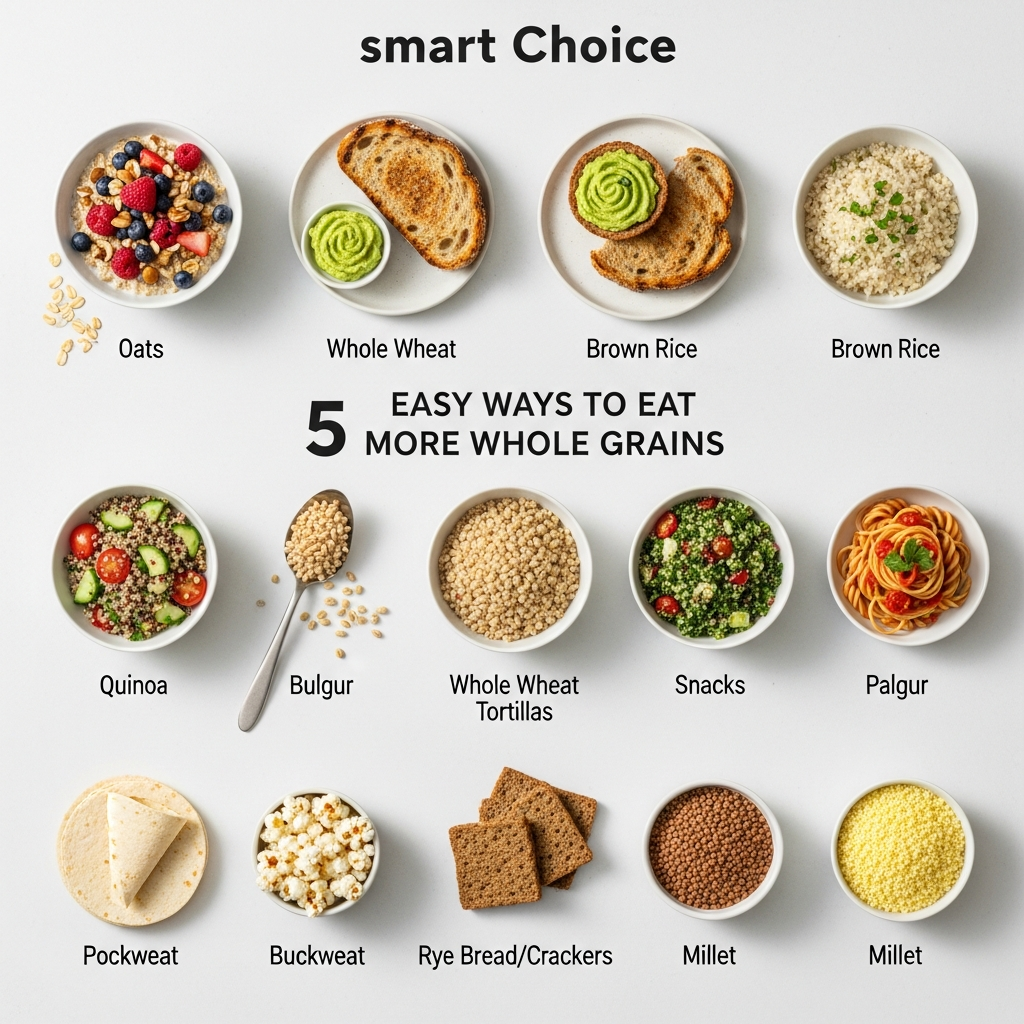
Now that you have strategies for incorporating them, here are 12 excellent whole grain options to consider adding to your grocery list. Each offers unique nutritional benefits and culinary uses.
1. Oats (Rolled, Steel-Cut)
Oats are incredibly versatile and a breakfast staple. They are known for their soluble fiber, beta-glucan, which helps lower cholesterol and stabilize blood sugar. Use them in oatmeal, overnight oats, smoothies, or baking.
2. Brown Rice
A nutritious and widely available alternative to white rice. It has a nutty flavor and chewy texture, making it perfect as a side dish, in stir-fries, or grain bowls.
3. Quinoa
Often mistaken for a grain, quinoa is actually a seed that’s considered a pseudocereal. It’s a complete protein, meaning it contains all nine essential amino acids. Excellent in salads, as a side dish, or even in breakfast bowls.
4. Whole Wheat (Flour, Berries)
The most common whole grain, found in 100% whole wheat bread, pasta, and flour. Whole wheat berries can be cooked and added to salads or used as a side dish for a hearty texture.
5. Barley (Hulled or Pearl)
Hulled barley is whole grain. Pearl barley, while technically refined, still retains some fiber and nutrients and is a good starting point. Great in soups, stews, or as a side dish.
6. Farro
An ancient wheat grain with a rich, nutty flavor and a satisfyingly chewy texture. It’s wonderful in salads, risottos, or as a base for grain bowls.
7. Millet
A small, round grain that’s naturally gluten-free. It has a mild flavor and can be cooked to a fluffy consistency like rice or a creamier consistency like polenta. Try it as a breakfast porridge or a side dish.
8. Buckwheat
Another pseudocereal that is naturally gluten-free. Buckwheat groats have a strong, earthy flavor and are excellent in savory dishes, while buckwheat flour is popular in pancakes and soba noodles.
9. Spelt
An ancient relative of wheat, spelt has a slightly sweet and nutty flavor. It can be used as a whole grain in soups or salads, or its flour can be used in baking as an alternative to whole wheat flour.
10. Rye
Commonly found in rye bread, this grain offers a distinct, robust flavor. Whole rye can be used in some baking or fermented to create sourdough.
11. Sorghum
A gluten-free ancient grain with a neutral flavor and chewy texture. It can be popped like popcorn, cooked into a porridge, or used as a side dish similar to couscous.
12. Wild Rice
Technically a semi-aquatic grass seed, wild rice is highly nutritious with a unique, earthy flavor and chewy texture. It’s often mixed with brown rice or added to stuffings and salads.
Making it a Habit: Mindset & Consistency
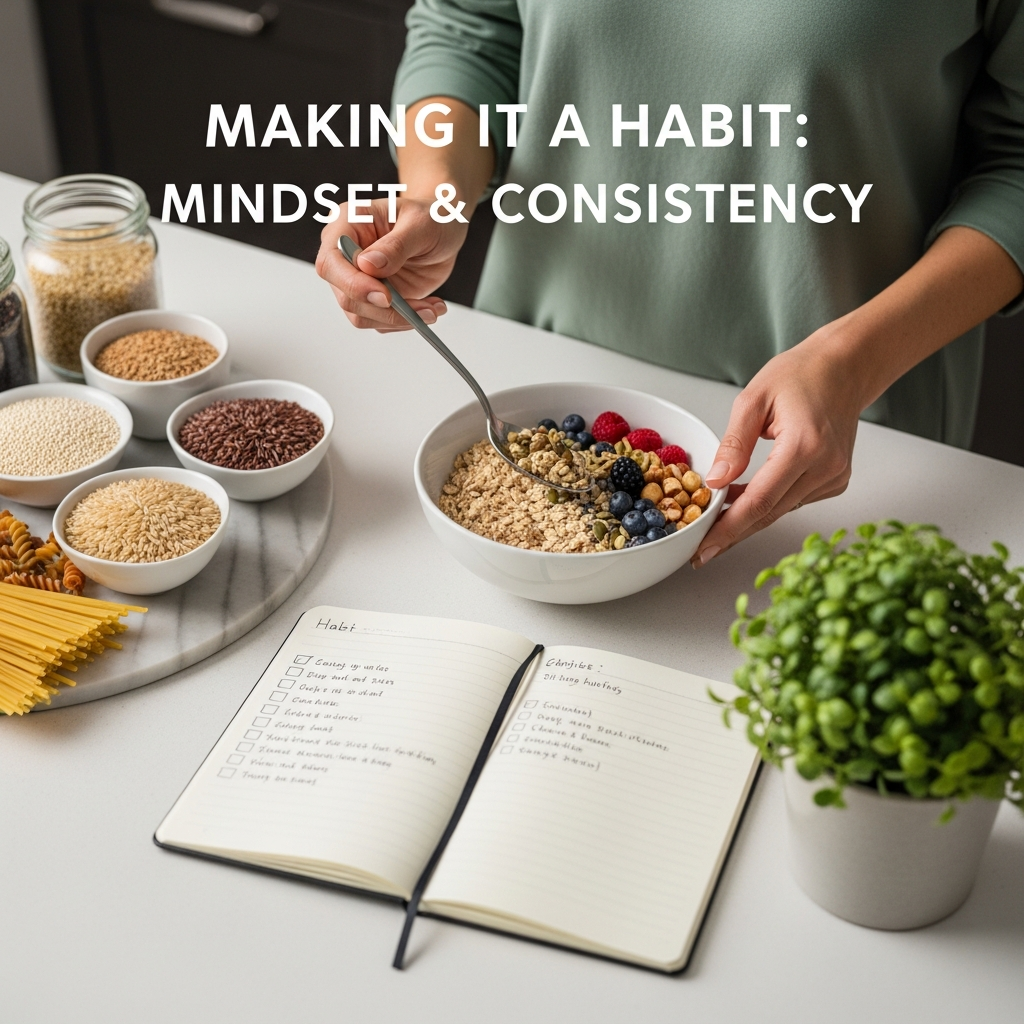
Shifting your eating habits takes time and patience. It’s not about being perfect overnight, but about making small, consistent efforts that build up over time. Here are some mindset tips to help you stay on track with whole grains.
Small Changes Lead to Big Results
Don’t try to overhaul your entire diet at once. Start by replacing one refined grain with a whole grain each day. Once that feels natural, add another. These small, manageable steps are more sustainable than drastic changes.
Plan and Prep for Success
Meal planning and prepping can be your secret weapon. Cook a big batch of brown rice or quinoa at the beginning of the week. This makes it incredibly easy to add a scoop to any meal without extra cooking effort during busy times.
Embrace the Learning Curve
You might not love every whole grain on the first try, and that’s okay. Experiment with different cooking methods, seasonings, and recipes. Give new grains a few chances before deciding if they’re for you.
Listen to Your Body
As you increase your fiber intake from whole grains, your body might need a little time to adjust. Drink plenty of water to aid digestion and help the fiber do its job effectively. Notice how different grains make you feel.
Focus on Progress, Not Perfection
There will be days when you reach for the white bread or regular pasta. Don’t let a single choice derail your efforts. Acknowledge it, learn from it, and get back on track with your next meal. Consistency over time is what truly matters.
Sample Daily Whole Grain Ideas

Here’s a quick look at how you might integrate whole grains throughout a typical day:
* Breakfast: A bowl of steel-cut oats with berries and a sprinkle of nuts.
* Lunch: A large salad topped with grilled chicken and a scoop of cooked quinoa.
* Snack: Whole wheat crackers with hummus or apple slices.
* Dinner: Baked salmon served with a side of steamed broccoli and brown rice.
* Dessert (occasional): A muffin made with whole wheat flour.