

The idea of working out twice in one day can sound appealing. Maybe you’re looking to speed up your fitness progress, training for a big event, or just trying to fit more movement into a busy schedule. Whatever the reason, it’s a common question: Is working out twice a day safe and effective, or is it a recipe for burnout and injury?
It’s a really good question, and the answer isn’t a simple yes or no. Like many things in fitness, it depends on a few key factors: your current fitness level, your goals, the type of workouts you’re doing, and how well you’re supporting your body with rest and nutrition. Let’s dive in and explore what you need to know to make an informed decision for your own health and fitness journey.
The Appeal of Two-a-Day Workouts
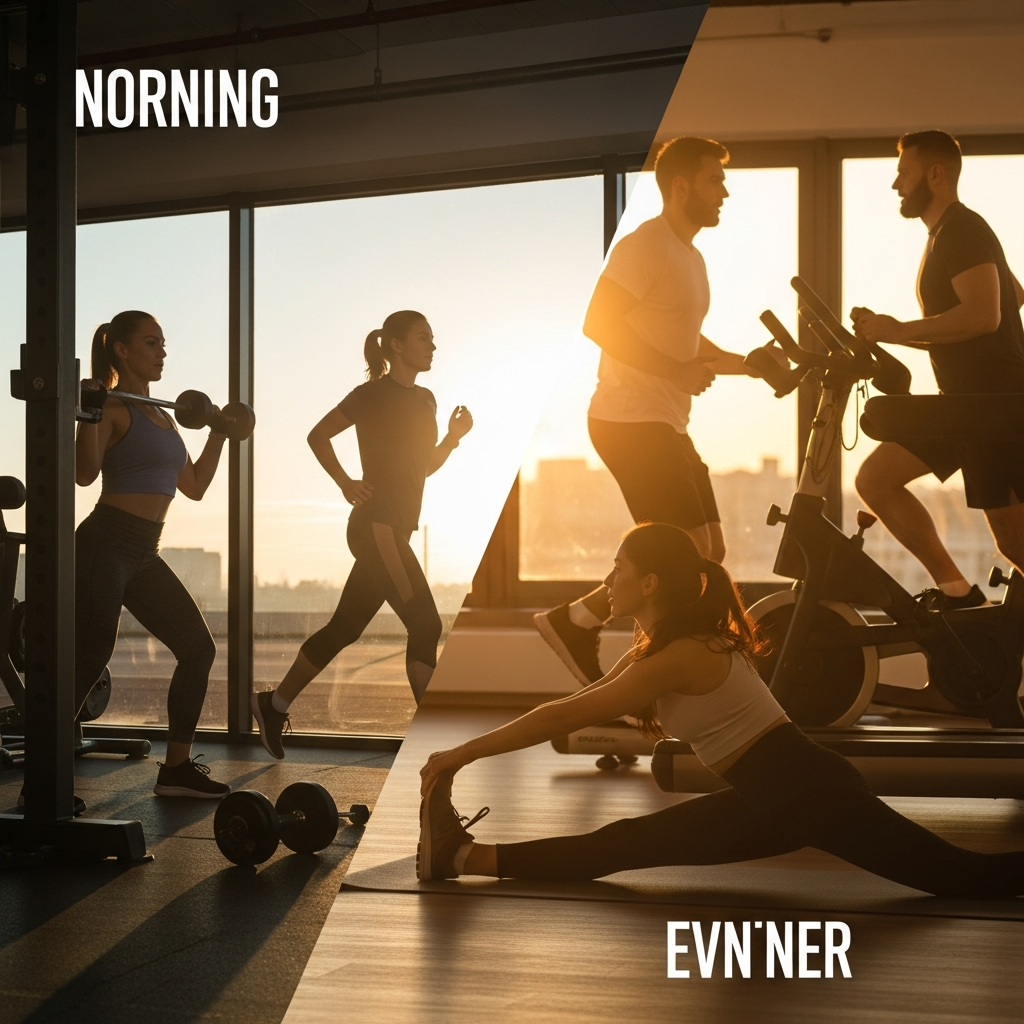
Many people are drawn to the idea of double workouts. There’s a certain feeling of dedication and intensity that comes with it, and it often feels like you’re doing “more” to reach your goals faster.
Why Do People Consider It?
There are several common reasons why someone might think about adding a second workout to their day:
* Faster Results: The belief that more training equals quicker progress in strength, endurance, or fat loss.
* Specific Goals: Training for a marathon, triathlon, or another competitive event often requires high-volume training.
* Time Management: Splitting a longer workout into two shorter sessions can sometimes fit better into a packed daily schedule.
* Skill Development: Practicing a specific skill, like a complex yoga pose or a lifting technique, might benefit from separate, focused sessions.
* Increased Calorie Burn: For those focusing on weight management, more activity generally means more calories burned.
Is It Safe? The Short Answer
So, is it safe to work out twice a day? The short answer is: **it can be, for some people, under the right circumstances.**
It Depends
What does it depend on? A lot!
* Your Current Fitness Level: A seasoned athlete’s body can handle more than someone just starting their fitness journey.
* Your Goals: Training for a powerlifting competition is very different from aiming for general fitness.
* Your Recovery Habits: Are you getting enough sleep, proper nutrition, and managing stress effectively?
* The Type of Workouts: Two intense, full-body resistance training sessions are very different from a morning walk and an evening yoga class.
* Your Overall Lifestyle: Factors like job demands, family commitments, and stress levels all play a role.
For many people, especially beginners or those with moderate fitness goals, one well-structured workout a day is perfectly sufficient and often more sustainable.
Potential Benefits of Working Out Twice a Day

When approached correctly, working out twice a day can offer some distinct advantages. These benefits often come into play for those with specific goals or higher fitness levels.
Improved Performance and Endurance
Splitting your training can allow you to focus on different aspects of performance. For example, a morning cardio session and an evening strength session can improve both your cardiovascular health and muscle strength without one compromising the other due to fatigue within a single workout.
Enhanced Fat Loss and Metabolism
More activity generally means more calories burned throughout the day. If your nutrition and recovery are on point, this increased energy expenditure can contribute to fat loss. Some research also suggests that breaking up workouts can keep your metabolism slightly elevated for longer periods.
Better Time Management and Flexibility
For busy individuals, fitting a single long workout into their day can be tough. Two shorter sessions, perhaps 30-45 minutes each, might be easier to schedule around work, family, or other commitments. This can lead to greater consistency overall.
Specific Skill Development
If you’re trying to master a complex skill, like a handstand or a new lifting technique, separate practice sessions can be incredibly beneficial. You can dedicate one session to skill work when you’re fresh, and another to general conditioning.
The Risks and Downsides to Consider

While the benefits might sound tempting, it’s crucial to be aware of the potential risks. Pushing your body too hard without adequate recovery can lead to serious setbacks.
Overtraining Syndrome
This is perhaps the biggest risk. Overtraining happens when your body simply cannot recover from the demands you’re placing on it. It’s more than just feeling tired; it affects your physical and mental health.
Signs of Overtraining
* Persistent fatigue and lack of energy, even after rest.
* Decreased performance in workouts (e.g., struggling with weights you usually lift easily).
* Increased irritability, mood swings, or feelings of depression.
* Sleep disturbances, such as difficulty falling asleep or waking up frequently.
* Frequent illness, as your immune system can be suppressed.
* Elevated resting heart rate.
* Loss of appetite or unexplained weight loss.
* Persistent muscle soreness or minor aches and pains.
Increased Risk of Injury
When your muscles are constantly fatigued and your body isn’t fully recovered, your form can suffer. Poor form is a primary cause of injuries, from minor strains to more serious issues that can sideline you for weeks or months.
Burnout and Mental Fatigue
Fitness should be an enjoyable and sustainable part of your life. Training twice a day can quickly lead to mental exhaustion and a loss of motivation, turning something you love into a chore. This mental fatigue can be just as debilitating as physical fatigue.
Impact on Sleep and Hormones
Intense exercise too close to bedtime can disrupt your sleep patterns, making it harder to fall asleep or get quality rest. Chronic stress from overtraining can also throw your hormones out of balance, affecting everything from energy levels to mood and recovery.
Nutritional Demands
Working out twice a day significantly increases your body’s energy and nutrient needs. Without proper fueling – adequate calories, protein, carbs, and fats – your body won’t have the resources to recover, build muscle, or perform effectively. This can be challenging to maintain consistently.
Who Might Benefit from Two-a-Day Workouts?

Given the risks, who exactly is working out twice a day a good fit for? It’s a relatively small group, primarily composed of individuals with specific needs and high levels of dedication.
Elite Athletes and Competitors
Professional athletes, Olympic hopefuls, and serious competitors often train multiple times a day. Their bodies are conditioned for it, and their entire lifestyle is built around training, recovery, and nutrition to support these demands. They also usually have a team of coaches, nutritionists, and physical therapists supporting them.
Those with Specific, Short-Term Goals
Someone training for a specific event, like a marathon or a bodybuilding show, might temporarily adopt a two-a-day schedule. This is usually for a defined period, known as a “peak” or “build-up” phase, and is carefully managed to avoid overtraining. It’s not typically a sustainable long-term strategy for everyone.
Individuals with High Fitness Levels
If you’ve been consistently training for years, have a strong foundation of fitness, and understand your body’s recovery needs well, you might be able to incorporate two-a-day sessions safely. Even then, variety, careful planning, and listening to your body are key.
Smart Strategies for Safe Twice-Daily Training

If you’re considering two-a-day workouts, it’s crucial to approach it with a smart, structured, and cautious mindset. Here’s how to do it safely and effectively.
Listen to Your Body
This is non-negotiable. Your body gives you signals. Pay attention to persistent soreness, unusual fatigue, changes in sleep, or a drop in performance. If something feels off, scale back. One “off” day of rest is always better than weeks of injury or overtraining.
Prioritize Recovery
Recovery isn’t just about taking a day off; it’s an active process that needs to be nurtured every single day.
Sleep
Aim for 7-9 hours of quality sleep every night. This is when your body repairs and rebuilds. Without enough sleep, all the extra training you’re doing could be counterproductive.
Nutrition
Fuel your body with nutrient-dense foods. Ensure you’re getting enough protein for muscle repair, carbohydrates for energy, and healthy fats for overall health. Staying well-hydrated throughout the day is also incredibly important.
Active Recovery
On your “rest” days or between intense sessions, consider light activities like walking, gentle stretching, or foam rolling. This can help with blood flow and muscle repair without adding stress.
Stress Management
Life outside the gym can be just as taxing as your workouts. Incorporate stress-reducing activities like meditation, deep breathing, or spending time in nature. High-stress levels can hinder recovery.
Structure Your Workouts Wisely
Don’t just double your usual routine. The types of workouts you do in each session matter a great deal.
Example: Strength & Cardio Split
* Morning: 45-minute strength training session (e.g., upper body).
* Evening: 30-40 minute moderate-intensity cardio (e.g., cycling, brisk walk).
Example: Morning & Evening Focus
* Morning: Shorter, intense session focused on a specific goal (e.g., sprint intervals, heavy compound lifts).
* Evening: Lighter, recovery-focused session (e.g., yoga, stretching, light mobility work, low-intensity cardio).
Avoid training the same major muscle groups intensely in both sessions, especially resistance training. Give your muscles at least 24-48 hours to recover.
Start Slowly and Progress Gradually
Don’t jump straight into two intense workouts a day. Start by adding a very light second session a few times a week, like a 20-minute walk. Gradually increase the duration or intensity as your body adapts, and only if you feel fully recovered.
Work with a Coach
If you’re serious about incorporating two-a-day workouts, especially for performance goals, consider working with a certified personal trainer or coach. They can help design a safe and effective program tailored to your body and goals, and adjust it as needed.
Sample Weekly Plan: A Smart Approach to Two-a-Days

Here’s an example of what a balanced weekly two-a-day schedule might look like for someone with a good fitness base, focusing on variety and recovery. This is just a template; always adjust based on your body’s needs.
| Day | Morning Workout (AM) | Evening Workout (PM) | Focus |
| Monday | 45 min Strength (Lower Body) | 30 min Gentle Yoga / Mobility | Strength & Active Recovery |
| Tuesday | 30 min Moderate Cardio (Run/Cycle) | 45 min Strength (Upper Body) | Cardio & Strength |
| Wednesday | 60 min Low-Intensity Cardio (Walk/Hike) | Rest / Active Recovery (Stretching) | Endurance & Recovery |
| Thursday | 45 min Strength (Full Body Circuit) | 30 min Steady State Cardio | Strength & Cardio |
| Friday | 30 min Interval Training (HIIT) | Rest / Active Recovery (Foam Rolling) | Intensity & Recovery |
| Saturday | Longer Endurance Activity (Bike/Swim) | Rest | Long Endurance & Full Recovery |
| Sunday | Complete Rest Day | Complete Rest Day | Complete Physical & Mental Recovery |
The Mindset of Sustainable Fitness

Ultimately, working out twice a day is just one approach to fitness. What truly matters is building habits that you can stick with for the long haul, that support your overall health and happiness.
Focus on Consistency, Not Intensity
A single consistent workout most days of the week will always yield better results than sporadic bursts of intense, unsustainable training. Find a rhythm that you enjoy and can maintain without feeling overwhelmed.
Enjoy the Journey
Fitness should enhance your life, not consume it or make you miserable. If working out twice a day makes you dread your sessions or feel constantly run down, it’s not serving your well-being. Find joy in movement that feels good for your body.
Be Patient and Adaptable
Fitness is a lifelong journey. There will be days when you feel amazing and days when you need to rest. Be patient with your progress and adaptable to life’s changes. Sometimes, scaling back is the smartest thing you can do for your long-term health.