

Sugar is everywhere. It hides in sauces, breads, cereals, snacks, and even foods that seem “healthy.”
For many people, sugar isn’t just a sweet treat — it’s a daily habit. And while a little sweetness is fine in moderation, too much sugar can take a serious toll on your energy, skin, mood, and overall health.
But here’s the truth: you don’t need to give up sweetness to live a sugar-free lifestyle.
You just need to get smarter about what you eat, become aware of where sugar sneaks in, and build habits that make you feel good — naturally.
If you’ve ever thought, “I could never give up sugar,” this guide is for you. Let’s explore easy, realistic ways to live a sugar-free lifestyle without feeling deprived or overwhelmed.
1. Understand Where Sugar Hides
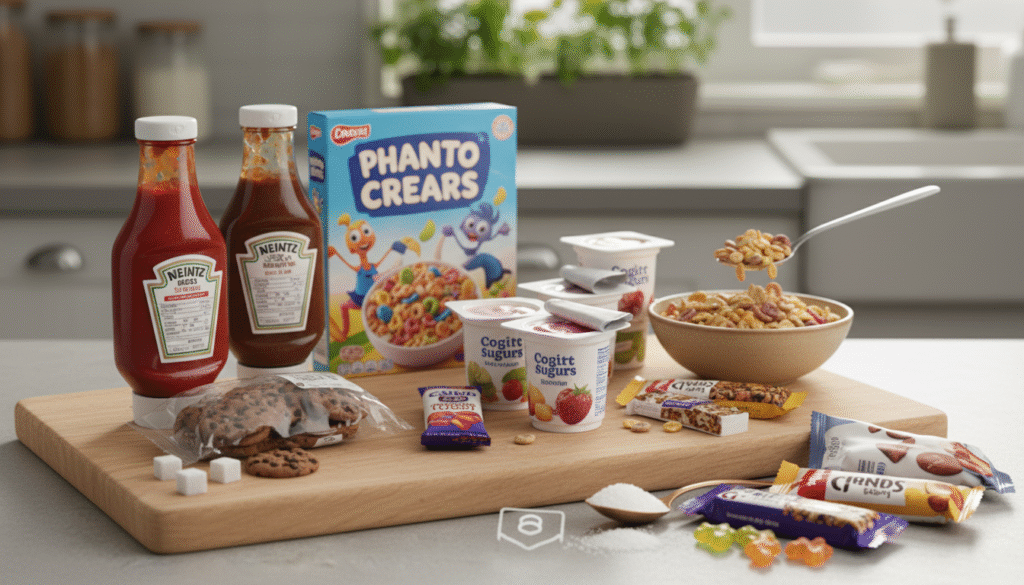
The first step in reducing sugar isn’t cutting everything at once — it’s knowing where it’s coming from.
Sugar hides in more foods than you might think, even in items that seem harmless or “healthy.”
Common hidden sources of sugar include:
- Salad dressings and sauces (especially ketchup and BBQ sauce)
- Yogurts and flavored milk
- Granola bars and protein bars
- Breakfast cereals
- Bread and packaged snacks
- “Low-fat” or “diet” foods (often loaded with sugar to add flavor)
- Canned soups or pasta sauces
- Energy drinks and fruit juices
Tip: Start reading labels. Anything ending in “-ose” (like fructose, sucrose, glucose) is a form of sugar. You’ll be surprised how often it shows up.
2. Take It One Step at a Time
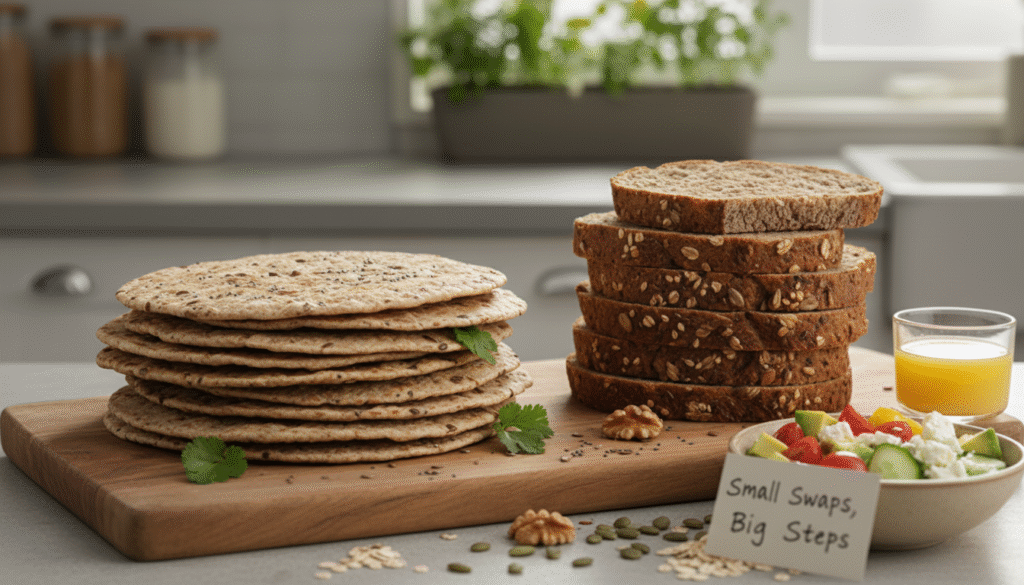
Quitting sugar cold turkey can lead to withdrawal symptoms like fatigue, cravings, and mood swings. Instead of cutting everything overnight, take it slowly.
Here’s a simple approach:
- Week 1: Cut sugary drinks (soda, energy drinks, sweetened coffee).
- Week 2: Swap sugary snacks for fruit, nuts, or dark chocolate.
- Week 3: Replace refined carbs (white bread, pasta) with whole grains.
- Week 4: Eliminate hidden sugars by reading labels carefully.
By making gradual changes, your taste buds and energy levels will adjust naturally — and you’ll stick with it longer.
3. Choose Whole, Natural Foods
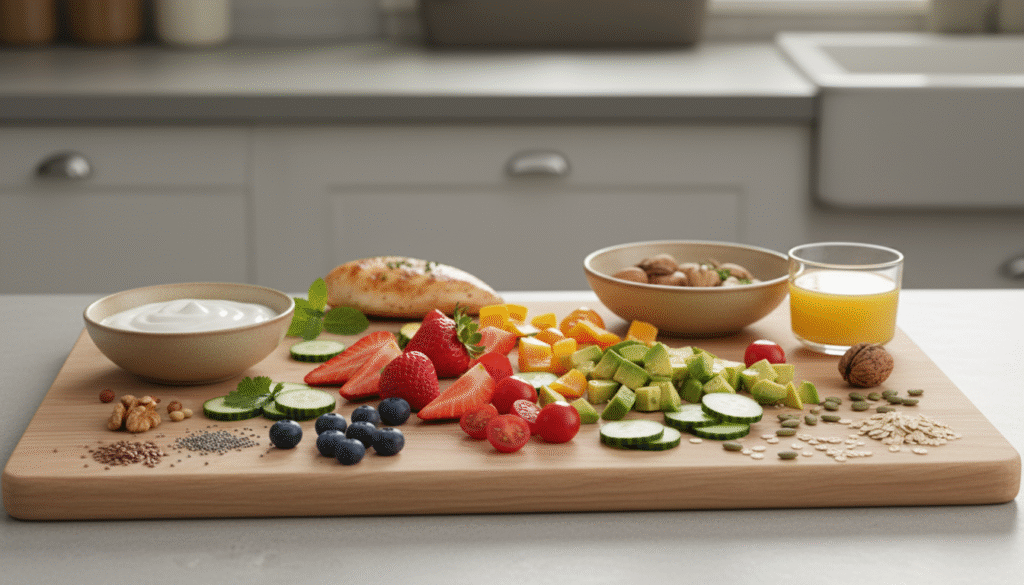
Processed foods are the biggest source of added sugar in most diets. The more you eat whole, real foods, the easier it is to avoid sugar automatically.
Focus on:
- Fresh fruits and vegetables
- Whole grains (quinoa, brown rice, oats)
- Lean proteins (chicken, eggs, fish, tofu, beans)
- Healthy fats (avocado, nuts, olive oil)
When your meals are built around real ingredients, you won’t need sugar for flavor — the food itself will taste richer and more satisfying.
4. Swap Sugary Drinks for Healthier Options

One of the fastest ways to reduce sugar is by ditching sweetened drinks. Soda, flavored coffees, and even fruit juices are loaded with sugar — often more than desserts.
Healthier drink options:
- Water with lemon, mint, or cucumber
- Sparkling water with a splash of lime
- Herbal teas (iced or hot)
- Black coffee or coffee with unsweetened milk
- Smoothies made with whole fruit (not juice)
If you love soda, try mixing sparkling water with a small splash of 100% fruit juice — you’ll still get flavor without the sugar overload.
5. Find Smarter Ways to Sweeten Food
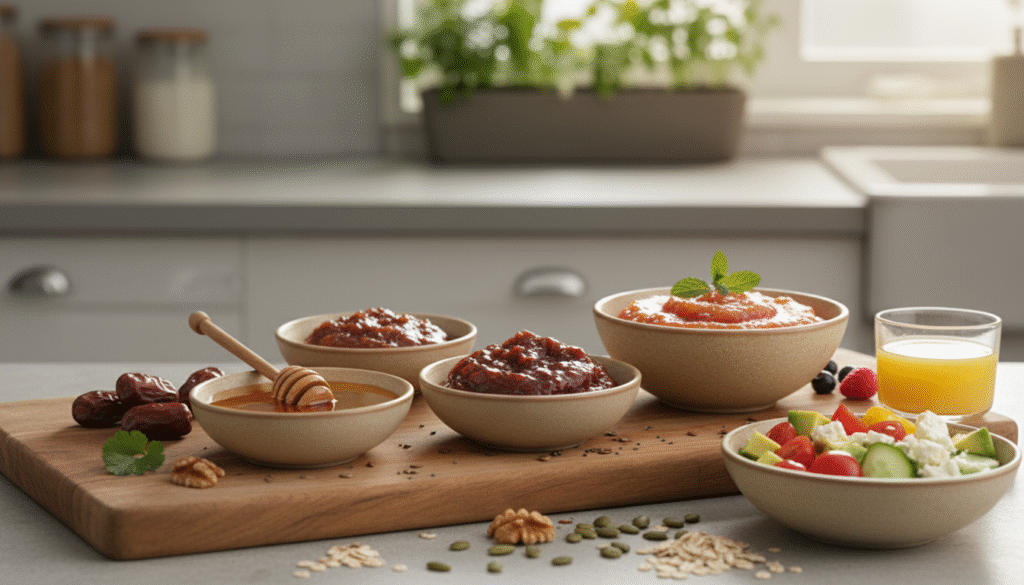
You don’t need to give up sweetness completely — just choose smarter sources.
Better alternatives to refined sugar:
- Raw honey: Natural and full of antioxidants (use sparingly).
- Pure maple syrup: Unprocessed and flavorful, but still use in moderation.
- Stevia or monk fruit: Zero-calorie natural sweeteners with no sugar spike.
- Dates or mashed banana: Perfect for baking or smoothies.
Experiment until you find the option that works best for you. The goal isn’t to make everything taste sweet again — it’s to retrain your palate to enjoy real flavor.
6. Balance Your Blood Sugar with Protein and Fiber
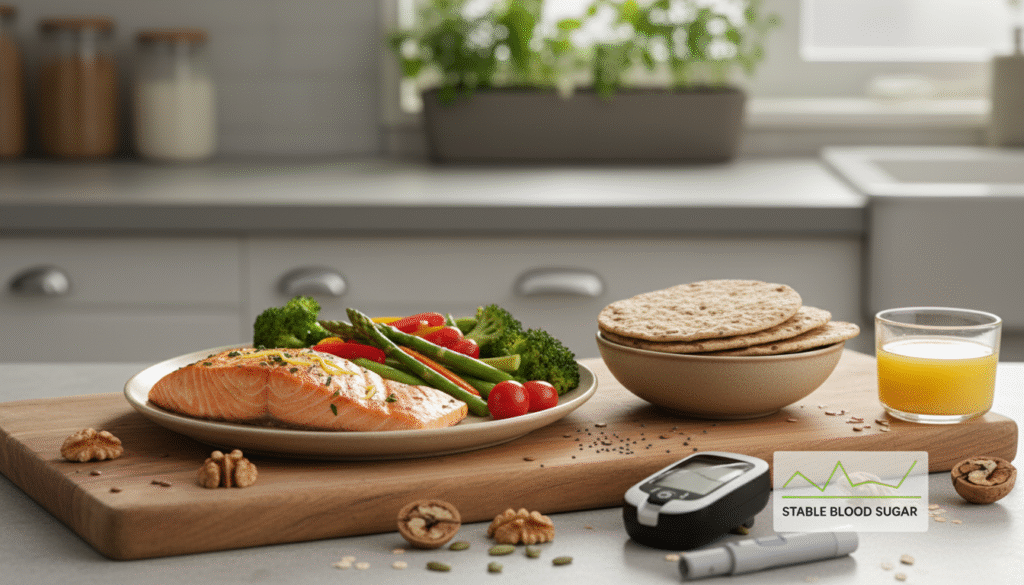
One reason we crave sugar is unstable blood sugar levels. When you eat high-sugar foods, your blood sugar spikes, then crashes — leaving you tired and hungry again.
Prevent this by eating balanced meals:
- Include protein in every meal (eggs, chicken, tofu, beans, Greek yogurt).
- Add fiber-rich foods (vegetables, oats, chia seeds, lentils).
- Pair carbs with protein or fat to slow digestion.
When your blood sugar stays stable, your energy and mood stay steady — and those sugar cravings fade naturally.
7. Learn to Read Labels Like a Pro
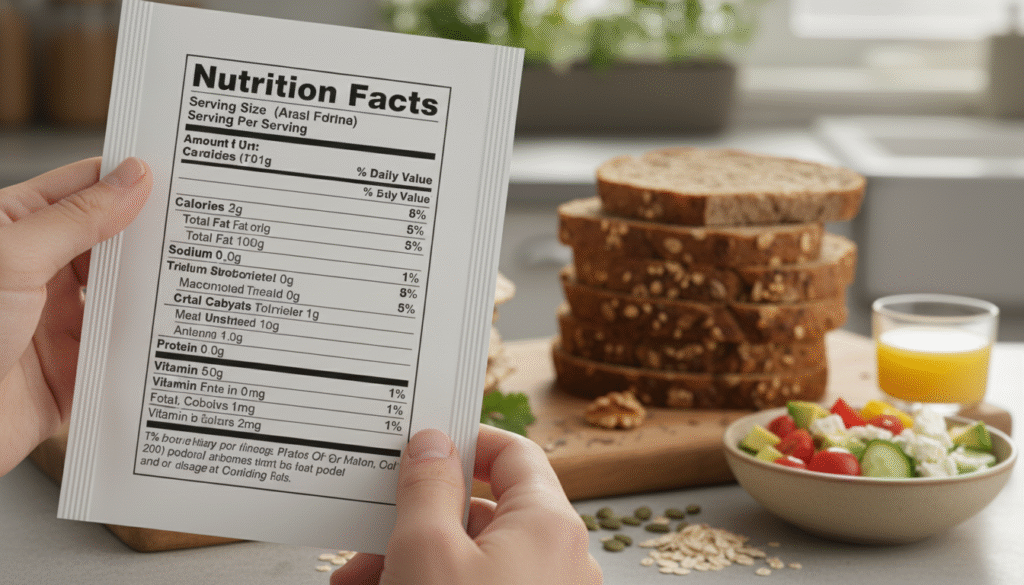
Even when you try to eat healthy, sugar can sneak in under different names.
In fact, there are over 50 names for sugar used on ingredient lists.
Common ones include:
- High fructose corn syrup
- Cane sugar or cane juice
- Agave nectar
- Brown rice syrup
- Maltose, dextrose, glucose
- Fruit juice concentrate
Tips for reading labels:
- Ingredients are listed by quantity — if sugar (or its aliases) is one of the first three, skip it.
- “No added sugar” doesn’t mean “no sugar” — natural sugars may still be high.
- Look for products with less than 5g of sugar per serving.
Knowledge is power — and reading labels is one of your strongest sugar-free tools.
8. Prep Sugar-Free Snacks You Actually Enjoy

When you’re hungry and in a rush, it’s easy to grab sugary snacks. The solution? Have sugar-free snacks ready to go.
Great options include:
- Apple slices with almond butter
- Greek yogurt with cinnamon and nuts
- Roasted chickpeas or edamame
- Homemade popcorn (no added sugar)
- Veggies with hummus
- Hard-boiled eggs or cheese cubes
When healthy snacks are easy to grab, you won’t miss the sugary ones.
9. Be Smart About “Healthy” Foods
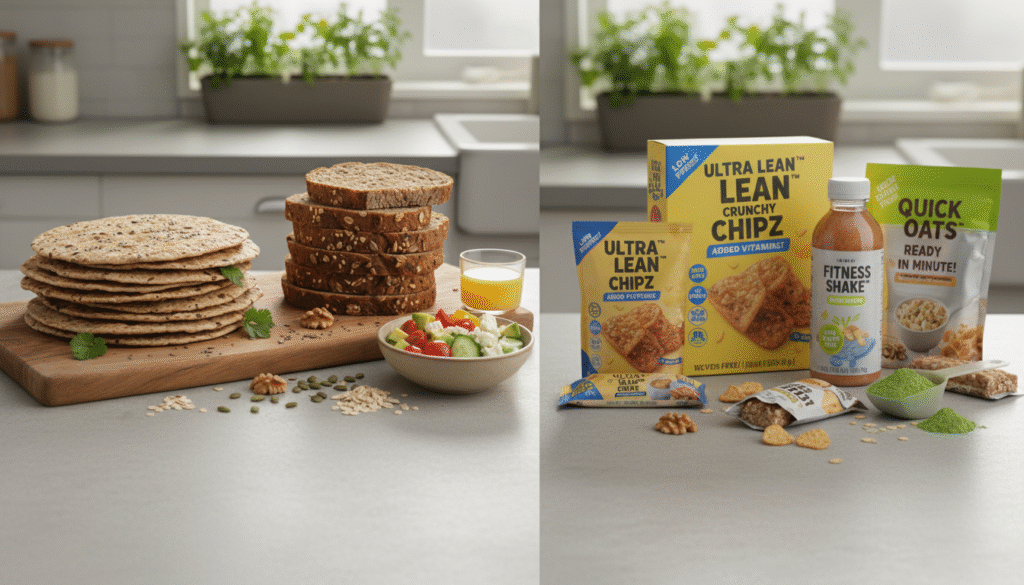
Many foods that sound healthy are secretly packed with sugar.
Watch out for:
- Flavored yogurts (opt for plain, add your own fruit)
- Granola and cereal (make your own with oats, nuts, and coconut)
- Energy bars (check sugar content — some have more than candy bars)
- Store-bought smoothies (often loaded with fruit juice and syrup)
The best rule of thumb? If it comes in a box, bag, or bottle, check the label.
10. Satisfy Cravings the Smart Way
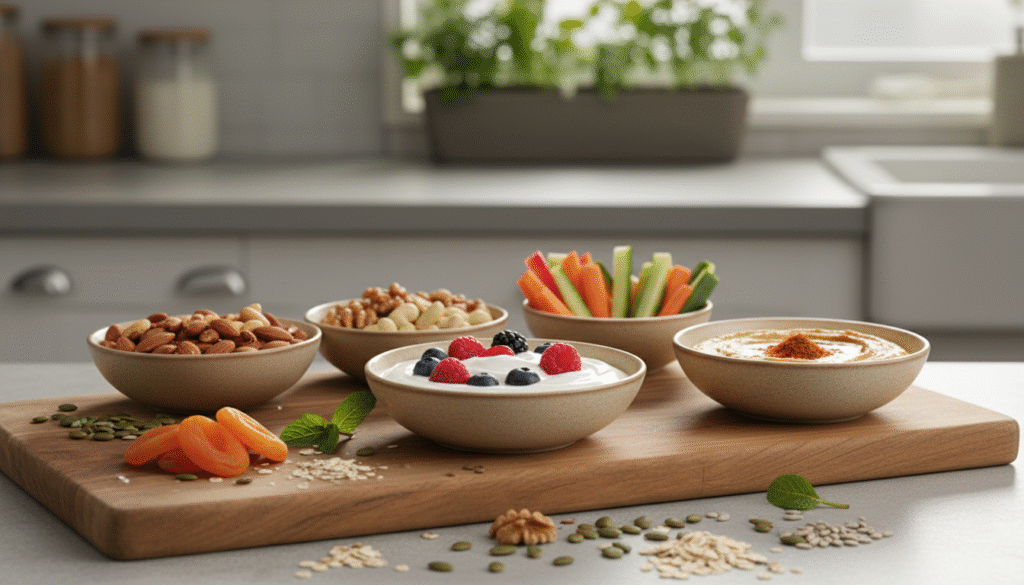
Cravings are normal, especially when you’re cutting back on sugar. Instead of fighting them, learn to redirect them.
Smart craving swaps:
- Craving something sweet? Try berries, apples, or dates.
- Craving chocolate? Go for 70% dark chocolate or higher.
- Craving dessert after dinner? Brew cinnamon or vanilla tea.
- Craving crunch? Choose roasted nuts instead of cookies.
Over time, your taste buds adjust — and you’ll start to prefer natural sweetness over artificial sugar highs.
11. Watch Out for Emotional Eating
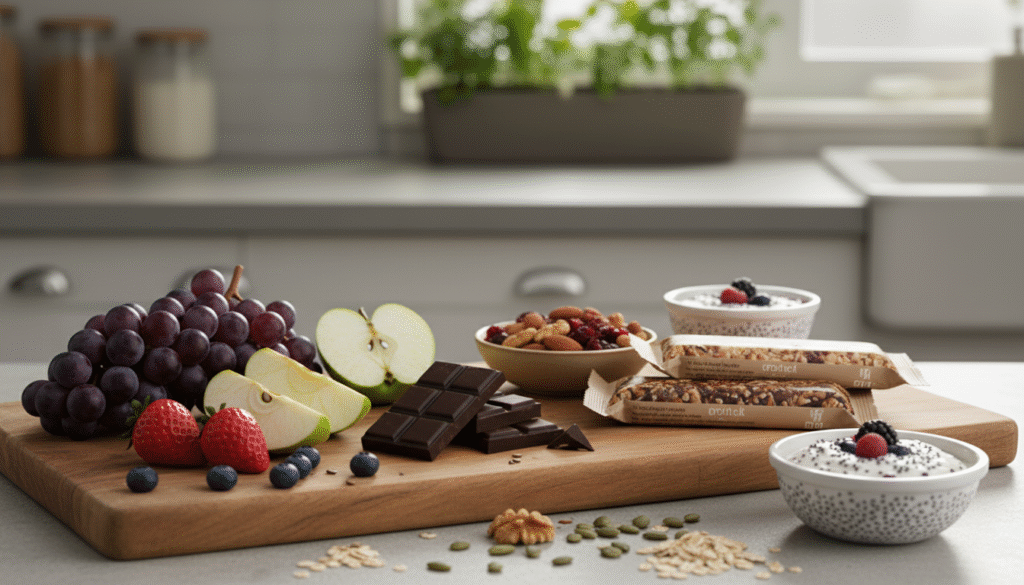
Sugar gives an instant comfort hit — that’s why we crave it when we’re stressed, tired, or sad.
But emotional sugar fixes often lead to guilt and energy crashes later.
Instead of reaching for sweets, find healthier comfort rituals:
- Take a walk or stretch.
- Call a friend or journal your thoughts.
- Drink herbal tea or warm milk.
- Listen to music or practice deep breathing.
Your emotions deserve attention — not a sugar bandage.
12. Get Enough Sleep and Manage Stress

Lack of sleep and high stress both increase cravings for sugary foods. Your body looks for quick energy and comfort when it’s running on empty.
Healthy habits to reduce sugar triggers:
- Aim for 7–8 hours of sleep each night.
- Practice mindfulness, meditation, or prayer.
- Move your body — even short walks reduce stress.
- Eat regularly to prevent hunger-based cravings.
Taking care of your body naturally lowers your desire for sugar — because you’re no longer running on fumes.
13. Relearn the Taste of Real Food
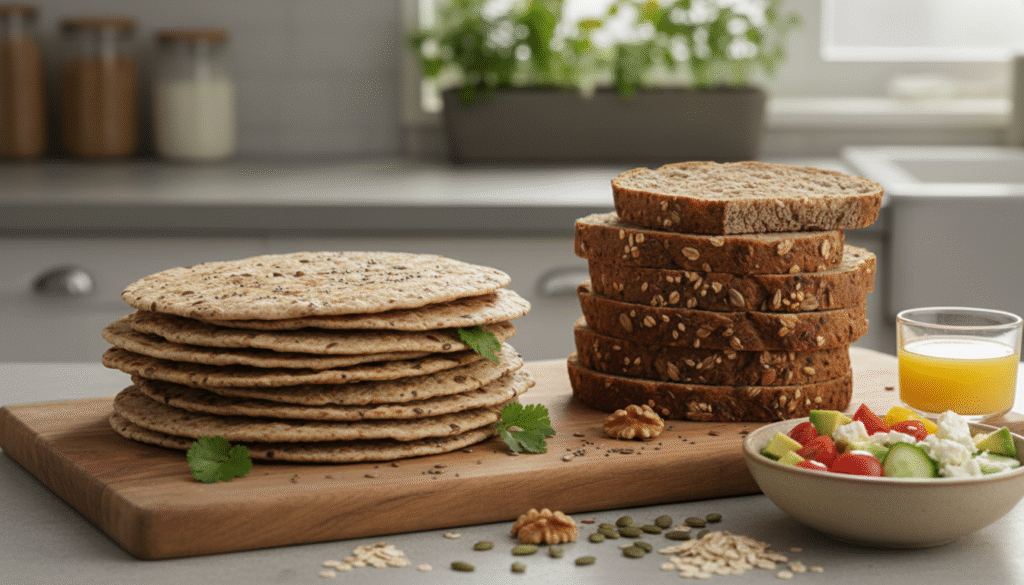
After cutting back on sugar, something amazing happens — your taste buds change.
Foods that once seemed “plain” start to taste naturally sweet and satisfying.
You’ll begin to notice the sweetness in apples, the richness of roasted veggies, and the creaminess of whole foods without needing extra sugar.
The less sugar you eat, the less you crave it — and that’s real freedom.
14. Allow Yourself Grace and Flexibility

Living sugar-free doesn’t mean you’ll never touch sugar again. Life includes birthdays, holidays, and celebrations — and that’s okay.
The goal isn’t perfection; it’s awareness and balance.
If you have dessert, enjoy it — mindfully, slowly, and without guilt. Then get back to your healthy habits the next day.
That’s how you make a sugar-free lifestyle sustainable for the long run.
15. Remember Why You Started
When sugar cravings hit, remind yourself of your “why.”
Maybe it’s more energy.
Maybe it’s better skin or improved focus.
Maybe it’s feeling confident in your body again.
Whatever your reason, keep it close. Living with intention makes every choice easier — and every result more meaningful.
Final Thoughts
Living a sugar-free lifestyle isn’t about deprivation — it’s about freedom.
Freedom from energy crashes, mood swings, and cravings that control your choices.
When you focus on whole foods, balanced meals, and mindful habits, your body finds its natural rhythm again.
And the best part? You start to feel good — clear-headed, energized, and in control.
You don’t need perfection. You just need progress — one smart, sugar-free choice at a time.
Because when you take back your health, your confidence, energy, and happiness follow.
And that’s the sweetest reward of all.