Turning 40 often brings a new perspective on health and vitality. It’s a time when many women start to notice subtle shifts in their bodies—energy levels, metabolism, and even bone density. While these changes are natural, they don’t have to dictate your strength or your future. In fact, your 40s and beyond can be a powerful time to embrace a stronger, more resilient you, and full body strength training is your ultimate ally.
This guide is designed for you—the woman who wants to feel strong, confident, and capable in every aspect of her life. We’ll explore why strength training is uniquely beneficial after 40, break down the best full body exercises, and provide practical tips to make fitness a consistent and joyful part of your routine. Get ready to redefine what’s possible and unlock your incredible potential.
Why Strength Training Matters After 40
As we navigate our 40s, our bodies undergo significant physiological changes, primarily driven by hormonal shifts. Understanding these changes is the first step toward strategically supporting your health through strength training.
Understanding Hormonal Shifts
Around age 40, many women begin the journey into perimenopause, leading to fluctuating estrogen levels. This can impact muscle mass, fat distribution, and metabolism. Strength training helps mitigate muscle loss (sarcopenia) that naturally accelerates with age and hormonal shifts, preserving your strength and metabolic rate.
Combatting Bone Density Loss
Osteoporosis risk increases significantly after 40, especially post-menopause. Strength training, particularly weight-bearing exercises, puts stress on your bones, signaling them to rebuild and become denser. This is a critical defense against fractures and maintaining skeletal health for decades to come.
Boosting Metabolism and Body Composition
Muscle is metabolically active tissue, meaning it burns more calories at rest than fat. By building and maintaining muscle mass, strength training effectively boosts your resting metabolism, making it easier to manage your weight and improve your body composition—even if your diet remains consistent. It helps reshape your body, creating a leaner, stronger physique.
Enhancing Everyday Function and Longevity
Beyond aesthetics, strength training improves functional strength. This means everyday tasks—carrying groceries, lifting children or grandchildren, climbing stairs—become easier and safer. A stronger body also translates to better balance, reduced risk of falls, and a greater capacity to enjoy an active, independent life well into your later years. It’s about building a foundation for long-term health and vitality.
Foundational Principles for Women Over 40
To maximize your results and ensure safety, especially as you begin or return to strength training, it’s essential to adhere to a few core principles. These aren’t just rules; they’re your roadmap to sustainable progress.
Prioritizing Proper Form
Good form is non-negotiable. It protects you from injury and ensures that the target muscles are effectively engaged. Start with lighter weights or even just your body weight to master the movement pattern. Consider watching instructional videos, using mirrors, or even working with a qualified trainer to perfect your technique. Quality always trumps quantity when it comes to repetitions.
Progressive Overload Explained
To get stronger, your muscles need to be consistently challenged. This is the principle of progressive overload. It doesn’t mean you have to lift extremely heavy weights immediately. It means gradually increasing the demands on your muscles over time. This could involve:
- Increasing the weight you lift
- Doing more repetitions with the same weight
- Adding more sets
- Reducing rest time between sets
- Improving your form to make an exercise harder
The key is gradual, consistent progression.
Importance of Recovery and Nutrition
Your muscles don’t grow in the gym; they grow during recovery. Adequate sleep (7-9 hours) is crucial for muscle repair and hormone regulation. Nutrition also plays a vital role. Ensure you’re consuming enough protein (around 0.7-1 gram per pound of body weight) to support muscle synthesis, along with complex carbohydrates for energy and healthy fats for overall health.
Listening to Your Body
This is perhaps the most important principle, especially as we age. Your body will give you signals—pay attention to them. Some muscle soreness is normal after a good workout, but sharp pain is a warning sign. Don’t be afraid to modify exercises, take extra rest days, or seek professional advice if something doesn’t feel right. Consistency over intensity prevents burnout and injury.
The Best Full Body Exercises
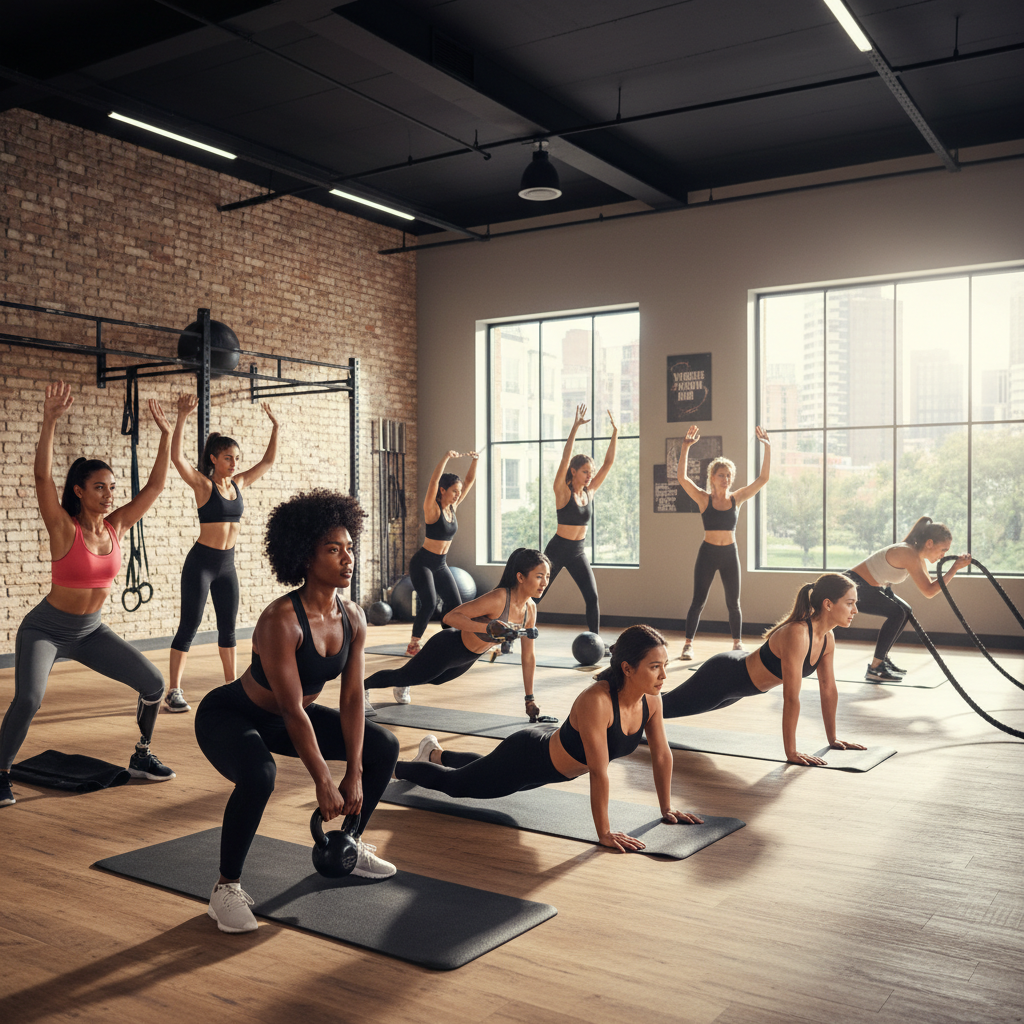
Full body workouts are incredibly efficient, working multiple muscle groups simultaneously. This approach saves time and maximizes your calorie burn, making it perfect for busy women over 40. Here are some foundational exercises to include:
Lower Body Power- Squats, Lunges, Deadlifts
These exercises are fundamental for building strong legs, glutes, and core, and are fantastic for bone density.
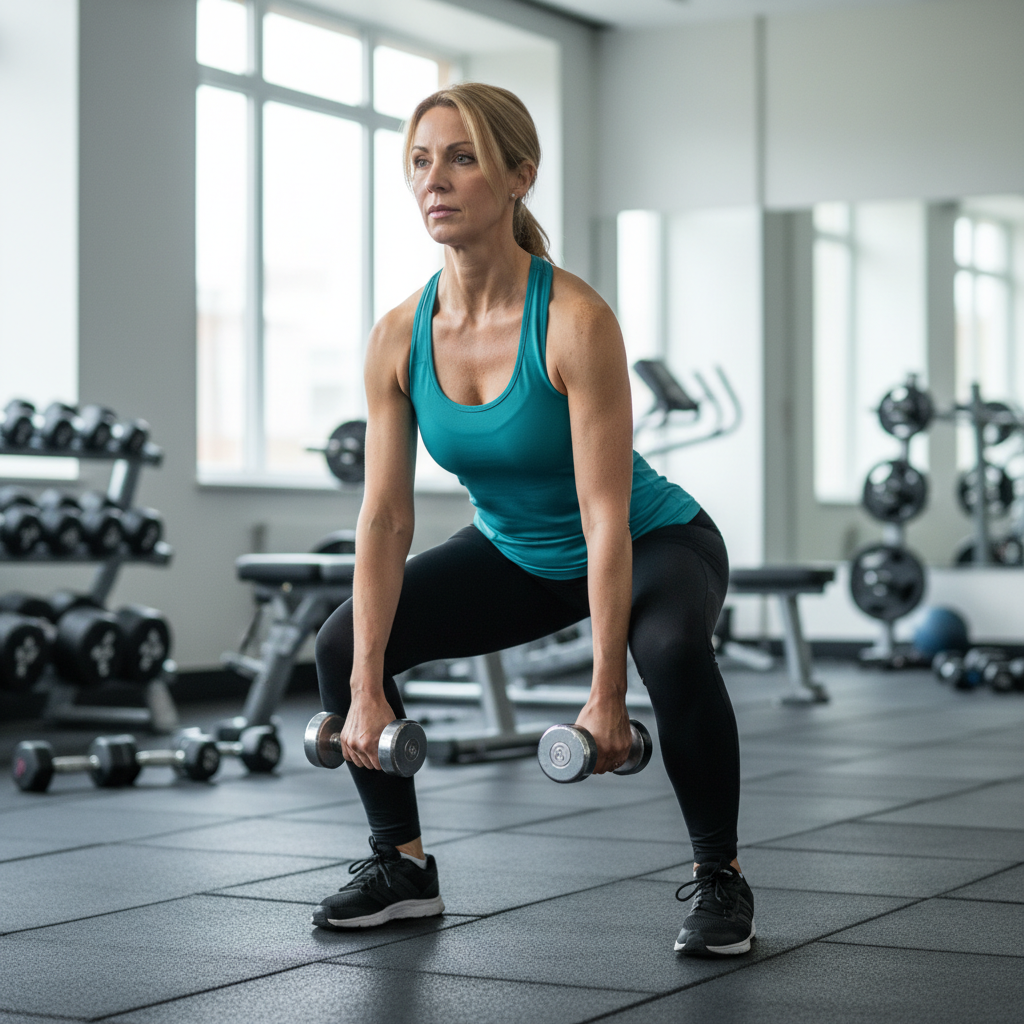
- Squats: Stand with feet shoulder-width apart, chest up. Lower your hips as if sitting in a chair, keeping your back straight. Go as deep as comfortable, ideally until your thighs are parallel to the floor. Variations: Bodyweight squats, goblet squats (holding a dumbbell at your chest).
- Lunges: Step forward with one leg, lowering your hips until both knees are bent at approximately a 90-degree angle. Ensure your front knee is over your ankle and your back knee hovers above the floor. Push back to the start. Alternate legs. Variations: Static lunges, reverse lunges.
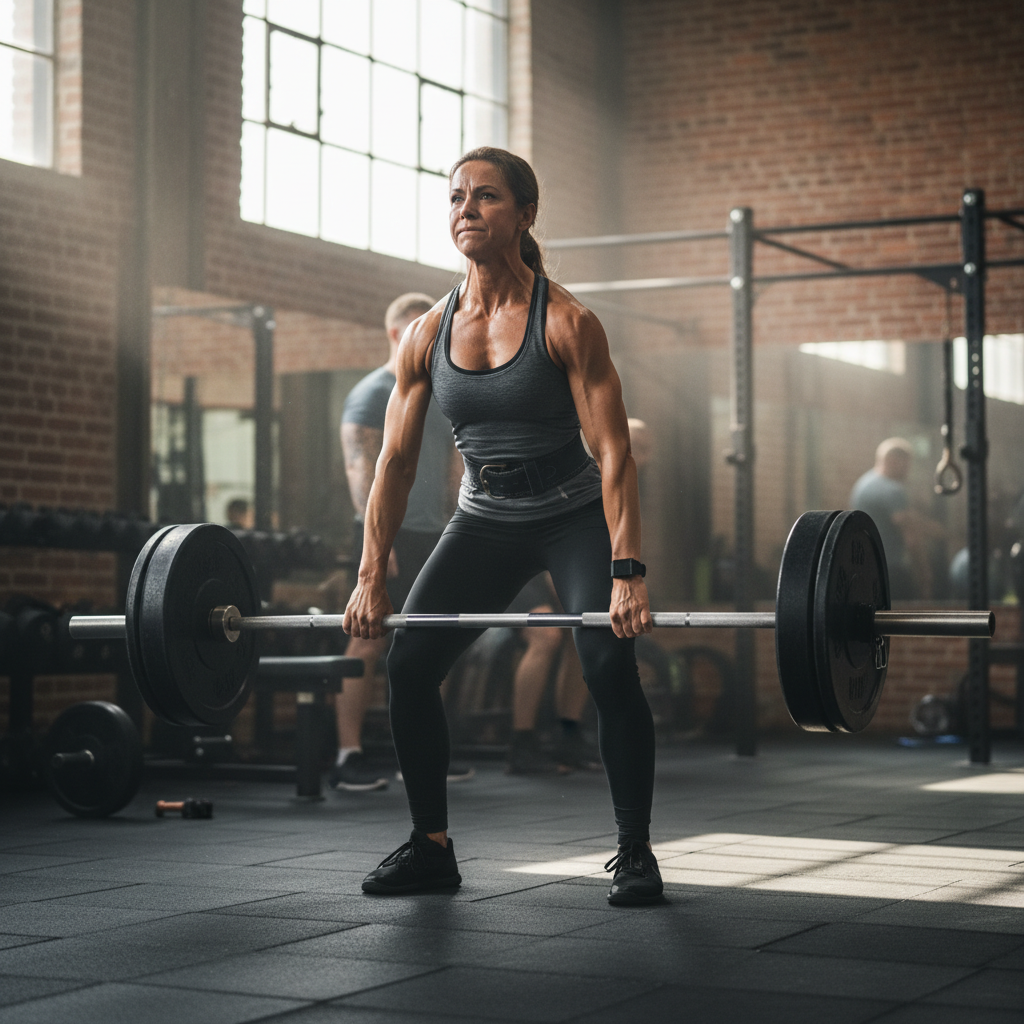
- Romanian Deadlifts (RDLs): A safer starting point than traditional deadlifts. Hold dumbbells in front of your thighs. With a slight bend in your knees, hinge at your hips, keeping your back straight and the weights close to your legs. Lower until you feel a stretch in your hamstrings, then return to standing, squeezing your glutes.
Upper Body Strength- Push-ups, Rows, Overhead Press
Building upper body strength helps with posture, everyday lifting, and overall functional fitness.
- Push-ups: Start on hands and knees or hands and feet (plank position). Lower your chest towards the floor, keeping your body in a straight line. Push back up. Variations: Incline push-ups (hands on a bench or wall), knee push-ups.
- Dumbbell Rows: Hinge at your hips, keeping your back flat. Hold a dumbbell in each hand, palms facing each other. Pull the dumbbells towards your chest, squeezing your shoulder blades together. Slowly lower.
- Overhead Press: Stand or sit with a dumbbell in each hand at shoulder height, palms facing forward. Press the dumbbells directly overhead until your arms are fully extended. Slowly lower.
Core Stability- Planks, Bird-Dog
A strong core is vital for stability, preventing back pain, and supporting all other movements.
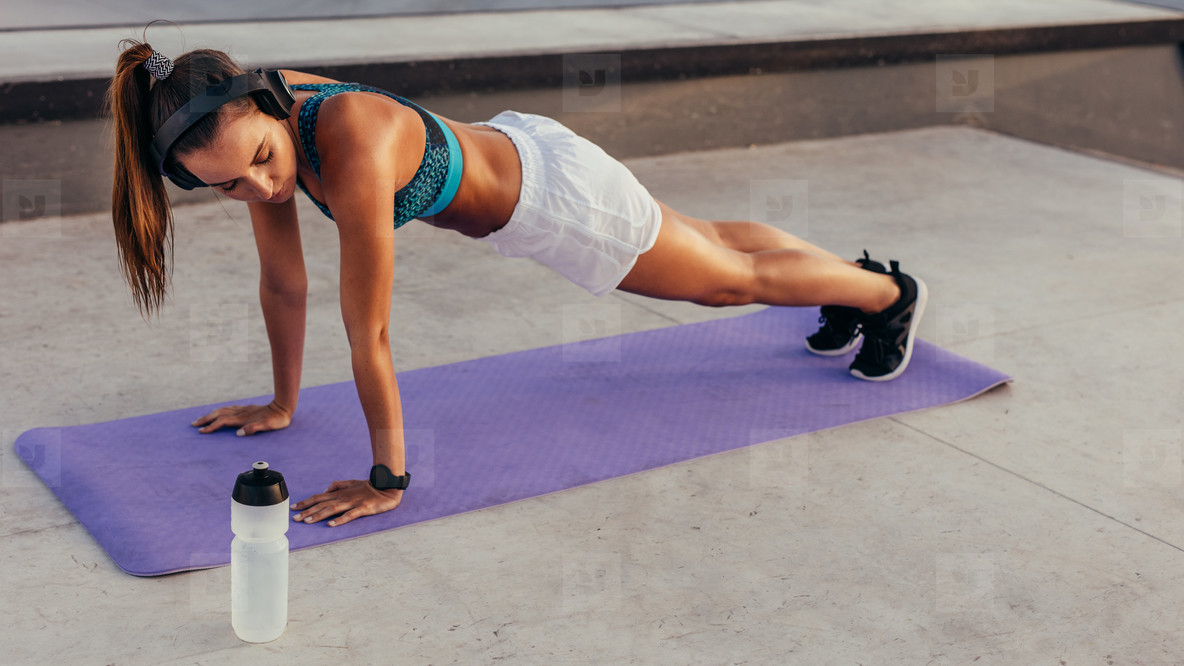
- Plank: Hold a push-up position, either on your hands or forearms, keeping your body in a straight line from head to heels. Engage your core, avoiding sagging hips or arching your back. Hold for time.
- Bird-Dog: Start on hands and knees. Simultaneously extend one arm forward and the opposite leg straight back, keeping your core tight and hips level. Return to start and switch sides.
Compound Movements for Maximum Impact
The beauty of these exercises is that many are compound movements—they engage multiple joints and muscle groups at once. This makes them highly efficient and effective for building overall strength, burning calories, and improving coordination. Think of a squat engaging your quads, hamstrings, glutes, and core all at once!
Sample Weekly Full Body Workout Plan
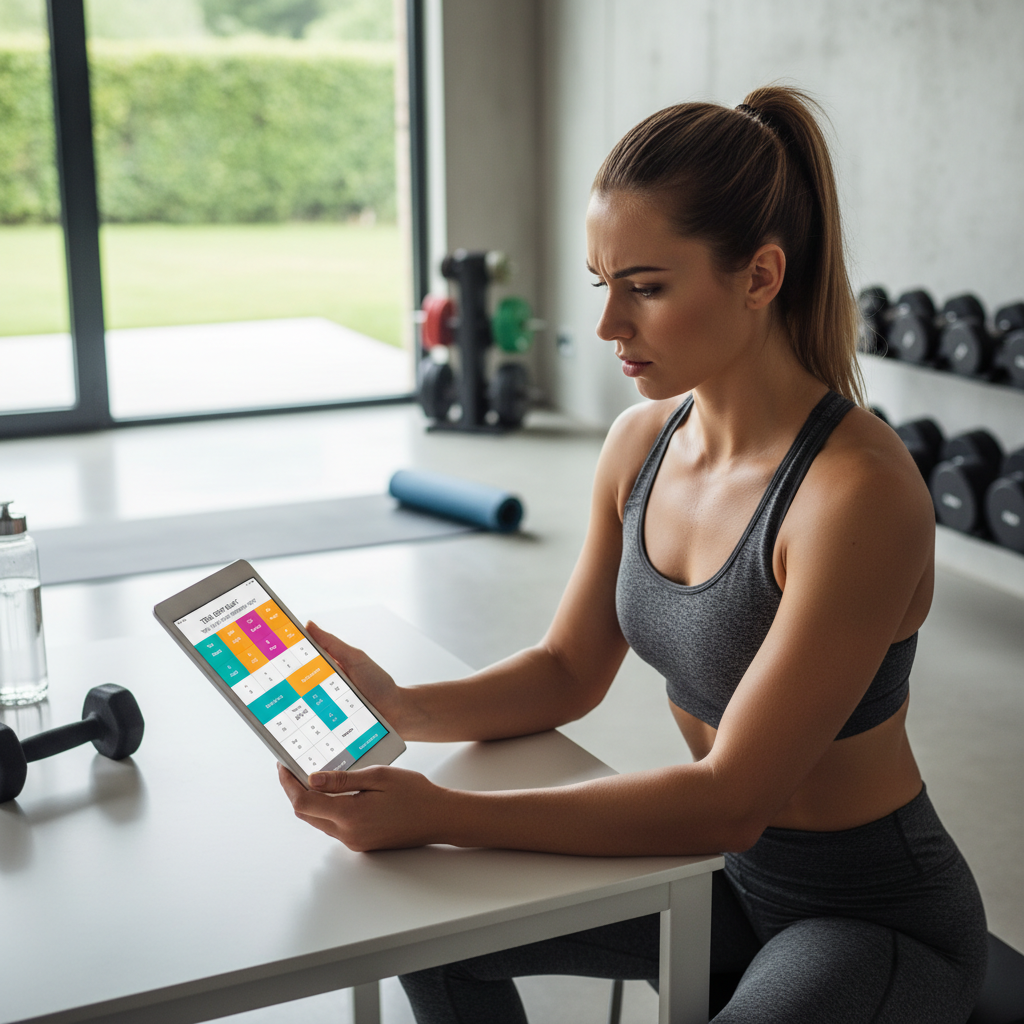
This sample plan is designed for 2-3 full body workouts per week, allowing for adequate recovery. Remember to warm up for 5-10 minutes with light cardio and dynamic stretches before each session, and cool down with static stretches afterward.
Workout Schedule Example
| Day | Focus | Activity |
|---|---|---|
| Monday | Full Body A | Strength Training |
| Tuesday | Active Recovery | Walk, Yoga, Light Cardio |
| Wednesday | Full Body B | Strength Training |
| Thursday | Rest or Flexibility | Stretching, Foam Rolling |
| Friday | Full Body C | Strength Training |
| Saturday | Active Recovery | Walk, Hike, Swim |
| Sunday | Rest | Complete Rest |
Workout A
- Goblet Squats: 3 sets of 8-12 reps
- Dumbbell Rows: 3 sets of 8-12 reps per arm
- Incline Push-ups: 3 sets of 8-15 reps
- Plank: 3 sets, hold for 30-60 seconds
- Bicep Curls: 2 sets of 10-15 reps
Workout B
- Romanian Deadlifts (Dumbbells): 3 sets of 8-12 reps
- Overhead Press (Dumbbells): 3 sets of 8-12 reps
- Reverse Lunges: 3 sets of 10-15 reps per leg
- Bird-Dog: 3 sets of 10-12 reps per side
- Tricep Extensions (overhead or kickbacks): 2 sets of 10-15 reps
Workout C
- Bodyweight or Sumo Squats: 3 sets of 12-15 reps
- Push-ups (on knees or full): 3 sets of max reps
- Single Arm Dumbbell Rows: 3 sets of 10-12 reps per arm
- Side Plank: 3 sets, hold for 20-40 seconds per side
- Glute Bridges: 3 sets of 12-15 reps
Adjust weights and repetitions based on your fitness level. The last 2-3 reps of each set should feel challenging, but you should still maintain good form.
Integrating Cardio and Flexibility
While strength training is paramount, don’t forget the benefits of cardiovascular exercise for heart health and flexibility for mobility. Aim for 150 minutes of moderate-intensity cardio (like brisk walking, cycling, or swimming) per week. Incorporate stretching or yoga sessions 2-3 times a week to maintain range of motion and prevent stiffness.
Mindset and Consistency- Staying Strong for Life
Starting a strength training routine is one thing; sticking with it for the long haul is another. Your mindset is just as important as your muscles. Cultivating consistency and a positive outlook will be your secret weapons.
Setting Realistic Goals
Avoid the trap of perfectionism. Start small, celebrate progress, and understand that consistency beats intensity every time. Instead of aiming for a specific weight loss number, focus on performance goals—like doing one more push-up, lifting slightly heavier, or simply completing all your scheduled workouts for the week. Realistic goals prevent overwhelm and build momentum.
Finding Your Motivation
What truly drives you? Is it the desire to keep up with your grandkids, to feel more energetic, to prevent disease, or simply to feel amazing in your own skin? Connect with your intrinsic motivation—the internal reasons that fuel your desire to be strong and healthy. Write them down and revisit them often. Find a workout buddy or join a community for external support and accountability.
Making it a Habit
Consistency is built on habit. Try to schedule your workouts at the same time on the same days each week. Treat them like important appointments you can’t miss. Lay out your workout clothes the night before, prepare a post-workout snack, or create a motivating playlist. These small rituals can make a big difference in making fitness an automatic part of your life.
Celebrating Small Victories
Every step forward, no matter how small, deserves recognition. Did you complete your workout even when you felt tired? Did you increase your weight by a tiny amount? Did you manage an extra rep? Acknowledge these achievements. They build confidence, reinforce positive behavior, and keep you engaged on your journey. Your strength journey is a marathon, not a sprint, and every milestone matters.
Conclusion
Embracing full body strength training after 40 isn’t just about building muscle; it’s about building a stronger, more vibrant foundation for the rest of your life. It’s about empowering yourself to navigate hormonal changes with grace, fortify your bones against time, ignite your metabolism, and most importantly, reclaim your inherent strength and vitality.
You possess an incredible capacity for growth and resilience. Don’t let age be a barrier to becoming the strongest version of yourself. Start today, even with just a few exercises. Be patient, be persistent, and above all, be kind to yourself. Your body is capable of amazing things, and with consistent effort, you will unlock a level of strength, confidence, and well-being you never thought possible. Step into your power; your strongest years are ahead of you.