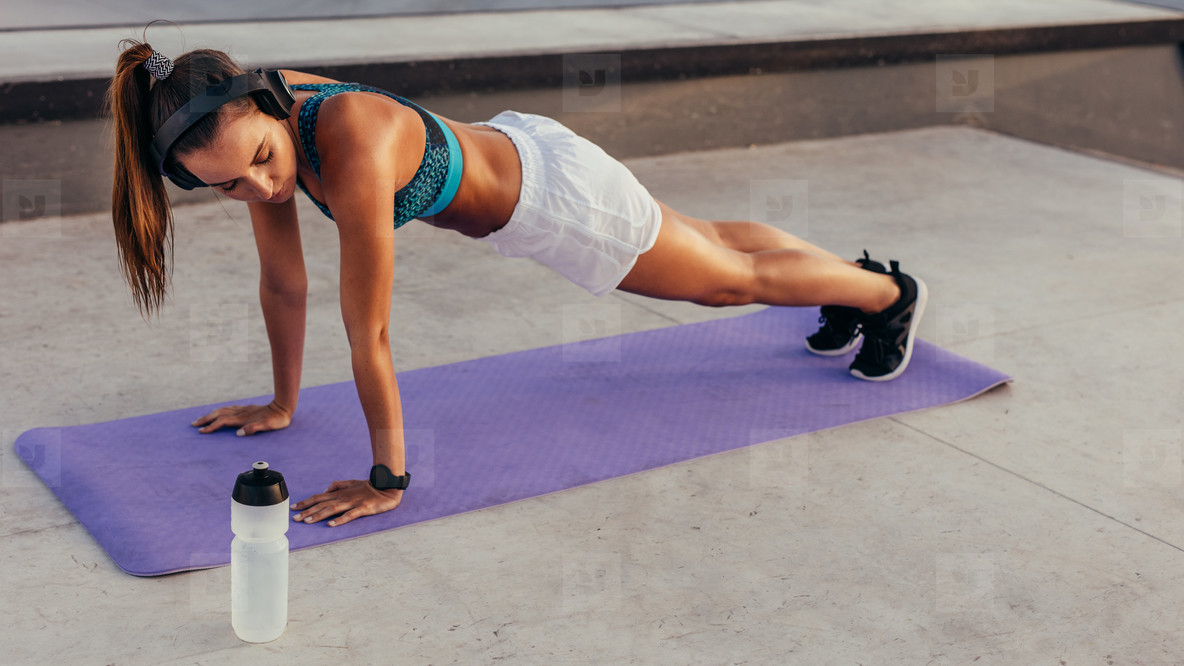
Strength training is one of the most powerful ways for women to improve their health, confidence, and overall body strength. For many years, myths suggested that lifting weights would make women “bulky” or too muscular. But today, more women than ever are embracing strength training — and seeing real, life-changing results. From boosting metabolism and improving posture to increasing bone density and sculpting lean muscles, strength training offers benefits that no other form of exercise can match.
The best part? You don’t need heavy weights or complicated routines to get started. With simple, effective exercises and a smart weekly plan, you can build strength, tone your body, and feel more energized.
This guide will walk you through the most important principles of strength training for women and provide simple routines designed for real, sustainable results.
1. Why Strength Training Is Essential for Women
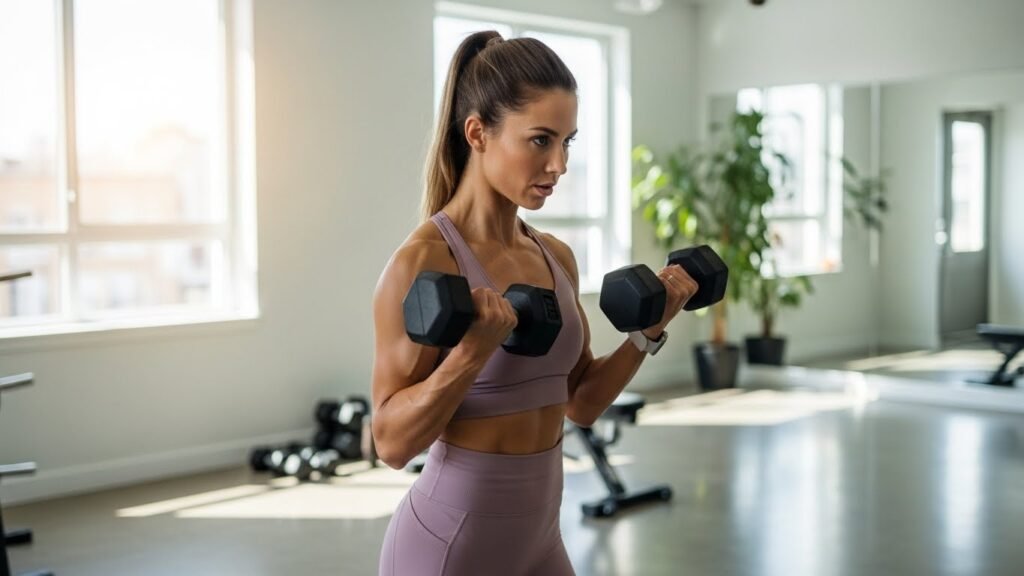
Strength training supports every aspect of a woman’s health — physical, mental, and hormonal.
Key benefits include:
- Increased lean muscle and strength
- Faster metabolism
- Fat loss without strict dieting
- Improved bone density (reduces osteoporosis risk)
- Better posture and reduced back pain
- More energy and endurance
- Boosted confidence
Women naturally have different hormone levels than men, especially lower testosterone, meaning they build lean, toned muscle rather than bulky mass. This makes strength training ideal for shaping a strong, feminine physique.
2. Understanding the Basics: How Strength Training Works
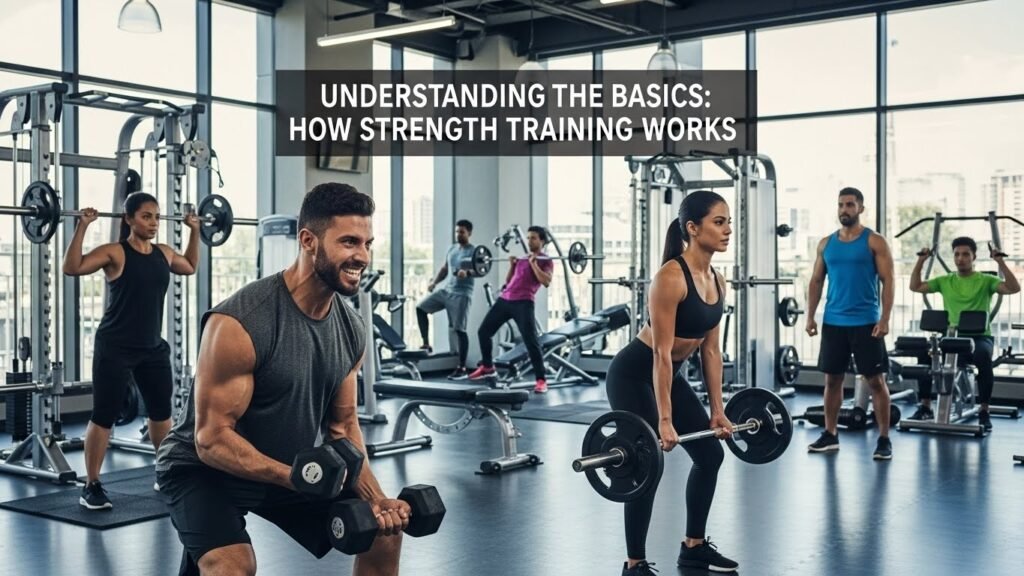
Strength training involves challenging your muscles using weights, resistance bands, machines, or bodyweight. When you train consistently, your muscles grow stronger and more defined.
There are three key components:
Resistance
This is the weight or force your muscles work against. It can be dumbbells, kettlebells, resistance bands, or even your own bodyweight.
Intensity
Intensity determines how hard your muscles work. You can increase intensity by adding more weight, doing more reps, or slowing down your movement.
Progressive Overload
This means gradually increasing the challenge over time so your muscles continue to grow stronger.
3. Myths About Women and Weightlifting
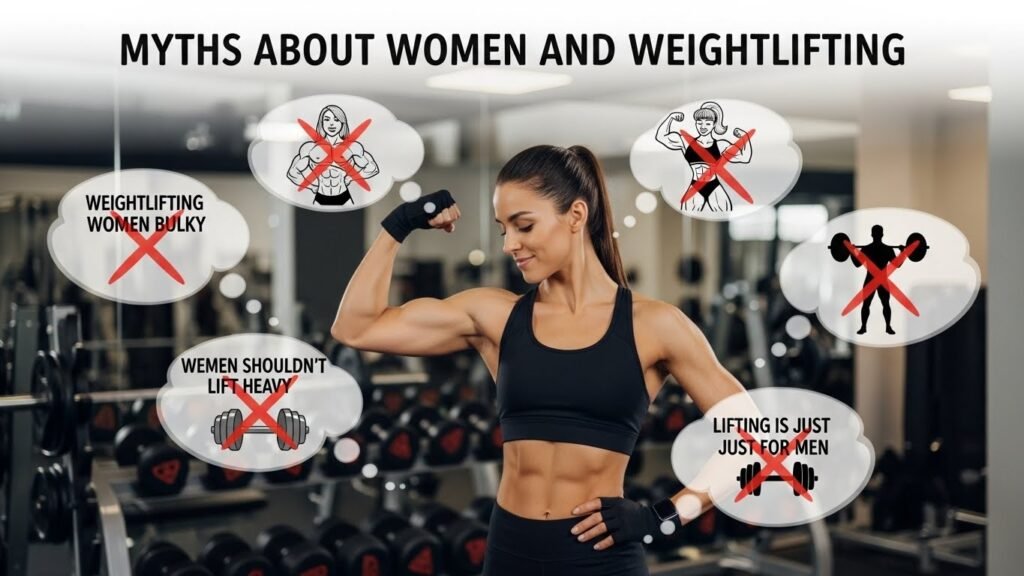
To start confidently, it helps to clear up common misconceptions.
Myth 1: “Lifting weights makes women bulky.”
False — women do not produce enough testosterone for extreme muscle growth. Strength training results in a lean, toned shape.
Myth 2: “Cardio is better for weight loss.”
Strength training actually burns more calories long-term by boosting your metabolism.
Myth 3: “Women should lift only light weights.”
Women can safely lift challenging weights. Light weights with high reps do NOT build strength effectively.
Myth 4: “Strength training is risky.”
Proper form prevents injury and makes strength training one of the safest exercise methods.
4. How to Start Strength Training Safely
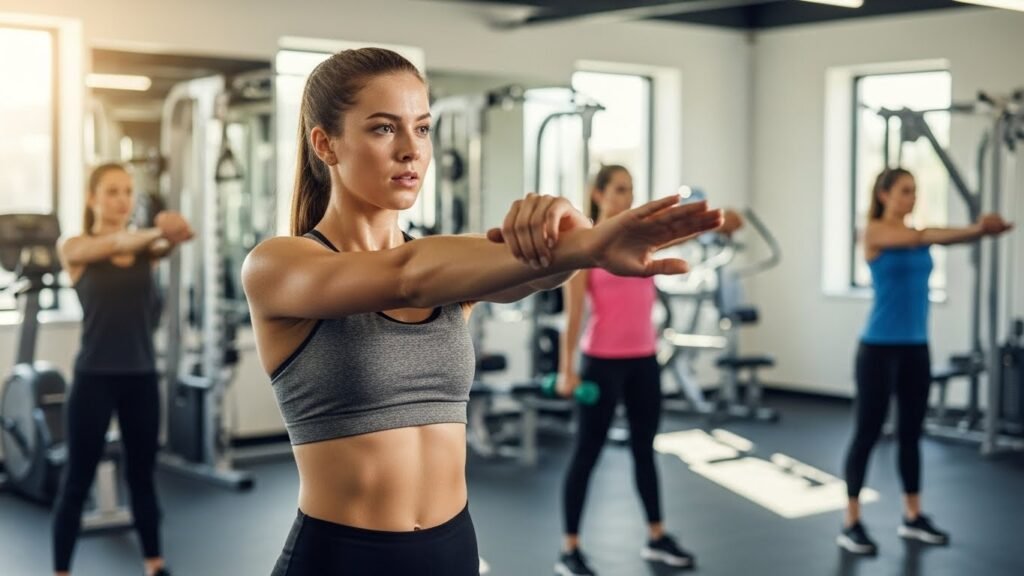
If you’re a beginner, focus on mastering form and building confidence.
Tips for starting safely:
- Begin with bodyweight or light weights
- Move slowly and with control
- Practice full-range movements
- Warm up for 5–10 minutes
- Focus on quality, not speed
- Stop if you feel sharp pain
Within a few weeks, your body will adapt, and you’ll feel stronger and more capable.
5. Simple Strength Training Equipment Women Can Use
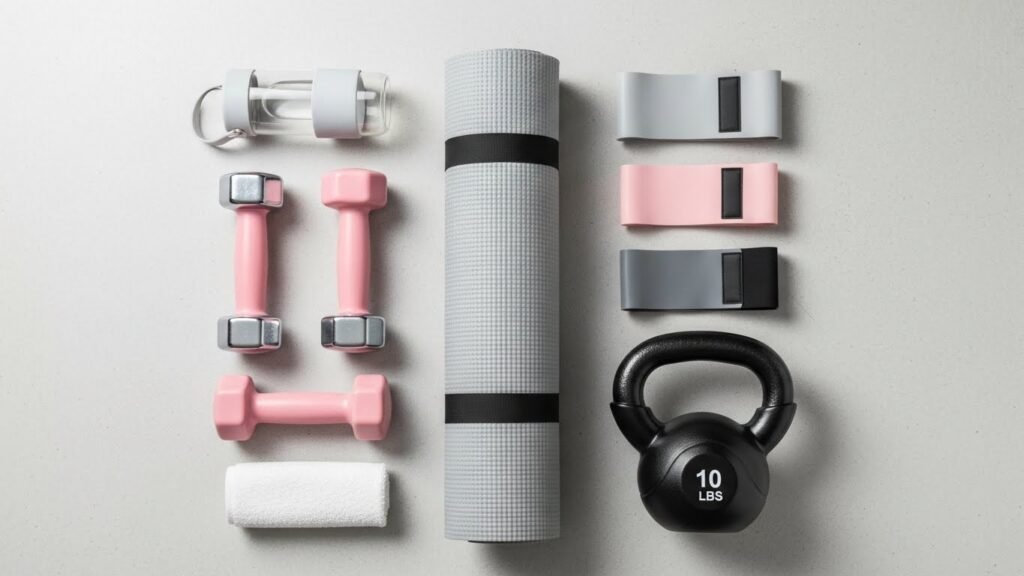
You don’t need a gym to get strong. Affordable, simple equipment works perfectly:
- Dumbbells
- Kettlebells
- Resistance bands
- A yoga mat
- A sturdy chair or bench
Even with no equipment, you can achieve amazing results using bodyweight exercises alone.
6. Best Strength Training Exercises for Women
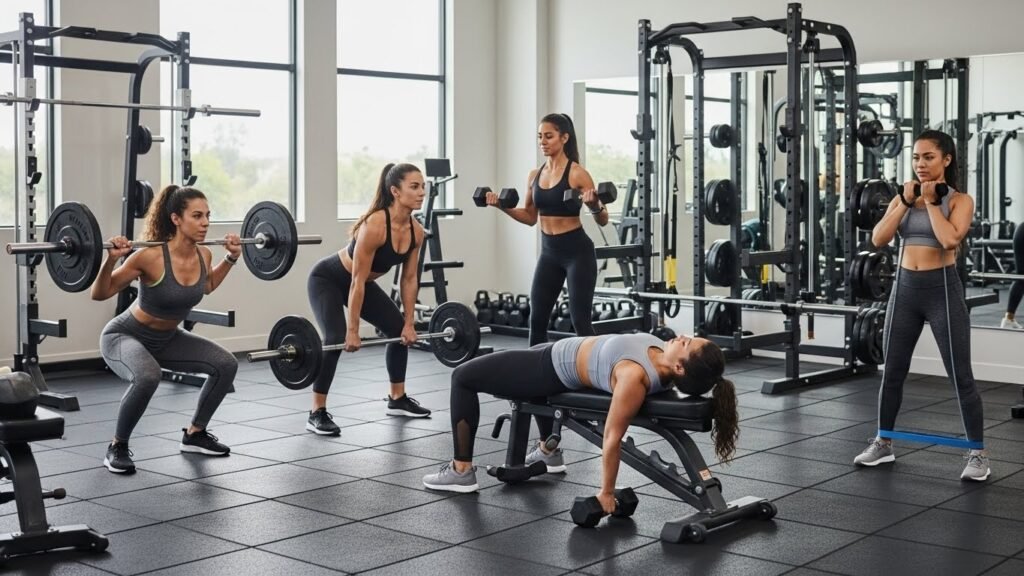
These foundational movements work multiple muscles at once and deliver maximum results.
Lower Body
- Squats
- Lunges
- Glute bridges
- Romanian deadlifts
- Step-ups
These exercises strengthen the legs, glutes, and hips — key areas many women want to tone.
Upper Body
- Push-ups
- Dumbbell rows
- Overhead press
- Chest press
- Tricep dips
These movements build strong shoulders, arms, chest, and back.
Core
- Planks
- Leg raises
- Russian twists
- Bird-dog
- Dead bug
A strong core improves posture and reduces lower back pain.
7. Simple Beginner Routine (3 Days per Week)
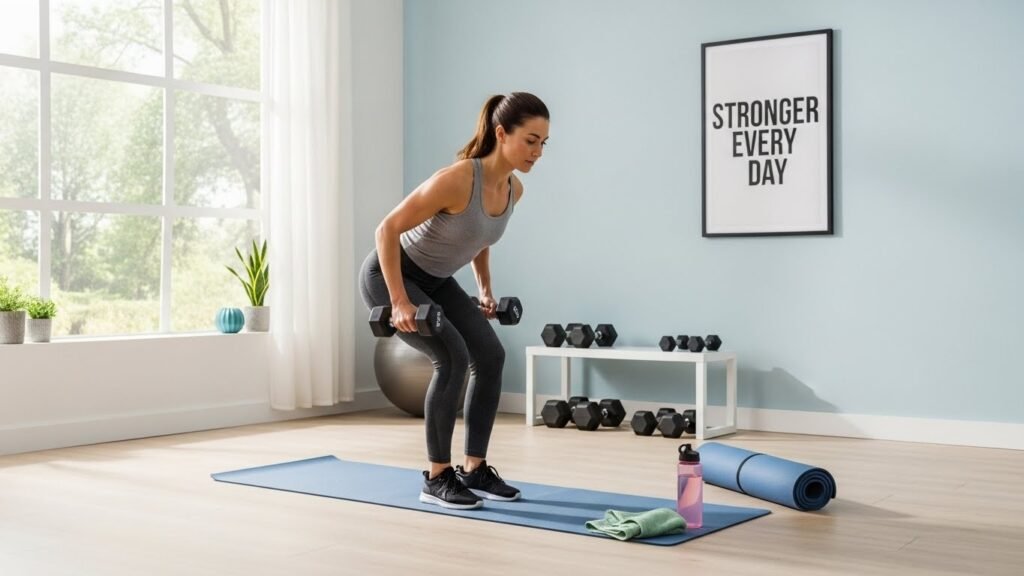
Perfect for women just starting out. Perform each exercise for 12–15 reps, 3 sets, resting 60 seconds between sets.
Day 1: Full Body
- Squats
- Push-ups (or knee push-ups)
- Dumbbell rows
- Glute bridges
- Plank (30–40 seconds)
Day 2: Lower Body & Core
- Lunges
- Romanian deadlifts (with dumbbells)
- Step-ups
- Side leg raises
- Bicycle crunches
Day 3: Upper Body & Glutes
- Overhead press
- Chest press
- Tricep dips
- Hip thrusts
- Russian twists
This routine is simple but extremely effective for building strength and tone.
8. Intermediate Routine for Real Progress
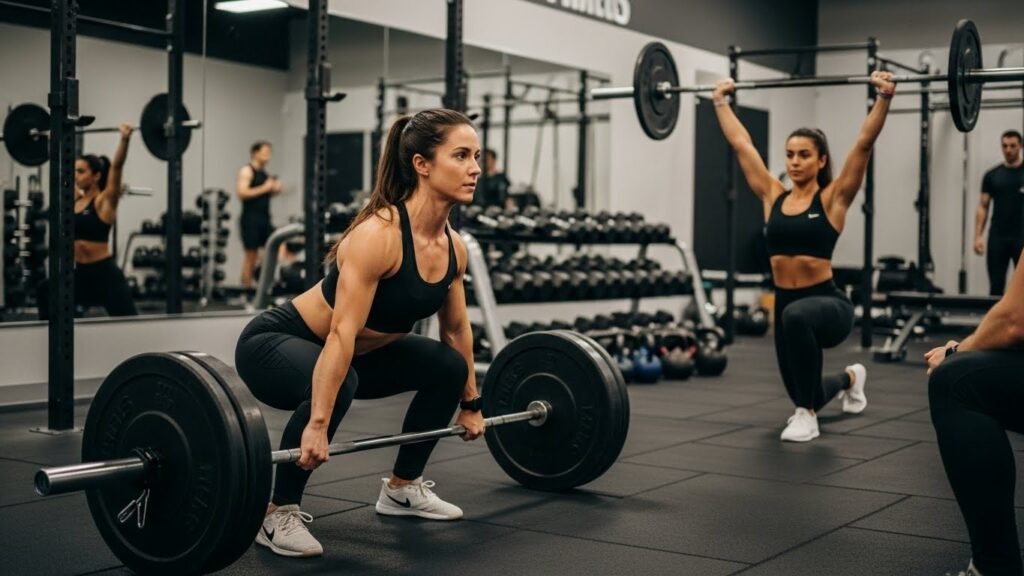
Once you build confidence, increase intensity.
Try:
- Heavier weights
- 10–12 reps
- 3–4 sets
- Higher tempo workouts
Full Body Split (4 Days per Week)
Day 1: Legs & Glutes
Squats, Bulgarian split squats, hip thrusts, calf raises
Day 2: Upper Body Push
Push-ups, chest press, overhead press, tricep dips
Day 3: Upper Body Pull
Rows, bicep curls, reverse fly, deadlifts
Day 4: Glutes & Core
Glute bridges, lateral band walks, leg lifts, planks
This plan targets all major muscle groups and builds real, visible results.
9. How to Use Progressive Overload for Faster Results
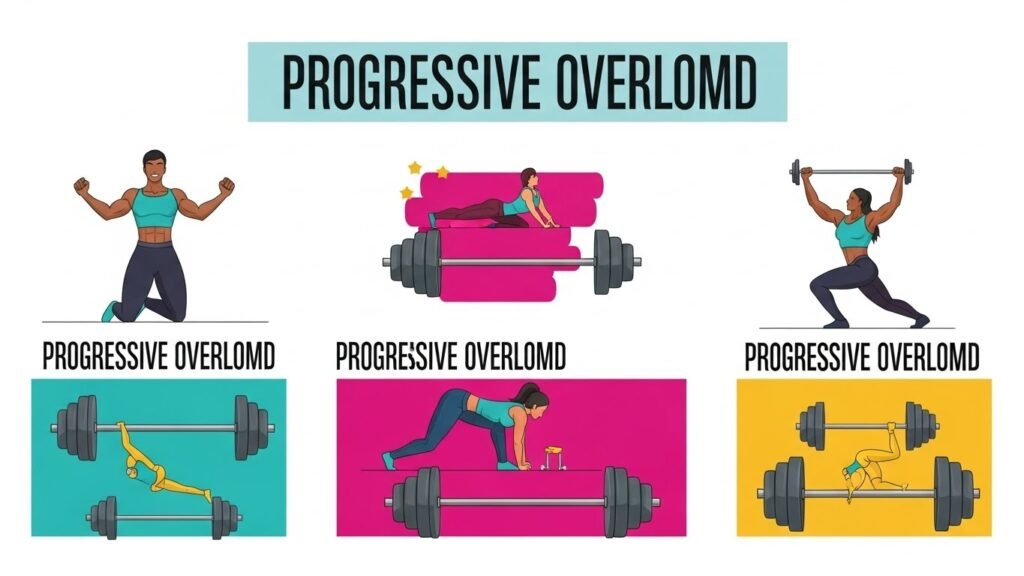
To keep improving, add small challenges each week.
You can increase:
- Weight
- Reps
- Sets
- Time under tension
- Range of motion
- Exercise difficulty
Even small increases lead to major strength improvements.
10. How Often Should Women Strength Train?
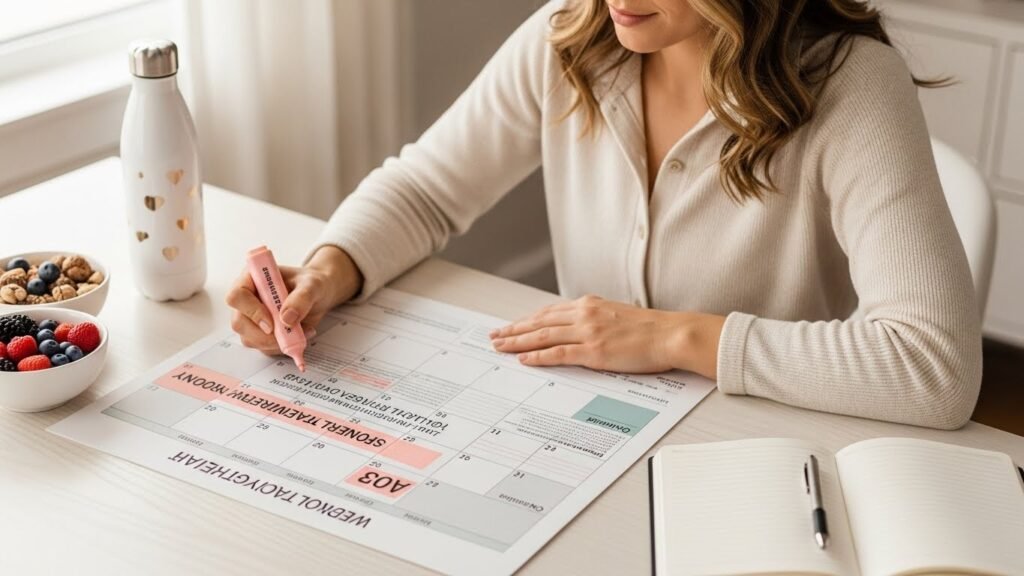
For most women:
Beginners:
2–3 days per week
Intermediate:
3–4 days per week
Advanced:
4–5 days per week
Rest days are just as important as workout days because muscles grow during recovery.
11. Strength Training for Weight Loss
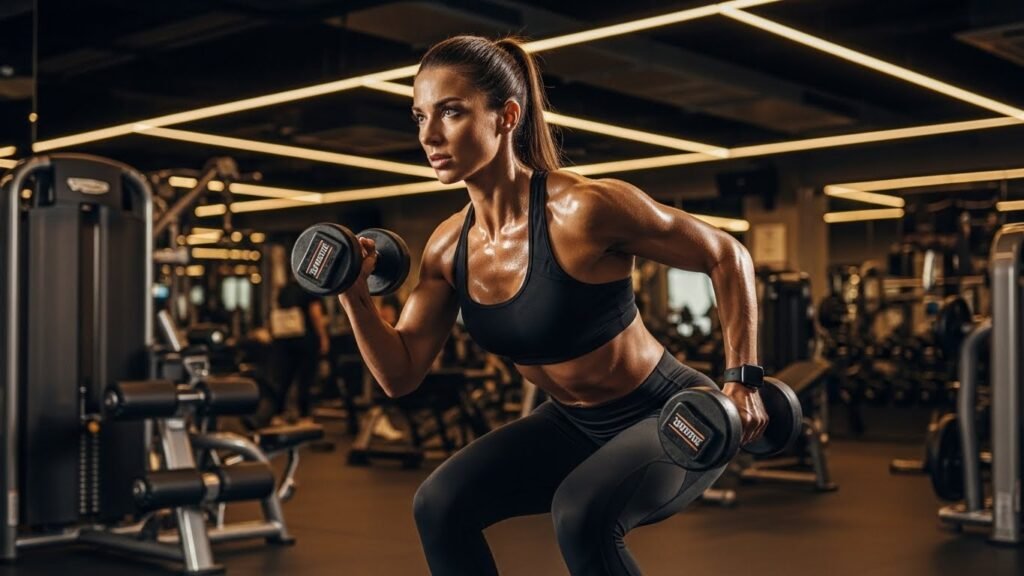
Strength training is one of the most effective ways for women to lose fat without losing muscle.
It helps by:
- Increasing metabolism
- Burning calories even at rest
- Preserving lean muscle mass
- Reducing cravings
- Improving hormonal balance
Combine strength training with walking, cycling, or light cardio for best results.
12. Strength Training for Toning and Lean Muscle
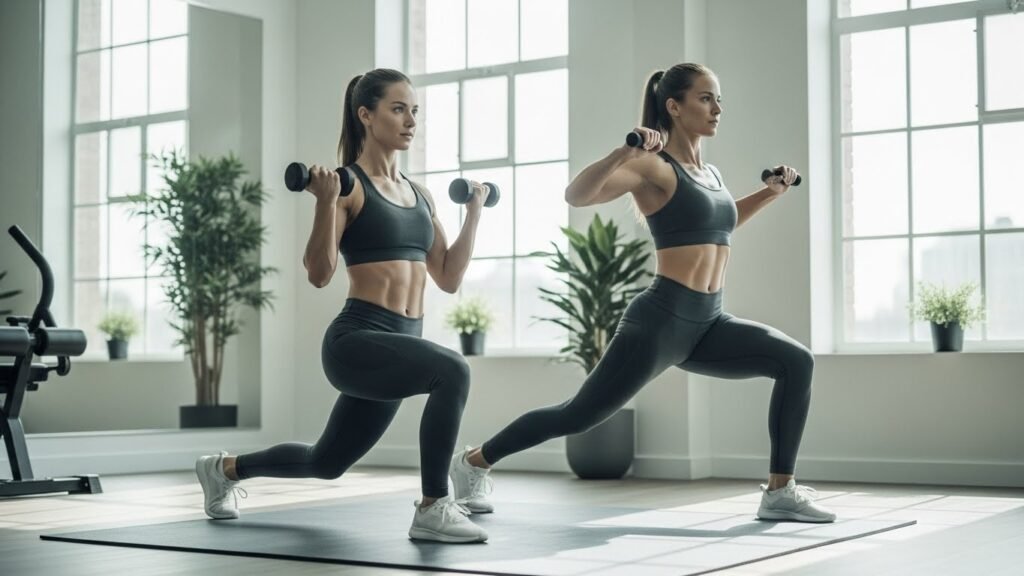
Many women train to tone their arms, legs, and midsection. “Toning” simply means increasing muscle while reducing fat.
Strength training helps shape:
- Sculpted arms
- Lean legs
- A firm core
- Lifted glutes
- Strong, defined shoulders
These changes come naturally with consistent training.
13. How Nutrition Helps Women See Better Results
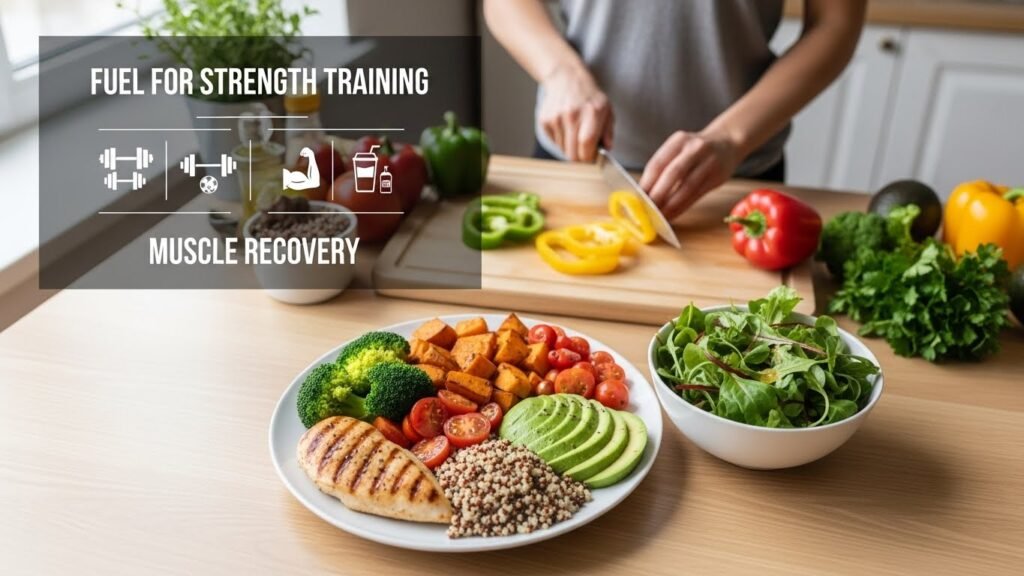
Strength training works best with proper nutrition.
Eat enough protein:
Chicken, eggs, lentils, tofu, yogurt, fish
Add healthy carbs:
Oats, brown rice, quinoa, sweet potatoes
Include healthy fats:
Avocado, nuts, olive oil
Stay hydrated:
Drink plenty of water daily
Nutrition builds the fuel your muscles need to grow and recover.
14. Signs Your Strength Training Is Working
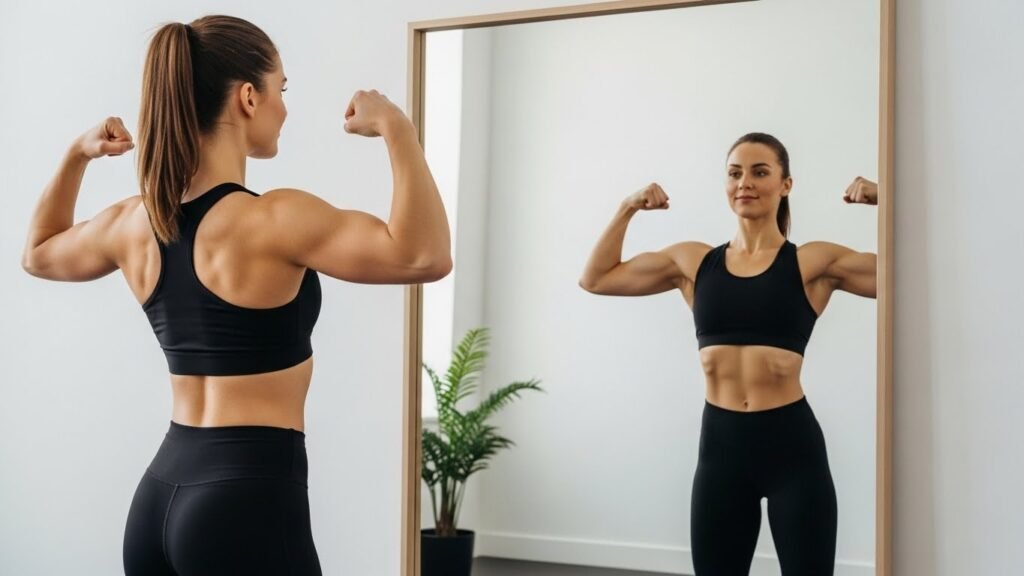
You know your routine is effective if:
- You feel stronger each week
- You can lift heavier weights
- Your energy increases
- Your clothes fit better
- Your posture improves
- Your confidence rises
Strength training creates both internal and external transformation.
15. A Sample Weekly Strength Training Plan for Women
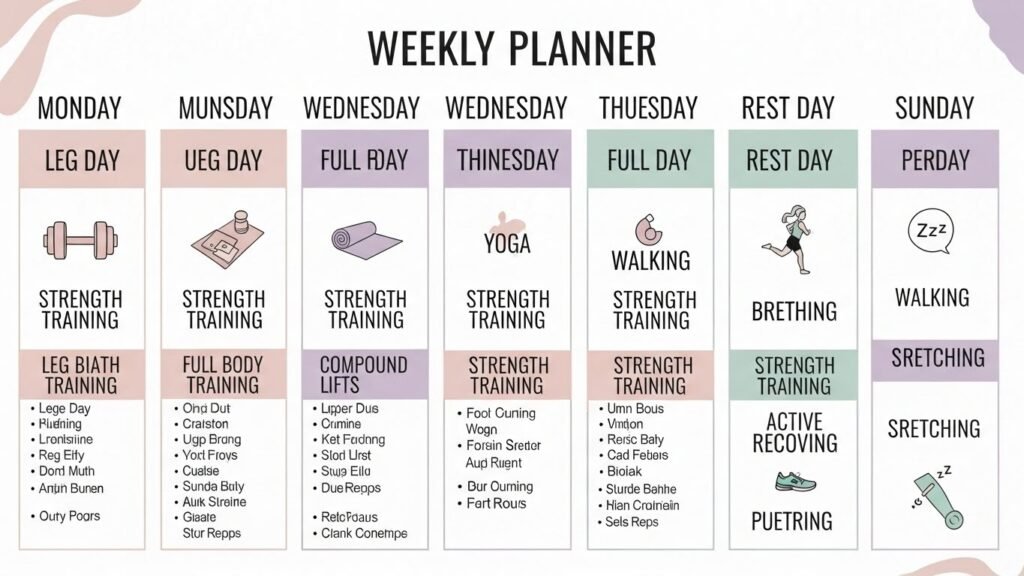
Here’s a simple, balanced schedule:
Monday: Full Body Strength
Tuesday: Light cardio or walking
Wednesday: Lower Body Strength
Thursday: Rest or yoga
Friday: Upper Body Strength
Saturday: Glutes + Core
Sunday: Rest
This routine supports muscle growth, fat loss, and overall fitness.
Conclusion
Strength training is one of the most empowering forms of exercise for women. It helps build lean muscle, increase confidence, strengthen bones, and support long-term health. With simple routines, proper form, and steady progression, women at any fitness level can achieve real results — without needing complicated workouts or heavy equipment.
The key is consistency, smart training, and believing in your strength. Once you start lifting, you’ll not only look stronger — you’ll feel stronger in every part of your life.