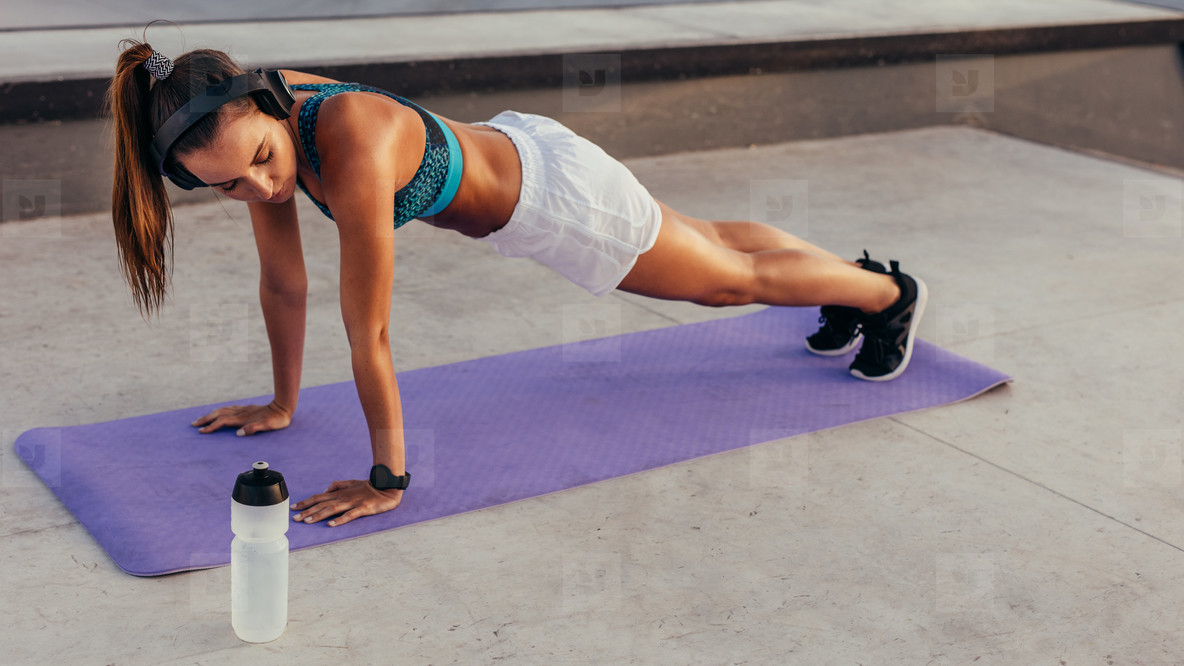
Are you tired of spending endless hours at the gym, focusing on one muscle group at a time? Do you dream of a workout that engages your entire body, gets your heart pumping, and feels more like fun than a chore? You are in the right place. Many people seek efficient ways to boost their fitness, and the answer might lie beyond traditional gym machines.
The good news is that there are incredible sports out there that naturally deliver a comprehensive full-body workout. These activities don’t just build muscle; they improve your cardiovascular health, sharpen your coordination, boost your agility, and even elevate your mood. It’s about moving your body the way it’s meant to move – dynamically, powerfully, and joyfully.
This article will guide you through some of the best sports for a powerful full-body workout. We will explore what makes each sport so effective, what muscles they engage, and how you can get started. We will also touch on how to make these activities a consistent, enjoyable part of your health journey, ensuring you stay motivated and build lasting habits.
Why Choose Sports for a Full-Body Workout?
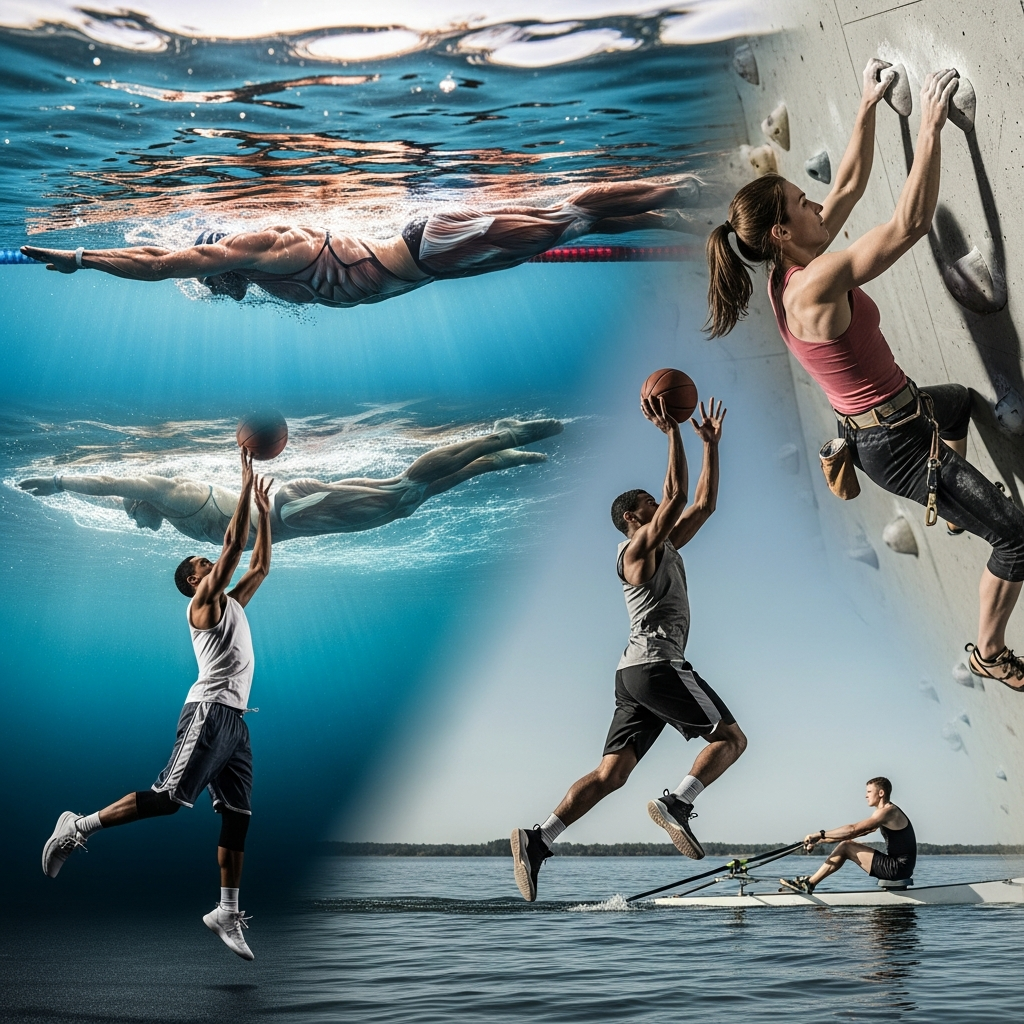
Opting for sports as your primary fitness method offers a unique blend of physical and mental benefits that a standard gym routine often misses. It is about more than just lifting weights or running on a treadmill. It is about engaging with an activity that challenges and rewards you in multiple ways.
Beyond the Gym Routine
Many people find the repetitive nature of gym workouts hard to stick with. Sports, on the other hand, bring an element of play and challenge that keeps you engaged. They offer a refreshing change of pace and a chance to learn new skills.
Sports can also be a fantastic way to connect with others. Whether it is a team sport or an individual activity practiced in a group setting, the social aspect can provide an extra layer of motivation and enjoyment.
Comprehensive Physical Benefits
A truly effective full-body workout means challenging all your major muscle groups. Sports excel at this, often requiring synergistic movements that use your entire body in unison. This leads to balanced strength and improved functional fitness.
Beyond muscle strength, sports dramatically boost cardiovascular health, improving your heart and lung capacity. They also enhance flexibility, balance, and coordination – skills that are vital for everyday life and injury prevention.
The Ultimate Full-Body Sports Guide
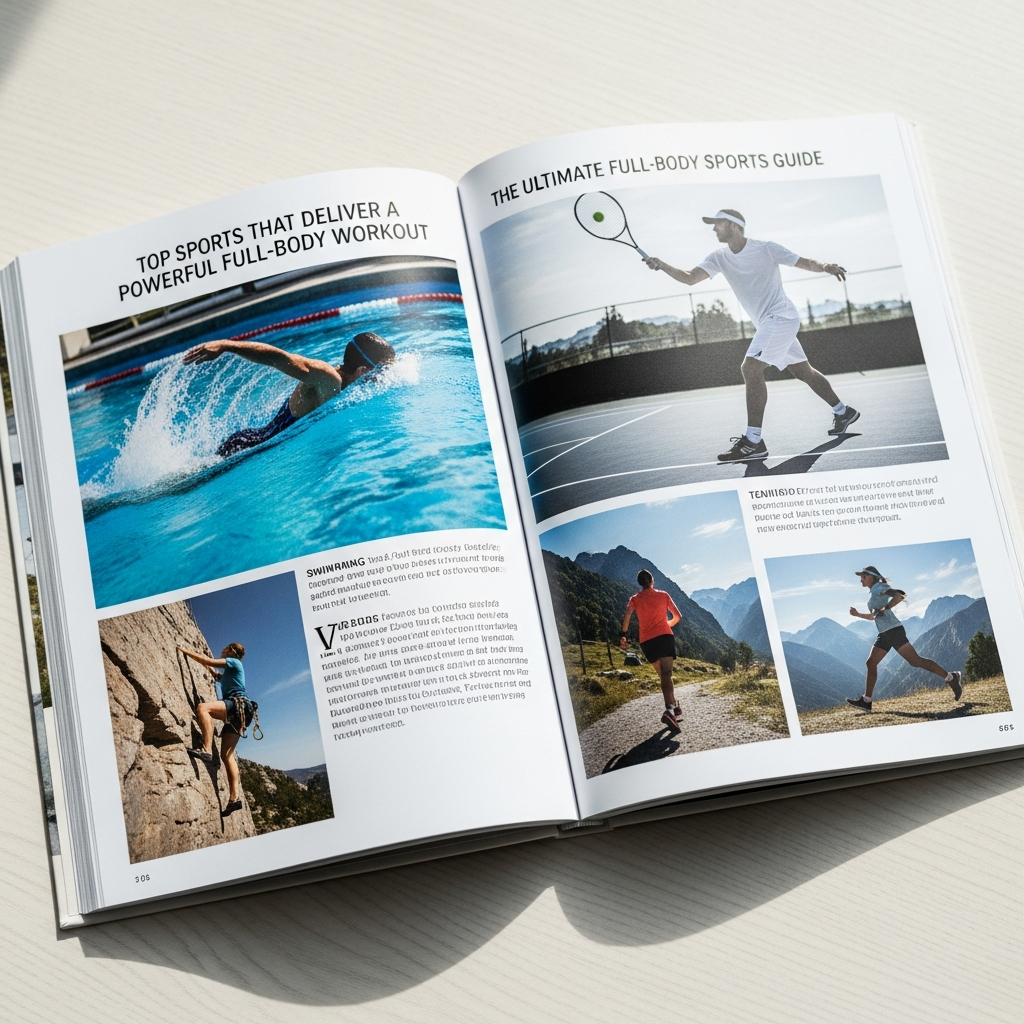
Let us dive into the specific sports that stand out for their ability to provide a powerful, all-encompassing workout. Each one offers distinct advantages and ways to challenge your body.
Swimming: The Zero-Impact Powerhouse
Swimming is often hailed as the perfect full-body exercise, and for good reason. It is a low-impact activity, meaning it is gentle on your joints, making it suitable for almost everyone, regardless of age or fitness level.
What it Works
When you swim, you engage your entire body. Your arms pull through the water, working your shoulders, back, and biceps. Your legs kick, strengthening your glutes, hamstrings, and quadriceps. Your core muscles are constantly engaged to stabilize your body and maintain proper form. And, of course, your heart and lungs work hard, providing an excellent cardiovascular workout.
Benefits
Swimming builds endurance, tones muscles, and increases flexibility. It is incredibly effective for calorie burning and can greatly improve lung capacity. The rhythmic nature of swimming can also be incredibly meditative and stress-relieving, offering a mental escape from daily pressures.
Getting Started
Starting to swim is straightforward. Most communities have public pools or local gyms with aquatic facilities. If you are new to swimming, begin by getting comfortable in the water. Focus on basic strokes like freestyle (front crawl) or breaststroke. You can also take introductory lessons to learn proper technique and breathing, which will make your workouts more efficient and enjoyable.
Sample Swimming Routine (Weekly Plan)
* Day 1 (Endurance Focus):
* Warm-up: 5 minutes gentle swimming or kicking.
* Main Set: 10-12 laps (25m/lap) at a steady, comfortable pace. Rest for 30 seconds between laps.
* Cool-down: 5 minutes slow swimming or stretching in the water.
* Day 2 (Interval Focus):
* Warm-up: 5 minutes gentle swimming.
* Main Set: 4-6 sets of (1 lap fast, 1 lap slow recovery). Rest for 1 minute between sets.
* Cool-down: 5 minutes slow swimming.
* Day 3 (Technique & Mix):
* Warm-up: 5 minutes gentle swimming.
* Main Set: Mix of strokes (e.g., 4 laps freestyle, 2 laps breaststroke, 2 laps backstroke). Focus on good form.
* Cool-down: 5 minutes easy swimming and stretching.
Rowing: A Full-Body Stroke of Genius
Whether on the water in a boat or indoors on a rowing machine (ergometer), rowing is a remarkably effective full-body workout. It is a compound movement that utilizes a large percentage of your body’s muscles in a coordinated, powerful sequence.
What it Works
The rowing stroke is often described as 60% legs, 20% core, and 20% arms and back. Your legs initiate the powerful drive, engaging your quads, hamstrings, and glutes. Your core then stabilizes your body and transfers power, while your back and arms finish the stroke, working your lats, deltoids, biceps, and triceps. This sequential engagement makes it an incredibly efficient way to build both strength and cardiovascular endurance.
Benefits
Rowing is an excellent way to burn calories, build lean muscle, and improve both anaerobic and aerobic fitness. It also promotes good posture by strengthening your back and core muscles. Because it is a non-impact sport, it is kind to your joints while still providing a challenging workout.
Getting Started
If you are using an indoor rowing machine, proper form is crucial to maximize benefits and prevent injury. Remember the sequence: “legs, core, arms” on the drive back, and “arms, core, legs” on the recovery forward. Many gyms offer introductory sessions, or you can find countless instructional videos online. Starting with shorter durations and focusing on smooth, controlled movements will help build a strong foundation.
Sample Rowing Routine (Weekly Plan)
* Day 1 (Steady State):
* Warm-up: 5 minutes easy rowing.
* Main Set: 20-30 minutes at a consistent, moderate pace where you can still hold a conversation.
* Cool-down: 5 minutes easy rowing and stretching.
* Day 2 (Interval Training):
* Warm-up: 5 minutes easy rowing.
* Main Set: 5-8 sets of (2 minutes hard rowing, 2 minutes easy recovery).
* Cool-down: 5 minutes easy rowing.
* Day 3 (Power & Technique):
* Warm-up: 5 minutes easy rowing.
* Main Set: 3 sets of (500 meters at a strong pace, followed by 500 meters at a moderate pace). Focus on powerful leg drive. Rest 3 minutes between sets.
* Cool-down: 5 minutes easy rowing.
Combat Sports: Punching and Kicking Your Way to Fitness
Sports like boxing, Muay Thai, kickboxing, or mixed martial arts (MMA) are phenomenal for an intense, dynamic full-body workout. They demand strength, agility, endurance, and mental focus.
What it Works
Combat sports engage your entire physique. Your legs are constantly moving, pivoting, and delivering kicks, building explosive power and endurance. Your core is the powerhouse for every punch, kick, and block, developing incredible rotational strength and stability. Your arms, shoulders, and back are heavily involved in punching, clinching, and defending. The constant movement, short bursts of high intensity, and sustained effort provide an unparalleled cardiovascular challenge.
Benefits
Beyond the obvious self-defense skills, combat sports are fantastic for stress relief and improving body coordination, reflexes, and balance. They can lead to significant calorie burn and build lean, functional muscle. The discipline and mental toughness developed through these sports also have far-reaching benefits in everyday life.
Getting Started
Finding a reputable gym with experienced coaches is the most important first step. Most gyms offer beginner-friendly classes that focus on basic stances, footwork, and fundamental techniques. You do not need to aim for a fight; many people train purely for fitness. Start by learning the basics, listen to your coach, and always prioritize safety.
Mindset for Combat Sports
Training in combat sports requires dedication and a willingness to learn. Embrace the challenge, be patient with yourself, and remember that everyone starts as a beginner. The discipline, respect for opponents and coaches, and continuous self-improvement are key aspects that extend beyond the physical realm.
Gymnastics/Calisthenics: Mastering Your Own Bodyweight
Gymnastics and calisthenics (bodyweight training) are about developing incredible strength, flexibility, balance, and control using only your body as resistance. These disciplines build a harmonious physique that is strong, agile, and resilient.
What it Works
These sports work every muscle in your body, often simultaneously. Think about a handstand, a pull-up, or a pistol squat – they require immense core stability, upper body strength, lower body power, and precise body control. They particularly excel at developing relative strength (strength-to-weight ratio), grip strength, and deep core stability.
Benefits
The benefits are extensive: phenomenal functional strength, increased flexibility and mobility, improved body awareness, and a reduced risk of injury due to balanced muscle development. You learn to move with grace and power, making everyday tasks feel easier. Plus, you can often train anywhere, with minimal or no equipment.
Getting Started
Begin with foundational bodyweight exercises:
* Upper Body: Push-ups, pull-ups (assisted if needed), dips, planks.
* Lower Body: Squats, lunges, glute bridges, calf raises.
* Core: Various plank variations, leg raises, hollow body holds.
Focus on mastering perfect form before progressing to more challenging variations (e.g., incline push-ups to regular push-ups to decline push-ups). Consistency is more important than intensity in the beginning.
Daily Habit Integration
Even 10-15 minutes of bodyweight exercises daily can make a huge difference. You can integrate short routines throughout your day:
* Morning: 3 sets of 10 squats and 10 push-ups.
* Lunch break: A few minutes of plank holds.
* Evening: Gentle stretching and a few sets of glute bridges.
The beauty is the flexibility and accessibility.
Rock Climbing: The Vertical Challenge
Rock climbing, whether indoors on a climbing wall or outdoors on natural rock, is a full-body sport that combines physical prowess with mental strategy. It is a fantastic way to build strength, endurance, and problem-solving skills.
What it Works
Climbing intensely engages your forearms and grip strength, your entire back (especially lats), shoulders, and biceps as you pull yourself up. Your core is constantly activated for stability and to control your body’s position against the wall. Your legs are crucial for pushing off holds, maintaining balance, and resting your upper body. It is a complete kinetic chain workout.
Benefits
Rock climbing builds incredible lean muscle and power endurance. It greatly improves flexibility, balance, and coordination. Mentally, it is very engaging, requiring focus, planning, and problem-solving. Overcoming challenges on the wall can also be a huge confidence booster.
Getting Started
The easiest way to start is by visiting an indoor climbing gym. They provide all the necessary safety equipment, expert supervision, and routes (called “problems” in bouldering or “routes” in roped climbing) designed for all skill levels. Start with easier routes to learn fundamental techniques like foot placement, body positioning, and grip types. Do not be afraid to fall (safely, of course!).
The Mental Game
Climbing is as much a mental sport as it is physical. You will learn to assess routes, plan your moves, and overcome fear of heights or falling. Persistence and trust in your abilities are key. Celebrate small victories, like completing a challenging section or mastering a new move.
Team Sports: The Joy of Collective Effort
Engaging in team sports like basketball, soccer, handball, or ultimate frisbee provides an incredible full-body workout wrapped in the fun of competition and camaraderie. These sports demand a wide range of physical attributes.
What it Works
Team sports require constant movement: running, sprinting, jumping, pivoting, and sudden changes in direction. This provides an excellent cardiovascular workout and develops explosive leg power. Passing, shooting, throwing, and defending engage your core, arms, shoulders, and back. Agility, reflexes, and hand-eye coordination are also significantly improved.
Benefits
Beyond the physical benefits of enhanced endurance, strength, and agility, team sports offer significant social and psychological advantages. They foster teamwork, communication, and strategic thinking. The enjoyment of playing with others and working towards a common goal can be a powerful motivator, making you more likely to stick with it. They are also fantastic for stress reduction and boosting mood.
Getting Started
Look for local recreational leagues, community centers, or informal pick-up games in parks. Many cities have adult sports leagues for various skill levels. You do not need to be a seasoned athlete; most leagues have divisions for beginners or those who just want to play for fun. Focus on learning the basic rules and movements, and let the joy of the game guide you.
Consistency Through Community
One of the strongest arguments for team sports is the built-in motivation. When you are part of a team, you have a commitment to others, which can make it easier to show up even on days you might not feel like it. The shared experience and positive social interactions often lead to a more consistent and enjoyable fitness routine.
Making Full-Body Sports a Lifelong Habit
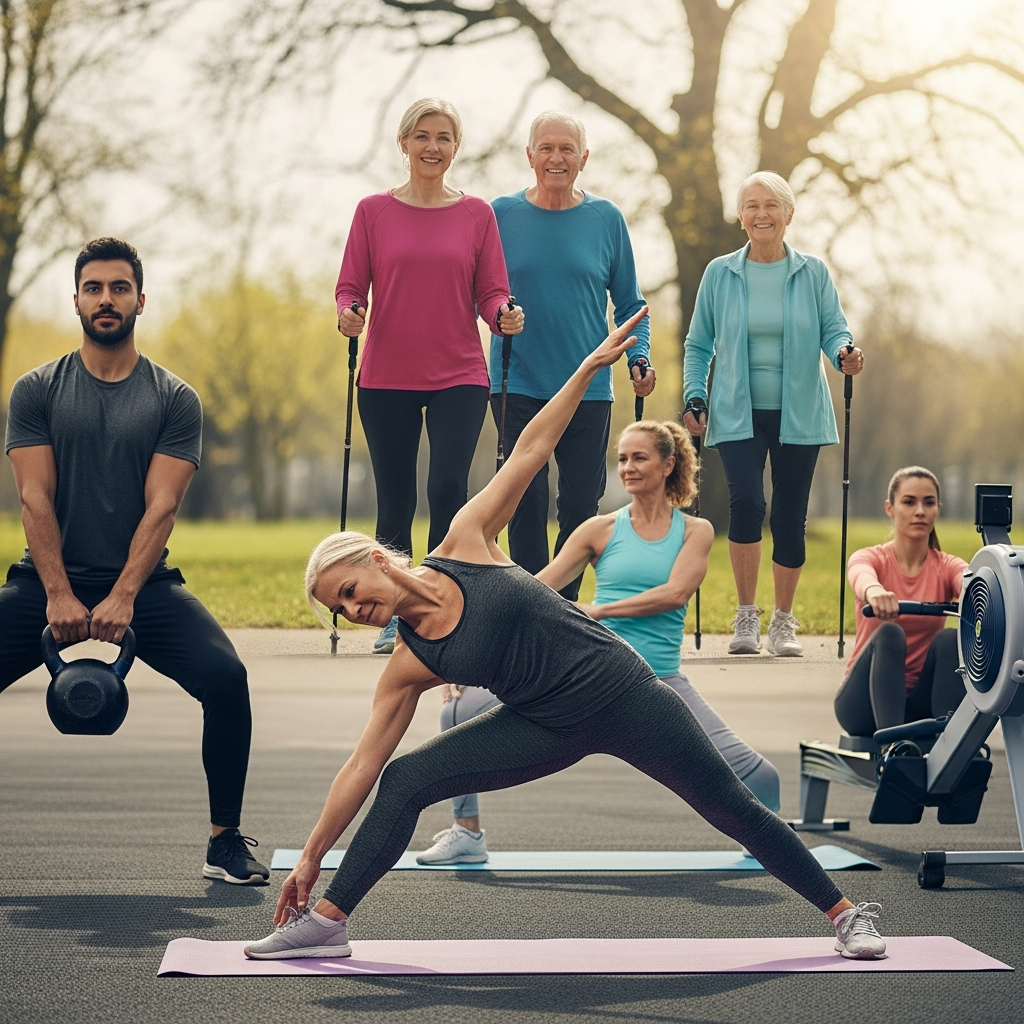
Starting a new sport is exciting, but integrating it into your life consistently is where the real magic happens. Here are some tips to help you stay on track and make fitness a lasting part of your routine.
Setting Realistic Goals
Begin with small, achievable goals. Instead of aiming to become an expert overnight, focus on showing up regularly or improving one specific skill. Celebrate every step of your progress, no matter how small. This positive reinforcement will fuel your motivation. Remember, consistency over perfection is the key to long-term success.
Listening to Your Body and Recovery
It is easy to get carried away when you are enjoying a new sport, but proper recovery is just as important as the workout itself. Ensure you take rest days to allow your muscles to repair and grow. Pay attention to signs of fatigue or discomfort, and do not push through pain.
Prioritize good nutrition and stay well-hydrated to support your body’s demands. Incorporate gentle stretching or foam rolling into your routine to maintain flexibility and aid muscle recovery. A well-rested body performs better and is less prone to injury.
The Mindset of a True Athlete
Approach your chosen sport with a mindset of curiosity and persistence. Understand that there will be good days and challenging days. Embrace the learning process and the challenges that come with it.
Find the joy in movement, in pushing your boundaries, and in the sheer fun of playing. Your athletic journey is unique, and it is about self-improvement and well-being, not comparing yourself to others. Patience, dedication, and a positive outlook will be your greatest allies.