

Good sleep is essential for a healthy mind and body — but many people struggle with rest because of habits they don’t even realize are harmful. Small mistakes in your daily routine can disrupt your sleep cycle, cause fatigue, affect mood, and lower productivity. By avoiding these common sleep mistakes, you can enjoy deeper, calmer, and more refreshing sleep every night.
Using Screens Before Bed

Phones, tablets, and TVs give off blue light that keeps your brain awake.
Scrolling at night confuses your body’s natural sleep signals.
Avoid screens at least 30–60 minutes before sleeping to help your mind relax.
Drinking Caffeine Too Late in the Day

Tea, coffee, soft drinks, and chocolate contain caffeine.
If consumed after late afternoon, they can delay sleep.
Try to limit caffeine after 4 PM to avoid restlessness at night.
Eating Heavy Meals Before Bed

A heavy dinner close to bedtime puts your digestive system under stress.
This can cause bloating, discomfort, and disturbed sleep.
Eat your last full meal 2–3 hours before bedtime for better rest.
Irregular Sleep Schedule

Sleeping at different times every day disrupts your internal clock.
Your body likes routine — waking up and sleeping at the same time daily improves sleep quality.
Even on weekends, try to maintain a similar sleep pattern.
Too Much Light in the Bedroom

Bright lights, lamps, or even screen glow can stop your brain from switching into sleep mode.
Keep your room dark and calm to help your mind settle down.
Use curtains, low lights, or a sleep mask if needed.
Sleeping in a Noisy Environment

Noise from traffic, TV, or home activity can disturb your sleep cycle.
Try using soft music, a fan, or white noise to block disruptive sounds.
A quiet environment helps you fall asleep and stay asleep.
Skipping a Bedtime Routine

Jumping straight into bed without calming down can make falling asleep difficult.
A simple routine — reading, stretching, deep breathing, or dimming lights — signals your brain that it’s time to rest.
Consistency builds better sleep habits.
Overthinking and Stressing in Bed

Bringing worries to bed overloads your mind.
Stress keeps your brain active and prevents relaxation.
Try journaling your thoughts, practicing deep breathing, or meditating before bed.
Taking Long or Late Naps

Naps longer than 30 minutes or too close to evening can confuse your sleep cycle.
Short, early naps are helpful — long or late naps make nighttime sleep harder.
Drinking Too Much Water Before Sleep

Hydration is important, but drinking a lot of water right before bed can cause multiple bathroom trips.
Reduce water intake in the evening and hydrate more during the day.
Bedroom Temperature Too Hot or Too Cold
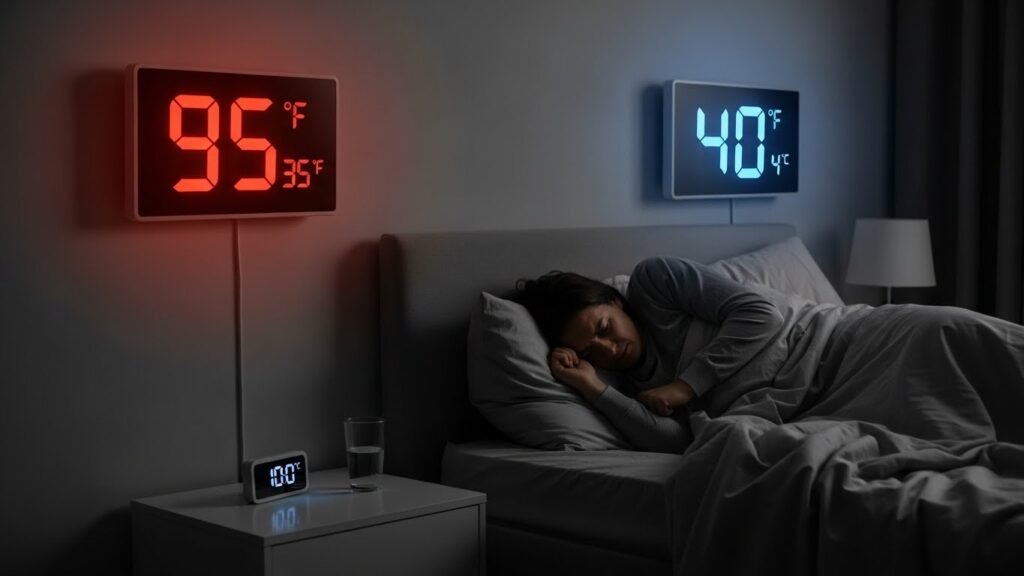
Your body needs a balanced temperature to sleep well.
If the room is too warm or too cold, it becomes difficult to fall asleep.
A comfortable, cool environment supports deep rest.
Using Your Bed for Work or Scrolling

Working, eating, or scrolling in bed makes your brain associate it with activity instead of rest.
Use your bed only for sleep and relaxation to strengthen your sleep signals.
Ignoring Sleep Problems

Snoring, constant waking, or restlessness may be signs of deeper sleep issues.
Ignoring them can harm your energy and mood.
If problems persist, consider talking to a doctor or adjusting your routine.
Not Getting Enough Daytime Movement

Sitting all day leads to restless nights.
Your body needs movement to sleep well.
A short walk, light stretching, or daily exercise helps regulate sleep patterns.
Final Thoughts
Better sleep starts with better habits. Avoiding common mistakes like late-night screens, irregular schedules, heavy meals, and stress can transform your sleep quality. A calm environment, simple routines, and mindful choices help your body rest deeply and wake up refreshed.