Have you ever wished for a simple, effective, and convenient tool to build strength and tone your body, no matter where you are? Look no further than resistance bands! These versatile, unassuming pieces of equipment have transformed home workouts and gym routines alike. They offer a unique way to challenge your muscles, enhance your mobility, and achieve your fitness goals without needing a room full of heavy weights.

Whether you’re just starting your fitness journey, looking to supplement your existing routine, or need a compact solution for travel, resistance bands are an incredible asset. This article will guide you through understanding the different types of bands, what to look for when buying them, and highlight the 13 best options to help you build strength and achieve that toned look you desire. Get ready to discover your new favorite workout companion!

Why Resistance Bands Deserve a Spot in Your Fitness Routine

Resistance bands are much more than just colorful elastic straps. They provide consistent tension, engage muscles differently than free weights, and offer a host of benefits that make them invaluable for anyone serious about their fitness.

Unmatched Versatility

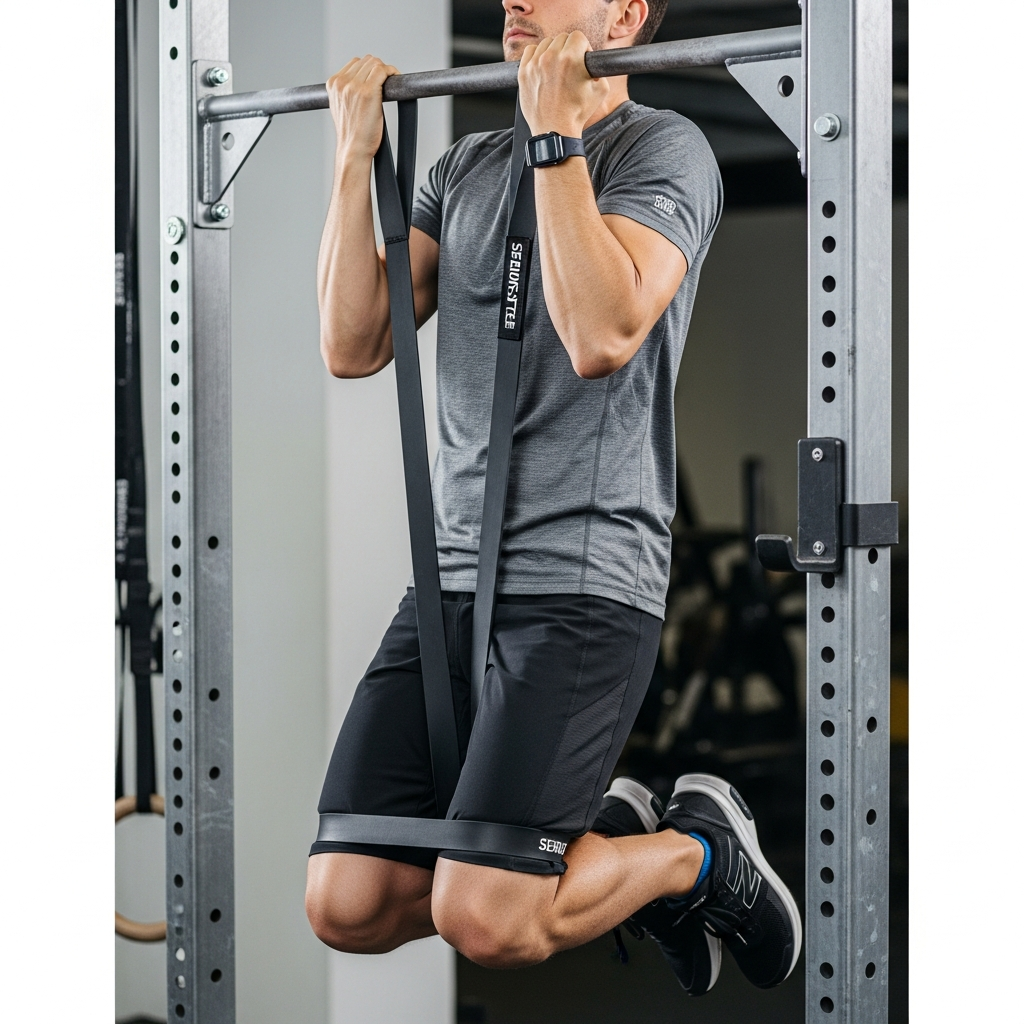
From bicep curls to squats, planks, and even assisted pull-ups, resistance bands can be used for a full-body workout. They can target every major muscle group, allowing you to strengthen and tone your arms, legs, glutes, core, and back with just a few different bands. You can adjust the resistance simply by changing your grip or selecting a different band.

Portable Powerhouses

One of the biggest advantages of resistance bands is their portability. They are lightweight, take up minimal space, and can easily be packed into a gym bag, suitcase, or even a drawer. This makes them perfect for home workouts, hotel rooms, or even a quick session in the park. No more excuses about not having access to a gym!

Joint-Friendly Resistance

Unlike traditional weights, which rely on gravity, resistance bands provide a continuous, smooth tension throughout the entire movement. This constant tension can be easier on your joints, reducing impact and the risk of injury while still providing an intense muscle-building stimulus. They’re excellent for rehabilitation and for those with joint sensitivities.

Progressive Overload Made Easy

For building strength and muscle, progressive overload โ€“ gradually increasing the demand on your muscles โ€“ is key. Resistance bands make this simple. You can easily switch to a band with more resistance, perform more repetitions, slow down your movements, or increase your sets as you get stronger. This allows for steady, measurable progress over time.

Types of Resistance Bands: Knowing Your Options

Before you dive into buying bands, it’s helpful to understand the different types available. Each kind offers unique benefits and is better suited for certain exercises.

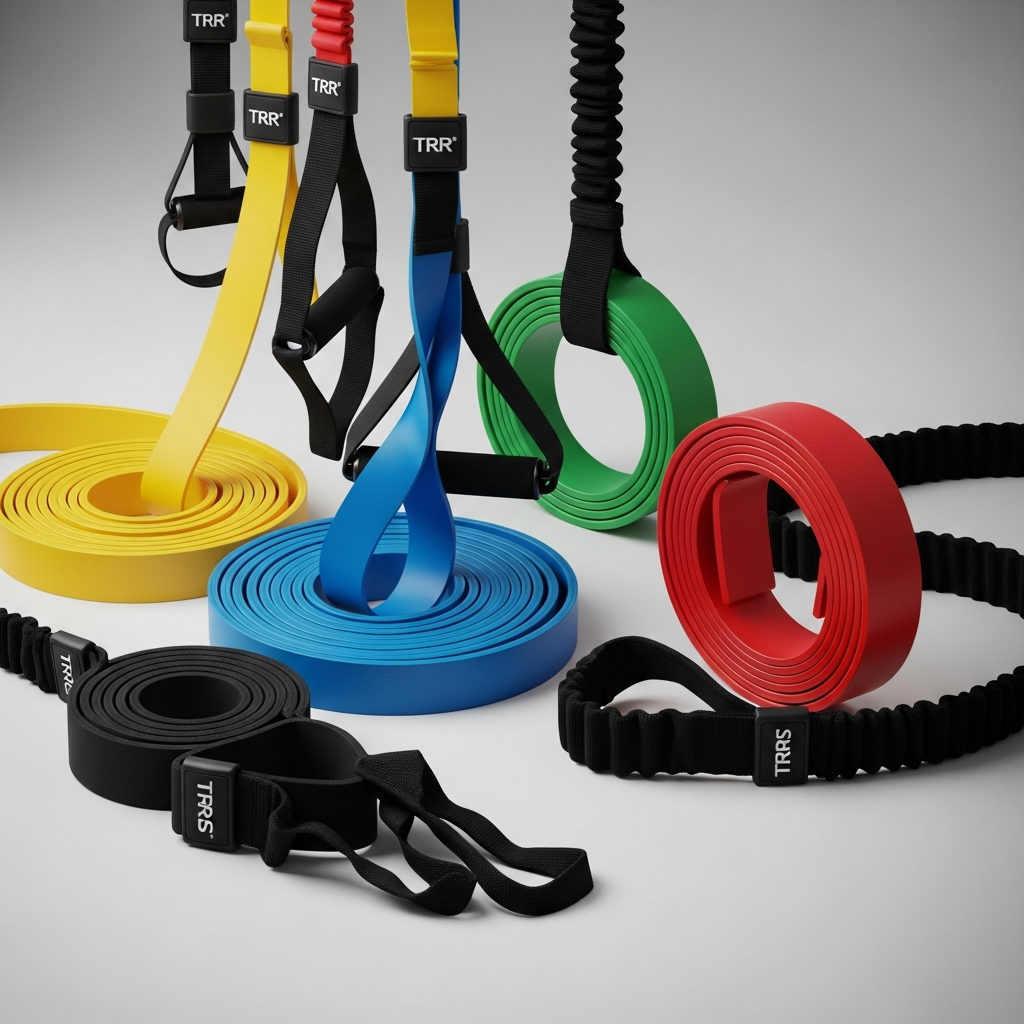
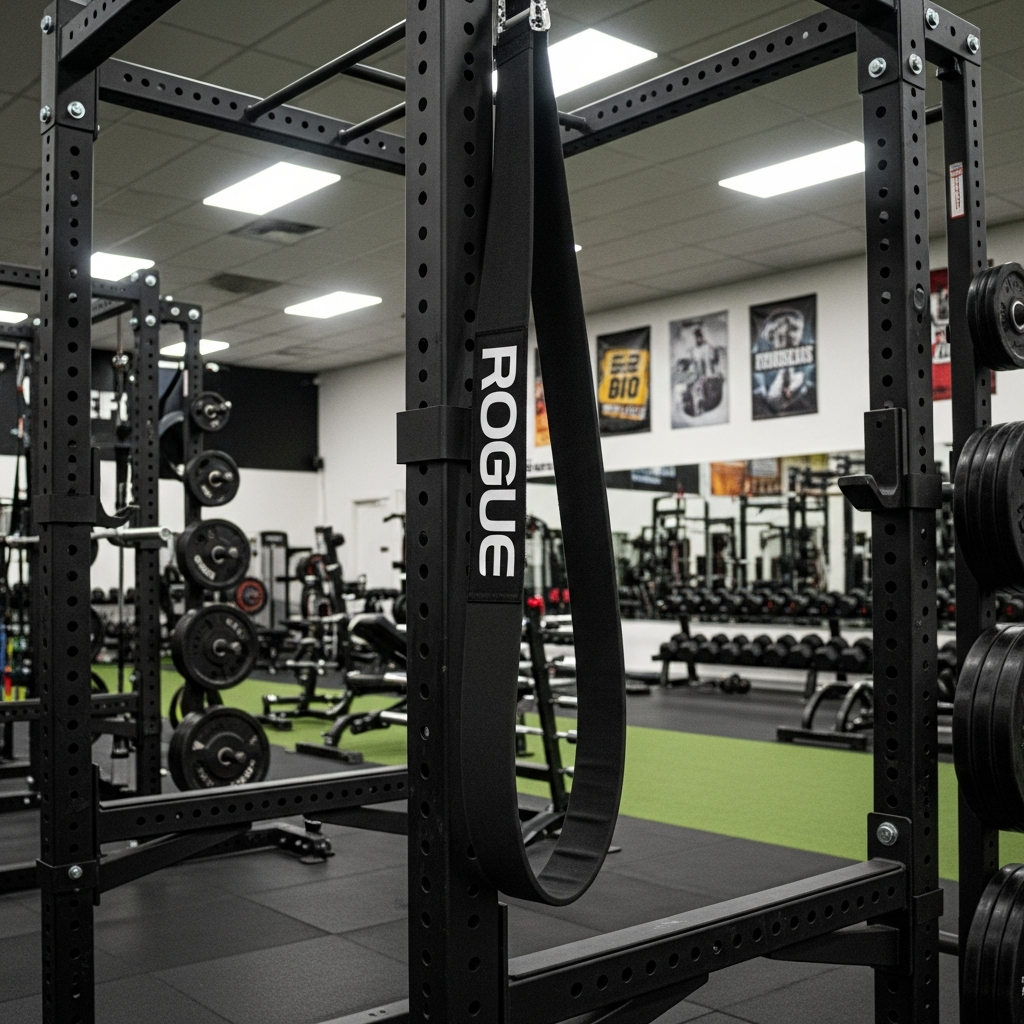
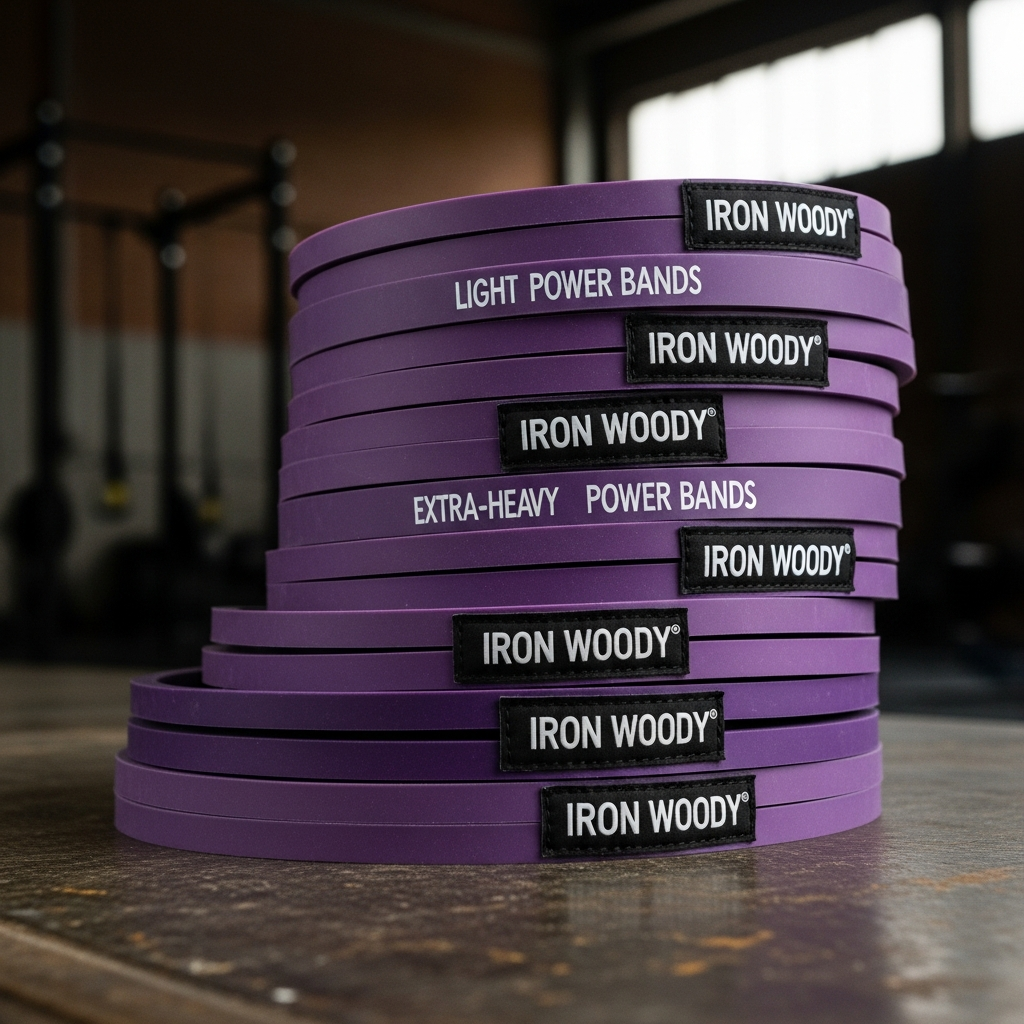
Loop Bands (Power Bands/Pull-up Assist Bands)

These are large, continuous loops of rubber, typically wide and flat. They come in various resistance levels, from very light to extremely heavy.

* Uses: Excellent for strength training like squats, deadlifts, bench presses (for added resistance), pull-up assistance, and stretching.

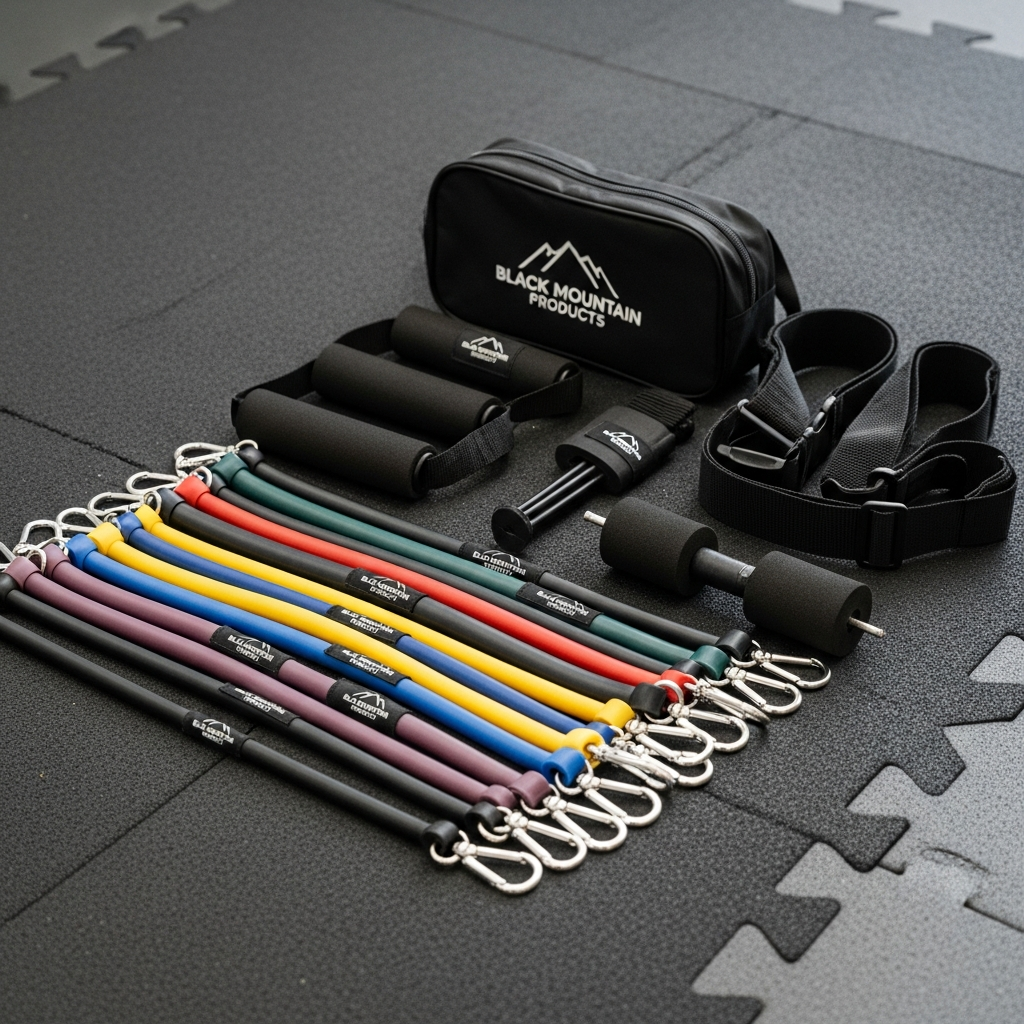
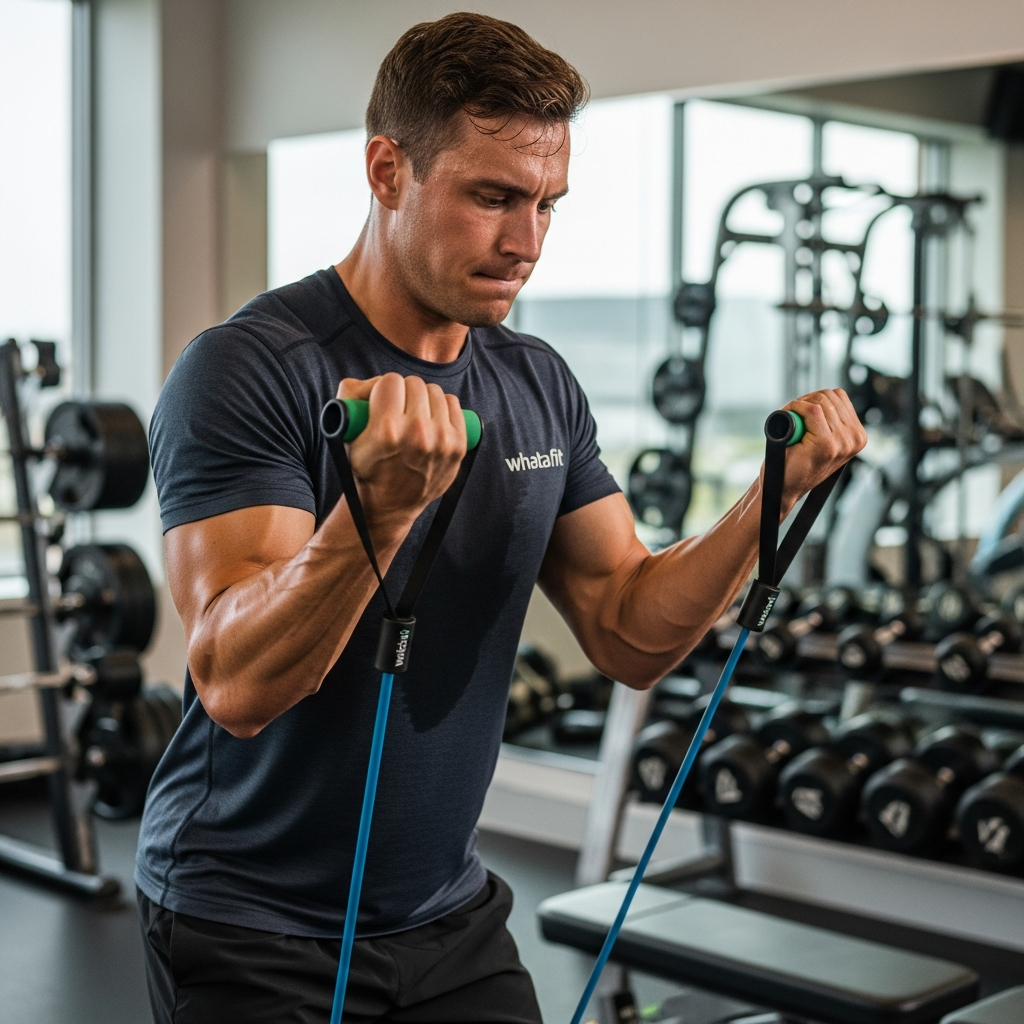
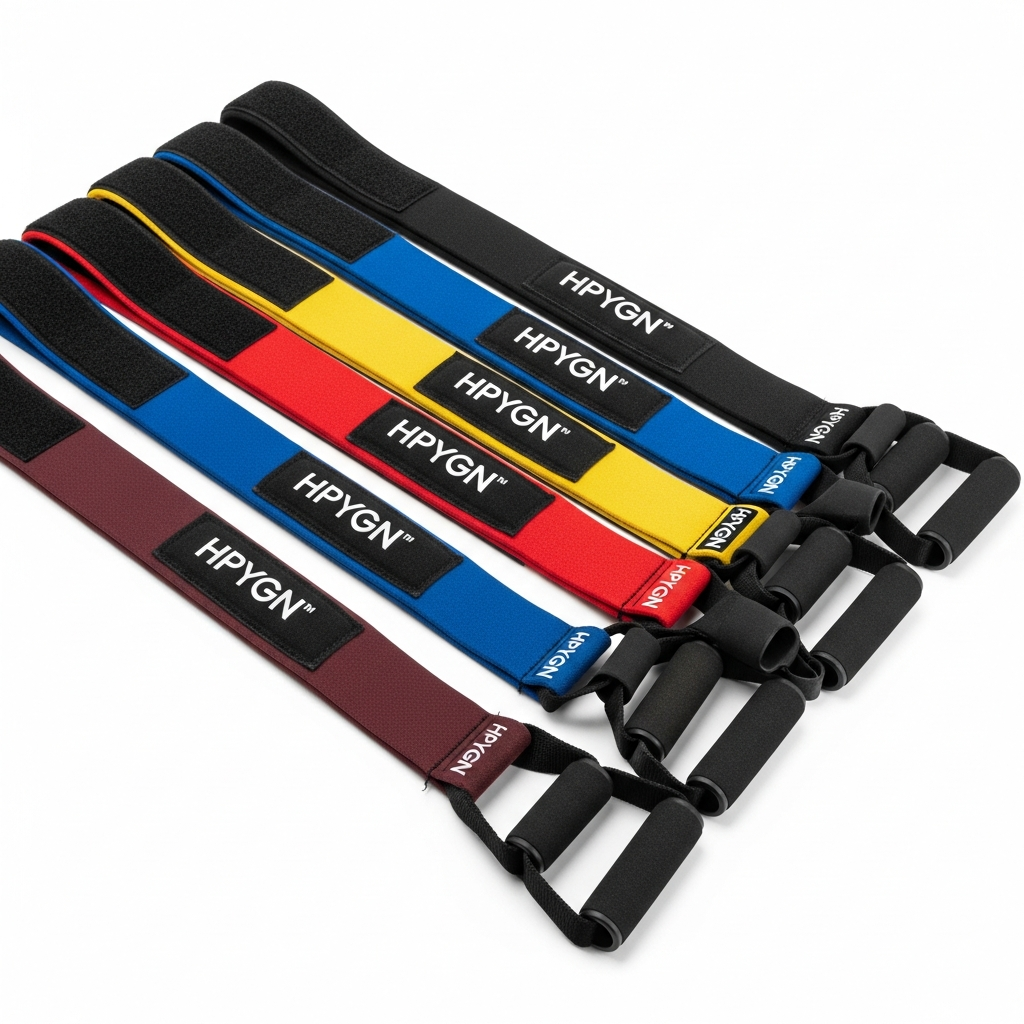
Tube Bands with Handles

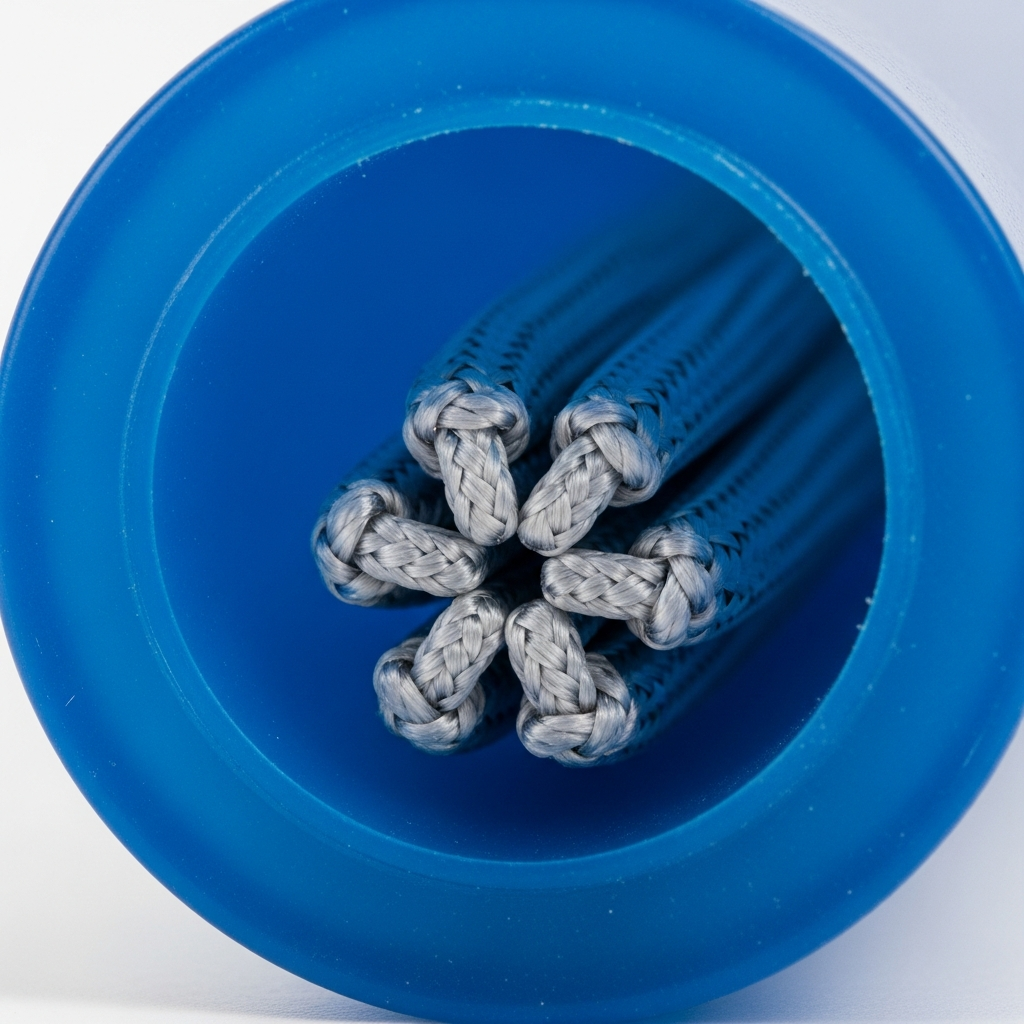
These bands look like elastic tubes and usually come with a handle at each end, often with a carabiner clip system that allows you to interchange bands or attach to ankle straps and door anchors.

* Uses: Ideal for exercises mimicking dumbbell movements such as bicep curls, tricep extensions, chest presses, rows, and shoulder presses.

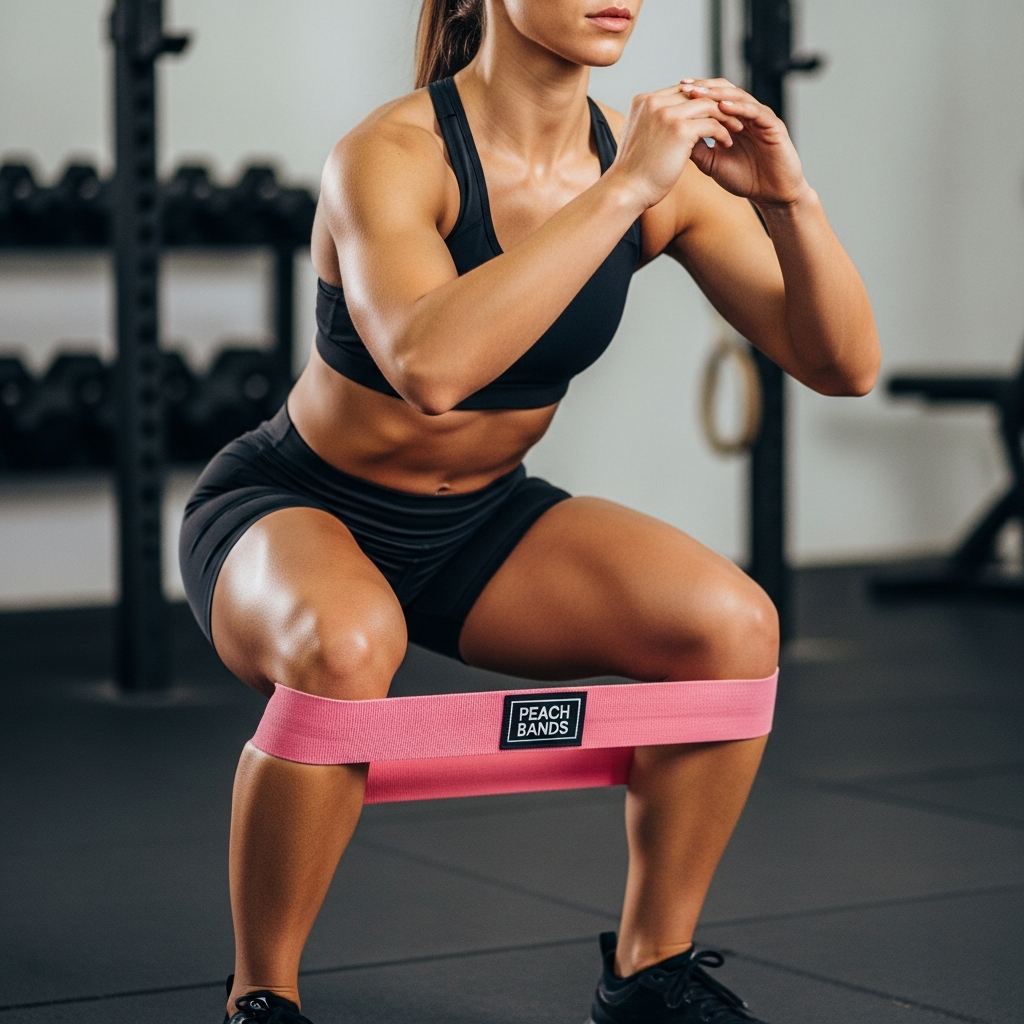
Mini Bands (Glute Bands)

Smaller, closed loops of elastic, mini bands are typically flat or made of fabric. They are fantastic for targeting smaller muscle groups, especially around the hips and glutes.

* Uses: Perfect for glute activation, lateral walks, hip thrusts, and adding resistance to squats and lunges.

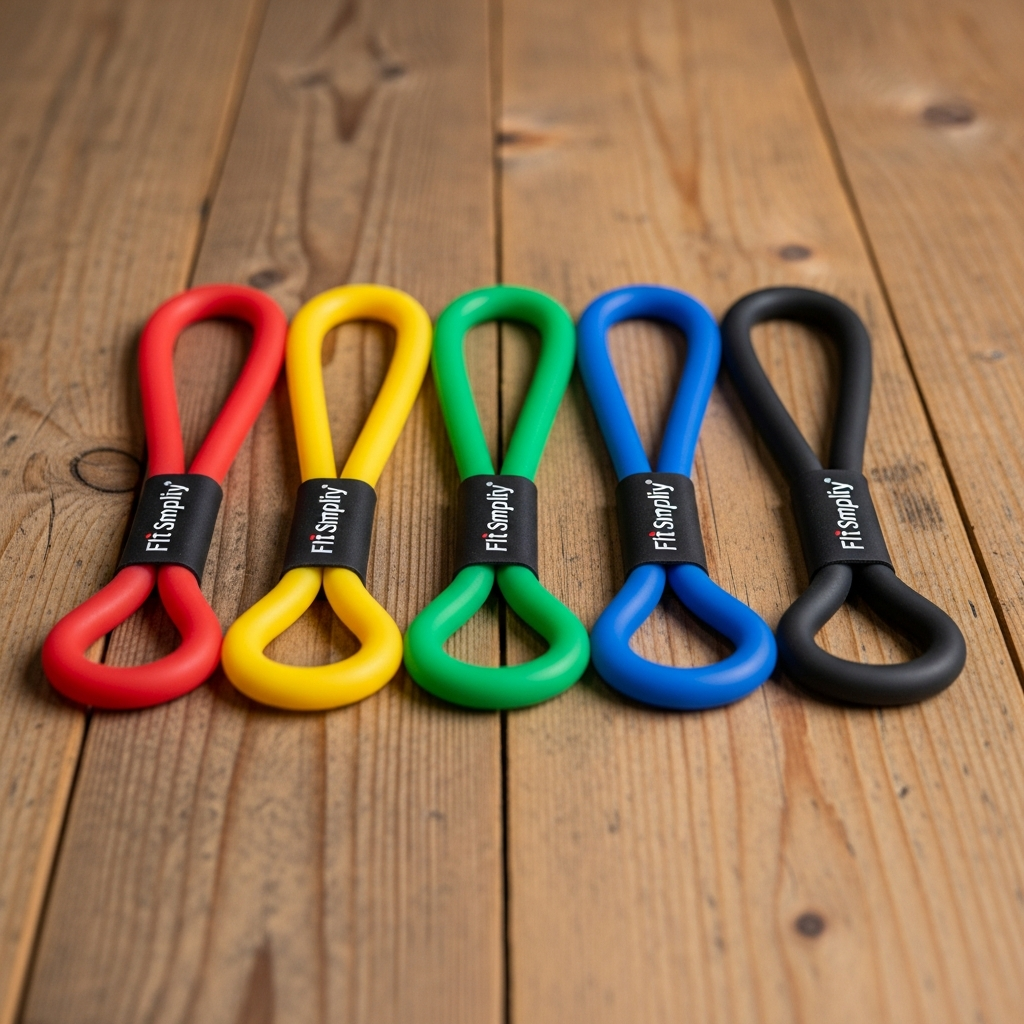
Figure-8 Bands

These bands are shaped like a figure eight, with handles on each loop. They are often used for upper body exercises and physical therapy.

* Uses: Good for bicep curls, tricep extensions, chest flies, and shoulder work.

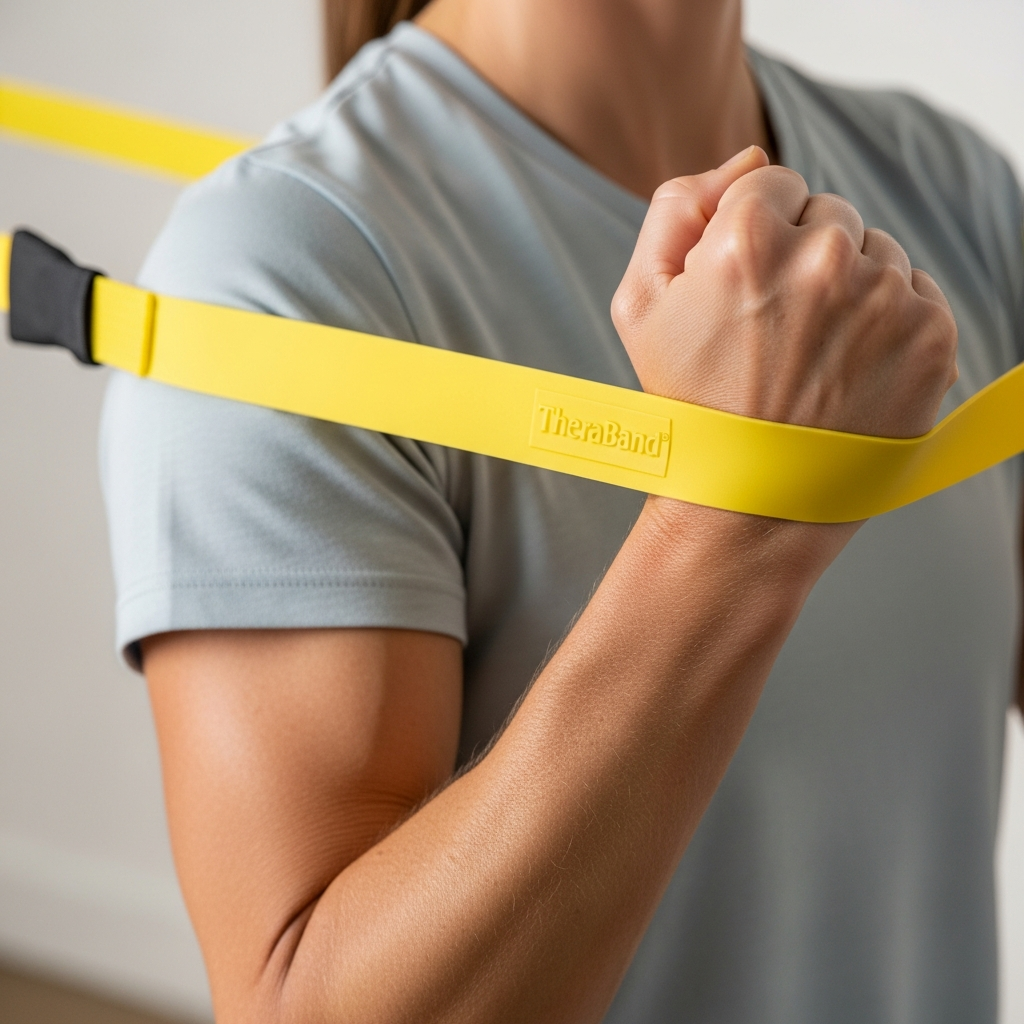
Therapy Bands (Flat Bands)

These are thin, flat sheets of latex or non-latex material, typically sold in long rolls that you can cut to your desired length. They offer very light resistance.

* Uses: Commonly used in physical therapy, rehabilitation, stretching, and light toning exercises.

What to Look for When Choosing Resistance Bands

With so many options out there, how do you pick the right bands for you? Consider these factors to make an informed decision.

Material Matters

Resistance bands are usually made from latex, TPE (thermoplastic elastomer), or fabric.

* Latex: Offers excellent elasticity and stretch. Be aware if you have a latex allergy.

* TPE: A synthetic rubber, often used as a latex-free alternative. It might have a slightly different stretch feel.

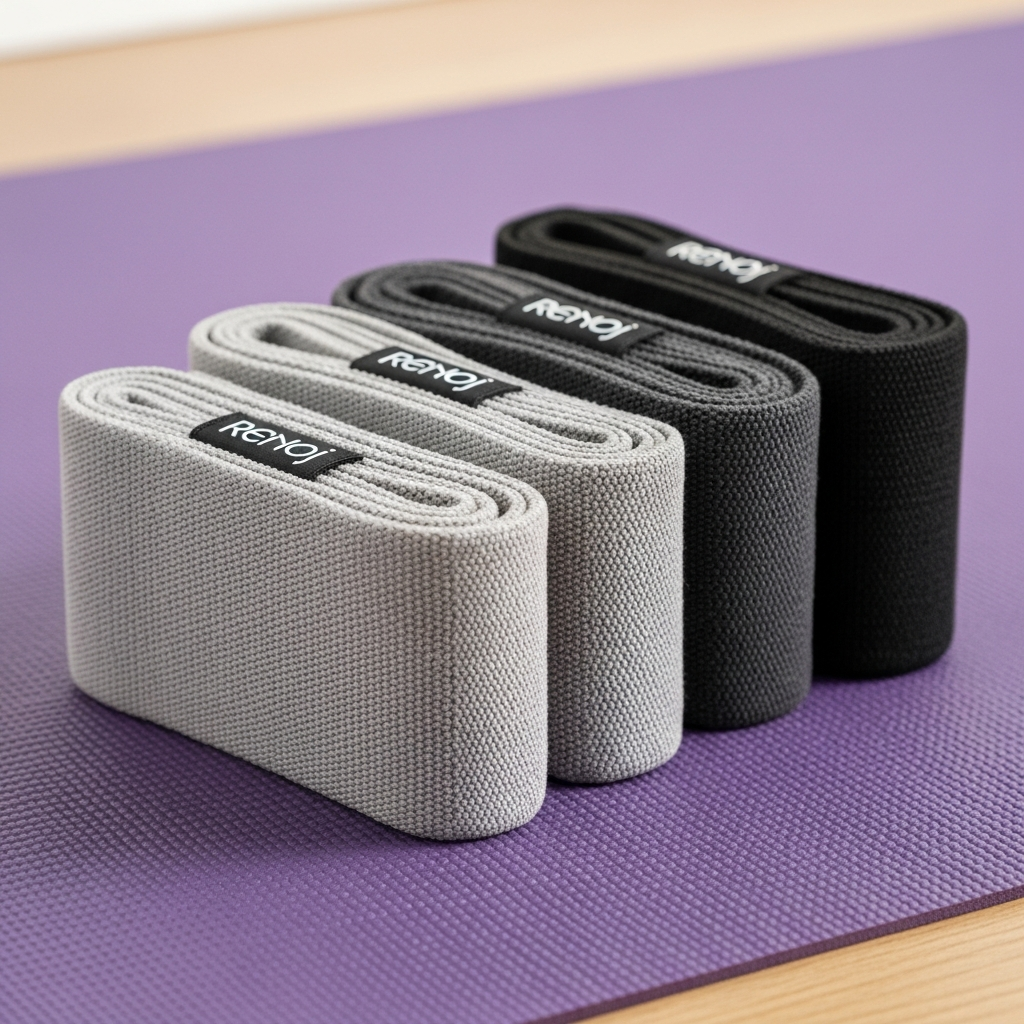
* Fabric: Typically used for mini bands, fabric bands are durable, comfortable, and less likely to roll or snap. They often provide higher, more consistent resistance.

Resistance Levels

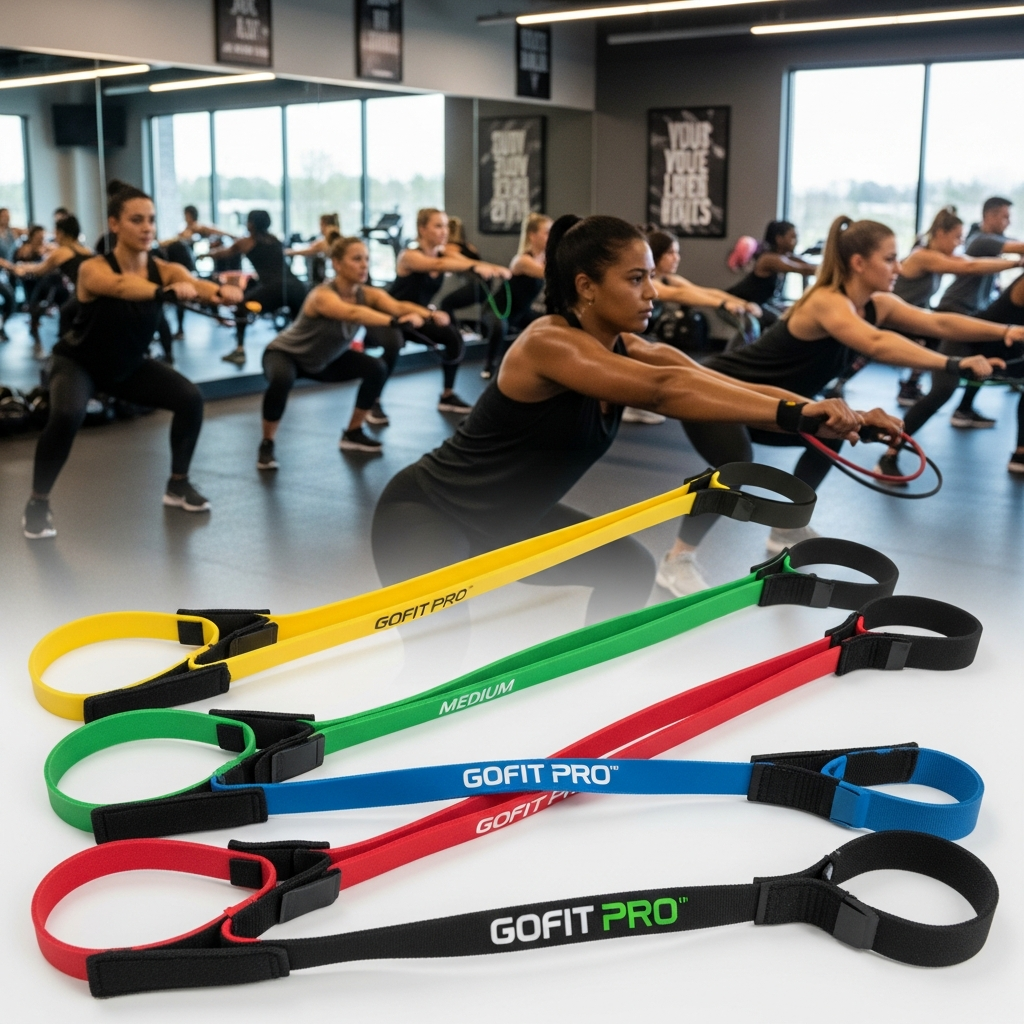
Most bands come in different colors, each indicating a specific resistance level (e.g., yellow for light, red for medium, black for heavy). Itโ€™s wise to purchase a set that includes a range of resistances. This allows you to warm up with lighter bands and progress to heavier ones as you get stronger, or use different resistances for different exercises.

Quality and Durability

Look for bands that feel robust and well-made. For tube bands with handles, check the connection points to ensure they are securely fastened. For loop bands, inspect for any visible tears or weak spots. Good quality bands will last longer and perform better.

Accessories (Handles, Door Anchors, Ankle Straps)

Many tube band sets come with accessories like comfortable handles, a door anchor, and ankle straps. These significantly expand the range of exercises you can perform, turning your bands into a more versatile home gym system. A door anchor, in particular, opens up possibilities for chest presses, rows, and tricep pushdowns.

The 13 Best Resistance Bands for Strength and Toning (Our Top Picks)

Finding the “best” band depends on your goals, but a well-rounded collection will serve you well. Hereโ€™s a breakdown of 13 excellent options, covering various needs and types, to help you build strength and achieve a toned physique.

1. Versatile Loop Band Set (Medium to Heavy)

A cornerstone for any fitness enthusiast. This set includes multiple continuous loop bands with progressive resistance, ideal for full-body workouts like assisted pull-ups, squats, deadlifts, and overhead presses. They offer incredible flexibility for both strength and mobility.

2. Heavy-Duty Power Bands (Single Extra Heavy Option)

For those looking to push serious weight or needing robust assistance for advanced bodyweight exercises, a single, very thick power band is essential. It provides significant resistance for powerlifting accessory work or strong pull-up support.

3. Fabric Mini Bands (Set with Varying Resistance)

Perfect for lower body work, these non-slip fabric loops stay put during glute activation, hip thrusts, and lateral walks. Their wider, non-rolling design makes them extremely comfortable for targeting the glutes and hips effectively.

4. Latex Mini Bands (Compact Travel Set)

A lighter, more compact version of mini bands, usually sold in a set with several resistance levels. These are incredibly portable, making them ideal for warm-ups, quick glute burnouts, and travel workouts when space is limited.

5. Tube Band System with Handles & Door Anchor

This comprehensive set typically includes several tube bands of different resistances, interchangeable handles, and a door anchor. It transforms any doorway into a gym, allowing for a vast array of push, pull, and core exercises.

6. Extra Light Therapy Bands (Long Flat Roll)

While not for heavy strength, these provide gentle resistance, making them perfect for rehabilitation, stretching, and warm-up exercises. Theyโ€™re excellent for improving flexibility and aiding recovery.

7. Ultra-Heavy Resistance Tube Band (Specific for Compound Lifts)

For advanced users, a single tube band with extremely high resistance can be paired with compound movements. It’s excellent for adding intensity to squats or deadlifts when attached to a bar or providing very strong resistance for rows.

8. Figure-8 Bands with Soft Handles

These are a unique option for targeted upper body work. The distinct shape and comfortable handles make them great for isolation exercises like bicep curls, tricep extensions, and chest flies, often favored in physical therapy settings.

9. Long Fabric Resistance Band (With Multiple Loops)

Similar to loop bands but made of fabric and often featuring multiple smaller loops along its length. This design is fantastic for assisted stretching, mobility work, and targeted lower body exercises where you need specific anchor points.

10. Complete Home Gym Band Kit (Multiple Band Types & Accessories)

For the dedicated home fitness enthusiast, a kit combining loop bands, tube bands with handles, mini bands, door anchors, and ankle straps offers the most comprehensive solution. It provides a full arsenal for varied workouts.

11. Travel-Friendly Compact Band Set (Essential Range)

A carefully curated small set of essential bands โ€“ perhaps one light loop band, one medium tube band with handles, and a mini band. This selection provides enough versatility for a full workout while being incredibly minimalist for travel.

12. Specialized Leg and Glute Loop Set (Targeted Resistance)

This set focuses specifically on lower body development, often including fabric mini bands and maybe one or two smaller fabric loop bands with very high resistance. It’s designed for serious glute and leg toning.

13. Durable Resistance Band Bar System

Mimicking a barbell, this system combines a sturdy bar with resistance tube bands that attach to it. It allows for compound movements like squats, deadlifts, and bench presses, giving a more familiar feel for those used to barbells.

How to Incorporate Resistance Bands into Your Workouts

Once you have your bands, itโ€™s time to put them to good use! Hereโ€™s how you can integrate them into various parts of your fitness routine.

Warm-up and Activation

Start every workout with a proper warm-up to prepare your muscles and prevent injury. Resistance bands are perfect for this.

* Glute Activation: Place a mini band above your knees and do lateral walks or glute bridges.

* Shoulder Mobility: Use a light loop band for dislocates or external rotations.

Strength Training Workouts

Resistance bands can be the primary tool for a challenging strength workout. Focus on controlled movements and engaging the target muscles.

Sample Full-Body Resistance Band Workout

| Exercise | Band Type | Reps/Sets |

| Banded Squats | Loop Band (above knees or under feet) | 3 sets of 10-15 reps |

| Banded Rows | Tube Band (door anchor or wrapped around feet) | 3 sets of 10-15 reps |

| Banded Chest Press | Tube Band (door anchor or wrapped around back) | 3 sets of 10-15 reps |

| Banded Glute Bridges | Mini Band (above knees) | 3 sets of 12-18 reps |

| Banded Bicep Curls | Tube Band (under feet) | 3 sets of 10-15 reps |

| Banded Overhead Press | Tube Band (under feet) | 3 sets of 10-15 reps |

| Banded Plank | Loop Band (around ankles or wrists) | 3 sets of 30-60 sec hold |

Rest 60-90 seconds between sets. Adjust resistance by using a stronger band or shortening the band length.

Toning and Sculpting

For toning, focus on higher repetitions (15-25 reps per set) with moderate resistance, emphasizing the muscle contraction and maintaining tension throughout the entire range of motion. Slow and controlled movements are key here.

Cool-down and Stretching

Bands can assist in deepening your stretches and improving flexibility.

* Hamstring Stretch: Loop a therapy band around your foot and gently pull to deepen the stretch.

* Shoulder Stretch: Use a light loop band to assist in overhead stretches.

Progressive Overload with Bands

To keep getting stronger, you need to challenge your muscles more over time.

* Increase Resistance: Switch to a thicker or stronger band.

* More Reps/Sets: Do more repetitions or add another set.

* Slower Tempo: Slow down the eccentric (lowering) phase of an exercise.

* Reduced Rest: Shorten the rest time between sets.

* Advanced Exercises: Try more challenging variations of exercises (e.g., single-leg squats with a band).

Mindset and Consistency: Making Bands Work for You

Having the right tools is only half the battle. Your mindset and ability to stay consistent are just as crucial for long-term success.

Setting Realistic Goals

Start small and build up. Instead of aiming for a drastic change overnight, focus on achievable weekly goals, like “I will do a 20-minute band workout three times this week.” Small wins accumulate into big results. Celebrate each step of progress.

Creating a Routine You Can Stick To

Consistency beats intensity every time. Find a time that works best for you and schedule your workouts. Whether it’s first thing in the morning, during your lunch break, or after work, making it a non-negotiable part of your day increases your chances of showing up. Remember, even 15 minutes is better than nothing!

Listening to Your Body

Always prioritize proper form over trying to use the heaviest band. If an exercise causes pain, stop. Resistance bands are excellent for modifying exercises to suit your body and prevent injury. Pay attention to how your body feels and adjust accordingly. Recovery days are just as important as workout days.

Celebrating Progress

Track your workouts. Note which bands you used, how many reps you did, and how you felt. Seeing your progress, even small improvements like doing an extra rep or moving up to a slightly stronger band, can be incredibly motivating and reinforce your commitment.