
You’ve probably heard the saying, “You can’t out-train a bad diet.” But even more specifically, you can’t out-train poor timing or bad pre-workout nutrition.
What you eat before your workout can make or break your performance — it determines your energy levels, endurance, focus, and recovery. The right pre-workout meal fuels your muscles, stabilizes your blood sugar, and helps you push harder, train longer, and get better results.
But don’t worry — eating right before your workout doesn’t have to be complicated. Whether you’re hitting the gym, going for a run, or doing a home workout, this guide will show you how to eat smart so you can train hard.
Why Pre-Workout Nutrition Matters

Your body needs energy to move — and that energy comes from food. But not just any food — it needs a combination of carbohydrates, protein, and healthy fats in the right proportions and timing.
Eating before you work out helps you:
- Maintain steady energy during your workout
- Prevent fatigue and dizziness
- Preserve muscle mass
- Improve endurance and strength
- Speed up recovery afterward
Think of your body like a car — you wouldn’t go on a road trip with an empty tank. The same goes for your workouts. Pre-workout nutrition gives you the fuel you need to perform your best.
The Three Key Nutrients You Need
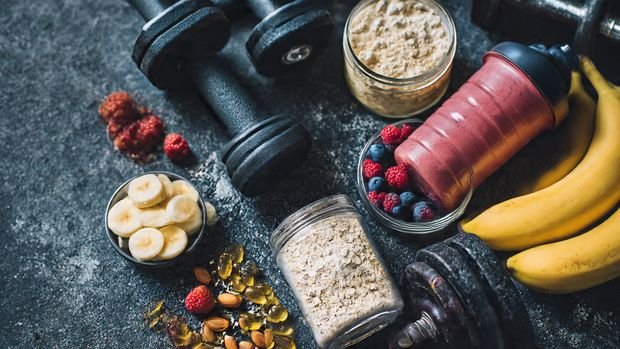
A great pre-workout meal focuses on three main nutrients: carbs, protein, and fats — each with a specific role.
1. Carbohydrates: The Power Source

Carbs are your body’s preferred energy source. They break down into glucose, which your muscles use for fuel. Eating carbs before exercise helps fill up your glycogen stores, so you have energy to perform at your peak.
Good pre-workout carb sources include:
- Oats
- Brown rice
- Sweet potatoes
- Whole-grain toast
- Bananas or apples
- Quinoa
Timing tip: Eat complex carbs (like oats or rice) 1–2 hours before your workout. If you’re short on time, opt for simple carbs like a banana 30–45 minutes before training.
2. Protein: The Muscle Protector

Protein before your workout helps prevent muscle breakdown and supports faster recovery afterward. It provides amino acids — the building blocks your body needs to repair and grow muscle tissue.
Great protein options:
- Eggs or egg whites
- Chicken breast or turkey
- Greek yogurt
- Tofu or tempeh
- Protein shakes or smoothies
Timing tip: Include 15–25 grams of protein 1–2 hours before your workout. If you train early in the morning, a quick protein shake works perfectly.
3. Healthy Fats: The Long-Term Fuel
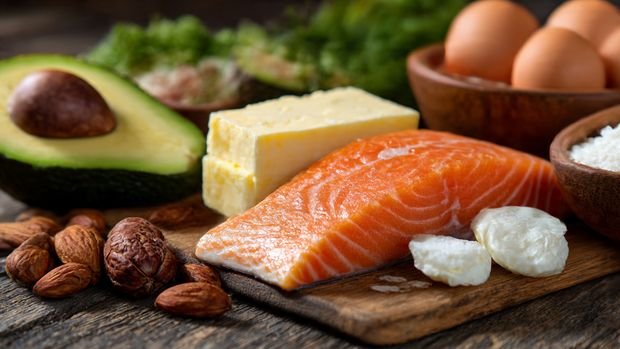
Fats provide slow, steady energy — especially helpful for long workouts or endurance sessions. However, they digest more slowly, so avoid eating too much fat right before intense training.
Best pre-workout fats:
- Avocado
- Nuts or nut butter
- Olive oil
- Chia or flaxseeds
Timing tip: Include healthy fats in meals eaten 2–3 hours before your workout. Skip them if you’re eating right before training to avoid sluggishness.
When to Eat Before a Workout

Timing is key when it comes to pre-workout nutrition. The goal is to fuel your body without feeling too full or bloated.
Here’s a quick guide based on your schedule:
2–3 Hours Before Workout
Eat a balanced meal with carbs, protein, and a bit of healthy fat.
Example: Grilled chicken with brown rice and vegetables.
1–2 Hours Before Workout
Choose a lighter meal or snack focused on carbs and protein.
Example: Oatmeal with whey protein or Greek yogurt with fruit.
30–45 Minutes Before Workout
Go for a quick snack that’s easy to digest and mostly carbs.
Example: A banana with a small spoon of peanut butter or a rice cake with honey.
If you train fasted (like early mornings), a quick carb source such as fruit or a small smoothie can help boost your energy and focus.
Pre-Workout Meal Ideas
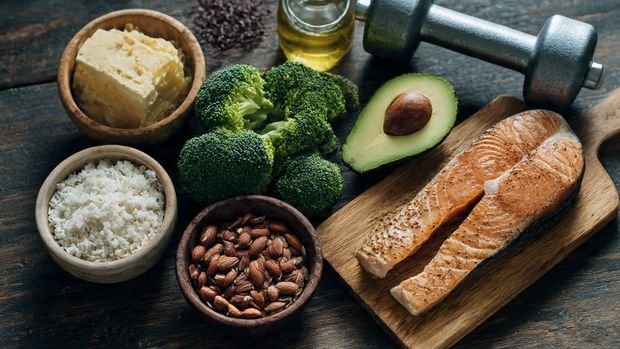
Here are some simple and effective meal combinations based on how much time you have before your workout.
2–3 Hours Before Training
- Grilled chicken, quinoa, and roasted veggies
- Salmon with sweet potato and spinach
- Brown rice with tofu and mixed vegetables
- Turkey sandwich on whole-grain bread with avocado
1–2 Hours Before Training
- Oatmeal topped with banana and protein powder
- Greek yogurt with granola and berries
- Smoothie with protein powder, oats, and peanut butter
- Cottage cheese with fruit and almonds
30–45 Minutes Before Training
- Banana or apple with peanut butter
- Protein shake with a handful of oats
- Rice cakes with honey
- Small handful of trail mix
These options balance quick energy with lasting fuel, so you feel strong without feeling heavy.
Hydration: The Forgotten Pre-Workout Essential

Before you even think about food, make sure you’re hydrated. Dehydration can cause fatigue, cramps, and reduced performance.
Drink water throughout the day — not just right before you exercise.
General guideline:
- 16–20 oz of water 2–3 hours before your workout
- 8–10 oz about 20–30 minutes before starting
You can also include electrolytes if you’re doing long or high-intensity workouts. Coconut water or electrolyte tablets can help maintain hydration balance.
Caffeine and Pre-Workout Boosts

Caffeine is one of the most effective and research-backed pre-workout boosters. It helps increase alertness, energy, and endurance by stimulating your central nervous system.
The ideal timing: 30–60 minutes before your workout.
Good natural caffeine sources include:
- Black coffee
- Green tea
- Matcha
- Pre-workout drinks (use clean ones without added sugar)
Stick to 100–200 mg of caffeine depending on your tolerance. Avoid drinking too much — excess caffeine can lead to jitteriness or dehydration.
What to Avoid Before Your Workout

Even healthy foods can backfire if eaten too close to your workout or in the wrong quantities.
Avoid these before training:
- Heavy, greasy foods like fried items or creamy sauces — they slow digestion.
- High-sugar snacks like candy or soda — they cause energy crashes mid-workout.
- Large meals right before training — they can cause discomfort or sluggishness.
- Too much fiber — can lead to bloating during movement.
Keep it light, simple, and digestible, especially within an hour of your workout.
Pre-Workout for Different Fitness Goals
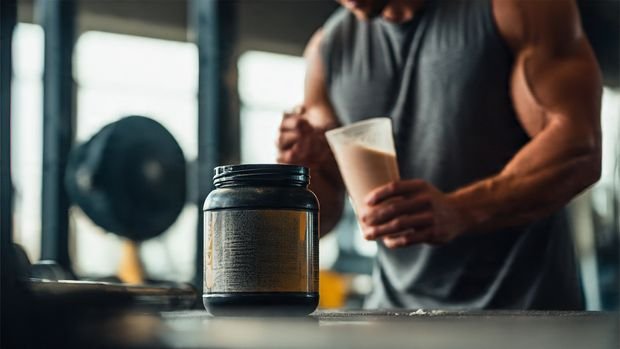
Your pre-workout nutrition can vary depending on what you’re training for.
For Muscle Building

Focus on protein and complex carbs to fuel your lift and stimulate muscle repair.
Example: Chicken, rice, and vegetables or a protein smoothie with oats.
For Fat Loss

Choose a small, balanced meal with protein and a bit of carbs to support energy without excess calories.
Example: Greek yogurt with fruit or boiled eggs with a slice of whole-grain toast.
For Endurance
Emphasize carbs for sustained energy and hydration for performance.
Example: Oatmeal with banana and honey or a peanut butter sandwich.
The key is balance — not cutting or overloading any one nutrient.
What to Eat After Your Workout
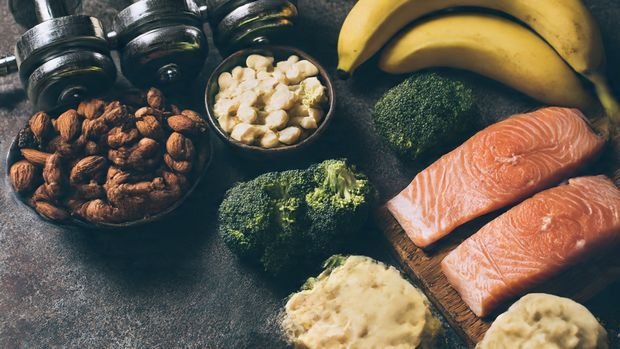
Your pre-workout meal fuels your workout — but your post-workout meal helps your body recover.
Within 30–60 minutes of finishing your workout, eat:
- Protein to repair muscle fibers
- Carbs to replenish glycogen stores
- Fluids to rehydrate
Examples:
- Protein shake with banana
- Grilled fish with quinoa and vegetables
- Scrambled eggs with whole-grain toast
Pre- and post-workout nutrition work hand in hand — one fuels performance, the other accelerates recovery.
A Sample Pre-Workout Routine

Here’s an example of what a balanced pre-workout routine might look like for a morning or evening training session:
Morning Training:
- 6:30 AM: Drink water and have a banana with peanut butter
- 7:00 AM: Train
- 8:00 AM: Post-workout meal — protein shake with oats and berries
Evening Training:
- 4:30 PM: Snack — Greek yogurt with fruit
- 6:00 PM: Workout
- 7:00 PM: Dinner — grilled chicken, rice, and vegetables
This structure provides steady energy, supports muscle recovery, and keeps you fueled without overeating.
Tips for Eating Smart and Training Hard

- Listen to your body. Everyone digests differently. Experiment with meal timing to see what feels best for you.
- Stay consistent. Pre-workout nutrition works best when it’s a habit, not an afterthought.
- Adjust based on your training. Heavier lifting days need more fuel; lighter sessions need less.
- Choose clean, whole foods. Your energy and digestion will thank you.
- Avoid training on an empty stomach if you feel weak or dizzy — your body needs fuel to perform.
Smart nutrition equals smart training.
Final Thoughts
Pre-workout nutrition doesn’t have to be complicated — it just has to be intentional. When you give your body the right nutrients at the right time, you’ll notice the difference in your strength, endurance, and recovery.
Start simple: eat a balanced meal 1–2 hours before training, hydrate well, and include both carbs and protein. Pay attention to how your body feels — it’s the best guide you have.
Remember, training hard starts long before you step into the gym — it starts with what’s on your plate.
Fuel wisely, move powerfully, and stay consistent. That’s the real formula for progress — eat smart, train hard, and feel unstoppable.