

Dietary fiber is an essential nutrient that plays a pivotal role in maintaining digestive health, regulating blood sugar levels, and supporting heart health. Despite its numerous benefits, many individuals fall short of the daily recommended intake. Increasing your fiber consumption does not require a complete dietary overhaul; instead, it can be achieved through small, sustainable adjustments to your daily meals. By focusing on whole, unprocessed foods, you can naturally enhance your fiber intake while enjoying a wide variety of flavors and textures. This guide outlines fourteen practical strategies to help you incorporate more fiber into your diet for long-term wellness.
1. Eat Whole Fruits Instead of Drinking Juice
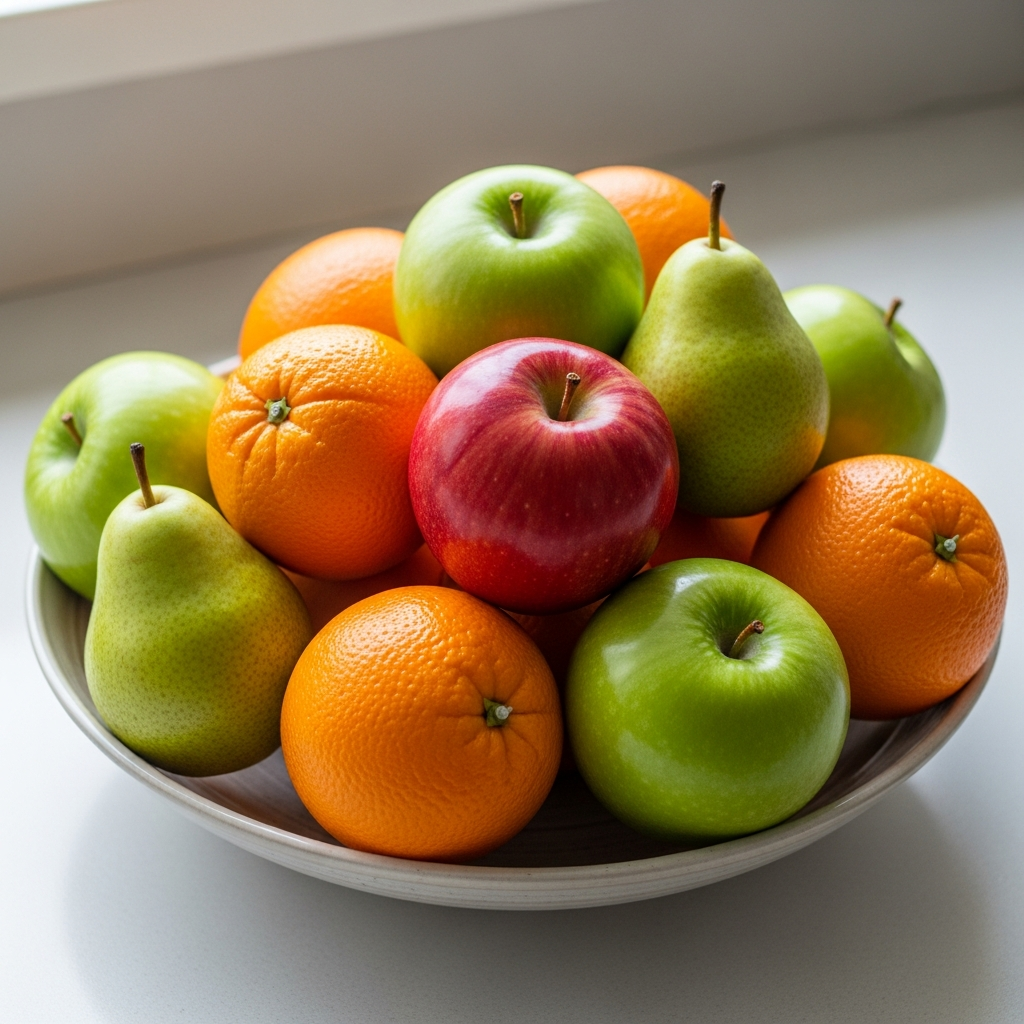
While fruit juice provides vitamins, it often lacks the essential fiber found in the whole fruit. The juicing process removes the pulp and skin, which are the primary sources of fiber. By choosing to eat a whole apple or orange rather than drinking its juice, you ensure that you are consuming the beneficial structural components of the fruit that help slow sugar absorption and promote satiety.
2. Switch to Whole Grain Varieties
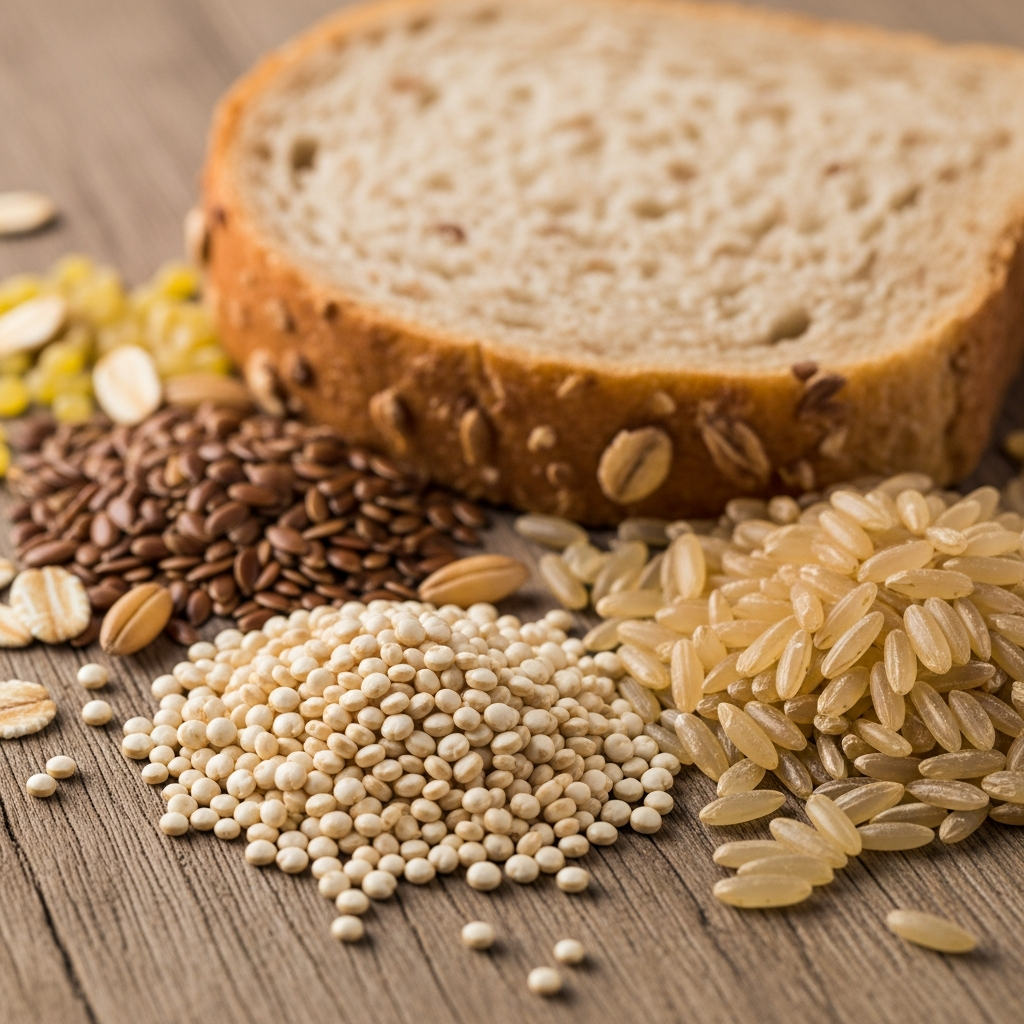
Refined grains, such as white bread and white rice, have the bran and germ removed, stripping away most of the fiber content. Transitioning to whole-grain alternatives like brown rice, quinoa, and whole-wheat bread can significantly increase your fiber intake. These versions retain their natural nutritional profile, providing sustained energy and better digestive support.
3. Incorporate Legumes into Your Main Dishes
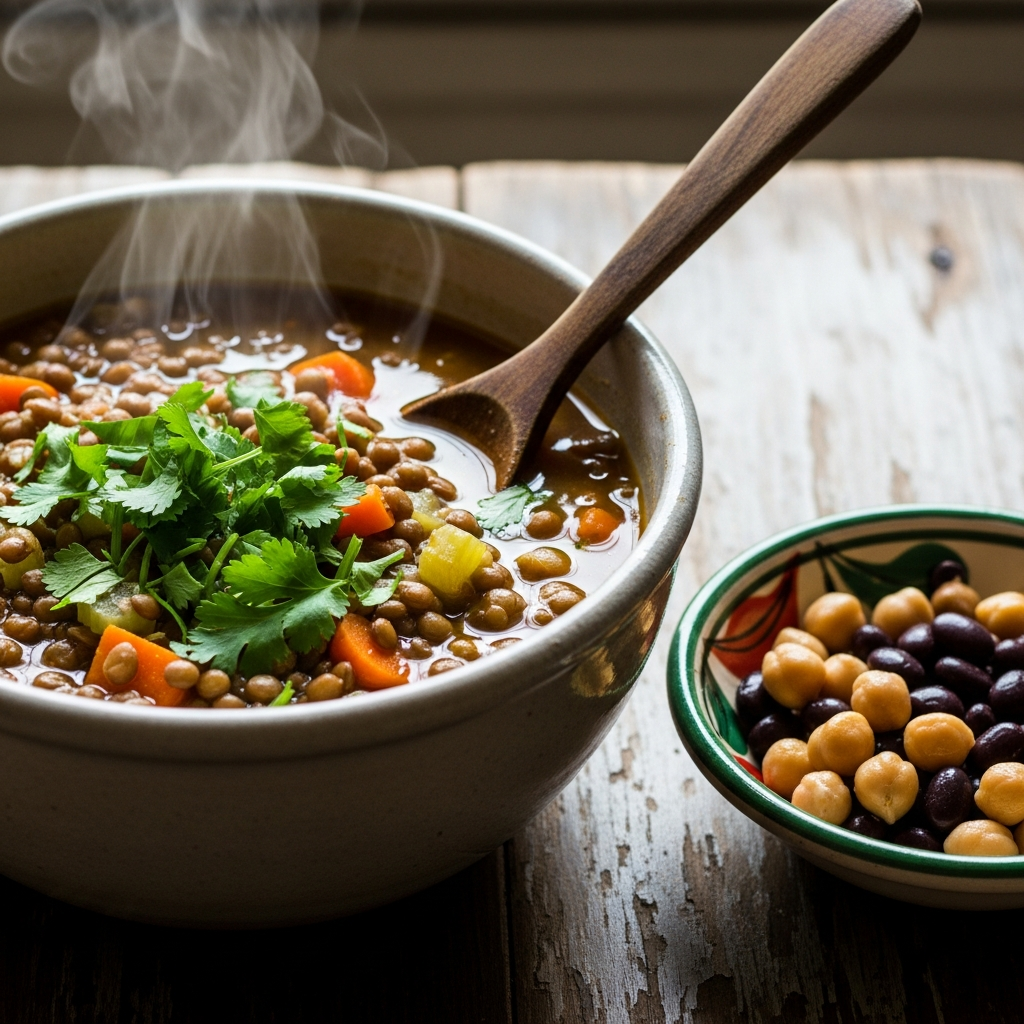
Beans, lentils, and chickpeas are among the most fiber-dense foods available. You can easily add them to soups, salads, and stews to increase the nutritional density of your meals. Legumes provide a unique combination of soluble and insoluble fiber, which aids in lowering cholesterol and maintaining regular bowel movements.
4. Snack on Raw Nuts and Seeds
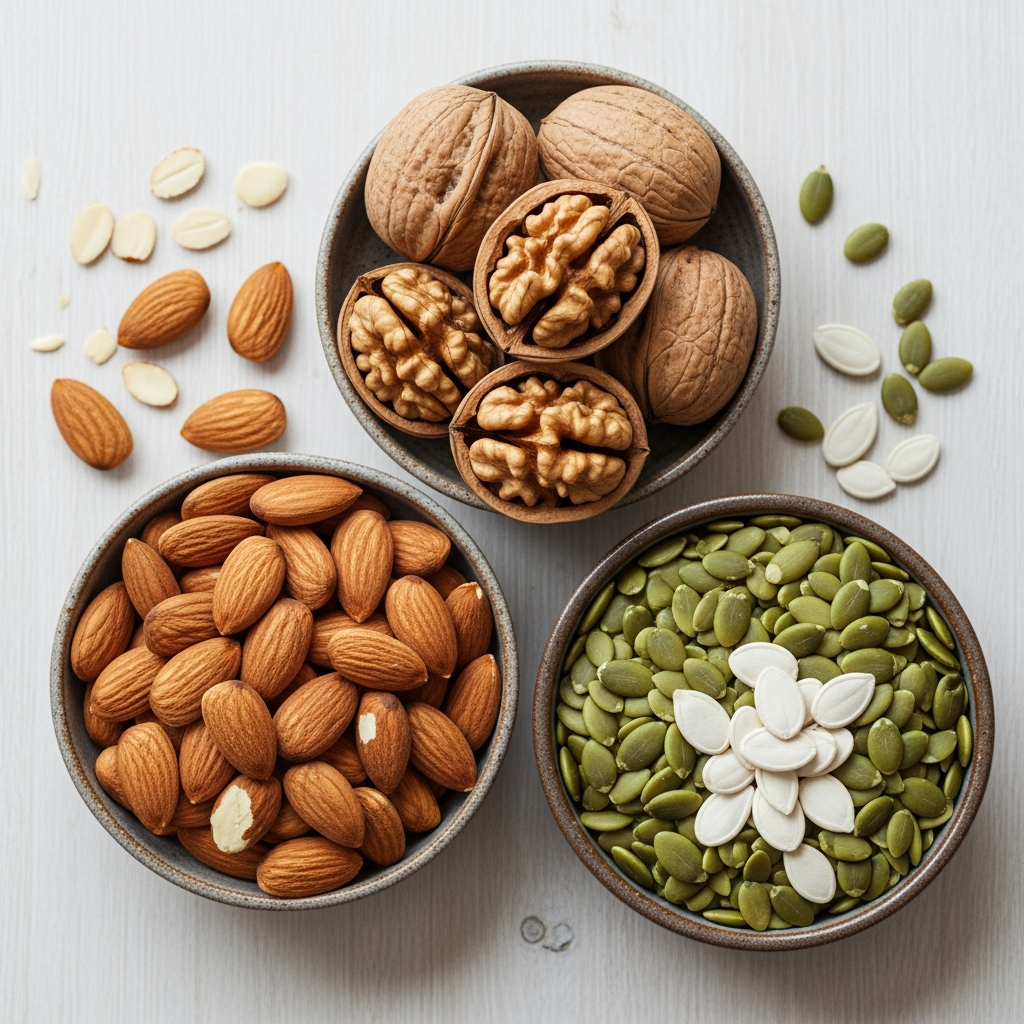
Nuts and seeds are convenient, nutrient-dense snacks that offer a healthy dose of fiber. Almonds, walnuts, and pumpkin seeds are excellent choices that can be kept at your desk or in your bag. Beyond fiber, these snacks provide healthy fats and protein, making them an ideal option for maintaining energy levels between meals.
5. Keep the Skin on Your Vegetables
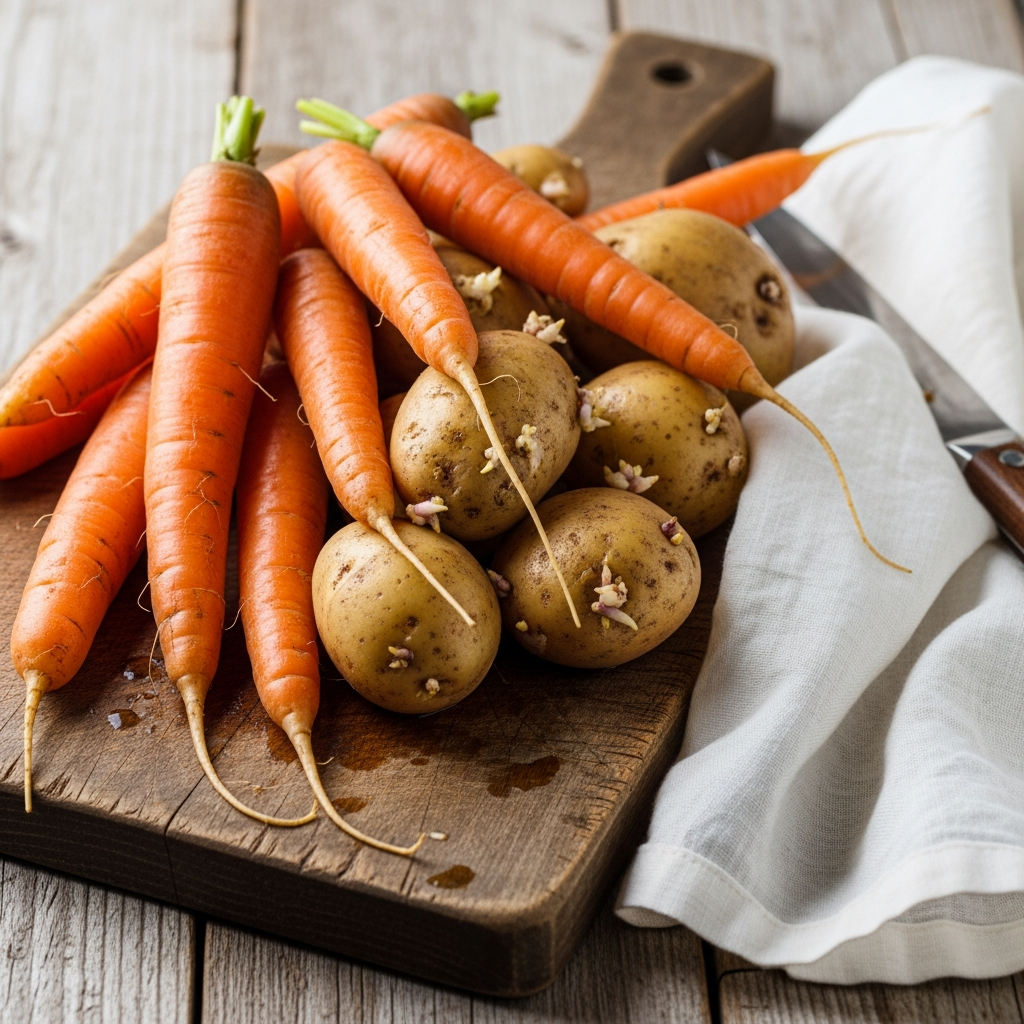
Many people peel their vegetables out of habit, but the skin is often the most fiber-rich part of the plant. Whenever possible, keep the skins on potatoes, cucumbers, and carrots. Just ensure they are thoroughly washed to remove any surface dirt or residues while retaining the maximum nutritional value.
6. Add Chia Seeds to Your Breakfast
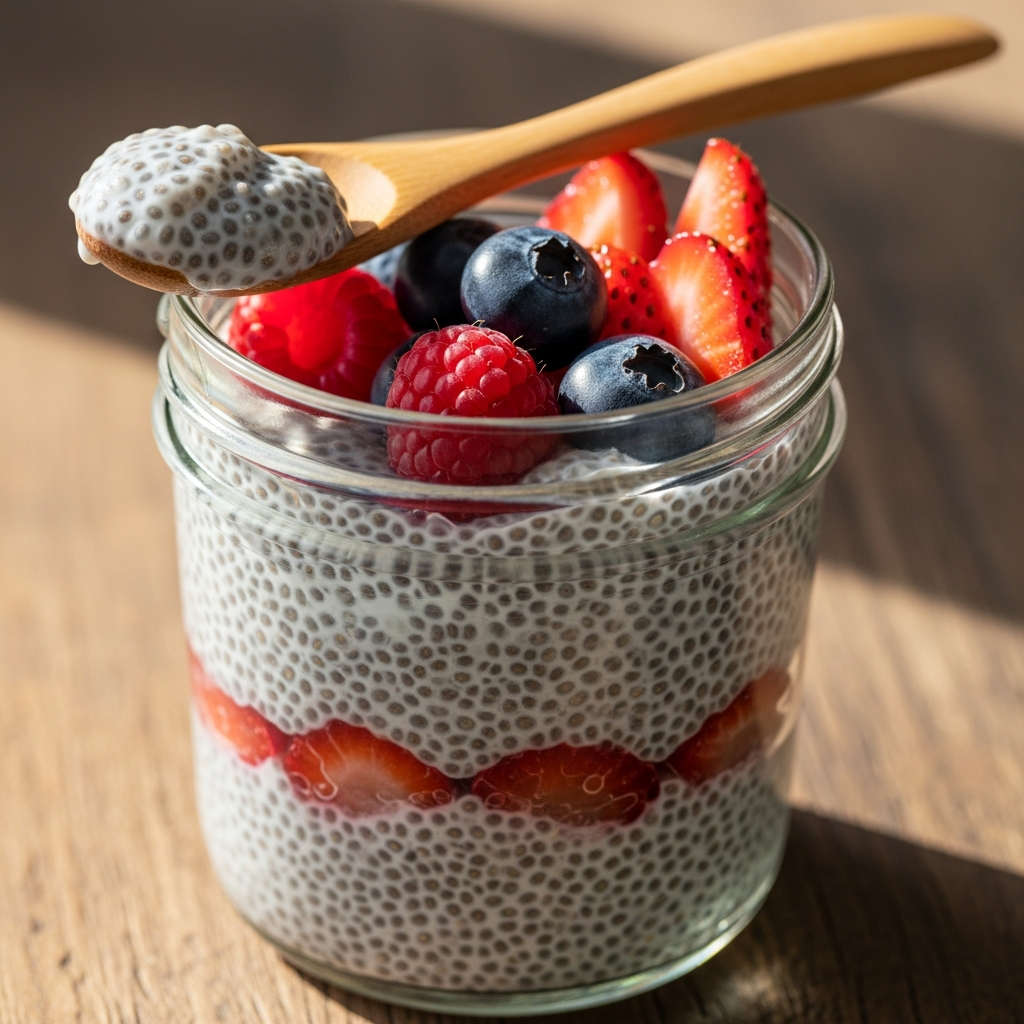
Chia seeds are a powerhouse of fiber, containing nearly 10 grams in just two tablespoons. They can be easily stirred into yogurt, oatmeal, or smoothies without significantly changing the flavor. When hydrated, they form a gel-like consistency that can help you feel full for longer periods throughout the morning.
7. Prioritize High-Fiber Cereal Options
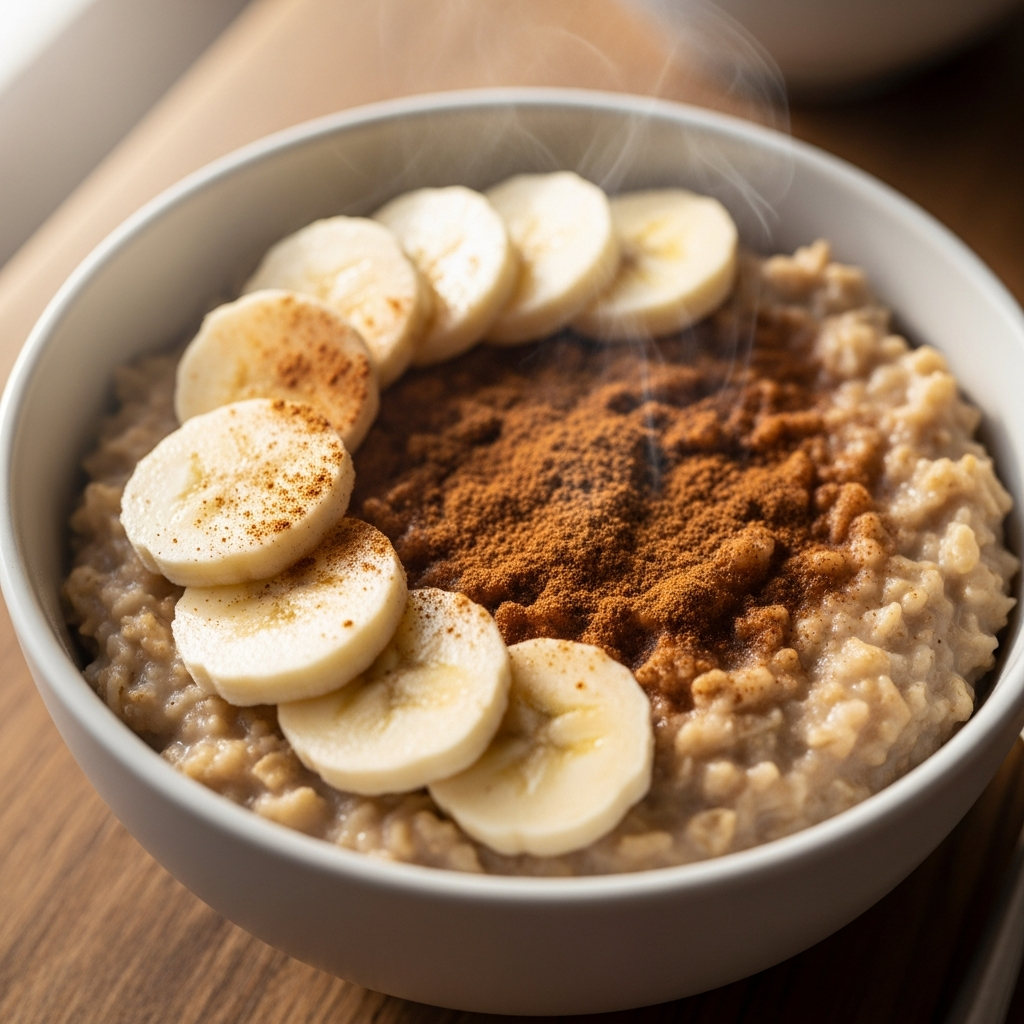
When selecting a breakfast cereal, look for options that list whole grains as the first ingredient and contain at least 5 grams of fiber per serving. Avoid sugary, refined cereals and opt for bran flakes or steel-cut oats. This simple morning swap sets a healthy tone for the rest of your day.
8. Include More Non-Starchy Vegetables
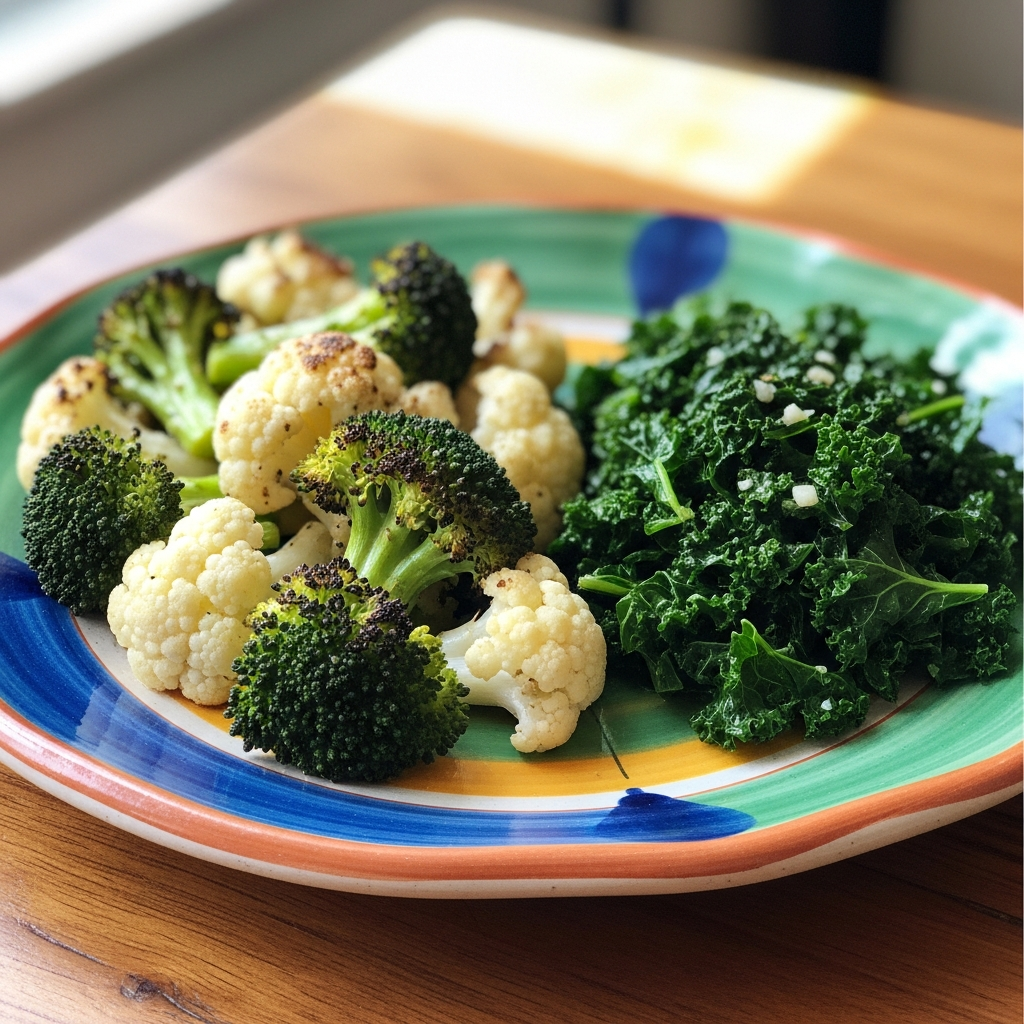
Vegetables such as broccoli, cauliflower, and leafy greens are low in calories but exceptionally high in fiber. Filling at least half of your plate with these non-starchy options ensures you get a high volume of food and fiber without an excessive caloric load. Experiment with roasting or steaming them to find textures you enjoy.
9. Use Berries as a Natural Sweetener
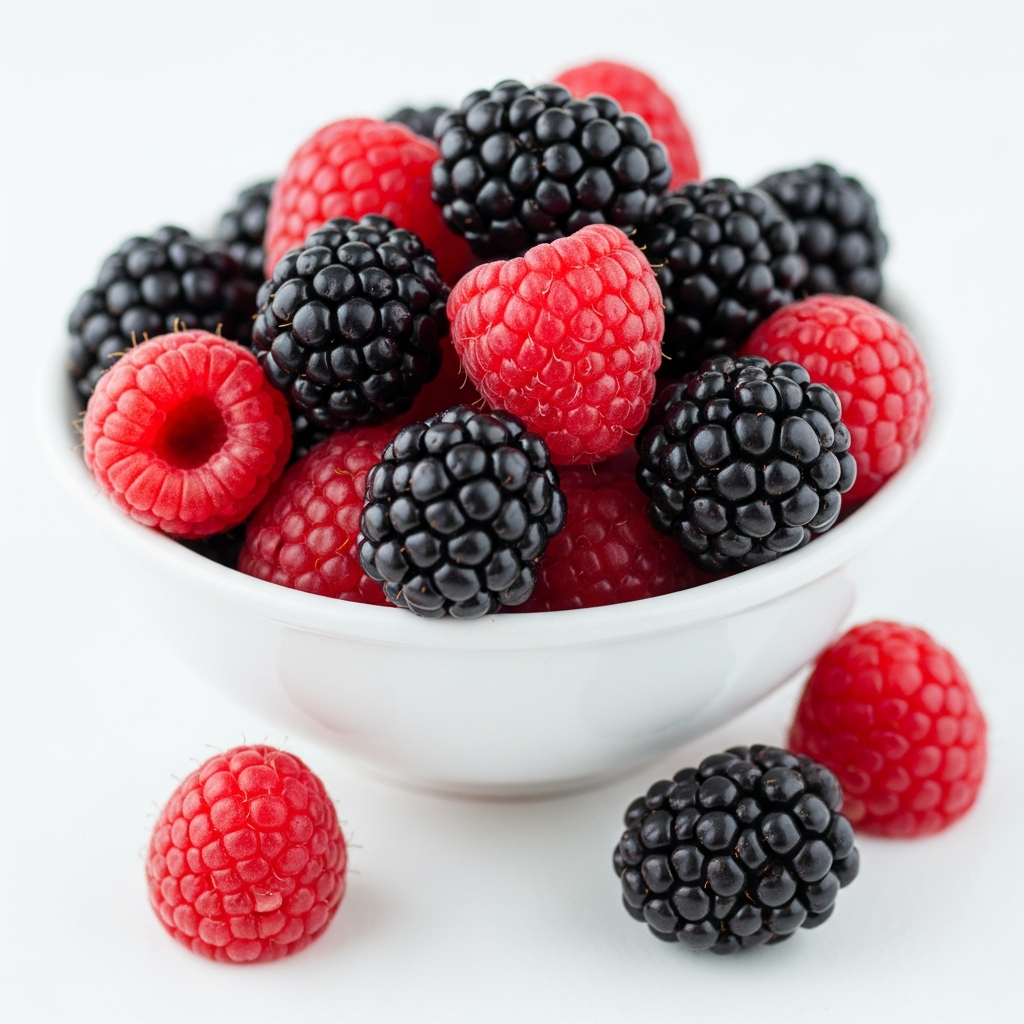
Berries like raspberries and blackberries are some of the highest-fiber fruits due to their many tiny seeds. Adding a handful of berries to your cereal, yogurt, or salads provides a burst of antioxidants and a significant fiber boost. They serve as an excellent natural alternative to processed sweeteners.
10. Swap White Pasta for Bean-Based Pasta
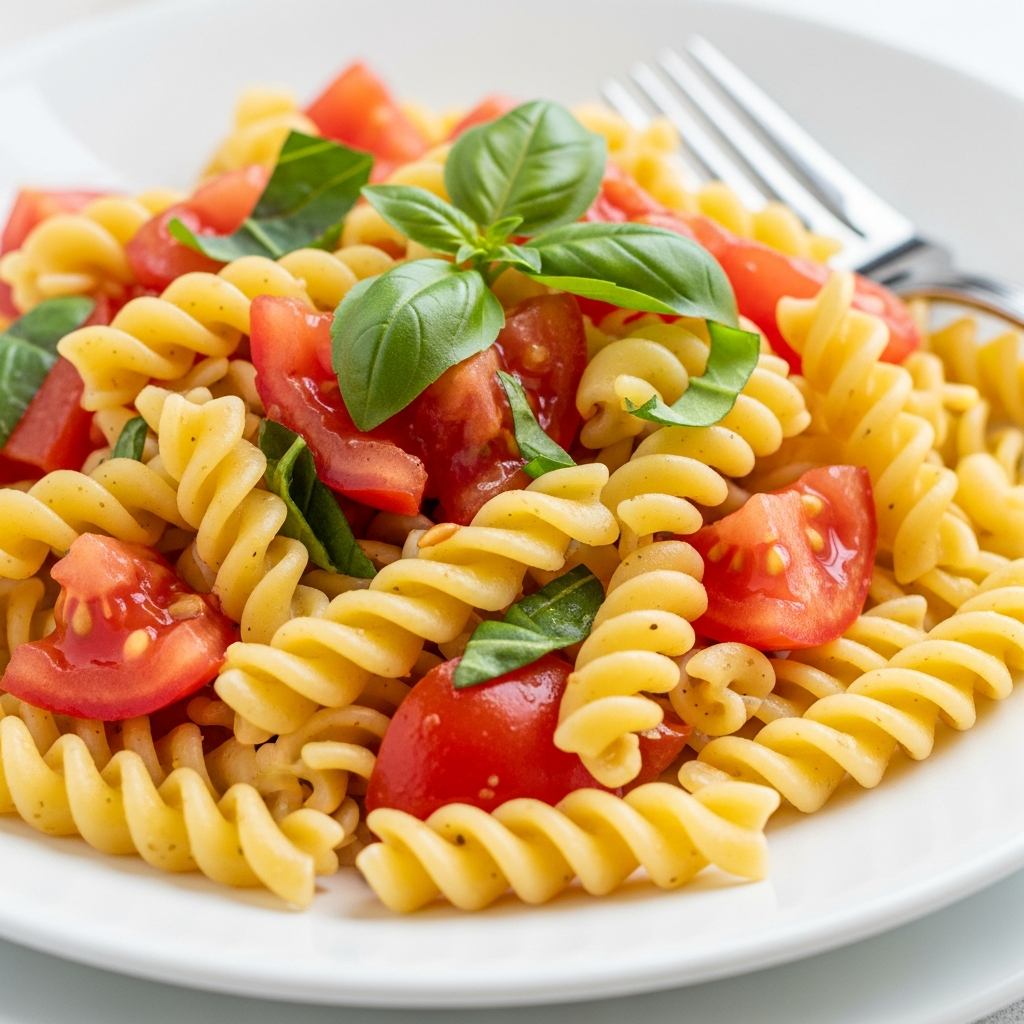
Modern food innovation has introduced pastas made from chickpeas, lentils, and black beans. These alternatives often contain double or triple the fiber of traditional wheat pasta while providing a higher protein content. They are an easy direct replacement in your favorite Italian dishes.
11. Supplement with Ground Flaxseeds
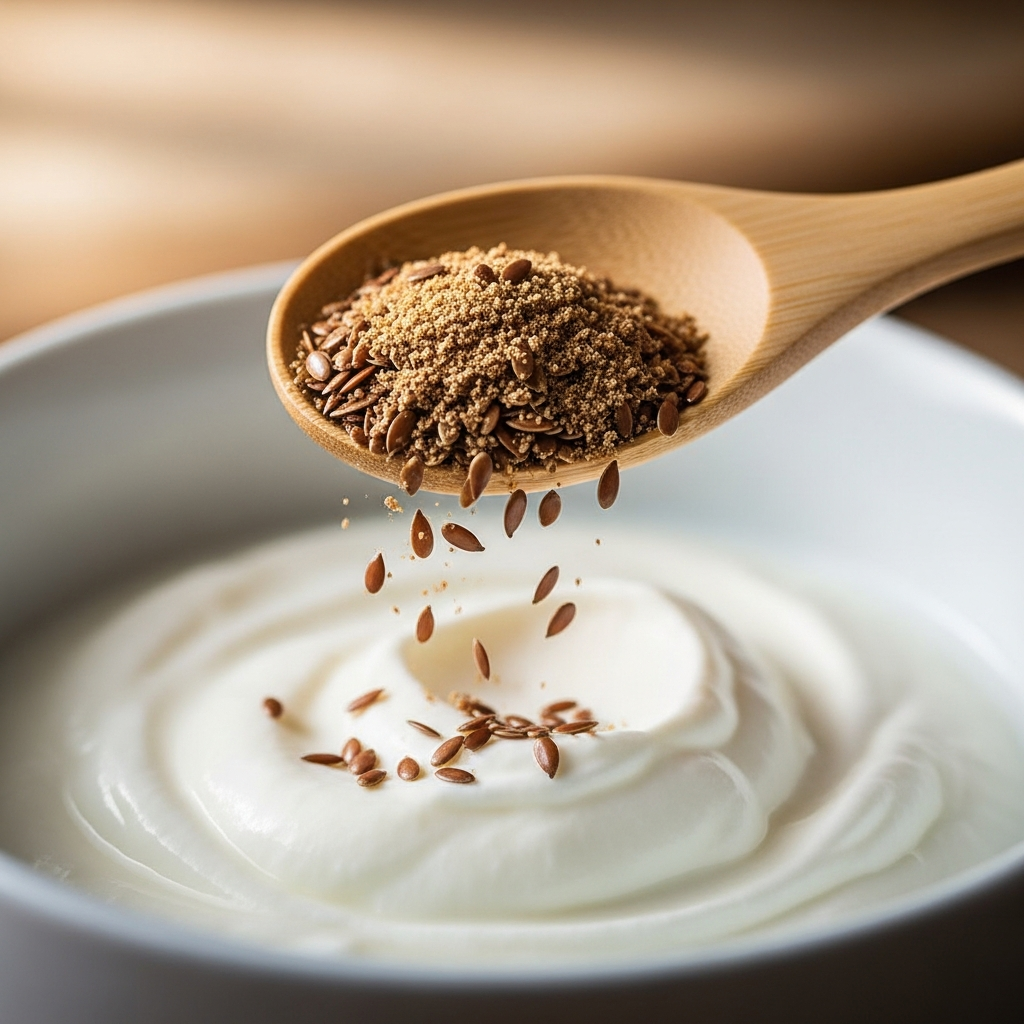
Ground flaxseeds are an easy way to sneak fiber into almost any meal. They have a mild, nutty flavor that complements smoothies, muffins, and even savory dishes like meatloaf. Because they are ground, your body can more easily absorb the fiber and omega-3 fatty acids they contain.
12. Experiment with Ancient Grains
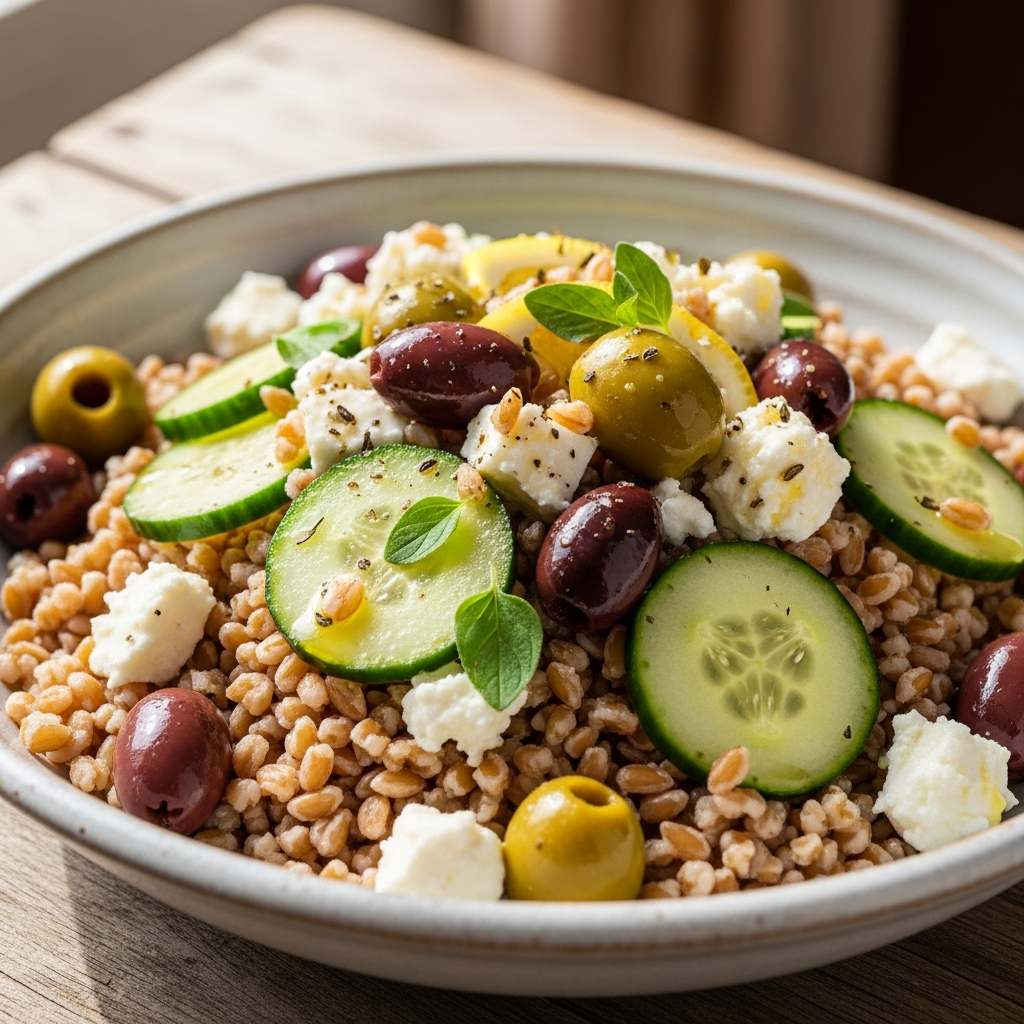
Broaden your culinary horizons by trying ancient grains like farro, bulgur, and barley. These grains are often less processed than modern wheat and offer unique textures and high fiber counts. They work exceptionally well as a base for grain bowls or as a hearty addition to winter soups.
13. Choose Popcorn as a Healthy Snack
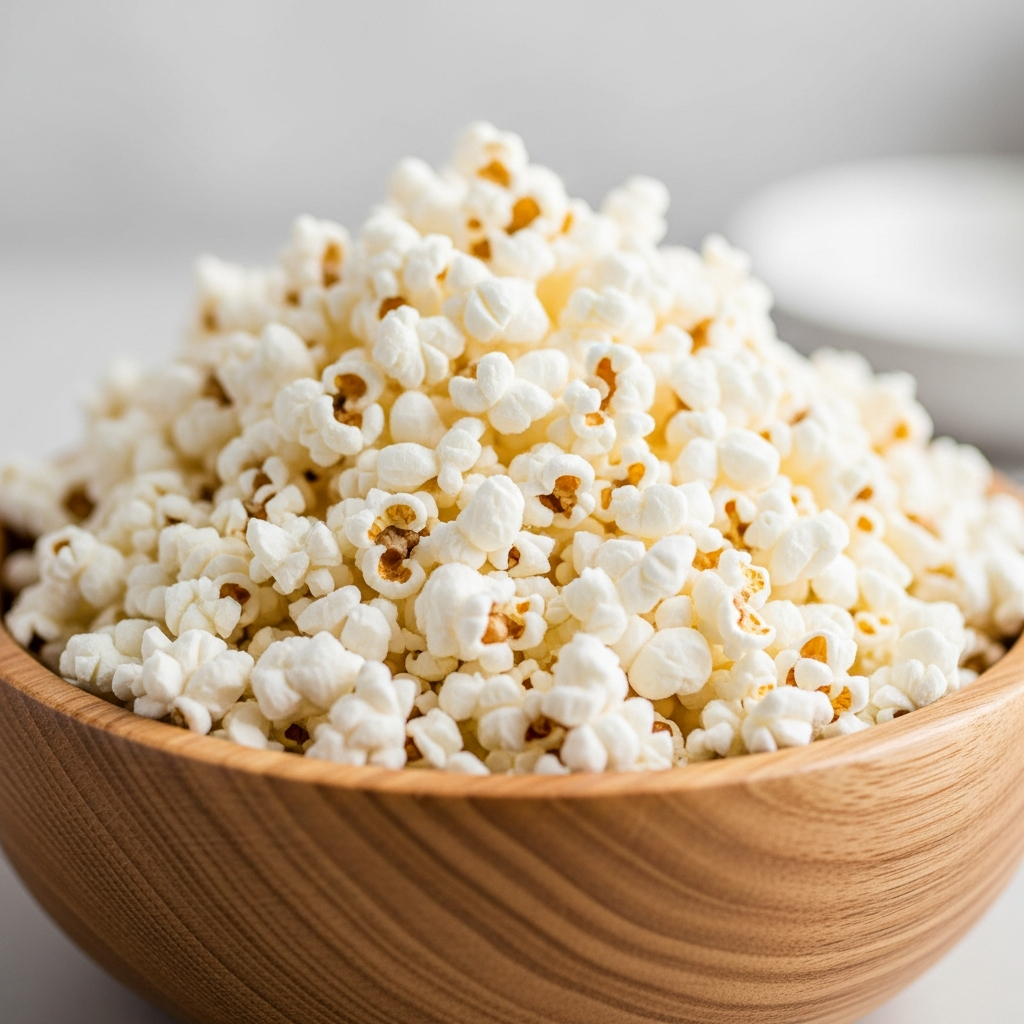
Popcorn is a whole grain that is naturally high in fiber. When air-popped and lightly seasoned, it is a much healthier alternative to chips or crackers. Three cups of popcorn provide approximately 3.5 grams of fiber, making it a satisfying and crunchy way to meet your nutritional goals.
14. Pair Vegetables with Hummus
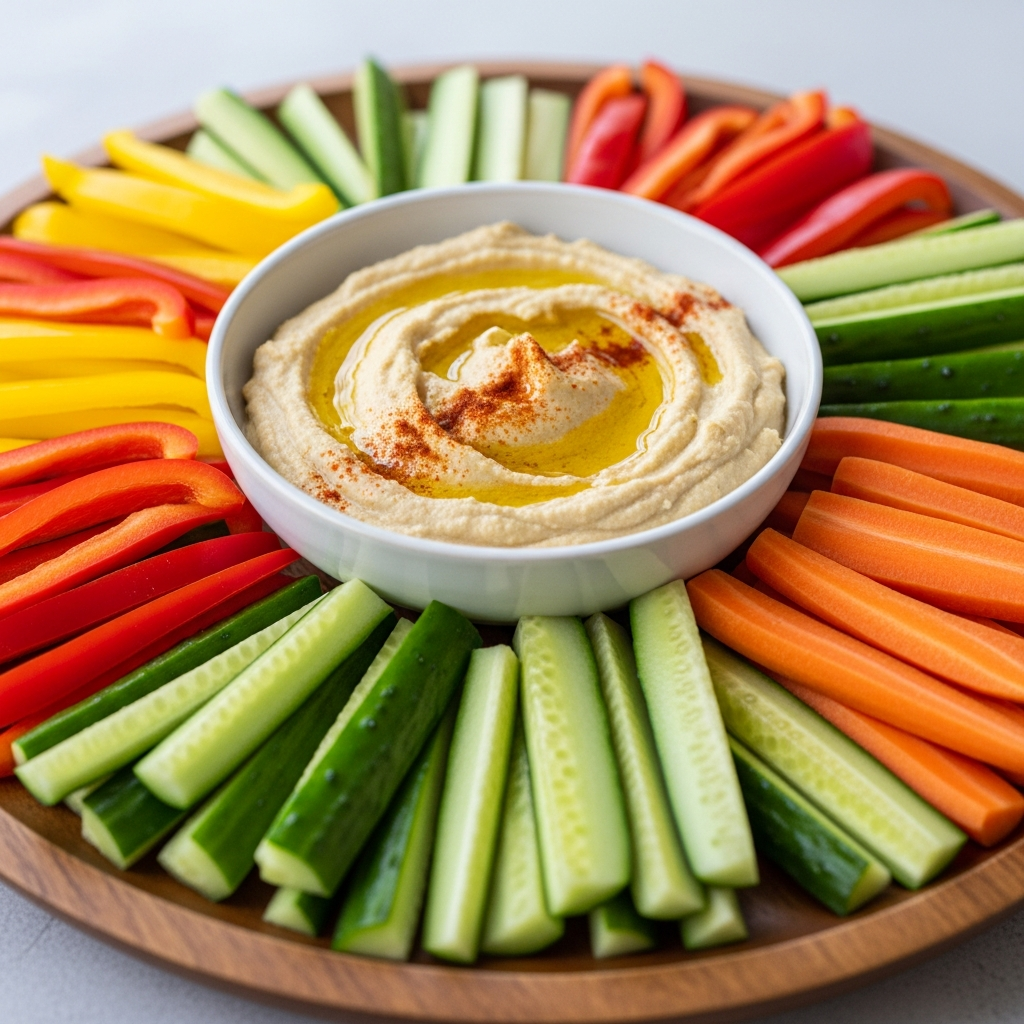
Instead of using creamy, fat-based dips, pair your raw vegetables with hummus. Made from chickpeas, hummus adds an extra layer of fiber to an already healthy snack of carrots, celery, or bell peppers. This combination is highly effective for maintaining steady blood sugar levels throughout the afternoon.
Conclusion
Transitioning to a high-fiber diet is a journey of small, consistent choices. By incorporating these fourteen tips, you can enjoy the various health benefits of fiber while discovering new and delicious ways to prepare whole foods. It is important to increase your fiber intake gradually and maintain proper hydration to allow your digestive system to adjust effectively. Over time, these natural habits will lead to improved energy, better digestion, and a more balanced lifestyle.