

Embarking on a weight-loss journey does not mean sacrificing flavor or satisfaction. The key to sustainable health is enjoying the food you eat while nourishing your body with high-quality ingredients. This collection focuses on whole foods, lean proteins, and vibrant vegetables designed to boost metabolism and keep you full longer. By focusing on nutrient density and culinary creativity, you can achieve your fitness goals without feeling deprived.
1. Lemon Garlic Baked Salmon
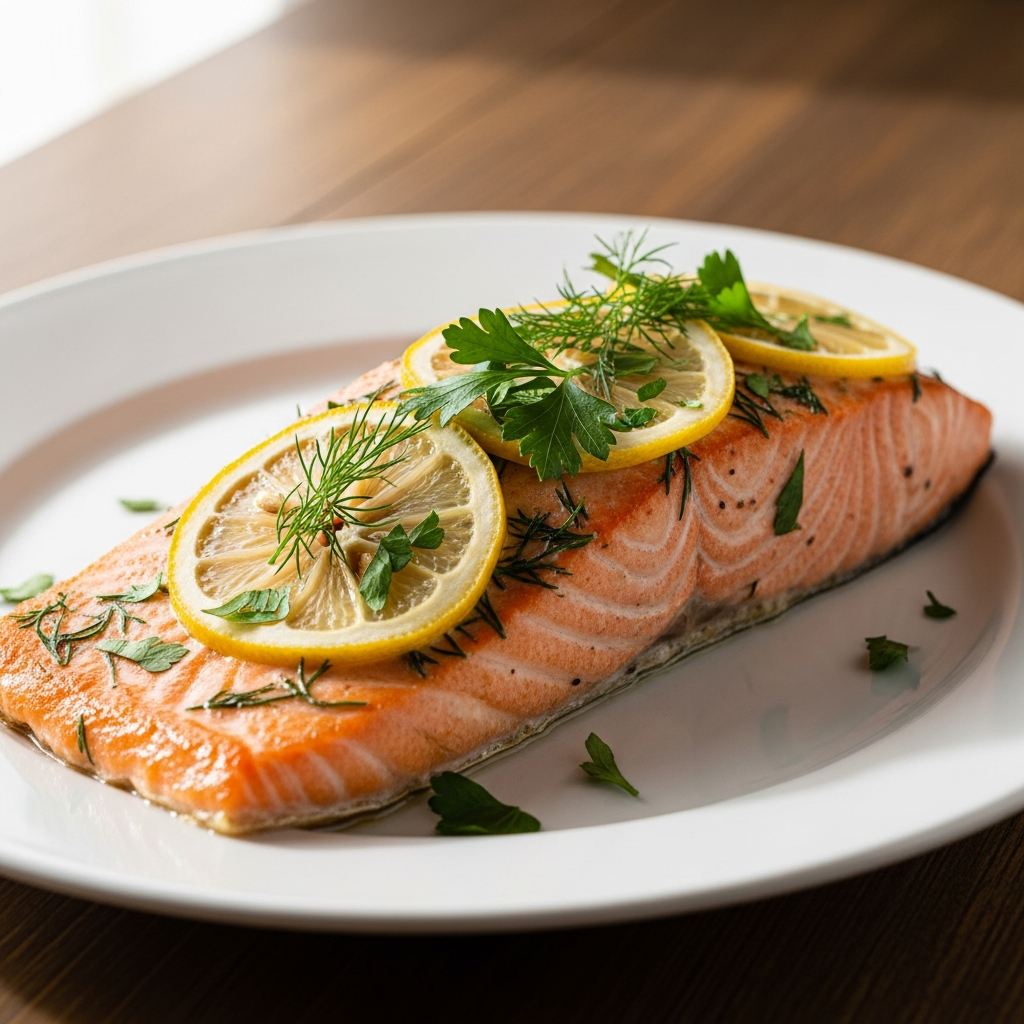
Salmon is a powerhouse of omega-3 fatty acids and high-quality protein. For this dish, season a fresh fillet with minced garlic, lemon slices, and a dash of sea salt. Bake it until tender to create a meal that supports heart health and promotes muscle recovery while remaining low in calories.
2. Zucchini Noodles with Walnut Pesto
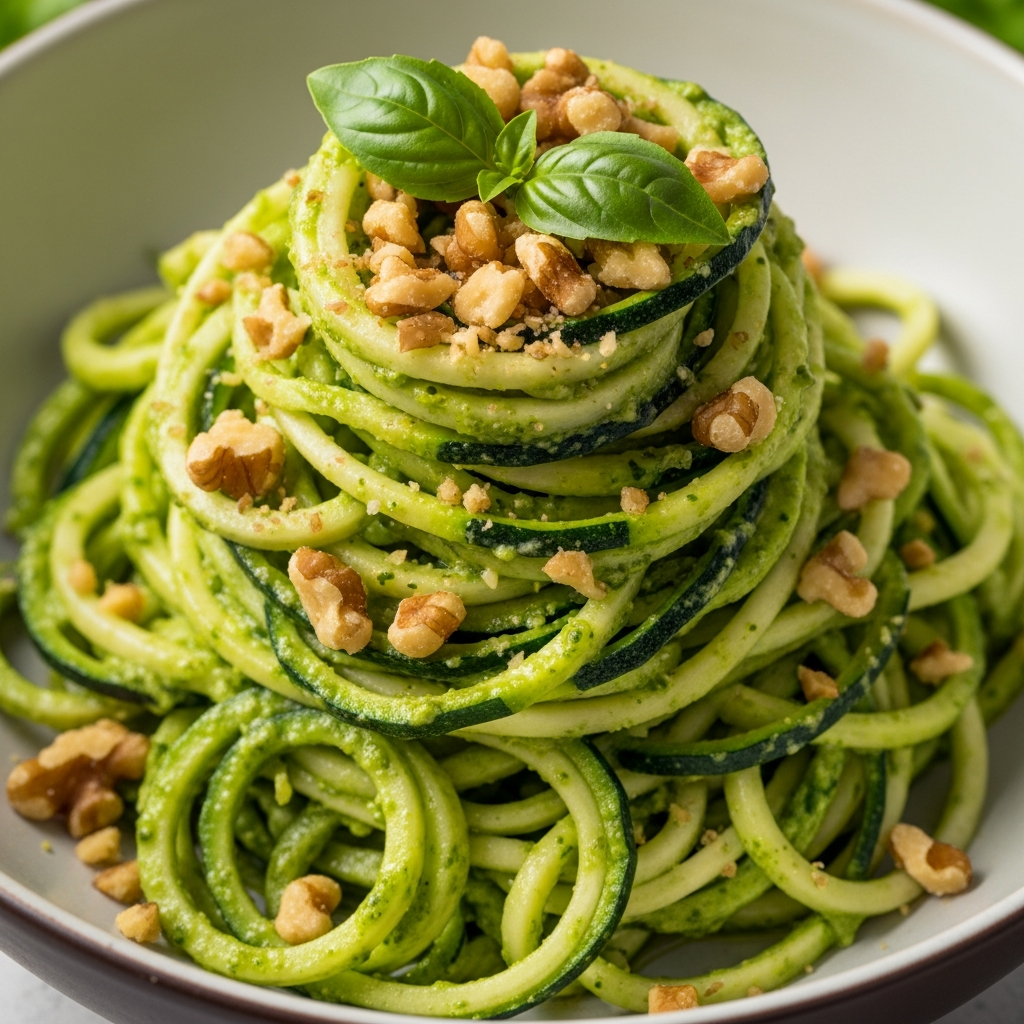
Replacing traditional pasta with zucchini noodles, or zoodles, significantly reduces carbohydrate intake. Toss these light strands with a homemade pesto made from fresh basil, walnuts, and a touch of olive oil. This dish offers a satisfying texture and a burst of herbal flavor with minimal caloric impact.
3. Quinoa and Black Bean Power Bowl
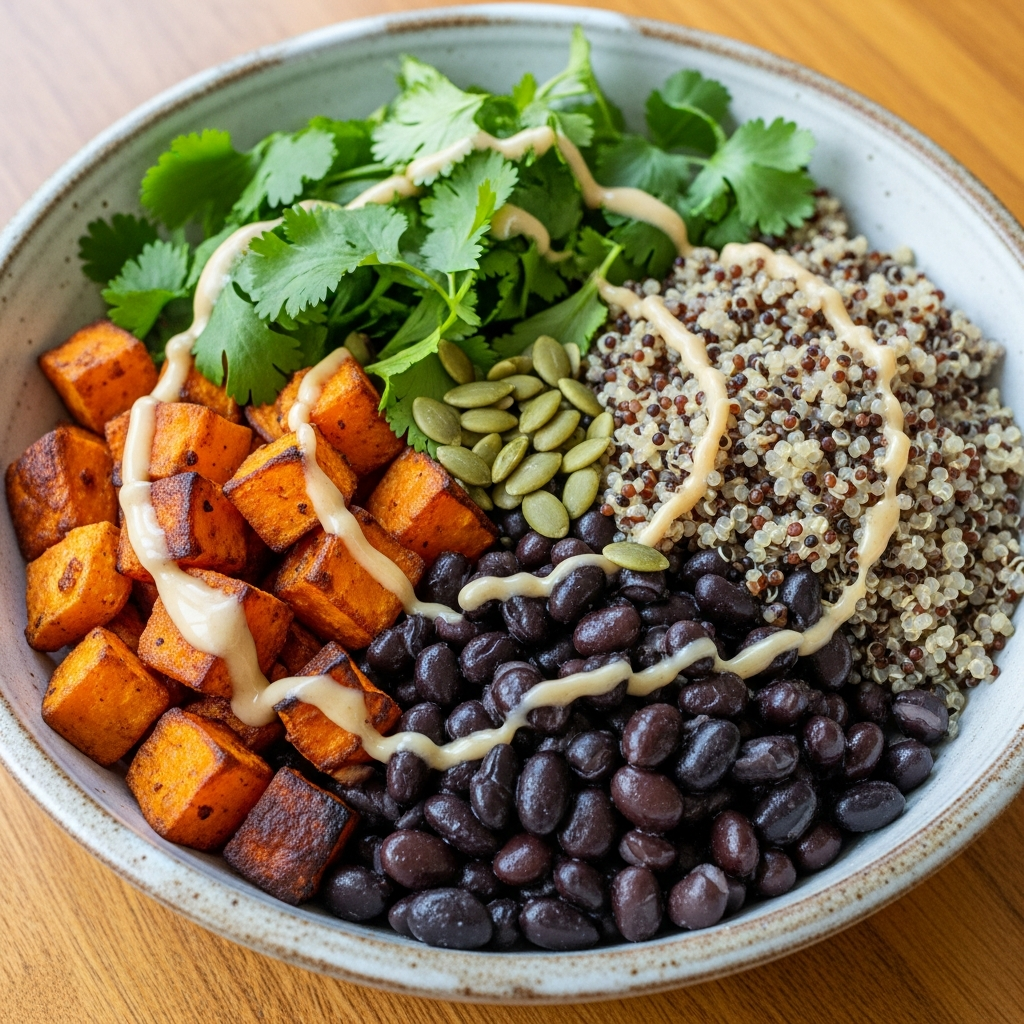
Quinoa provides a complete protein source, while black beans offer essential fiber to aid digestion. Combine these with roasted sweet potatoes, corn, and a lime-cilantro dressing. This bowl is an excellent choice for a filling lunch that stabilizes blood sugar levels throughout the afternoon.
4. Mediterranean Chickpea Salad
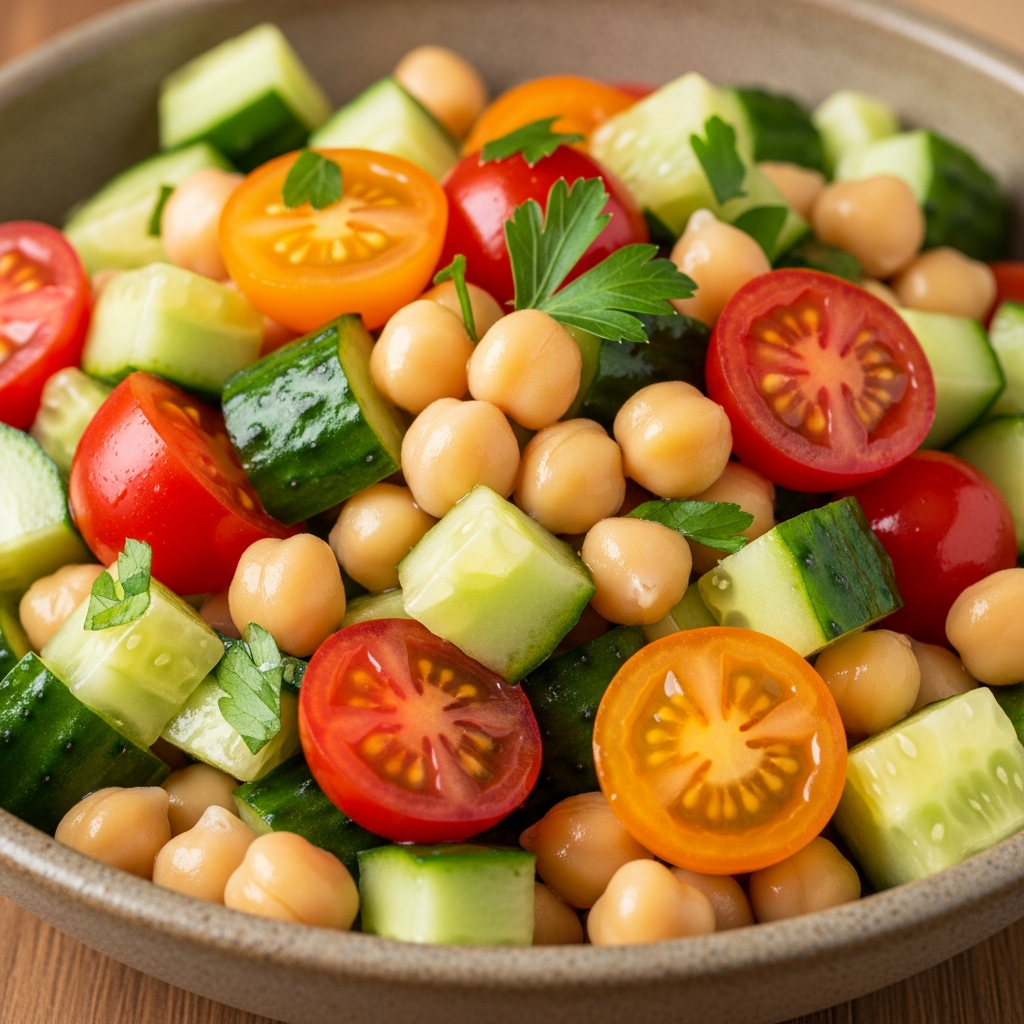
This refreshing salad utilizes chickpeas for a plant-based protein boost. Mix them with diced cucumbers, cherry tomatoes, red onions, and a light vinaigrette. The high fiber content of the beans ensures satiety, making it a perfect side dish or a light main course.
5. Turkey and Spinach Stuffed Bell Peppers
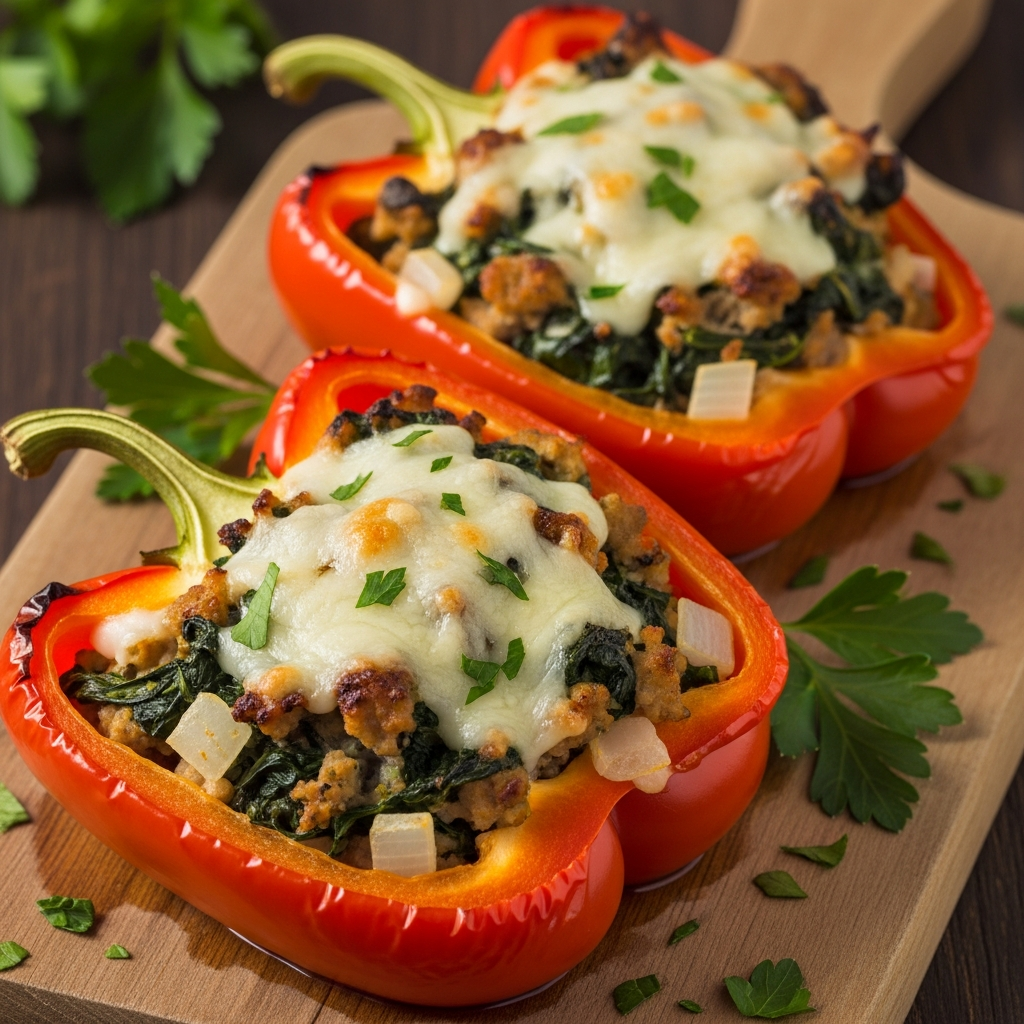
Bell peppers serve as a natural, low-calorie vessel for a savory filling. Use lean ground turkey mixed with chopped spinach and brown rice to stuff the peppers. Bake until the peppers are soft for a meal that is rich in vitamins A and C and high in lean protein.
6. Roasted Vegetable Grain Bowl
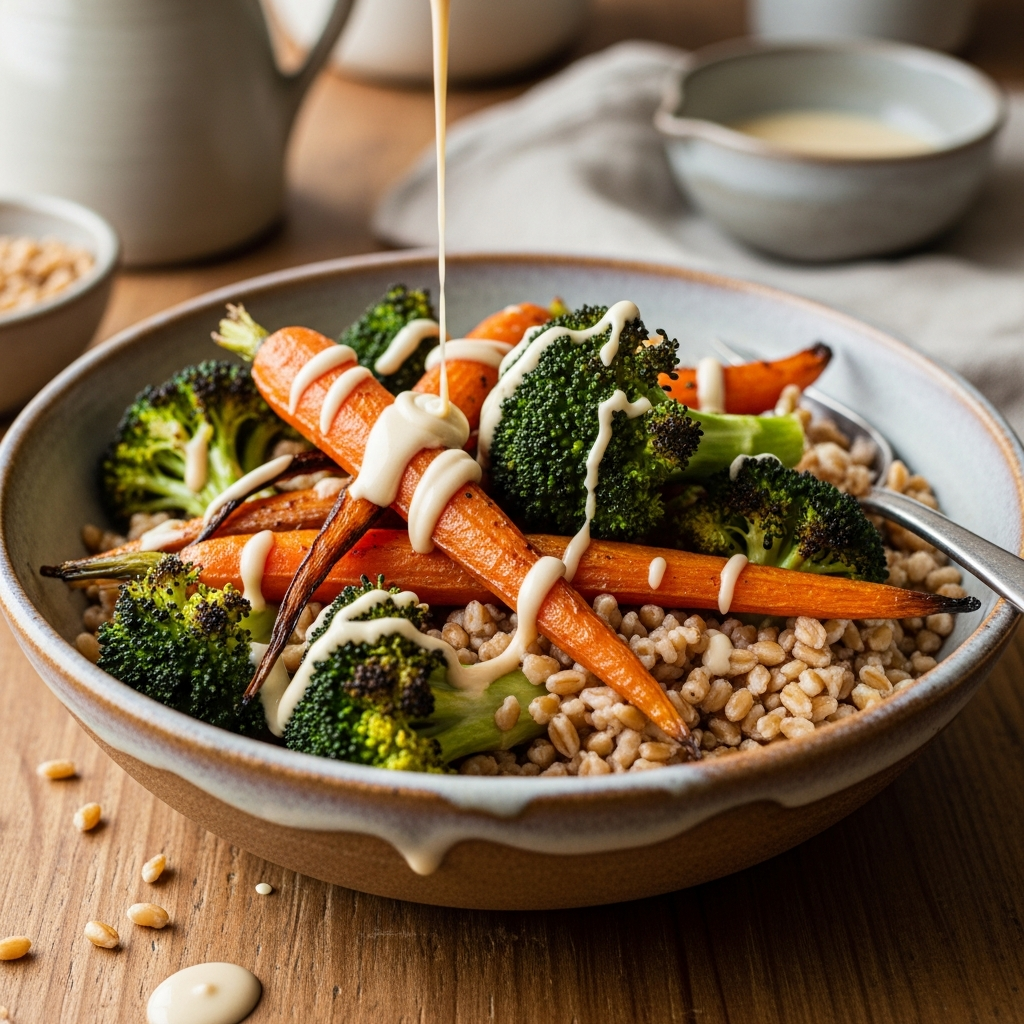
Roasting vegetables caramelizes their natural sugars, enhancing flavor without added fats. Combine roasted broccoli, carrots, and red peppers over a small portion of farro. Drizzle with a tahini dressing for a nutty finish that provides healthy fats and complex carbohydrates.
7. Greek Yogurt Chicken Salad
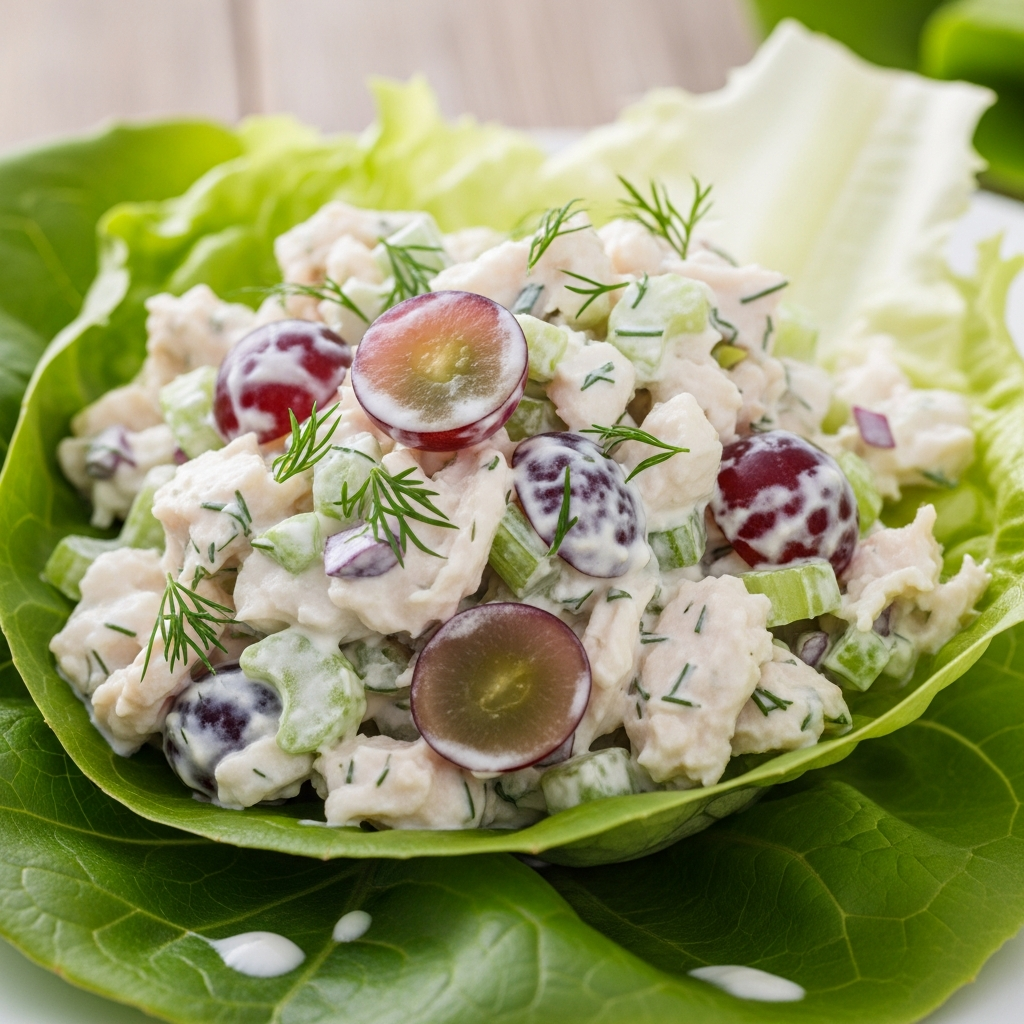
Conventional chicken salad often relies on heavy mayonnaise. Swap this for Greek yogurt to increase protein and decrease fat content. Add diced celery and grapes for crunch and sweetness. Serve it on lettuce wraps for a low-carb alternative to sandwiches.
8. Cauliflower Fried Rice
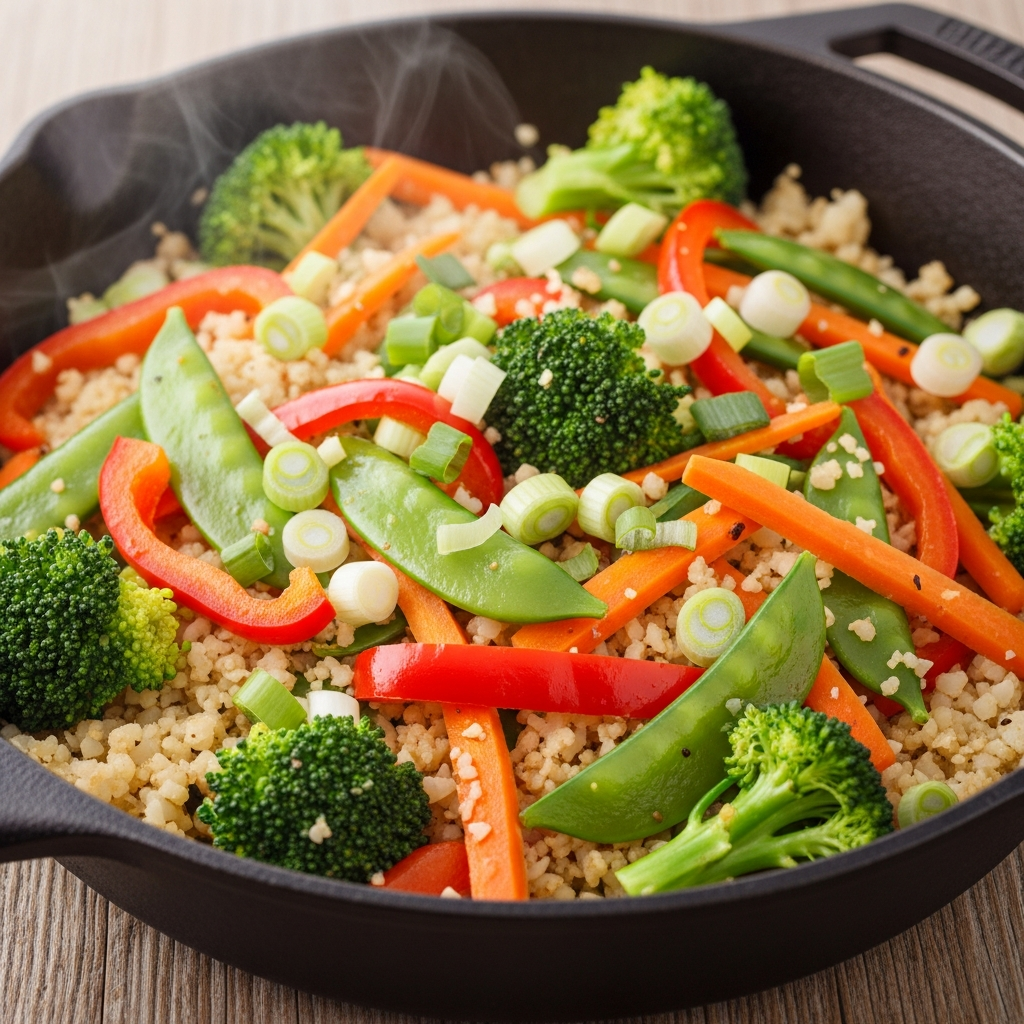
Pulse cauliflower in a food processor to create a rice-like consistency that mimics the texture of grain. Stir-fry it with peas, carrots, and ginger using a small amount of sesame oil. This dish satisfies cravings for takeout while providing a massive serving of cruciferous vegetables.
9. Lentil and Kale Soup
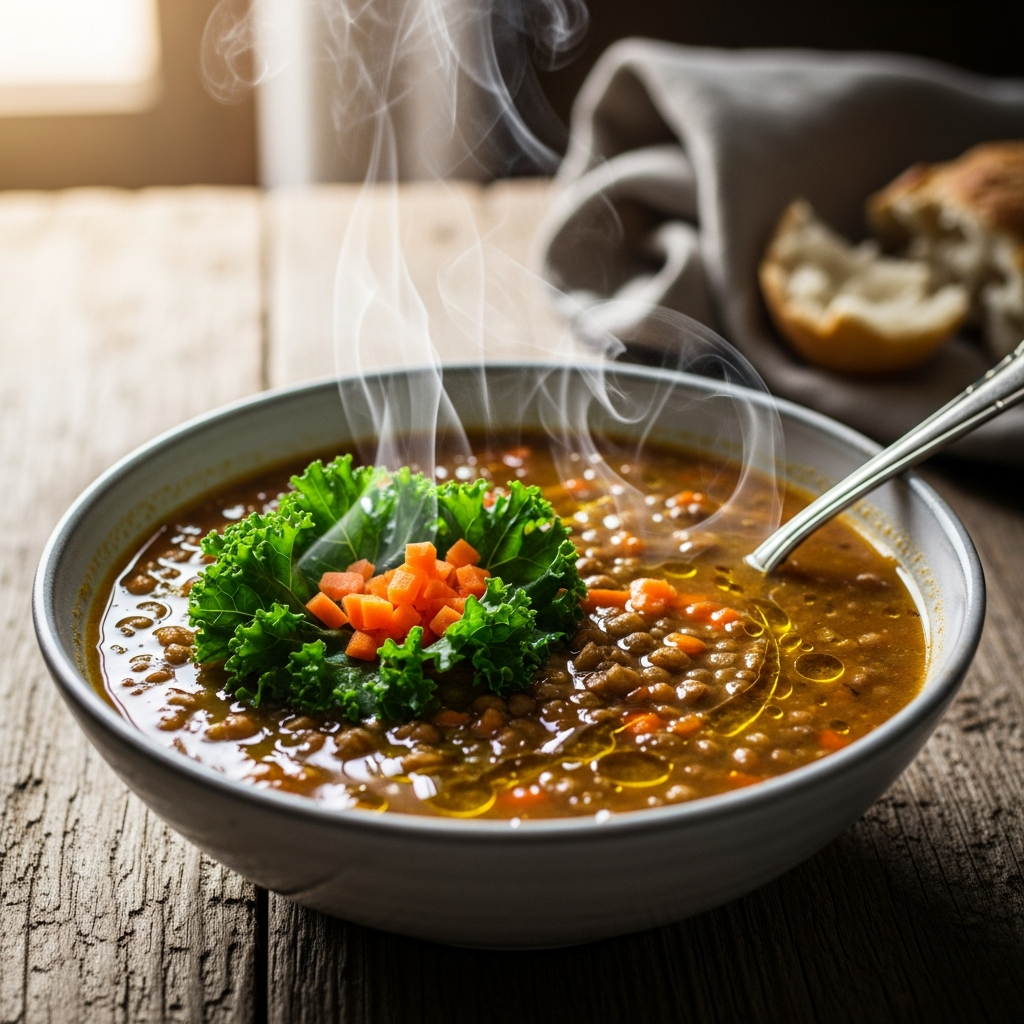
Lentils are an affordable and nutrient-dense source of plant protein. Simmer them with kale and vegetable broth for a hearty soup. The high fiber content promotes digestive health and helps control appetite by providing long-lasting energy.
10. Avocado and Poached Egg Toast
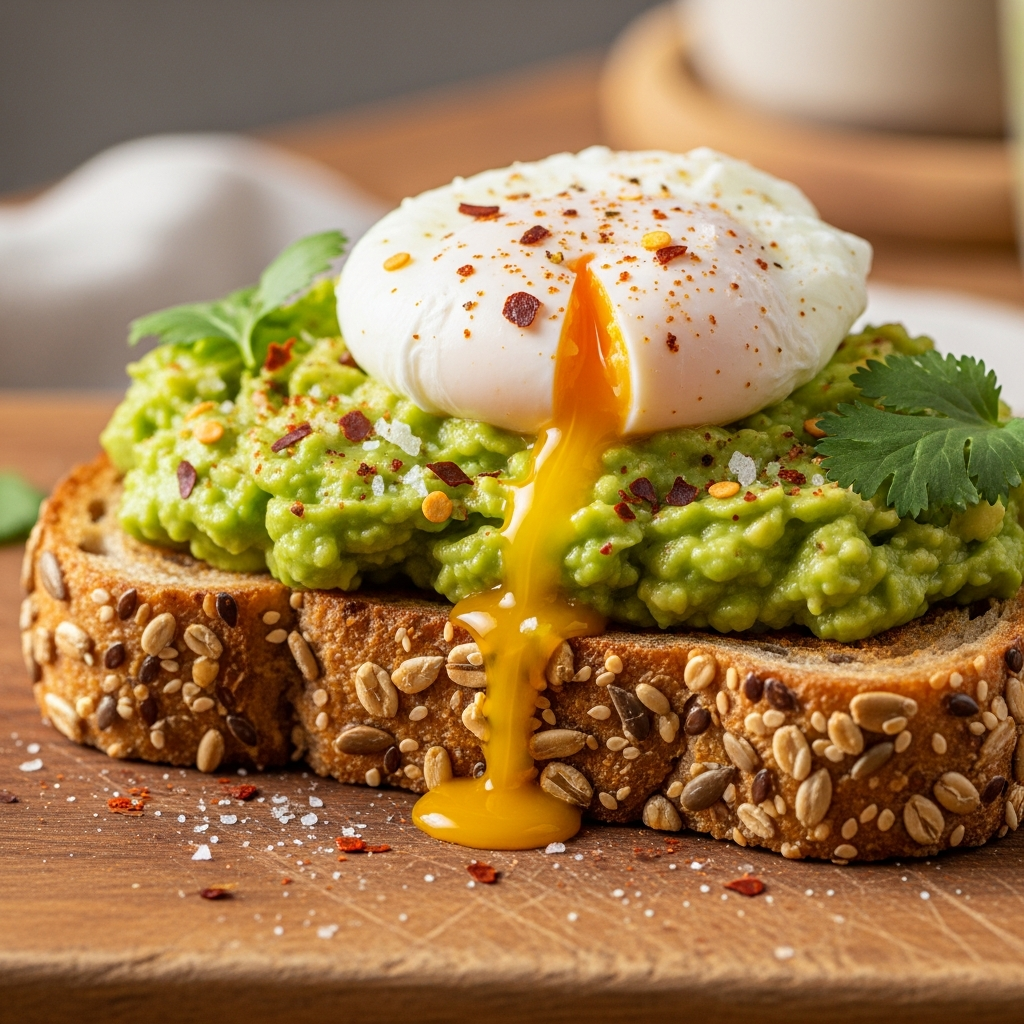
For a balanced breakfast, use a single slice of sprouted grain bread topped with mashed avocado and a poached egg. The combination of healthy monounsaturated fats and protein provides a steady release of energy to start the day without a mid-morning crash.
11. Baked Cod with Cherry Tomatoes
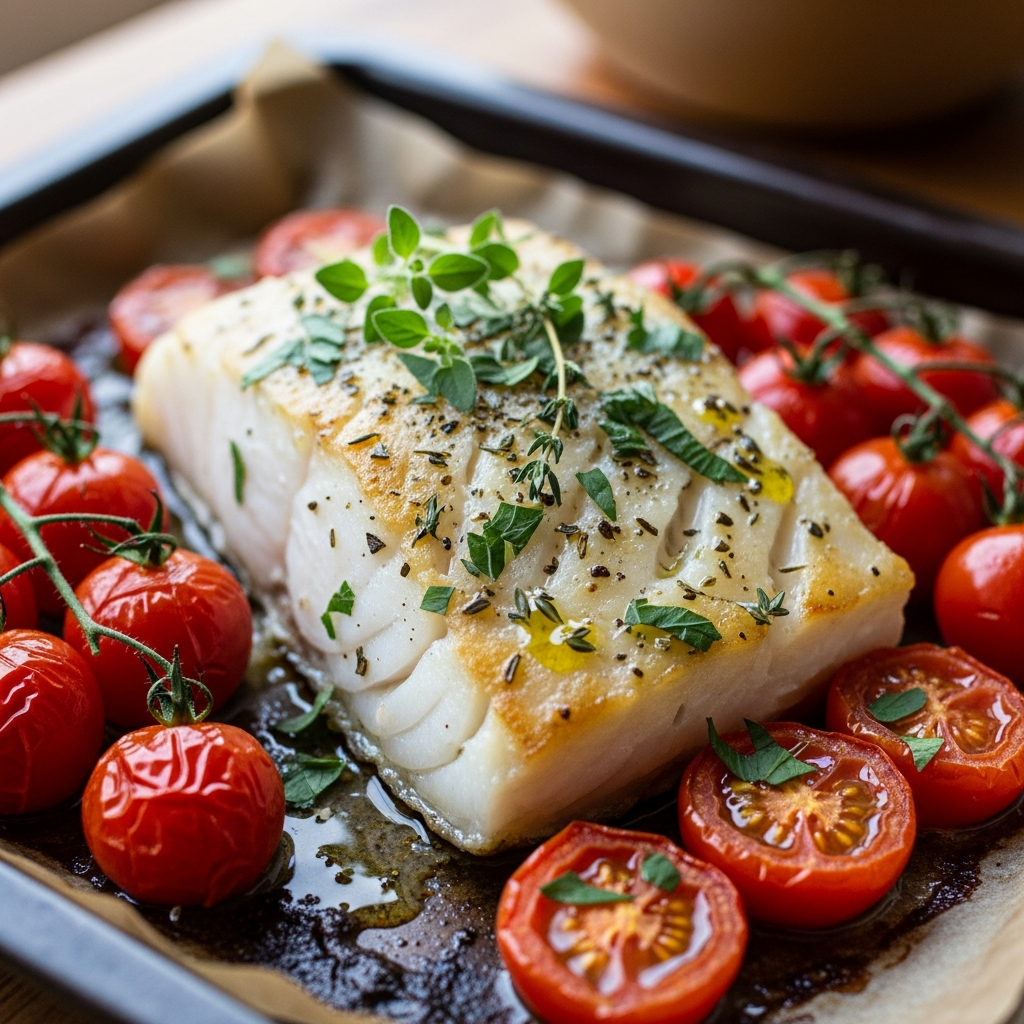
Cod is a lean white fish that is extremely low in calories but high in essential minerals. Bake the fish with halved cherry tomatoes and balsamic vinegar. The tomatoes burst during cooking to create a natural, flavorful sauce that keeps the fish moist.
12. Thai Green Curry with Tofu
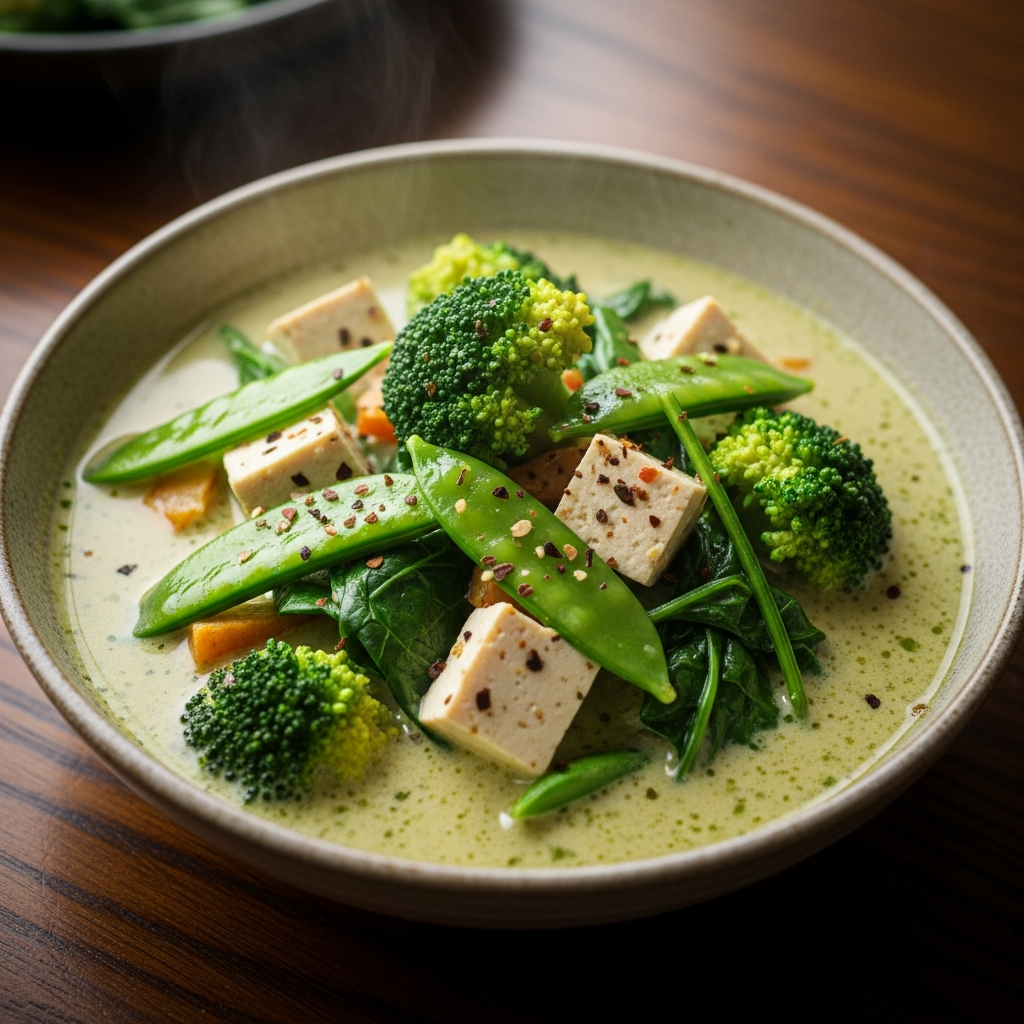
Incorporate plant-based proteins with firm tofu in a light green curry sauce. Use light coconut milk and plenty of snap peas and bamboo shoots. The spices in the curry can help stimulate metabolism while providing a satisfyingly spicy flavor profile.
13. Grilled Lemon Herb Chicken
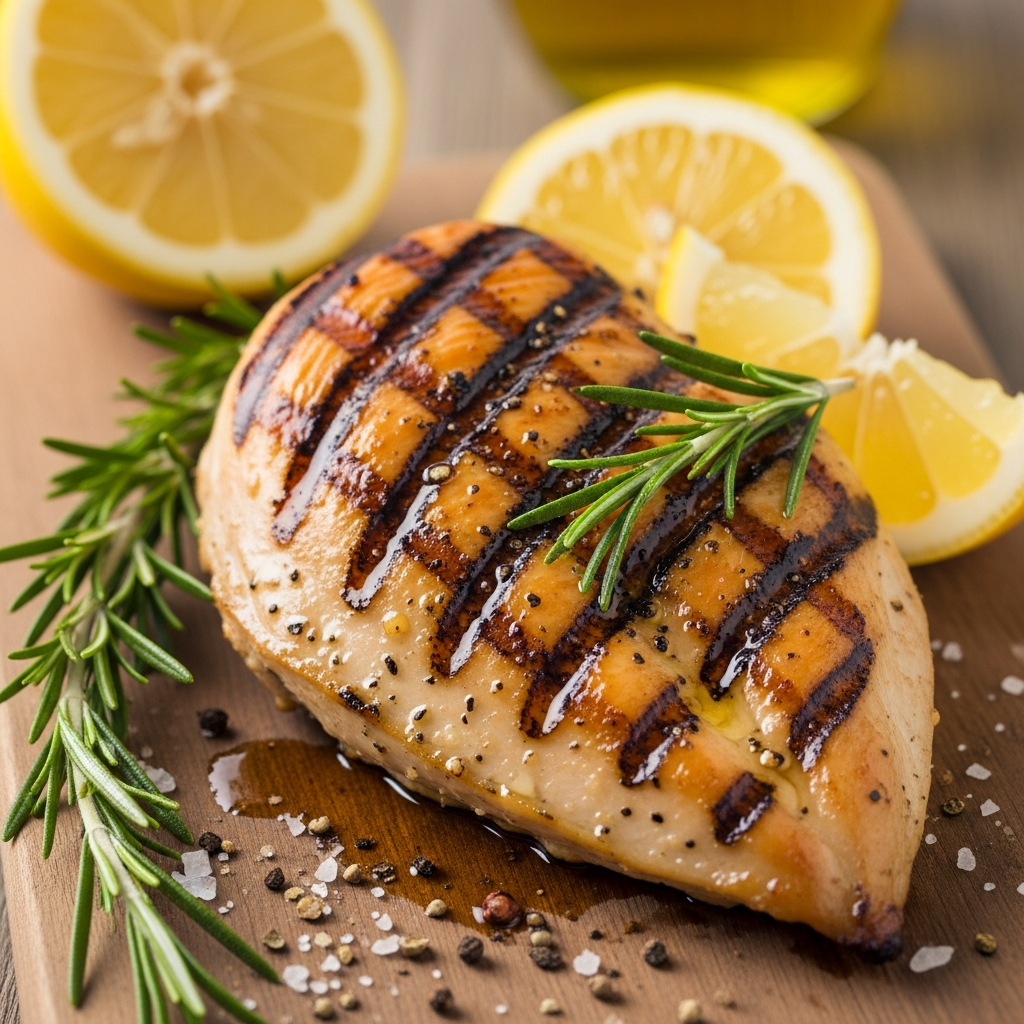
Chicken breast is a staple for weight loss due to its high protein-to-calorie ratio. Marinate the chicken in lemon juice, rosemary, and thyme before grilling. This method adds depth of flavor without the need for sugary sauces or heavy oils.
14. Shrimp and Asparagus Stir-Fry
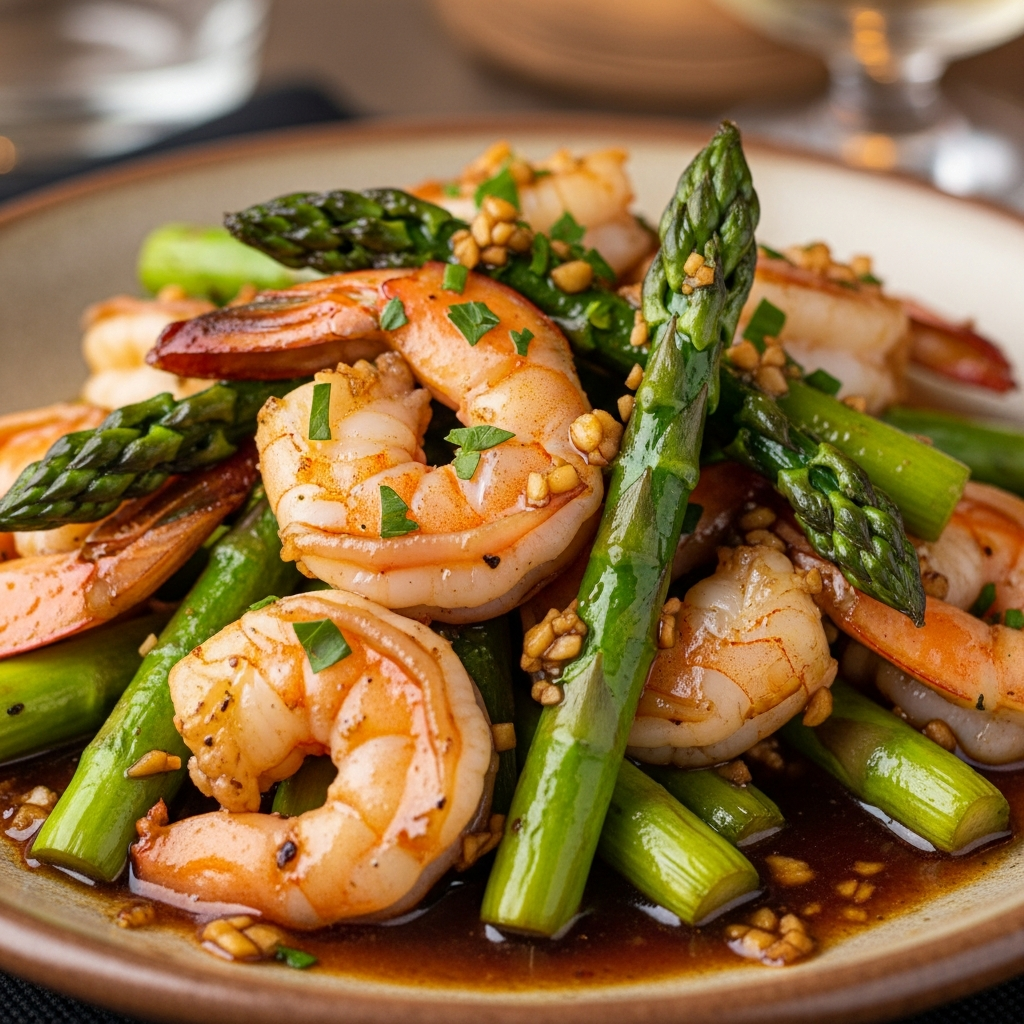
Shrimp cooks quickly and is exceptionally low in fat. Toss it in a pan with fresh asparagus spears and a splash of soy sauce. This high-protein meal is perfect for busy weeknights when you need a nutritious dinner in under fifteen minutes.
15. Berry and Spinach Smoothie Bowl
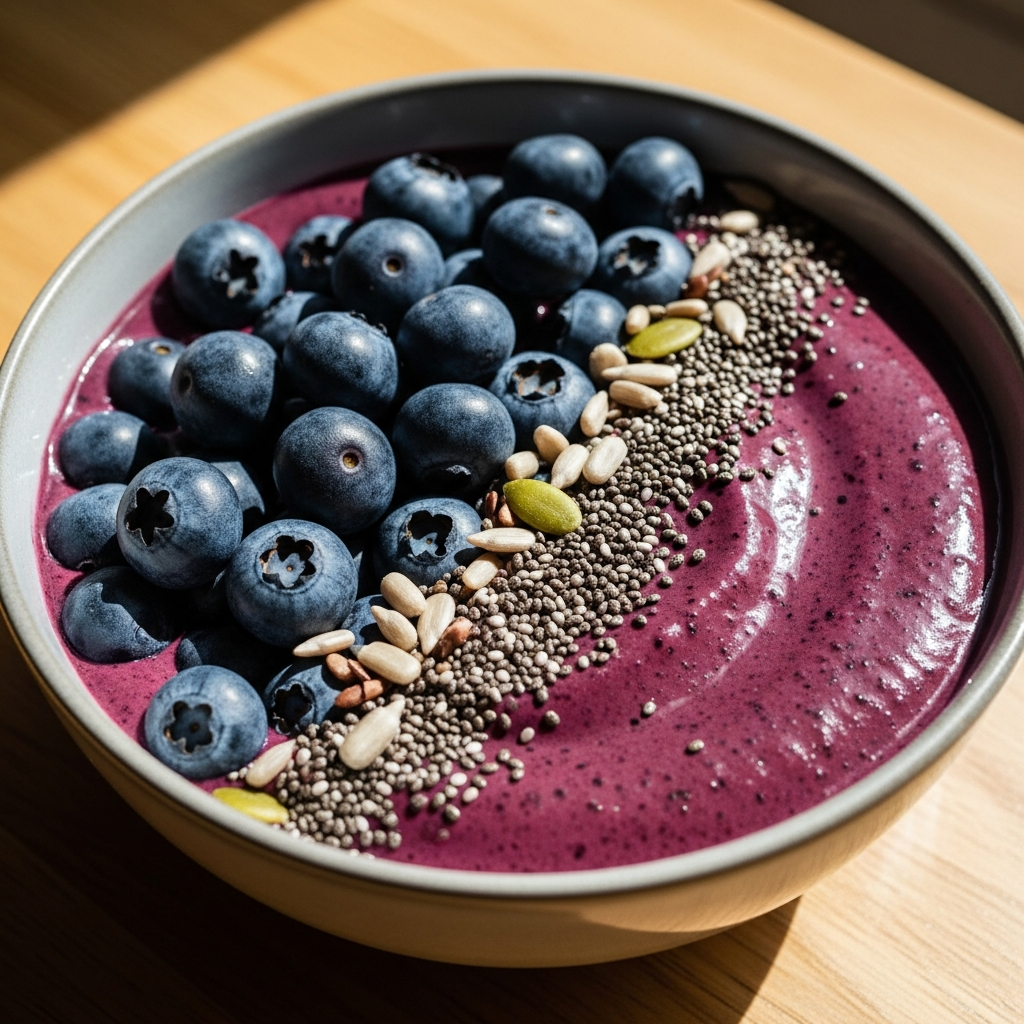
Blend frozen berries, a handful of spinach, and unsweetened almond milk for a nutrient-packed breakfast. Top with a few chia seeds for crunch. The antioxidants in the berries support cellular health while the spinach adds iron and fiber without altering the taste.
16. Chia Seed Pudding with Almond Milk
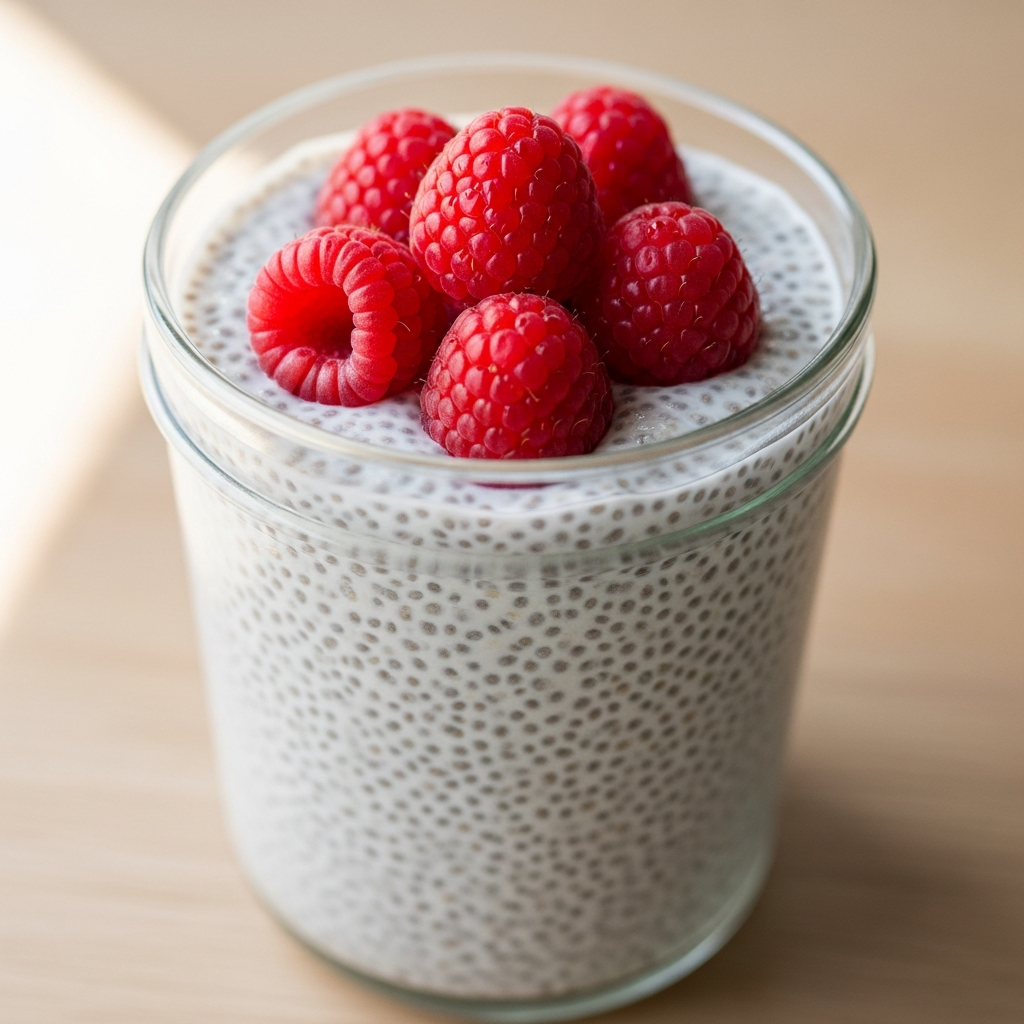
Chia seeds expand in liquid to create a pudding-like texture that is very filling. Mix them with almond milk and a touch of vanilla extract, then refrigerate overnight. This dish is rich in fiber and omega-3s, making it a great snack or dessert alternative.
17. Spaghetti Squash Carbonara
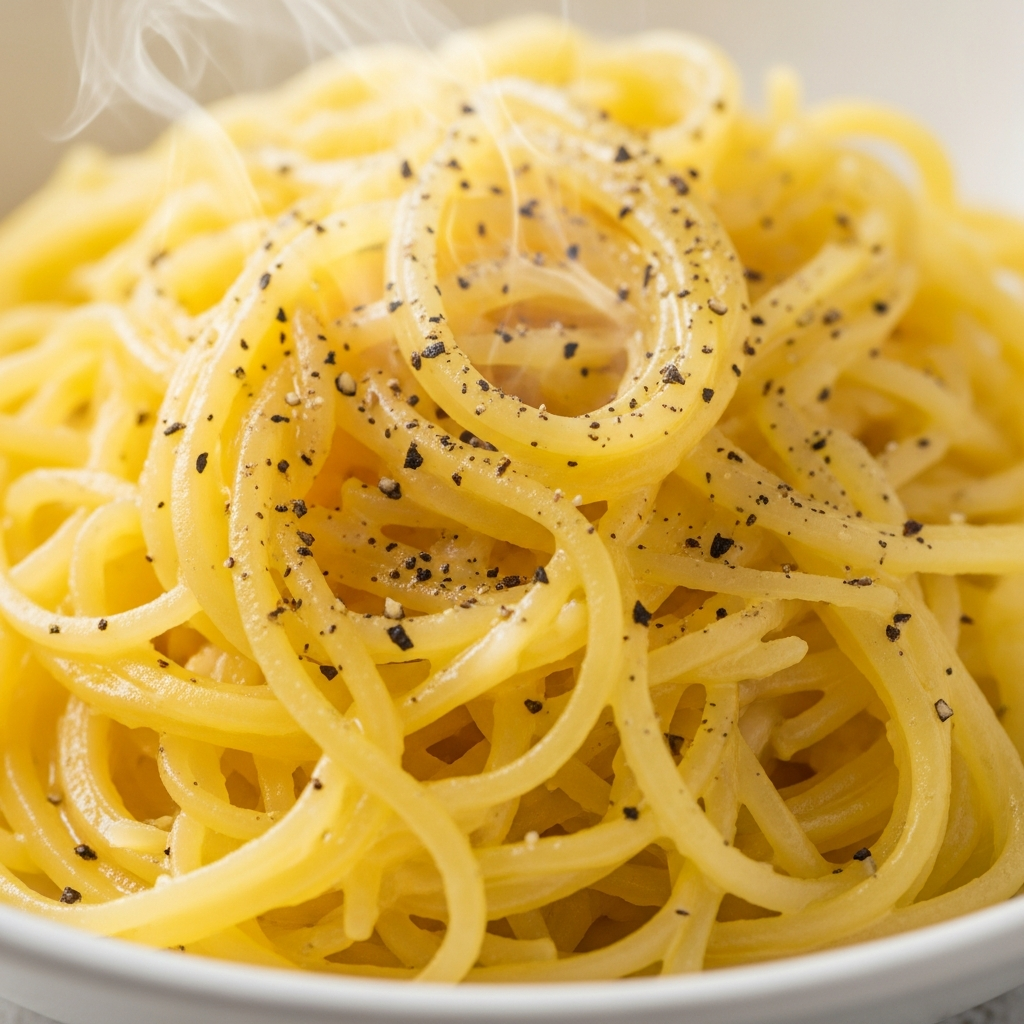
Spaghetti squash provides a low-calorie base that pulls apart into long strands. Use a light sauce made from whisked eggs and a small amount of parmesan cheese. This version of carbonara provides the comfort of the classic dish with a fraction of the calories.
18. Mushroom and Spinach Omelet
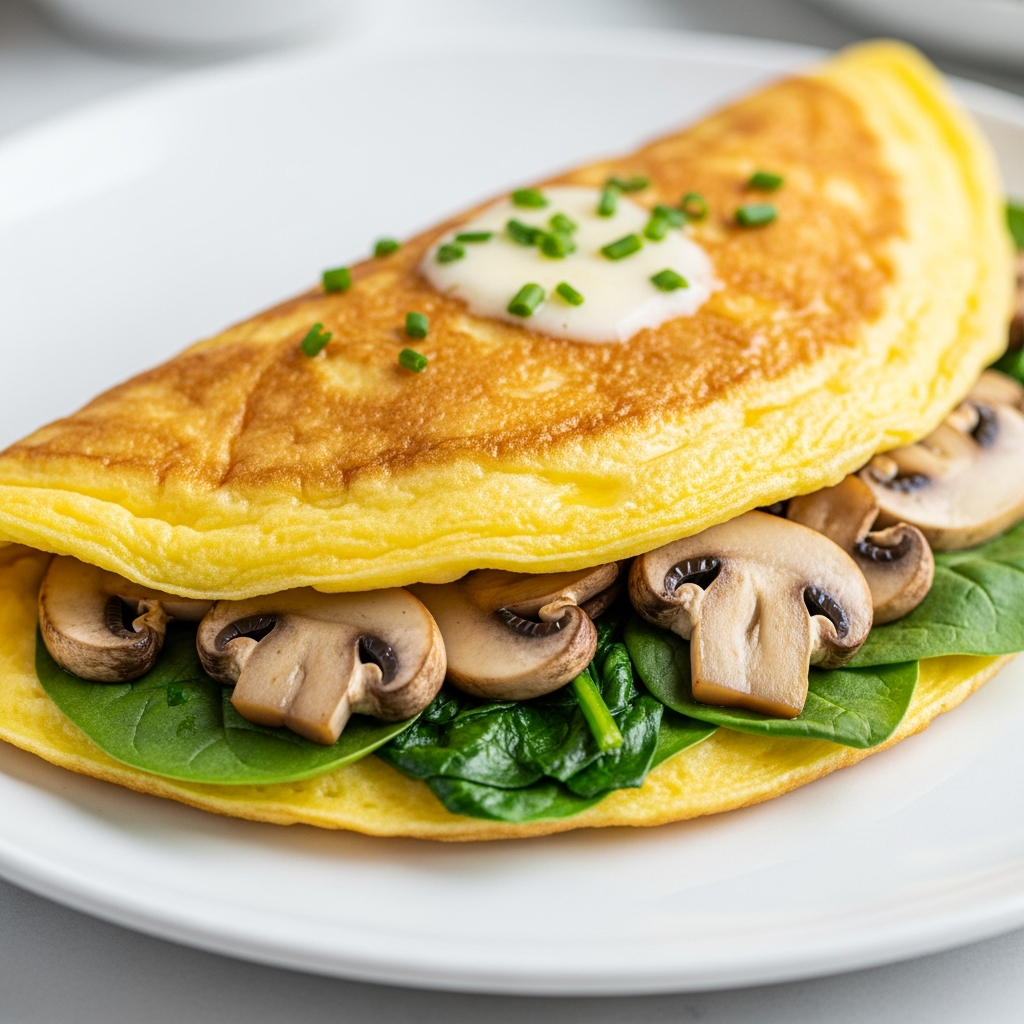
Eggs are an ideal breakfast for weight loss because they are incredibly satiating. Fill your omelet with sautéed mushrooms and spinach to add volume and micronutrients. Using two whites and one whole egg can further reduce fat while maintaining high protein.
19. Beef and Broccoli Stir-Fry
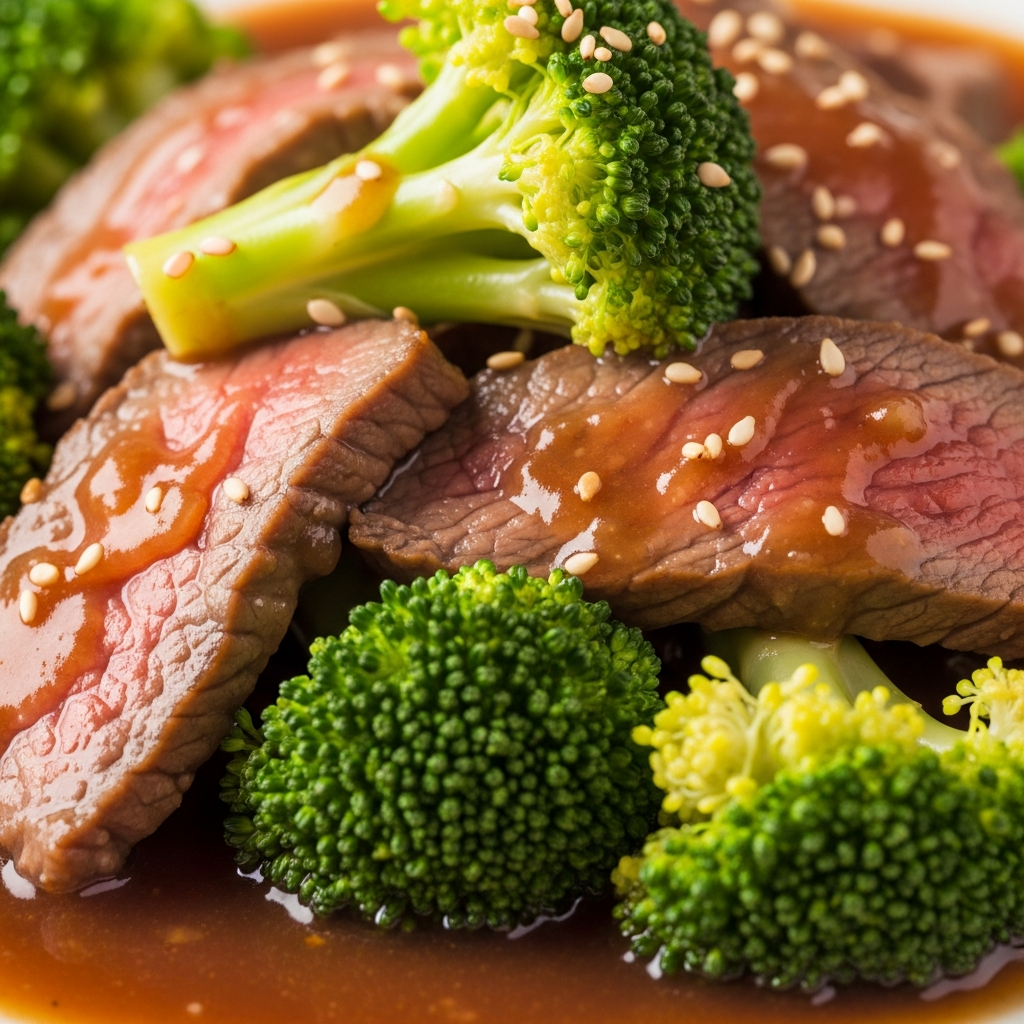
Use lean cuts of beef, such as flank steak, to keep this classic dish healthy. Stir-fry with large amounts of broccoli and a low-sodium ginger sauce. The iron in the beef and the vitamin C in the broccoli create a synergistic effect for better nutrient absorption.
20. Roasted Tomato Basil Soup
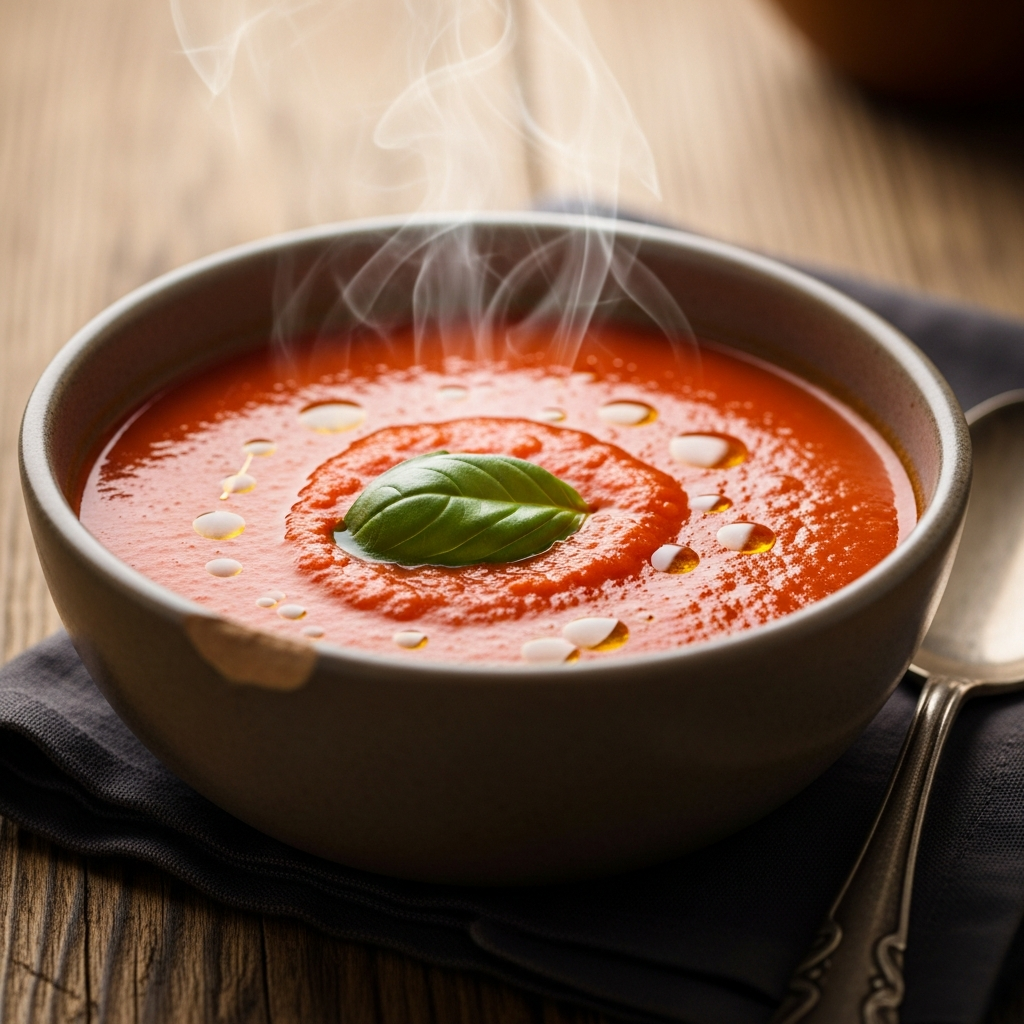
Homemade tomato soup avoids the hidden sugars found in canned versions. Roast plum tomatoes with garlic and onions before blending them with fresh basil. This soup is low in calories but high in lycopene, a powerful antioxidant.
21. Cabbage and Carrot Slaw with Ginger Dressing
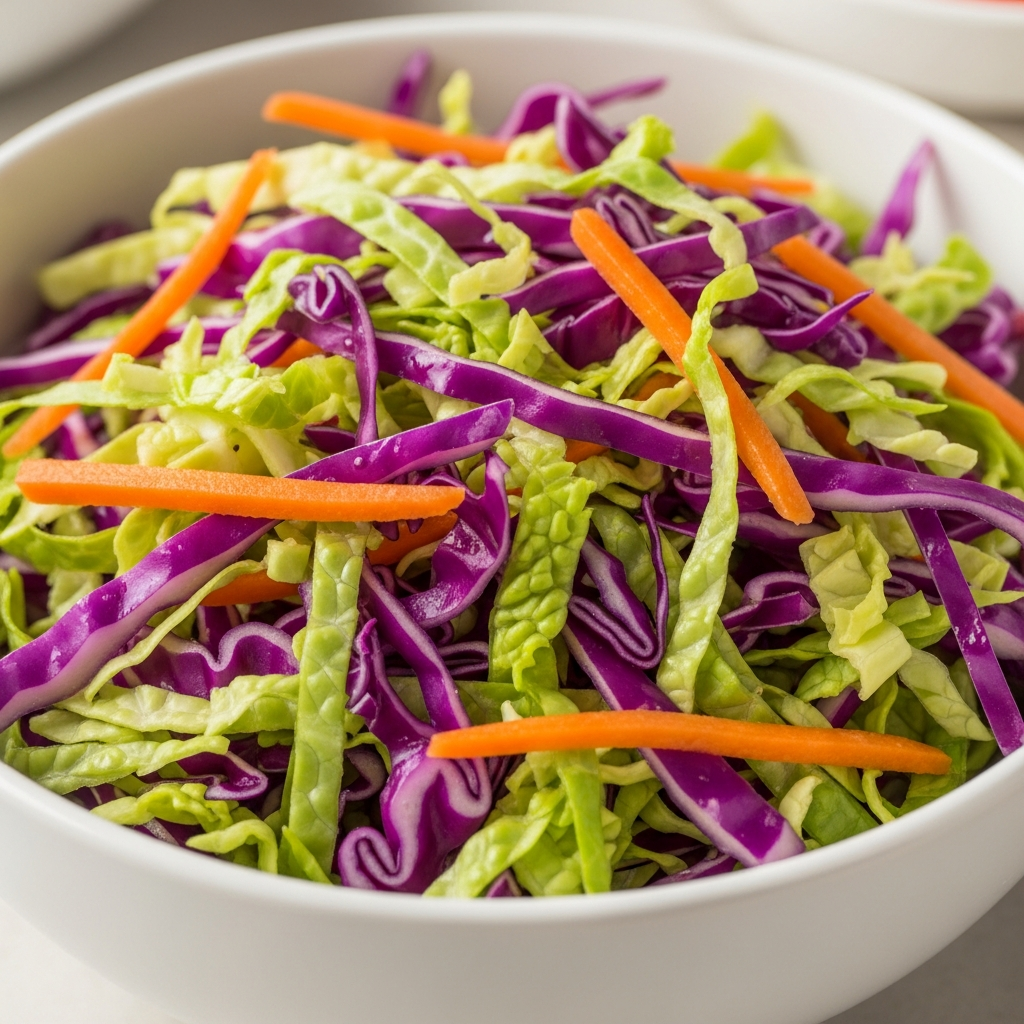
Cabbage is a high-volume, low-calorie vegetable that provides a satisfying crunch. Shred red and green cabbage with carrots and toss with a ginger-lime dressing. This slaw is excellent for digestive health and makes for a refreshing, crunchy side dish.
22. Eggplant Lasagna Rolls
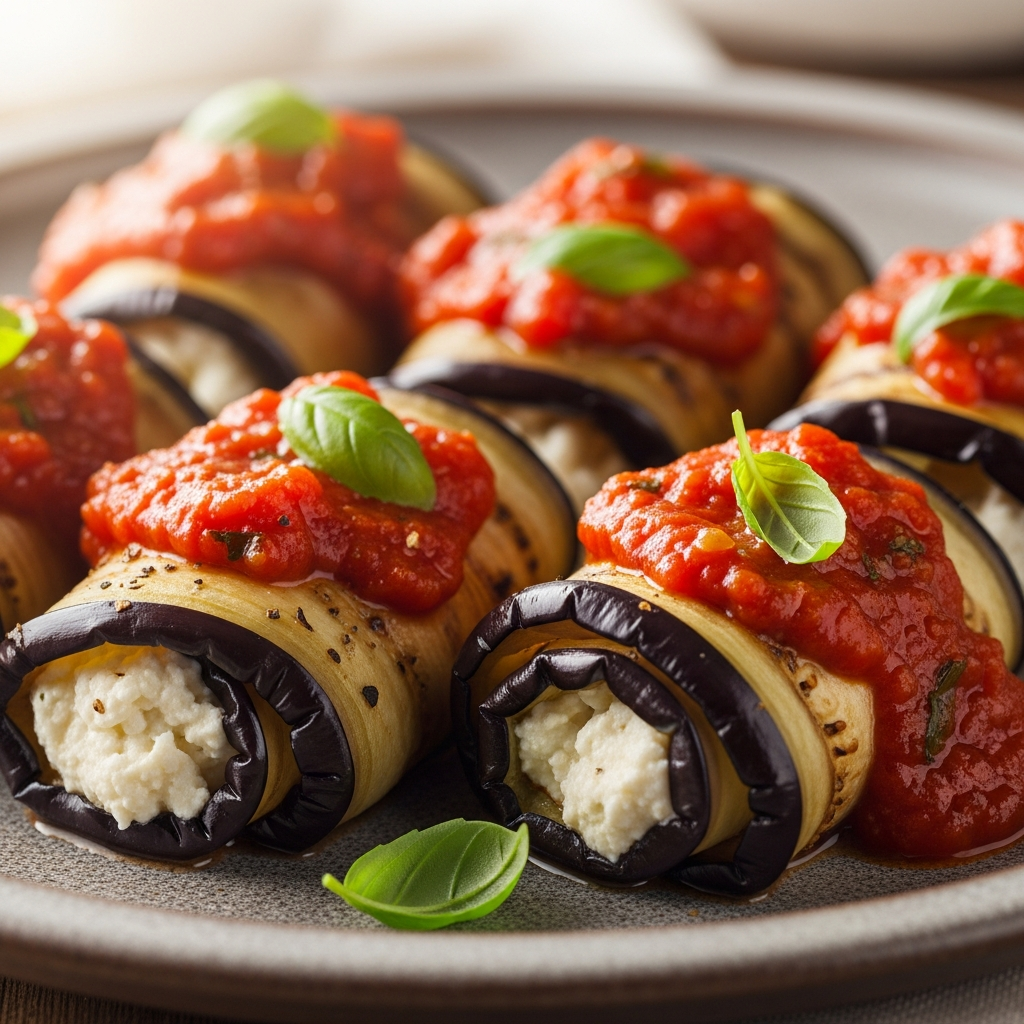
Slice eggplant thinly and use it in place of pasta sheets to wrap a light ricotta and herb filling. Bake with a clean marinara sauce for a vegetable-forward meal. Eggplant is low in calories and provides a meaty texture that works perfectly in Italian-inspired dishes.
23. Black Bean and Corn Tacos
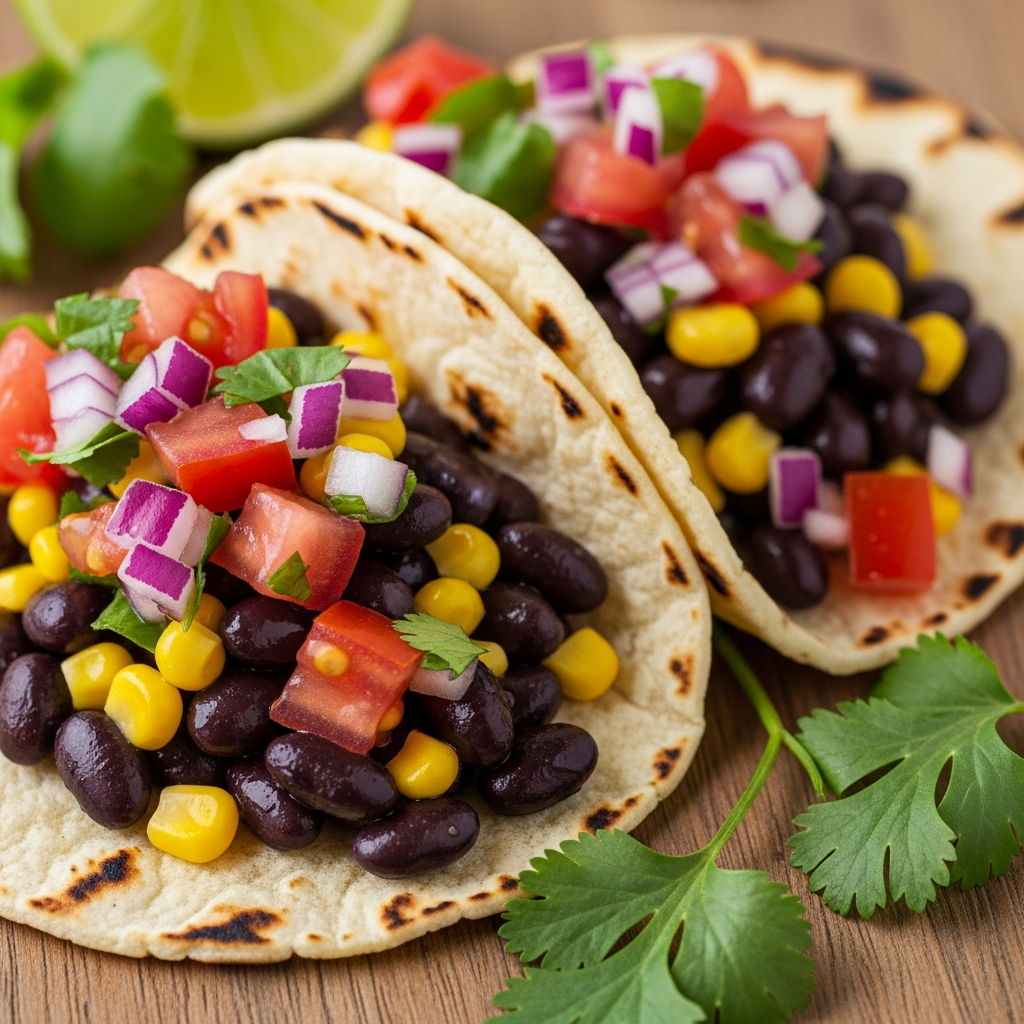
Use small corn tortillas for a whole-grain base and fill them with seasoned black beans and roasted corn. Top with fresh salsa and radish slices for extra crunch. This plant-based meal is high in fiber and keeps calories in check by avoiding heavy meats and cheeses.
24. Cucumber and Feta Rolls
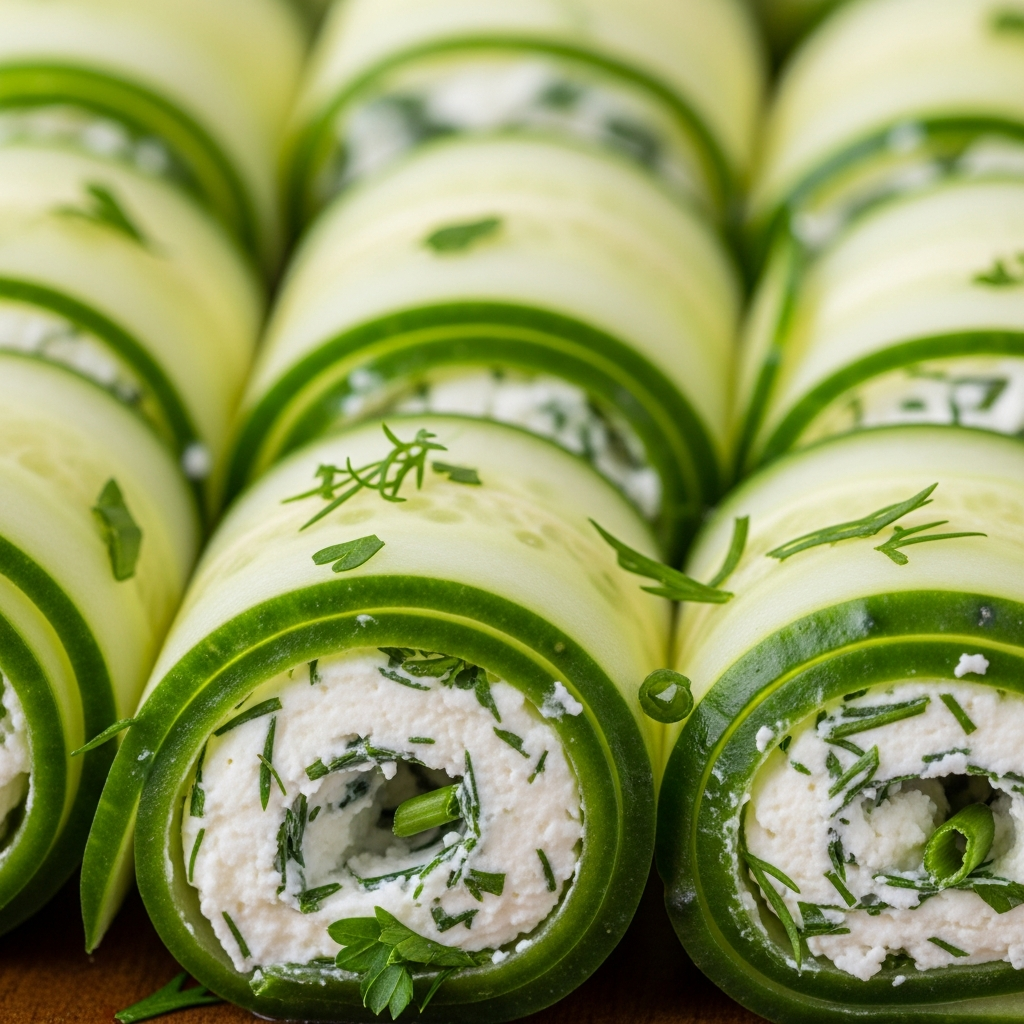
For a light appetizer or snack, use a peeler to create long cucumber ribbons. Spread a thin layer of feta cheese and herbs onto each ribbon and roll them up. This snack is hydrating and low in calories, offering a sophisticated flavor profile with very little fat.
25. Baked Sweet Potato with Chickpeas
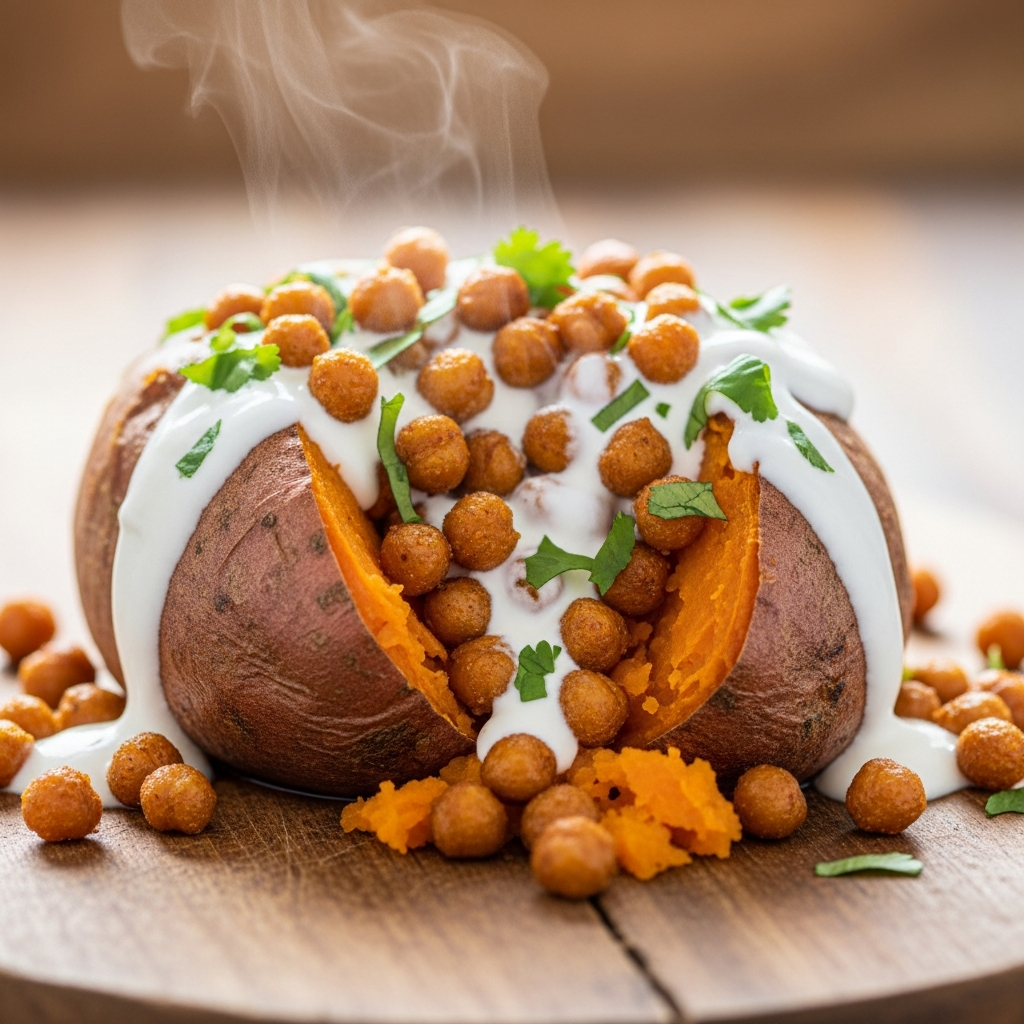
A medium sweet potato provides complex carbohydrates and vitamin A. Stuff it with spiced, roasted chickpeas for added protein and texture. This meal is incredibly satisfying and provides the sustained energy needed for an active lifestyle.
Conclusion
Achieving your weight-loss goals is a marathon, not a sprint, and the quality of your fuel matters. These 25 recipes demonstrate that you can enjoy diverse, flavorful, and satisfying meals while maintaining a caloric deficit. By incorporating these nutrient-dense options into your weekly routine, you will develop a healthier relationship with food that supports long-term wellness and vitality.