

Family life can be busy — full of school runs, work schedules, and endless to-do lists.
Between meals, homework, and bedtime routines, it’s easy for health and wellness to slip to the bottom of the list.
But building a healthy wellness routine for your family doesn’t have to be overwhelming or time-consuming.
It’s about small, consistent habits that help everyone — parents and kids alike — feel stronger, happier, and more balanced.
When wellness becomes part of your daily rhythm, it creates a home filled with energy, calm, and connection.
Here’s how to make that happen, step by step.
Why Family Wellness Matters
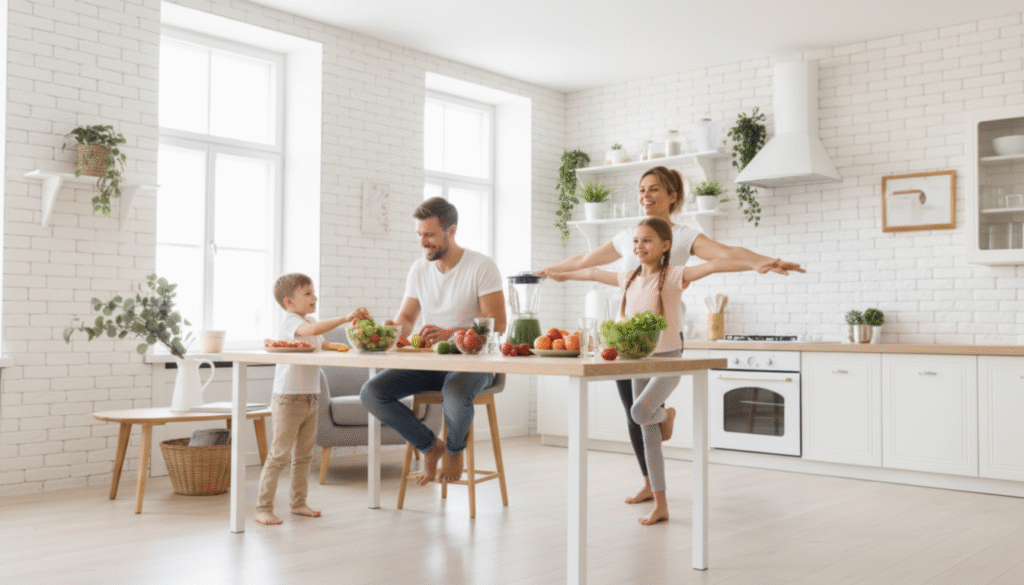
A healthy family routine isn’t just about physical health — it’s about emotional, mental, and social well-being too.
When families prioritize wellness together, they:
- Build stronger relationships and communication.
- Manage stress more effectively.
- Develop lifelong healthy habits.
- Feel more connected and supported.
Children learn by example. When they see their parents making health a priority, they naturally follow.
Your family’s wellness routine is more than a checklist — it’s the foundation for a happy, thriving home.
Step 1: Define What Wellness Means for Your Family
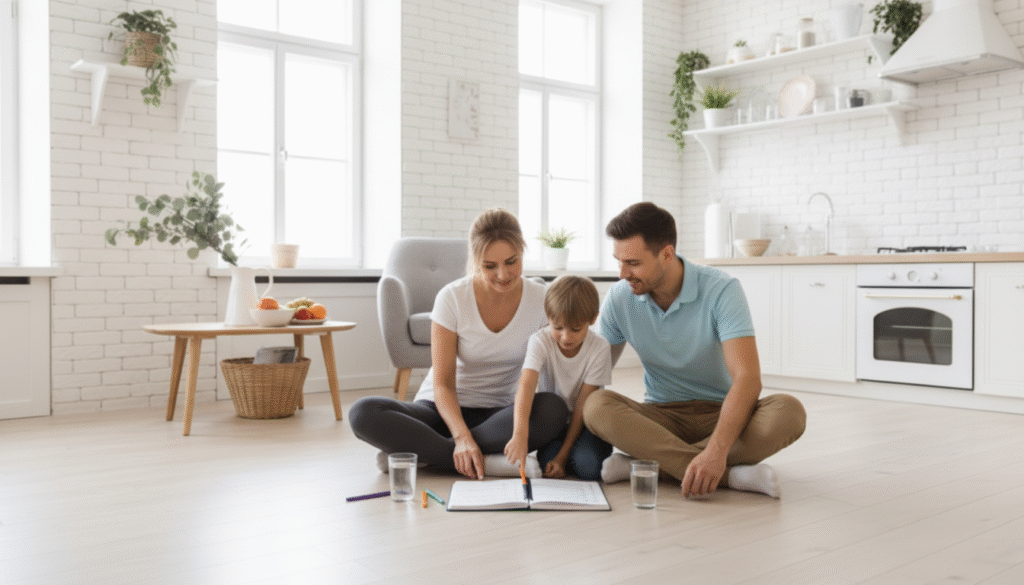
Every family is different, and so is every wellness routine.
Before creating one, take a few minutes to talk about what “wellness” means to each of you.
Ask questions like:
- What makes us feel our best as a family?
- Which healthy habits do we already enjoy?
- What’s something we’d like to improve together — more movement, better sleep, less screen time?
This conversation helps set clear intentions and ensures everyone feels included.
Wellness should fit your family’s lifestyle — not the other way around.
Step 2: Create a Family Routine That Works for You
Consistency is key, but routines don’t have to be strict.
Think of a wellness routine as a rhythm — flexible, but steady enough to guide your days.
Here are a few areas to focus on:
Morning Routine: Start the Day with Energy
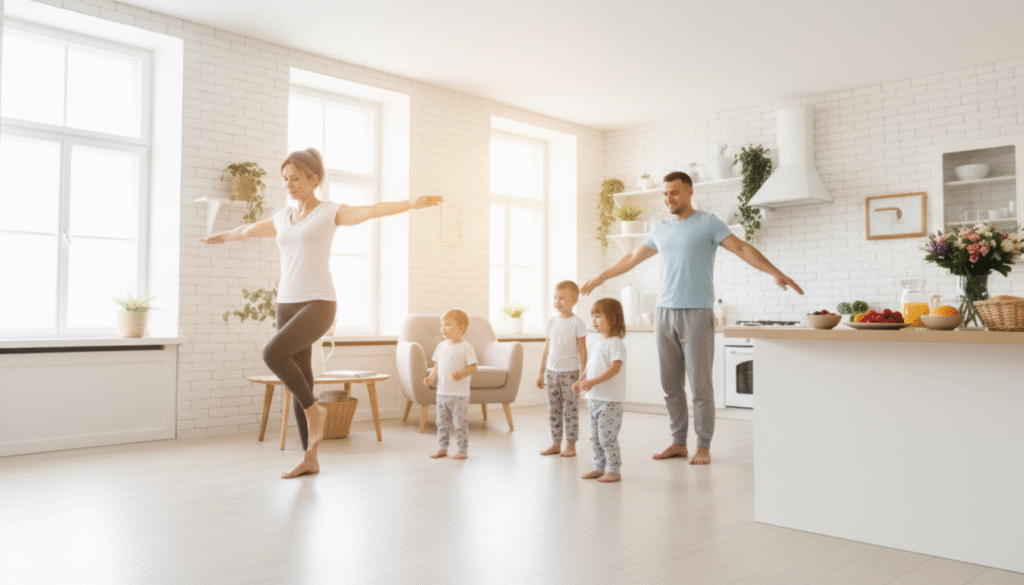
- Wake up at a consistent time.
- Share a healthy breakfast together — even if it’s quick.
- Include a moment of connection: a hug, a chat, or gratitude.
- Encourage a calm start instead of chaos.
A peaceful morning sets the tone for the entire day.
Evening Routine: Wind Down Mindfully
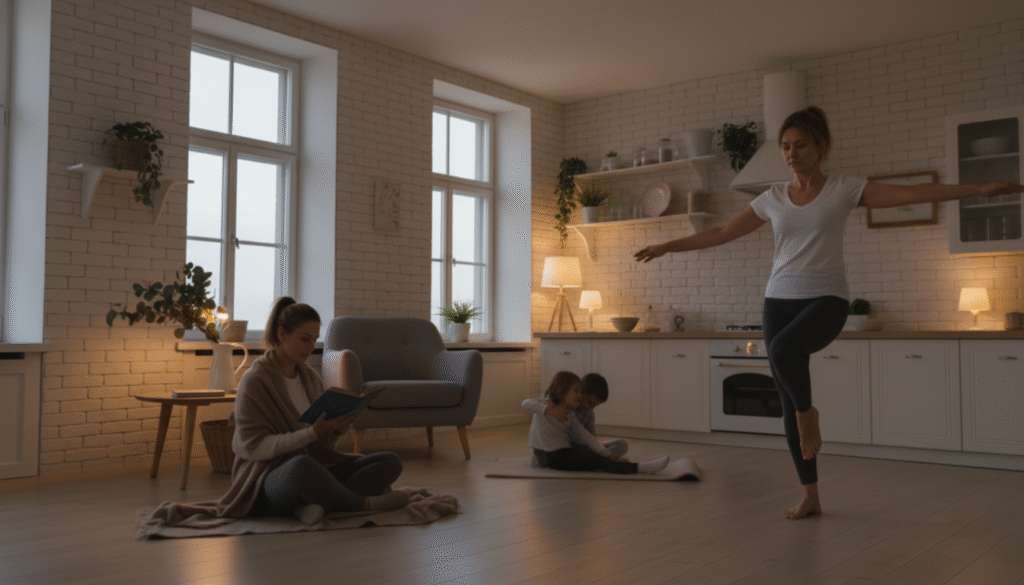
- Have dinner at the table together whenever possible.
- Limit screens an hour before bed.
- Read, stretch, or share “highs and lows” of the day.
- Keep bedtime consistent for both kids and adults.
The goal isn’t perfection — it’s to build small daily rituals that bring calm and connection.
Step 3: Prioritize Nutrition as a Family
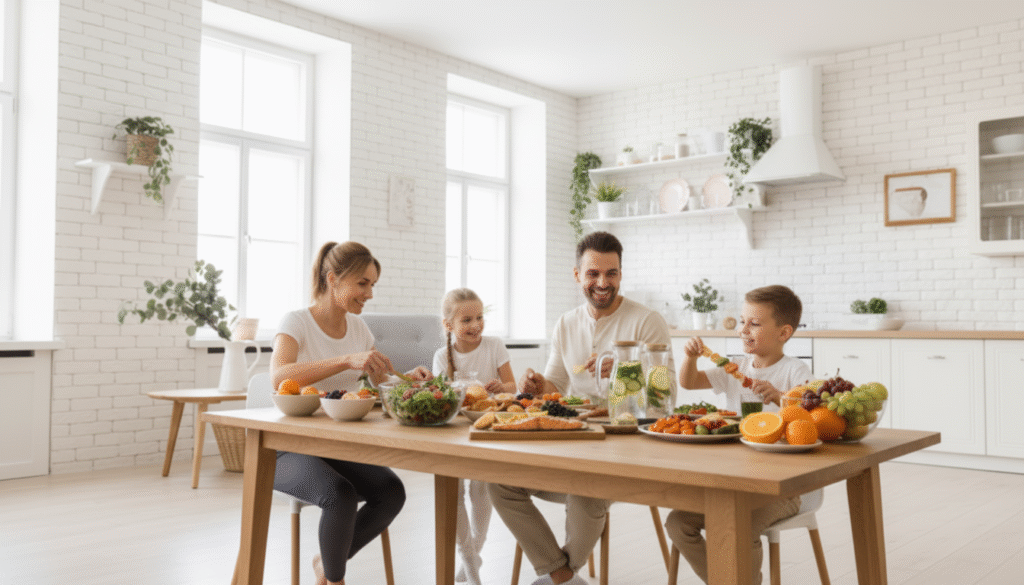
Food plays a huge role in wellness — not just for the body, but also for energy, focus, and mood.
Healthy eating doesn’t mean restriction; it means making real food a family priority.
Simple tips to make nutrition easier:
- Plan meals together so everyone feels involved.
- Cook simple, balanced meals with whole ingredients.
- Keep fruits, veggies, and nuts easy to grab for snacks.
- Avoid labeling foods as “bad” — instead, talk about how different foods help your body feel good.
Example family goal:
Add one extra vegetable to every meal this week.
Small changes like that build long-term healthy habits.
And remember — eating together, even for 15 minutes, boosts connection and encourages kids to try new foods.
Step 4: Move Together Every Day
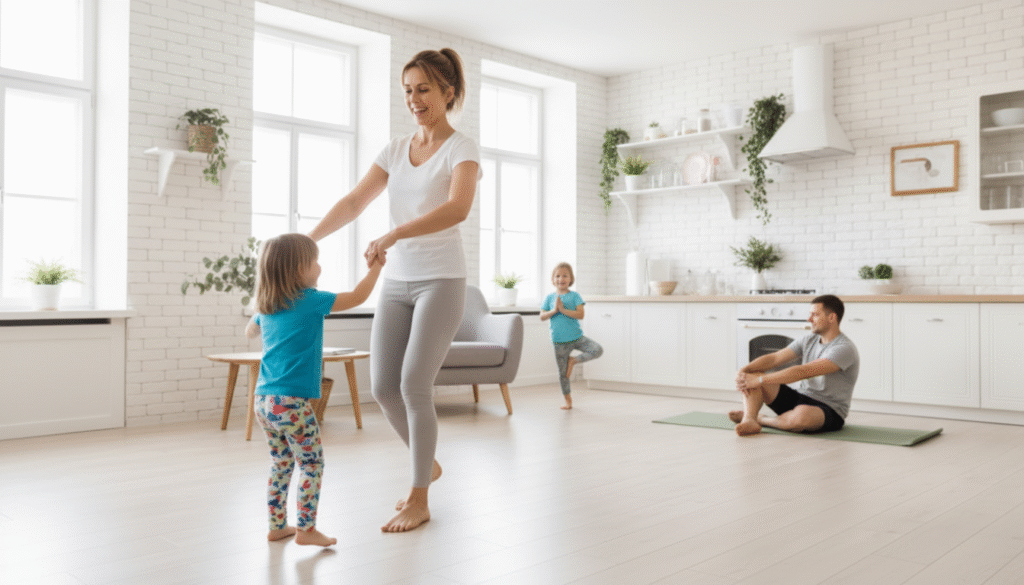
Physical activity is essential for wellness — but it doesn’t have to mean structured exercise.
Movement should be fun and natural, something your family looks forward to.
Ideas for family-friendly movement:
- Go for evening walks after dinner.
- Have weekend hikes, bike rides, or dance parties.
- Play outdoor games like tag, catch, or soccer.
- Try short yoga or stretch sessions in the living room.
Set a goal to move together every day, even if it’s just for 20 minutes.
Kids learn to love movement when they see it as play, not a chore.
Step 5: Make Mental Wellness a Priority
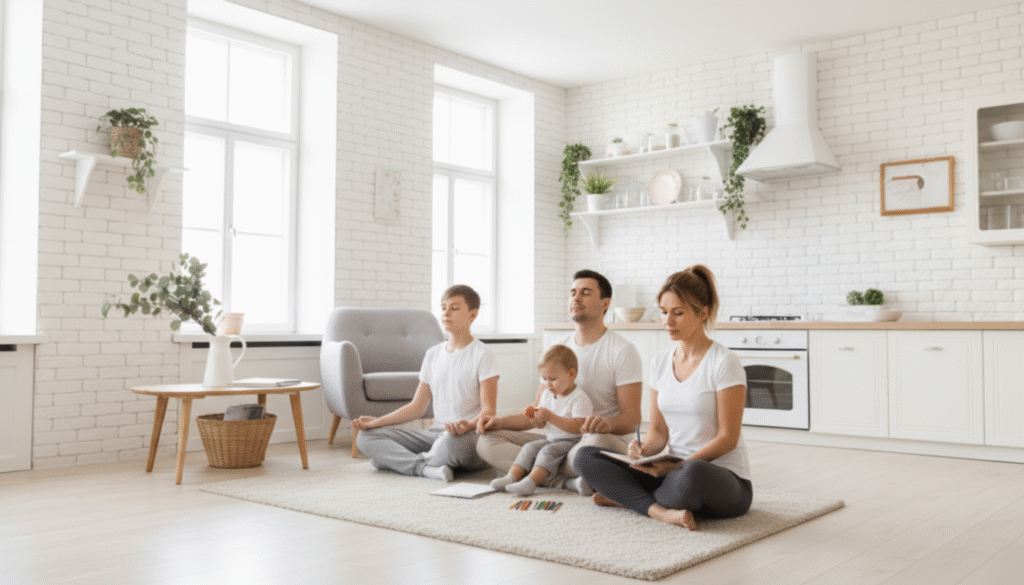
A healthy body means little without a healthy mind.
Mental and emotional well-being is just as important as nutrition or fitness — for parents and children alike.
Simple ways to support mental health as a family:
- Practice gratitude — share one thing you’re thankful for each night.
- Create “quiet time” where everyone can read, rest, or reflect.
- Teach deep breathing or short mindfulness exercises.
- Talk openly about emotions — normalize feelings instead of hiding them.
When families make space for emotions and calm moments, they create a home where everyone feels safe and supported.
Step 6: Reduce Screen Time and Be More Present
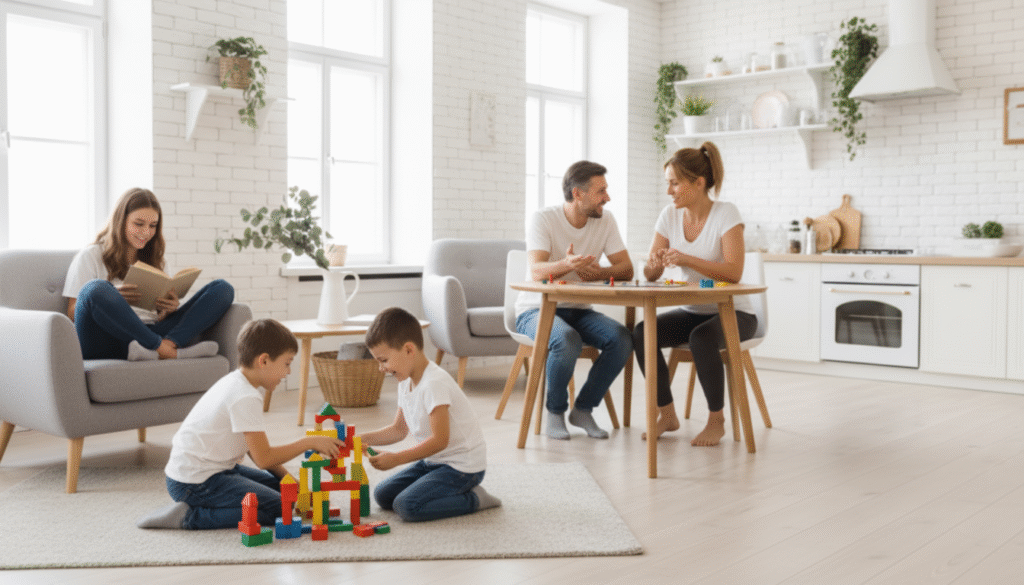
Technology is part of modern life, but too much screen time can impact sleep, mood, and attention — especially for kids.
Instead of banning screens completely, set healthy boundaries.
Try this:
- Create “screen-free zones” — like during meals or one hour before bed.
- Replace screen time with creative time: crafts, puzzles, or cooking together.
- Model the behavior — when parents put phones away, kids notice.
You’ll be amazed how much more connected and calm your evenings feel with fewer screens and more conversation.
Step 7: Get Enough Sleep — for Everyone

Sleep is one of the most overlooked aspects of family wellness.
Without proper rest, energy levels, focus, and mood all suffer — for kids and adults.
Healthy sleep habits:
- Keep consistent bedtimes and wake-up times, even on weekends.
- Create relaxing nighttime routines — dim lights, no screens, calm music.
- Avoid heavy meals or caffeine close to bedtime.
Remember, sleep isn’t a luxury — it’s a necessity.
Well-rested families are happier, more focused, and better equipped to handle stress.
Step 8: Model Healthy Habits for Your Kids
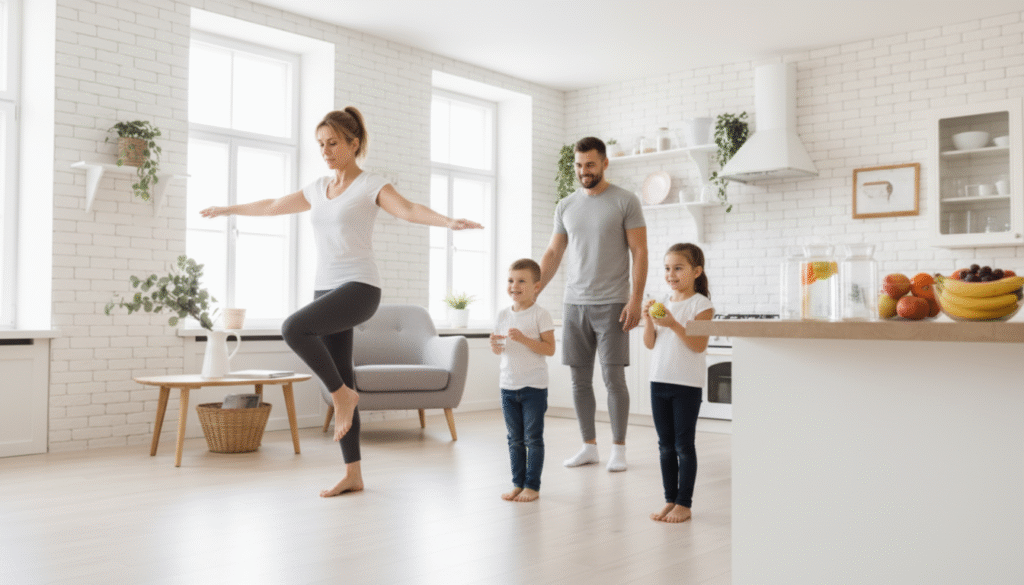
Children learn by watching, not just listening.
When they see you making healthy choices — drinking water, eating mindfully, exercising — they absorb those habits naturally.
You don’t have to be perfect; you just have to be consistent.
Show your kids that wellness is about balance — sometimes you eat salad, sometimes you enjoy dessert, and both are okay.
The more your family sees health as a way of life, not a rule, the easier it becomes for everyone.
Step 9: Schedule Family Time and Fun
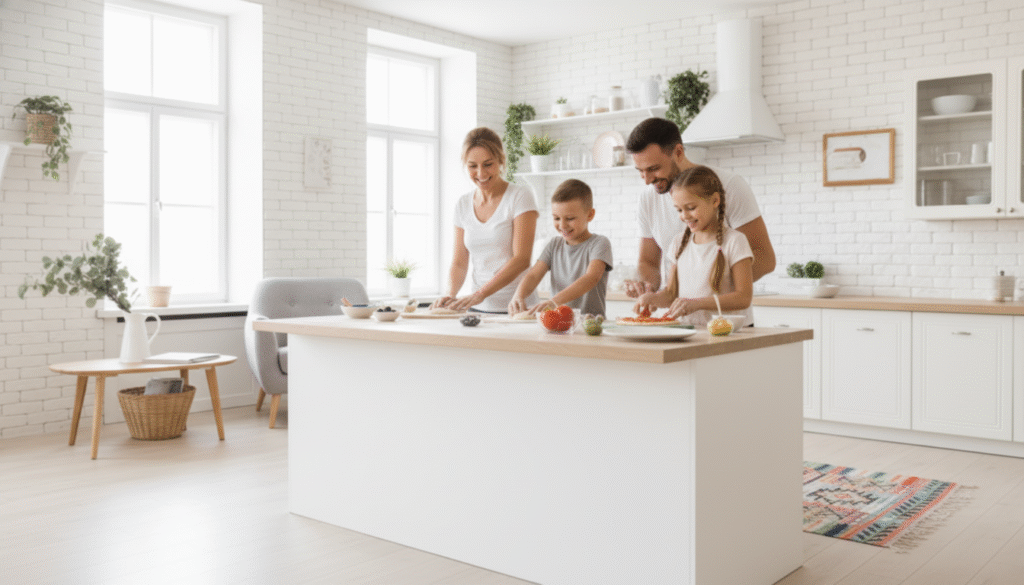
Wellness isn’t just about health — it’s also about happiness and connection.
Make time for laughter, creativity, and rest.
Ideas for simple family wellness activities:
- Cook a new healthy recipe together.
- Have a weekend family walk followed by homemade smoothies.
- Plan a “wellness Sunday” with yoga, journaling, and meal prep.
- Unplug and have a board game or movie night.
Joy and connection are vital parts of wellness — they recharge the heart and strengthen family bonds.
Step 10: Practice Gratitude and Positivity Together
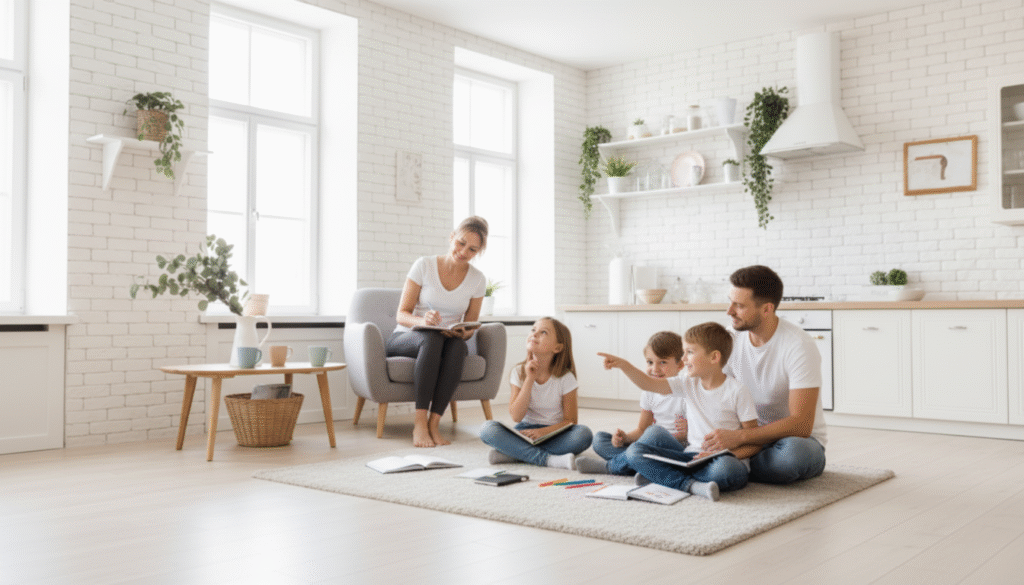
Gratitude helps families focus on what’s good, even in stressful times.
It builds resilience and helps both parents and kids find calm in daily life.
Try starting or ending the day with gratitude:
- “What’s one good thing that happened today?”
- “What made you smile today?”
- “What are you thankful for this week?”
Writing them down in a family gratitude jar or journal can turn this into a beautiful long-term habit.
Gratitude shifts your focus from chaos to calm — and that’s the foundation of true wellness.
Step 11: Encourage Open Conversations About Health
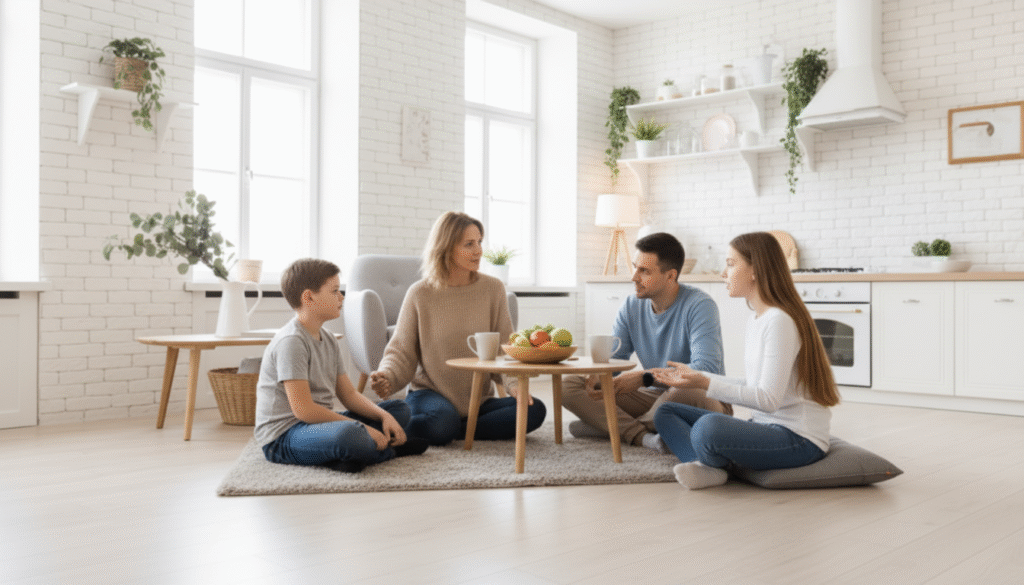
Wellness is easier when everyone feels heard.
Encourage open, judgment-free conversations about food, body image, and mental health.
Ask your kids how they feel about what they eat or how their body feels after activity.
Talk about stress, rest, and balance.
When health becomes something you talk about — not something you lecture about — your family builds a positive mindset toward wellness.
Step 12: Celebrate Small Wins
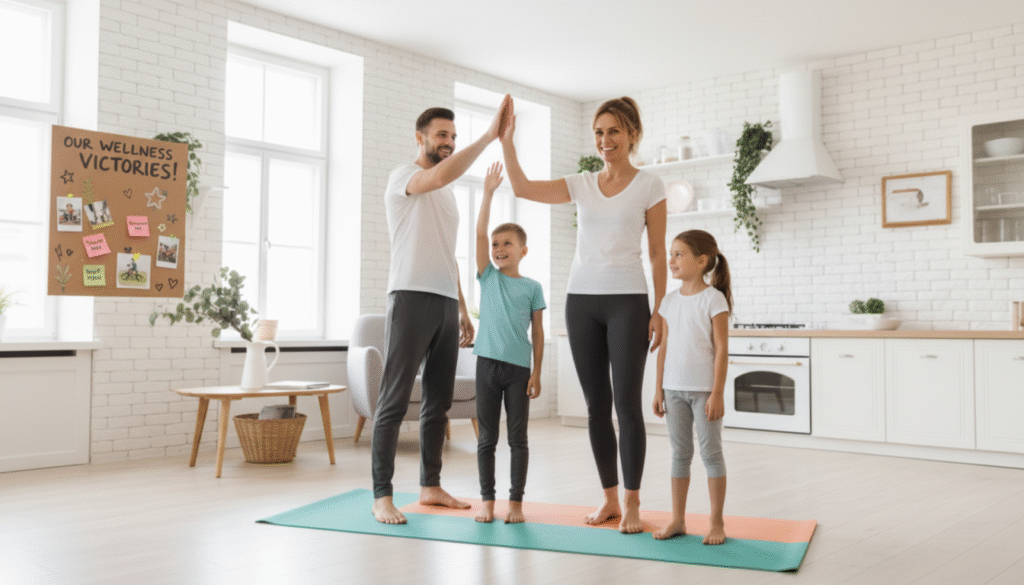
A family wellness routine isn’t built overnight. It’s the result of small, consistent steps.
Celebrate the wins — even the small ones.
- “We all ate breakfast together this week.”
- “We walked every evening.”
- “We had a screen-free night without complaints!”
Acknowledging progress keeps everyone motivated. It reminds your family that every little step counts toward a happier, healthier life.
Step 13: Stay Flexible and Keep It Fun
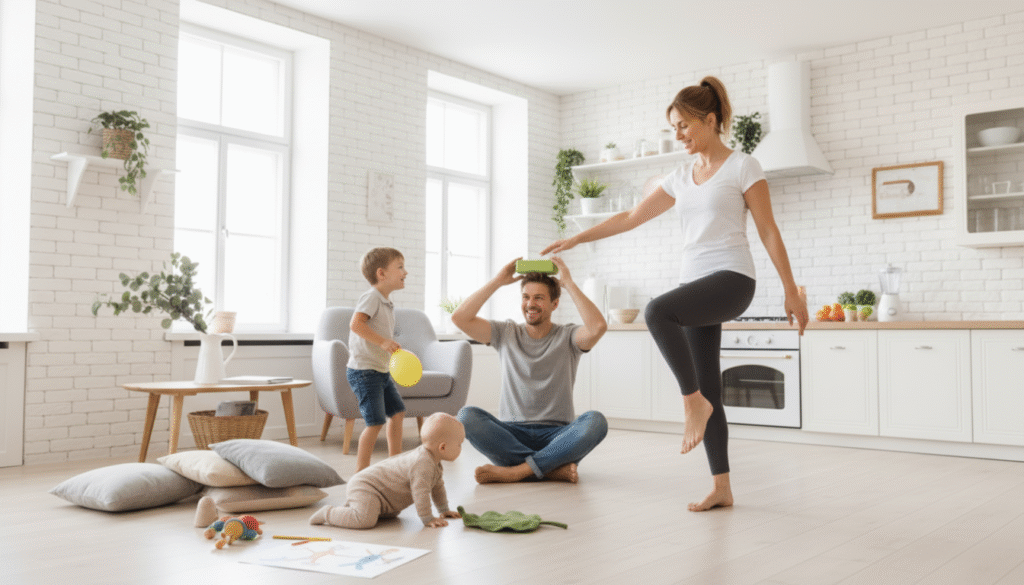
Some weeks will be easier than others — and that’s okay.
The goal isn’t to stick to a perfect routine, but to build a lifestyle that supports your family’s well-being over time.
If a plan stops working, adjust it.
If your kids are bored with certain activities, try something new.
Wellness grows when it’s enjoyable and adaptable.
Keep it light, keep it joyful, and keep showing up — that’s what makes it sustainable.
Final Thoughts
A healthy wellness routine isn’t about strict rules or big changes — it’s about small, intentional habits that create a foundation for lifelong health and happiness.
Start simple: one better meal, one evening walk, one tech-free family dinner.
Build from there.
Over time, these small steps will transform your family’s rhythm — making everyone more mindful, energetic, and connected.
Remember: wellness is a journey, not a destination.
When you lead your family with love, balance, and intention, every day becomes a step toward a healthier, happier home.