

Eating well is a cornerstone of living a healthy, vibrant life. For many, that means exploring diets that offer proven benefits. The Mediterranean diet, famous for its heart-healthy approach and emphasis on whole foods, is a fantastic choice. But what if you also need to avoid gluten?
Combining the goodness of the Mediterranean lifestyle with a gluten-free approach might seem tricky at first, but it’s entirely possible and incredibly rewarding. This comprehensive guide will walk you through how to create a delicious, nourishing, and sustainable gluten-free Mediterranean diet plan. Get ready to embrace a way of eating that supports your body and mind, helping you feel your best every single day.
Understanding the Mediterranean Diet Core Principles
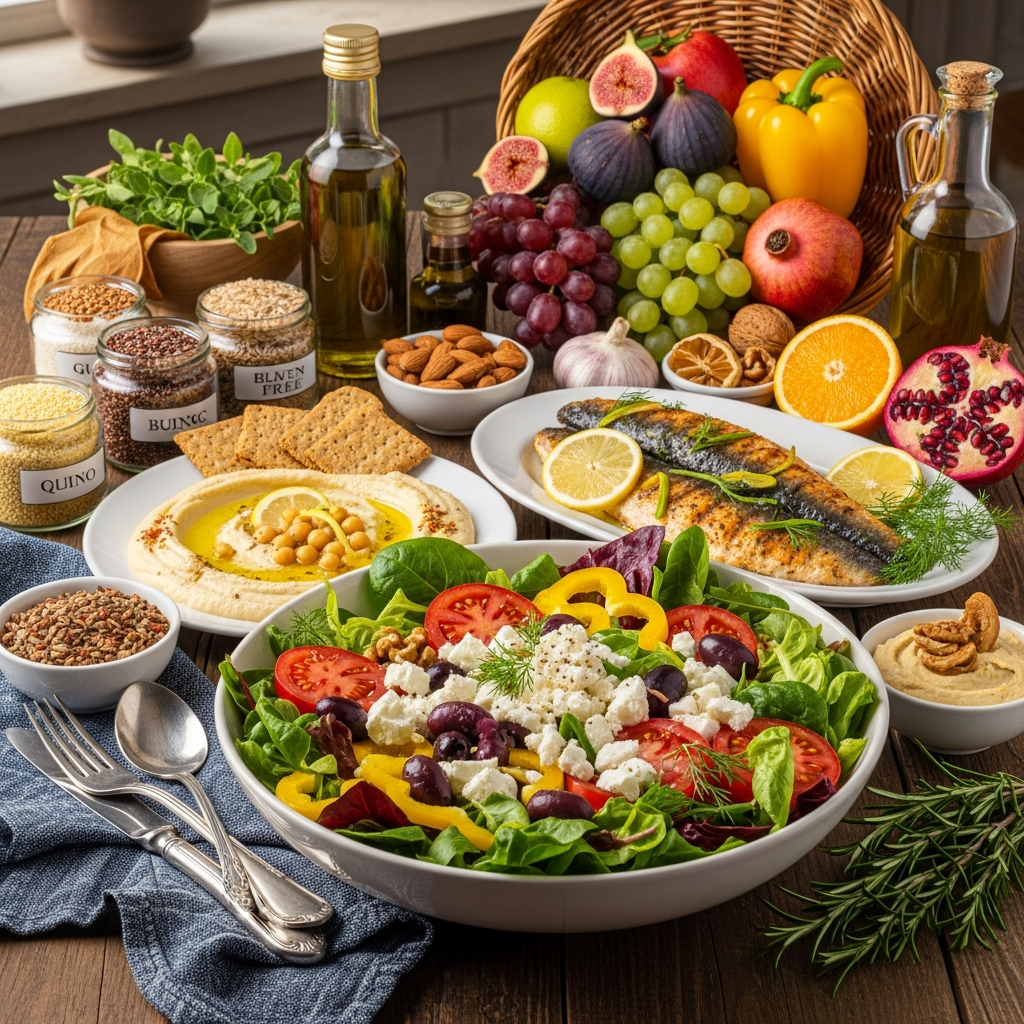
The Mediterranean diet isn’t just a list of foods; it’s a traditional eating pattern inspired by countries bordering the Mediterranean Sea. It’s renowned for its positive impact on heart health, longevity, and overall well-being.
What is the Mediterranean Diet?
At its heart, the Mediterranean diet is about eating whole, unprocessed foods. It emphasizes plants, healthy fats, and lean proteins, making meals enjoyable and satisfying. It’s also about savoring food, sharing meals, and enjoying life.
The traditional pattern focuses on fresh ingredients and simple preparations. It discourages highly processed foods, sugary drinks, and excessive amounts of red meat. This approach helps reduce inflammation and supports a balanced body.
Key Food Groups (and how to think about GF adaptation)
This diet is rich in variety, built around several key food categories. When adapting it to be gluten-free, we’ll focus on naturally GF options and smart substitutions.
Plant-Based Foods
This is the foundation of the Mediterranean diet. Load up on a wide array of fruits, vegetables, nuts, seeds, and legumes. These foods are naturally gluten-free and packed with fiber, vitamins, and antioxidants. Think colorful salads, roasted vegetables, and hearty bean stews.
Healthy Fats
Extra virgin olive oil is the star here, used for cooking, dressings, and dips. Olives, avocados, and nuts also contribute beneficial fats. All these sources of healthy fats are naturally gluten-free. They support heart health and help absorb fat-soluble vitamins.
Fish and Seafood
Fish, especially fatty fish like salmon, sardines, and mackerel, are eaten often, at least twice a week. They provide omega-3 fatty acids, which are crucial for brain and heart health. Fish and seafood are naturally gluten-free.
Poultry, Eggs, and Dairy
These are consumed in moderation. Chicken and eggs are excellent sources of protein. Dairy, like Greek yogurt and cheese, can be enjoyed in smaller portions. Most plain, unprocessed forms of these foods are naturally gluten-free.
Grains (The GF Challenge)
Traditional Mediterranean diets include whole grains like wheat, barley, and rye. This is where the gluten-free adaptation is most crucial. We’ll swap these for naturally gluten-free grains to keep the diet authentic and safe.
Red Meat
Red meat is eaten sparingly, perhaps a few times a month, and often in smaller portions. Focus on lean cuts when you do choose to include it. Unprocessed red meat is naturally gluten-free.
The Gluten-Free Aspect: What You Need to Know
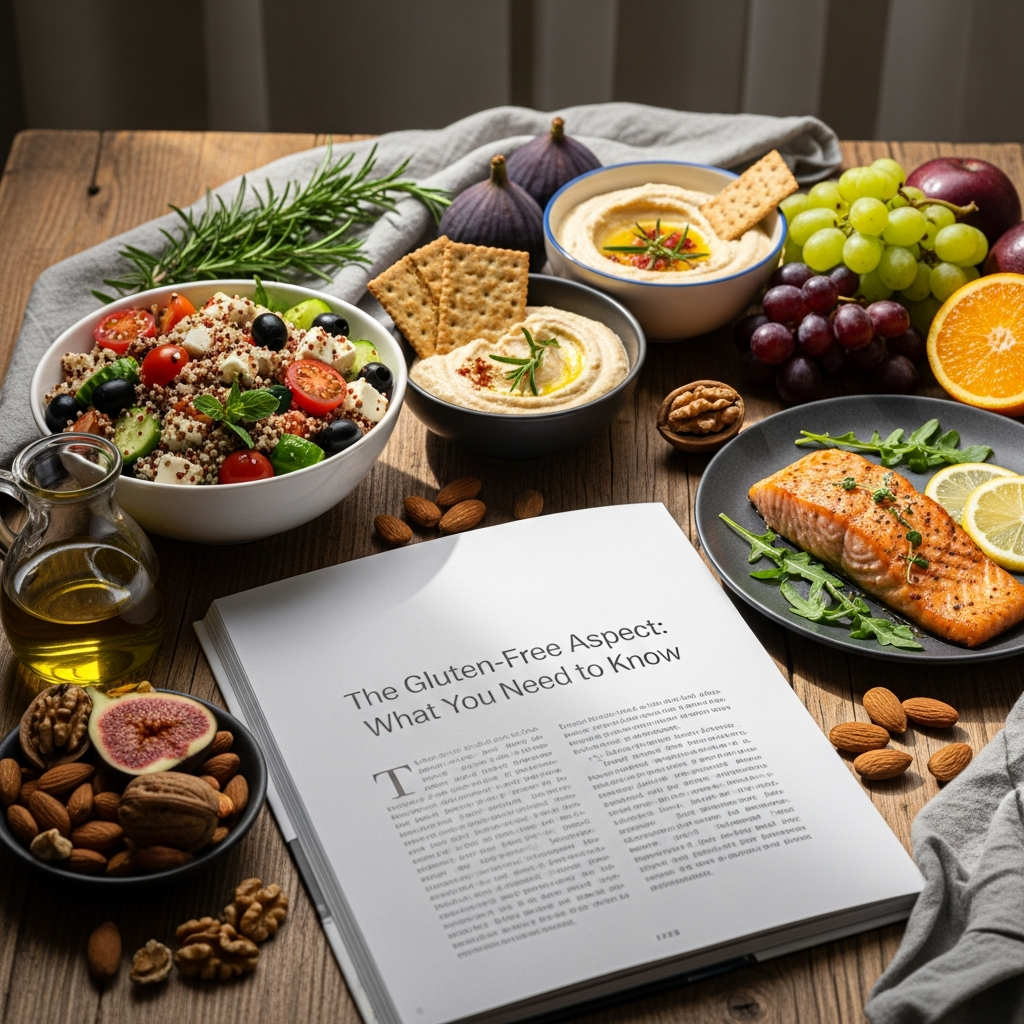
Going gluten-free means avoiding certain proteins found in specific grains. It’s a necessity for some and a choice for others seeking specific health benefits.
What is Gluten?
Gluten is a family of proteins found primarily in wheat, barley, and rye. It acts as a “glue,” giving dough its elasticity and bread its chewy texture. For most people, gluten is harmless.
Why Go Gluten-Free?
For individuals with Celiac disease, consuming gluten triggers an autoimmune response that damages the small intestine. Non-celiac gluten sensitivity (NCGS) also causes adverse reactions, though without the same intestinal damage. For these individuals, a gluten-free diet is essential for health and well-being. Some people also choose to go gluten-free for personal reasons, reporting improvements in digestion or energy levels.
Common Gluten-Containing Foods to Avoid
To successfully follow a gluten-free diet, it’s vital to know which foods contain gluten. This goes beyond just bread and pasta.
* Wheat: Found in bread, pasta, cereals, baked goods, couscous, farro, semolina.
* Barley: Often in malt (malted barley, malt vinegar), beer, and some soups.
* Rye: Used in some breads and alcoholic beverages.
* Oats: While naturally gluten-free, oats are often processed in facilities that handle wheat, leading to cross-contamination. Always choose certified gluten-free oats.
* Hidden Gluten: Many processed foods, sauces, gravies, marinades, and even some medications can contain hidden gluten. Always read labels carefully.
Combining the Best of Both Worlds: The GF Mediterranean Plate
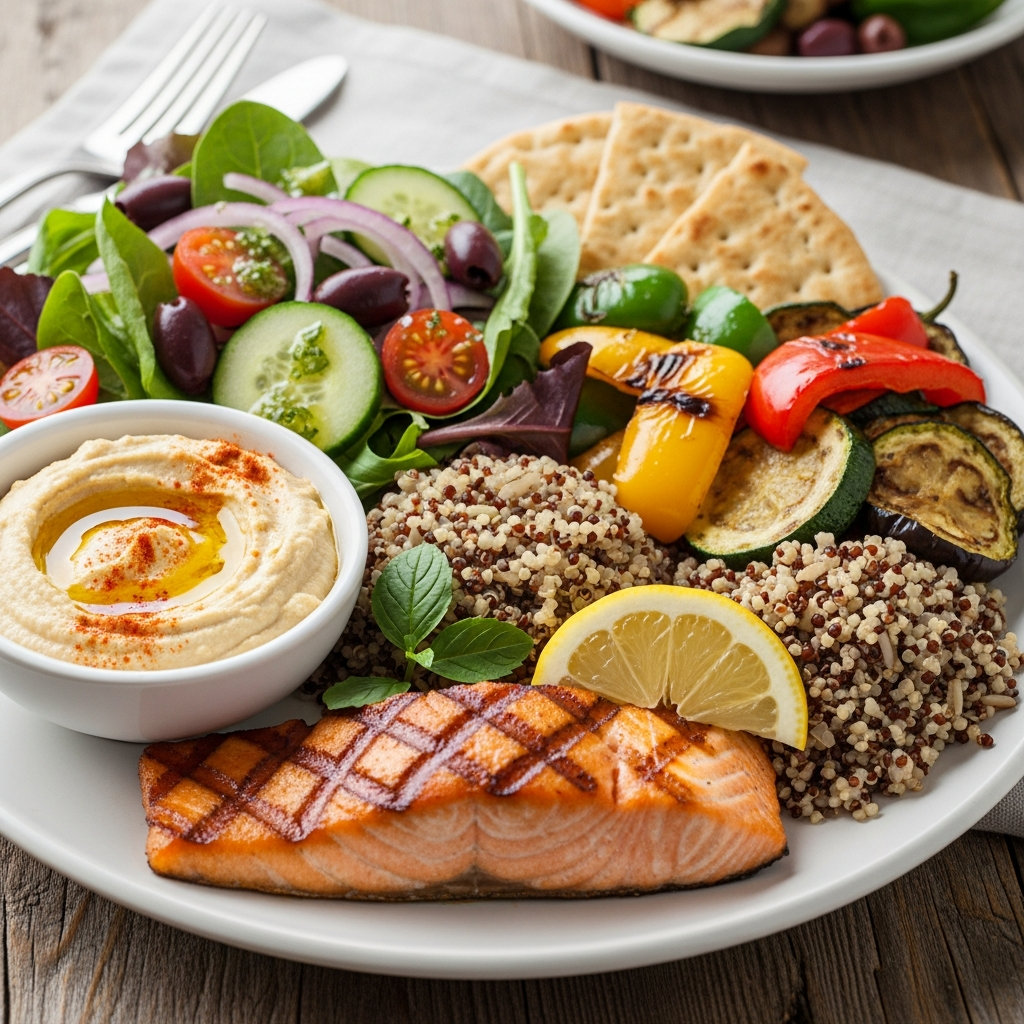
Now, let’s seamlessly integrate the gluten-free requirements into the Mediterranean framework. It’s about smart choices and celebrating the abundance of naturally gluten-free foods.
Gluten-Free Grains and Alternatives
The good news is there are plenty of delicious and nutritious gluten-free grains that fit perfectly into a Mediterranean eating pattern.
* Quinoa: A complete protein, great in salads or as a side dish.
* Brown Rice and Wild Rice: Versatile and satisfying, perfect with many meals.
* Certified Gluten-Free Oats: Excellent for breakfast porridges or baking.
* Millet: A mild-flavored grain that can be used like rice.
* Buckwheat: Despite its name, it’s not related to wheat; a healthy, earthy-flavored grain.
* Corn: Polenta, corn tortillas (check ingredients), and fresh corn are good options.
* Amaranth and Teff: Ancient grains, rich in nutrients, that can be used in various ways.
* Gluten-Free Pasta and Bread: Look for varieties made from corn, rice, quinoa, or lentil flour.
Focus on Naturally Gluten-Free Foods
The easiest way to stay gluten-free on a Mediterranean diet is to prioritize foods that don’t contain gluten to begin with.
* Fruits and Vegetables: Eat them in abundance at every meal. They are inherently gluten-free.
* Legumes: Lentils, chickpeas, beans (cannellini, black beans, kidney beans) are protein-packed, fiber-rich, and gluten-free staples.
* Nuts and Seeds: Almonds, walnuts, chia seeds, flax seeds, sunflower seeds are excellent for snacks and adding to meals.
* Fish and Seafood: All varieties are naturally gluten-free.
* Olive Oil: Your primary cooking fat and dressing base.
* Herbs and Spices: Flavor your food naturally without relying on processed sauces.
Label Reading and Cross-Contamination
Becoming a diligent label reader is crucial for a gluten-free diet. Look for “gluten-free” certifications or clear ingredient lists.
Understanding Food Labels
Always check ingredient lists for wheat, barley, rye, malt, and other gluten-containing ingredients. Be aware that some flavorings or starches might contain gluten unless specified otherwise. The “gluten-free” label means the product contains less than 20 parts per million of gluten, which is generally safe for those with Celiac disease.
Avoiding Cross-Contamination
In the kitchen, use separate cutting boards, utensils, and toasters for gluten-free items if you share a kitchen with gluten-eaters. When dining out, always inform your server about your gluten-free needs and ask about preparation methods to avoid hidden gluten.
Building Your Gluten-Free Mediterranean Meal Plan
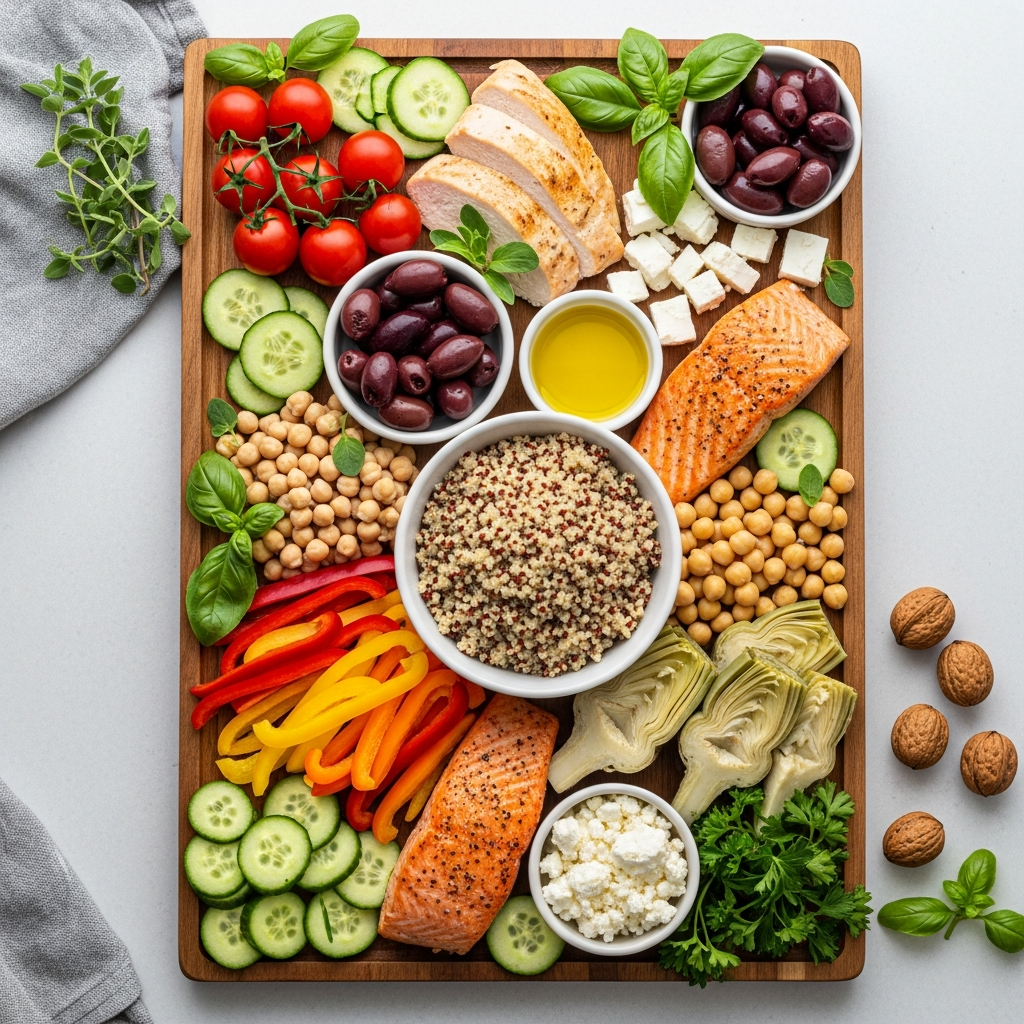
With the principles in mind, let’s put it all together into a practical and delicious meal plan. It’s all about fresh ingredients and simple, satisfying meals.
Essential Pantry Staples
Stocking your pantry with the right items makes meal prep much easier and ensures you always have healthy options on hand.
* Extra Virgin Olive Oil: For cooking, dressings, and finishing dishes.
* Gluten-Free Grains: Quinoa, brown rice, certified GF oats, GF pasta.
* Legumes: Canned chickpeas, lentils, cannellini beans (rinse well).
* Nuts and Seeds: Almonds, walnuts, chia seeds, flax seeds.
* Canned Fish: Sardines, tuna packed in olive oil (check for gluten-free certification).
* Herbs and Spices: Oregano, basil, thyme, rosemary, paprika, garlic powder.
* Vinegars: Red wine vinegar, balsamic vinegar.
* Fresh Produce: A rotating selection of seasonal fruits and vegetables.
Sample Daily Meal Ideas
These ideas show how simple and flavorful gluten-free Mediterranean meals can be.
Breakfast Options
Start your day with nourishing, energizing meals.
* GF Oatmeal with Berries and Nuts: Cook certified gluten-free oats with water or milk, top with fresh berries, a sprinkle of walnuts, and a drizzle of honey.
* Greek Yogurt with Fruit and Seeds: Plain Greek yogurt (check for GF status) with sliced fruit like peaches or figs, and a sprinkle of chia seeds.
* Scrambled Eggs with Spinach and Feta: Scramble eggs with sautéed spinach and a small amount of crumbled feta cheese, cooked in olive oil.
Lunch Options
Quick, satisfying, and often great for leftovers.
* Large Salad with Grilled Chicken or Fish: Mixed greens, cucumber, tomatoes, olives, bell peppers, and grilled chicken breast or canned tuna, dressed with olive oil and lemon.
* Lentil Soup with GF Bread: A hearty homemade lentil soup (ensure no gluten-containing broth) served with a slice of gluten-free bread.
* Leftover Dinner: Many Mediterranean dinners taste even better the next day.
Dinner Options
Focus on balanced plates with plenty of vegetables and lean protein.
* Baked Salmon with Roasted Vegetables: Season salmon with herbs, salt, and pepper, bake until flaky. Roast zucchini, eggplant, and bell peppers with olive oil.
* Chicken and Vegetable Skewers with Quinoa: Thread chicken pieces with cherry tomatoes, onions, and bell peppers. Grill or bake, serve over a bed of quinoa.
* Chickpea Pasta with Tomato and Vegetable Sauce: Use gluten-free chickpea pasta with a homemade sauce packed with tomatoes, garlic, basil, and sautéed zucchini or mushrooms.
Snack Ideas
Keep these healthy and satisfying options on hand.
* Olives: A classic Mediterranean snack.
* A Handful of Nuts or Seeds: Almonds, walnuts, pumpkin seeds.
* Fresh Fruit: An apple, orange, or a bunch of grapes.
* Hummus with Vegetable Sticks: Carrot, cucumber, or bell pepper sticks with a serving of hummus (check for GF status).
Sample Weekly Plan
Here’s a snapshot of what a week of gluten-free Mediterranean eating could look like. Remember, variety is key, so feel free to swap meals based on your preferences and what’s in season.
| Meal | Monday | Tuesday | Wednesday | Thursday | Friday | Saturday | Sunday |
| Breakfast | GF Oatmeal with berries & almonds | Greek yogurt with peaches & chia seeds | Scrambled eggs with spinach & feta | GF Oatmeal with banana & walnuts | Greek yogurt with melon & pumpkin seeds | Veggie omelet with olives | Smoothie (fruit, GF yogurt, spinach) |
| Lunch | Large mixed salad with grilled chicken | Leftover Baked Salmon | Lentil soup with GF crackers | Tuna salad (with olive oil) on lettuce | Chickpea salad (celery, herbs) with bell peppers | Leftover Chicken Skewers | Quinoa bowl with roasted veggies & chickpeas |
| Dinner | Baked Salmon with roasted asparagus | Chicken & veggie skewers with quinoa | GF pasta with marinara & zucchini | Cod with lemon, herbs & brown rice | Lentil shepherd’s pie (sweet potato top) | Grilled sardines with a large Greek salad | Roast chicken with sweet potatoes & broccoli |
| Snacks | Apple, handful of walnuts | Hummus & cucumber sticks | Orange, few almonds | Olives, bell pepper strips | Pear, pumpkin seeds | Handful of cashews, berries | GF rice cakes with avocado |
Beyond the Plate: Lifestyle Habits for a Mediterranean Life
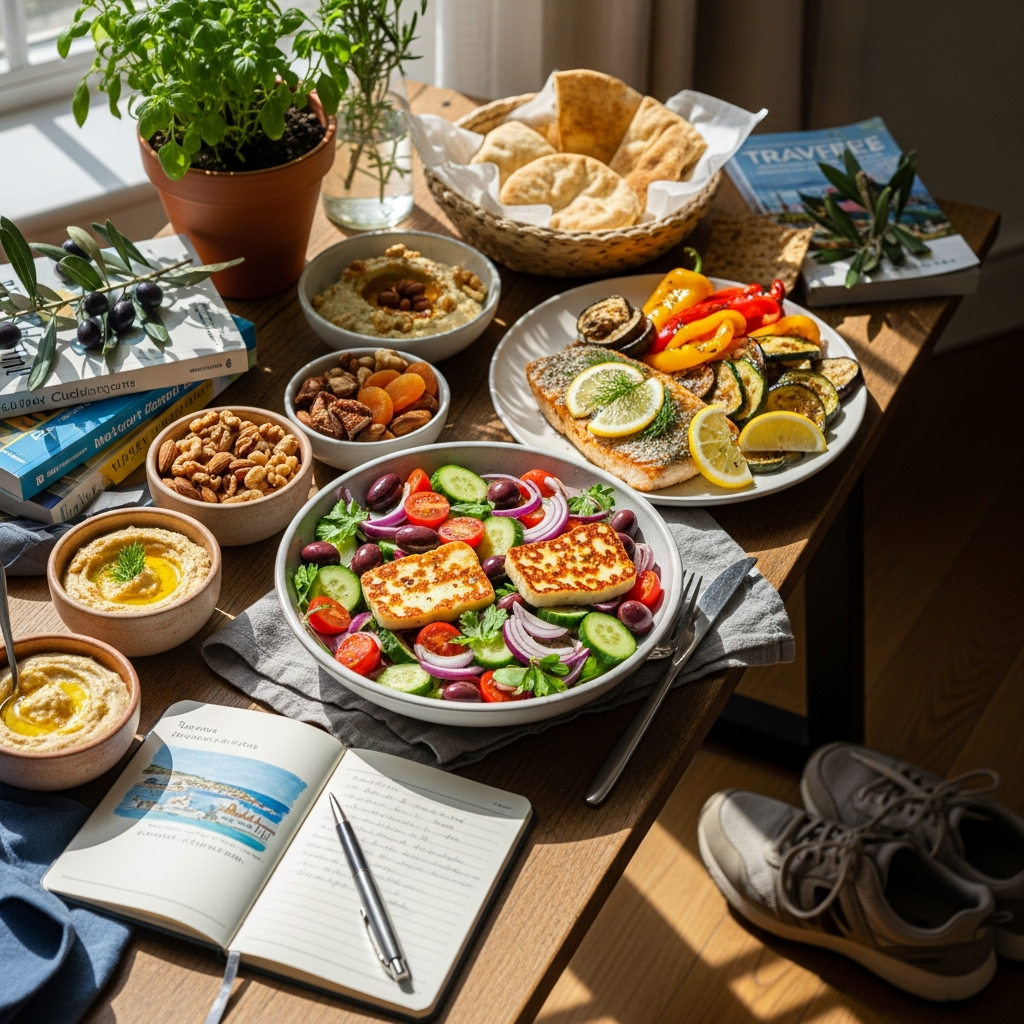
The Mediterranean diet is more than just food; it’s a holistic lifestyle. Integrating these habits will enhance your well-being alongside your dietary changes.
Regular Physical Activity
Movement is a natural part of the Mediterranean way. This doesn’t mean intense gym sessions, but rather incorporating gentle, consistent activity into your day. Think daily walks, gardening, cycling, or swimming. Find activities you enjoy and make them a regular habit.
Social Connection and Enjoyment of Meals
Meals are often shared with family and friends in Mediterranean cultures. Eating slowly, savoring your food, and engaging in conversation are key. This promotes mindful eating and reduces stress around food, helping with digestion and overall happiness.
Rest and Recovery
Prioritizing adequate sleep and managing stress are vital components of any healthy lifestyle. Just like balanced nutrition, sufficient rest helps your body repair and recharge, supporting everything from your immune system to your energy levels. Find practices that help you relax, like reading or meditation.
Hydration
Water is the primary beverage in the Mediterranean lifestyle. Staying well-hydrated is essential for all bodily functions, including digestion and metabolism. Aim to drink plenty of water throughout the day, and enjoy herbal teas occasionally.
Mindset and Consistency: Staying on Track
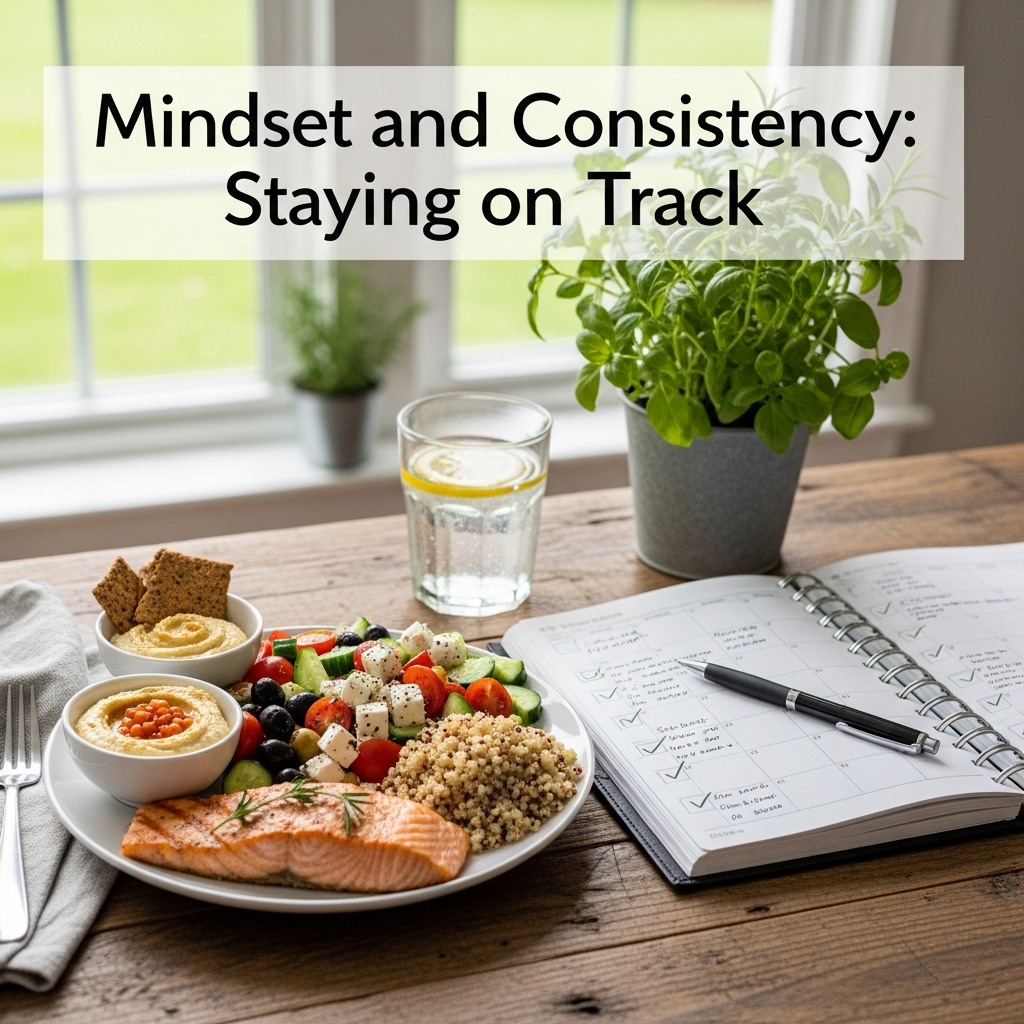
Embarking on a new eating plan can feel overwhelming. Cultivating the right mindset and strategies for consistency will make your journey successful and enjoyable.
Set Realistic Expectations
Remember, this is a lifestyle change, not a temporary diet. Results, whether it’s improved digestion, more energy, or weight management, will come gradually. Focus on building sustainable habits rather than chasing quick fixes.
Embrace Flexibility
Life happens. There might be days when your meal plan isn’t perfect, or you eat something unexpected. Don’t let one deviation derail your entire effort. Get back on track at your next meal. This approach fosters a healthier relationship with food.
Plan Ahead
Meal prepping and planning your grocery list are powerful tools for consistency. Knowing what you’re going to eat ahead of time reduces stress, saves time, and prevents impulsive, less healthy choices. Dedicate a bit of time each week to plan your meals.
Listen to Your Body
Pay close attention to how different gluten-free Mediterranean foods make you feel. Notice changes in your energy, digestion, and mood. This self-awareness helps you fine-tune your diet to what works best for your unique body.
Seek Support
Share your journey with family or friends who can offer encouragement. Online communities or a nutritionist specializing in gluten-free Mediterranean diets can also provide valuable guidance and a sense of community. You don’t have to do it alone.