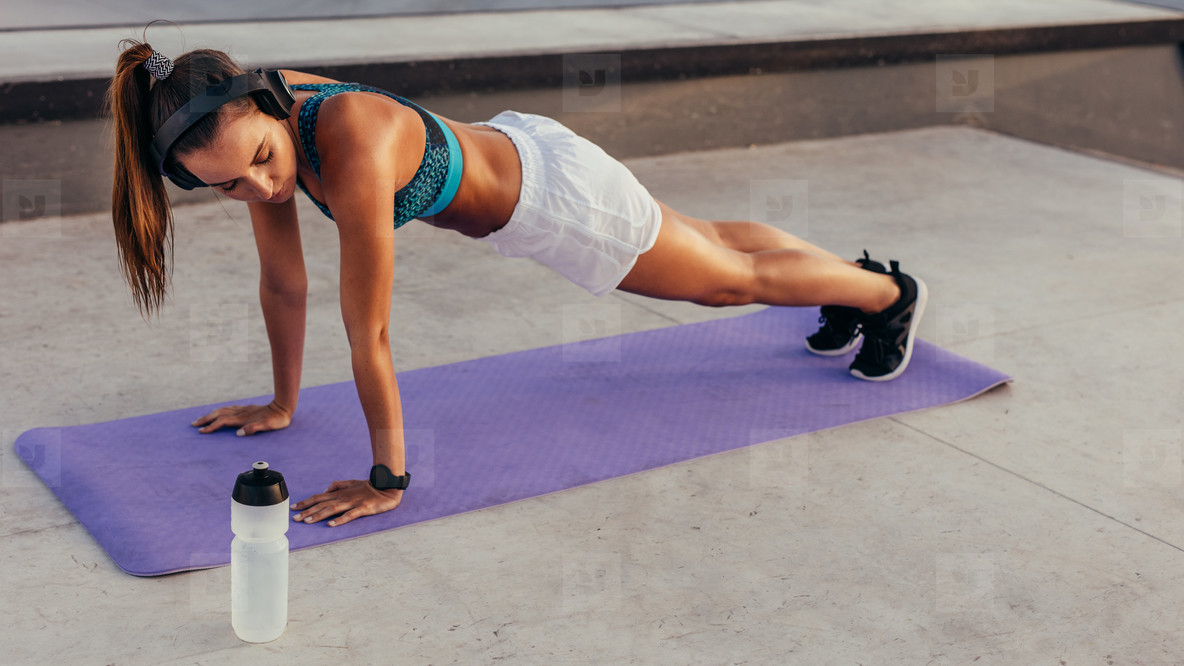
If you think you need a gym full of machines to get a full-body workout, think again. With just a pair of dumbbells, you can train every major muscle group, boost your metabolism, and build strength right at home.
Dumbbell workouts are simple, effective, and incredibly versatile. Whether you’re short on time or prefer training at home, a well-designed dumbbell routine can give you a complete workout that targets your arms, legs, chest, back, shoulders, and core — all in one session.
Let’s explore how to create dumbbell workouts that work your entire body, why they’re so effective, and the best exercises you can start doing today.
Why Dumbbell Workouts Work So Well
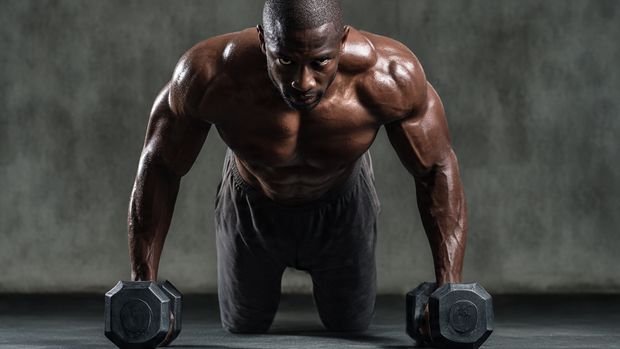
Dumbbells are one of the most powerful and flexible tools for building strength and endurance. Unlike machines, which isolate muscles, dumbbells activate multiple muscle groups at once, improving coordination, stability, and balance.
Here’s why dumbbell training is so effective:
- Engages stabilizing muscles: Each arm works independently, helping correct imbalances.
- Improves joint strength and mobility: Natural movement patterns prevent stiffness.
- Burns more calories: Working multiple muscles simultaneously increases calorie burn.
- Builds functional strength: Mimics real-life movements like lifting, carrying, and pushing.
- Perfect for home workouts: Requires minimal space and equipment.
Whether you’re a beginner or advanced lifter, dumbbells adapt to your level — all you have to do is change the weight or intensity.
What Muscles You Can Train with Dumbbells
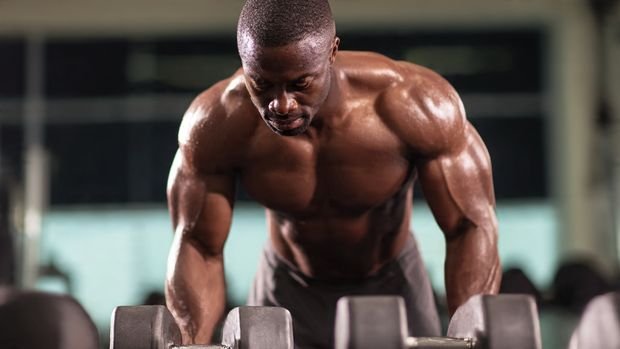
With the right moves, you can train every major muscle group using just dumbbells:
- Chest: Dumbbell press, chest fly
- Back: Dumbbell rows, reverse fly
- Shoulders: Overhead press, lateral raise
- Arms: Bicep curls, tricep kickbacks
- Legs: Squats, lunges, Romanian deadlifts
- Core: Russian twists, weighted sit-ups, side bends
Combine these movements properly, and you can achieve a full-body workout in 30–45 minutes.
How to Structure a Full-Body Dumbbell Workout
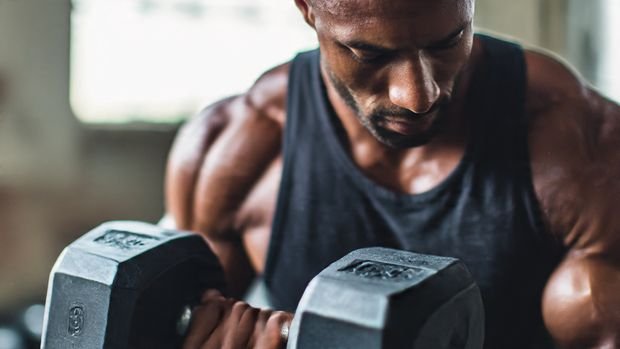
The key to training every muscle efficiently is to structure your session smartly. Follow this simple 3-step structure:
Step 1: Warm Up (5–10 minutes)

Get your body ready for movement. Warm up with:
- Arm circles
- Marching in place
- Bodyweight squats
- Shoulder rolls
- Light dumbbell swings
A proper warm-up improves flexibility, increases circulation, and prevents injury.
Step 2: Perform Compound Exercises
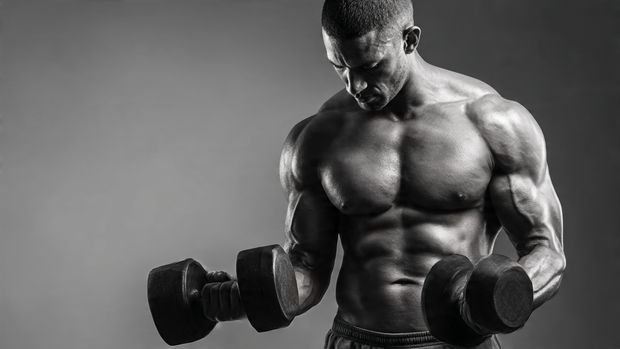
Compound movements use multiple joints and muscle groups, giving you the biggest results in the shortest time.
Examples: Squats, rows, presses, and deadlifts.
Step 3: Add Isolation and Core Movements
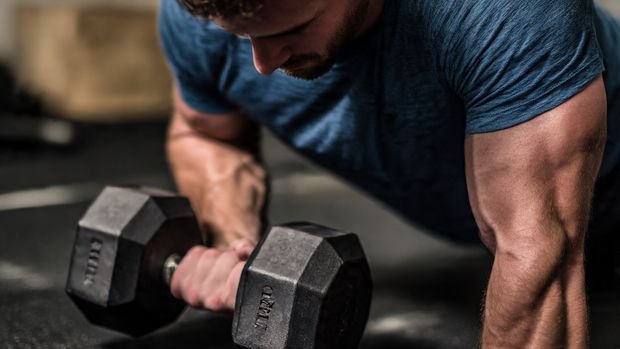
After compound moves, finish with smaller exercises that target specific muscles — like curls, tricep extensions, or ab work.
This structure ensures you hit every muscle efficiently.
The Ultimate Full-Body Dumbbell Workout (All Levels)

This workout covers all major muscle groups and can be done in 30–40 minutes.
Equipment Needed:
A pair of dumbbells (choose a weight that challenges you but allows proper form).
Instructions:
Perform 3 sets of 10–15 reps per exercise. Rest 30–45 seconds between sets.
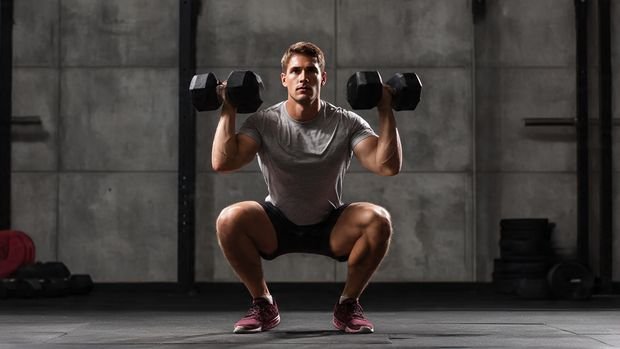
1. Dumbbell Squat to Press (Full Body)
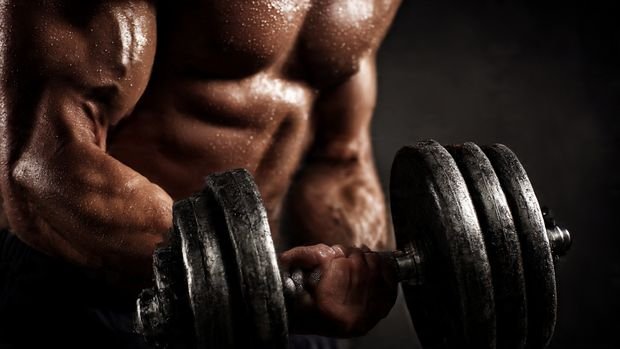
This move hits your legs, shoulders, and core at once.
How to do it:
- Stand with feet shoulder-width apart, dumbbells at shoulder height.
- Lower into a squat, keeping your back straight.
- As you stand, press the dumbbells overhead.
- Lower back down and repeat.
Muscles worked: Quads, glutes, shoulders, and core.
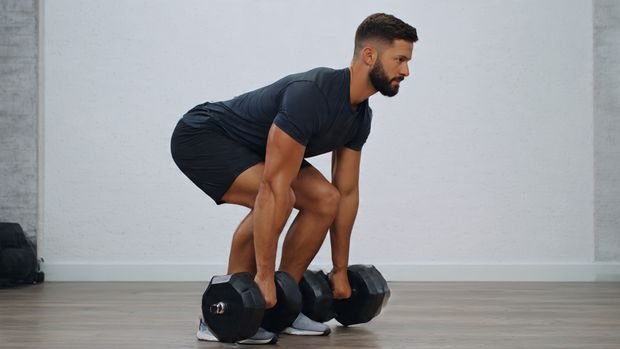
2. Dumbbell Romanian Deadlift (Posterior Chain)
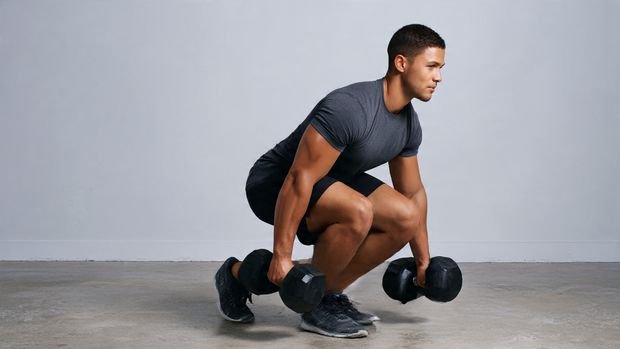
A great move for your hamstrings, glutes, and lower back.
How to do it:
- Hold dumbbells in front of your thighs, palms facing your body.
- Keeping your back flat, hinge at the hips and lower the dumbbells down your legs.
- Stop when you feel a stretch in your hamstrings, then return to standing.
Muscles worked: Glutes, hamstrings, and lower back.
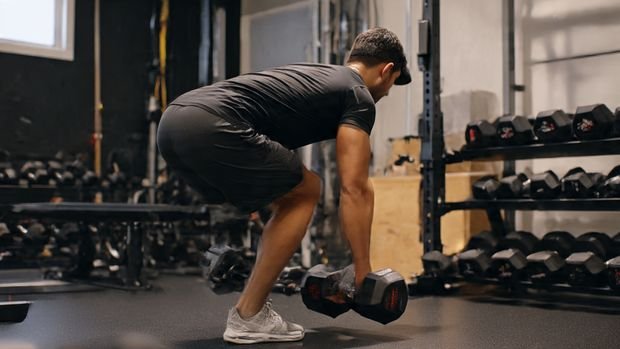
3. Dumbbell Bent-Over Row (Back and Arms)
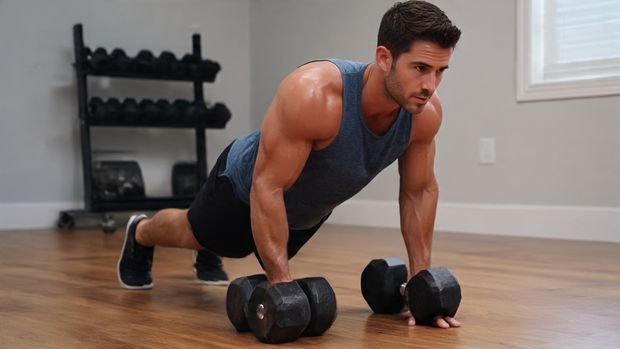
This strengthens your upper back and biceps while improving posture.
How to do it:
- Hinge forward at the hips with dumbbells hanging below your shoulders.
- Pull both dumbbells toward your ribcage, squeezing your shoulder blades together.
- Lower with control and repeat.
Muscles worked: Lats, rhomboids, and biceps.
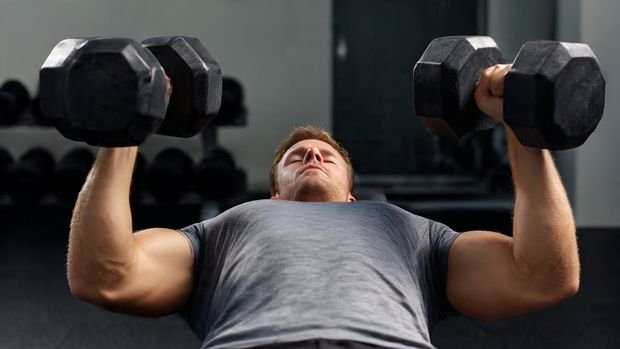
4. Dumbbell Chest Press (Chest and Arms)
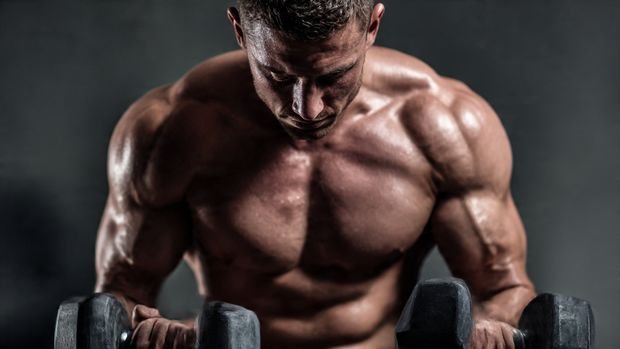
You can perform this move on a bench or on the floor.
How to do it:
- Lie on your back with dumbbells at chest level, palms facing forward.
- Press the weights up until your arms are straight.
- Slowly lower back to starting position.
Muscles worked: Chest, shoulders, and triceps.
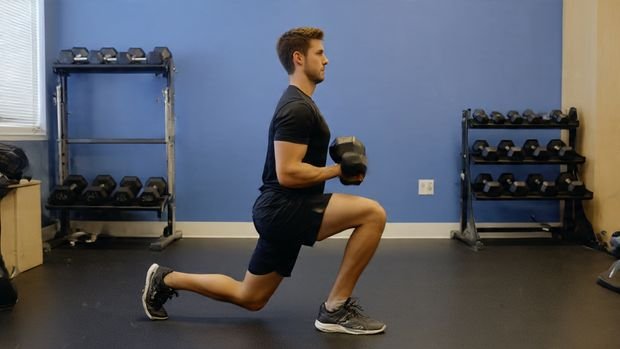
5. Dumbbell Reverse Lunge (Legs and Core)
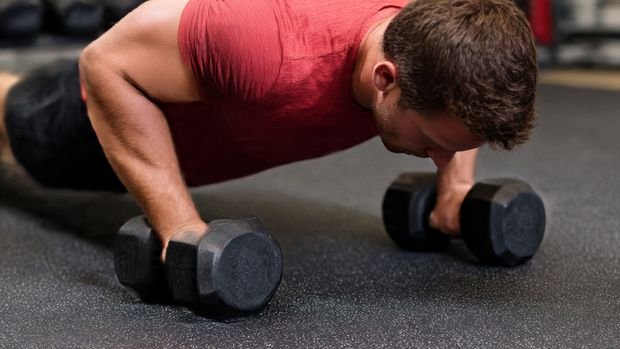
Lunges strengthen your legs and improve balance.
How to do it:
- Hold dumbbells by your sides.
- Step one foot back and lower until both knees form 90-degree angles.
- Push through your front heel to stand back up.
- Switch legs and repeat.
Muscles worked: Quads, hamstrings, glutes, and core.
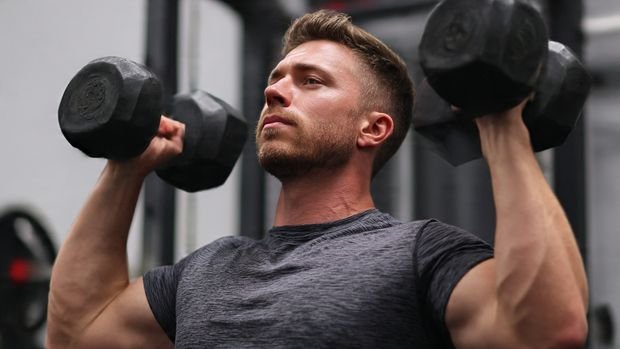
6. Dumbbell Shoulder Press (Upper Body)
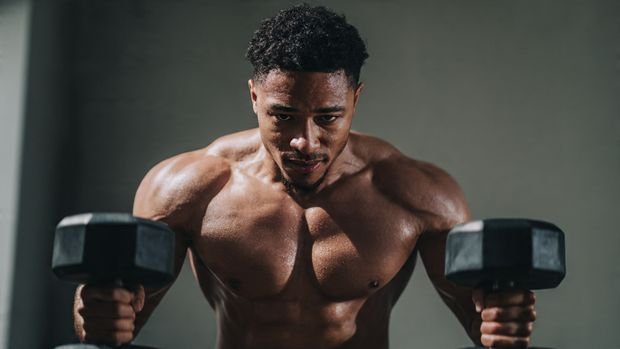
A must for strong shoulders and arms.
How to do it:
- Sit or stand with dumbbells at shoulder level, palms facing forward.
- Press the weights overhead without arching your back.
- Slowly lower back to shoulder height.
Muscles worked: Shoulders and triceps.
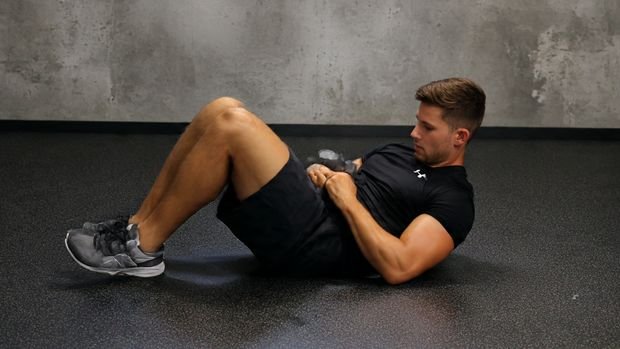
7. Dumbbell Russian Twists (Core and Obliques)
An excellent move to strengthen your abs and improve rotation.
How to do it:
- Sit on the floor, knees bent, holding one dumbbell.
- Lean slightly back, keeping your back straight.
- Twist your torso side to side, touching the dumbbell to the floor each time.
Muscles worked: Core and obliques.
8. Dumbbell Bicep Curl to Front Raise (Arms and Shoulders)
Combines arm strength with shoulder stability.
How to do it:
- Stand tall with dumbbells at your sides.
- Curl the weights toward your shoulders.
- Lower halfway, then lift them straight in front of you to shoulder height.
- Lower completely and repeat.
Muscles worked: Biceps, shoulders, and forearms.
9. Dumbbell Side Plank Hold (Core Stability)
A challenging move that strengthens your abs, back, and obliques.
How to do it:
- Lie on your side with your elbow under your shoulder.
- Hold a light dumbbell on your upper hip.
- Lift your hips to form a straight line from head to feet.
- Hold for 20–30 seconds per side.
Muscles worked: Core, shoulders, and obliques.
10. Dumbbell Farmers Carry (Full Body Conditioning)
A simple but powerful move for overall strength.
How to do it:
- Hold one dumbbell in each hand by your sides.
- Walk slowly and steadily for 30–60 seconds, keeping your shoulders back and core tight.
Muscles worked: Core, grip, shoulders, back, and legs.
Optional Finisher: Dumbbell Complex
If you want to challenge yourself, try this short full-body circuit called a dumbbell complex.
Perform all exercises back-to-back with no rest between moves (use light weights).
- 8 Dumbbell Deadlifts
- 8 Dumbbell Rows
- 8 Dumbbell Squats
- 8 Dumbbell Shoulder Presses
- 8 Dumbbell Reverse Lunges
Rest for 1 minute, then repeat 2–3 times.
This will get your heart rate up and train strength, endurance, and coordination — all in one go.
Cool Down and Stretch
After your workout, spend 5–10 minutes stretching the muscles you worked.
Try:
- Shoulder rolls
- Chest stretch (hands behind back)
- Hamstring stretch
- Seated forward fold
- Gentle side bends
Stretching improves flexibility and recovery while reducing soreness.
Tips for Safe and Effective Dumbbell Training
- Start with manageable weights. Focus on form before increasing load.
- Move slowly and with control. Don’t rush — quality beats quantity.
- Breathe properly. Exhale during exertion (when lifting), inhale when lowering.
- Engage your core. This stabilizes your spine and prevents strain.
- Train consistently. 3–4 full-body sessions per week deliver great results.
- Rest when needed. Recovery is when muscles actually grow stronger.
Consistency and patience are key — you’ll see noticeable strength and tone within weeks.
A Sample Weekly Dumbbell Training Plan
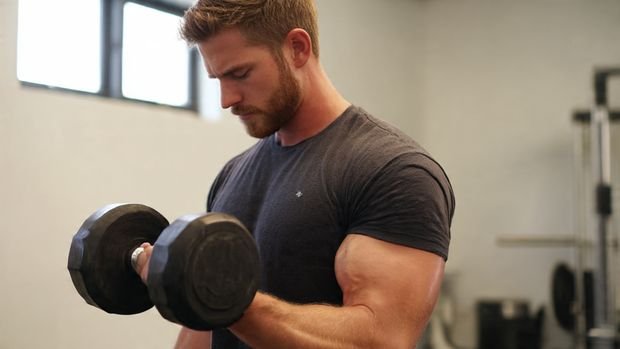
Here’s how you can structure your week for balanced, total-body training:
Monday: Full-body dumbbell workout
Tuesday: Rest or light stretching
Wednesday: Full-body workout (different reps or variations)
Thursday: Rest or active recovery (walking, yoga)
Friday: Full-body dumbbell circuit
Saturday: Core and flexibility focus
Sunday: Rest
This schedule keeps your body active while giving it time to recover and grow.
Why Dumbbell Workouts Are Perfect for All Levels

Whether you’re a beginner or a seasoned lifter, dumbbells meet you where you are.
Beginners can start light and focus on form, while advanced lifters can use heavier weights or complex movements for more intensity.
You can even modify exercises for your needs — seated versions for stability, one-arm variations for balance, or supersets for efficiency.
Dumbbells make it easy to customize your training and see progress without expensive gym memberships or machines.
The Benefits Go Beyond Strength
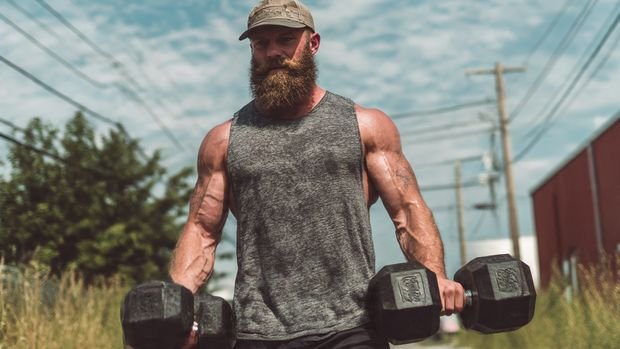
Regular dumbbell workouts don’t just build muscle — they improve your quality of life.
Benefits include:
- Better posture and mobility
- Increased energy and metabolism
- Stronger bones and joints
- Reduced risk of injury
- Enhanced confidence and body awareness
When your whole body works together, everything from daily tasks to athletic performance becomes easier.
Final Thoughts
Dumbbell workouts prove that you don’t need complicated equipment or long hours at the gym to stay strong and fit. With just one pair of dumbbells, you can train every major muscle group, improve balance, and build lasting strength.
Start with the basics, move with purpose, and stay consistent. Over time, your body will get stronger, leaner, and more capable — inside and out.
The best workout isn’t the one that looks fancy — it’s the one you’ll actually do. Pick up your dumbbells, press play on your favorite playlist, and get started.
Because when you train smart, even simple workouts can transform your body.