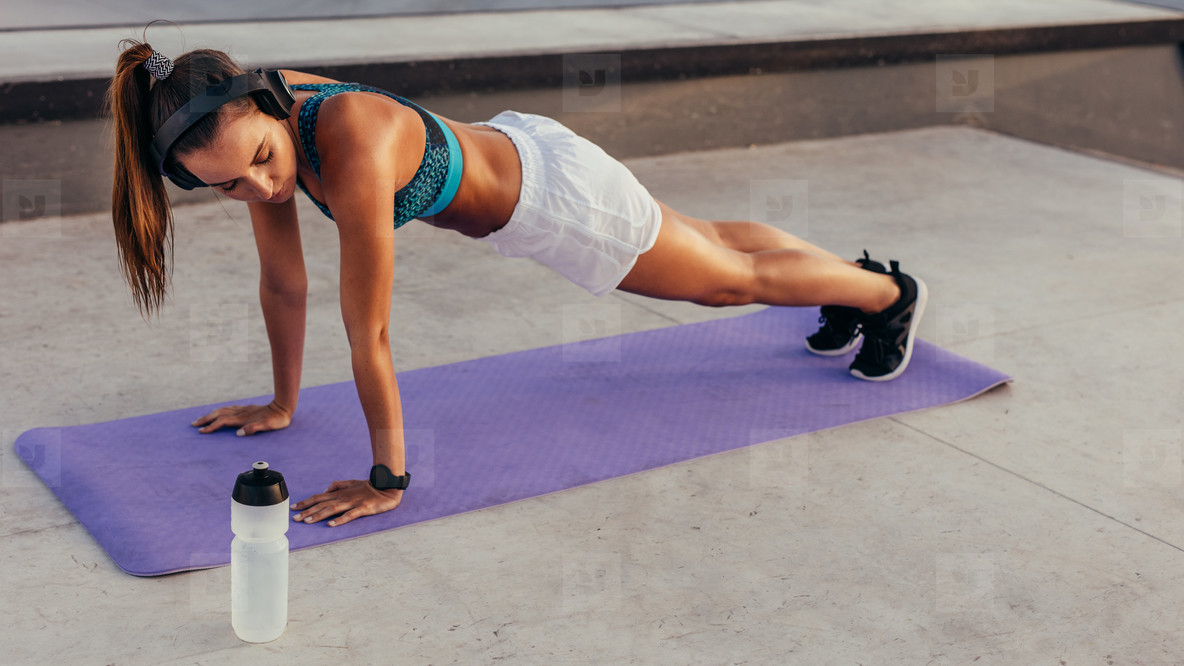
Stepping into the world of strength training at home can feel a bit overwhelming at first. You might wonder where to even begin, what equipment you truly need, or if you can actually build serious muscle without a full gym setup. The good news is, you absolutely can, and dumbbells are your best friend in this journey.
Dumbbells are incredibly versatile tools that allow you to hit every muscle group in your body, from your chest and back to your legs and core. They’re perfect for home use because they don’t take up much space, they’re often more affordable than bulky machines, and they offer a fantastic way to progressively challenge yourself as you get stronger. This article will guide you through choosing the best dumbbell sets for building muscle right in your living room and show you how to use them effectively to reach your fitness goals.
Why Dumbbells Are Your Home Gym MVP
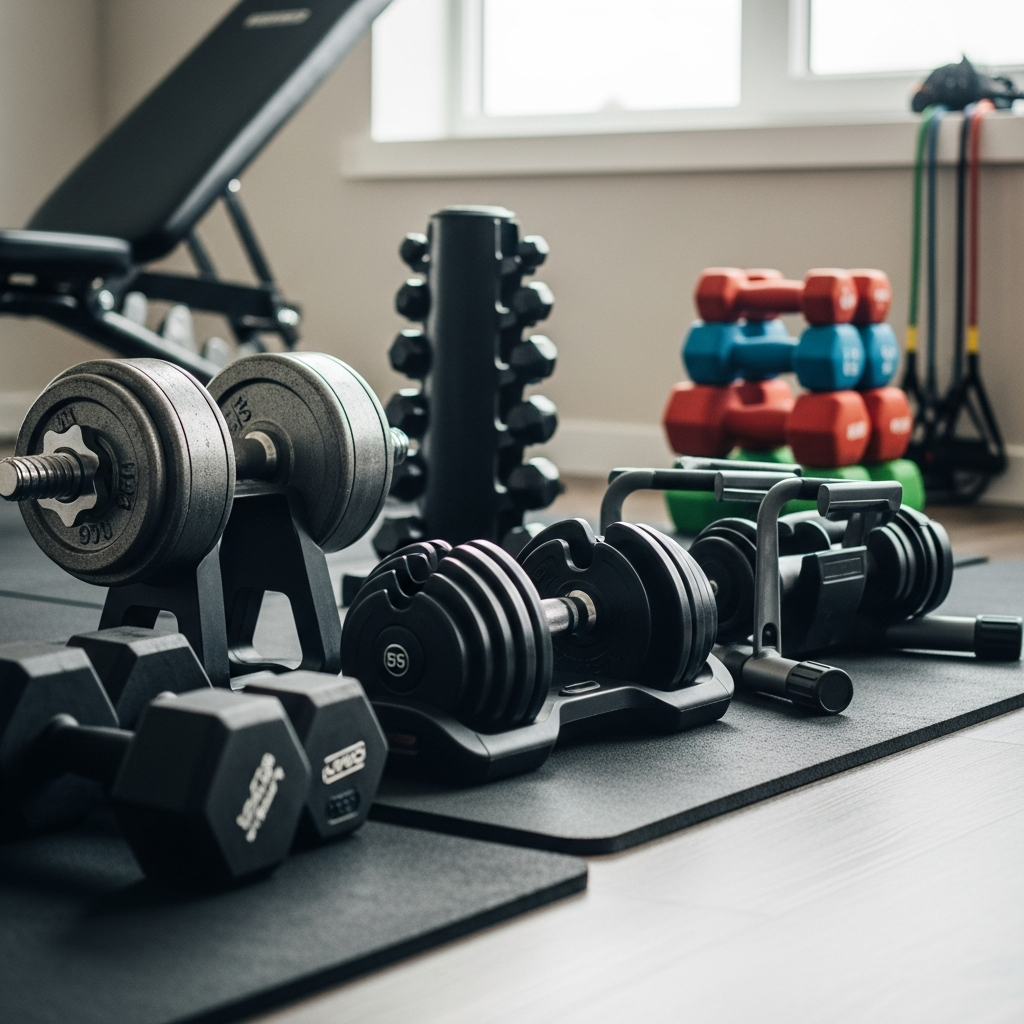
When it comes to outfitting a home gym, dumbbells often come out on top for good reason. They offer a unique blend of practicality and effectiveness that’s hard to beat.
Dumbbells are incredibly adaptable. You can use them for compound movements that work multiple muscles at once, like squats and rows, or for isolation exercises to target specific areas, like biceps curls or triceps extensions. This versatility means a single set of dumbbells can provide a full-body workout.
They’re also fantastic for small spaces. Unlike large weight machines or barbells, dumbbells are compact and can be easily stored under a bed, in a closet, or neatly tucked away in a corner. This makes them ideal for apartments or homes where space is at a premium.
From a budget perspective, dumbbells are often a more cost-effective entry point into strength training compared to a full rack of weights or a multi-gym machine. You can start with a basic set and add more as your strength grows, without breaking the bank upfront.
Finally, dumbbells shine in helping you build functional strength and addressing muscle imbalances. Since each arm or leg works independently, you can’t rely on your stronger side to compensate for the weaker one. This leads to more balanced muscle development and better overall stability.
Understanding Different Types of Dumbbell Sets
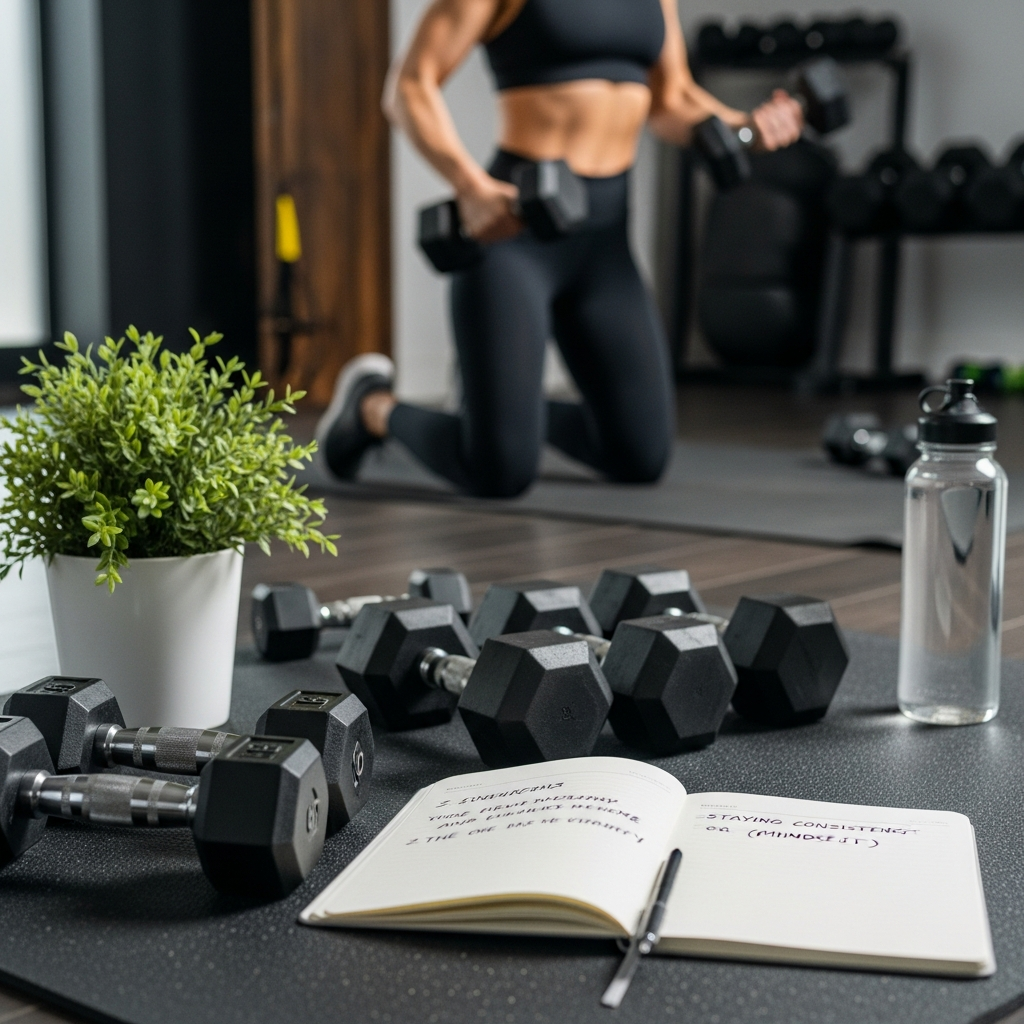
Choosing the right dumbbell set is crucial for a productive home workout routine. There are several main types, each with its own benefits and drawbacks. Knowing these differences will help you pick the set that best fits your needs, space, and budget.
Fixed Weight Dumbbells
These are the classic dumbbells you see in most gyms. Each dumbbell is a solid, single piece of equipment with a specific weight, like a 10-pound, 15-pound, or 20-pound dumbbell. They come in various materials, including cast iron, neoprene, rubber, or urethane coatings.
Fixed weight dumbbells are incredibly durable and ready to use instantly, with no setup required. They’re great for supersets or drop sets where you need to change weights quickly without fiddling with plates or dials. The downside is that accumulating a full range of weights can take up a lot of space and be quite expensive.
Adjustable Dumbbells (Spinlock/Plate-Loaded)
Adjustable dumbbells consist of a handle onto which you load individual weight plates and secure them with collars, often spinlocks or spring clips. These are like mini barbells where you manually add or remove plates to change the total weight.
The main advantage here is affordability and customization. You can buy a set of plates and a couple of handles, saving significant space and money compared to a full rack of fixed weights. They allow for progressive overload by simply adding more weight as you get stronger. The main drawback is that changing weights can be a bit slower and interrupt the flow of your workout. The plates can also sometimes rattle a bit during exercises.
Selectorized Adjustable Dumbbells
These are the modern marvels of home gym equipment. Selectorized adjustable dumbbells feature a clever mechanism, usually a dial, pin, or lever, that allows you to change the weight by simply selecting your desired number. The dumbbell then automatically “grabs” only the plates needed for that weight, leaving the others in the tray.
Their biggest selling points are extreme space-saving and incredibly fast weight changes, which is perfect for circuit training or supersets. Brands like Bowflex, PowerBlock, and NÜOBELL are popular in this category. They are generally more expensive than spinlock adjustable dumbbells and fixed sets. While convenient, some models can feel bulky or less balanced than traditional dumbbells for certain movements. They also have more moving parts, which means a slightly higher chance of mechanical issues over time.
Urethane/Rubber Coated Dumbbells
These are typically fixed weight dumbbells, but their key feature is a protective coating of urethane or rubber. This coating protects your floors from dings and scratches if you accidentally drop them. It also makes them quieter to use and helps reduce wear and tear on the dumbbells themselves.
Urethane and rubber coatings also provide a more comfortable and secure grip in many cases. They are often a bit more expensive than bare cast iron dumbbells. If you’re working out in a space with sensitive flooring or want to minimize noise, these are an excellent choice.
Key Factors When Choosing Your Dumbbell Set
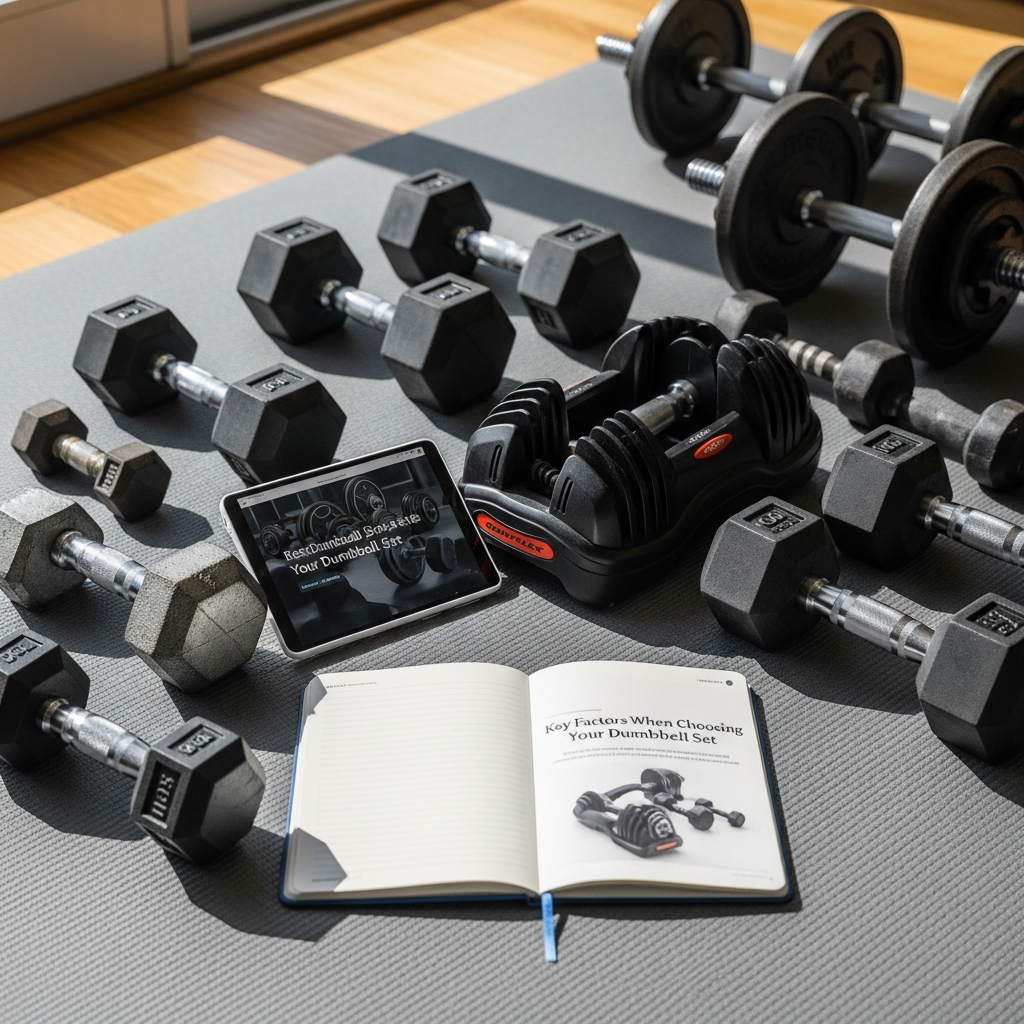
Deciding on the perfect dumbbell set involves considering several practical aspects. Thinking about these points before you buy will help ensure you make a choice you’ll be happy with for years to come.
Weight Range
The weight range you need is paramount. If you’re a beginner, you might start with lighter weights (5-15 pounds) for upper body exercises and slightly heavier ones (15-30 pounds) for lower body movements. However, you’ll want a set that allows for growth. As you get stronger, you’ll need to increase the weight to continue challenging your muscles—this is the principle of progressive overload.
Look for a set that offers a good spread of weights, or one that can be expanded easily. Adjustable sets are particularly strong here, as they often cover a wide range in a single unit.
Space Availability
Your workout area at home heavily influences your choice. If you have a dedicated gym room, fixed weight dumbbells might be an option, though they still take up considerable floor space. For smaller living rooms, apartments, or shared spaces, selectorized adjustable dumbbells are often the clear winner due to their compact footprint, replacing an entire rack of weights with just two dumbbells. Plate-loaded adjustable dumbbells also save space compared to fixed sets, but usually take up more room than selectorized ones.
Budget
Cost is always a factor. Generally, spinlock adjustable dumbbells are the most budget-friendly entry point. Fixed weight dumbbells can vary widely in price, with basic cast iron being cheaper than rubber or urethane coated sets, especially as you add more weights. Selectorized adjustable dumbbells represent a higher upfront investment but offer excellent long-term value by replacing many individual dumbbells. Consider your budget not just for the initial purchase, but also for potential future expansions.
Grip and Comfort
The feel of the dumbbell in your hand can significantly impact your workout experience. Look at the handle’s knurling (the textured pattern for grip) – some prefer a more aggressive knurling, while others like it smoother. Handle thickness also varies; make sure it feels comfortable and secure in your hand. Materials like chrome, rubber, or even neoprene can affect grip. A comfortable grip helps you focus on the exercise rather than discomfort.
Durability and Build Quality
You want your dumbbells to last. Fixed weights, especially solid cast iron or steel, are virtually indestructible. Adjustable dumbbells, particularly selectorized ones, have more moving parts, so checking reviews for long-term durability and the quality of the adjustment mechanism is important. Look for sturdy construction, good quality materials, and reputable brands known for fitness equipment. You’ll be dropping these weights sometimes, so they need to withstand repeated use.
Building Muscle with Dumbbells: Practical Steps
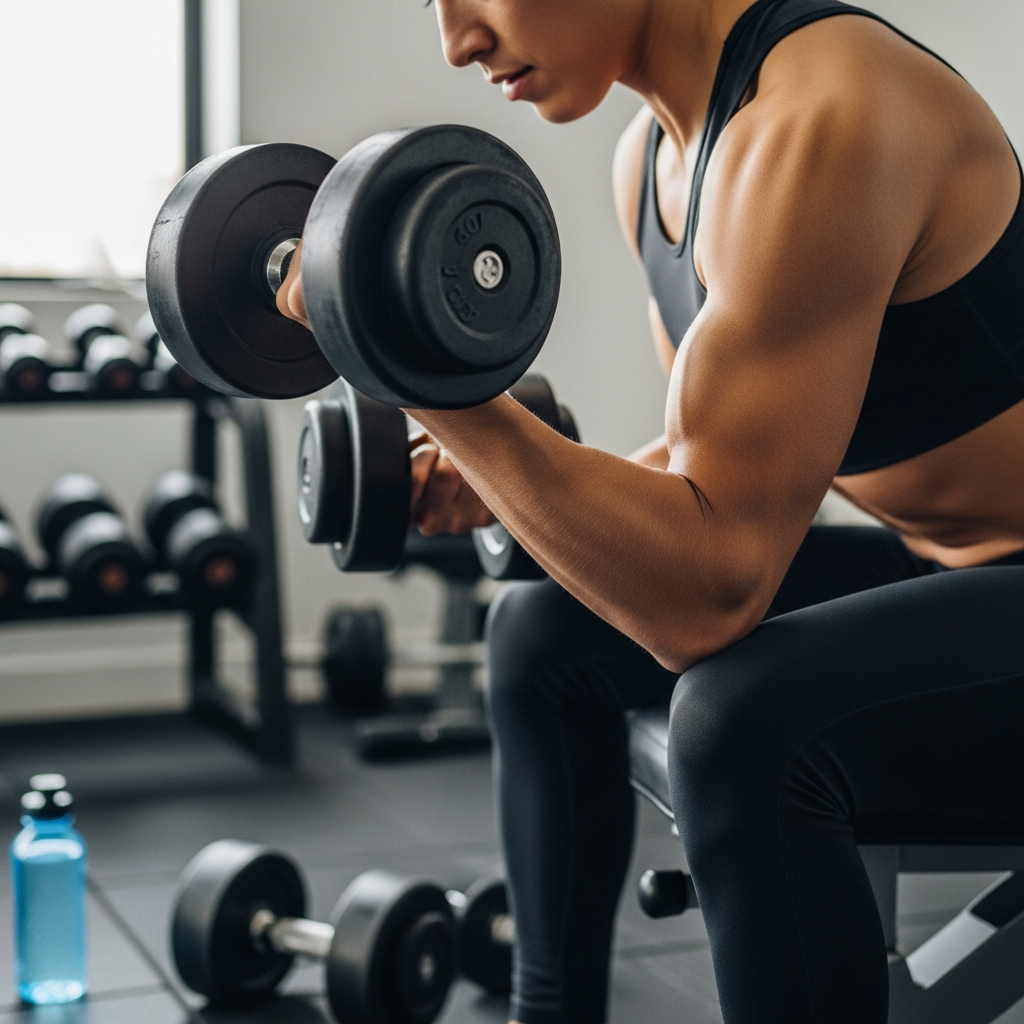
Having the right dumbbells is just the first step. To actually build muscle, you need a plan, proper technique, and consistency. Here’s how to put your new dumbbell set to work.
Understanding Progressive Overload
Progressive overload is the fundamental principle for building muscle. It means continually challenging your muscles to do more than they’re accustomed to. If you keep doing the same workout with the same weight, your body won’t have a reason to get stronger or grow.
You can achieve progressive overload in several ways with dumbbells:
* Increase the weight: The most straightforward method. If you can comfortably complete all your reps with good form, it’s time to go up in weight.
* Increase reps or sets: If you can’t increase weight yet, add more repetitions to each set or an extra set to your workout.
* Decrease rest time: Shorter rest periods between sets make the workout more intense, challenging your muscles differently.
* Improve form and time under tension: Performing exercises slower and with stricter form increases the time your muscles are working, leading to greater stimulus.
Sample Dumbbell Muscle-Building Workout Plan
Here’s a sample weekly plan designed to hit all major muscle groups and promote muscle growth using just dumbbells. Remember to warm up for 5-10 minutes with light cardio and dynamic stretches before each workout, and cool down with static stretches afterward.
Weekly Schedule Example
* Day 1: Upper Body (Push Focus)
* Day 2: Lower Body & Core
* Day 3: Rest or Active Recovery (light walk, stretching)
* Day 4: Upper Body (Pull Focus) & Arms
* Day 5: Full Body / Compound
* Day 6 & 7: Rest or Active Recovery
Exercise Examples (Sets & Reps)
Aim for 3 sets of 8-12 repetitions for muscle growth, choosing a weight that makes the last few reps challenging but allows you to maintain good form. Rest for 60-90 seconds between sets.
Day 1: Upper Body (Push Focus)
* Dumbbell Bench Press (or Floor Press): 3 sets of 8-12 reps
* Dumbbell Shoulder Press (seated or standing): 3 sets of 8-12 reps
* Dumbbell Lateral Raises: 3 sets of 10-15 reps
* Dumbbell Triceps Extensions (overhead or skullcrushers): 3 sets of 10-15 reps
* Push-ups (bodyweight, can add dumbbell on back for challenge): 3 sets to failure
**Day 2: Lower Body & Core**
* Dumbbell Goblet Squats: 3 sets of 10-15 reps
* Dumbbell Lunges (each leg): 3 sets of 10-12 reps
* Dumbbell Romanian Deadlifts (RDLs): 3 sets of 8-12 reps
* Calf Raises (holding dumbbells): 3 sets of 15-20 reps
* Dumbbell Russian Twists: 3 sets of 15-20 reps (each side)
* Plank (bodyweight): 3 sets, hold for 30-60 seconds
**Day 4: Upper Body (Pull Focus) & Arms**
* Dumbbell Rows (single arm or bent over): 3 sets of 8-12 reps
* Dumbbell Pullovers: 3 sets of 10-15 reps
* Dumbbell Bicep Curls: 3 sets of 10-15 reps
* Dumbbell Hammer Curls: 3 sets of 10-15 reps
* Dumbbell Reverse Flyes: 3 sets of 12-15 reps
**Day 5: Full Body / Compound**
* Dumbbell Thrusters (squat to overhead press): 3 sets of 8-12 reps
* Renegade Rows (plank with dumbbells, row one arm at a time): 3 sets of 8-10 reps (each arm)
* Dumbbell Step-ups (onto a sturdy bench/chair): 3 sets of 10-12 reps (each leg)
* Farmer’s Carry (walk with heavy dumbbells): 3 sets, walk for 30-60 seconds
* Dumbbell Side Bends: 3 sets of 12-15 reps (each side)
Proper Form is Non-Negotiable
This is perhaps the most important tip. Using proper form protects you from injury and ensures you’re actually working the intended muscles. Poor form wastes effort and increases your risk of getting hurt.
Always prioritize form over lifting heavy weight. If you find yourself struggling to maintain good form, reduce the weight. Watch videos, use a mirror, or even film yourself to check your technique. Start light, learn the movement, and then gradually increase the weight.
Nutrition and Recovery: The Unsung Heroes
You can lift all you want, but if you’re not fueling your body correctly and allowing it to recover, you won’t see much muscle growth.
* **Protein Intake:** Protein is essential for muscle repair and growth. Aim for about 0.7-1 gram of protein per pound of body weight daily, spread throughout your meals.
* Caloric Surplus: To build muscle, you generally need to consume slightly more calories than you burn. This provides the energy your body needs for recovery and growth.
* Hydration: Drink plenty of water throughout the day. Dehydration can impair performance and recovery.
* Sleep: Aim for 7-9 hours of quality sleep each night. This is when your body does most of its repair work and hormone regulation, both crucial for muscle building.
* Active Recovery: On rest days, consider light activities like walking, gentle stretching, or foam rolling. This can help with blood flow and reduce muscle soreness without taxing your body too much.
Staying Consistent and Motivated (Mindset & Habits)
Building muscle isn’t just about the exercises; it’s about cultivating a mindset and habits that support your long-term goals. Consistency truly is the secret ingredient.
Set Realistic Goals
Don’t expect to transform your body overnight. Muscle building is a gradual process. Set small, achievable goals, like adding 5 pounds to your squat or doing one more rep this week. Celebrate these small victories. Focus on the process and your own progress, not on comparing yourself to others.
Create a Dedicated Workout Space
Even if it’s just a cleared corner of a room, having a specific spot for your workouts can make a huge difference. It minimizes excuses and signals to your brain that it’s “workout time.” Lay out your mat, have your dumbbells ready, and put on some motivating music.
Track Your Progress
Keeping a workout journal or using a fitness app is incredibly motivating. Note down the exercises you do, the weight you lift, and the reps you complete. Seeing your strength increase over weeks and months is a powerful reminder of how far you’ve come and helps you apply progressive overload effectively.
Listen to Your Body
Some days you’ll feel strong and ready to push harder. Other days, you might feel a bit more fatigued. Learn to distinguish between muscle soreness and actual pain. It’s okay to take an extra rest day or reduce the intensity if your body needs it. Pushing through severe pain can lead to injury and derail your progress entirely.
Find Your “Why”
Why do you want to build muscle? Is it for health, strength, confidence, or a specific goal? Connecting with your deeper motivation will help you stay disciplined when motivation wanes. Remind yourself of your “why” regularly to keep your commitment strong.