
When we talk about being “fit,” what exactly does that mean? It’s much more than just looking a certain way or being able to run a marathon. True physical fitness is a blend of different abilities that allow your body to perform well in everyday life, reduce health risks, and simply feel good. It’s about building a strong, resilient body that can support you through all of life’s adventures.
Understanding the different parts that make up overall fitness can help you create a balanced approach to your health. Think of your body as a finely tuned machine, and each of these components is a crucial part that keeps it running smoothly. Let’s dive into the five key health components of physical fitness and discover why each one is so important for your well-being.
1. Cardiovascular Endurance: The Engine of Your Body
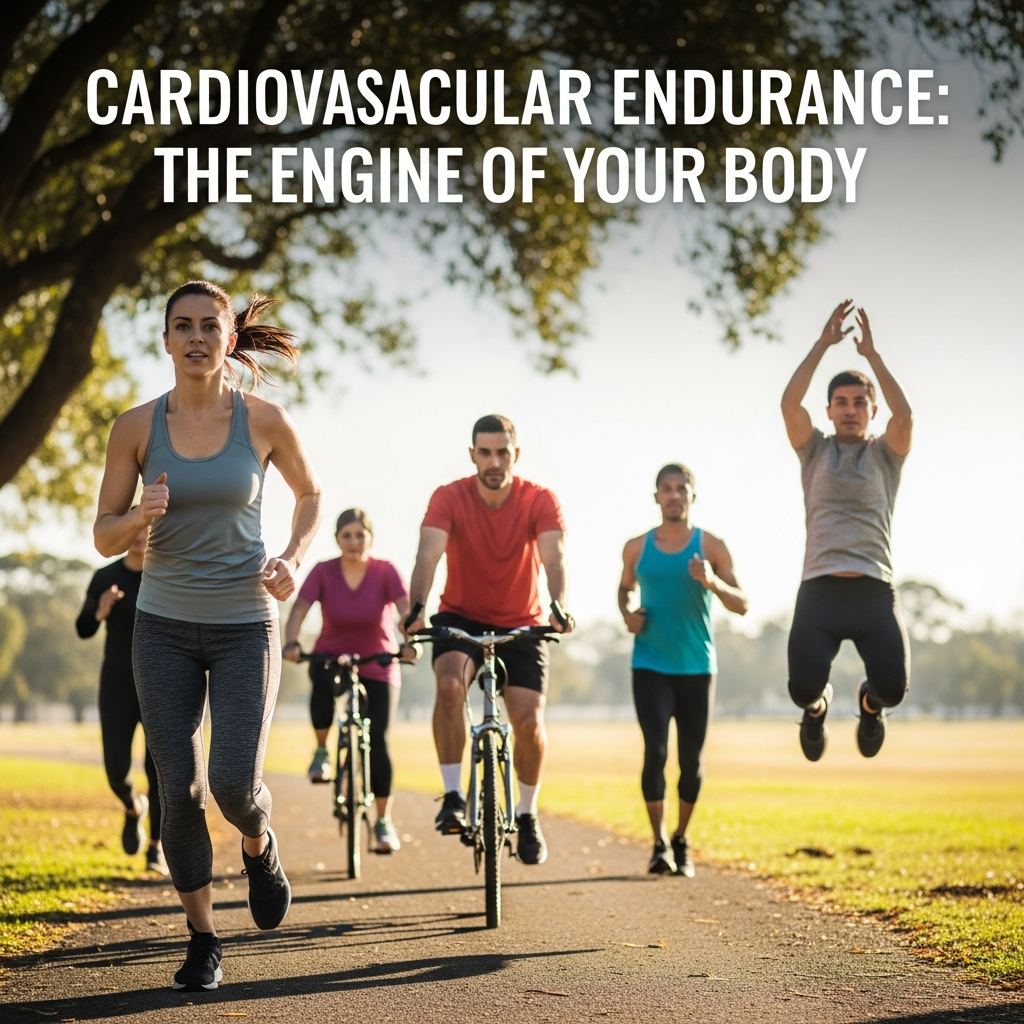
This component is all about the health and efficiency of your heart and lungs. It’s often called aerobic fitness.
What is Cardiovascular Endurance?
Cardiovascular endurance is your body’s ability to deliver oxygen to your muscles during prolonged physical activity. Essentially, it’s how well your heart, lungs, and blood vessels work together to fuel your body when you’re active.
Imagine your heart as an engine, and your lungs as the air intake. When you have good cardiovascular endurance, your engine runs efficiently, using oxygen effectively to keep you going without getting tired too quickly.
Why Cardiovascular Endurance Matters
A strong cardiovascular system is vital for your overall health. It lowers your risk of heart disease, stroke, and type 2 diabetes. It also helps manage blood pressure and cholesterol levels. Beyond disease prevention, good cardiovascular endurance means you’ll have more stamina for daily tasks, whether it’s walking up a flight of stairs, playing with your kids, or enjoying a long hike. It also plays a big role in boosting your mood and reducing stress.
How to Build Your Cardiovascular Endurance
To improve this component, you need to engage in activities that make your heart rate go up and stay elevated for a period of time. These are often called aerobic exercises.
Types of Cardiovascular Exercises
* Brisk Walking: A great starting point for everyone.
* Jogging or Running: Increases intensity as you progress.
* Cycling: Low-impact and good for joint health.
* Swimming: A full-body workout that’s easy on the joints.
* Dancing: A fun way to get your heart pumping.
* Hiking: Combines exercise with enjoying nature.
Aim for at least 150 minutes of moderate-intensity aerobic activity, or 75 minutes of vigorous-intensity activity, each week. You can spread this out, perhaps doing 30 minutes of brisk walking five times a week.
Sample Weekly Cardio Plan
| Day | Activity | Duration | Notes |
| Monday | Brisk Walk/Light Jog | 30 minutes | Steady pace, enough to talk but not sing |
| Tuesday | Rest or Active Recovery| 15-20 minutes | Gentle stretch or leisurely walk |
| Wednesday | Cycling/Swimming | 30-40 minutes | Moderate effort, consistent pace |
| Thursday | Brisk Walk | 30 minutes | Focus on maintaining a good pace |
| Friday | Dance/Aerobic Class | 45 minutes | Fun way to challenge yourself |
| Saturday | Longer Walk/Hike | 45-60 minutes | Enjoy the outdoors, vary terrain |
| Sunday | Rest | | Allow your body to recover |
Start where you are comfortable and gradually increase the duration or intensity. Listening to your body is key.
2. Muscular Strength: Power for Everyday Life

Muscular strength is about how much force your muscles can exert. It’s the ability to lift, push, or pull heavy things.
What is Muscular Strength?
Muscular strength is defined as the maximum amount of force a muscle or muscle group can generate in a single effort. Think about lifting a heavy box, pushing open a stubborn door, or standing up from a chair without using your hands – these all require muscular strength.
It’s not just about showing off big muscles; it’s about having the physical power to perform tasks efficiently and safely in your daily life.
Why Muscular Strength Matters
Strength training does wonders for your body. It helps build stronger bones, which is crucial for preventing osteoporosis as you age. It also boosts your metabolism, meaning your body burns more calories even when you’re at rest. Strong muscles also act as protectors for your joints, reducing the risk of injuries.
Beyond the physical benefits, feeling stronger can significantly improve your confidence and independence, especially as you get older.
How to Develop Muscular Strength
To build muscular strength, you need to challenge your muscles with resistance. This is often done through resistance training, where you use weights, resistance bands, or even your own body weight.
Principles of Strength Training
* Lift Heavy, Few Reps: Focus on lifting weights that are challenging enough that you can only perform 6-12 repetitions before your muscles feel fatigued.
* Progressive Overload: Gradually increase the weight or resistance as you get stronger. This constant challenge is what makes your muscles grow.
* Compound Movements: Exercises that work multiple muscle groups at once, like squats, deadlifts, and push-ups, are highly effective.
Aim for at least two strength training sessions per week, working all major muscle groups. Remember to allow your muscles time to recover between sessions, usually 48 hours.
Simple Strength Moves You Can Do
* Squats: Stand with feet shoulder-width apart, lower your hips as if sitting in a chair.
* Push-ups: On your knees or toes, lower your chest towards the floor.
* Lunges: Step forward with one leg, bending both knees to 90 degrees.
* Plank: Hold your body in a straight line from head to heels, supported by forearms and toes.
* Rows: Using dumbbells or resistance bands, pull weights towards your torso.
* Overhead Press: Press weights above your head, engaging shoulders and triceps.
Always focus on proper form to prevent injuries. If you’re new to strength training, consider consulting with a fitness professional.
3. Muscular Endurance: Stamina for the Long Haul
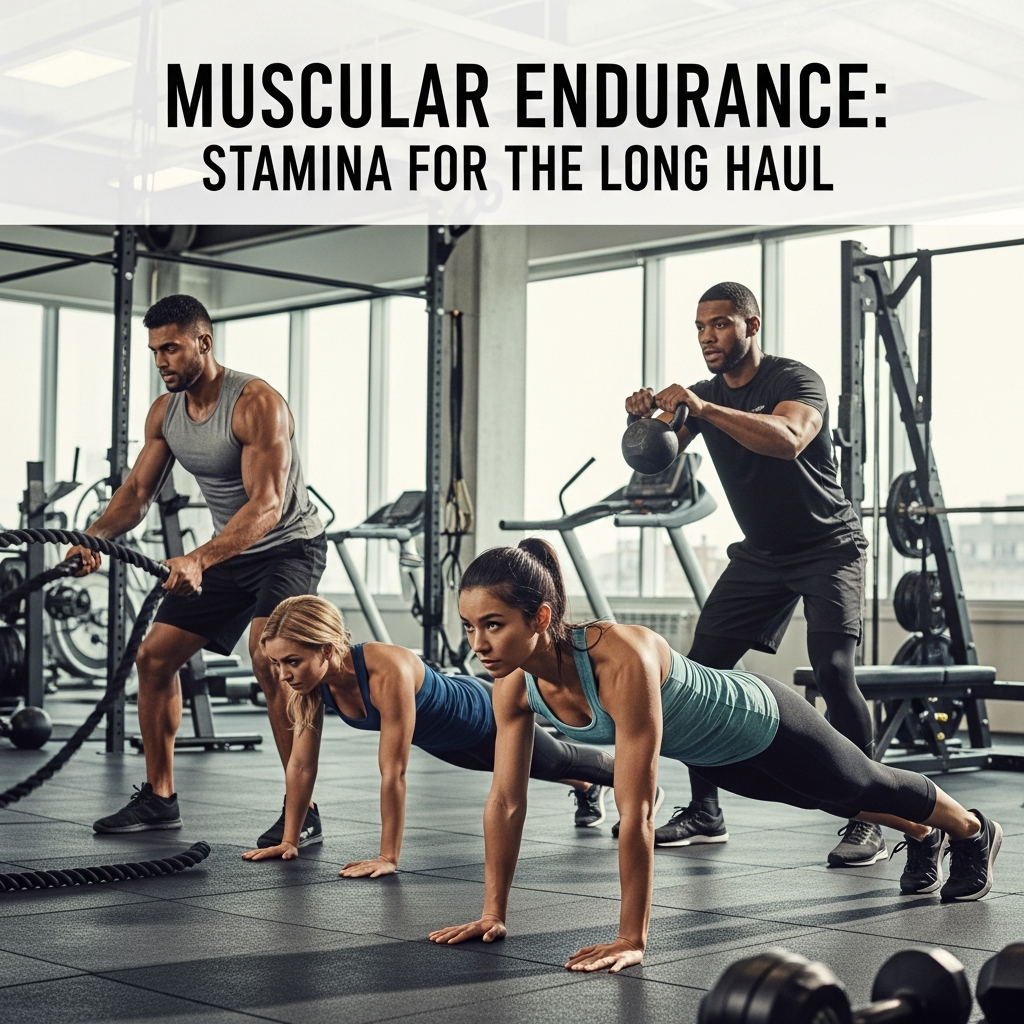
While muscular strength is about a single powerful effort, muscular endurance is about sustaining that effort.
What is Muscular Endurance?
Muscular endurance is the ability of your muscles to perform repeated contractions or to hold a contraction for an extended period without getting tired. Think about carrying heavy groceries up several flights of stairs, holding a plank for a minute, or doing many repetitions of a bodyweight exercise.
It’s about your muscles’ staying power and their ability to resist fatigue.
Why Muscular Endurance Matters
Having good muscular endurance makes daily tasks much easier. You won’t tire as quickly when performing repetitive actions or holding positions. This can also improve your posture, reduce back pain, and support your joints during prolonged activities. It helps your muscles become more efficient at using oxygen and clearing waste products, allowing them to work longer.
For those who enjoy sports or active hobbies, muscular endurance means you can perform better for longer, like cycling for an extended period or playing a full game of tennis without feeling completely exhausted.
How to Improve Muscular Endurance
To enhance muscular endurance, you need to challenge your muscles with lighter resistance but for a higher number of repetitions or for a longer duration.
Training for Muscular Endurance
* Higher Reps, Lighter Weight: For exercises like squats or push-ups, aim for 15-20 or more repetitions with a weight that allows you to complete them without losing form.
* Circuit Training: Move from one exercise to another with minimal rest between them, completing a “circuit” of exercises. This also adds a cardiovascular benefit.
* Isometric Holds: Holding a position, like a plank or wall sit, for an extended period.
* Bodyweight Exercises: Many bodyweight exercises are excellent for building muscular endurance, as you can often do more repetitions.
Try to incorporate muscular endurance training two to three times a week. You can combine it with your strength training days or dedicate specific sessions to it.
Practical Tips for Muscular Endurance
* Integrate into Daily Life: Take the stairs instead of the elevator, carry your groceries instead of using a cart if it’s safe to do so.
* Bodyweight Circuits: Perform a circuit of exercises like push-ups, squats, lunges, and planks for 30-60 seconds each, with short breaks in between. Repeat the circuit 2-3 times.
* Consistent Practice: The more consistently you challenge your muscles to work for longer, the better their endurance will become.
4. Flexibility: Range of Motion for a Pain-Free Life
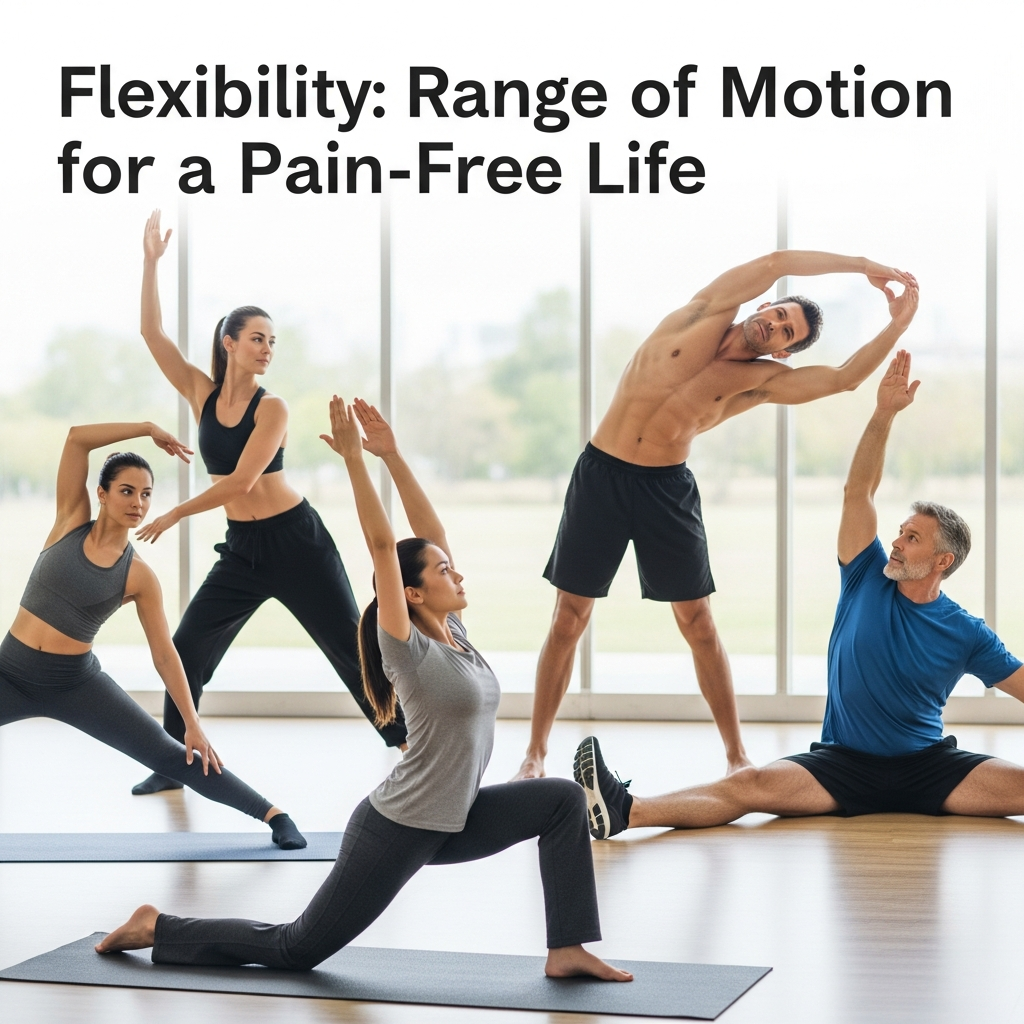
Flexibility is often overlooked, but it’s a critical component for comfortable movement and injury prevention.
What is Flexibility?
Flexibility refers to the range of motion in a joint or a series of joints. It’s about how far you can stretch and bend without pain or discomfort. This depends on the elasticity of your muscles, tendons, and ligaments.
Think about reaching for something on a high shelf, tying your shoelaces, or looking over your shoulder while driving. These simple actions require a good range of motion that comes from flexibility.
Why Flexibility Matters
Good flexibility can significantly reduce your risk of injuries, especially muscle strains and joint problems. It helps improve your posture by allowing your muscles to work more efficiently and preventing imbalances that can lead to slouching or pain. It can also reduce muscle soreness after exercise and enhance your athletic performance by allowing your body to move through its full range of motion.
Beyond the physical benefits, stretching can be a calming and mindful practice, helping to reduce stress and promote relaxation.
How to Enhance Your Flexibility
There are several ways to improve your flexibility, and consistency is crucial for seeing results.
Types of Stretching
* Static Stretching: Holding a stretch for 15-30 seconds, usually at the end of a workout when your muscles are warm. This helps increase your range of motion. Examples: Hamstring stretch, tricep stretch.
* Dynamic Stretching: Moving your body through a range of motion, often done as a warm-up before exercise. Examples: Arm circles, leg swings, torso twists. These prepare your muscles for activity.
When to Stretch
* Warm-up: Incorporate dynamic stretches before your workout to get your blood flowing and prepare your muscles.
* Cool-down: Perform static stretches after your workout when your muscles are warm and pliable.
* Dedicated Sessions: You can also have separate flexibility sessions, like yoga or Pilates, a few times a week.
Aim to stretch major muscle groups at least 2-3 times per week, holding each static stretch for 15-30 seconds.
Daily 10-Minute Stretch Routine
| Time (approx.) | Stretch | Target Muscles | Notes |
| 1 minute | Neck Tilts & Rotations | Neck, shoulders | Gentle, slow movements |
| 2 minutes | Arm Circles & Chest Opener | Shoulders, chest, upper back | Forward and backward circles, arm across chest |
| 2 minutes | Torso Twists (seated or standing) | Core, back | Gentle rotations, don’t force |
| 2 minutes | Cat-Cow Stretch (on hands and knees) | Spine, core | Arch back, then round, coordinating with breath |
| 2 minutes | Hamstring Stretch (seated or standing) | Back of thighs | Reach for toes or gently bend forward |
| 1 minute | Quad Stretch (standing) | Front of thighs | Hold foot to buttock, keep knees together |
Remember to breathe deeply during stretches and never push to the point of pain.
5. Body Composition: More Than Just the Scale
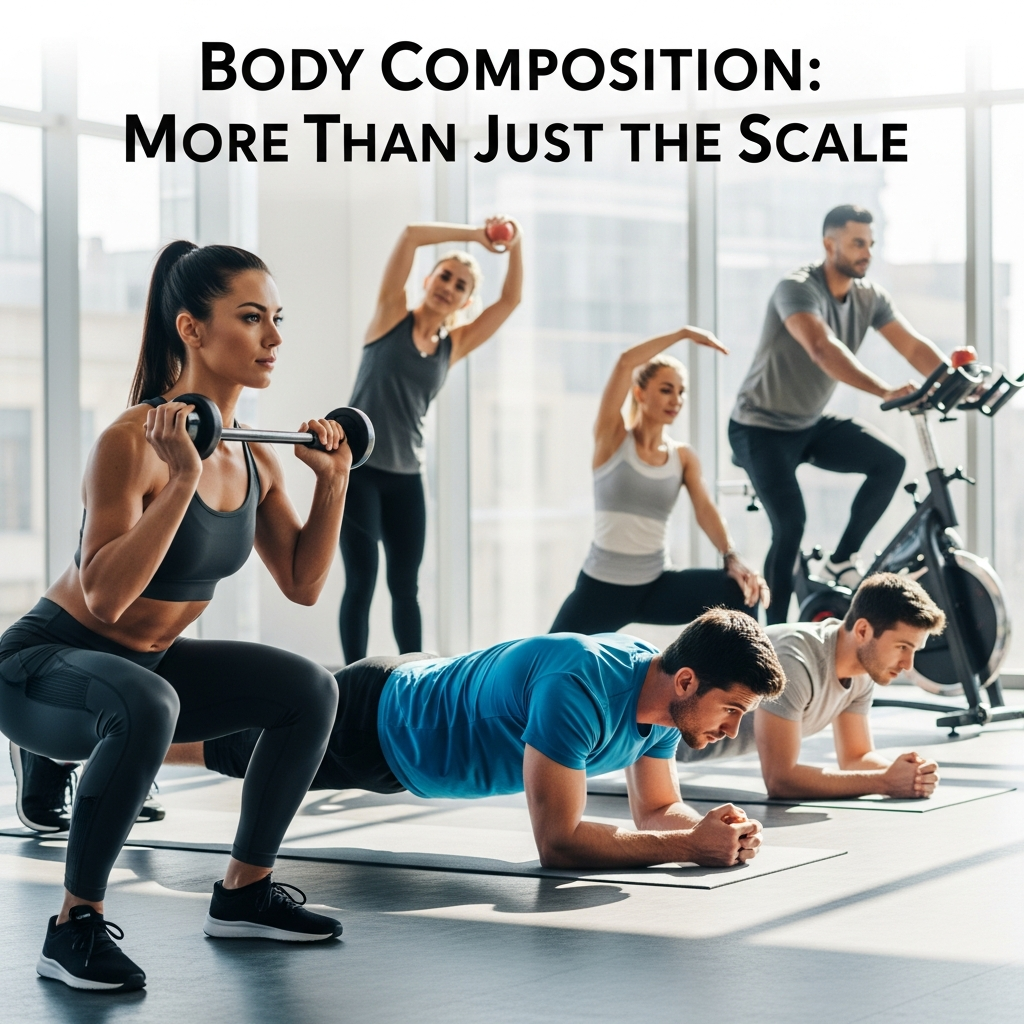
This component looks at what your body is actually made of, not just how much it weighs.
What is Body Composition?
Body composition refers to the proportion of fat and non-fat mass in your body. Non-fat mass includes muscle, bone, and water. Instead of just looking at your total weight, body composition helps us understand the balance between your fat mass and your lean body mass.
For example, two people could weigh the exact same, but one might have a higher percentage of muscle and less body fat, making them metabolically healthier than the other.
Why Body Composition Matters
A healthy body composition, particularly having a healthy percentage of body fat and sufficient lean muscle mass, is strongly linked to overall health and longevity. Too much body fat, especially around the waist, increases your risk of chronic diseases like heart disease, type 2 diabetes, high blood pressure, and certain cancers.
Having adequate lean muscle mass, on the other hand, contributes to a higher metabolism, better bone density, and greater overall strength and function. It’s a much better indicator of health than just your weight on a scale.
How to Optimize Your Body Composition
Optimizing your body composition involves a combination of consistent exercise and smart nutrition. It’s not about quick fixes or extreme diets.
Key Strategies
* Strength Training: Building muscle is fundamental. Muscle is metabolically active tissue, meaning it burns more calories at rest than fat does. Incorporate resistance training regularly.
* Cardiovascular Exercise: While strength training builds muscle, cardio helps in managing body fat levels. A combination of both is most effective.
* Balanced Nutrition: Focus on whole, unprocessed foods.
* Protein: Essential for muscle repair and growth. Include lean meats, fish, eggs, dairy, legumes, and plant-based protein sources.
* Healthy Fats: Crucial for hormone production and overall health. Avocados, nuts, seeds, olive oil are good choices.
* Complex Carbohydrates: Provide energy for your workouts and daily activities. Whole grains, fruits, vegetables are excellent.
* Limit Processed Foods: Reduce intake of sugary drinks, unhealthy snacks, and highly processed meals.
* Hydration: Drink plenty of water throughout the day.
* Adequate Sleep: Your body repairs and recovers during sleep, which is vital for muscle growth and hormonal balance.
Focus on sustainable changes. Small, consistent efforts in both diet and exercise will lead to gradual, lasting improvements in your body composition. Be patient; it takes time.
Bringing It All Together: A Holistic Approach to Fitness
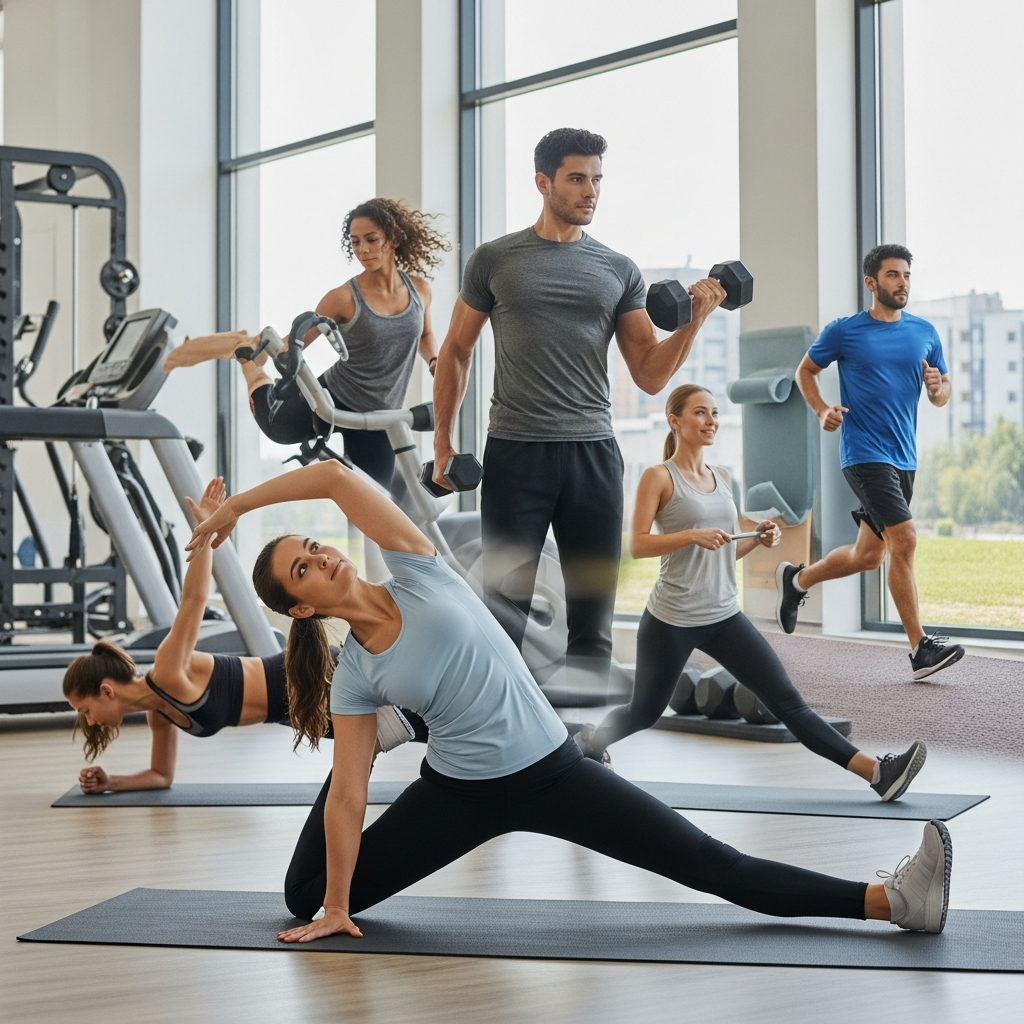
It’s clear that these five components are not isolated; they are interconnected and contribute to a well-rounded, healthy body. Improving one often has positive ripple effects on the others. For instance, building muscular strength can help you perform better in cardiovascular activities, and increased flexibility can improve your form in both.
When you approach fitness with all five components in mind, you’re not just exercising; you’re building a foundation for a healthier, more vibrant life. You’re moving from merely “working out” to truly “being fit.”
Your Path to Lasting Fitness: Mindset & Consistency
Embarking on a fitness journey for these components might seem like a lot, but remember that fitness is a journey, not a destination. It’s about making gradual, sustainable changes that fit into your real life.
* Start Small: You don’t need to overhaul your entire routine overnight. Choose one component to focus on each week or month, or add just 10-15 minutes of a new activity to your day.
* Find What You Enjoy: If you hate running, don’t force yourself to do it. There are countless ways to improve each component. Try dancing, swimming, hiking, lifting weights, practicing yoga, or playing a sport.
* Listen to Your Body: Some days you’ll feel great, other days less so. Rest when you need to, modify exercises, and avoid pushing through pain.
* Celebrate Small Wins: Acknowledge every step of progress, whether it’s holding a plank for an extra 10 seconds, lifting a slightly heavier weight, or just feeling more energetic.
* **Be Patient and Consistent:** Real, lasting change takes time and consistent effort. Don’t get discouraged by slow progress or setbacks. Every effort counts.
* Make it a Lifestyle: Fitness isn’t a temporary project; it’s an ongoing commitment to yourself. Integrate it into your daily and weekly routine in ways that feel natural and enjoyable.