

Chronic inflammation is linked to various health issues including heart disease, diabetes, and autoimmune conditions. Adopting a clean and anti-inflammatory diet focuses on whole, unprocessed foods that help regulate the body’s immune response. By incorporating nutrient-dense ingredients like leafy greens, fatty fish, and vibrant spices, you can reduce systemic inflammation while enjoying delicious, satisfying meals. This guide provides twelve curated recipes designed to nourish your body and promote long-term wellness.
1. Turmeric Ginger Wild Caught Salmon
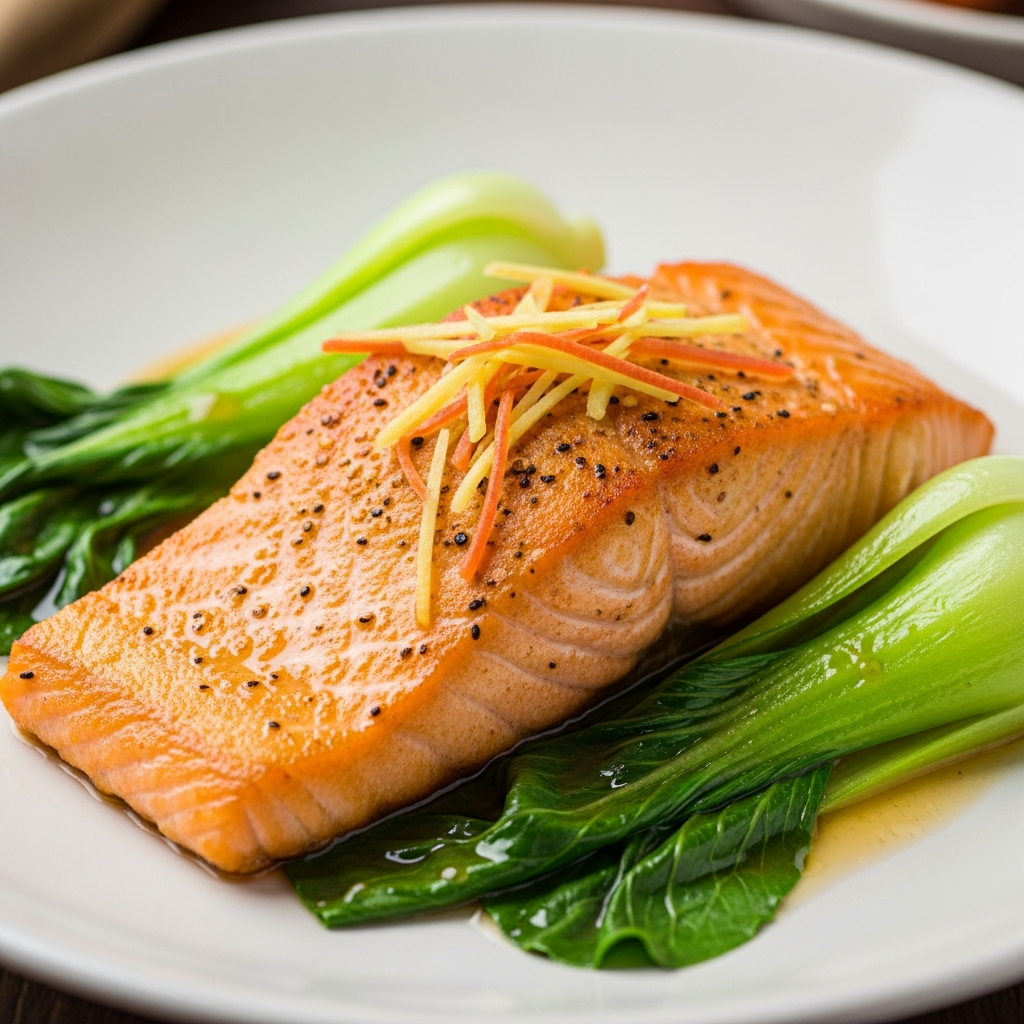
Salmon is an exceptional source of omega-3 fatty acids, which are known to inhibit inflammatory enzymes. In this recipe, the fish is seasoned with a potent mix of turmeric and fresh ginger. Turmeric contains curcumin, a compound with powerful bioactive properties, while ginger provides additional anti-inflammatory and digestive benefits. Simply sear the salmon in coconut oil and serve alongside steamed bok choy for a balanced, healing meal.
2. Quinoa and Roasted Root Vegetable Medley
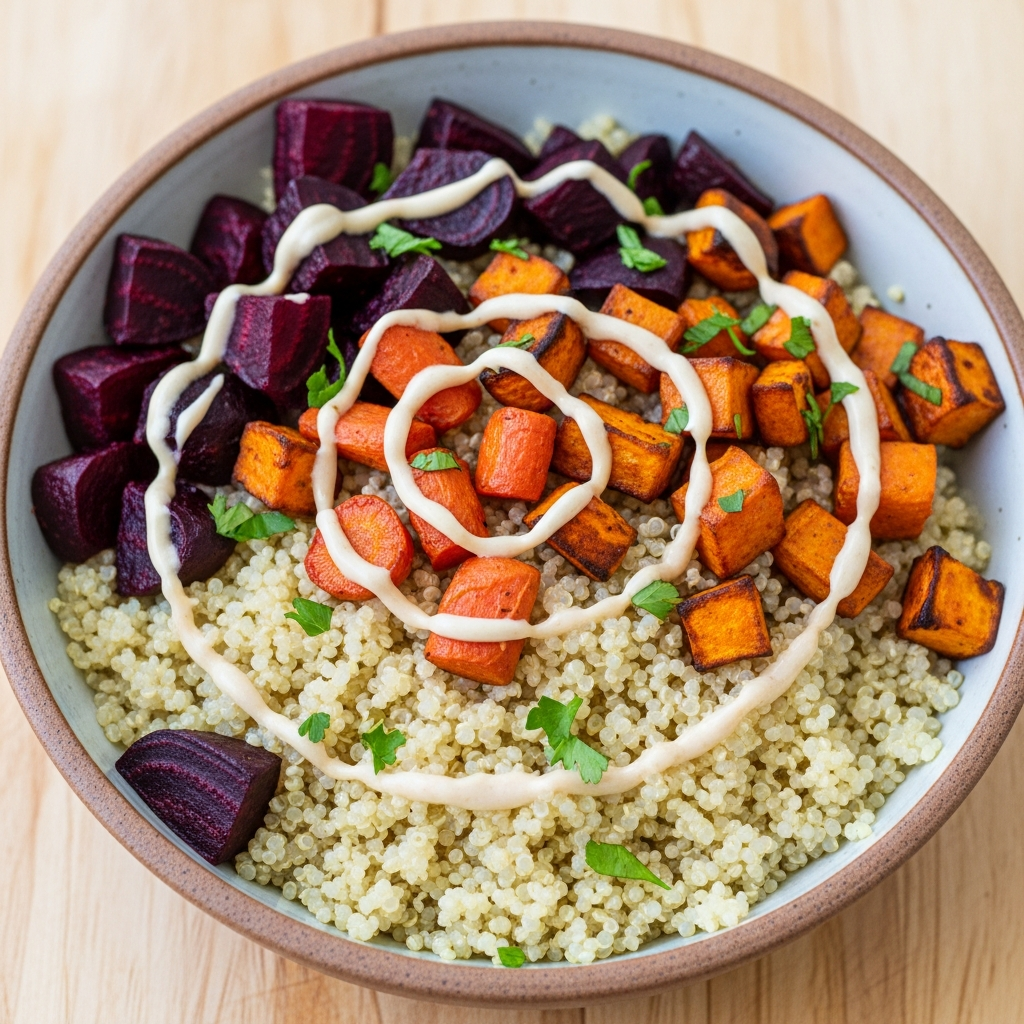
Quinoa is a gluten-free pseudo-grain that serves as a complete protein source. Pairing it with roasted beets, carrots, and sweet potatoes ensures a high intake of antioxidants and fiber. Roasting root vegetables caramelizes their natural sugars without the need for processed sweeteners. Drizzle the dish with a tahini and lemon dressing to add healthy fats and a boost of vitamin C, which aids in collagen production and tissue repair.
3. Blueberry and Chia Seed Overnight Oats
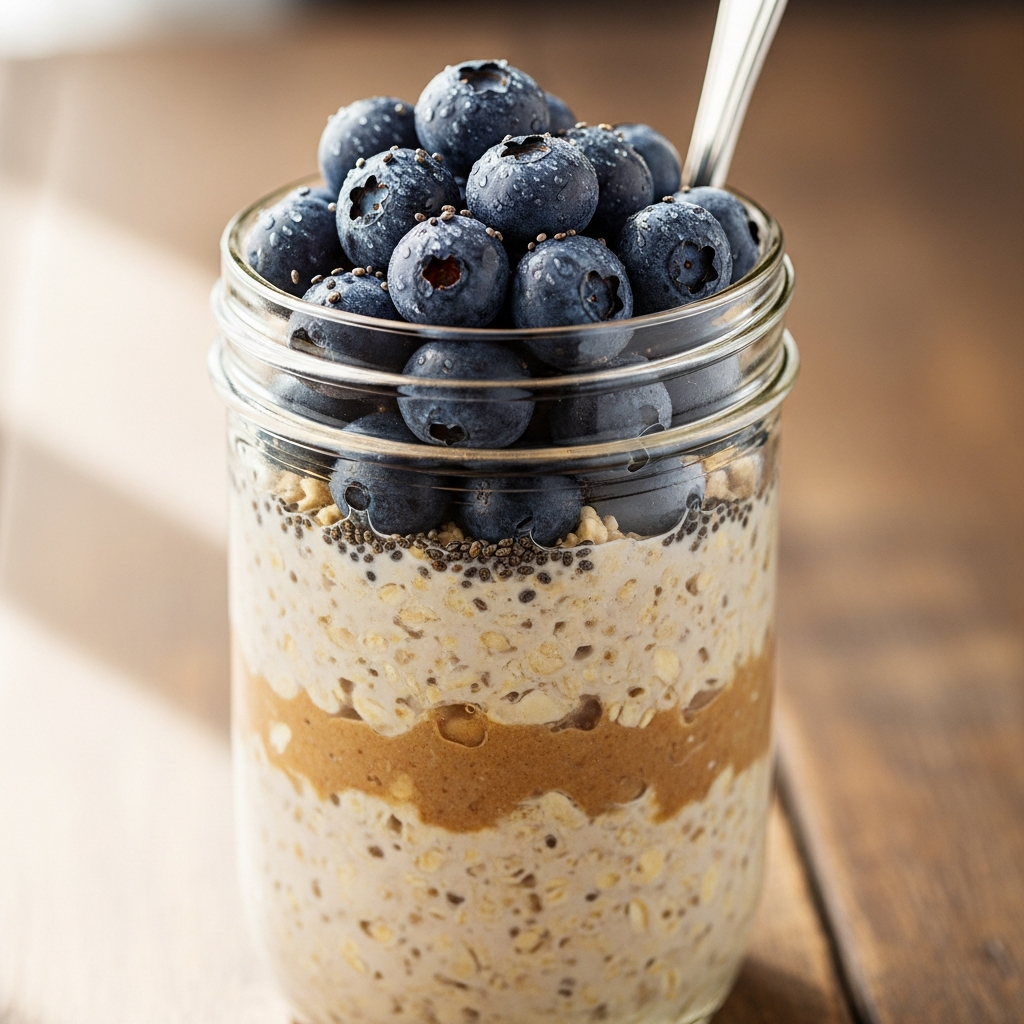
Starting your morning with antioxidants is key to fighting oxidative stress. Blueberries are rich in anthocyanins, which have been shown to reduce inflammation in the vascular system. Chia seeds add a significant amount of fiber and alpha-linolenic acid. Combine gluten-free oats with almond milk, chia seeds, and fresh berries overnight. This no-cook recipe ensures the nutrients remain intact and provides sustained energy throughout the day.
4. Zucchini Noodles with Walnut and Spinach Pesto
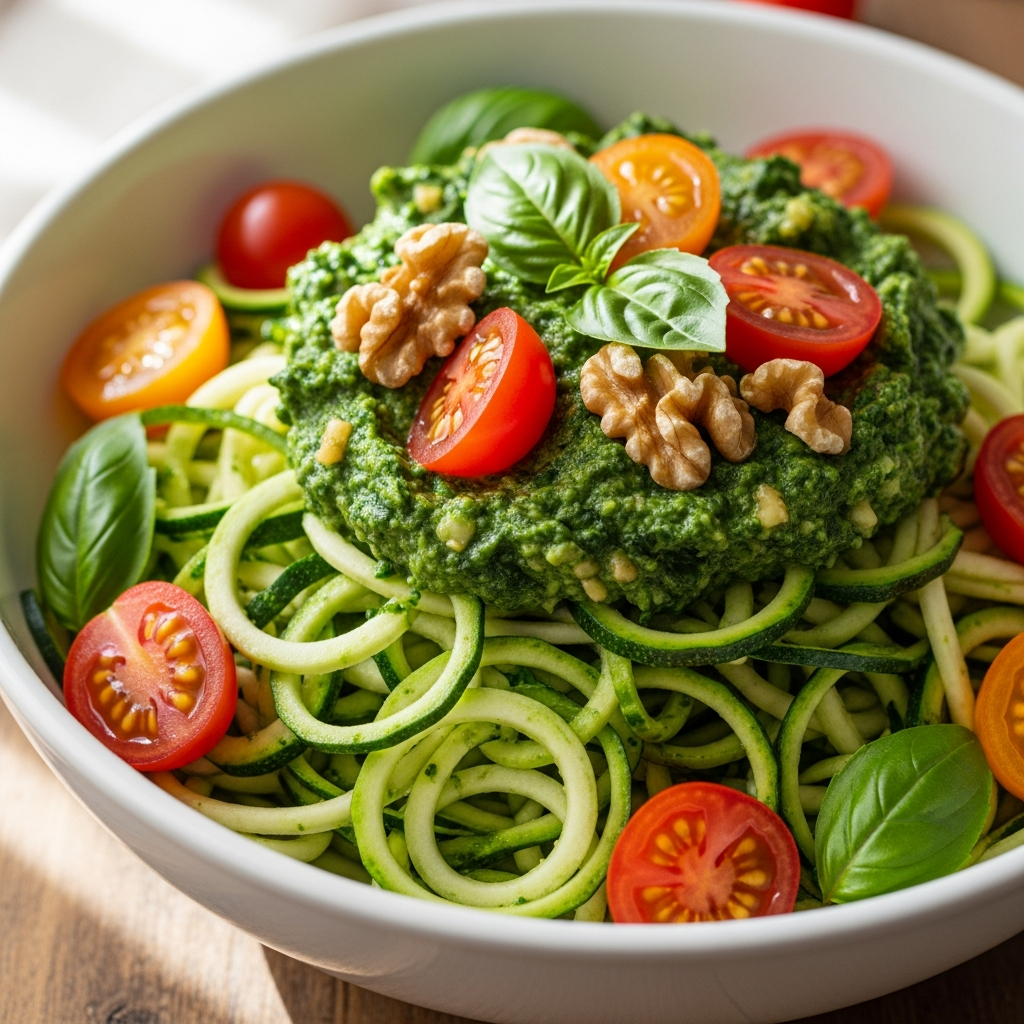
Replacing traditional wheat pasta with zucchini noodles reduces the glycemic load of your meal, preventing insulin spikes that can trigger inflammation. The pesto is crafted using fresh spinach, basil, and walnuts instead of pine nuts to increase the omega-3 content. Garlic is included for its sulfur-containing compounds, which support the immune system. This light yet nutrient-dense dish is perfect for a clean dinner.
5. Mediterranean Chickpea and Rosemary Stew
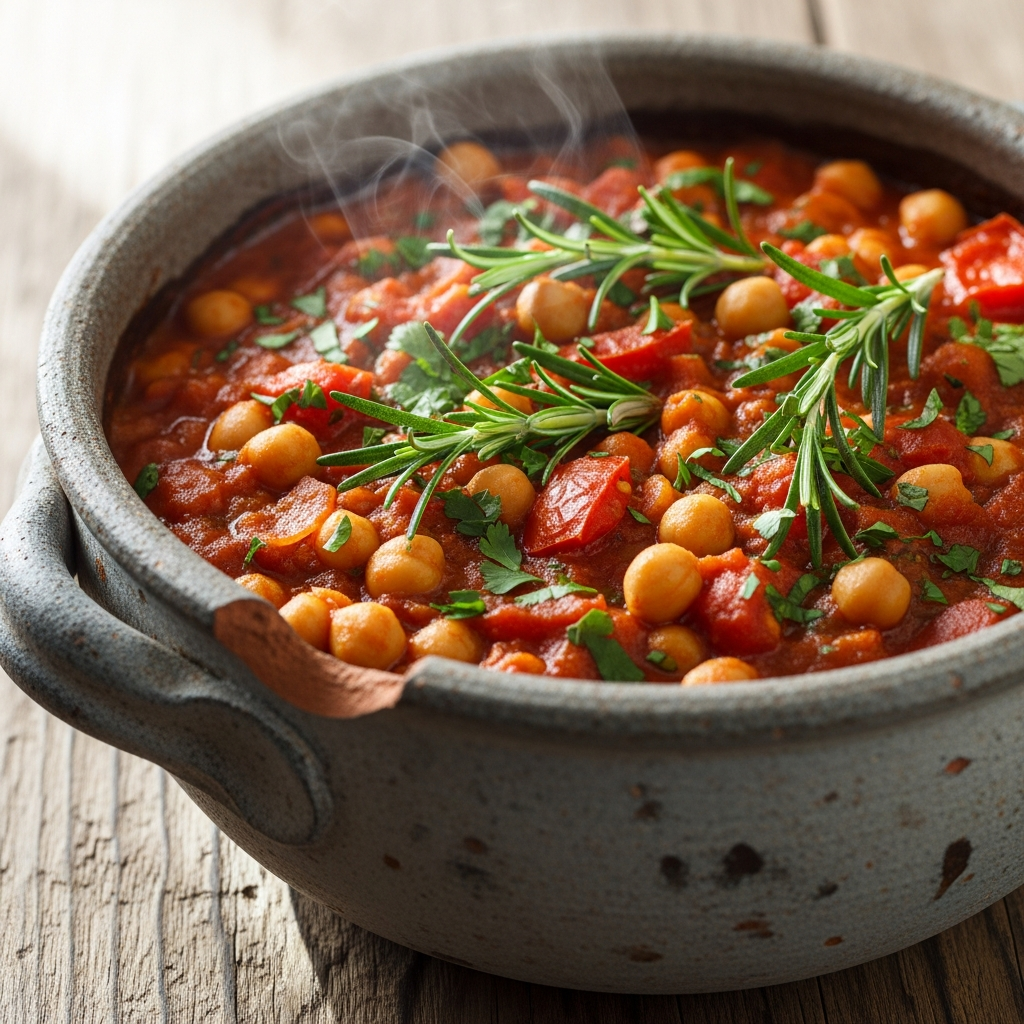
Legumes like chickpeas are excellent for gut health, which is closely linked to the body’s inflammatory status. This stew uses a base of tomatoes, onions, and garlic, simmered with fresh rosemary and thyme. Rosemary contains rosmarinic acid, which has both antioxidant and anti-inflammatory effects. The inclusion of extra virgin olive oil provides oleocanthal, a phenolic compound that mimics the effect of anti-inflammatory medication.
6. Avocado and Poached Egg on Sweet Potato Toast
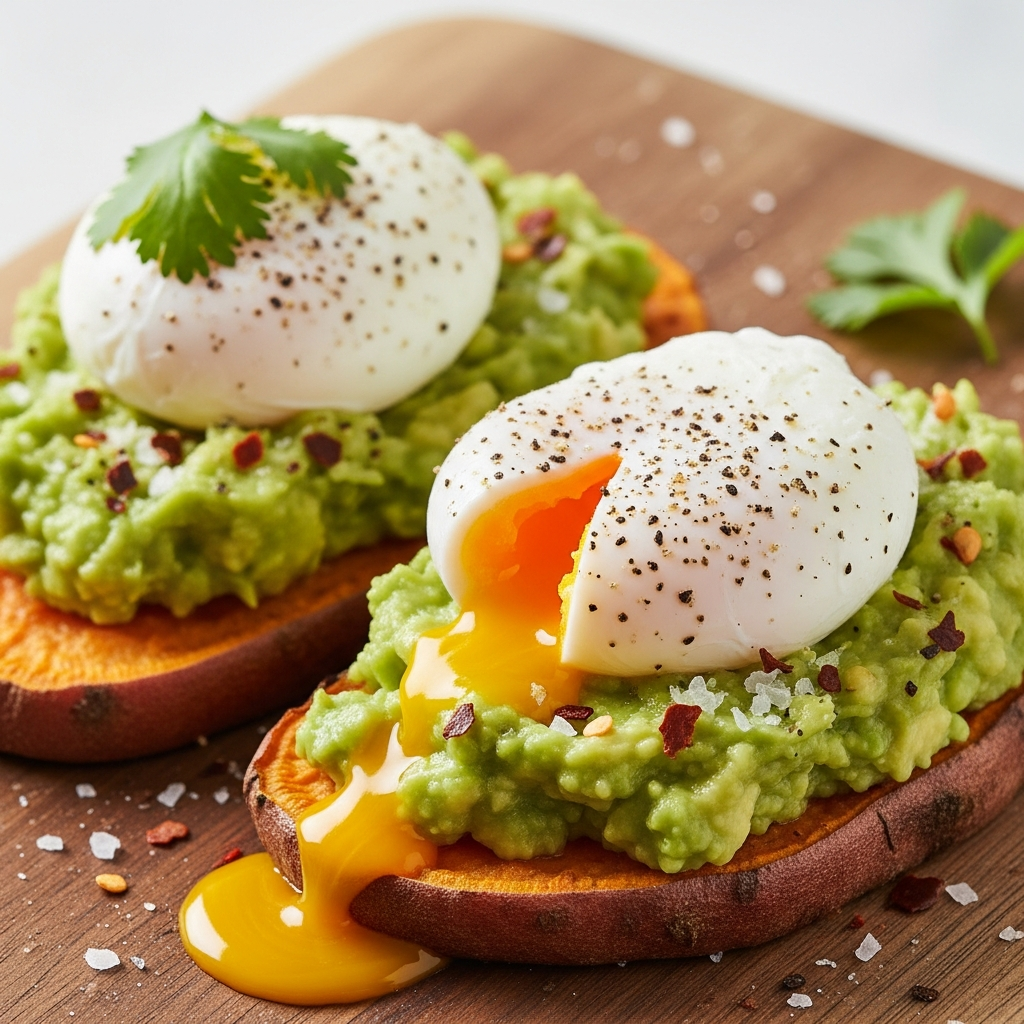
Sweet potato slices serve as a nutrient-rich alternative to processed bread. High in beta-carotene and vitamin A, they support skin and immune health. Top the toasted slices with smashed avocado for monounsaturated fats and a poached egg for high-quality protein. This combination provides a perfect balance of macronutrients that keeps blood sugar levels stable, preventing the inflammatory response associated with refined carbohydrates.
7. Kale and Berry Smoothie Bowl
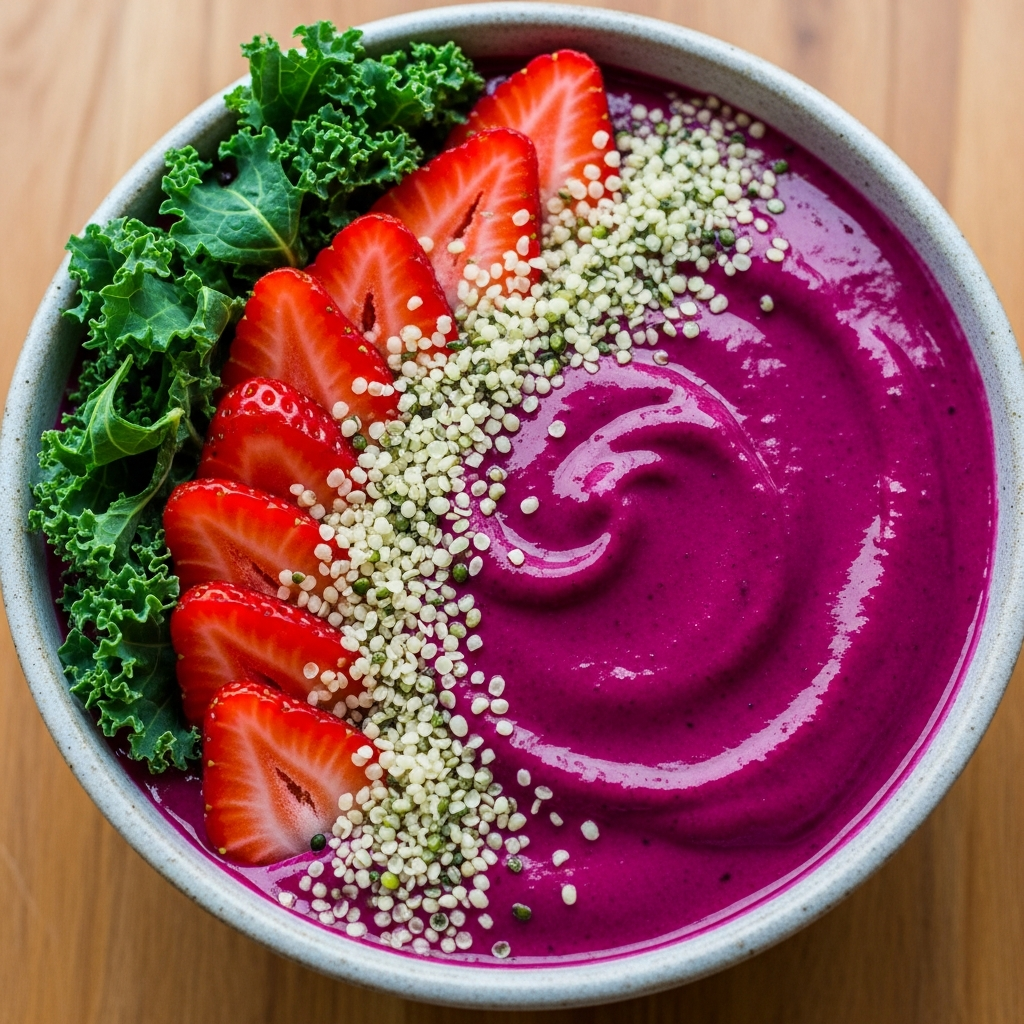
Dark leafy greens like kale are nutritional powerhouses, offering vitamins K, A, and C. When blended with frozen strawberries and raspberries, the bitterness of the kale is masked by natural sweetness and a massive dose of flavonoids. Add a scoop of hemp hearts for a nutty flavor and essential fatty acids. This smoothie bowl is an efficient way to consume several servings of anti-inflammatory produce in a single sitting.
8. Roasted Cauliflower with Cumin and Cilantro

Cauliflower is a cruciferous vegetable containing sulforaphane, which helps block enzymes that cause joint destruction and inflammation. Toss the florets with cumin, which aids digestion, and roast until tender. Finish the dish with fresh cilantro to help the body detoxify heavy metals. This side dish is simple to prepare and provides a satisfying crunch without the inflammatory effects of fried appetizers.
9. Lemon Garlic Baked Cod with Asparagus
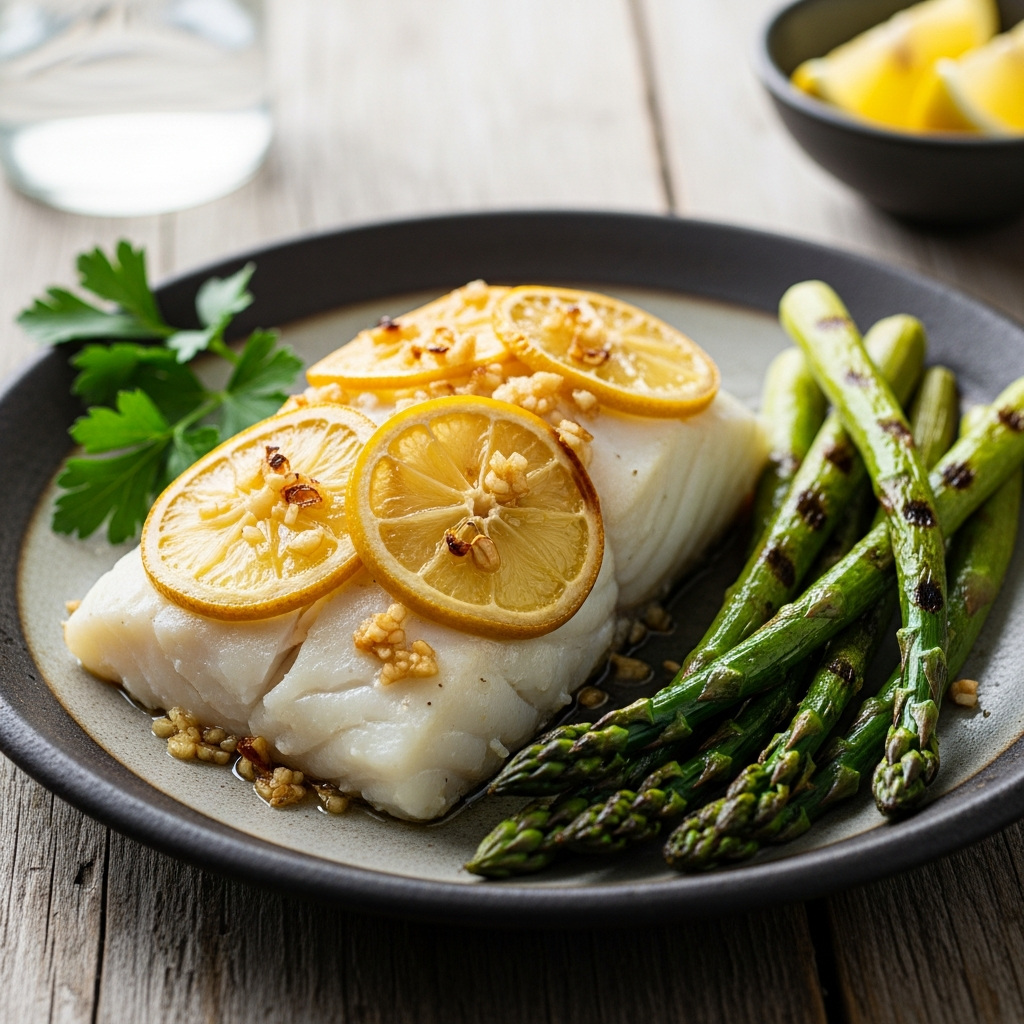
White fish like cod is an excellent source of lean protein and iodine. Baking the fish with lemon and garlic preserves its delicate nutrients while providing a flavor profile that is clean and bright. Asparagus is added to the pan for its prebiotic fiber, which feeds beneficial gut bacteria. A healthy microbiome is essential for maintaining a balanced immune system and reducing full-body inflammation.
10. Red Lentil and Turmeric Soup
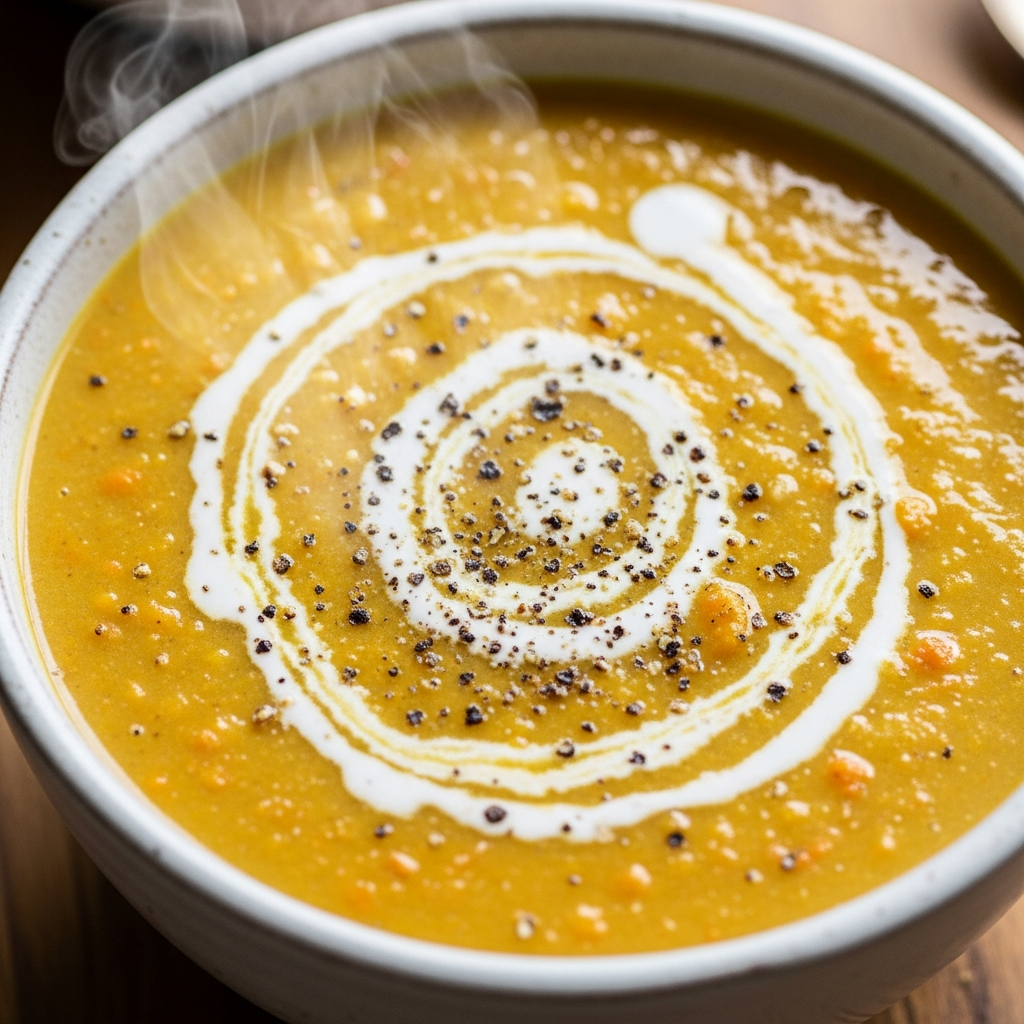
Red lentils cook down into a creamy consistency, making them ideal for a soothing soup. This recipe heavily features turmeric and black pepper; the piperine in black pepper increases the absorption of curcumin by up to two thousand percent. This soup is particularly beneficial for those looking to improve joint mobility and reduce muscle soreness after exercise through dietary means.
11. Grilled Chicken with Balsamic Beet Salad
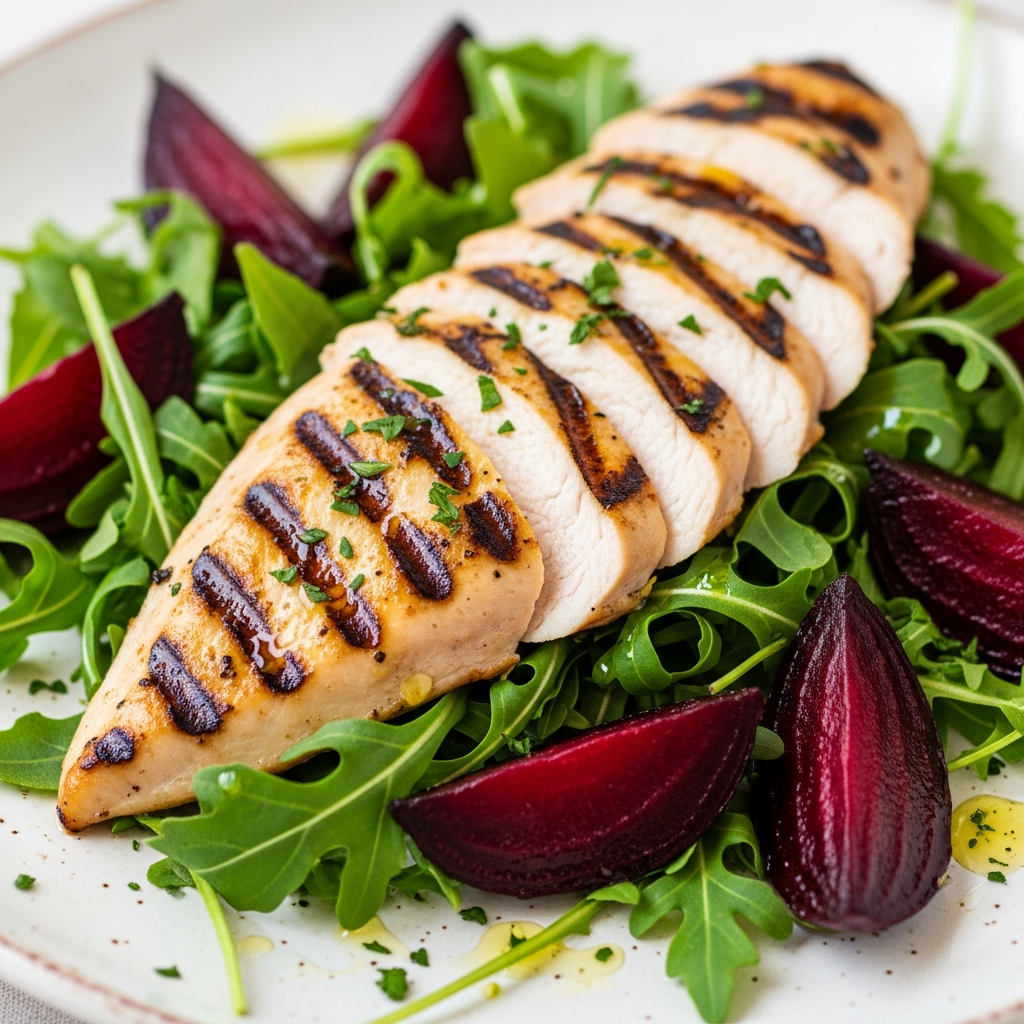
Clean eating often involves high-quality animal proteins like organic, grass-fed chicken. Pair grilled chicken breast with a salad of roasted beets and arugula. Beets contain betalains, which provide both antioxidant and anti-inflammatory protection at a cellular level. A simple dressing of balsamic vinegar and olive oil adds a tangy finish without the inflammatory additives found in commercial salad dressings.
12. Walnut and Apple Green Salad
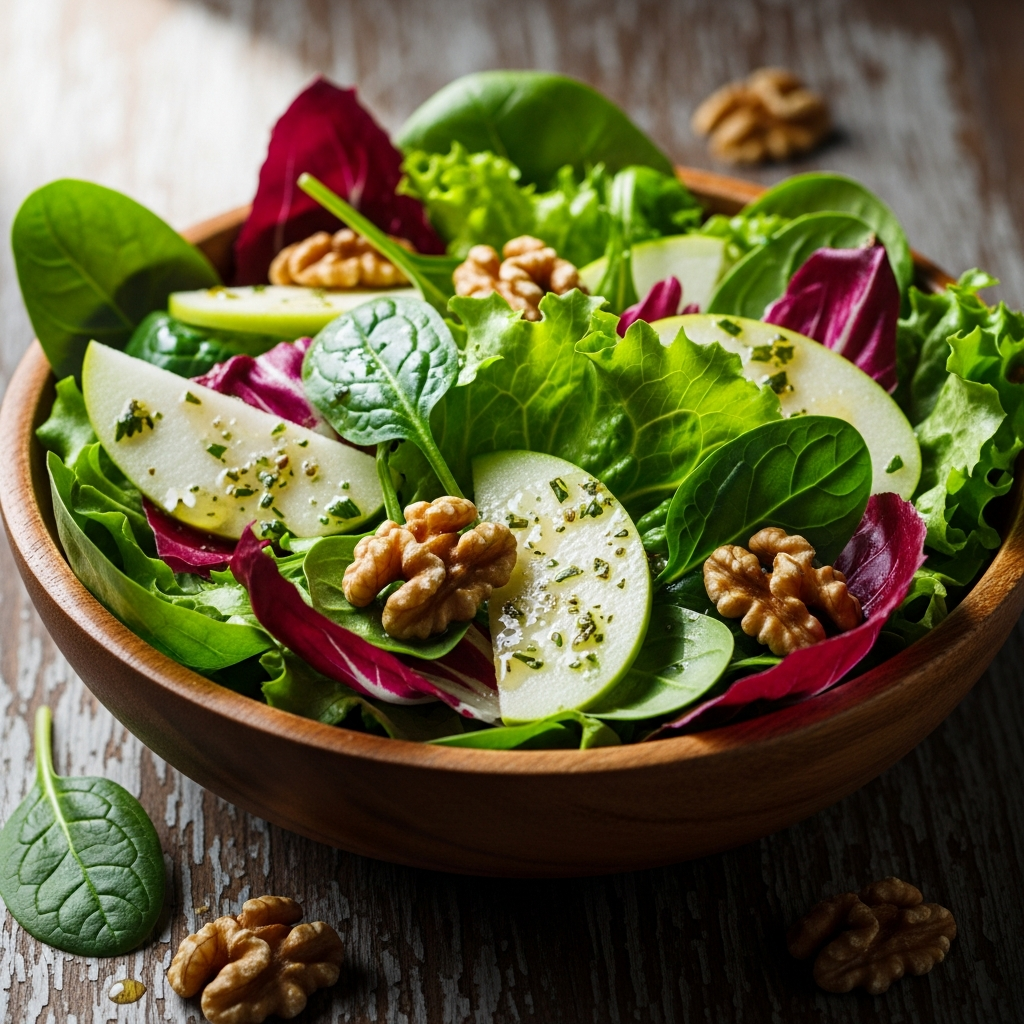
This refreshing salad combines the crunch of walnuts with the sweetness of crisp apples over a bed of mixed greens. Walnuts are unique among nuts for their high content of alpha-linolenic acid. Apples provide quercetin, a flavonoid that helps stabilize cells that release histamine in the body. Together, these ingredients create a meal that supports heart health and reduces allergic-type inflammatory responses.
Conclusion
Incorporating these twelve clean and anti-inflammatory recipes into your weekly routine is a proactive step toward better health. By focusing on whole foods and eliminating processed ingredients, you provide your body with the tools it needs to repair tissue and reduce chronic swelling. Consistency is key in any dietary shift, and these flavorful options prove that eating for wellness does not require sacrificing taste. Transitioning to an anti-inflammatory lifestyle can lead to improved energy levels, clearer skin, and a stronger immune system.