Welcome to your comprehensive guide on mastering the chest press machine! Whether you’re just starting your fitness journey or looking to refine your technique, this article is designed to help you confidently use one of the most popular pieces of equipment in any gym. The chest press machine offers a fantastic way to build strength and muscle in your upper body with great stability and control.
We’ll cover everything from setting up the machine correctly to performing the movement with perfect form. We’ll also dive into essential safety tips to keep you injury-free and consistent with your workouts. Getting stronger doesn’t have to be complicated, and with the right approach, the chest press machine can be a cornerstone of your fitness routine. Let’s get started on building a stronger, healthier you!
Understanding the Chest Press Machine
Before we dive into the “how-to,” let’s get a clear picture of what the chest press machine is and why it’s such a valuable tool for anyone looking to improve their upper body strength.
What it is and Why it’s Popular
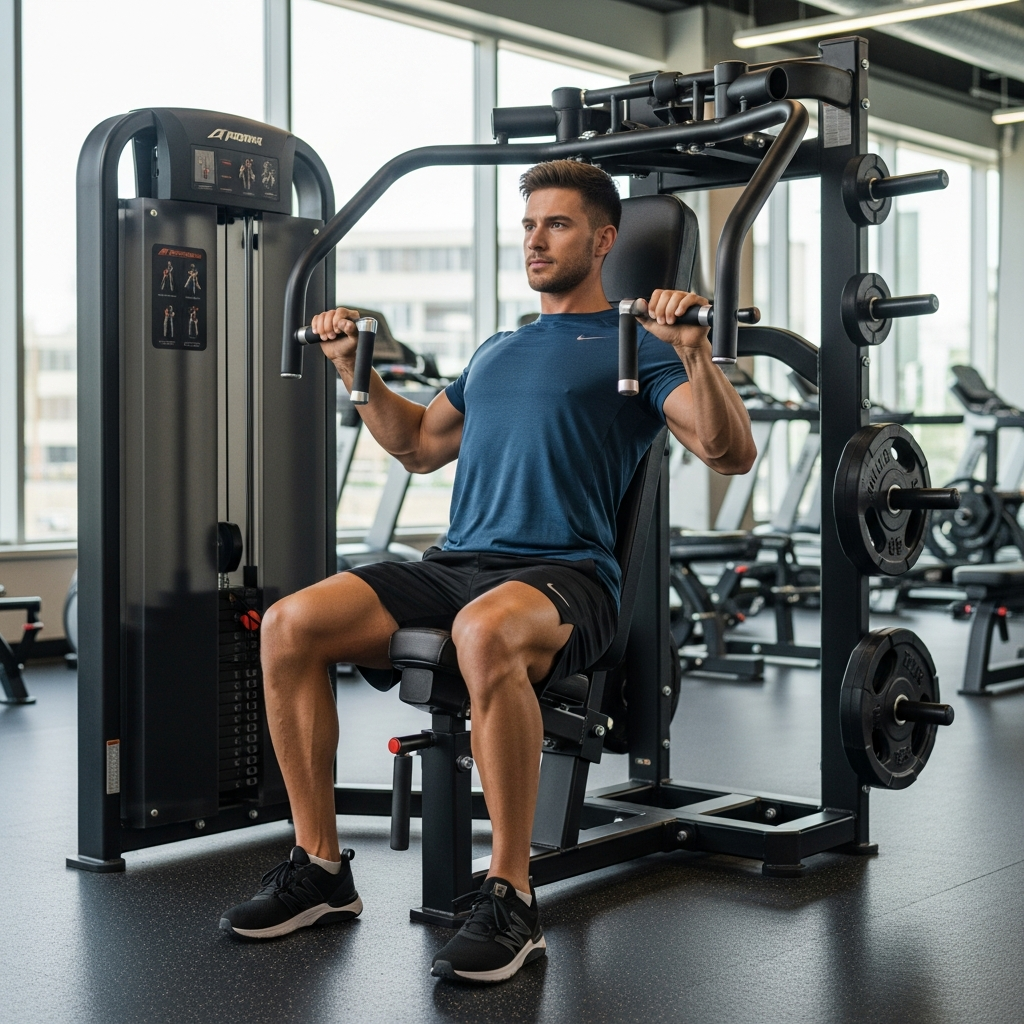
The chest press machine is a piece of gym equipment designed to target your chest muscles through a pushing motion. Unlike free weights like dumbbells or barbells, the machine guides your movement along a fixed path. This fixed path is a big reason why it’s so popular, especially among beginners or those recovering from injuries. It provides a stable and controlled environment, which means you don’t have to worry as much about balancing the weight. This stability allows you to focus purely on pushing the weight and engaging the right muscles.
It’s also great for isolating your chest muscles, making it easier to feel the muscles working. This can be incredibly motivating and helps you build that important mind-muscle connection.
Muscles Worked
While it’s called a “chest press,” this exercise actually engages several muscles in your upper body. Understanding which muscles are working can help you focus and get more out of each repetition.
Primary Muscles
* Pectoralis Major (Pecs): These are the large muscles that make up most of your chest. The chest press machine primarily targets these muscles, helping them grow stronger and more defined.
Secondary Muscles
* Anterior Deltoids (Front of Shoulders): Your front shoulder muscles assist the pec muscles in the pushing motion.
* Triceps Brachii (Back of Upper Arm): These muscles are crucial for extending your arms, which is exactly what happens when you press the weight away from your body.
* Serratus Anterior: These smaller muscles sit under your armpit and help stabilize your shoulder blade during the movement.
Setting Up for Success: Adjusting the Machine
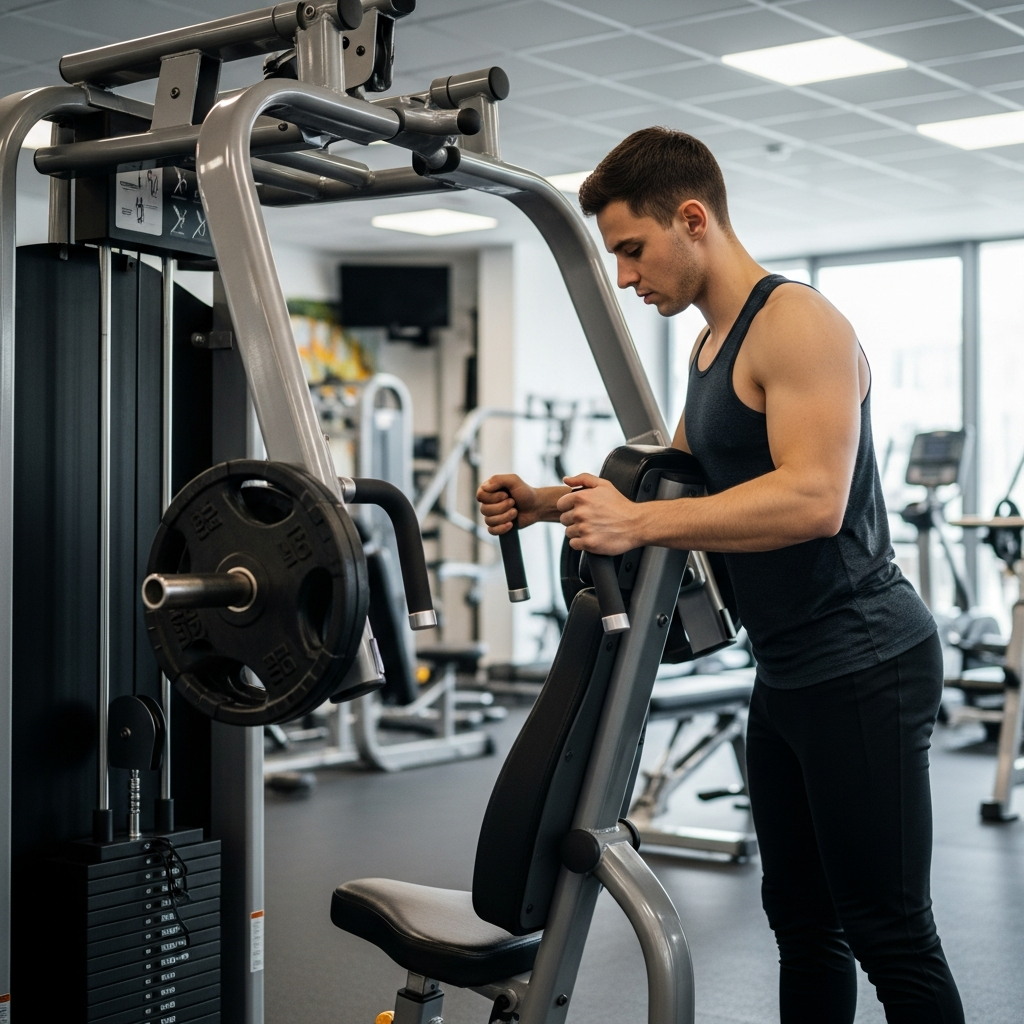
Proper setup is absolutely crucial for both effectiveness and safety. Taking a moment to adjust the machine before you start lifting can make a huge difference in your results and prevent potential injuries.
Seat Height Adjustment
This is often the first adjustment you’ll need to make. The goal is to position your body so that your hands are at the correct height relative to your chest.
How to Adjust
* Most chest press machines have a pin or lever that allows you to move the seat up or down.
* Sit on the machine with your back firmly against the pad.
* Adjust the seat so that when you grasp the handles, they are roughly at mid-chest level, or slightly below your shoulders. Your upper arms should be parallel to the floor or angled slightly downward when you’re in the starting position.
Why it Matters
* If the seat is too high, you might put unnecessary strain on your shoulders.
* If it’s too low, you might not fully engage your chest muscles and could feel it more in your triceps.
* Correct height ensures your pectorals are in the optimal position to do the work, maximizing muscle activation and minimizing injury risk.
Handle Grip Selection
Many chest press machines offer different grip options – sometimes wider handles, closer handles, or neutral grips (palms facing each other). Each can slightly alter the focus of the exercise.
Types of Grips
* Neutral Grip: Palms facing each other. This often feels very natural and can be easier on the shoulders for some people. It tends to emphasize the inner part of the chest.
* Pronated Grip (Palms Forward): This is a common grip, similar to a barbell bench press. Keep your hands slightly wider than shoulder-width apart.
* Wide Grip: Placing your hands further apart can emphasize the outer chest more, but it also increases stress on the shoulders. Use with caution and lower weight.
* Close Grip: Hands closer together can put more emphasis on the triceps.
Choosing Your Grip
* Start with a neutral or pronated grip that feels comfortable and allows you to maintain good form.
* Avoid gripping too wide, especially when starting out, to protect your shoulders.
* Your wrists should stay straight and strong, not bent backward.
Weight Selection
Choosing the right weight is perhaps the most important decision for both safety and progress. Always prioritize form over the amount of weight lifted.
Starting Light
* If you’re new to the machine or strength training, always start with a very light weight, even just the machine’s resistance.
* Perform a few repetitions to get a feel for the movement and ensure your setup is correct.
Progressive Overload
* Once you can comfortably perform 10-12 repetitions with good form, you can gradually increase the weight. This concept is called progressive overload – continually challenging your muscles to grow stronger.
* The last 2-3 repetitions should feel challenging but still allow you to maintain proper form. If your form breaks down, the weight is too heavy.
Mastering the Technique: Step-by-Step Guide
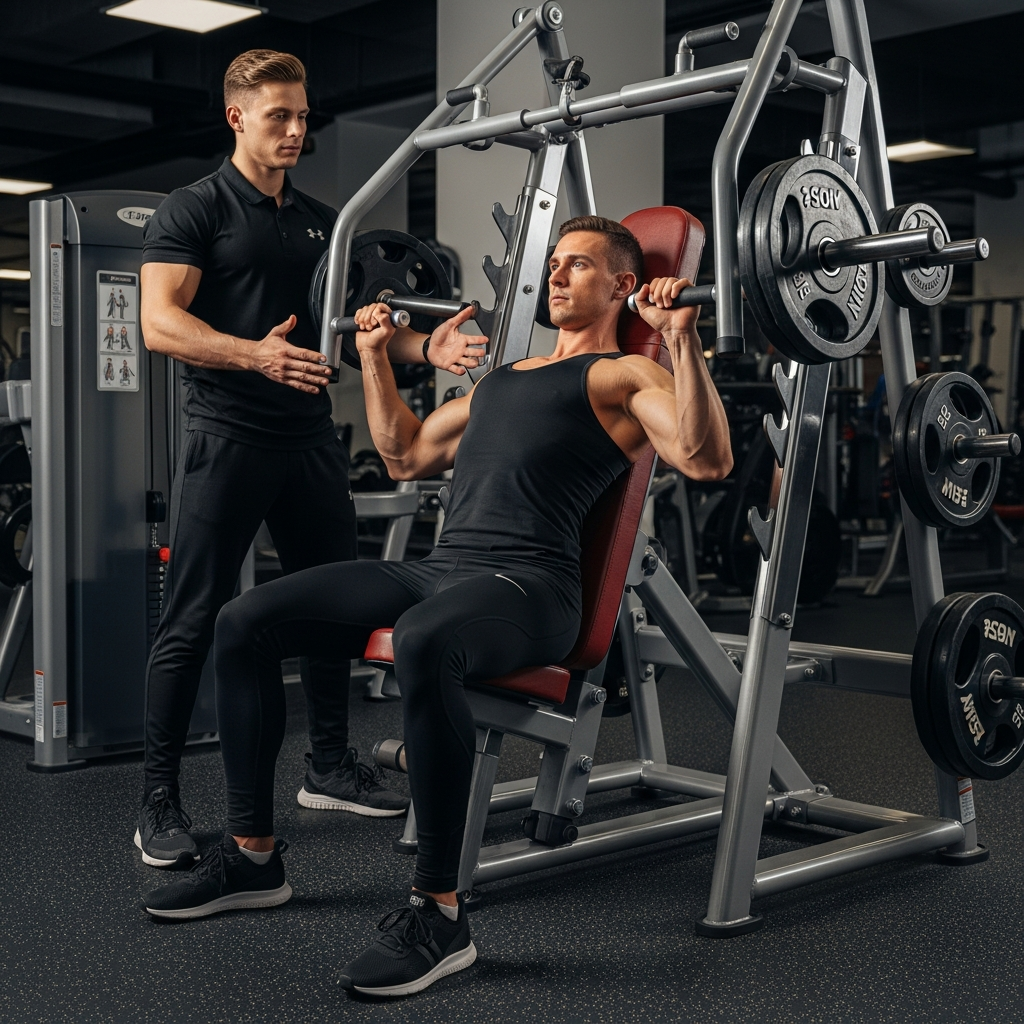
Now that the machine is set up correctly and you’ve chosen an appropriate weight, let’s walk through the actual movement step-by-step. Focus on control and feeling your chest muscles work.
The Starting Position
Getting into the right starting position sets the foundation for a successful and safe lift.
* Sit Firmly: Sit on the machine with your back pressed flat against the back pad. Your entire spine, from your tailbone to your head, should be in contact.
* Feet Flat: Plant your feet firmly on the floor, about shoulder-width apart. They should be stable and provide a strong base for your body. Avoid lifting your feet or crossing your ankles.
* Grip the Handles: Grasp the handles with your chosen grip. Your elbows should be bent, and your forearms should be perpendicular to the floor. Your wrists should be straight.
* Engage Your Core: Gently brace your abdominal muscles. This helps stabilize your torso and protect your lower back throughout the movement.
* Shoulders Back and Down: Avoid shrugging your shoulders towards your ears. Keep them pulled back and down, which helps engage your chest muscles more effectively and protects your shoulder joints.
The Press (Concentric Phase)
This is the “pushing” part of the exercise, where you extend your arms and contract your chest muscles.
* Push Away: Using your chest muscles, push the handles forward and away from your body in a controlled manner.
* Exhale: As you push, slowly exhale your breath.
* Focus on the Squeeze: Imagine bringing your biceps together or squeezing a pencil between your chest muscles at the peak of the movement. This helps to maximize chest activation.
* Avoid Locking Out: Don’t fully lock your elbows at the top of the movement. Keep a slight bend in your elbows to maintain tension on your chest muscles and prevent hyperextension of your joints.
The Return (Eccentric Phase)
This is the “lowering” part of the exercise, where you control the weight back to the starting position. This phase is just as important as the press!
* Controlled Lowering: Slowly and deliberately allow the handles to return to the starting position. Resist the weight as it comes back towards you.
* Inhale: As you lower the weight, slowly inhale your breath.
* Stretch the Chest: Feel a good stretch in your chest as the handles come back. Stop just before the weight stack touches down, keeping constant tension on your muscles. Don’t let the weights crash.
* Maintain Form: Keep your back pressed against the pad and your shoulders pulled back and down throughout the entire return phase.
Breathing Techniques
Proper breathing helps you generate power and maintain stability.
* Exhale on Effort: Breathe out as you push the weight away (the hardest part).
* Inhale on Return: Breathe in as you slowly lower the weight back to the starting position.
* Avoid Holding Your Breath: Holding your breath can increase blood pressure, especially for those with certain health conditions. Keep your breathing steady and controlled.
Safety First: Essential Tips for Injury Prevention
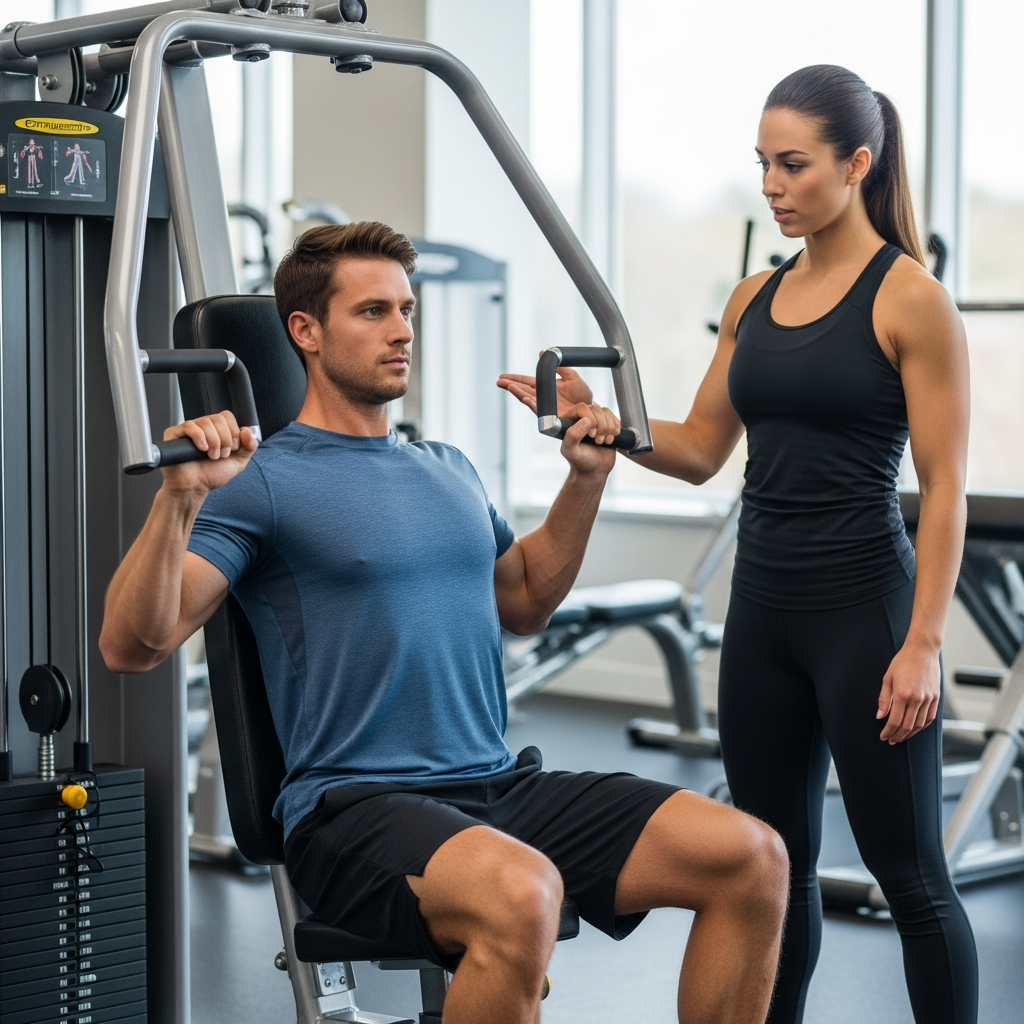
Safety should always be your top priority. By following these simple guidelines, you can minimize your risk of injury and ensure a productive workout every time.
Warm-Up and Cool-Down
Don’t skip these crucial parts of your workout!
Warm-Up
* Before touching the chest press machine, spend 5-10 minutes doing light cardio (like walking or cycling) to get your blood flowing.
* Follow with dynamic stretches for your upper body: arm circles, arm swings, and shoulder rolls. This prepares your muscles and joints for the work ahead.
Cool-Down
* After your workout, spend 5-10 minutes on static stretches. Hold stretches like a chest stretch (hands behind your back or in a doorway) for 20-30 seconds. This helps improve flexibility and aids in recovery.
Avoiding Common Mistakes
Being aware of these common pitfalls can help you avoid them and maintain good form.
* Using Too Much Weight: This is the most common mistake. Too much weight leads to poor form, jerky movements, and a high risk of injury to your shoulders or elbows. Always choose a weight that allows for controlled movement through the full range of motion.
* Arching the Back Excessively: Lifting your lower back off the pad puts strain on your spine. Keep your back flat against the pad to protect your lower back.
* **Not Controlling the Weight:** Letting the weight crash down or using momentum to push it up defeats the purpose of the exercise and increases injury risk. Every movement, both pushing and returning, should be slow and controlled.
* Locking Elbows: Fully extending and locking your elbows at the top of the press can put excessive stress on your elbow joints. Keep a slight bend to maintain tension on the muscles.
* Lifting Hips Off the Seat: This usually happens when the weight is too heavy. Keep your hips firmly planted on the seat throughout the entire movement to maintain stability and engage your core.
Listening to Your Body
Your body is your best guide. Pay attention to its signals.
* Pain vs. Muscle Fatigue: It’s normal to feel muscle fatigue or a “burning” sensation during your workout – that means your muscles are working! However, sharp pain, especially in your joints (shoulders, elbows, wrists), is a warning sign.
* Knowing When to Stop or Reduce Weight: If you feel sharp pain, stop the exercise immediately. If your form starts to break down significantly, reduce the weight or end your set. Pushing through pain is never a good idea and can lead to serious injury. Rest and recovery are just as important as the workout itself.
Integrating the Chest Press into Your Routine
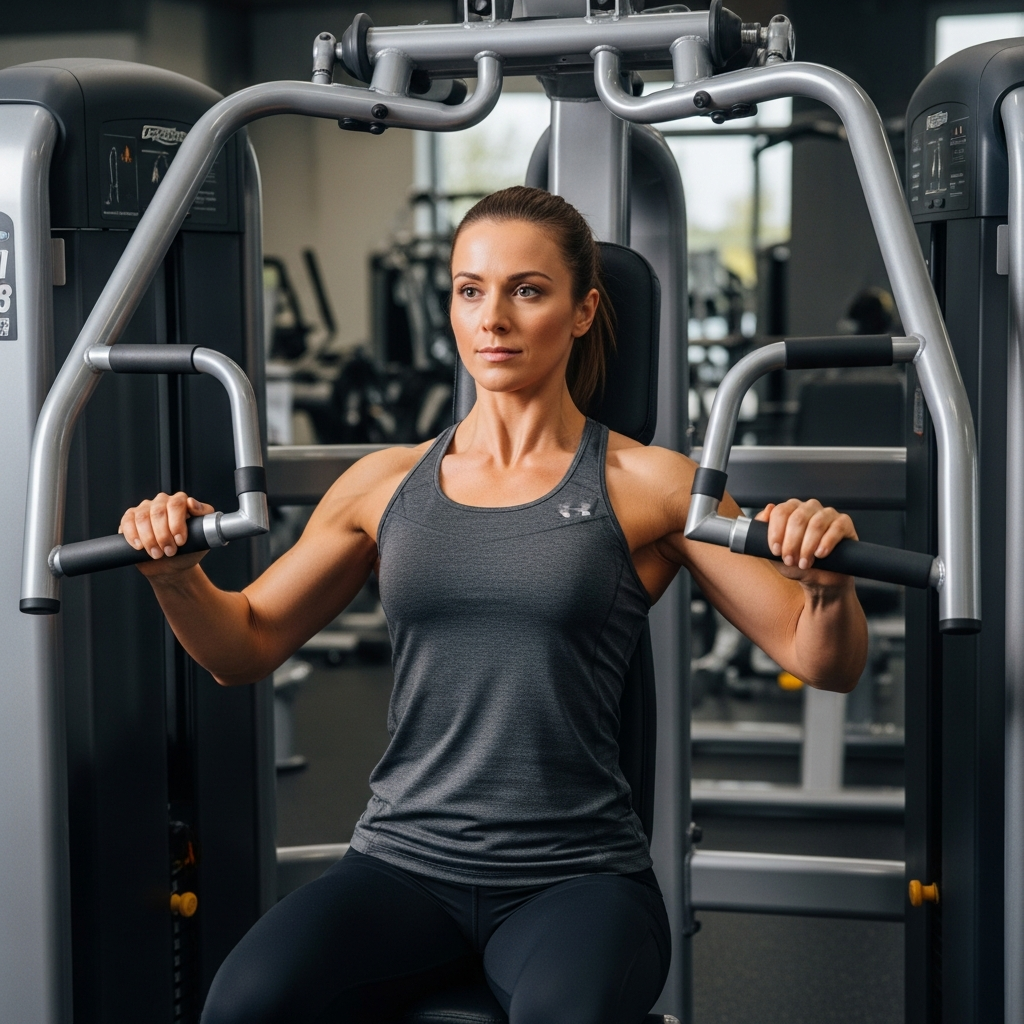
The chest press machine is a versatile exercise that can fit into almost any workout plan, whether you’re just starting or you’ve been lifting for years.
For Beginners
If you’re new to strength training, the chest press machine is an excellent starting point due to its stability.
* Frequency: Aim for 2-3 times a week, allowing a day of rest in between for your muscles to recover.
* Sets and Reps: Start with 2-3 sets of 10-12 repetitions. Focus intently on maintaining perfect form with a weight that challenges you but doesn’t compromise your technique.
* Focus on Consistency: The most important thing for beginners is consistency. Showing up regularly and practicing good form will yield the best results over time.
For Experienced Lifters
Even seasoned gym-goers can benefit from the chest press machine. It can serve as an effective accessory exercise or a way to safely push volume.
* Accessory Work: Use it after your main compound exercises (like barbell bench press) to further exhaust your chest muscles without the need for a spotter.
* Varying Grip or Tempo: Experiment with different grips (neutral, pronated) or change your tempo (e.g., a slower eccentric phase) to introduce new challenges and stimulate muscle growth differently.
* Drop Sets/Supersets: The ease of changing weight on a machine makes it perfect for advanced techniques like drop sets (reducing weight immediately after a set) or supersets (performing two exercises back-to-back).
A Sample Workout Example
Here’s a simple upper body workout that incorporates the chest press machine.
| Exercise | Sets | Reps | Focus |
| Chest Press Machine | 3 | 10-12 | Main chest builder |
| Seated Row Machine | 3 | 10-12 | Back strength, balances chest |
| Overhead Press Machine | 3 | 10-12 | Shoulder strength |
| Bicep Curls (dumbbells) | 2 | 10-15 | Arm definition |
| Triceps Pushdowns (cable) | 2 | 10-15 | Arm definition |
*Remember to always warm up before and cool down after your workout.*
The Mindset of Consistency: Making it a Habit
Getting stronger is not just about the physical effort; it’s also about building a resilient mindset and making fitness a non-negotiable part of your life.
Setting Realistic Goals
Big goals are great, but sometimes they can feel overwhelming. Break them down.
* Small, Achievable Steps: Instead of “I want to lift X amount,” start with “I will use the chest press machine twice this week with good form.”
* Focus on Process, Not Just Outcome: Celebrate showing up, completing your sets, and improving your form, not just hitting a new weight personal best.
Tracking Progress
Seeing your progress can be a huge motivator to keep going.
* Keep a Journal: Jot down the date, exercise, sets, reps, and weight used.
* Celebrate Small Wins: Notice when you can do one more rep, or increase the weight by a small increment. These small victories add up and fuel your motivation.
* Non-Scale Victories: Pay attention to how your clothes fit, how much more energy you have, or how tasks feel easier. These are all signs of progress.
Embracing the Process
Fitness is a journey, not a destination. There will be good days and challenging days.
* Be Patient: Muscle growth and strength gains take time. Don’t get discouraged if you don’t see instant results.
* Forgive Yourself: Missed a workout? It’s okay. Don’t let one missed session derail your entire routine. Just get back on track with your next planned workout.
* Find Joy in Movement: Connect with the feeling of your body getting stronger and more capable. The act of moving and challenging yourself can be incredibly empowering and good for your mental well-being.