

Adopting an anti-inflammatory diet does not have to be an expensive endeavor. Inflammation is often linked to chronic health conditions, and while premium ingredients like wild-caught salmon and exotic berries are beneficial, many affordable staples offer the same protective properties. By focusing on whole grains, legumes, seasonal vegetables, and healthy fats, you can support your body’s immune system without overspending. These seventeen recipes emphasize accessibility and nutrition, providing practical solutions for your daily meal planning.
1. Turmeric Roasted Chickpeas and Greens
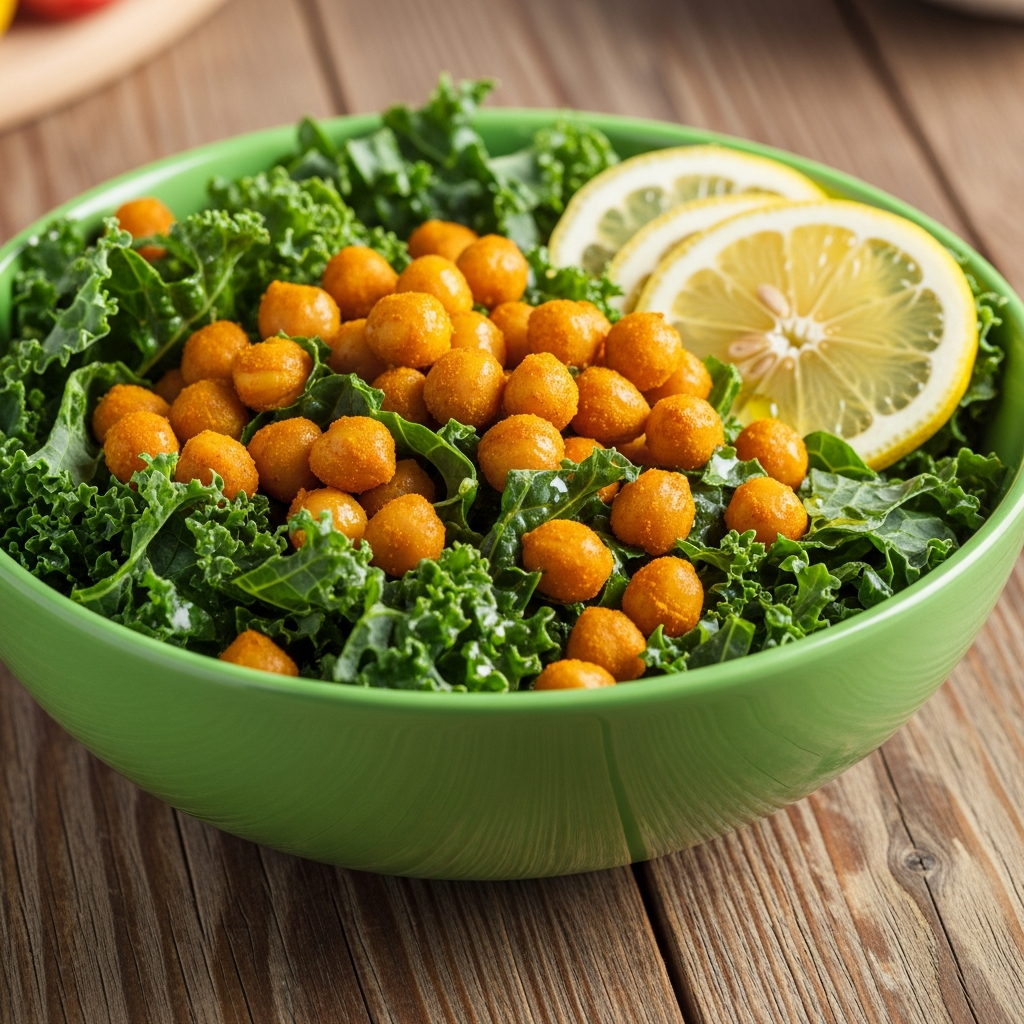
Chickpeas are a cost-effective source of protein and fiber. When roasted with turmeric, a powerful anti-inflammatory spice containing curcumin, they become a crunchy and flavorful base for a salad. Combine these with dark leafy greens like kale or spinach to increase your intake of vitamins A and K. Drizzle with a simple lemon and olive oil dressing to enhance the absorption of fat-soluble nutrients.
2. Tuna and White Bean Salad
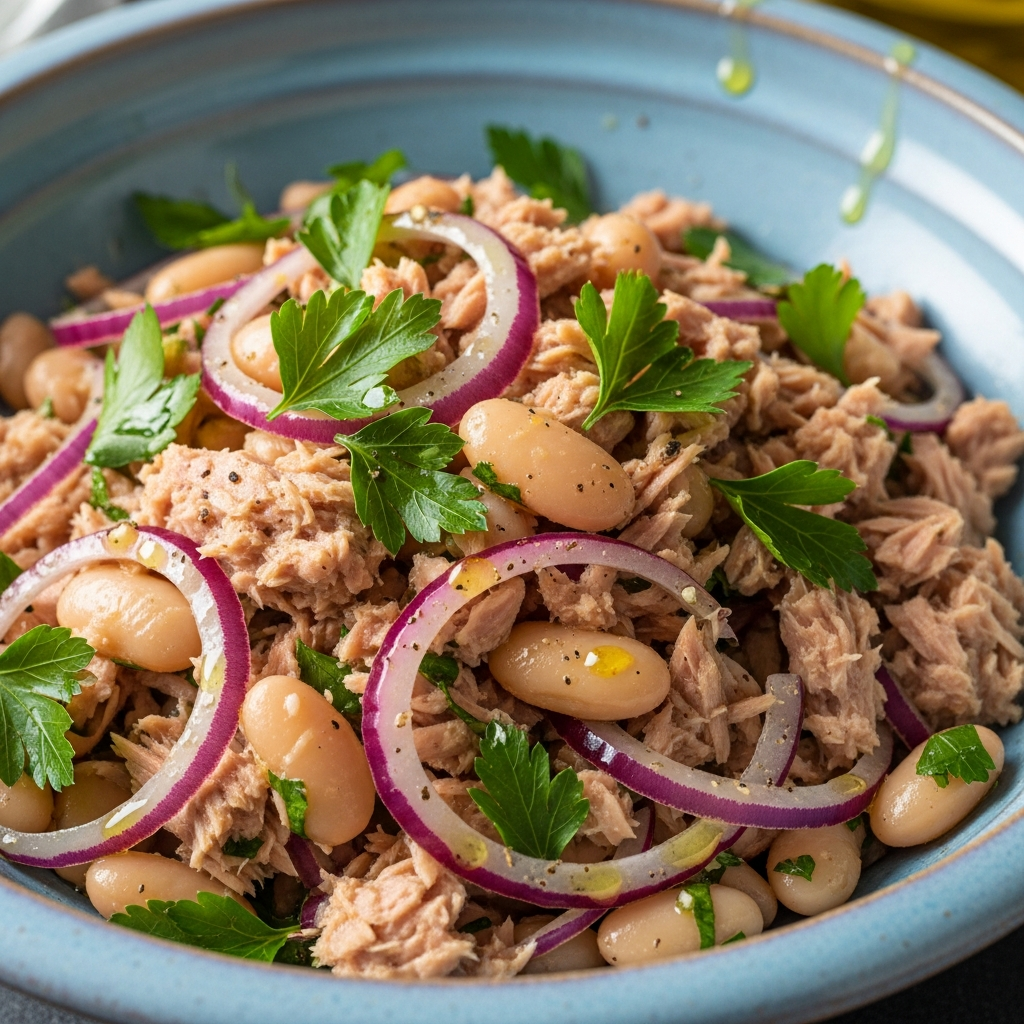
Canned tuna is an affordable way to access omega-3 fatty acids, which are essential for reducing inflammation. By mixing tuna with cannellini beans, you add plant-based protein and satiety-inducing fiber. Incorporate red onion and celery for crunch and antioxidants. This dish requires no cooking, making it an ideal choice for a quick office lunch.
3. Lentil and Spinach Soup
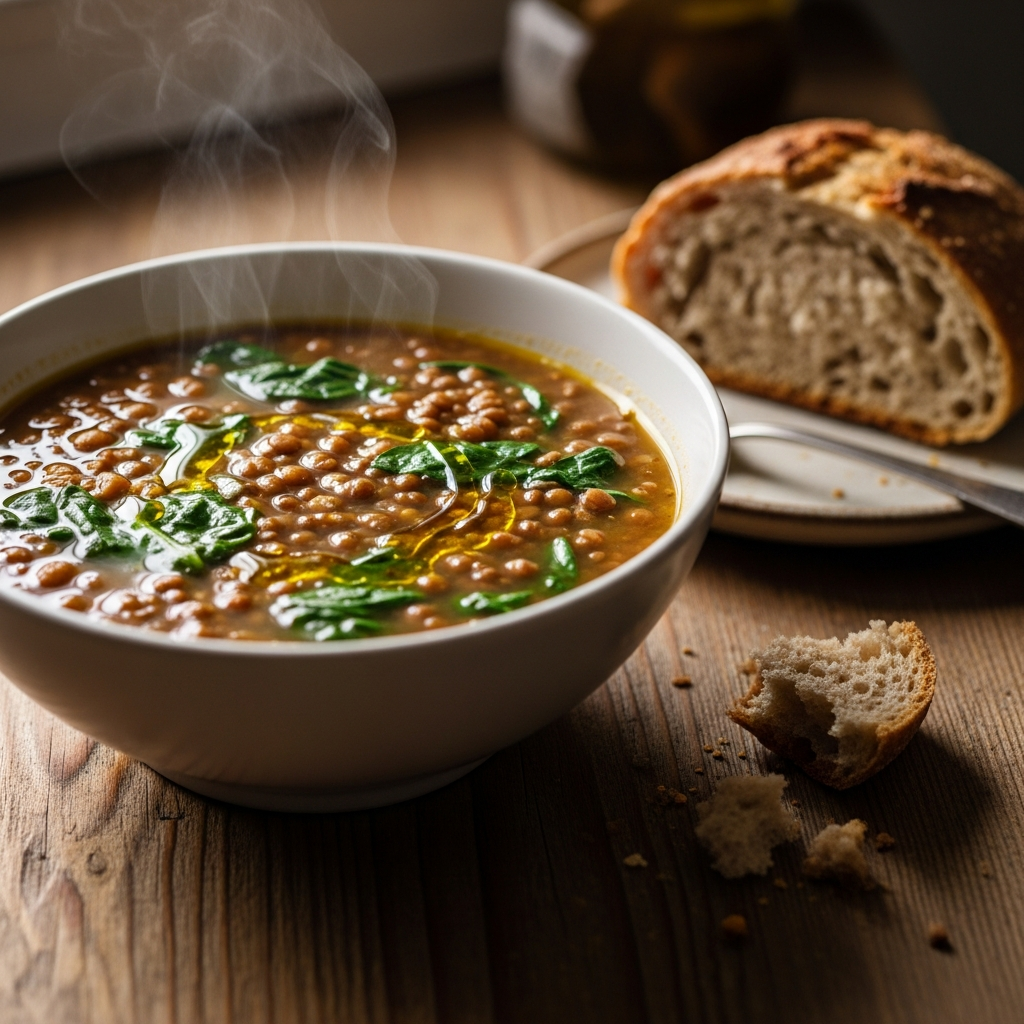
Lentils are among the most budget-friendly superfoods available. They are rich in polyphenols and fiber, which help regulate the body’s inflammatory response. Simmer dried lentils with vegetable broth, garlic, and onions, then stir in fresh spinach at the very end. The result is a hearty, warming lunch that can be made in bulk and frozen for later use.
4. Quinoa and Black Bean Power Bowl
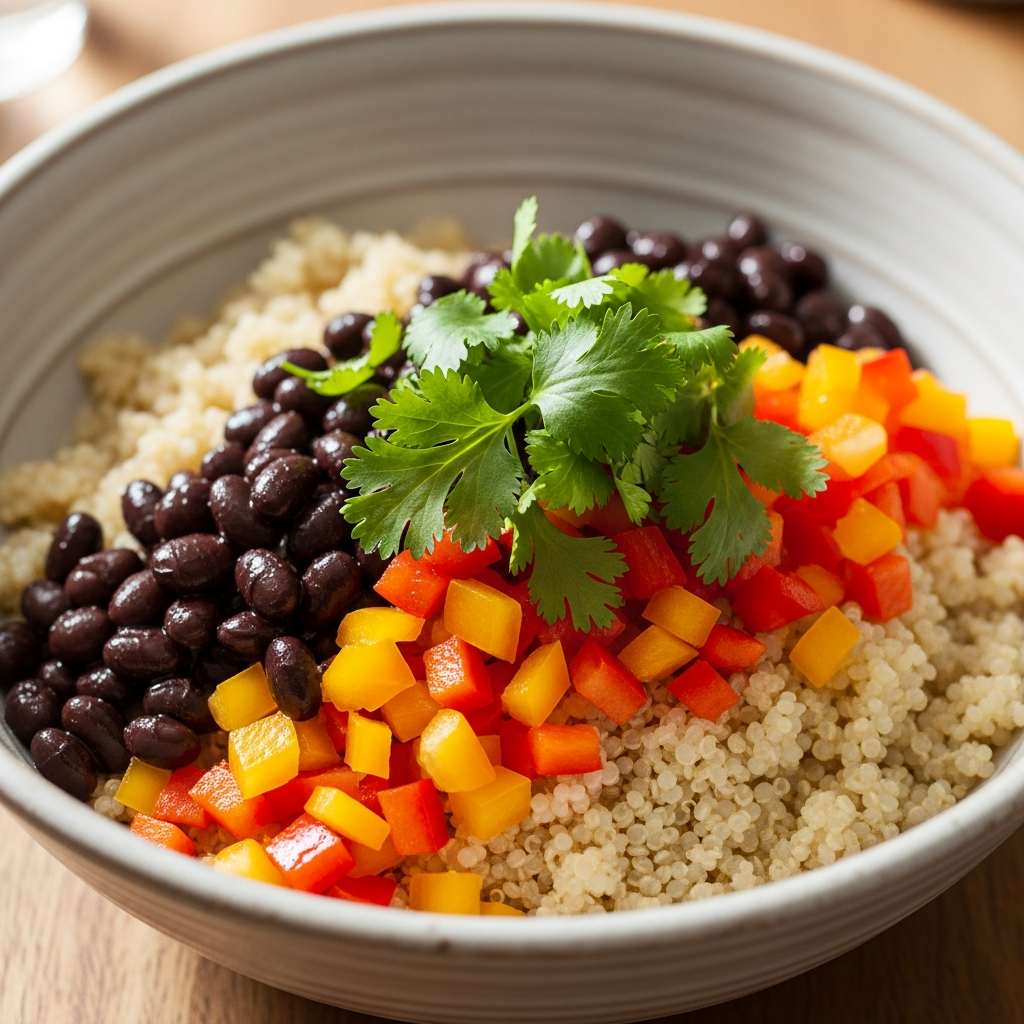
Quinoa is a complete protein that provides a solid foundation for any anti-inflammatory meal. Pair it with black beans, which are high in anthocyanins, the same pigments found in berries. Add corn, bell peppers, and a squeeze of lime to create a nutrient-dense bowl that balances complex carbohydrates and antioxidants.
5. Mediterranean Sardine Salad
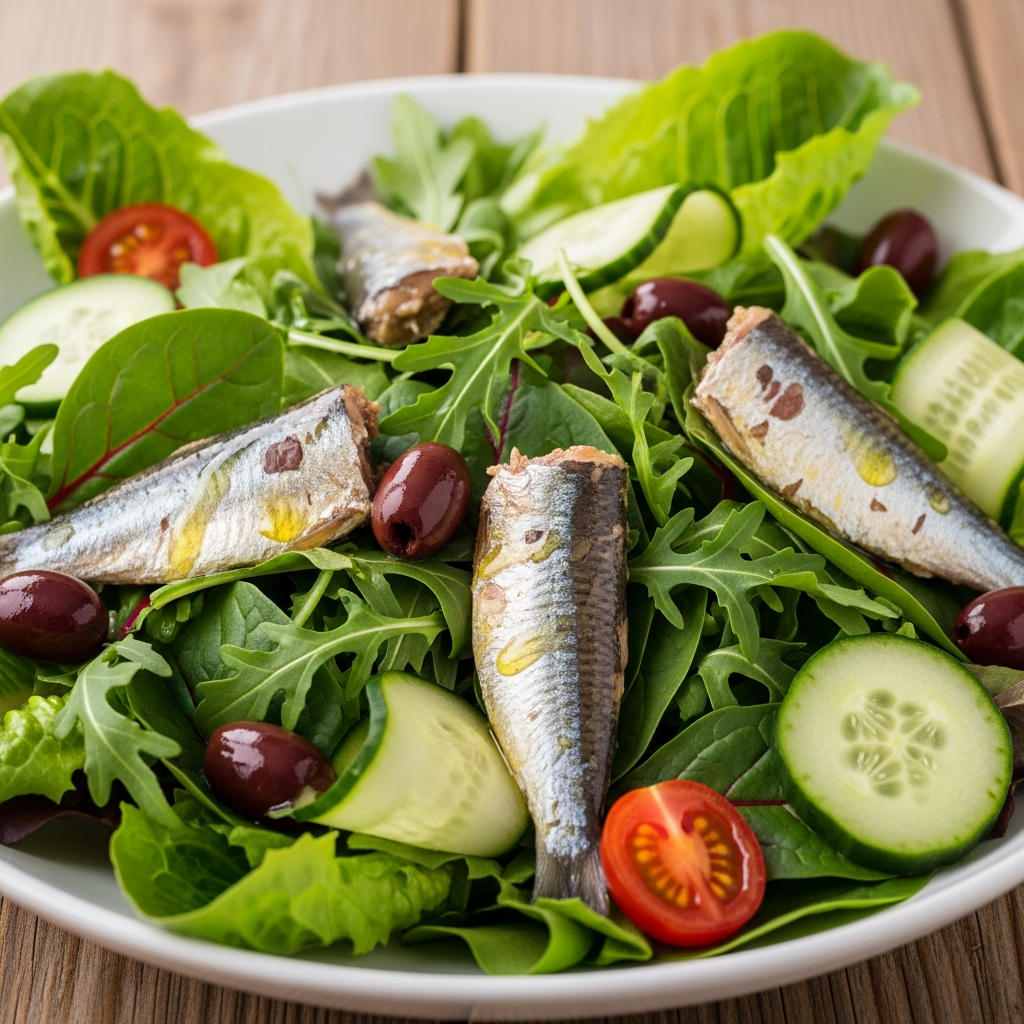
Sardines are frequently overlooked but are one of the most anti-inflammatory protein sources due to their high omega-3 and vitamin D content. Because they are low on the food chain, they also contain fewer toxins. Mash sardines with mustard and lemon juice, and serve over a bed of mixed greens with cucumbers and olives for a Mediterranean-style lunch.
6. Cabbage and Ginger Stir-Fry
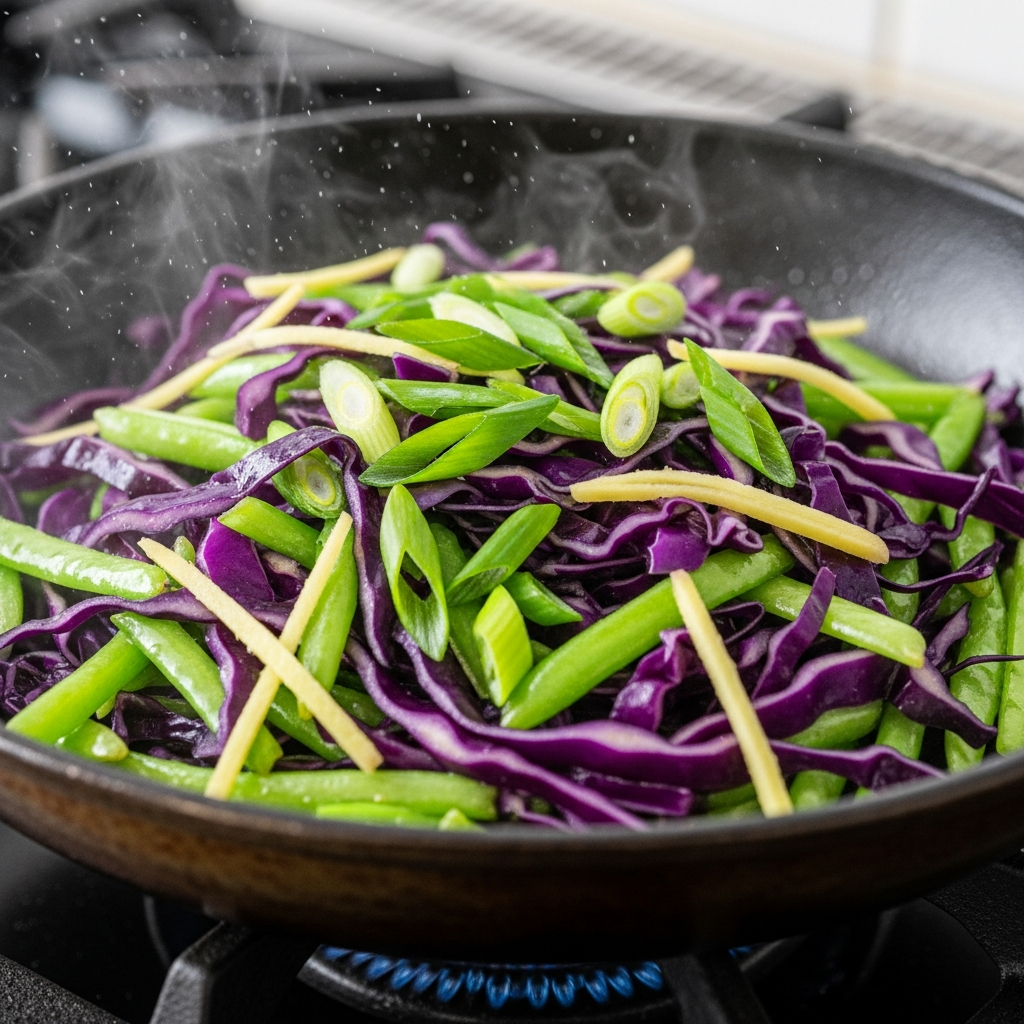
Cabbage is a cruciferous vegetable that is incredibly inexpensive and long-lasting. It contains sulforaphane, a compound known to fight inflammation. Stir-fry shredded cabbage with fresh ginger and garlic, both of which possess potent medicinal properties. Add tofu or an egg for protein to keep the meal balanced and filling.
7. Egg Salad with Avocado
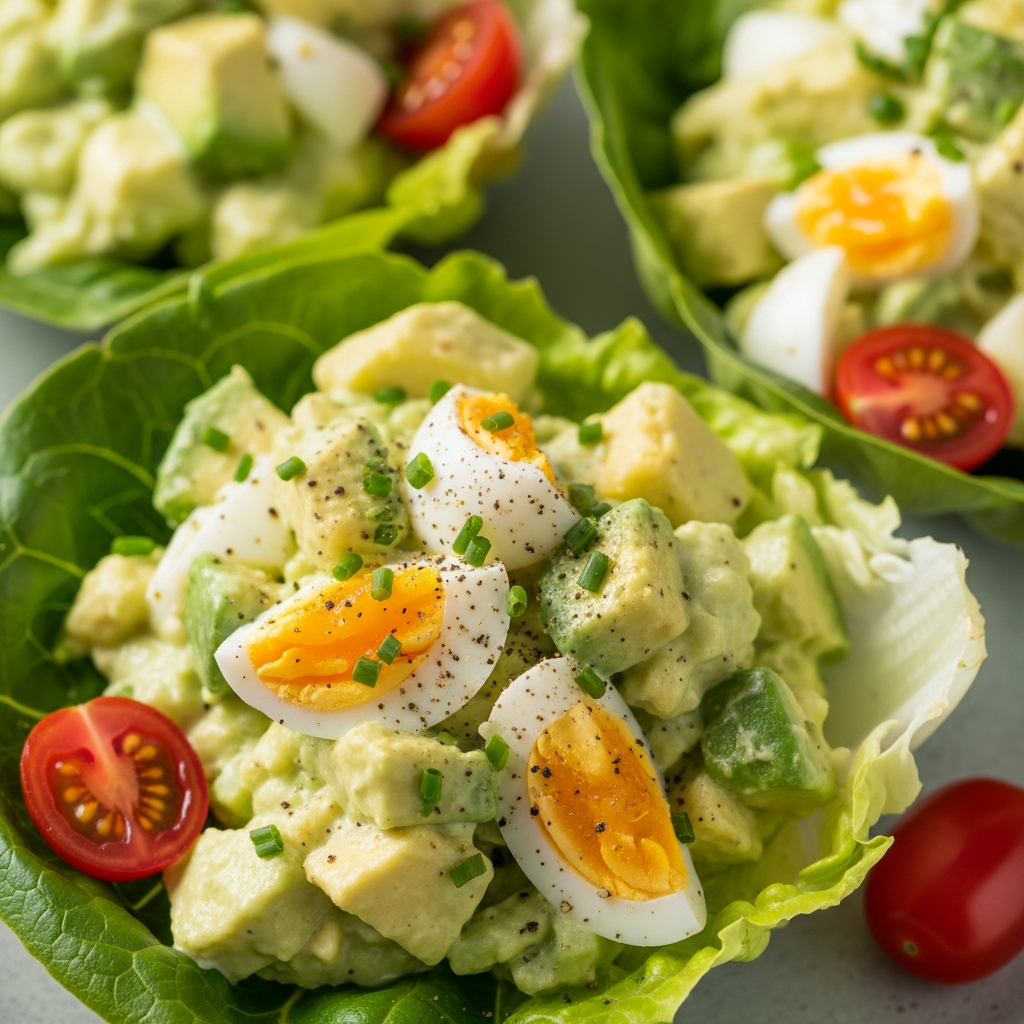
Swap out traditional mayonnaise for mashed avocado in your next egg salad. Avocado provides monounsaturated fats and vitamin E, which help dampen inflammation in the body. Eggs offer affordable protein and choline. Serve this mixture on whole-grain crackers or inside lettuce wraps for a light yet satisfying midday meal.
8. Sweet Potato and Black Bean Tacos
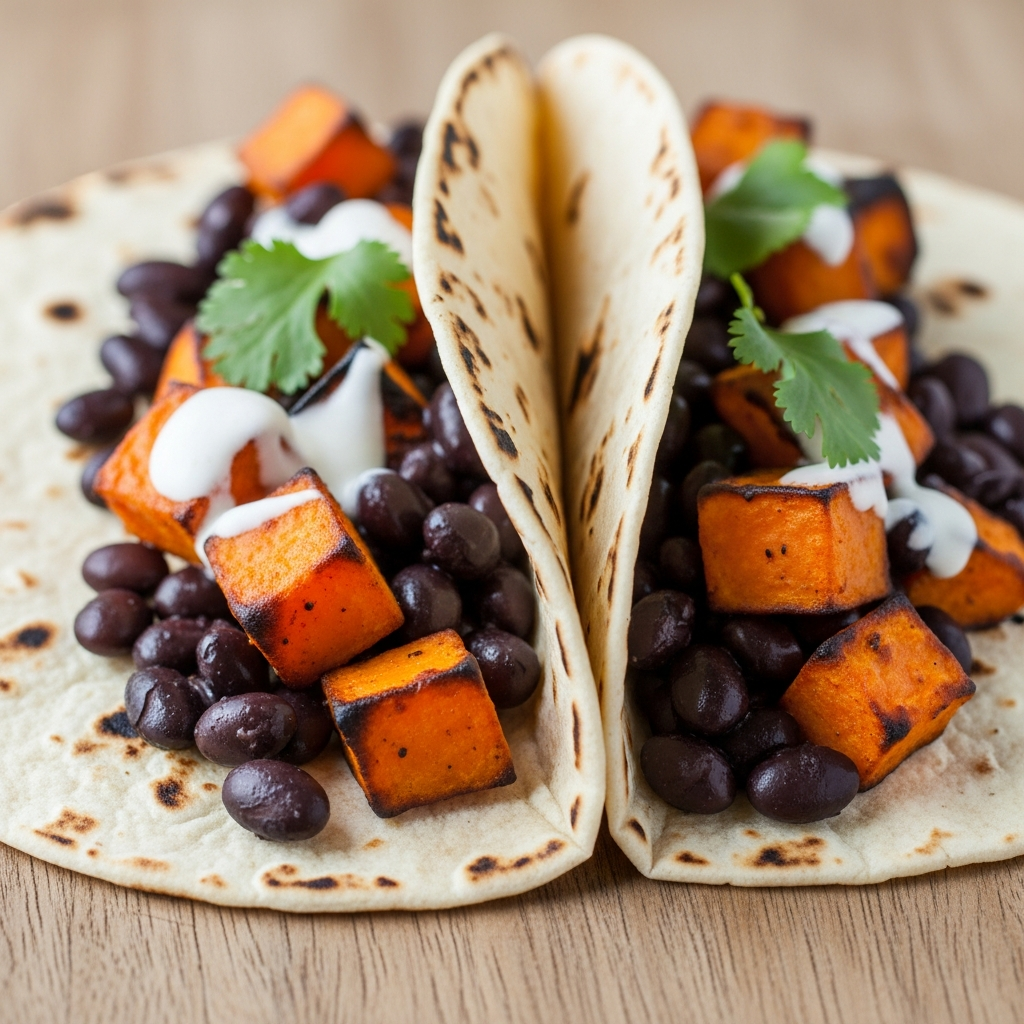
Sweet potatoes are rich in beta-carotene, an antioxidant that the body converts to vitamin A. When roasted and combined with black beans in a corn tortilla, they create a delicious plant-based taco. Top with a cabbage slaw and a dollop of Greek yogurt instead of sour cream to keep the profile anti-inflammatory and gut-friendly.
9. Cucumber and Tomato Chickpea Salad
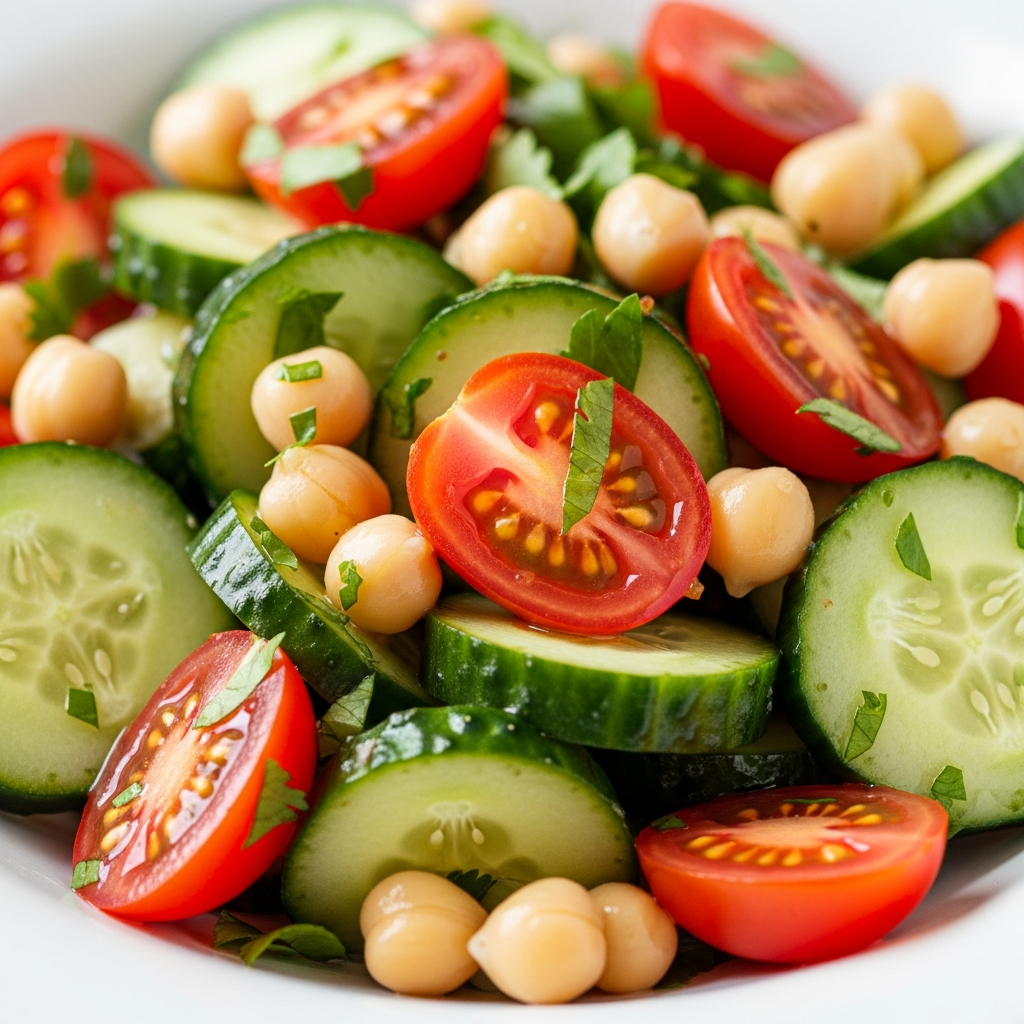
This refreshing salad utilizes common garden vegetables that are often on sale. Tomatoes are a major source of lycopene, which is most effective when consumed with a healthy fat like olive oil. Combine diced cucumbers, tomatoes, and chickpeas for a hydrated, high-fiber lunch that supports joint health and skin vitality.
10. Whole Wheat Pasta with Garlic and Kale
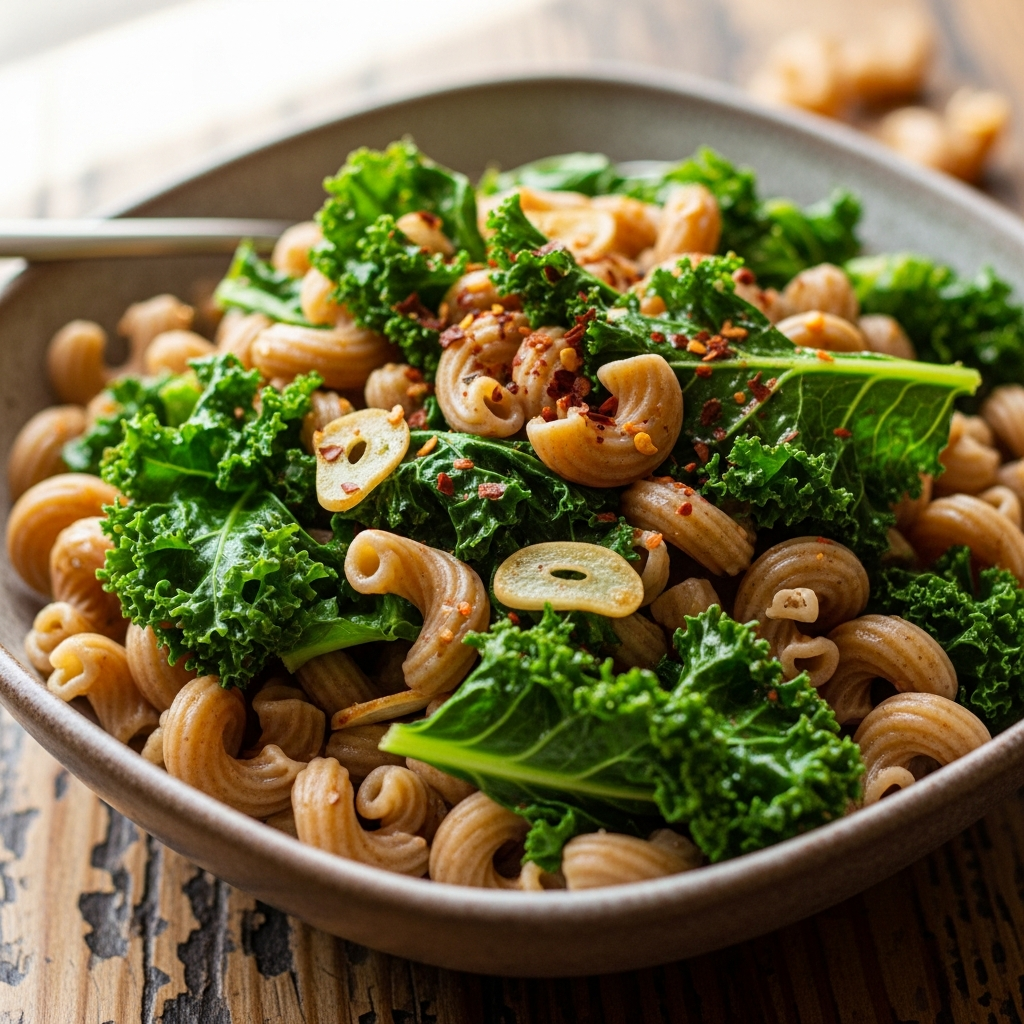
Whole wheat pasta provides more fiber and nutrients than its refined counterparts. Sauté plenty of garlic in olive oil, then add a bunch of kale until wilted. Toss the pasta in this mixture for a simple, flavorful meal. Garlic is well-known for its ability to lower inflammatory markers in the blood.
11. Salmon Patties with Side Salad
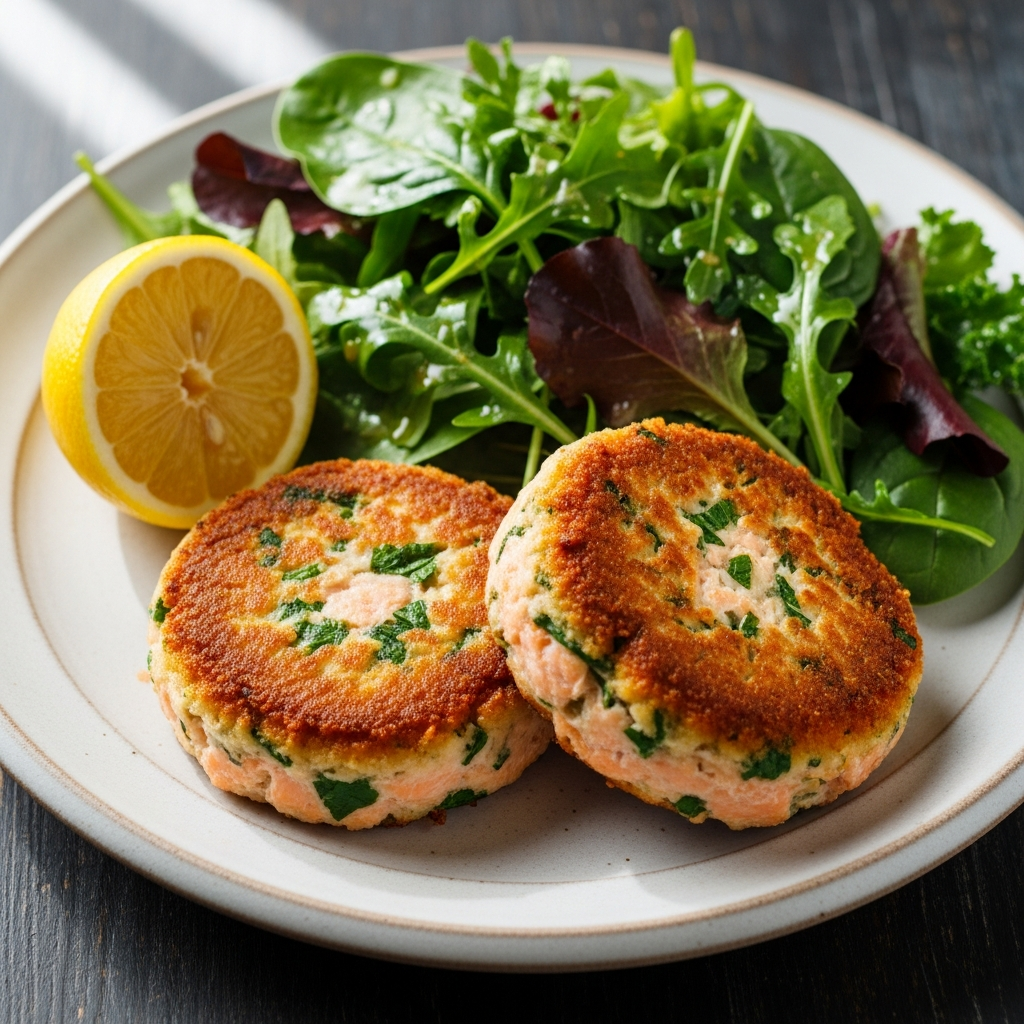
Using canned salmon is a strategic way to get the benefits of fatty fish without the high price tag of fresh fillets. Mix the salmon with an egg and whole wheat breadcrumbs, then lightly pan-fry. Serve these nutrient-dense patties alongside a simple green salad to ensure a balance of protein and phytonutrients.
12. Broccoli and Almond Soup
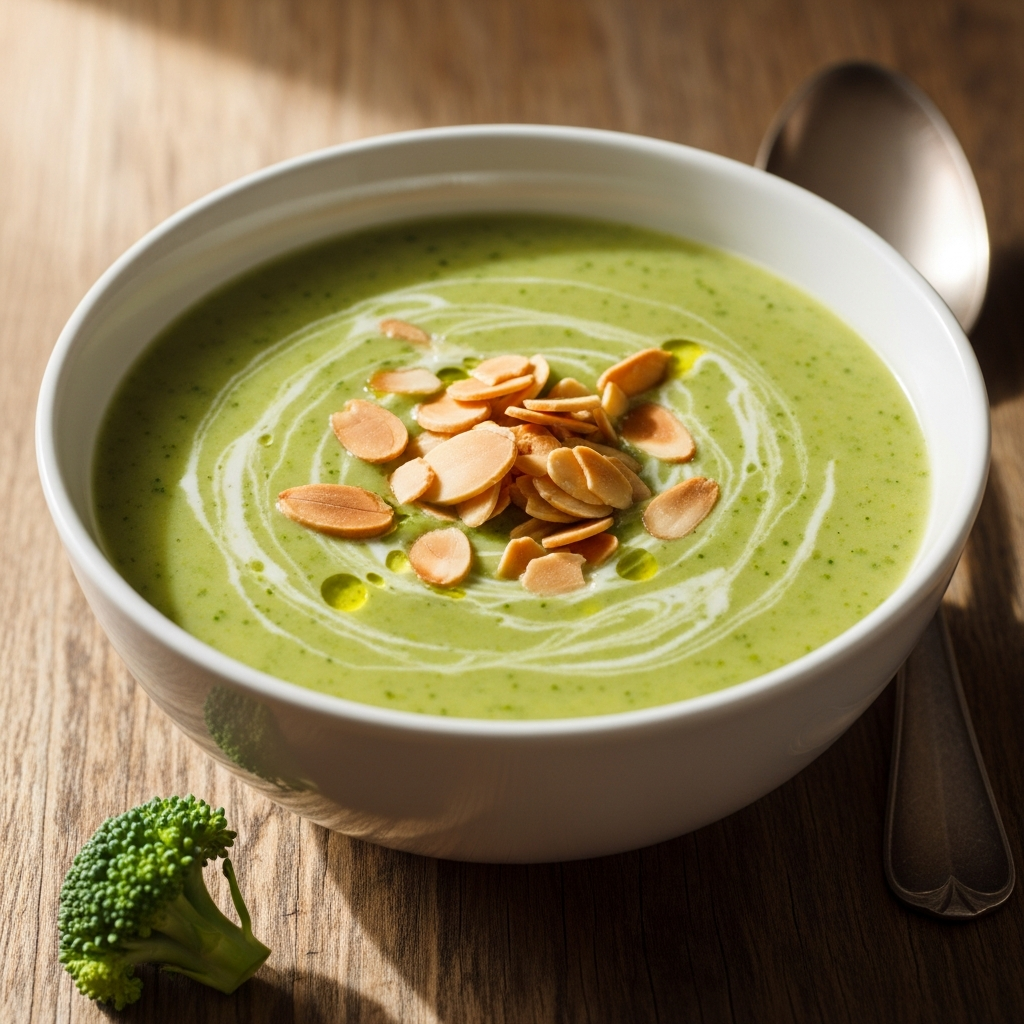
Broccoli is a nutritional powerhouse filled with antioxidants. Puree cooked broccoli with vegetable stock and a handful of almonds to create a creamy texture without the need for dairy. Almonds contribute healthy fats and magnesium, which are essential for managing the body’s stress and inflammatory responses.
13. Brown Rice and Mung Bean Stew
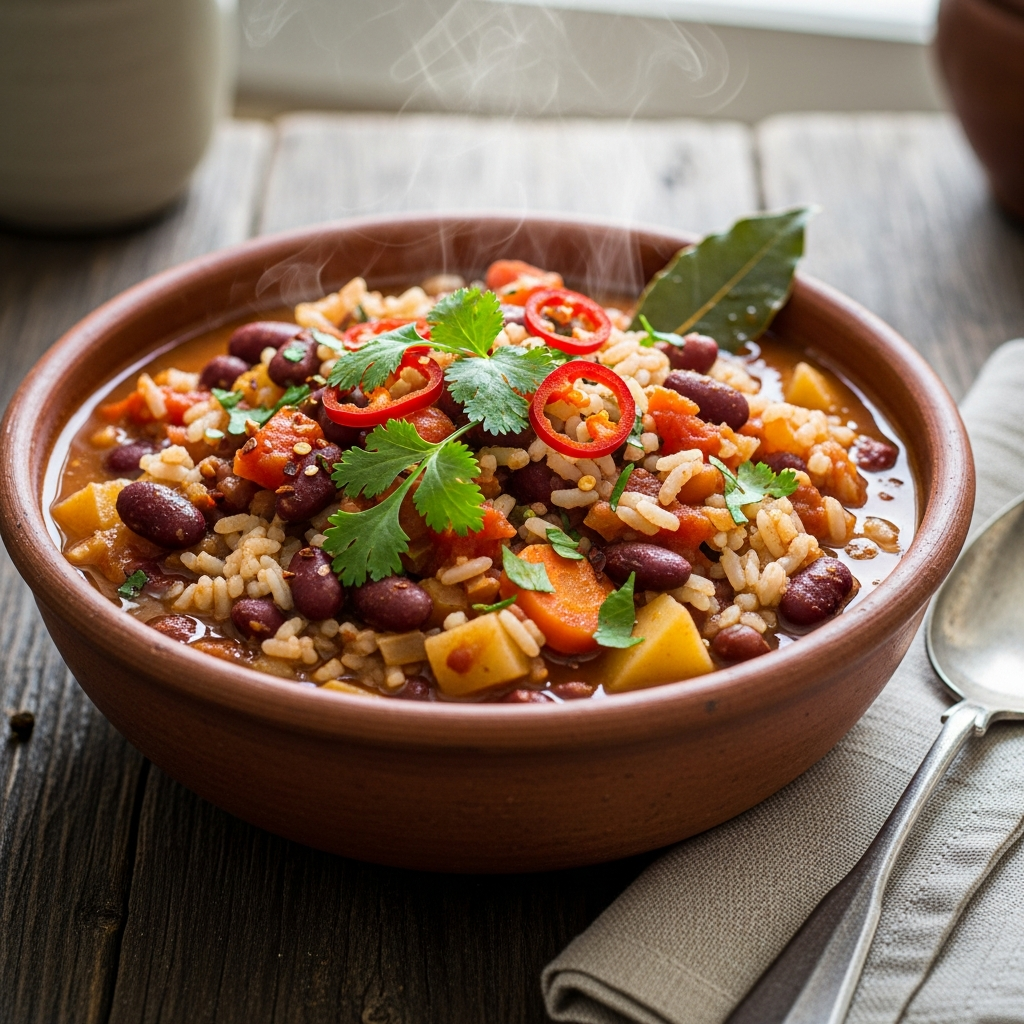
Mung beans are highly digestible and excellent for detoxification. When paired with brown rice, they form a complete protein. Season the stew with cumin and coriander to aid digestion and provide additional anti-inflammatory benefits. This is a staple in many traditional healing diets because of its soothing properties.
14. Roasted Cauliflower and Tahini Wrap

Cauliflower is a versatile vegetable that becomes sweet and nutty when roasted. Wrap roasted florets in a whole-grain tortilla with a drizzle of tahini sauce. Tahini, made from sesame seeds, is rich in sesamin and sesamolin, antioxidants that help protect the heart and reduce systemic inflammation.
15. Beet and Feta Salad
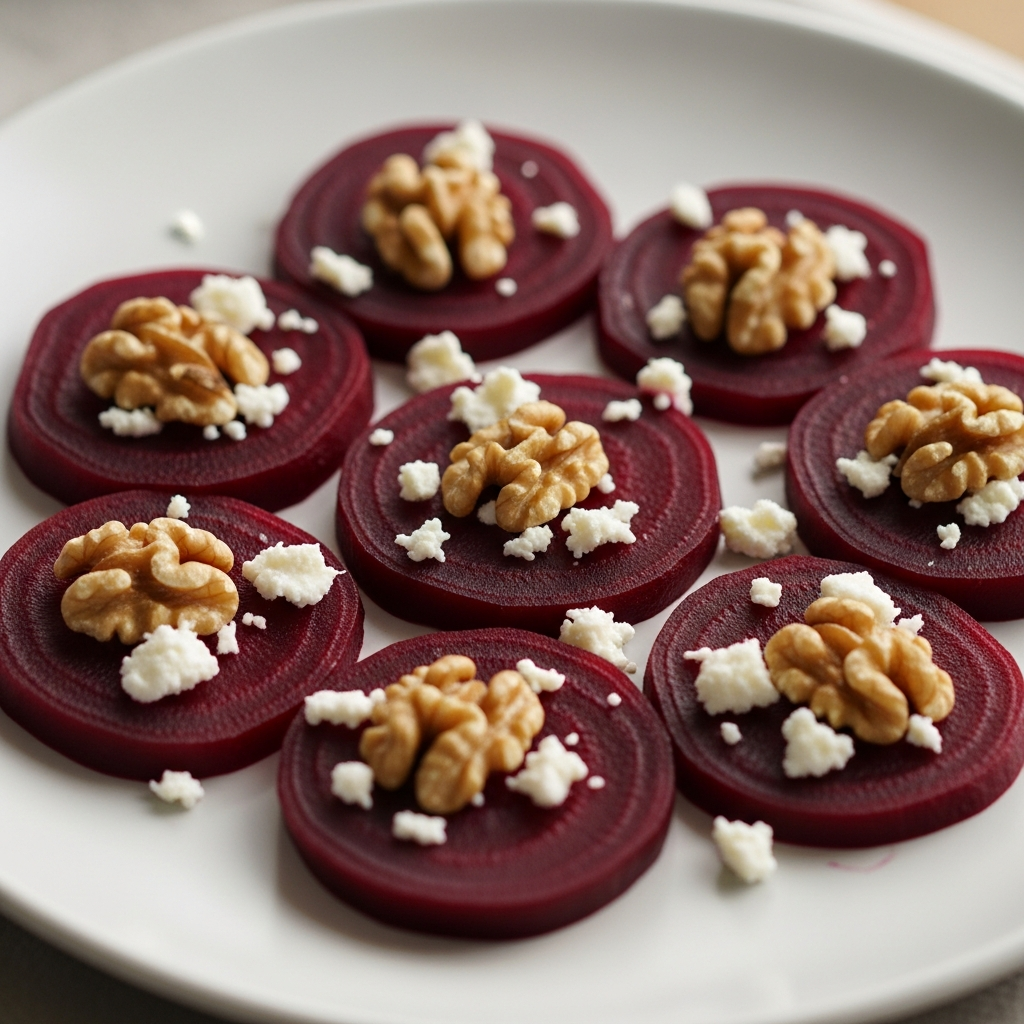
Beets contain unique pigments called betalains, which have been shown to reduce inflammation and protect against oxidative stress. Boil or roast fresh beets and toss them with a small amount of feta cheese and walnuts. The combination of earthy beets and crunchy nuts provides a complex flavor profile that is both healthy and affordable.
16. Garlic Roasted Brussels Sprouts with Quinoa
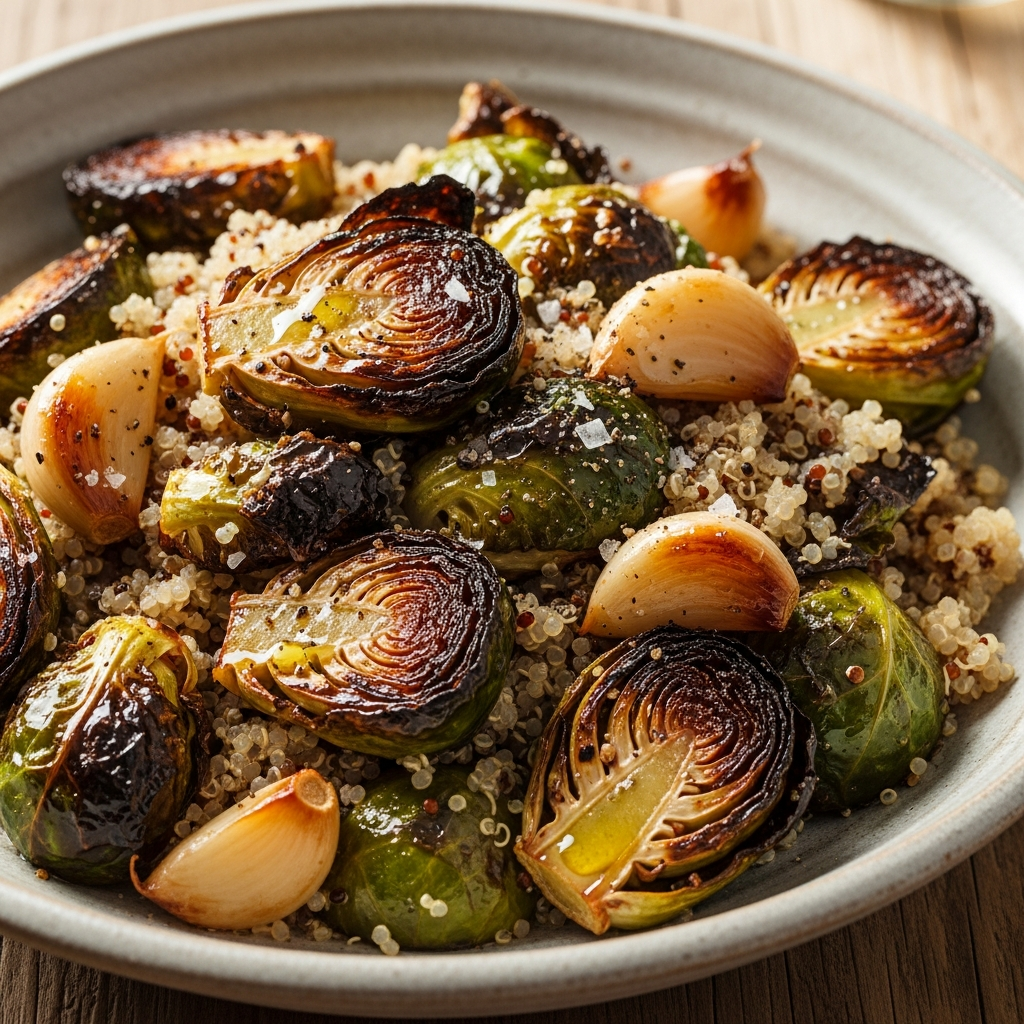
Brussels sprouts are high in fiber and omega-3 fatty acids (ALA). Roasting them with garlic enhances their natural flavor and boosts their health benefits. Toss the roasted sprouts with cooked quinoa for a protein-rich lunch that supports a healthy gut microbiome, which is the first line of defense against inflammation.
17. Savory Oatmeal with Spinach and Seeds
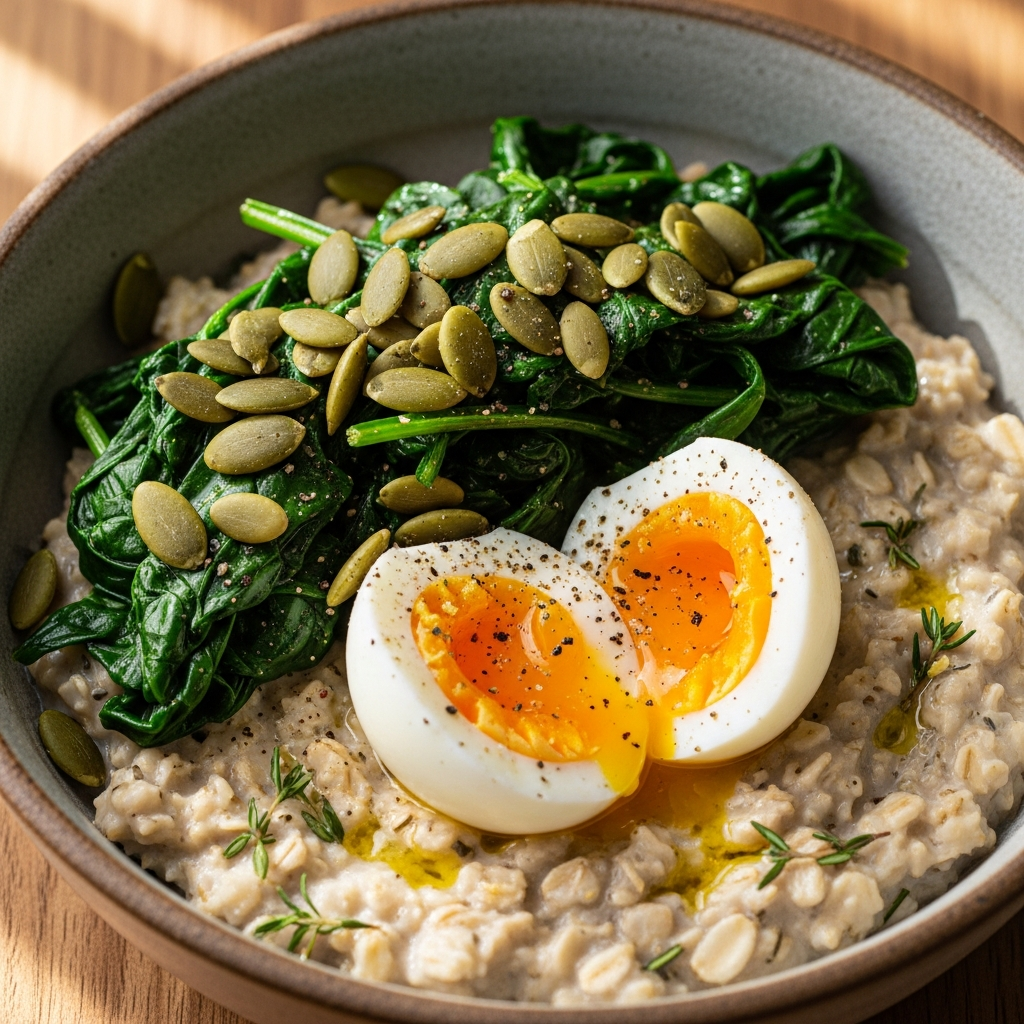
Oats are not just for breakfast. A savory bowl of oats topped with sautéed spinach, pumpkin seeds, and a dash of soy sauce makes for a filling and anti-inflammatory lunch. Oats contain a specific type of fiber called beta-glucan, which is known for its heart-healthy and immune-modulating effects.
Conclusion
Incorporating anti-inflammatory foods into your daily routine is a sustainable way to improve your long-term health. As shown through these seventeen recipes, budget-friendly ingredients like beans, cabbage, canned fish, and whole grains can be transformed into delicious and nutritious lunches. By prioritizing these whole foods and minimizing processed ingredients, you can effectively manage inflammation while remaining mindful of your financial goals.