Embarking on a weight loss journey is a powerful step towards a healthier you. Often, our first instinct is to step on the bathroom scale and watch the numbers drop. While seeing the pounds decrease can be motivating, the scale doesn’t tell the whole story. True, sustainable progress in health and fitness isn’t just about losing “weight;” it’s about improving your body composition – specifically, reducing body fat while preserving or even building lean muscle.
Understanding your body fat percentage offers a much clearer picture of your progress than simply looking at overall weight. It helps you see if your efforts are leading to the right kind of changes. This is where body fat monitors come in. They provide valuable insights, helping you make informed decisions about your nutrition and exercise, and ultimately, guiding you more effectively towards your goals. Let’s explore why tracking body fat matters and what the best tools are to help you do it.
Why Track Body Fat, Not Just Weight?
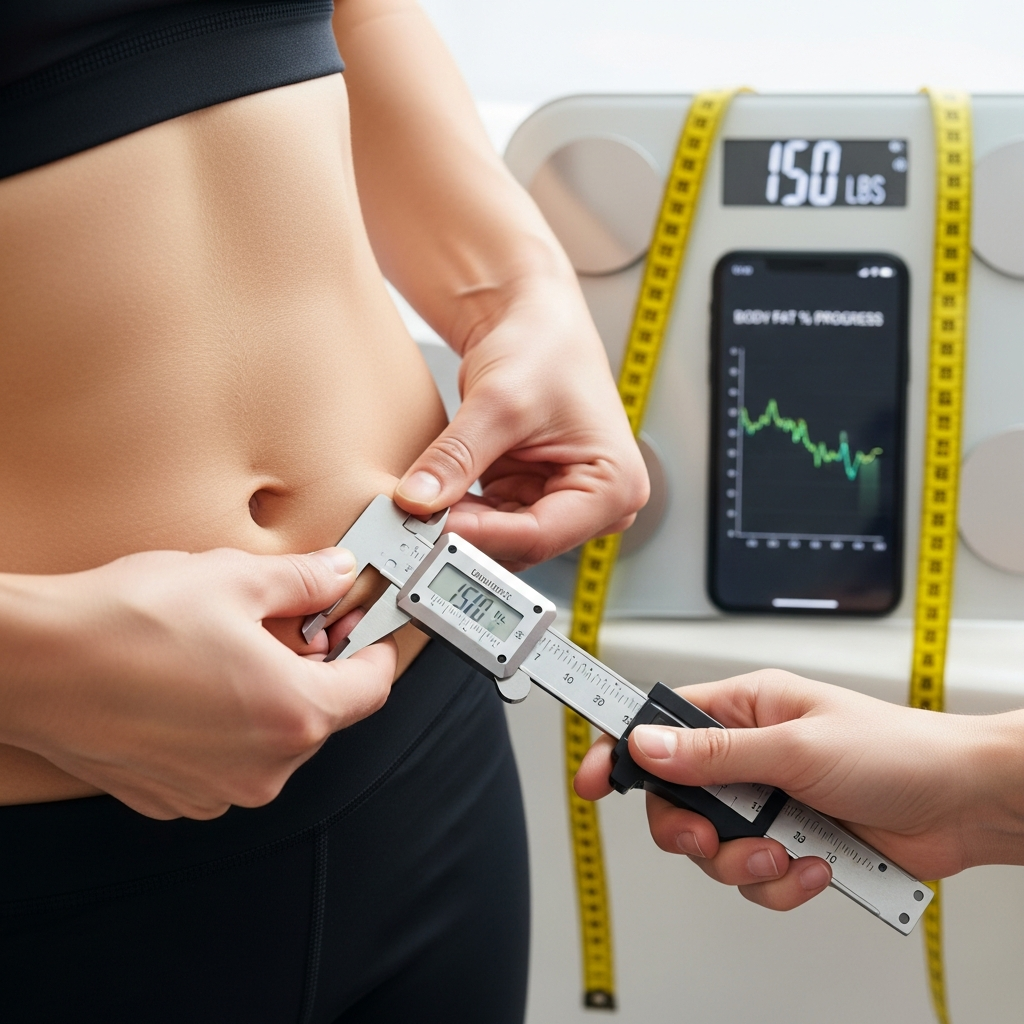
For many, “weight loss” is the primary goal. However, focusing solely on the number on the scale can be misleading and sometimes even discouraging. True health and fitness go beyond that single number.
The Limitations of the Scale
Your body weight is a combination of everything: muscle, fat, bone, water, and even the food you’ve eaten recently. This means daily fluctuations can be significant, often due to changes in hydration or digestion, not actual fat loss or gain. You could be losing fat and gaining muscle, which is fantastic progress, but the scale might not budge, or could even go up. This can make you feel like your hard work isn’t paying off.
Understanding Body Composition
Body composition refers to the proportion of fat and fat-free mass (muscle, bone, water, organs) in your body. When you improve your body composition, you’re building a stronger, healthier you. Losing body fat and building muscle helps improve metabolism, strength, and overall well-being. Tracking body fat gives you a more accurate and nuanced understanding of these crucial changes.
Motivation Beyond Numbers
Shifting your focus from weight to body fat and muscle can be incredibly empowering. It helps you appreciate non-scale victories like increased strength, improved endurance, and clothes fitting better, even if the scale hasn’t moved. When you see your body fat percentage decrease, you know you’re making real, physiological improvements that contribute to long-term health.
Different Ways to Measure Body Fat
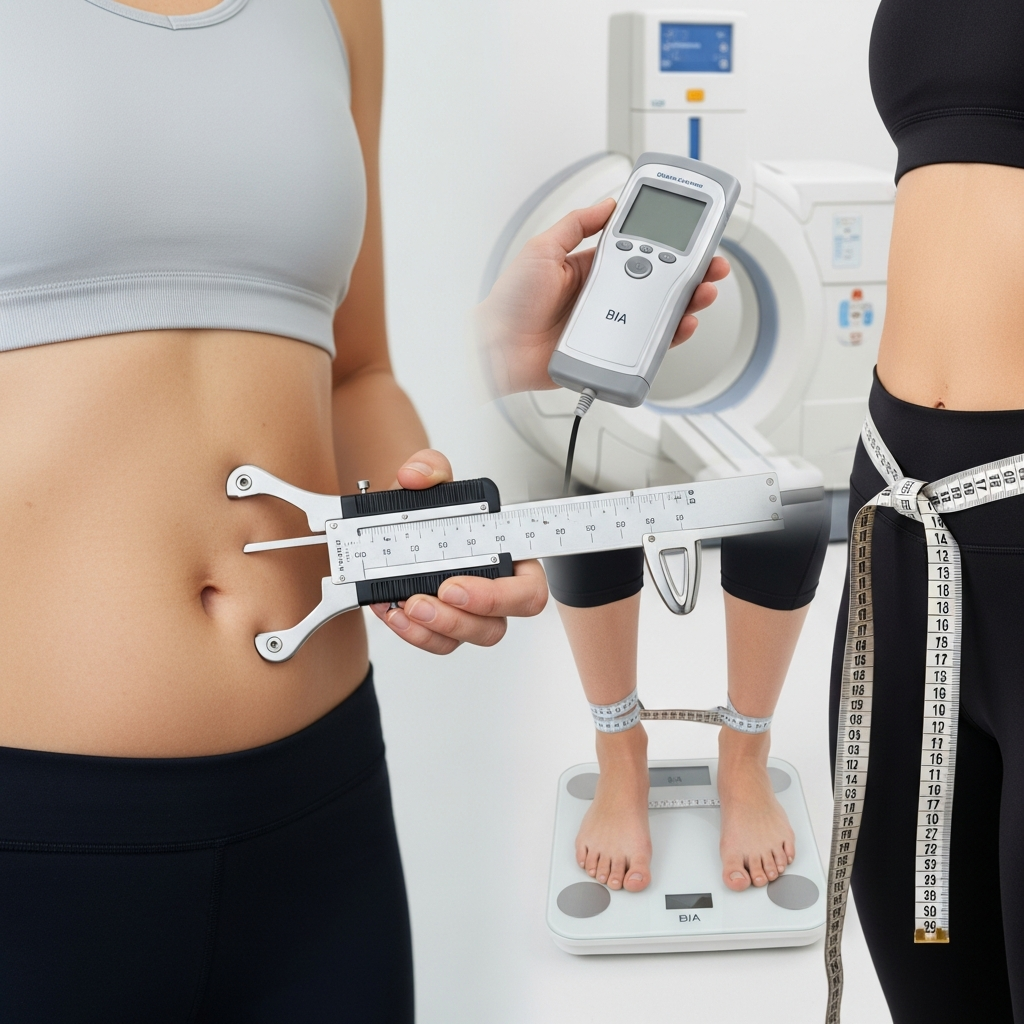
There are several methods available for measuring body fat, ranging from simple at-home devices to more clinical and precise techniques. Each has its own advantages and disadvantages.
Bioelectrical Impedance Analysis (BIA) Scales
These are the most common and accessible body fat monitors for home use, often integrated into regular bathroom scales.
How BIA Scales Work
When you stand on a BIA scale, a small, safe electrical current is sent through your body. Fat tissue has a higher resistance to this current than lean muscle tissue, which contains more water. The device measures how quickly the current travels and uses an algorithm, along with your age, gender, and height, to estimate your body fat percentage.
Pros and Cons
* Pros: Convenient, affordable, easy to use at home, provides consistent tracking data over time. Many models sync with apps for progress tracking.
* Cons: Accuracy can vary widely depending on hydration levels, recent activity, and even the time of day. Readings are estimates and can be inconsistent if not used under controlled conditions.
Tips for Accurate Readings
For the most consistent readings, always measure at the same time of day (e.g., first thing in the morning before eating or drinking), ensure you are adequately hydrated but not overhydrated, and avoid measuring right after a workout or a hot shower.
Handheld BIA Devices
Similar to BIA scales, these devices are held in your hands, sending an electrical current from one hand to the other.
How Handheld Devices Work
The principle is the same as BIA scales, but the current primarily travels through your upper body. Some devices use both hand and foot sensors for a fuller body measurement.
Pros and Cons
* Pros: Portable, generally more affordable than some advanced scales. Can be useful for quick checks on the go.
* Cons: Often less accurate than full-body BIA scales as they only measure part of the body. Still susceptible to hydration and other variables.
Calipers (Skinfold Measurement)
This method involves manually pinching and measuring the thickness of skinfolds at specific sites on the body.
How Calipers Work
A trained individual (or yourself, with practice) uses a caliper to pinch specific areas where fat tends to accumulate, such as the triceps, biceps, subscapular (shoulder blade), and suprailiac (hip) regions. These measurements are then entered into a formula to estimate body fat percentage.
Pros and Cons
* Pros: Relatively inexpensive once you own the tool. Can be very accurate in experienced hands. Provides a tangible measurement of fat deposits.
* Cons: Requires practice and skill to get consistent and accurate readings. Can be difficult to do on yourself for all sites. Less convenient for quick, regular checks.
Tips for Accurate Readings
Always measure the same sites, pinch firmly but without causing pain, and repeat measurements a few times to ensure consistency. It’s often best to have another person perform the measurements if you’re not highly experienced.
DEXA Scans (Dual-Energy X-ray Absorptiometry)
Considered one of the gold standards for body composition analysis, DEXA scans are clinical, precise measurements.
How DEXA Scans Work
A DEXA scanner uses two different X-ray beams to scan your body. It differentiates between bone mass, lean mass (muscle, organs, water), and fat mass with high accuracy. The scan provides a detailed report, including total body fat percentage, regional fat distribution, and bone density.
Pros and Cons
* Pros: Highly accurate and reliable. Provides detailed regional analysis. Relatively quick and non-invasive.
* Cons: More expensive and less accessible as it requires a visit to a specialized clinic or medical facility. Not practical for very frequent tracking.
Hydrostatic Weighing (Underwater Weighing)
Historically considered a gold standard, this method relies on the principle of water displacement.
How Hydrostatic Weighing Work
You are weighed on land and then weighed again while fully submerged in a tank of water. Because fat is less dense than muscle and bone, a person with a higher body fat percentage will weigh less underwater than a person with the same total weight but a higher lean mass.
Pros and Cons
* Pros: Very accurate. Provides a comprehensive body fat percentage.
* Cons: Inconvenient, requiring specialized equipment and a trained operator. Can be uncomfortable for some people. Not practical for regular tracking.
Choosing the Right Body Fat Monitor for You
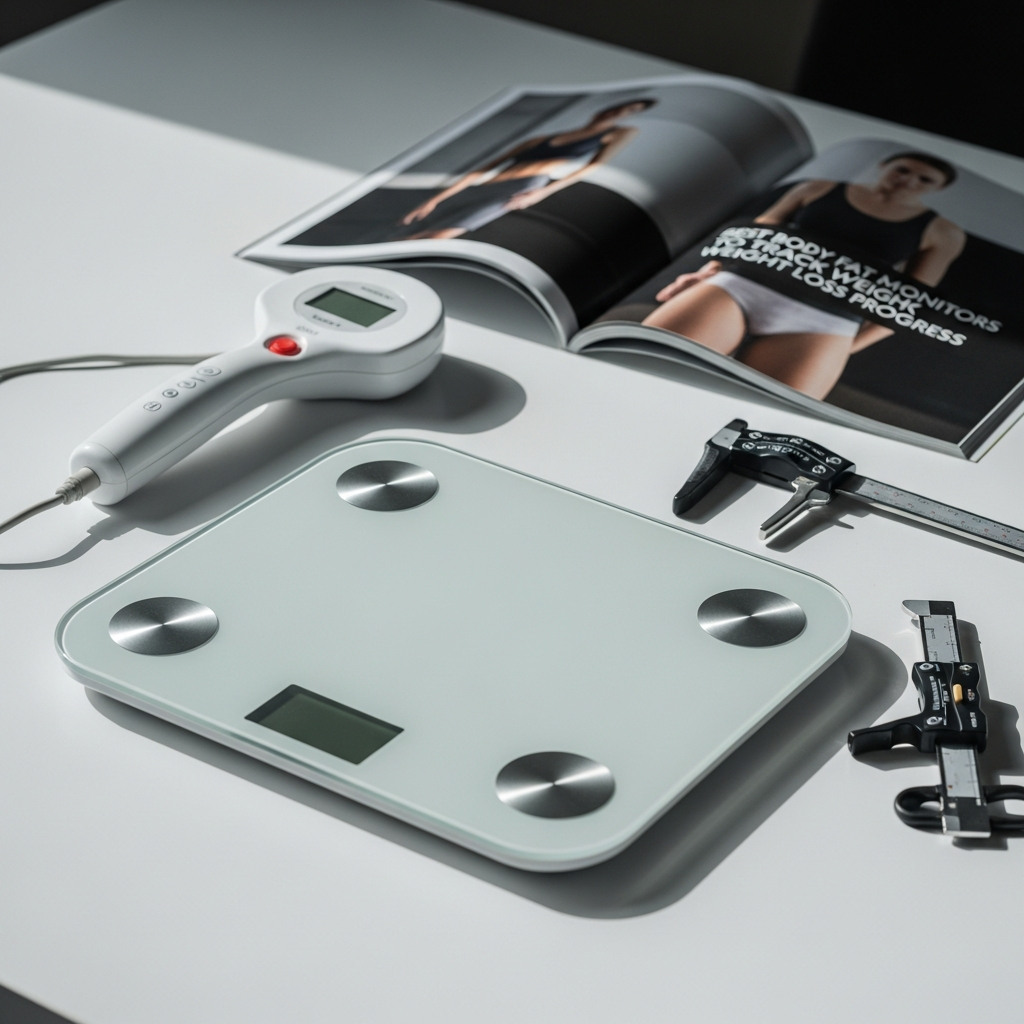
With so many options, picking the best body fat monitor depends on your personal needs, budget, and goals.
Factors to Consider
Accuracy vs. Convenience
Do you need the most precise measurement possible (like for competitive athletes), or is consistent, relative tracking for personal progress more important? For most people, a good balance of accuracy and convenience is key for regular use.
Cost
BIA scales and calipers are generally affordable, while DEXA scans and hydrostatic weighing are significantly more expensive and often require a professional appointment.
Ease of Use
For daily or weekly tracking, an at-home BIA scale is hard to beat. Calipers require a bit more skill, and clinical methods need appointments.
Consistency of Measurement
Regardless of the absolute accuracy, the *consistency* of your chosen method is paramount. If you use the same device under similar conditions each time, you’ll be able to track trends in your body composition reliably.
Personal Goals
If you’re an everyday person focused on general health and fitness, a good quality BIA scale is usually sufficient. If you’re a bodybuilder or an elite athlete where every percentage point matters, you might consider occasional DEXA scans to complement your home monitoring.
Practical Recommendations
* For Home Use and Regular Tracking: A high-quality BIA smart scale that connects to an app is often the best choice. Look for models with multiple sensors (both feet and possibly hands) and positive user reviews for consistency. Brands like Renpho, Eufy, and Withings offer popular options.
* For Occasional, Highly Accurate Checks: Consider a DEXA scan every few months to get a precise benchmark of your progress. This can be a great way to validate your home readings or to get a deep dive into your body composition.
How to Use Your Body Fat Monitor for Real Progress
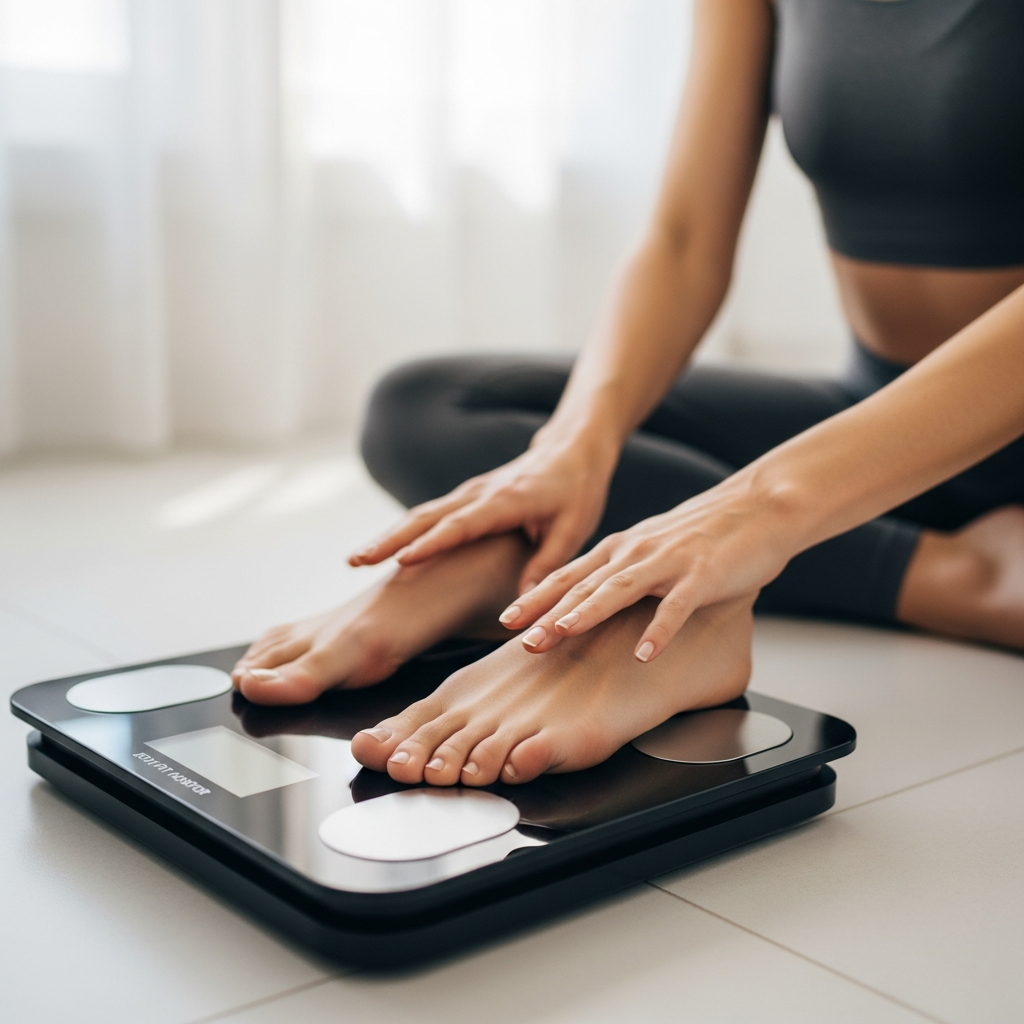
Having a body fat monitor is just the first step. The real magic happens when you use the data smartly to inform your actions.
Establish a Baseline
When you first start, take several measurements over a few days to get an average reading. This establishes your starting point and accounts for any immediate fluctuations.
Be Consistent with Measurements
Consistency is king. Choose a regular day and time each week to measure your body fat.
Time of Day
First thing in the morning, after using the restroom, before eating or drinking anything, is usually the most consistent time.
Hydration Levels
Ensure you are consistently hydrated. Dehydration can lead to higher body fat readings on BIA devices, while over-hydration might show lower. Aim for similar hydration levels each time you measure.
Before/After Workouts
Avoid measuring immediately after a workout. Exercise can temporarily affect hydration and blood flow, skewing BIA readings. Give your body a few hours to normalize.
Look for Trends, Not Daily Fluctuations
Don’t obsess over a single reading. Your body fat percentage won’t drop dramatically overnight. Instead, look at the trend over weeks and months. A gradual, consistent downward trend is what you’re aiming for. Use the data as guidance, not gospel.
Integrate with Other Metrics
Body fat percentage is a powerful metric, but it’s even better when combined with other forms of progress tracking:
* Circumference Measurements: Use a tape measure to track changes in your waist, hips, arms, and thighs.
* Progress Photos: Take photos every 4-6 weeks from the same angles in the same lighting. Visual changes can be incredibly motivating.
* Performance Metrics: Are you getting stronger in your workouts? Can you run further or faster? These are huge indicators of progress.
* How Your Clothes Fit: Often, your clothes will feel looser long before the scale or even body fat percentage shows a significant drop.
Adjust Your Habits Based on Data
If your body fat isn’t moving in the direction you want after several weeks, it might be time to gently adjust your habits.
* Nutrition: Review your food intake. Are you consistently in a slight calorie deficit? Are you eating enough protein?
* Exercise: Are you challenging yourself enough? Is your activity consistent? Could you add more movement into your daily routine?
*Recovery: Are you getting enough sleep? Is your stress managed? These factors impact body composition.
Mindset and Consistency: Staying on Track
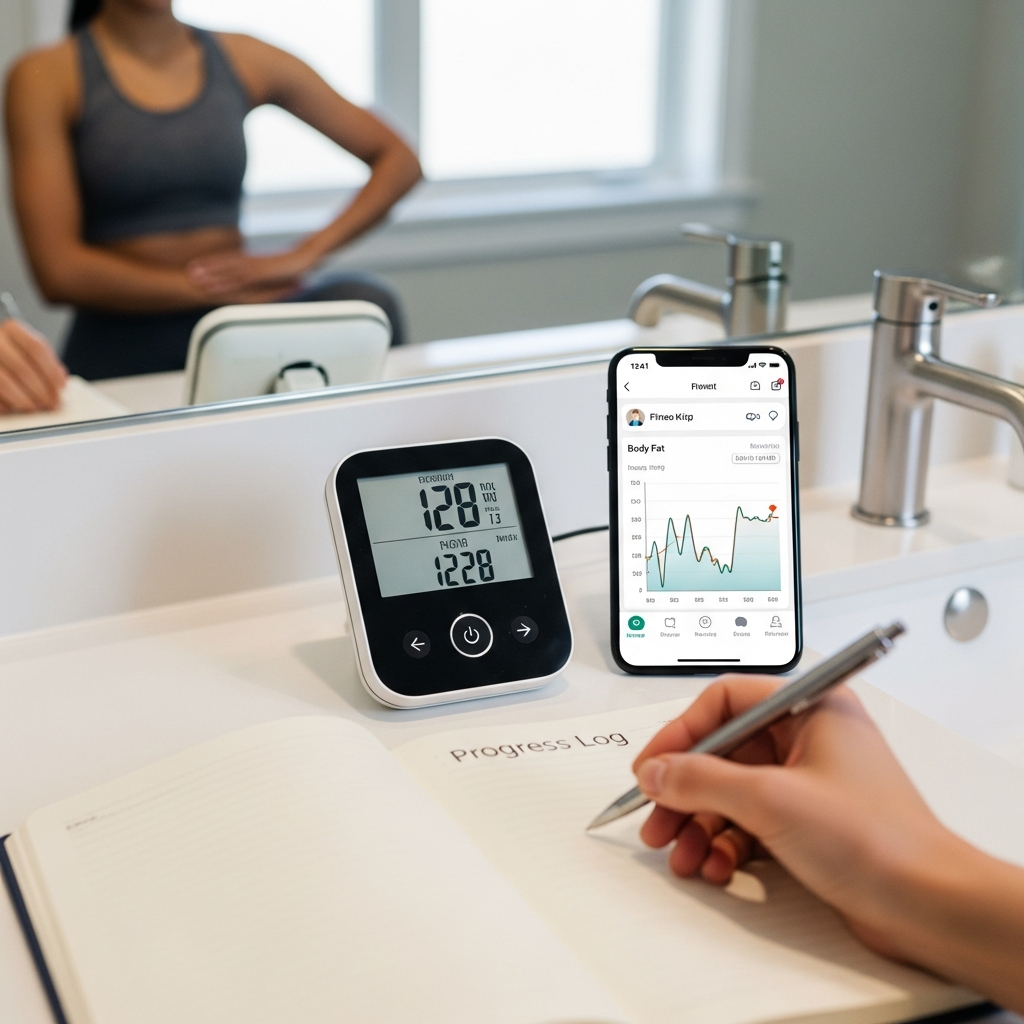
Tracking body fat is a tool, but your mindset and consistency are what truly drive results.
Patience is Key
Body composition changes take time. Be patient with yourself and trust the process. There will be weeks where progress seems slow or even stalls. This is normal.
Celebrate Small Wins
Acknowledge every step forward, no matter how small. Fitting into an old pair of jeans, increasing your protein intake for a week, or consistently hitting your workouts – these are all victories to celebrate.
Don’t Obsess Over Numbers
The goal is health and well-being, not just a number on a screen. Use the data as a guide, not a dictator. If numbers cause anxiety, step back and focus on how you feel.
Focus on Lifestyle Changes
Sustainable progress comes from making consistent, enjoyable lifestyle changes that you can stick with long-term. Focus on building healthy habits around nutrition, movement, sleep, and stress management.
Seek Support
Share your journey with a friend, family member, or a coach. Having a support system can provide encouragement and accountability when you need it most.