

Chances are, you have a grinder or shaker of black pepper on your kitchen counter right now. It’s one of the most common spices, found in nearly every cuisine worldwide. We sprinkle it on eggs, steak, salads, and soups, almost instinctively, for that familiar zing and warmth. But what if we told you that this everyday spice is much more than just a flavor enhancer?
Black pepper, often called the “King of Spices,” holds a surprising array of nutritional value and potential health benefits that go far beyond its pungent taste. From boosting your body’s ability to absorb other nutrients to offering powerful antioxidant support, this humble peppercorn is a tiny powerhouse. Let’s delve into the science-backed reasons why black pepper deserves a permanent, cherished spot in your health and wellness routine.
More Than Just a Spice: The Story of Black Pepper
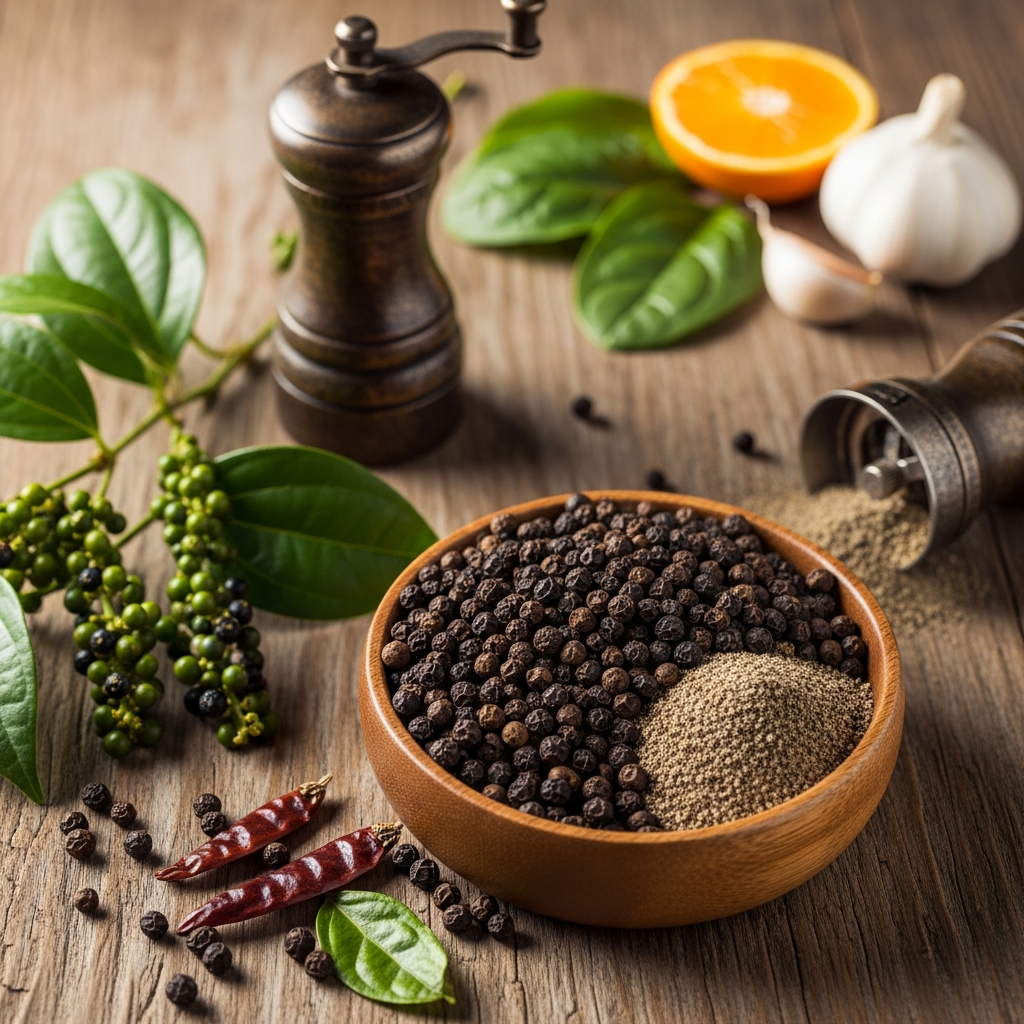
Black pepper comes from the dried fruit of the *Piper nigrum* flowering vine, native to South India. For centuries, it has been prized not only for its culinary uses but also for its medicinal properties in traditional practices. Its historical significance is so profound that it was once used as a form of currency.
The different colors of peppercorns you see – black, white, and green – all come from the same plant. The difference lies in the harvesting and processing methods. Black peppercorns are cooked and dried, which gives them their wrinkled texture and distinct robust flavor.
Peeling Back the Layers: Black Pepper’s Nutritional Profile
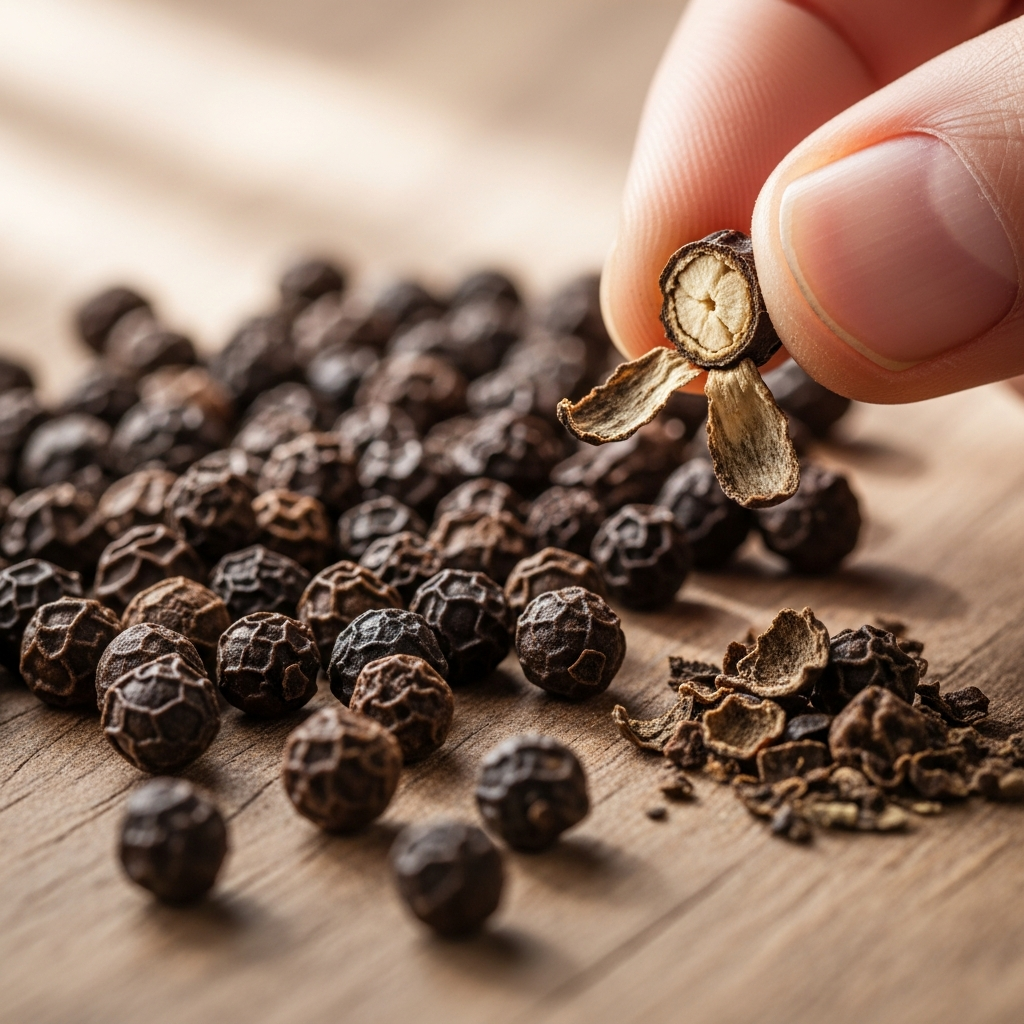
While you typically use black pepper in small amounts, adding just a dash to your meals can contribute a surprising boost of nutrients. It might not be a primary source of any single vitamin or mineral, but its cumulative impact over time is worth noting.
Let’s look at the approximate nutritional breakdown for a typical serving, like one tablespoon (about 6 grams) of ground black pepper:
Key Nutrients in Black Pepper
* Calories: Approximately 17 calories.
* Carbohydrates: About 4.5 grams, with a good portion of that being dietary fiber (around 1.8 grams). Fiber is excellent for digestive health.
* Vitamins:
* Vitamin K: Essential for blood clotting and bone health.
* Vitamin A: Important for vision, immune function, and skin health.
* Vitamin C: A well-known antioxidant that supports immunity.
* Minerals:
* Manganese: Plays a role in bone health, metabolism, and antioxidant defense.
* Iron: Crucial for oxygen transport in the blood and energy production.
* Calcium: Vital for strong bones and teeth.
* Potassium: Supports heart health and fluid balance.
Beyond these common nutrients, black pepper’s most celebrated compound is piperine, which is responsible for both its sharp taste and many of its health-promoting effects.
The Power of Piperine: Black Pepper’s Star Compound
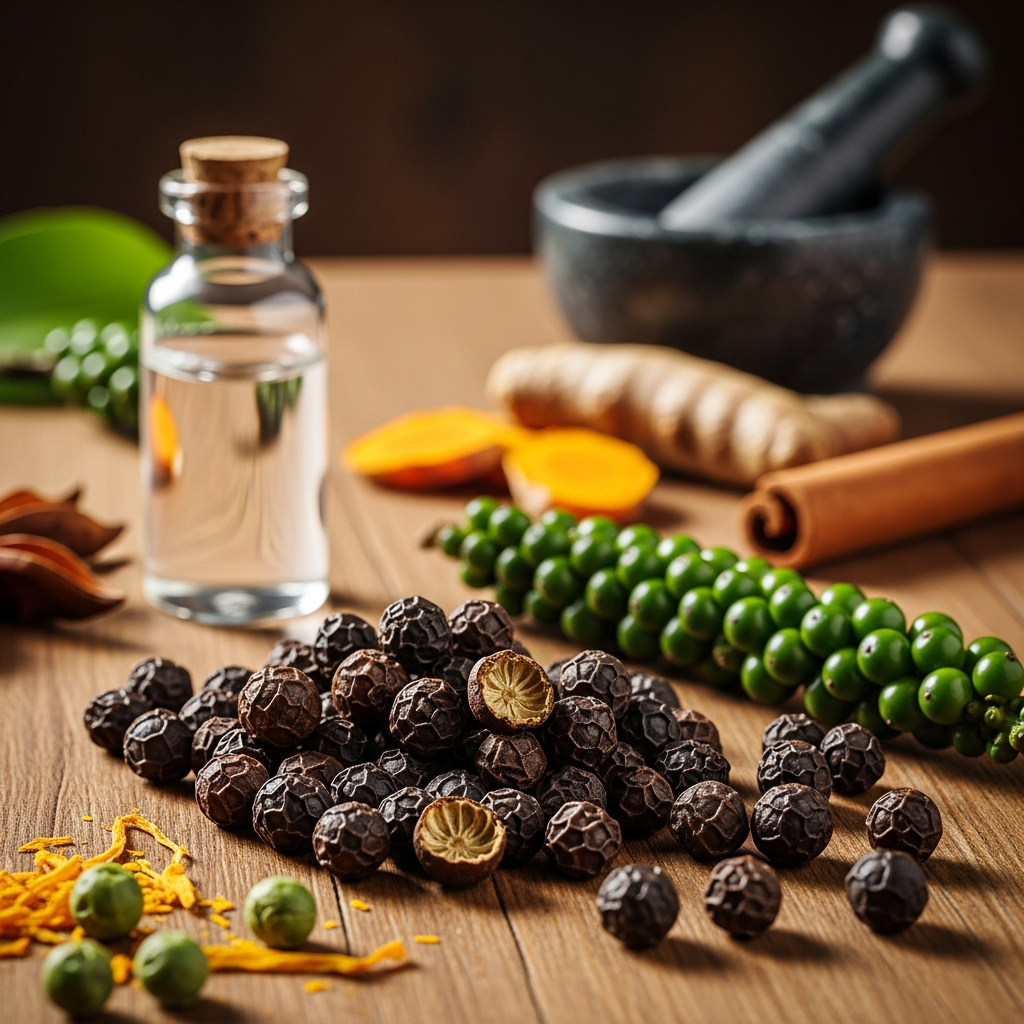
Piperine is an alkaloid, a natural organic compound, that gives black pepper its characteristic pungent flavor. It’s not just a taste factor, though. Piperine is a potent bioactive compound that researchers believe is behind most of black pepper’s therapeutic actions.
This amazing compound is what elevates black pepper from a simple seasoning to a functional food with significant health implications. Its influence on various bodily processes is a key reason why black pepper is garnering so much attention in the health and wellness community.
Unlocking the Benefits: How Black Pepper Supports Your Health
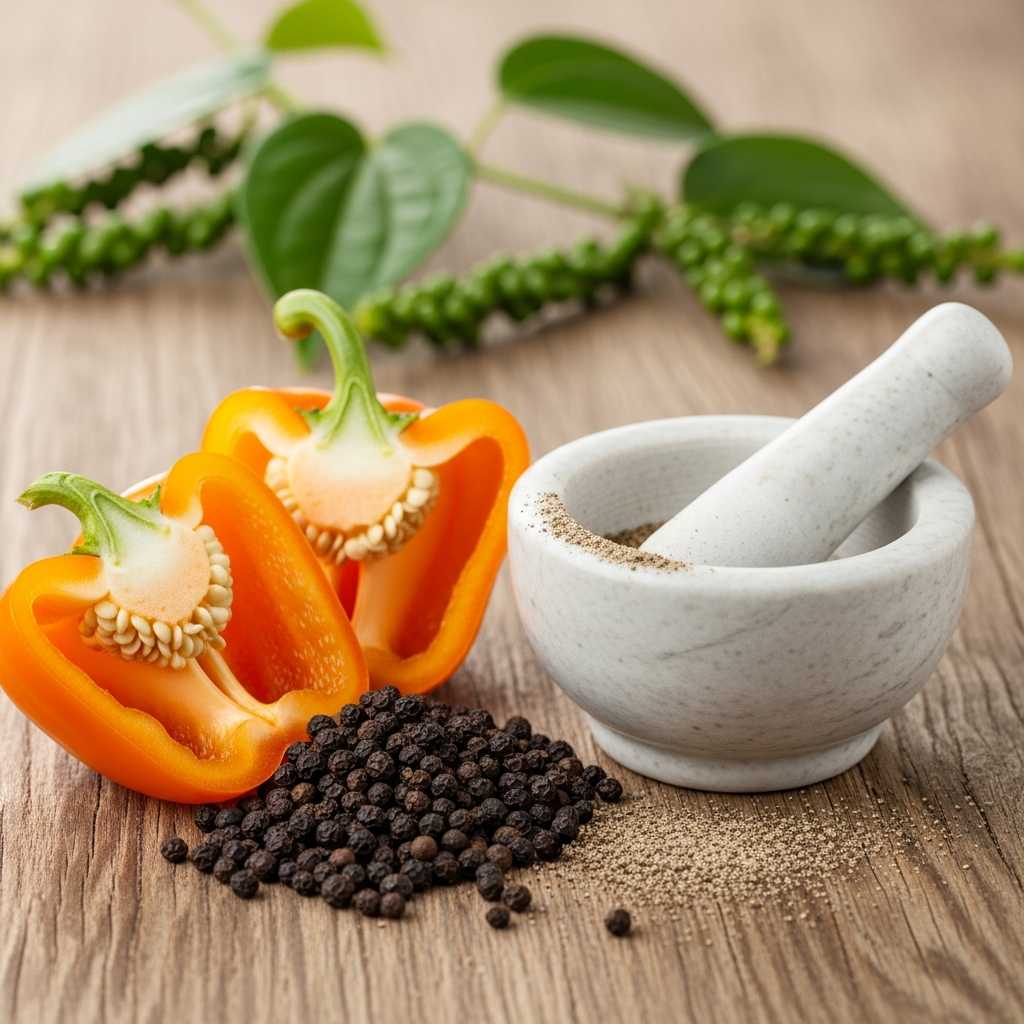
The humble black peppercorn, thanks largely to piperine, offers a wide range of potential health advantages that can support your overall well-being.
Enhancing Nutrient Absorption (The “Bioavailability Booster”)
Perhaps one of black pepper’s most famous benefits is its ability to increase the bioavailability of other nutrients. This means it helps your body absorb and utilize vitamins, minerals, and other beneficial compounds more effectively.
Boosting Curcumin Absorption
This is a big one! Curcumin, the active compound in turmeric, is incredibly beneficial but poorly absorbed on its own. Piperine has been shown to enhance curcumin absorption by a staggering 2,000% in some studies. This is why you often see recipes or supplements combining turmeric and black pepper.
Improving B Vitamin and Selenium Uptake
Piperine may also enhance the absorption of B vitamins, which are vital for energy production, and selenium, an important antioxidant mineral. By making these nutrients more accessible, black pepper helps maximize the benefits of the healthy foods you eat.
Powerful Antioxidant Properties
Antioxidants are crucial for protecting your cells from damage caused by free radicals. These unstable molecules contribute to aging and various chronic diseases. Black pepper, particularly its piperine content, acts as a potent antioxidant.
Regular intake of black pepper can help reduce oxidative stress in the body. This protective action is vital for maintaining cellular health and overall bodily function.
Supporting Digestive Health
Black pepper has traditionally been used to aid digestion, and modern science is starting to understand why.
Stimulating Digestive Enzymes
Piperine stimulates the taste buds, signaling the stomach to increase hydrochloric acid secretion. This is essential for breaking down proteins and other foods, improving overall digestion. Better digestion means your body can extract more nutrients from your meals.
Promoting Gut Health
Some research suggests that black pepper may also have a positive effect on the beneficial bacteria in your gut. A healthy gut microbiome is linked to everything from improved digestion to enhanced immunity and even mood.
Potential Anti-Inflammatory Effects
Chronic inflammation is a silent threat, linked to many serious health conditions like heart disease, diabetes, and certain cancers. Black pepper has shown promising anti-inflammatory properties.
Piperine appears to reduce inflammation in the body by modulating various inflammatory pathways. While more research is needed in humans, early studies suggest it could be a valuable natural tool for managing inflammatory responses.
Brain Health and Cognitive Function
Emerging research indicates that black pepper could offer benefits for your brain.
Protecting Brain Cells
The antioxidant and anti-inflammatory effects of piperine may help protect brain cells from damage. This could potentially reduce the risk of neurodegenerative conditions.
Potential for Mood Enhancement
Some animal studies hint at piperine’s potential to improve mood and reduce symptoms of depression, possibly by interacting with neurotransmitter systems. While exciting, this area requires much more human research.
Supporting Blood Sugar Control
Keeping blood sugar levels stable is key for energy and preventing chronic diseases. Early studies suggest that black pepper might play a role in this area.
Piperine has been shown to improve insulin sensitivity, meaning your cells respond better to insulin, which helps lower blood sugar. It’s a promising area, especially for those looking to manage blood sugar naturally.
Weight Management Ally
While not a magic bullet, black pepper could be a helpful addition to a weight management strategy.
Metabolic Boost
Piperine has been observed to have mild thermogenic properties, meaning it can slightly increase your metabolism and calorie burning. This tiny boost, combined with a healthy diet and exercise, can contribute over time.
Fat Cell Inhibition
Preliminary lab studies suggest piperine may interfere with the formation of new fat cells. This research is in its very early stages, but it highlights another interesting aspect of this powerful spice.
Respiratory Relief
Black pepper has been a common ingredient in home remedies for coughs and colds.
Its expectorant properties can help break up mucus and phlegm, providing some relief from congestion. A warm drink with a pinch of pepper is a traditional way to soothe a sore throat.
Potential Anti-Cancer Properties
This is an area of ongoing and exciting research. Lab and animal studies have shown that piperine may have anti-cancer effects.
It appears to inhibit the growth of cancer cells, reduce inflammation that contributes to cancer development, and even enhance the effectiveness of certain chemotherapy drugs. This research is still in its infancy, and black pepper should not be seen as a cancer treatment, but it underscores its remarkable potential.
Incorporating Black Pepper into Your Daily Life

Adding more black pepper to your diet is incredibly easy and offers a simple, consistent way to boost your health.
Simple Ways to Use Black Pepper
* Freshly Ground is Best:** While pre-ground pepper is convenient, freshly ground peppercorns retain more of their volatile oils and, thus, more flavor and beneficial compounds like piperine. Invest in a good pepper grinder!
* Season Everything:** Don’t be shy! Sprinkle it on eggs, avocado toast, salads, roasted vegetables, grilled meats, fish, soups, and stews.
* Pair with Turmeric:** For maximum benefit, always add black pepper when you’re using turmeric. Think curries, golden milk lattes, or even a simple turmeric and pepper seasoning for roasted potatoes.
* Marinades and Dressings:** Incorporate black pepper into your homemade marinades and salad dressings for an extra layer of flavor and health benefits.
* Unexpected Places:** A dash of black pepper can even enhance the flavor of certain fruits like strawberries or pineapple, creating an interesting sweet-and-spicy contrast.
A Week of Pepper-Enhanced Meals
Here’s how easily you can weave black pepper into your week for consistent benefits:
* Monday: Start the day with scrambled eggs and a generous grind of black pepper. Lunch could be a simple chicken and veggie salad with a pepper vinaigrette.
* Tuesday: For breakfast, try whole-wheat toast with avocado and black pepper. Dinner, a comforting lentil soup with a pinch of black pepper and turmeric.
* Wednesday: Mix black pepper into your Greek yogurt with savory spices for a quick dip or spread. Roast some root vegetables like carrots and parsnips with olive oil and black pepper for dinner.
* Thursday: A hearty quinoa bowl for lunch, seasoned with your favorite spices and a good amount of black pepper. Dinner, baked salmon with lemon and freshly cracked pepper.
* Friday: Whip up a quick stir-fry with your favorite vegetables and protein, adding black pepper towards the end of cooking to preserve its flavor.
* Saturday: Enjoy a homemade pizza or flatbread, ensuring a good sprinkle of black pepper over the sauce and cheese.
* Sunday: Prepare a golden milk latte with turmeric, a dash of ginger, and crucially, a pinch of black pepper. For dinner, make a flavorful curry, ensuring both turmeric and black pepper are present.
Mindset and Consistency
Adding black pepper to your meals isn’t about making a drastic change; it’s about embracing a small, consistent habit that can lead to significant cumulative benefits. Think of it as a tiny, daily investment in your health. Don’t stress about exact measurements; just get into the rhythm of adding it to most of your savory dishes. Consistency over perfection is always the key to lasting healthy habits. Every little sprinkle adds up!
Things to Consider: Is Black Pepper Right for Everyone?

While black pepper is generally safe for most people, it’s wise to be aware of a few considerations.
Potential Side Effects
* Stomach Upset: Consuming very large amounts of black pepper can sometimes cause stomach upset, especially for those with sensitive stomachs.
* Acid Reflux: If you suffer from acid reflux or GERD, black pepper might aggravate your symptoms due to its ability to increase stomach acid.
* Medication Interactions: Piperine can increase the absorption of certain medications. This can be beneficial in some cases, but it can also make some drugs more potent than intended, potentially leading to side effects. If you are on medication, especially blood thinners, ask your doctor or pharmacist about potential interactions.
Quality Matters
To get the most out of black pepper, consider its quality.
* Whole Peppercorns: Opt for whole, organic peppercorns whenever possible. They retain their freshness, flavor, and beneficial compounds much longer than pre-ground pepper.
* Storage: Store peppercorns in an airtight container in a cool, dark place to preserve their potency and flavor. Light and air can degrade their active compounds over time.