

Stepping into the world of natural health remedies often introduces us to fascinating foods with long histories and impressive reputations. One such food is bitter melon, a unique vegetable known globally for its distinct taste and a host of potential health benefits. While its name might hint at its challenging flavor profile, don’t let that deter you from exploring what this incredible plant has to offer.
For generations, bitter melon has been a staple in traditional medicine, particularly in Asian, African, and Caribbean cultures. Today, modern science is starting to catch up, studying this humble gourd to understand the real science behind its age-old claims. If you’re looking to add a powerful, nutrient-rich food to your diet and support your well-being, bitter melon might just be your next great discovery.
What Exactly Is Bitter Melon?

Bitter melon, scientifically known as *Momordica charantia*, is a tropical vine that belongs to the gourd family. It’s closely related to zucchini, squash, pumpkin, and cucumber. However, unlike its milder cousins, bitter melon has a rather unmistakable appearance and an even more unforgettable taste.
Origin and Appearance
Native to India and cultivated widely throughout Asia, Africa, and the Caribbean, bitter melon has many local names. You might hear it called bitter gourd, balsam pear, or karela, depending on where you are in the world. Its appearance is quite distinctive, usually elongated with a warty, bumpy, and often ridged skin, varying in color from light to dark green. Inside, it holds white pulp with seeds, which become red and slightly sweet when fully ripe.
Different Varieties
There are generally two main types of bitter melon you’ll encounter. The most common is the Chinese bitter melon, which is longer, paler green, and has a less intense bitterness. The Indian variety, on the other hand, is smaller, darker green, and features more pointed ends and a rougher, “spikier” texture, with a notably stronger bitter taste.
Its Unique Flavor
As its name suggests, bitter melon is… well, bitter! This distinctive flavor is due to compounds like cucurbitacins, which are also responsible for some of its health-promoting properties. While it might take some getting used to, many people come to appreciate its unique taste, especially when properly prepared and balanced with other ingredients.
A Closer Look at Bitter Melon’s Nutrition Profile
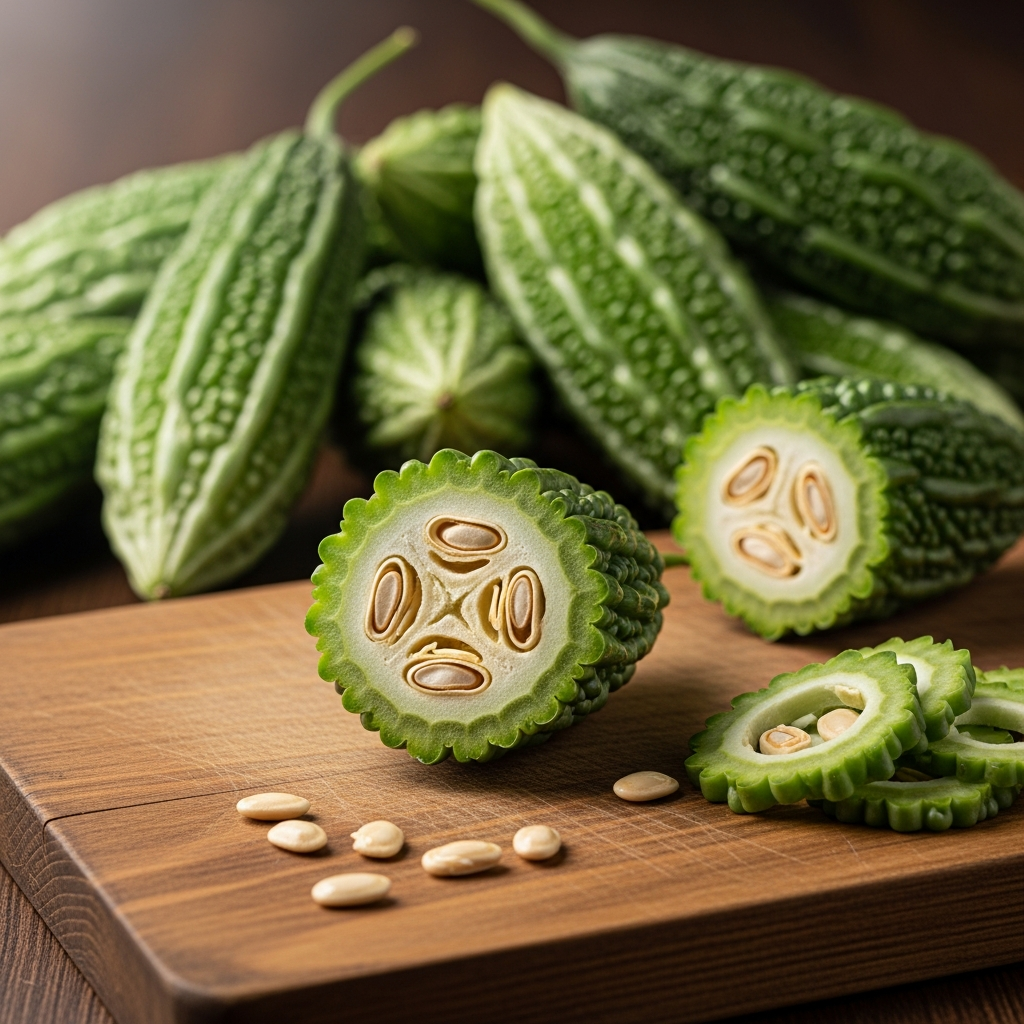
Don’t let the bitterness fool you; bitter melon is a nutritional powerhouse. It’s incredibly low in calories but surprisingly rich in vitamins, minerals, and potent plant compounds that contribute to its numerous health benefits. Think of it as nature’s multivitamin, wrapped in a challenging but rewarding package.
Why It’s a Nutritional Powerhouse
Eating bitter melon means you’re giving your body a generous dose of essential nutrients without a lot of extra calories. This makes it an excellent addition to any diet, especially if you’re focusing on whole, unprocessed foods to fuel your body and mind. It’s a fantastic way to boost your nutrient intake and feel more vibrant.
Key Nutrients
A single serving of bitter melon offers a remarkable array of benefits. Here’s a snapshot of what you get:
* Vitamins:
* Vitamin C: A powerful antioxidant crucial for immune function, skin health, and tissue repair. Just one cup of bitter melon can provide a significant portion of your daily recommended intake.
* Vitamin A: Important for vision, immune health, and healthy skin.
* Folate (Vitamin B9): Essential for cell growth and function, especially important during pregnancy.
* Minerals:
* Potassium: Vital for blood pressure regulation and fluid balance.
* Zinc: Plays a role in immune function, wound healing, and metabolism.
* Iron: Necessary for red blood cell production and oxygen transport.
* Fiber: High in dietary fiber, which is crucial for digestive health, satiety, and regulating blood sugar.
* Antioxidants: Beyond Vitamin C, bitter melon contains numerous other antioxidants, including flavonoids, phenols, and other phytochemicals, which protect your cells from damage.
* Low in Calories and Carbs: This makes it a perfect choice for those managing weight or blood sugar levels, allowing you to enjoy a satisfying meal without a heavy calorie load.
Unpacking the Health Benefits of Bitter Melon
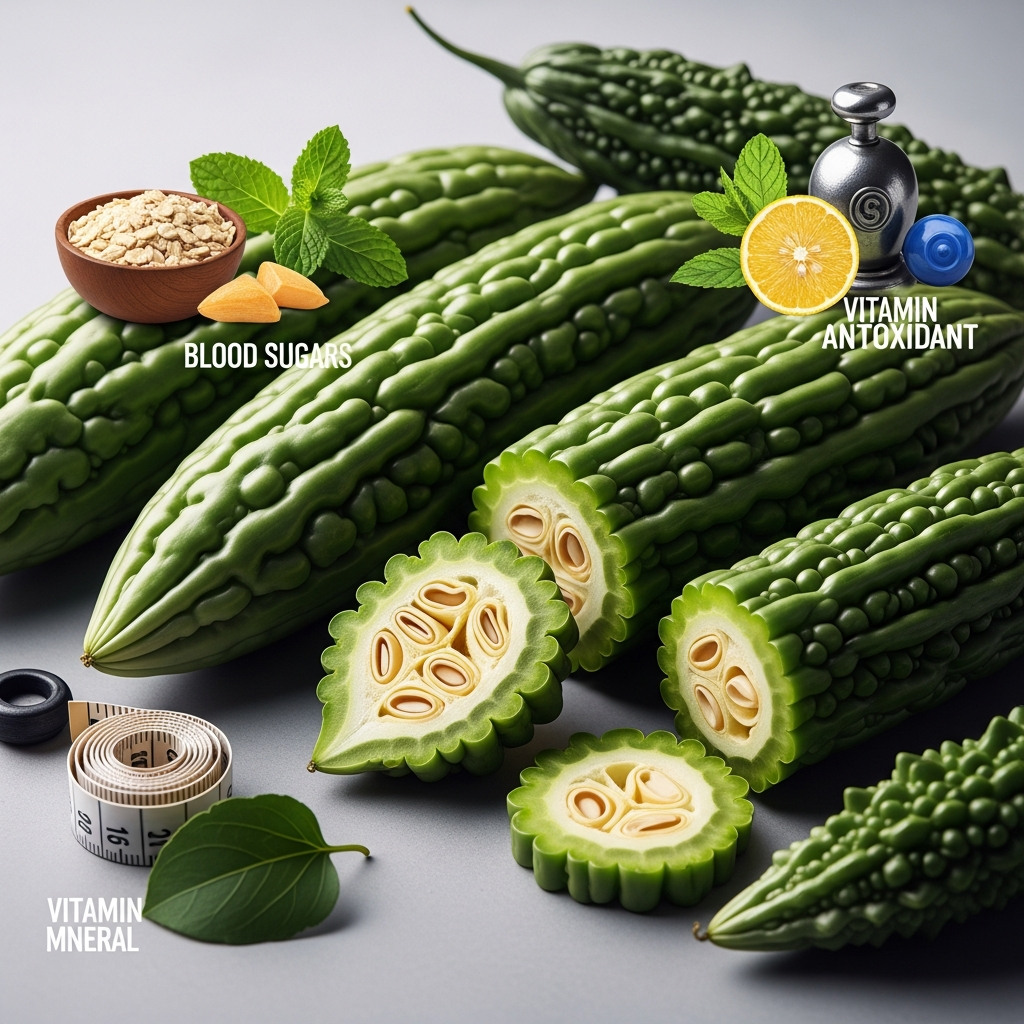
The nutritional profile of bitter melon translates into an impressive list of potential health advantages. These benefits have been observed in traditional medicine for centuries and are increasingly supported by scientific research.
Supporting Healthy Blood Sugar Levels
This is perhaps the most well-known and researched benefit of bitter melon, particularly for individuals looking to manage their blood sugar.
How It Works
Bitter melon contains several compounds that mimic insulin, a hormone responsible for controlling blood sugar. These include charantin, vicine, and polypeptide-p. These compounds help your body by:
* Improving glucose uptake in cells.
* Reducing glucose production in the liver.
* Protecting the cells that produce insulin in the pancreas.
For people with pre-diabetes or type 2 diabetes, incorporating bitter melon into their diet, under medical supervision, can be a supportive strategy.
Packed with Disease-Fighting Antioxidants
Antioxidants are your body’s defense against harmful free radicals, which can cause cellular damage and contribute to chronic diseases.
Role in Combating Free Radicals
Bitter melon is rich in various antioxidants that help neutralize free radicals. This protective action can reduce inflammation, support healthy aging, and potentially lower the risk of various chronic conditions, including heart disease and certain cancers. It’s like giving your body an internal shield.
Aids in Digestive Health
A healthy gut is fundamental to overall well-being, and bitter melon can play a positive role here.
Fiber Content Benefits
Its high fiber content is a big plus for your digestive system. Fiber adds bulk to your stool, helping to prevent constipation and promote regular bowel movements. It also acts as a prebiotic, feeding beneficial gut bacteria, which in turn supports a balanced gut microbiome.
Potentially Supports Weight Management
If you’re on a journey to manage your weight, bitter melon could be a helpful addition to your diet.
Low Calorie and High Fiber
Bitter melon is very low in calories, making it a guilt-free food choice. Its high fiber content also helps you feel fuller for longer, reducing the likelihood of overeating and snacking on less healthy options. Including it in meals can help you maintain a healthy calorie deficit while still feeling satisfied.
May Promote Skin and Hair Health
The same nutrients that benefit your internal health can also shine through on the outside.
Vitamin C and Antioxidants
The abundance of Vitamin C and other antioxidants in bitter melon can contribute to healthier skin and hair. Vitamin C is essential for collagen production, which keeps skin firm and elastic. Antioxidants also protect skin cells from environmental damage, potentially reducing signs of aging and promoting a natural, healthy glow. For hair, these nutrients support follicle health, leading to stronger, shinier strands.
Offers Anti-Inflammatory Properties
Chronic inflammation is a silent enemy, linked to many modern diseases.
Reducing Body-Wide Inflammation
Several compounds found in bitter melon have been shown to possess anti-inflammatory properties. By helping to calm inflammation throughout the body, bitter melon can support overall health and potentially alleviate symptoms associated with inflammatory conditions.
How to Incorporate Bitter Melon into Your Diet

So, how do you actually eat something called “bitter melon”? It’s simpler than you might think, and there are ways to tame its strong flavor.
Dealing with the Bitterness
The bitterness is part of its charm and its medicinal properties. However, you can definitely reduce its intensity with a few preparation tricks.
Pre-Preparation Tips
* Scrape the Seeds: The seeds and the white pith surrounding them are the most bitter parts. Gently scrape them out with a spoon before cooking.
* Salt it: Slice the bitter melon, sprinkle it with salt, and let it sit for 20-30 minutes. This draws out some of the bitter juices. Rinse thoroughly before cooking.
* Blanch it: Briefly boil sliced bitter melon in salted water for a few minutes, then drain. This can also help reduce bitterness.
Simple Ways to Enjoy It
Once prepared, bitter melon can be quite versatile in the kitchen.
* Juices and Smoothies: For a potent health shot, blend small pieces of bitter melon with sweeter fruits like apples, pineapple, or berries. Add a touch of ginger or lemon for extra flavor and to mask the bitterness. Start with a small amount until your palate adjusts.
* Stir-Fries: This is a popular method. Combine thinly sliced bitter melon with other vegetables, protein (like chicken, tofu, or shrimp), and a flavorful sauce. The other ingredients help balance the bitterness.
* Curries and Soups: Add chunks of bitter melon to your favorite curries or hearty soups. The strong flavors of spices and other ingredients complement its taste.
* Salads: For a crunchy texture and a bitter kick, add thinly sliced and pre-treated bitter melon to fresh salads. Pair it with a sweet or tangy dressing.
A Sample Meal Idea: Bitter Melon Stir-Fry
Here’s a simple way to try it:
1. Slice one Indian bitter melon thinly, remove seeds/pith, and salt for 20 minutes. Rinse well.
2. Heat a tablespoon of olive oil in a pan.
3. Add sliced onions, garlic, and ginger, stir-fry until fragrant.
4. Add the bitter melon slices and stir-fry for 5-7 minutes until slightly tender.
5. Add your choice of protein (e.g., sliced chicken breast or firm tofu), a splash of soy sauce, and a pinch of black pepper.
6. Cook until protein is done. Serve hot with brown rice.
Bitter Melon Supplements: What You Need to Know
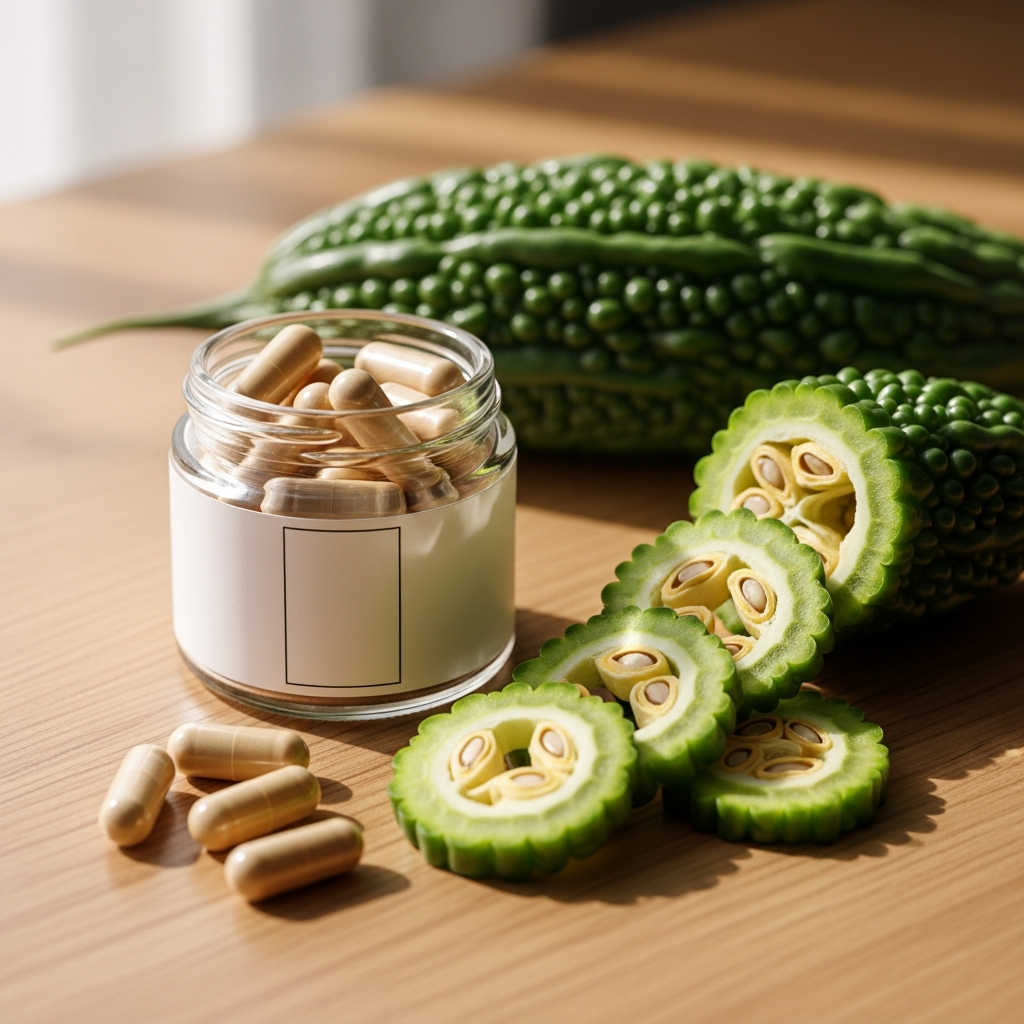
If the taste of bitter melon is simply too much for you, or if you’re looking for a more concentrated dose, supplements are an option.
When to Consider Them
Supplements, often in capsule or extract form, provide a convenient way to access the beneficial compounds of bitter melon without tasting it. They might be considered by individuals specifically aiming to support blood sugar management, especially if they struggle to incorporate the fresh vegetable into their diet regularly.
Important Considerations and Cautions
Just like with any supplement, it’s vital to proceed with care and knowledge.
Dosage
Dosages can vary widely between products. Always follow the manufacturer’s instructions, but even then, remember that more isn’t always better.
Quality
Choose supplements from reputable brands that undergo third-party testing to ensure purity and potency. Look for certifications if available.
Consult a Doctor
Before starting any new supplement, especially bitter melon, it’s crucial to speak with your healthcare provider. This is particularly important if you have any pre-existing health conditions, are taking medications (especially for diabetes), or are pregnant or breastfeeding. Supplements can interact with medications or have unforeseen effects.
Potential Side Effects and Precautions

While bitter melon is generally considered safe for most people when consumed in moderate amounts, there are some precautions and potential side effects to be aware of.
Who Should Be Cautious
Certain groups of people should avoid bitter melon or use it only under strict medical supervision:
* Pregnancy: Bitter melon may stimulate uterine contractions and has been linked to potential adverse effects during pregnancy. It’s best to avoid it.
* Diabetes Medication: Because bitter melon can lower blood sugar, combining it with diabetes medications (like insulin or oral hypoglycemics) can lead to dangerously low blood sugar levels (hypoglycemia). Close monitoring and dose adjustments by a doctor are essential.
* Surgery: Due to its potential effect on blood sugar, bitter melon should be discontinued at least two weeks before any scheduled surgery to prevent complications.
Common Side Effects
Some individuals might experience mild side effects, especially with larger doses:
* Stomach pain
* Diarrhea
* Nausea and vomiting
* Headache
Always start with small amounts to see how your body reacts, and listen to your body’s signals.
Your Mindset and Consistency with New Foods
Introducing a food like bitter melon into your diet is more than just a culinary experiment; it’s a step towards expanding your healthy eating habits. Your mindset plays a huge role in embracing new flavors and sticking with beneficial routines.
Embracing New Tastes
It’s natural to have preferences, but don’t let a first impression define your relationship with a new food. The human palate can adapt. Try bitter melon in different forms and preparations. You might find a recipe that truly makes it enjoyable for you. Think of it as an adventure for your taste buds, a journey towards a broader, healthier diet.
Small Steps Lead to Big Changes
You don’t need to eat bitter melon every day to reap its benefits. Start by including it once a week, then perhaps twice. Consistency over time, even with small additions, builds powerful habits. Celebrate each time you successfully incorporate a new healthy food, no matter how small the portion. These tiny victories add up.
Listening to Your Body
Ultimately, your health journey is personal. Pay attention to how your body feels after eating bitter melon. Does it agree with you? Do you notice positive changes? This mindfulness helps you build a sustainable and truly effective nutrition plan that is unique to you. Don’t force yourself to eat something you genuinely dislike or that causes adverse reactions. There are many healthy foods out there!