
Dreaming of a career where you help people transform their lives, build confidence, and achieve their health goals? Becoming a personal trainer is more than just knowing exercises; it’s about guiding, motivating, and educating individuals on their unique fitness journey. It’s a hugely rewarding path for those passionate about health, wellness, and making a real difference.
This guide will walk you through everything you need to know, from understanding the role to building your skills and finding your first clients. We’ll cover the practical steps, the mindset shifts, and the ongoing commitment needed to thrive in this dynamic field. Let’s get started on turning your passion into a profession.
Step 1: Discover Your Passion and Understand the Role
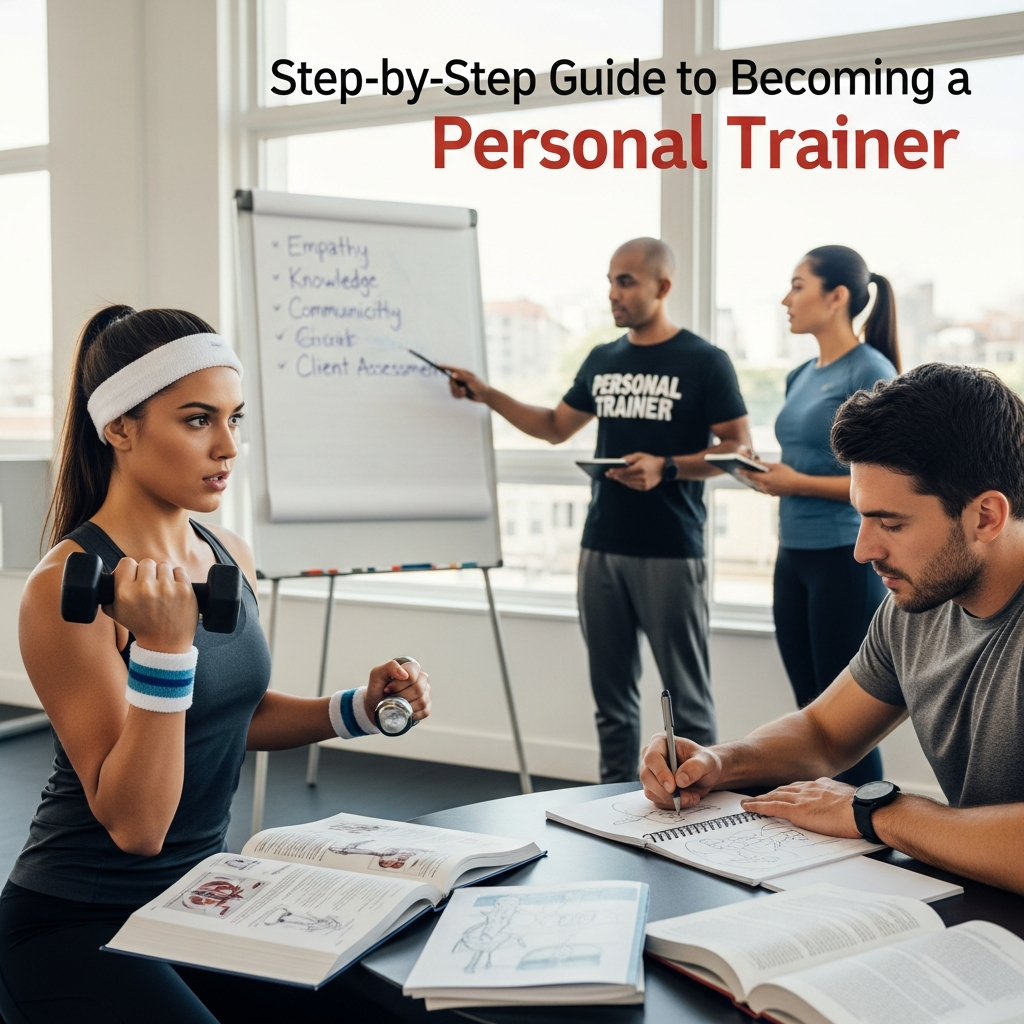
Before diving into certifications, take a moment to reflect on why you want to become a personal trainer. This career demands dedication, empathy, and a genuine desire to serve others.
What Does a Personal Trainer Really Do?
A personal trainer wears many hats. You’re not just counting reps; you’re a coach, a motivator, an educator, and often a confidant.
You design safe and effective exercise programs tailored to individual needs and goals. This means understanding different body types, fitness levels, and health conditions.
You provide nutritional guidance, usually within your scope of practice, and help clients build healthy everyday habits. This includes sleep, stress management, and active recovery.
Crucially, you offer unwavering support and accountability. Many clients struggle with consistency, and your role is to keep them on track, celebrate their wins, and help them navigate setbacks.
Why Is This Career Right For You?
If you love staying active and learning about the human body, this career offers continuous growth. You’ll constantly expand your knowledge base.
It’s incredibly fulfilling to see clients reach milestones they once thought impossible. The positive impact you have on someone’s life is immeasurable.
Personal training can also offer flexibility, whether you work in a gym or build your own independent business. You can often set your own hours and choose your specialty.
Step 2: Get Yourself Educated and Certified
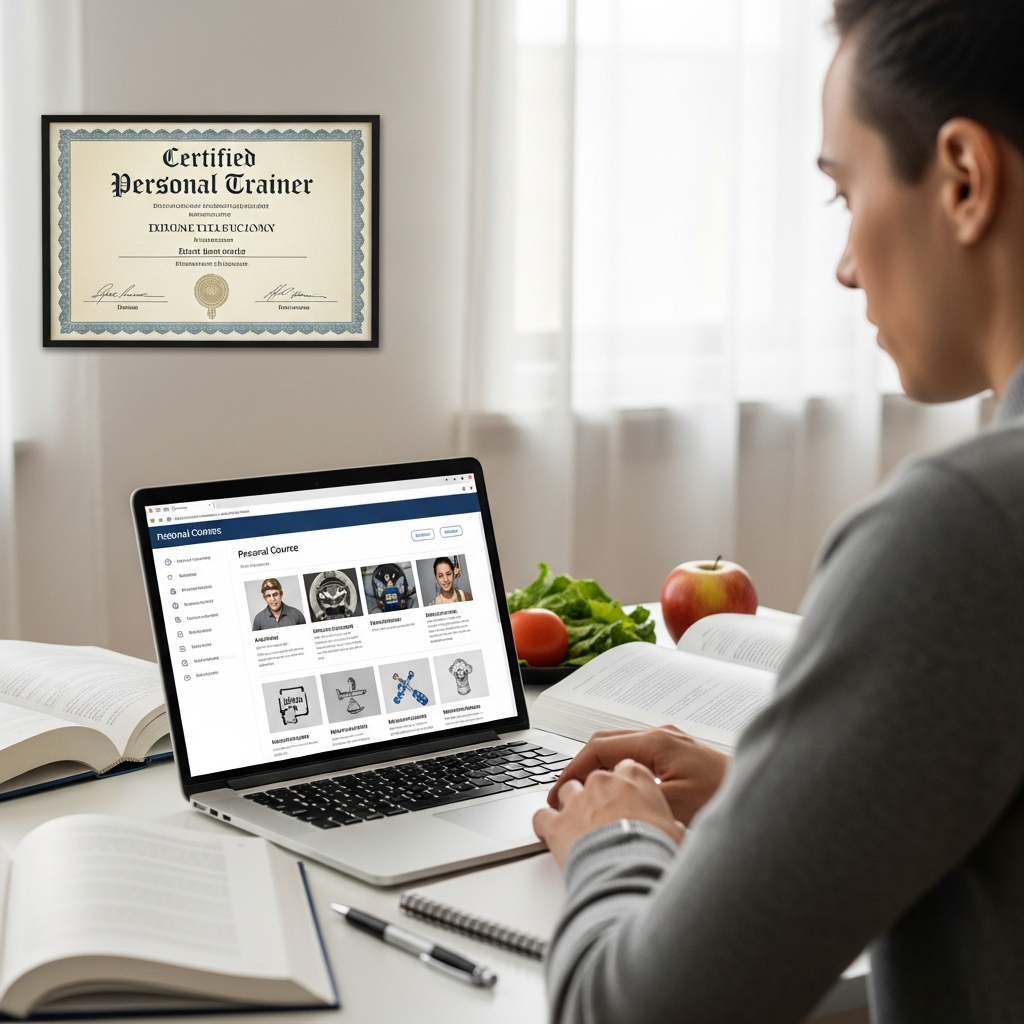
Certification is the cornerstone of becoming a credible and effective personal trainer. It provides you with the foundational knowledge and demonstrates your professionalism.
Understanding Certification Bodies
Not all certifications are created equal. You need to choose a certification from a reputable organization that is accredited by a recognized body, like the National Commission for Certifying Agencies (NCCA) in the United States. This ensures the program meets high standards.
Some of the most respected NCCA-accredited certifications include:
* NASM (National Academy of Sports Medicine): Known for its Optimum Performance Training (OPT) model and corrective exercise focus.
* ACE (American Council on Exercise): Emphasizes client-centered coaching and a holistic approach to fitness.
* ISSA (International Sports Sciences Association): Offers a wide range of specializations and strong online learning options.
* ACSM (American College of Sports Medicine): Highly respected, often preferred by medical and academic professionals.
* NSCA (National Strength and Conditioning Association): Strong focus on strength training and athletic performance.
Research each one to see which aligns best with your interests and potential client base. Most require you to be at least 18 years old and hold a high school diploma or GED, plus have current CPR and AED certifications.
Preparing for Your Certification Exam
Once you’ve chosen your certification, it’s time to hit the books. These programs involve a lot of material covering anatomy, physiology, exercise science, nutrition, program design, and client assessment.
Most certification providers offer study packages that include textbooks, online learning modules, practice exams, and sometimes even live workshops. Take advantage of all resources available.
Dedicate consistent time each week to studying. Treat it like a college course. Understanding the material, rather than just memorizing it, will serve you well in your career.
Sample Weekly Study Schedule
Here’s an idea of how you might structure your study time to prepare for your personal training exam:
* Monday (2-3 hours): Focus on Anatomy and Kinesiology. Understand muscle actions, joint movements, and bone structures.
* Tuesday (2-3 hours): Dive into Exercise Physiology. Learn about energy systems, cardiovascular responses, and muscular adaptations.
* Wednesday (2-3 hours): Study Program Design Principles. How do you create a workout? What are progressive overload and periodization?
* Thursday (2-3 hours): Review Client Assessment and Special Populations. How do you screen clients? What considerations are there for older adults or pregnant clients?
* Friday (2-3 hours): Focus on Nutrition Basics and Professional Ethics. Understand macronutrients, micronutrients, and scope of practice.
* Saturday (3-4 hours): Take a practice exam, review challenging topics, and make flashcards for key terms.
* Sunday: Rest and active recovery. Light activity, stretch, and give your brain a break.
Consistency is key. Break down the material into manageable chunks and stick to your schedule.
Step 3: Gain Practical Experience

Getting certified is step one, but applying that knowledge is where real learning happens. Hands-on experience builds confidence and hones your coaching skills.
Starting with Yourself and Friends
Begin by applying what you learn to your own fitness journey. Experiment with different exercises, program structures, and nutrition strategies. This personal experience will be invaluable.
Offer to train friends or family members for free or at a very low cost. This low-pressure environment allows you to practice client assessments, program design, and coaching cues. It’s a great way to get comfortable.
Ask for honest feedback. What did they like? What could you improve? These early experiences are crucial for growth.
Shadowing Experienced Trainers
Reach out to trainers in your local gym or network. Ask if you can shadow them for a few sessions. Observing how seasoned professionals interact with clients, manage their time, and motivate others is an amazing learning opportunity.
Pay attention to their communication style, their problem-solving in real-time, and how they handle different client personalities. Don’t be afraid to ask questions afterwards.
Many experienced trainers are happy to share their knowledge with aspiring professionals. It’s a great way to learn the ropes beyond what’s in textbooks.
Internships and Volunteer Work
Consider seeking out an internship at a gym, wellness center, or even a local sports team. Many gyms offer internship programs where you can gain supervised experience.
Volunteer to assist with fitness events, community health initiatives, or group exercise classes. These opportunities can provide valuable exposure to different client demographics and training environments.
These experiences not only build your skill set but also help you network within the fitness community. You never know where your next opportunity might come from.
Step 4: Build Your Professional Toolkit
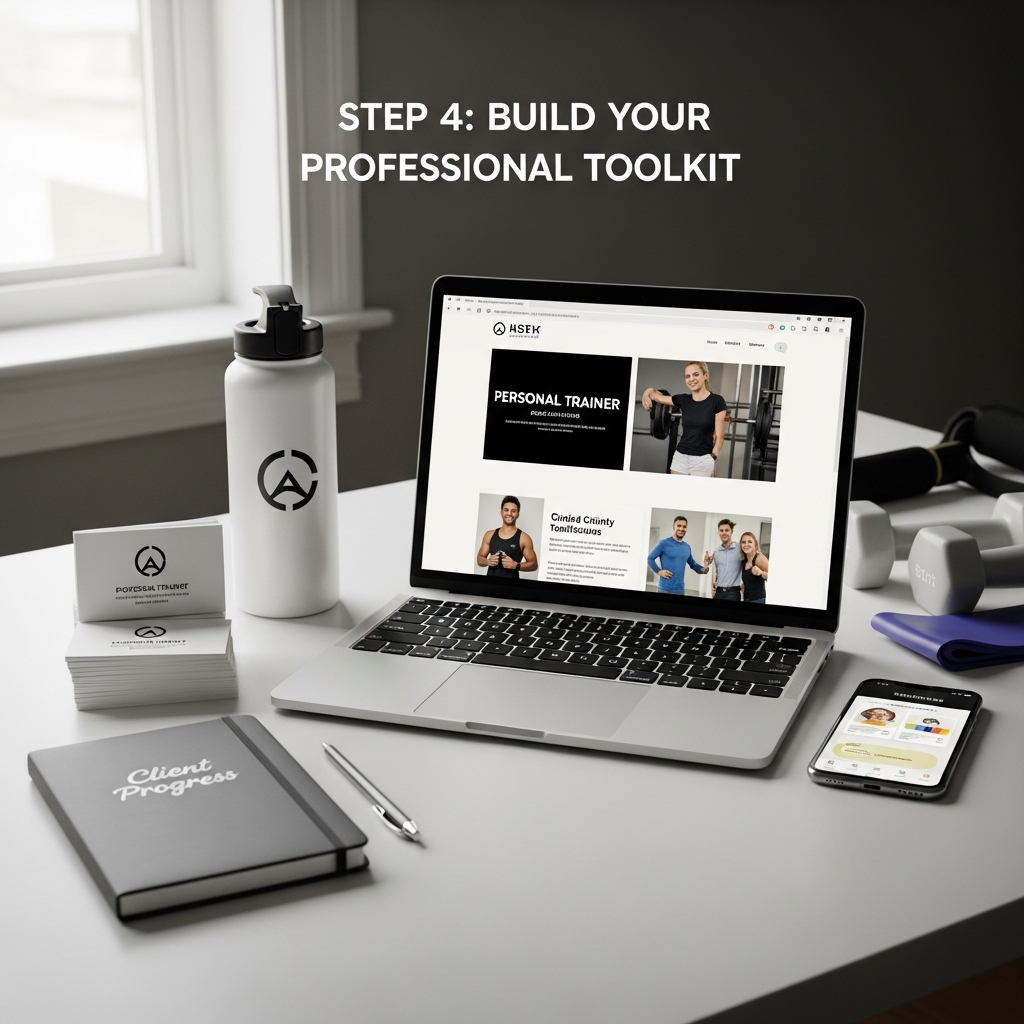
Beyond certifications and practical skills, successful personal trainers develop a strong professional identity and foundational business understanding.
Developing Essential Skills
Training clients isn’t just about exercises; it’s deeply interpersonal. Honing your soft skills is just as important as your technical knowledge.
* Communication: Clearly explain exercises, set expectations, and provide constructive feedback. Listen actively to your clients’ concerns and goals.
* Empathy: Understand and share the feelings of your clients. Recognize that everyone’s journey is unique and comes with its own set of challenges.
* Motivation: Inspire clients to push their limits and stay consistent, even when they feel discouraged. Find what truly drives each individual.
* Problem-solving: Adapt programs on the fly, address client injuries or limitations, and find creative solutions to common fitness hurdles.
Practice these skills in your daily interactions. They will define your success as a trainer.
Crafting Your Brand and Niche
Think about what kind of trainer you want to be and who you want to help. Do you have a passion for helping older adults stay active? Do you love working with new moms? Or perhaps you’re drawn to strength athletes?
Identifying a niche helps you stand out in a crowded market. It allows you to become an expert in a specific area and attract clients who are specifically looking for your expertise.
Consider your personal experience, your strengths, and the needs of your community when defining your unique brand. What makes you different and better for a particular group?
Business Basics (Even for Employees)
Even if you plan to work for a gym, understanding basic business principles will benefit you greatly. This includes professionalism, time management, and client retention.
Learn how to keep accurate client records, track progress, and manage your schedule efficiently. These organizational skills are vital for providing consistent service.
Networking is also a key business skill. Build relationships with other trainers, health professionals, and local businesses. Referrals can be a significant source of new clients.
Step 5: Find Your First Clients and Start Training
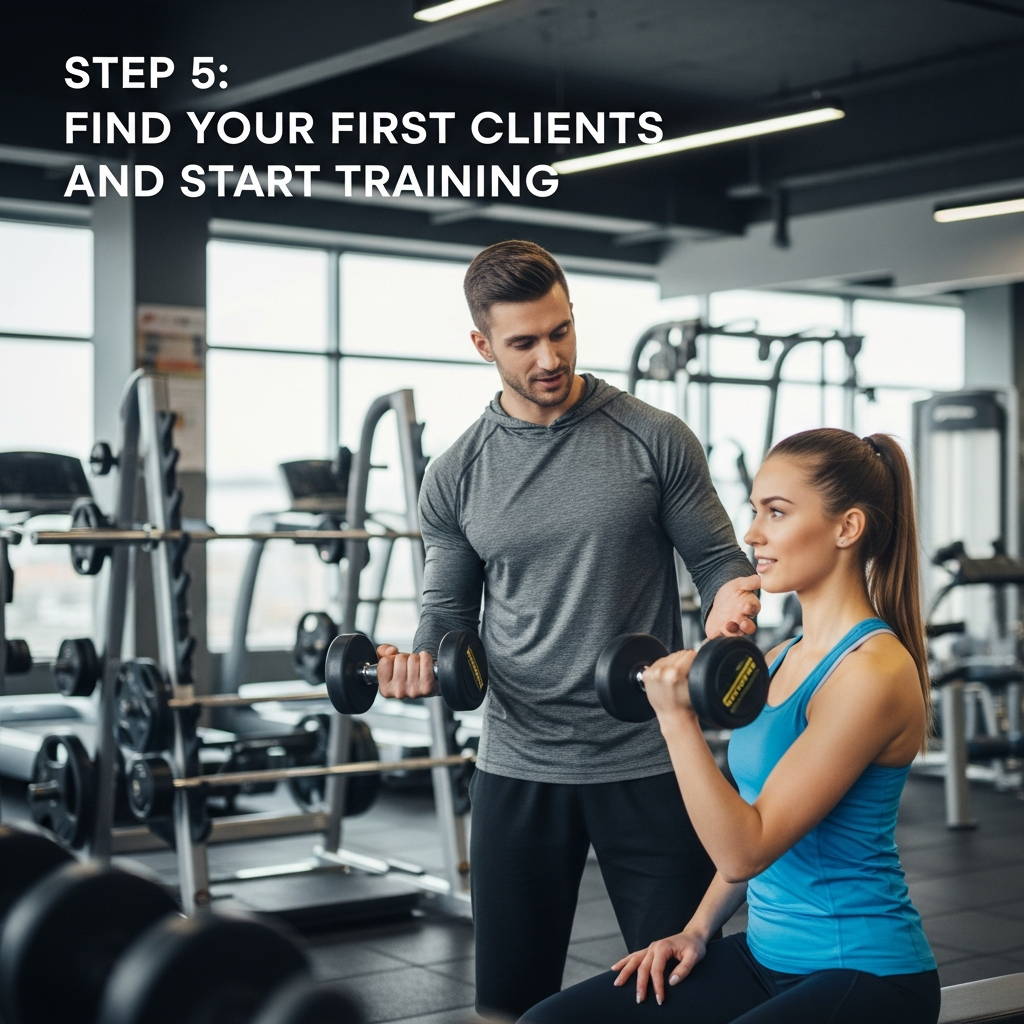
With your certification in hand and some practical experience, it’s time to put yourself out there and start making a difference.
Where to Look for Opportunities
Many personal trainers begin their careers working for an established gym or fitness center. This provides a steady stream of potential clients, equipment, and mentorship opportunities.
You can also explore working at community centers, corporate wellness programs, or even starting your own mobile training business. Online training has also become a popular way to reach clients globally.
Don’t be afraid to start small. Your first clients will often come from your personal network or referrals.
Setting Your Rates and Services
Research what other trainers in your area are charging. Consider your experience level, the services you offer, and the market demand.
You might offer different packages, such as single sessions, monthly packages, or small group training. Be transparent about your pricing and what’s included.
Remember, your value isn’t just in the hour you spend with a client; it’s in the expertise, accountability, and life-changing results you provide.
Delivering Exceptional Client Experiences
Your reputation will be built on the quality of your training and the relationships you cultivate. Always strive to provide an exceptional experience.
Be punctual, professional, and fully present during every session. Listen intently to your clients and adapt your approach as needed.
Celebrate every victory, big or small. Show genuine care for their progress and well-being. Happy clients are your best form of advertising.
Step 6: Commit to Continuous Learning and Growth

The fitness industry is always evolving. To remain effective and relevant, you must commit to lifelong learning.
Advanced Certifications and Specializations
Once you have some experience, consider pursuing advanced certifications in areas that interest you or your clients. This could include:
* Nutrition coaching (ensure it’s within your scope of practice)
* Corrective exercise specialist
* Senior fitness specialist
* Youth fitness specialist
* Group exercise instructor
* Strength and conditioning specialist
These specializations deepen your knowledge and open up new avenues for client service.
Staying Up-to-Date with Research
Regularly read fitness journals, attend workshops, and participate in industry conferences. Scientific understanding of exercise, nutrition, and human performance is constantly advancing.
Follow reputable experts and organizations on social media and subscribe to industry newsletters. Being informed allows you to provide the best, most evidence-based advice to your clients.
Sharing new insights with your clients also adds value and demonstrates your commitment to your craft.
Personal Development as a Trainer
Your own health and fitness journey is an important part of your professional credibility. Continue to prioritize your own workouts, nutrition, and recovery.
Seek mentorship from more experienced trainers. Learning from others who have walked the path before you can offer invaluable guidance and support.
Continuously work on your communication skills, empathy, and ability to connect with people from all walks of life. These personal qualities are truly what make a great trainer.
Mindset and Consistency on Your Journey
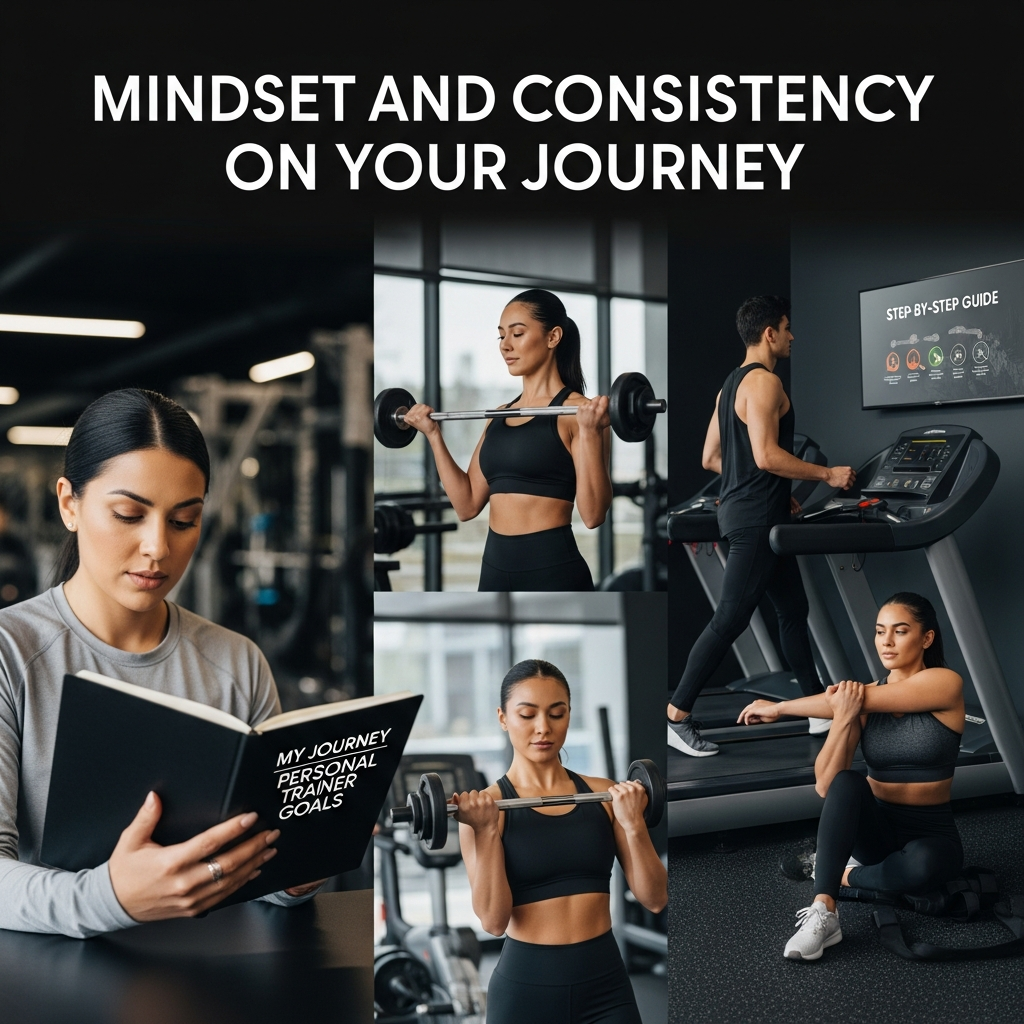
Becoming a personal trainer is a journey that requires not just knowledge, but also a strong personal resolve.
Embracing Challenges
There will be days when clients cancel, progress seems slow, or you face self-doubt. These are normal parts of any demanding career.
Instead of getting discouraged, view challenges as opportunities to learn and grow. How can you better support that client? What can you adjust in your approach?
A resilient mindset will carry you through the tough times and allow you to celebrate the victories with even greater appreciation.
Practicing What You Preach
As a personal trainer, you are a role model for healthy living. Your clients will look to you for inspiration and guidance.
Maintain your own consistent workout routine, healthy eating habits, and prioritize your recovery. This doesn’t mean you have to be perfect, but it does mean living a life congruent with your advice.
When you embody the principles you teach, it strengthens your credibility and motivates your clients even more.
Building a Supportive Network
Connect with other personal trainers, fitness professionals, and wellness practitioners. Share experiences, offer advice, and find opportunities for collaboration.
A strong professional network can provide emotional support, business referrals, and opportunities for continued learning. You don’t have to navigate this journey alone.
Surround yourself with people who uplift and inspire you, both personally and professionally.