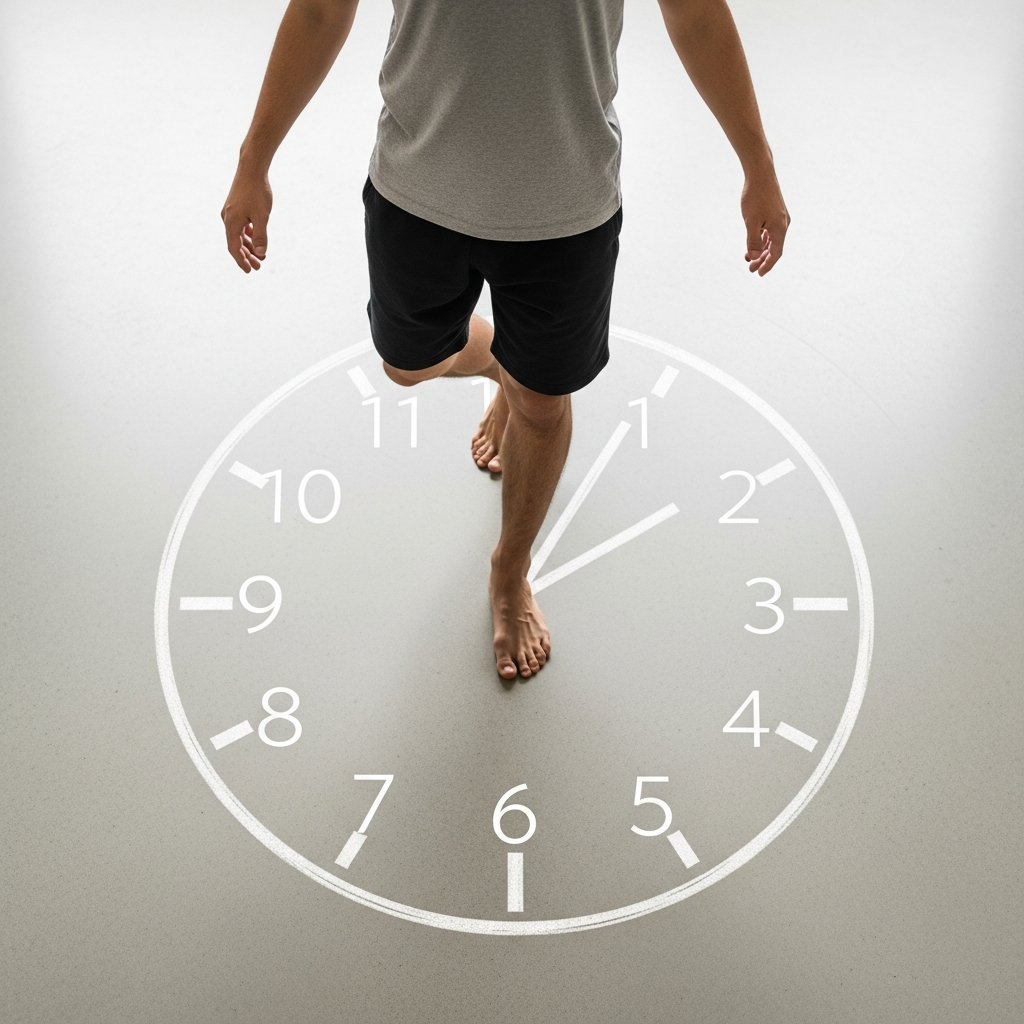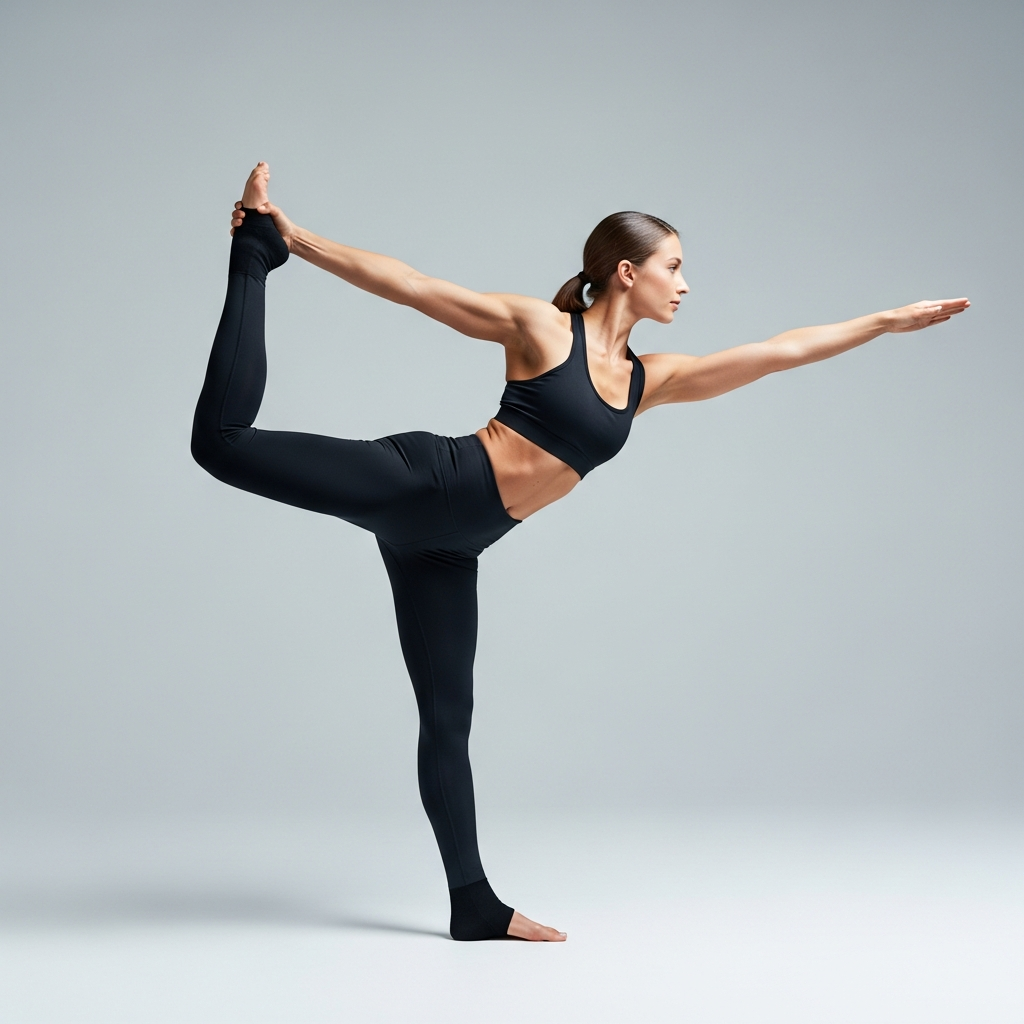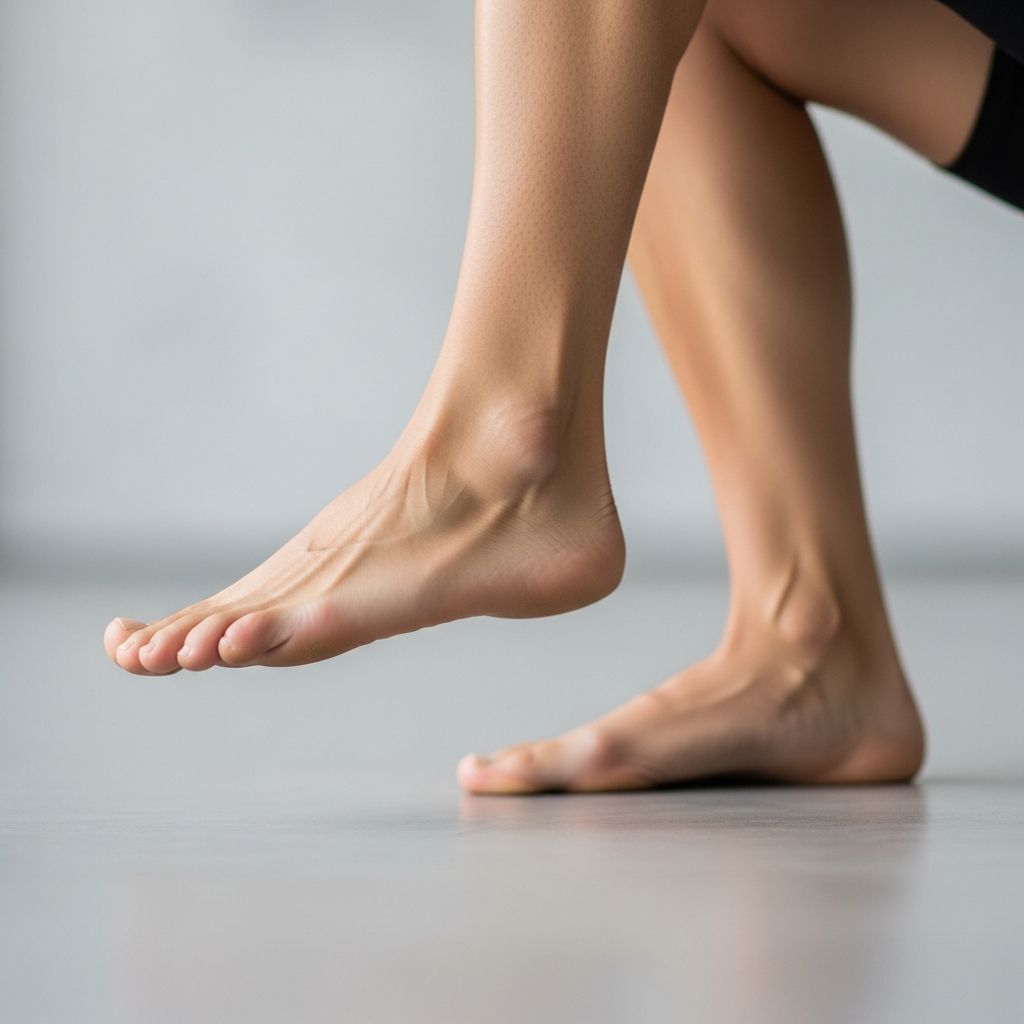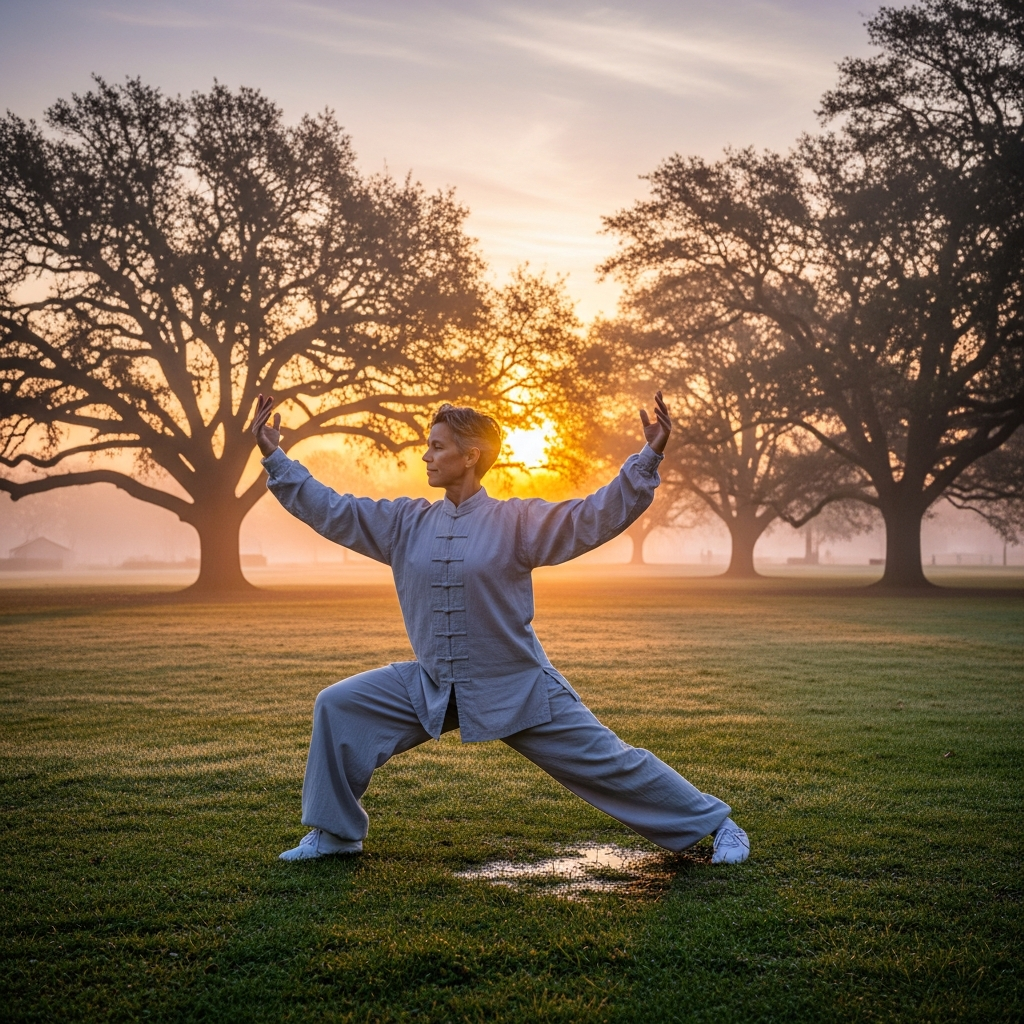
Think about how often you move throughout the day. Getting out of bed, walking to the kitchen, carrying groceries, playing with kids or pets, even just turning to talk to someone โ all these actions rely heavily on your balance and coordination. Theyโre the unsung heroes of smooth, confident movement.
Many of us don’t really think about our balance until it starts to feel a bit wobbly. Maybe you’ve tripped over nothing, felt a little unsteady on uneven ground, or just don’t feel as agile as you used to. The good news is that balance and coordination aren’t fixed traits. They are skills, and like any skill, they can be significantly improved with practice.
This article will introduce you to 9 simple, daily exercises you can weave into your routine. These aren’t fancy gym moves; they’re practical, effective steps to help you move through life with greater stability, confidence, and grace. Let’s get you feeling strong and steady on your feet!
Why Balance and Coordination Are Your Everyday Superpowers

Having good balance and coordination isn’t just for athletes or dancers. It plays a vital role in your overall well-being, making everyday tasks easier and safer.
Preventing Falls and Injuries
One of the most critical benefits is reducing your risk of falls. As we age, our balance can naturally decline, making falls a significant concern. Improving your stability helps prevent those stumbles and keeps you safer.
Boosting Athletic Performance
Whether you’re hitting the gym, playing a sport, or just enjoying a brisk walk, better balance and coordination make your movements more efficient. You’ll feel stronger and more connected to your body.
Enhancing Daily Activities
From walking up stairs to reaching for something on a high shelf, everyday movements become smoother and require less effort. You’ll navigate crowded spaces with more ease and less chance of bumping into things.
Improving Brain Health
Exercising your balance also gives your brain a workout. It requires your brain to process sensory information and send signals to your muscles, which helps sharpen your cognitive functions and spatial awareness.
Building Confidence
Feeling steady on your feet naturally boosts your self-confidence. You’ll feel more capable and secure in your movements, allowing you to engage more fully with the world around you.
What Exactly Are Balance and Coordination?

Before we dive into the exercises, let’s quickly understand what these two terms mean and how they work together.
Balance: Staying Steady
Balance is your body’s ability to maintain its center of gravity over its base of support. Simply put, it’s about keeping yourself upright and stable, whether you’re standing still or moving. It relies on information from your eyes, inner ear, and muscles.
Coordination: Moving Smoothly
Coordination is your ability to use different parts of your body smoothly and efficiently together. It’s about combining multiple movements into a fluid, controlled action, like walking, catching a ball, or typing.
How They Work Together
You can’t really have one without the other. Good balance allows for coordinated movements, and coordinated movements often require good balance. They are two sides of the same coin, constantly communicating to help you move effectively.
Before You Start: Safety First and Smart Tips

It’s important to approach these exercises thoughtfully. Remember, the goal is improvement, not perfection, and definitely not injury.
Clear Your Space
Make sure you have enough room to move freely without tripping over furniture or rugs. A clear, open area is ideal.
Wear Appropriate Footwear
Bare feet are often best for balance exercises as they allow your feet to fully feel the ground. If you prefer shoes, choose flat, supportive ones, not flimsy slippers or high heels.
Listen to Your Body
If an exercise causes pain, stop immediately. It’s okay to modify movements or take a break. Your body will tell you what it can handle.
Start Slow and Progress Gradually
Don’t rush into advanced versions. Begin with what feels comfortable and slowly increase the challenge as you get stronger and more stable. Consistency is more important than intensity here.
Use Support if Needed
Have a wall, sturdy chair, or countertop nearby when starting. Lightly touch it with one finger if you feel wobbly. The goal is to eventually not need it.
Breathe
Remember to breathe deeply and evenly throughout your exercises. Holding your breath can make you tense and less stable.
The 9 Daily Exercises to Improve Balance and Coordination

Here are 9 simple yet effective exercises you can easily incorporate into your daily routine. Aim for 10-15 minutes a day, perhaps splitting it into a few short sessions.
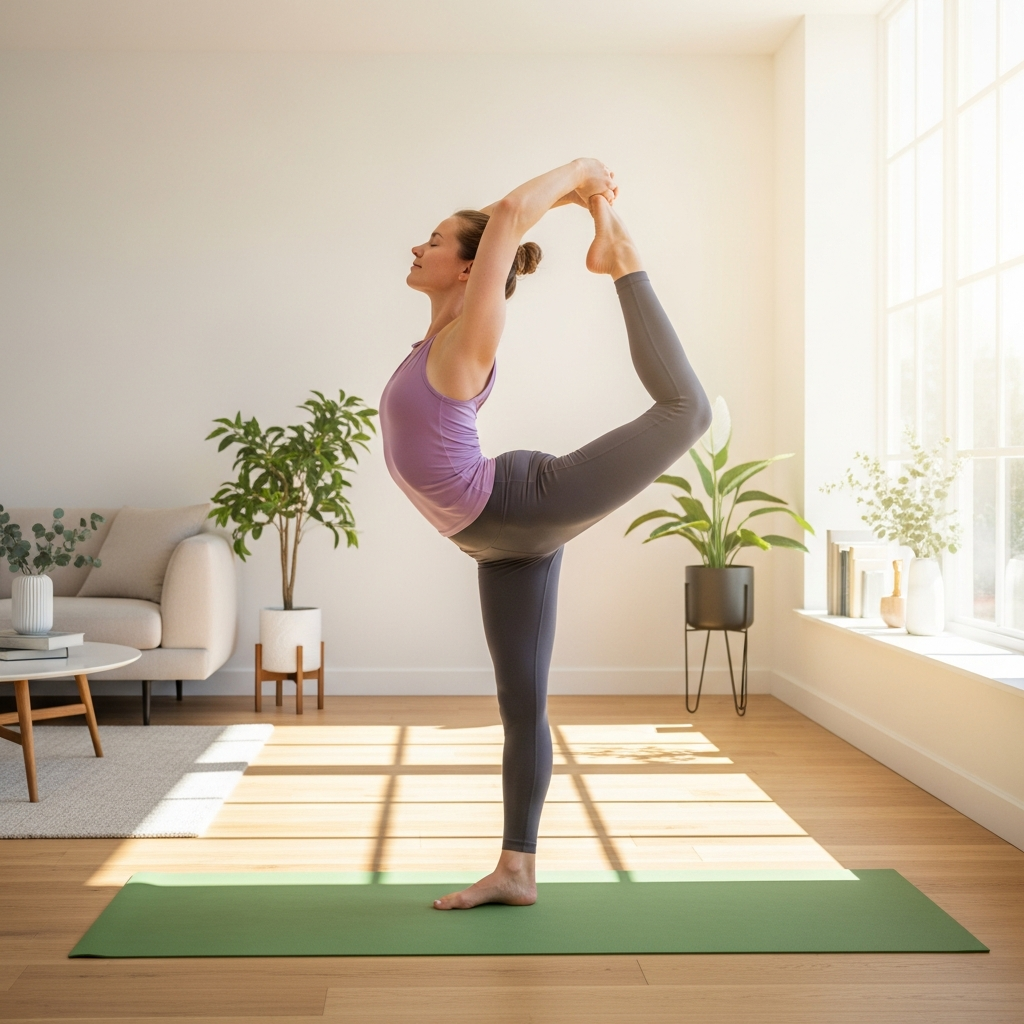
1. Single-Leg Stand
This fundamental exercise directly challenges your balance by reducing your base of support.
How to Do It
* Stand tall with your feet hip-width apart and your arms relaxed at your sides.
* Shift your weight slightly to one foot.
* Slowly lift the other foot off the ground, bending your knee slightly.
* Hold this position for 15-30 seconds, focusing on a spot in front of you to help with stability.
* Gently lower your foot and repeat on the other side.
* Aim for 2-3 repetitions on each leg.
Tips for Success
* Start by holding onto a chair or wall for support if needed.
* Try to keep your torso upright and avoid leaning heavily to one side.
* As you get better, try holding the pose for longer, or closing your eyes for a few seconds (only if you feel very stable and have support nearby).
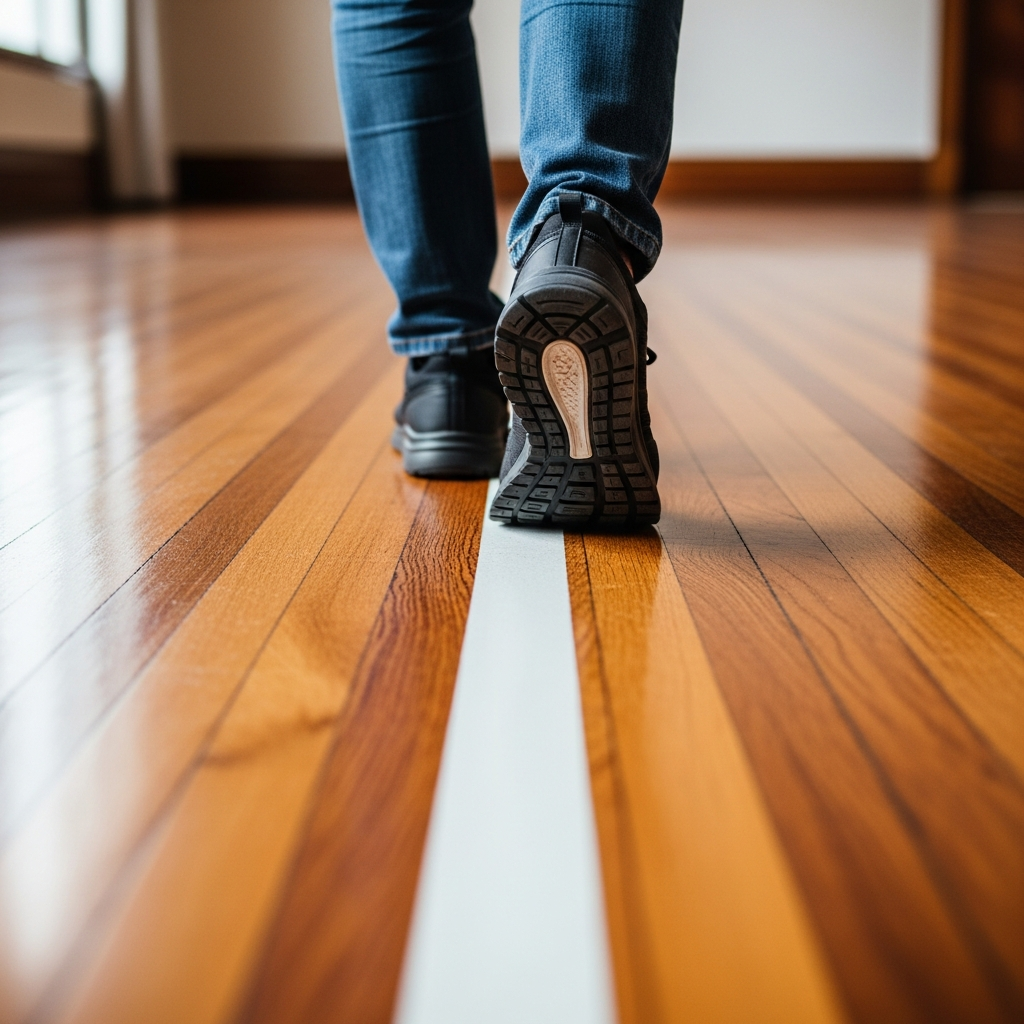
2. Heel-to-Toe Walk (Tandem Walk)
This exercise mimics walking on a tightrope, significantly challenging your stability and coordination.
How to Do It
* Find a straight line on the floor, or imagine one.
* Place the heel of one foot directly in front of the toes of the other foot, so they are touching.
* Look straight ahead, not down at your feet.
* Slowly walk forward, placing the heel of each new step directly in front of the toes of your trailing foot.
* Take 10-20 steps in a straight line, then turn around and repeat.
Tips for Success
* Keep your movements slow and deliberate.
* Focus on engaging your core muscles to help with stability.
* If this is too challenging, place your feet about an inch or two apart instead of touching.
3. Calf Raises (with balance focus)
While strengthening your calves, this exercise also requires you to balance on the balls of your feet.
How to Do It
* Stand tall with your feet hip-width apart. You can use a wall or chair for light support.
* Slowly lift both heels off the ground, rising onto the balls of your feet.
* Hold this position at the top for a count of 2-3 seconds, feeling the stretch in your calves.
* Slowly lower your heels back down.
* Repeat for 10-15 repetitions.
Tips for Success
* Make sure your movement is controlled both up and down, not a quick bounce.
* To increase the challenge, perform the calf raises on one leg at a time, or try it without holding onto support.
4. Standing March
This exercise improves dynamic balance and coordination by simulating walking in place with heightened awareness.
How to Do It
* Stand tall, feet hip-width apart.
* Slowly lift one knee towards your chest, as if you’re marching, while keeping your torso upright.
* Hold for a count of 2-3 seconds at the top, focusing on your balance on the standing leg.
* Slowly lower your foot back to the ground.
* Repeat with the other leg.
* Continue alternating for 10-12 marches on each leg.
Tips for Success
* Try not to swing your arms wildly; keep them gently at your sides or use them for slight counter-balance.
* If you find this too easy, try lifting your knee higher or adding a slight arm swing (opposite arm to leg) for coordination.
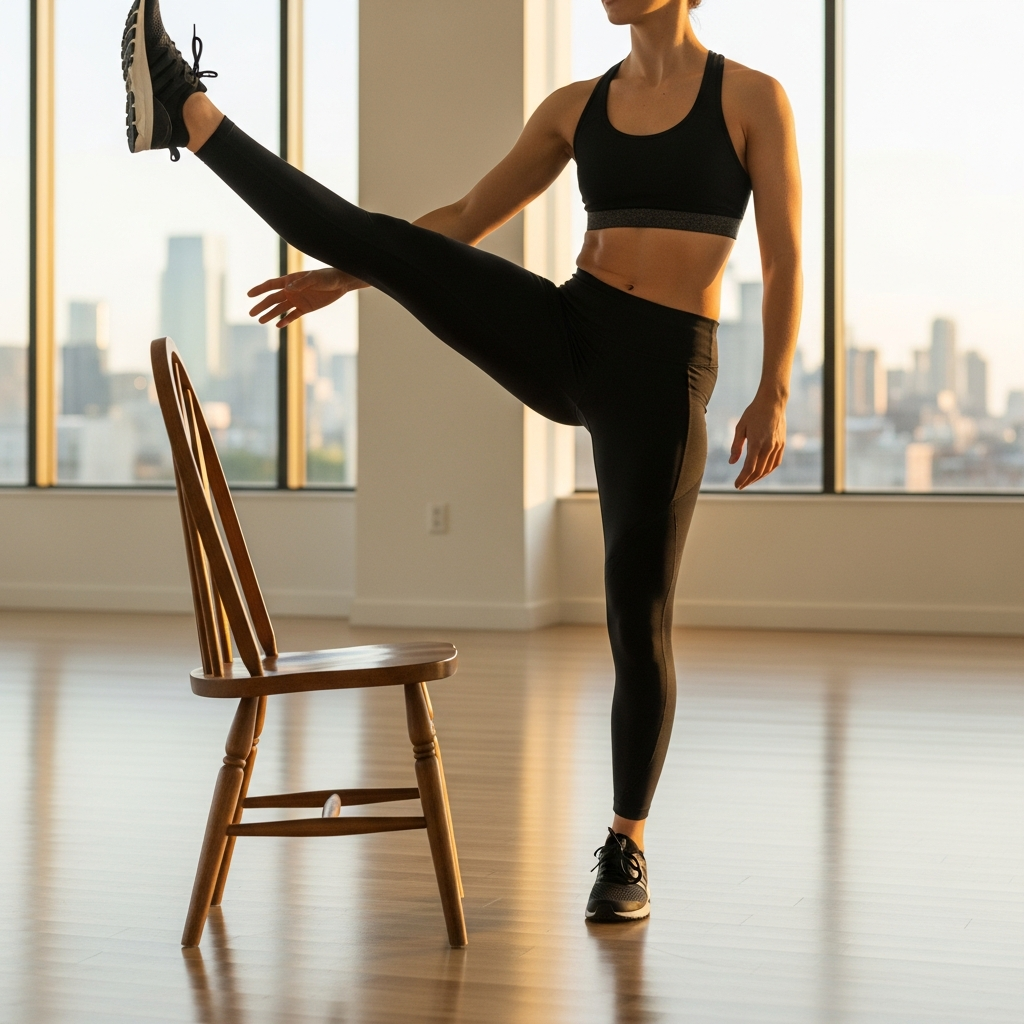
5. Leg Swings (Front-to-Back, Side-to-Side)
These dynamic movements improve both balance and hip mobility, which is crucial for stable walking.
How to Do It (Front-to-Back)
* Stand next to a wall or sturdy chair for support, placing one hand on it.
* Shift your weight to the leg closest to the support.
* Gently swing your free leg forward and backward like a pendulum, keeping your leg mostly straight.
* Maintain a controlled swing, not a wild kick.
* Perform 10-15 swings, then switch sides.
How to Do It (Side-to-Side)
* Stand facing the wall or chair, holding on with both hands for balance.
* Shift your weight to one leg.
* Gently swing your free leg out to the side and then across your body, like a pendulum.
* Maintain control and avoid excessive twisting of your torso.
* Perform 10-15 swings, then switch sides.
Tips for Success
* Start with smaller swings and gradually increase the range of motion as your balance improves.
* Keep your standing leg slightly bent, not locked out.
* Try to keep your hips facing forward during the front-to-back swings.
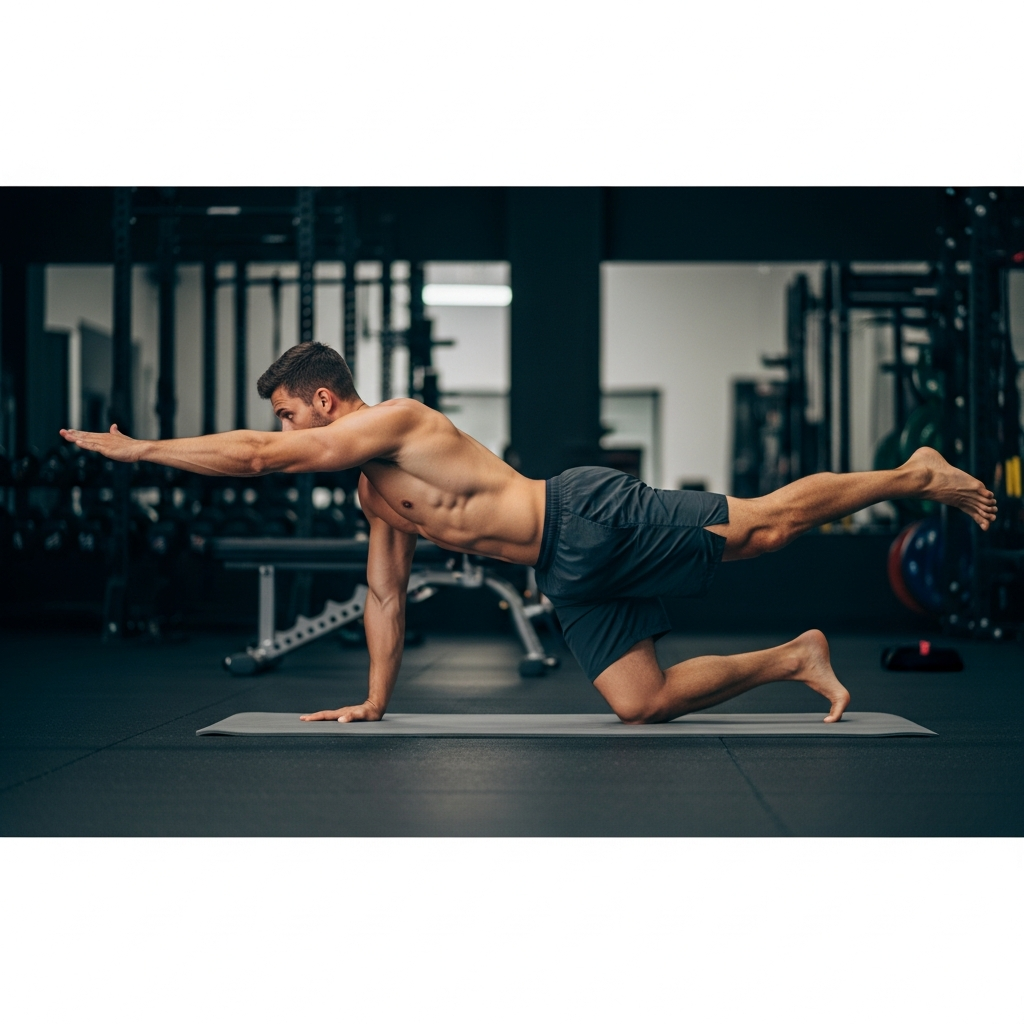
6. Bird-Dog
This exercise is fantastic for core stability and coordination, as it requires you to move opposite limbs simultaneously.
How to Do It
* Start on your hands and knees, with your hands directly under your shoulders and knees under your hips. Keep your back flat and your core engaged.
* Slowly extend one arm straight forward and the opposite leg straight back, keeping them parallel to the floor.
* Imagine you’re reaching with your fingertips and pressing through your heel. Keep your hips level and avoid arching your back.
* Hold for 2-3 seconds, then slowly return to the starting position.
* Repeat on the other side.
* Aim for 8-10 repetitions on each side.
Tips for Success
* Focus on slow, controlled movements.
* Keep your gaze down to maintain a neutral spine.
* If extending both an arm and a leg is too much initially, just extend one arm or one leg at a time.
7. Star Excursion Balance Test (Modified)
This exercise challenges your balance while reaching in different directions, improving dynamic stability.
How to Do It
* Stand on one leg in the center of an imaginary star or cross shape.
* While maintaining your balance on the standing leg, reach out with the toes of your free foot as far as you can in front of you. Lightly tap the floor.
* Return to the center.
* Next, reach out to your side. Lightly tap the floor.
* Return to the center.
* Then, reach out diagonally behind you. Lightly tap the floor.
* Return to the center.
* Perform 3-5 reaches in each direction on one leg, then switch to the other leg.
Tips for Success
* Keep your standing knee slightly bent.
* Don’t put full weight on your reaching foot; just a light tap.
* As you improve, try to reach further without losing balance.
8. Wall Slides (with balance challenge)
While primarily a leg strengthener, adding a balance element makes this a great functional exercise.
How to Do It
* Stand with your back against a smooth wall, feet shoulder-width apart and a few inches away from the wall.
* Slowly slide down the wall as if you’re sitting in an imaginary chair. Aim for your knees to be at a 90-degree angle if comfortable, or higher if needed.
* Hold this position for 10-20 seconds.
* Now, while holding the slide, lift one foot slightly off the floor. Try to hold for 5-10 seconds.
* Lower that foot, then lift the other foot for 5-10 seconds.
* Slowly push back up to the starting position.
* Repeat 2-3 times.
Tips for Success
* Keep your entire back pressed against the wall.
* Engage your core to help stabilize your torso when lifting a foot.
* If the leg lift is too much, just practice the wall slide hold.
9. Standing Arm and Leg Reach
This exercise combines balance with a coordinated reach, engaging your core and improving stability.
How to Do It
* Stand tall, feet hip-width apart.
* Slowly lift one leg slightly off the ground, balancing on the other foot.
* At the same time, extend the arm *opposite* to your lifted leg straight out in front of you (e.g., if your right leg is lifted, extend your left arm).
* Imagine you’re trying to touch something far away.
* Hold for 3-5 seconds, focusing on stability.
* Slowly return to the starting position.
* Repeat with the other leg and arm.
* Aim for 8-10 repetitions on each side.
Tips for Success
* Keep your standing knee slightly soft, not locked.
* Maintain a steady gaze on a fixed point.
* Start with smaller movements and gradually increase your reach as your balance improves.
Making It a Habit: Consistency is Key

The real magic happens when you make these exercises a consistent part of your day. You don’t need to dedicate a huge chunk of time; a little bit often goes a long way.
Small Steps, Big Gains
Even 5-10 minutes spread throughout the day can make a difference. Try doing a single-leg stand while brushing your teeth, or heel-to-toe walks down a hallway.
Find Your “Why”
Remind yourself *why* you’re doing this. Is it to prevent falls, feel more confident, or keep up with your grandkids? Your personal motivation will keep you going.
Stack Your Habits
Connect these new exercises with existing routines. For example: “After I make coffee, I will do 2 minutes of single-leg stands.” Or “While waiting for the kettle to boil, I’ll do some calf raises.”
Be Patient and Kind to Yourself
Improvement takes time. Some days will feel easier than others. Celebrate your progress, even the small victories, and don’t get discouraged by a wobbly moment. Every attempt is a step forward.
Your Sample Daily Balance & Coordination Plan

Here’s an idea of how you could spread these exercises throughout your day. Feel free to adjust based on your schedule and preferences.
| Time of Day | Exercise(s) | Duration / Reps |
| Morning Routine | Single-Leg Stand | 30 sec each leg (while brushing teeth) |
| | Calf Raises | 10-15 reps (while waiting for coffee) |
| Midday Break | Heel-to-Toe Walk | 10-20 steps each direction (down a hallway) |
| | Standing March | 10-12 reps each leg |
| Afternoon Boost | Leg Swings (Front-to-Back) | 10-15 swings each leg |
| | Leg Swings (Side-to-Side) | 10-15 swings each leg |
| Evening Wind-Down | Bird-Dog | 8-10 reps each side |
| | Star Excursion (Modified) | 3-5 reaches each direction, each leg |
| | Standing Arm and Leg Reach | 8-10 reps each side |
*You can also sprinkle in the Wall Slides as a dedicated 5-minute session at any point in the day.*