

In our fast-paced lives, finding time for healthy eating can feel like an Olympic sport. We juggle work, family, and personal commitments, often leaving little room for elaborate meal prep. Yet, the impact of our diet on our health, particularly inflammation, is profound. Chronic inflammation is a silent enemy, linked to everything from fatigue and joint pain to more serious conditions like heart disease and diabetes. But what if you could fight inflammation with food, even with a packed schedule?
This guide is your practical roadmap to incorporating easy, delicious anti-inflammatory meals into your real-life routine. We’ll demystify anti-inflammatory eating, provide actionable strategies for busy individuals, and offer simple meal ideas that don’t demand hours in the kitchen. Get ready to nourish your body, reduce inflammation, and reclaim your vitality, one simple meal at a time.
Understanding Inflammation and Your Health
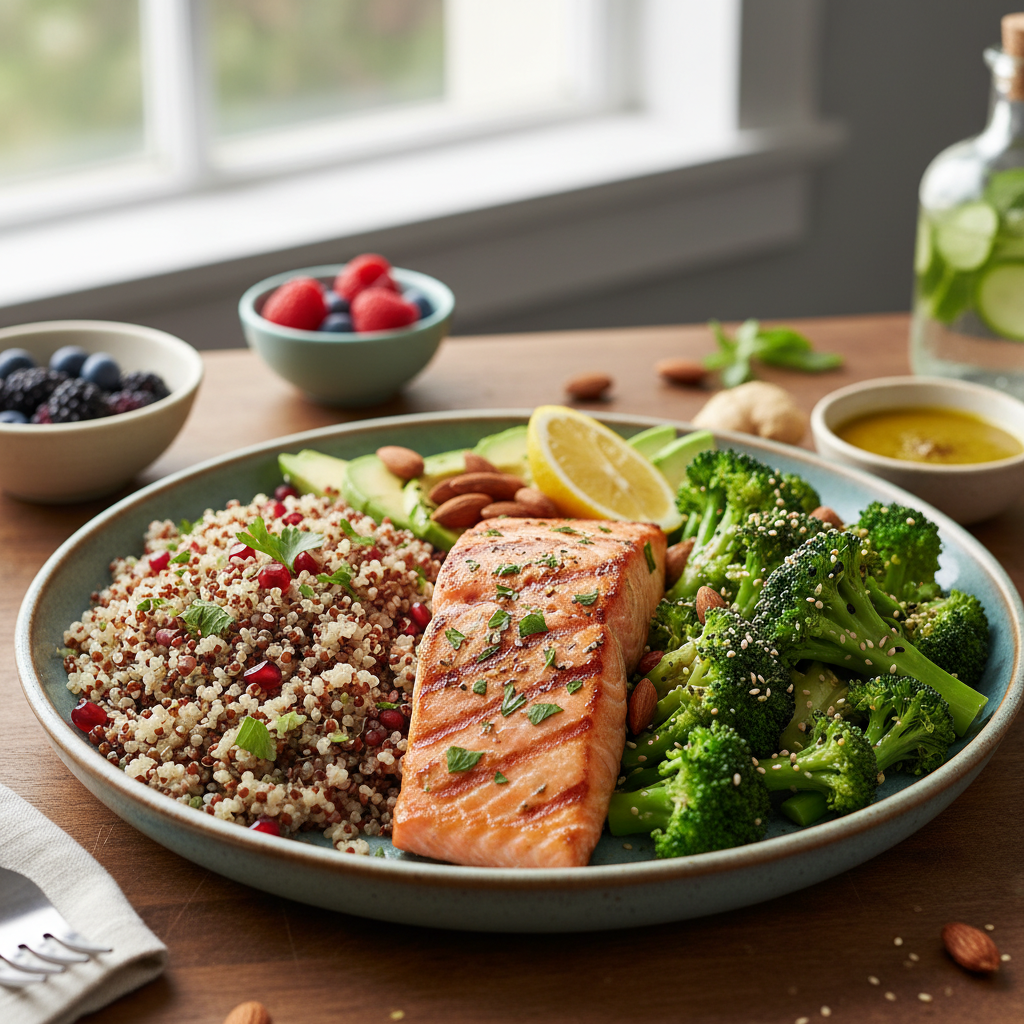
Inflammation is your body’s natural defense mechanism, a crucial process that helps heal injuries and fight infections. Think of it as your body’s internal fire department, rushing to put out a blaze. Acute inflammation is a good thing—it’s what happens when you cut your finger or get a cold. The area becomes red, swollen, and warm as your immune system gets to work.
The problem arises with chronic inflammation. This occurs when your immune system stays on high alert, even when there’s no immediate threat. It’s like the fire department constantly running sirens and spraying water when there’s no fire. This persistent, low-grade inflammation can damage healthy tissues and organs over time, contributing to a host of modern health issues. Factors like stress, lack of sleep, environmental toxins, and a diet high in processed foods, sugar, and unhealthy fats can all fuel this chronic inflammatory state.
The Role of Food in Inflammatory Response
The good news is that food isn’t just fuel; it’s also powerful medicine. Certain foods can either promote or combat inflammation. An anti-inflammatory diet emphasizes whole, unprocessed foods rich in antioxidants, omega-3 fatty acids, and fiber. These nutrients work synergistically to calm your immune system, protect your cells from damage, and reduce inflammatory markers in your body. By making conscious food choices, you can actively turn down the dial on inflammation and support your body’s natural healing processes.
Pillars of an Anti-Inflammatory Diet
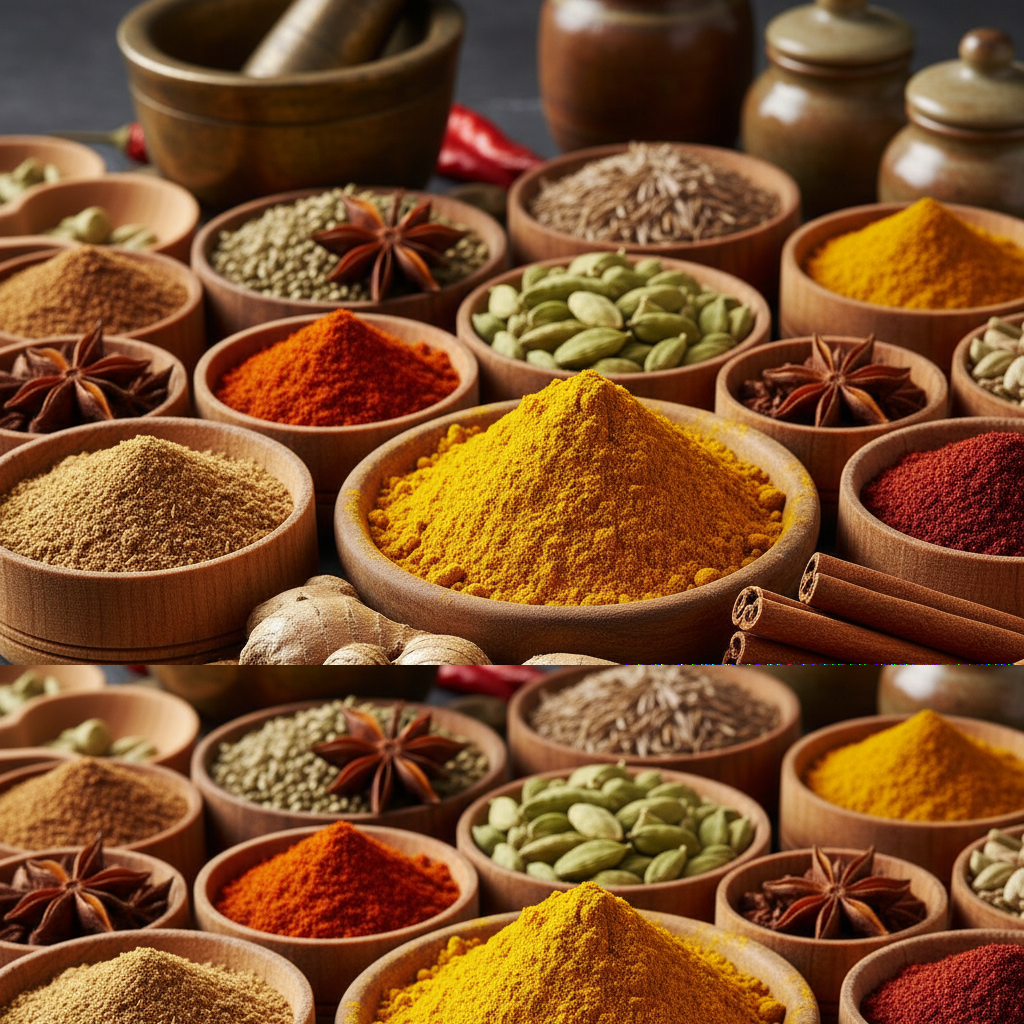
An anti-inflammatory diet isn’t about deprivation; it’s about abundance. It focuses on incorporating a wide variety of nutrient-dense foods that naturally reduce inflammation. Here are the key food groups to prioritize:
Produce Powerhouses – Fruits and Vegetables
These are your anti-inflammatory superstars. Rich in vitamins, minerals, fiber, and antioxidants, fruits and vegetables help neutralize free radicals that can cause cellular damage and inflammation. Aim for a rainbow of colors to ensure a wide spectrum of nutrients.
- Leafy Greens: Spinach, kale, Swiss chard, collard greens are packed with vitamins A, C, and K, and powerful antioxidants.
- Berries: Blueberries, strawberries, raspberries, and blackberries are bursting with anthocyanins, potent anti-inflammatory compounds.
- Cruciferous Vegetables: Broccoli, cauliflower, Brussels sprouts, and cabbage contain compounds that support detoxification and reduce inflammation.
- Brightly Colored Vegetables: Bell peppers, tomatoes, carrots, and sweet potatoes are rich in antioxidants like lycopene and beta-carotene.
Healthy Fats – Essential for Cellular Health
Not all fats are created equal. Omega-3 fatty acids are particularly powerful anti-inflammatory agents. They help produce compounds that reduce inflammation and support brain and heart health.
- Fatty Fish: Salmon, mackerel, sardines, and anchovies are excellent sources of EPA and DHA omega-3s. Aim for 2-3 servings per week.
- Avocados: Rich in monounsaturated fats and vitamin E, which has anti-inflammatory properties.
- Nuts and Seeds: Walnuts, almonds, chia seeds, flax seeds, and hemp seeds provide healthy fats, fiber, and antioxidants.
- Olive Oil: Extra virgin olive oil, especially, contains oleocanthal, a compound with anti-inflammatory effects similar to ibuprofen.
Whole Grains and Legumes – Fiber and Sustained Energy
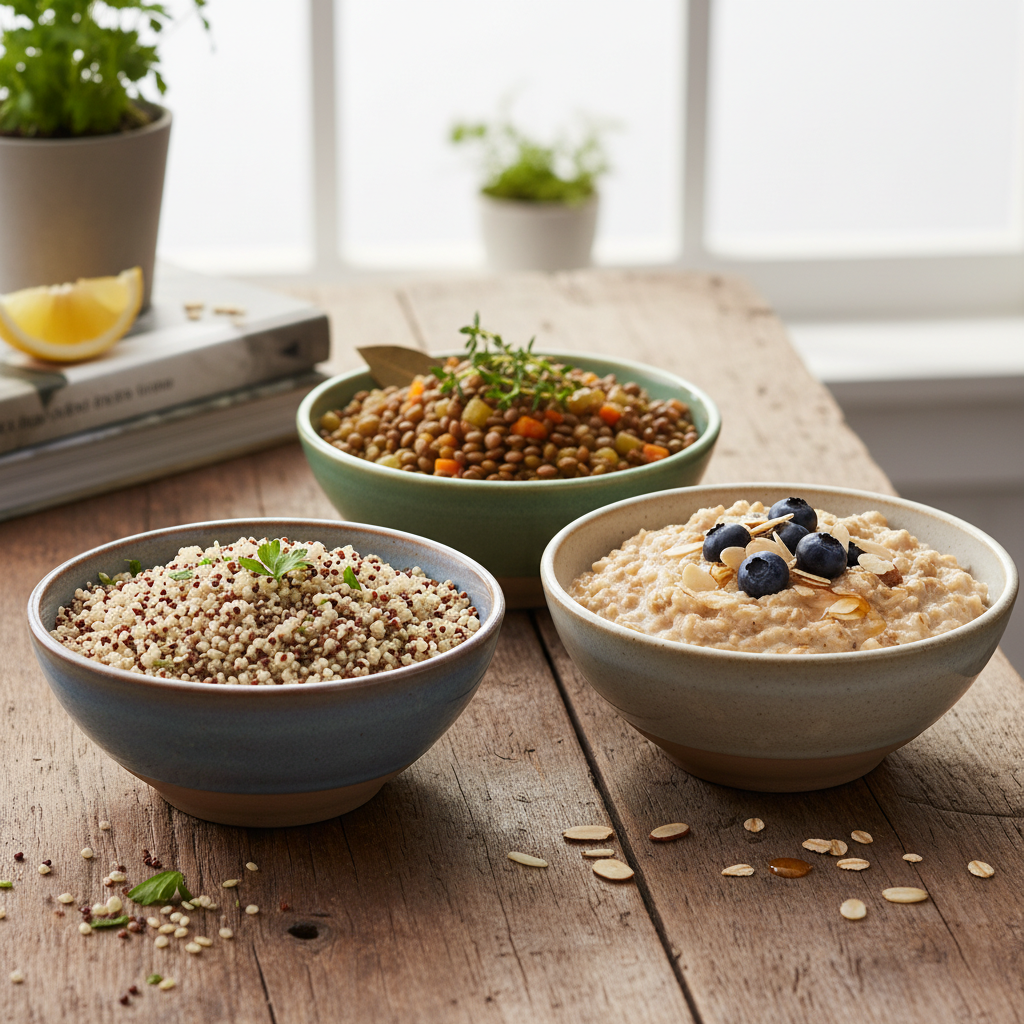
Fiber is crucial for gut health, and a healthy gut is fundamental to a healthy immune system and reduced inflammation. Whole grains and legumes provide complex carbohydrates, fiber, and various micronutrients.
- Whole Grains: Oats, quinoa, brown rice, farro, and whole wheat products (in moderation, if tolerated) provide sustained energy and fiber.
- Legumes: Lentils, chickpeas, black beans, and kidney beans are excellent plant-based protein sources, high in fiber and various minerals.
Spices and Herbs – Flavor and Healing Power
These aren’t just for flavor; many common spices and herbs possess potent anti-inflammatory properties.
- Turmeric: Contains curcumin, a powerful anti-inflammatory compound. Best absorbed with black pepper.
- Ginger: Known for its anti-nausea and anti-inflammatory effects.
- Garlic: Contains sulfur compounds with anti-inflammatory and immune-boosting benefits.
- Cinnamon: Can help stabilize blood sugar and has antioxidant properties.
Easy Meal Prep Strategies for Busy Lives
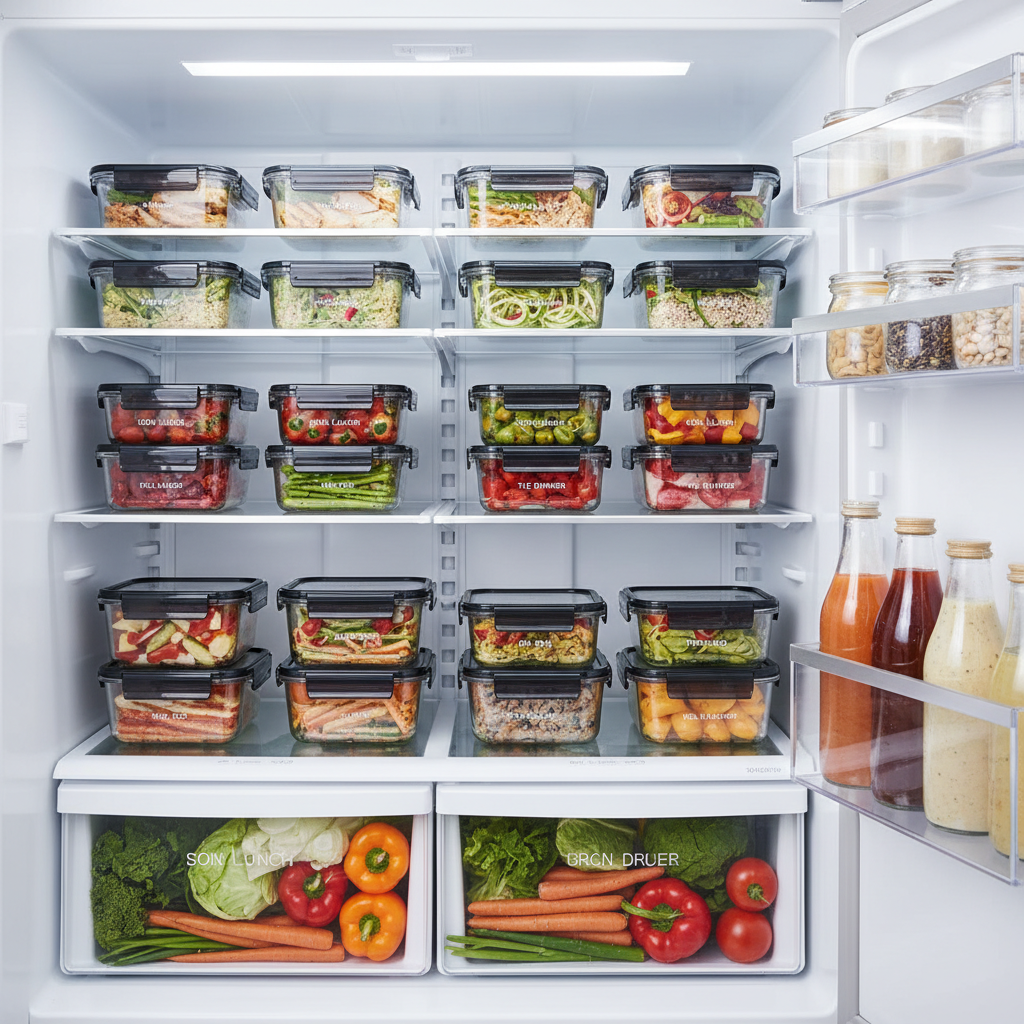
The biggest hurdle to healthy eating for many is time. But with a few smart strategies, you can make anti-inflammatory eating a breeze, even on your busiest days.
Batch Cooking Basics – Cook Once, Eat Multiple Times
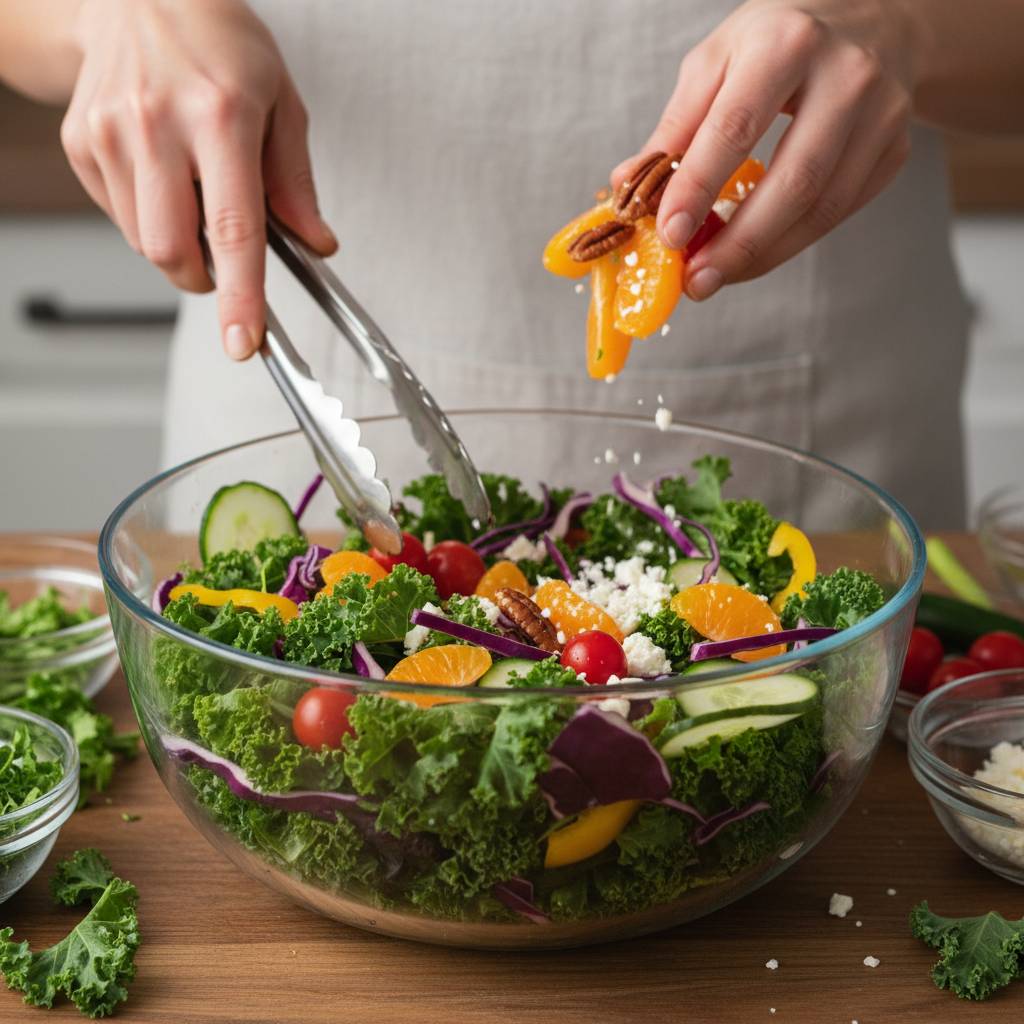
Dedicate an hour or two on a less busy day (like Sunday) to prepare foundational ingredients. This saves significant time during the week.
- Cook Grains: Prepare a large batch of quinoa, brown rice, or farro to use in various meals.
- Roast Vegetables: Chop and roast a tray of mixed vegetables (broccoli, bell peppers, sweet potatoes) for easy additions to salads, eggs, or as a side.
- Prepare Protein: Cook a large batch of chicken breast, salmon, or lentils. Shredded chicken can go into salads or wraps, while cooked lentils can be added to soups or bowls.
- Wash and Chop Produce: Have your leafy greens washed, berries ready, and other vegetables pre-chopped for quick assembly.
Smart Shopping Lists – Plan Ahead
A well-planned grocery list is your secret weapon. Before you hit the store, plan your meals for the week. This prevents impulse buys and ensures you have all the ingredients you need.
- Categorize: Group items by section (produce, pantry, fridge) to save time in the store.
- Check Your Pantry: Use what you have first to avoid waste.
- Focus on Whole Foods: Prioritize fresh produce, lean proteins, healthy fats, and whole grains.
Quick Assembly Ideas – Mix and Match
Once you have your prepped ingredients, assembling meals becomes incredibly fast. Think of your fridge as a buffet of healthy components.
- Power Bowls: Combine a base of cooked grain, a protein, roasted or fresh vegetables, healthy fat (avocado, nuts), and a simple dressing.
- Quick Stir-Fries: Sauté pre-chopped veggies and protein with a little ginger, garlic, and turmeric. Serve over pre-cooked brown rice.
- Loaded Salads: Start with a base of leafy greens, add pre-cooked protein, various veggies, nuts/seeds, and a homemade vinaigrette.
Sample Weekly Anti-Inflammatory Meal Plan
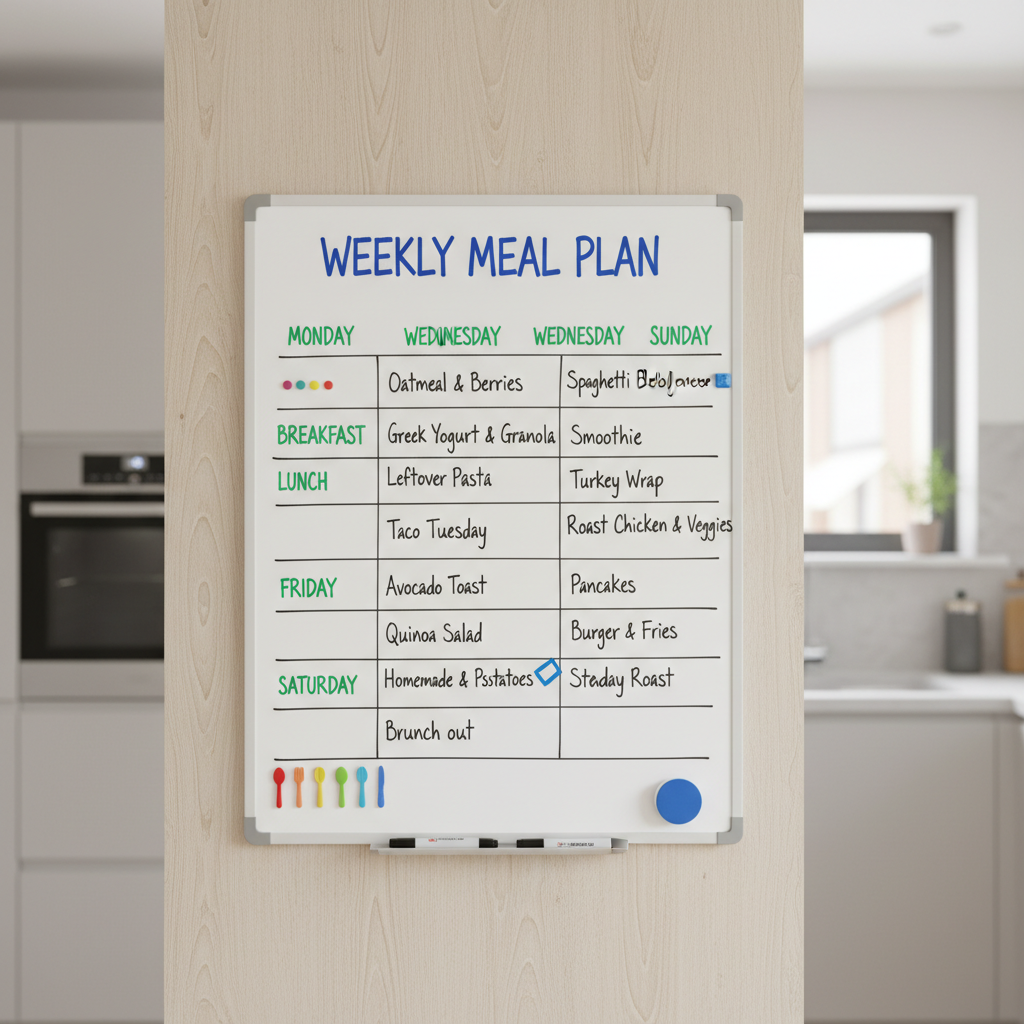
Here’s a sample plan to inspire your week. Remember, flexibility is key!
Breakfast Ideas – Start Your Day Right
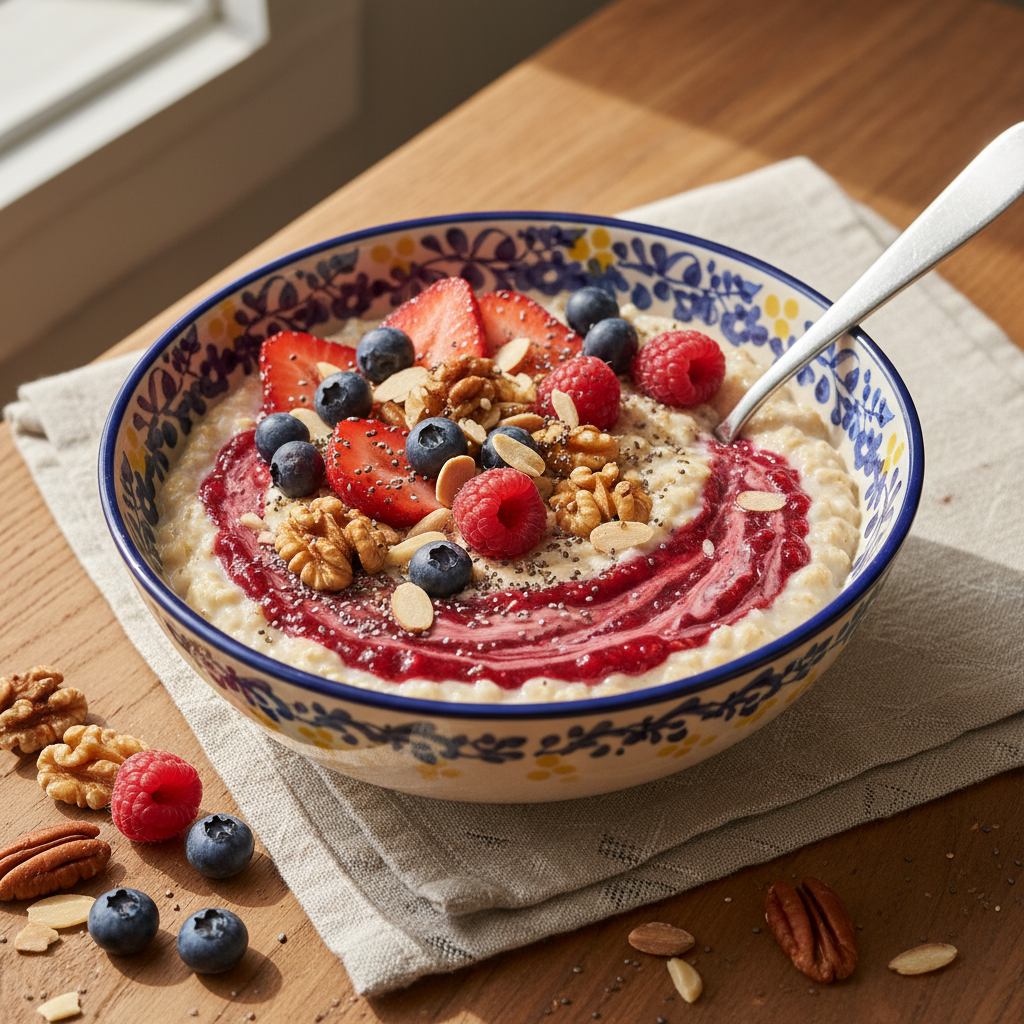
- Overnight Oats: Rolled oats soaked in almond milk with chia seeds, topped with berries and walnuts.
- Green Smoothie: Spinach, banana, flax seeds, protein powder, and almond milk.
- Scrambled Eggs with Veggies: Eggs scrambled with pre-chopped bell peppers, spinach, and a sprinkle of turmeric.
Lunch Ideas – Fuel Your Afternoon
- Quinoa Salad with Roasted Veggies and Chickpeas: Mix pre-cooked quinoa with roasted vegetables, chickpeas, fresh herbs, and a lemon-tahini dressing.
- Leftover Salmon and Greens: Flaked salmon (from batch cooking) over a bed of mixed greens with avocado and a light vinaigrette.
- Lentil Soup: A hearty, pre-made lentil soup packed with vegetables.
Dinner Ideas – Nourish Your Evening
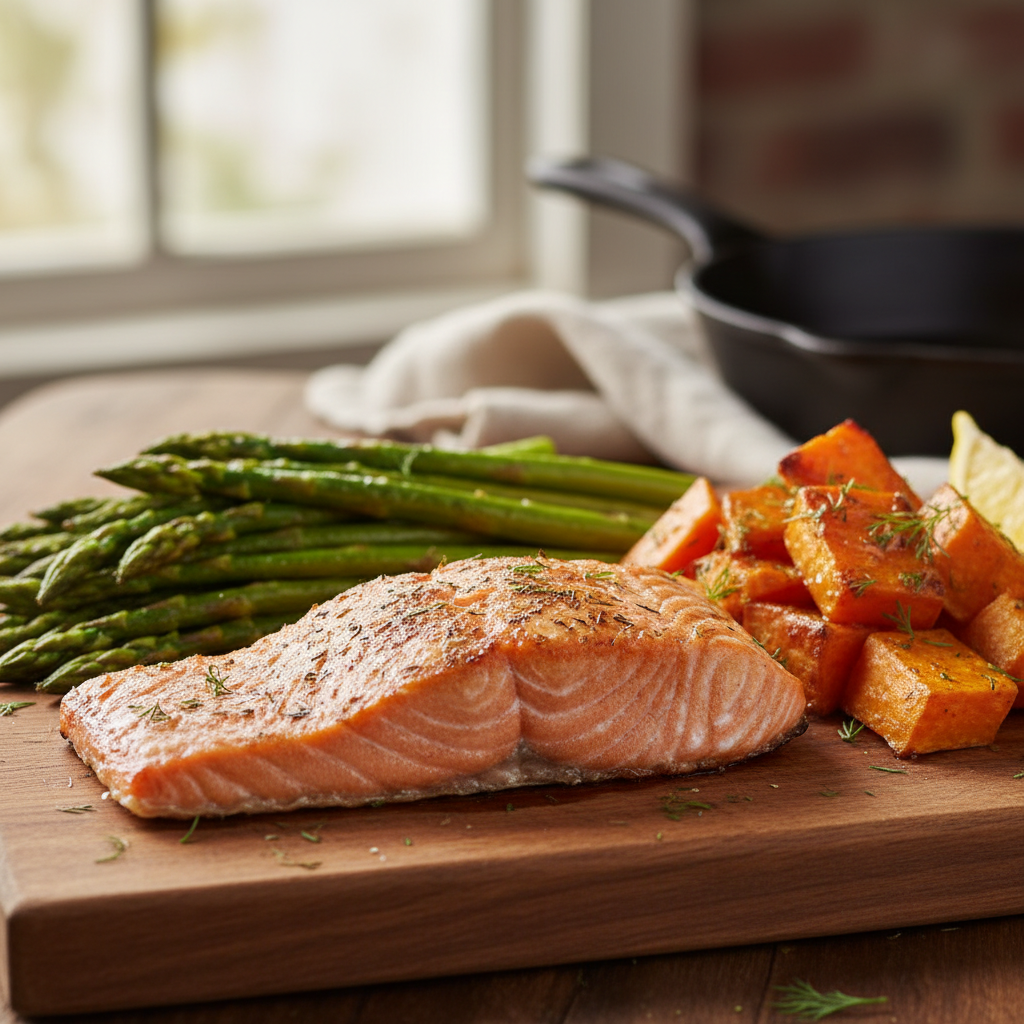
- Sheet Pan Salmon and Veggies: Salmon fillets roasted with broccoli florets, sweet potato chunks, and olive oil.
- Chicken and Vegetable Stir-Fry: Pre-cooked chicken strips stir-fried with pre-chopped mixed vegetables, ginger, garlic, and a low-sodium soy sauce alternative.
- Black Bean Burgers on Lettuce Wraps: Homemade or store-bought (check ingredients) black bean burgers served on large lettuce leaves with avocado and salsa.
Snack Ideas – Healthy Boosts
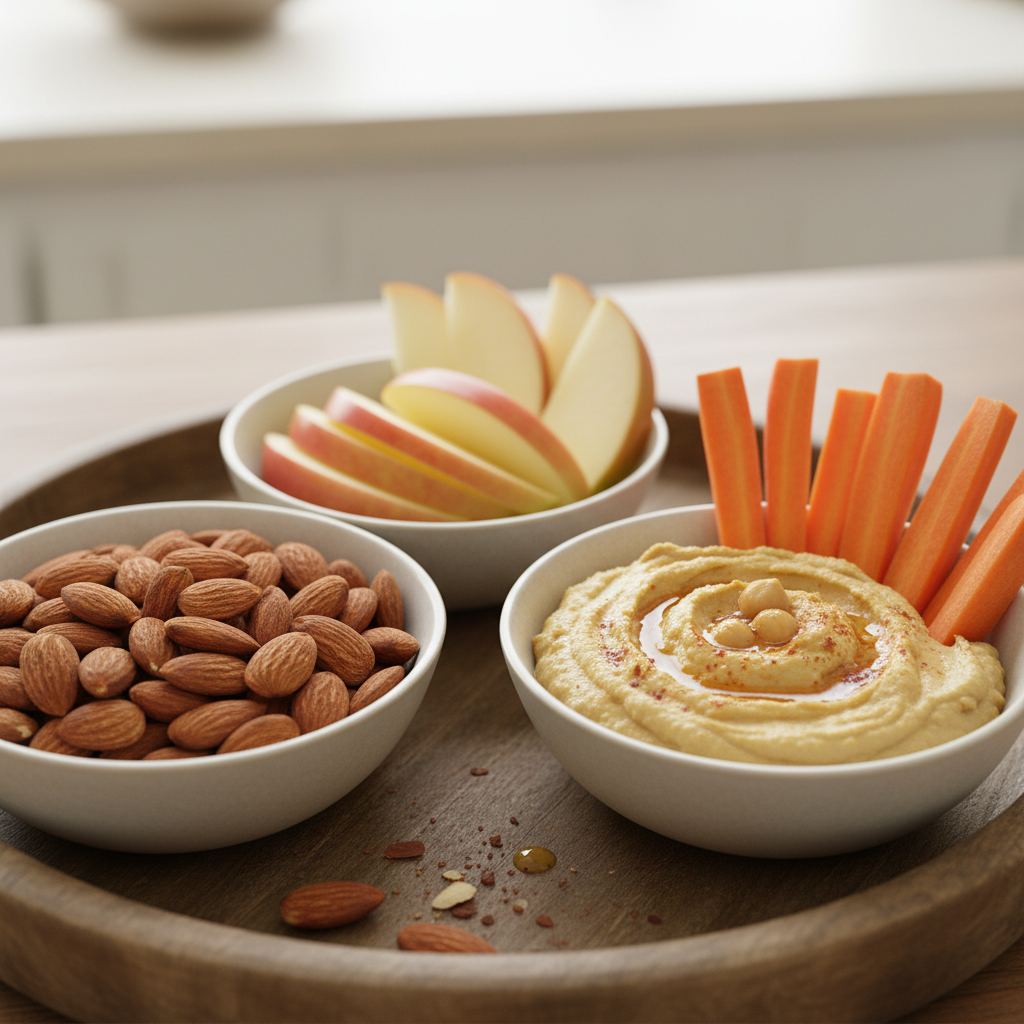
- Apple slices with almond butter
- Handful of mixed nuts (walnuts, almonds)
- Hummus with carrot and cucumber sticks
- Small bowl of berries
Mindset and Consistency – Staying on Track

Shifting to an anti-inflammatory diet is a journey, not a destination. It requires patience, self-compassion, and a realistic approach to consistency.
Embrace Imperfection – Progress, Not Perfection
Don’t let the pursuit of perfection derail your efforts. There will be days when you can’t stick to your plan perfectly, and that’s okay. One less-than-ideal meal or day doesn’t undo all your progress. Simply get back on track with your next meal. Focus on making good choices most of the time, and celebrate those small victories.
Listen to Your Body – Personalized Wellness

Pay attention to how different foods make you feel. Do you feel energized and clear-headed after a particular meal, or sluggish and bloated? Your body provides valuable feedback. Use this information to tailor your anti-inflammatory diet to your unique needs and preferences. What works best for one person might be slightly different for another.
Make it Enjoyable – Sustainable Habits
Healthy eating should be a source of joy, not a chore. Experiment with new recipes, try different spices, and discover flavors you love. Cook with friends or family. When you enjoy the process and the food, it becomes a sustainable lifestyle rather than a temporary diet. The more pleasure you derive from your anti-inflammatory meals, the easier it will be to maintain consistency.
Conclusion – Your Path to Lasting Wellness
Embarking on an anti-inflammatory eating journey doesn’t have to be daunting, even with the demands of a busy life. By understanding the power of whole foods, implementing smart meal prep strategies, and cultivating a compassionate mindset, you can transform your relationship with food and significantly impact your health.
Imagine waking up with more energy, experiencing less aches and pains, and feeling a renewed sense of vitality. This isn’t just about avoiding certain foods; it’s about embracing a vibrant, nourishing way of eating that supports your body’s incredible ability to heal and thrive. Start small, be consistent, and celebrate every step forward. Your body will thank you for it, and you’ll discover that making time for your health is the most rewarding investment you can make. Take the first step today—your future, healthier self is waiting.