

Feeling tired, achy, or generally unwell? You might be experiencing the effects of inflammation. It’s a natural process, but when it becomes chronic, it can impact almost every aspect of your well-being, from your energy levels to your joint health. The good news is that what you eat plays a huge role in managing it.
Many people think eating healthy or following a specific diet has to be expensive or complicated. That’s simply not true! This 14-day anti-inflammatory diet plan is designed to be both easy to follow and friendly to your wallet. We’ll show you how to choose the right foods, create simple meals, and build lasting habits without breaking the bank.
Get ready to discover how simple, whole foods can help you feel better, move more freely, and boost your overall health. Let’s make feeling good accessible to everyone.
Understanding Inflammation and Its Impact
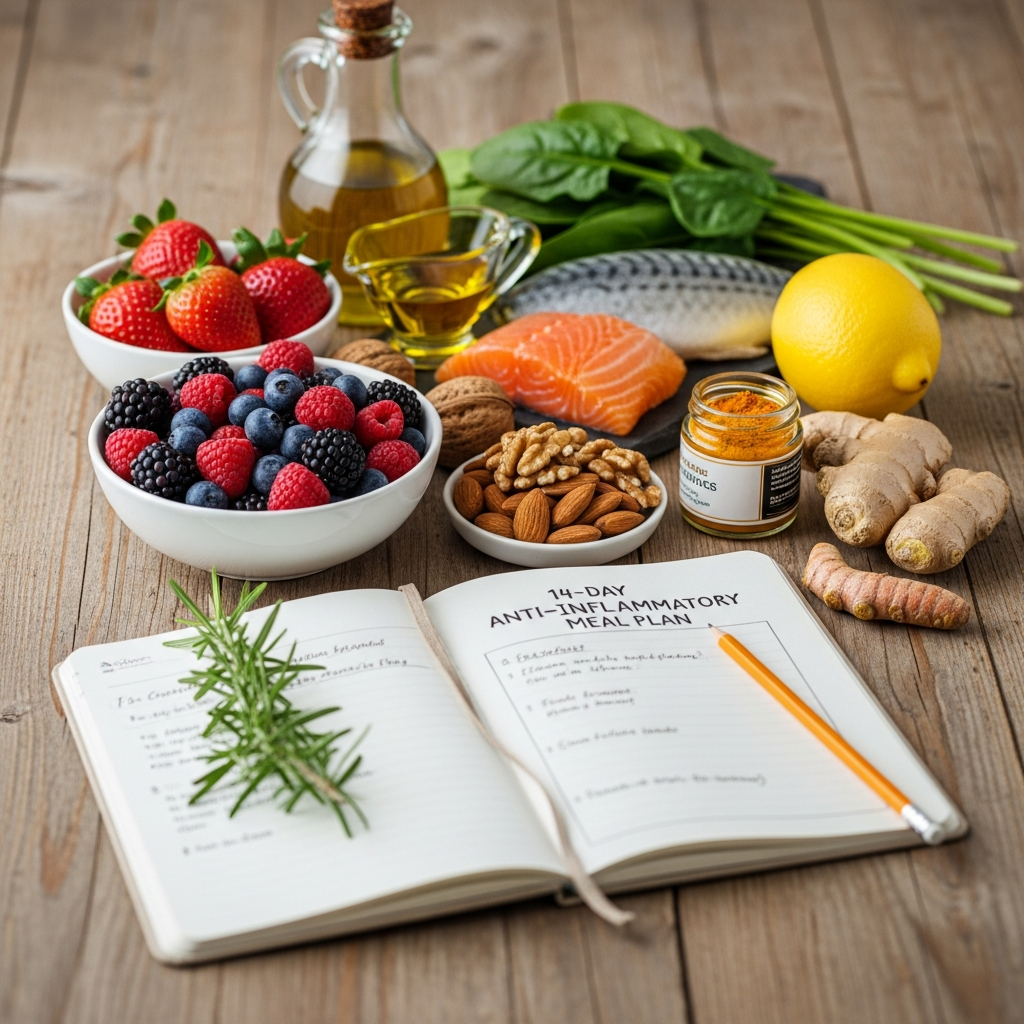
Inflammation is your body’s natural defense mechanism. It’s how your immune system responds to injury, infection, or irritation, sending healing cells to the affected area. Think of it like your body’s internal fire department rushing to put out a blaze.
What is Inflammation?
There are two main types of inflammation. Acute inflammation is short-term and helpful, like the swelling around a sprained ankle. Chronic inflammation, however, is a low-grade, long-lasting response that can silently damage your body over time.
This persistent internal “fire” can be triggered by many things, including stress, lack of sleep, environmental toxins, and a diet high in processed foods. It can become a major player in various health issues.
Signs of Chronic Inflammation
Sometimes, chronic inflammation doesn’t have obvious symptoms, but often it manifests in subtle ways. You might experience persistent fatigue that sleep doesn’t fix, nagging joint pain, or stiffness in your muscles.
Other common signs include digestive issues like bloating or stomach upset, skin problems like acne or eczema, and even brain fog or difficulty concentrating. Weight gain, especially around the middle, can also be a clue.
The Power of Food
The food you eat has a profound impact on your body’s inflammatory response. Certain foods can fan the flames, while others can help put them out. By choosing wisely, you can actively reduce inflammation and support your body’s healing processes.
This diet isn’t about deprivation; it’s about nourishing your body with foods that make you feel vibrant and energized. Small changes can lead to big improvements in how you feel every day.
Key Principles of an Anti-Inflammatory Diet (Budget-Friendly Edition)
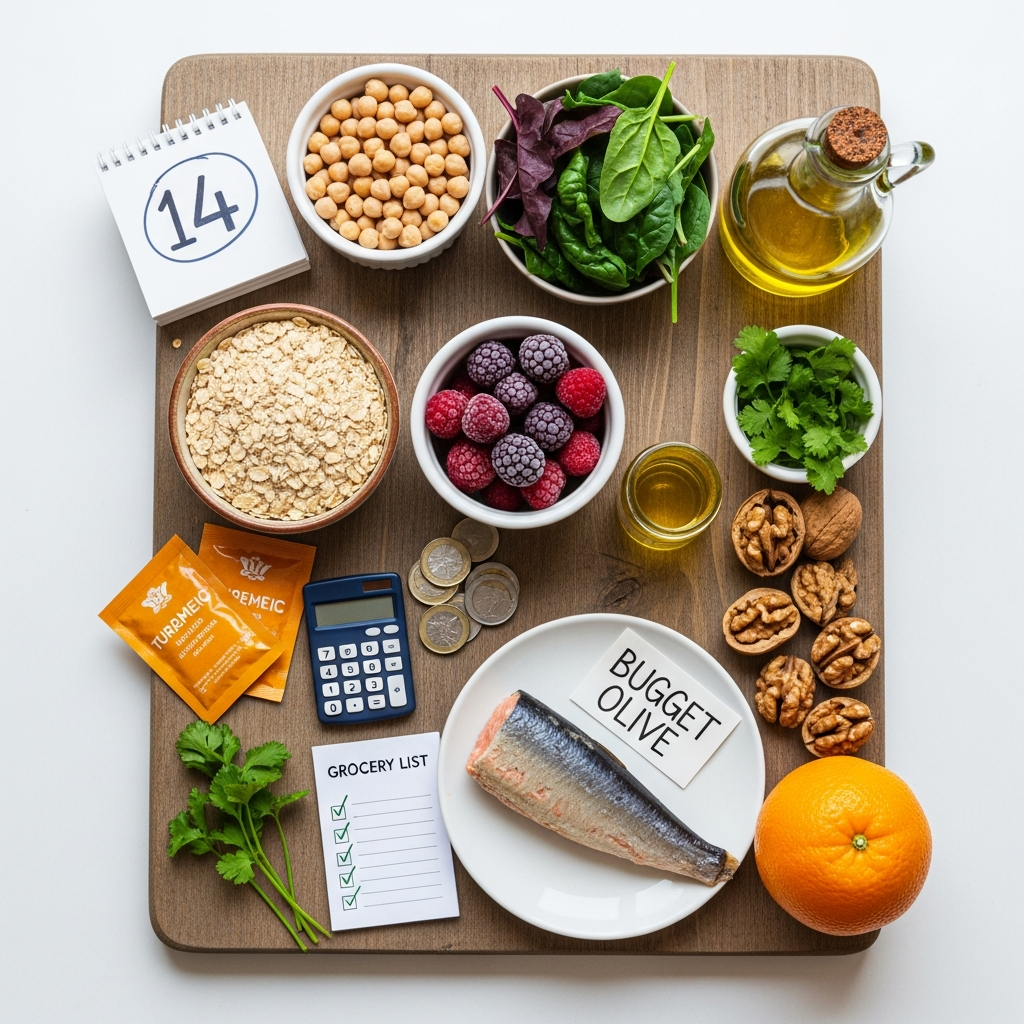
An anti-inflammatory diet focuses on whole, unprocessed foods that are rich in antioxidants, fiber, and healthy fats. The great news is, many of these foods are naturally budget-friendly staples.
Foods to Embrace
Fruits and Vegetables
These are packed with vitamins, minerals, and antioxidants. Opt for seasonal produce, which is often cheaper and at its peak freshness. Frozen fruits and vegetables are excellent, affordable alternatives and retain their nutrients. Canned options like diced tomatoes or beans can also be budget heroes.
Whole Grains
Choose whole grains over refined ones. Oats, brown rice, quinoa, barley, and whole-wheat pasta are fantastic sources of fiber and complex carbohydrates. They are satisfying, cheap, and can form the base of many meals.
Lean Proteins
Focus on plant-based proteins like lentils, chickpeas, black beans, and edamame, which are incredibly inexpensive and versatile. Eggs are another budget-friendly protein powerhouse. When buying meat or fish, look for sales or choose more affordable cuts, or smaller portions. Canned tuna or salmon can also be good options.
Healthy Fats
Incorporating healthy fats is crucial. Olive oil is a staple; buy larger bottles when they’re on sale. Nuts and seeds (like flax, chia, and pumpkin seeds) provide healthy fats and fiber; buy them in bulk or smaller portions as needed. Avocados are great when they fit the budget.
Herbs and Spices
Don’t underestimate the power of herbs and spices. Turmeric (especially with black pepper), ginger, garlic, cinnamon, and oregano are not just flavor enhancers; they are potent anti-inflammatory agents and are very inexpensive.
Foods to Limit or Avoid
Processed Foods
These often contain unhealthy fats, added sugars, and artificial ingredients that can trigger inflammation. Think packaged snacks, sugary cereals, and fast food. They offer little nutritional value and can be surprisingly expensive in the long run.
Refined Grains
White bread, white pasta, and sugary baked goods are quickly broken down into sugar in your body, contributing to inflammation. Swapping these for whole-grain versions is a simple but impactful change.
Unhealthy Fats
Avoid trans fats (found in many fried foods and some processed snacks) and limit excessive saturated fats (found in red meat and full-fat dairy). These fats can promote inflammation and impact heart health.
Sugary Drinks
Sodas, sweetened juices, and energy drinks are loaded with added sugars, which are a major driver of inflammation. Stick to water, herbal tea, or naturally flavored water instead.
Budget-Smart Shopping Strategies
Eating healthy on a budget is all about smart planning and savvy shopping.
* Meal Plan and List Making: Before you shop, plan your meals for the week. Make a detailed grocery list and stick to it to avoid impulse buys.
* Buying in Season: Produce is cheaper and tastes better when it’s in season. Check local farmer’s markets for deals, especially towards closing time.
* Utilizing Frozen and Canned Produce: Frozen berries, spinach, mixed vegetables, and canned beans or tomatoes are just as nutritious as fresh, often cheaper, and last longer.
* Shopping Store Brands: Generic or store-brand products are usually less expensive than national brands and often just as good quality.
* Batch Cooking: Cook larger quantities of grains, beans, or roasted vegetables once or twice a week. This saves time and ensures you have healthy options ready.
* Plant-Based Protein Swaps: Incorporate more lentils, beans, and chickpeas into your diet. They are incredibly affordable sources of protein and fiber.
Your 14-Day Anti-Inflammatory Meal Plan (Budget Focus)
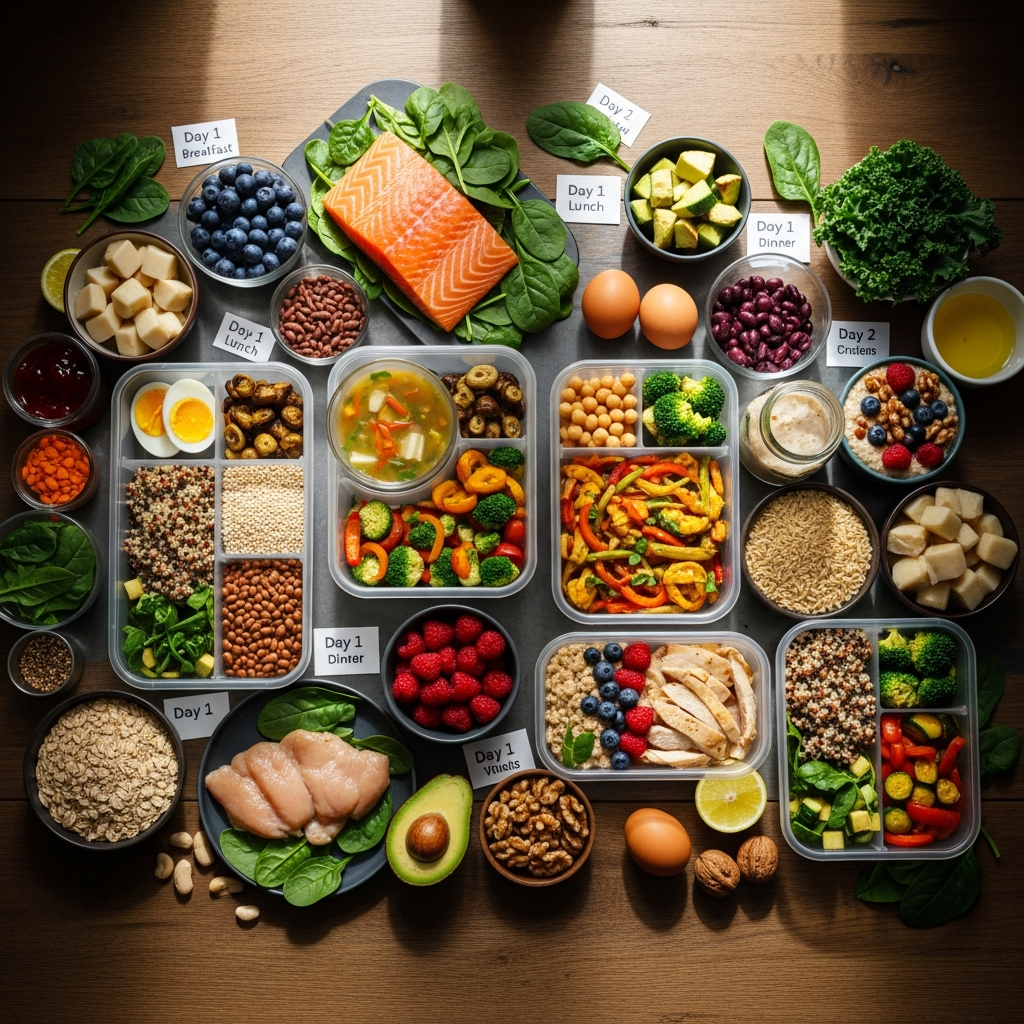
This plan provides a framework. Feel free to swap meals based on your preferences and what’s on sale, always keeping the anti-inflammatory principles and budget in mind.
How to Use This Plan
* Flexibility is Key: This is a guide, not a rigid rulebook. Adjust portion sizes based on your hunger and activity level.
* Hydration: Drink plenty of water throughout the day. Aim for 8 glasses or more.
* Focus on Whole Foods: Prioritize unprocessed ingredients. Cook from scratch as much as possible.
* Snack Smart: If you need a snack, choose options like a piece of fruit, a handful of nuts, vegetable sticks with hummus, or a hard-boiled egg.
General Daily Structure
* Breakfast: A fiber-rich, protein-packed start to your day.
* Lunch: Often a larger portion of dinner leftovers or a simple, fresh meal.
* Dinner: A balanced meal with plenty of vegetables.
* Snacks: Optional, if hungry between meals.
Sample 14-Day Plan
Days 1-3: Setting the Foundation
* Day 1
* Breakfast: Oatmeal with frozen berries and a sprinkle of cinnamon.
* Lunch: Leftover lentil soup (see recipe idea below).
* Dinner: Big batch bean chili (see recipe idea below), served with brown rice.
* Day 2
* Breakfast: Scrambled eggs with spinach (frozen spinach works great!) and a slice of whole-wheat toast.
* Lunch: Leftover bean chili.
* Dinner: Sheet pan roasted root vegetables (carrots, potatoes, sweet potatoes, onions) with chickpeas and herbs.
* Day 3
* Breakfast: Oatmeal with a handful of walnuts and a sliced apple.
* Lunch: Tuna (canned) or chickpea salad on whole-wheat bread with lettuce and tomato.
* Dinner: Whole-wheat pasta with a simple tomato sauce (canned diced tomatoes) and a side of steamed frozen broccoli.
Days 4-7: Expanding Your Horizons
* Day 4
* Breakfast: Smoothie made with frozen banana, spinach, water, and a spoonful of oats.
* Lunch: Leftover pasta with broccoli.
* Dinner: Chicken and vegetable stir-fry (use frozen stir-fry mix, soy sauce, ginger, garlic, served with brown rice).
* Day 5
* Breakfast: Hard-boiled eggs (2) with an orange.
* Lunch: Leftover chicken and vegetable stir-fry.
* Dinner: Baked potato or sweet potato topped with black beans, salsa (canned), and a dollop of plain yogurt (if budget allows for plain, unsweetened yogurt).
* Day 6
* Breakfast: Oatmeal with a sprinkle of ground flaxseeds and a banana.
* Lunch: Leftover baked potato/sweet potato.
* Dinner: Lentil and vegetable curry (made with canned lentils, frozen mixed veggies, curry powder, and coconut milk – check for sales). Serve with brown rice.
* Day 7
* Breakfast: Whole-wheat pancakes (from scratch with whole-wheat flour, eggs, milk) topped with berries.
* Lunch: Leftover lentil and vegetable curry.
* Dinner: Large mixed green salad with canned chickpeas, cucumber, bell pepper, and a simple olive oil and vinegar dressing.
Days 8-11: Sustaining Momentum
* Day 8
* Breakfast: Scrambled eggs with a handful of kale and a small avocado (if budget allows).
* Lunch: Leftover salad with chickpeas.
* Dinner: Shepherd’s pie with a lentil and vegetable base (canned lentils, carrots, peas) topped with mashed potatoes.
* Day 9
* Breakfast: Oatmeal with a few almonds and pear slices.
* Lunch: Leftover lentil shepherd’s pie.
* Dinner: Hearty vegetable soup (use whatever cheap veggies you have: carrots, celery, onions, potatoes, canned tomatoes, beans).
* Day 10
* Breakfast: Whole-wheat toast with peanut butter and banana.
* Lunch: Leftover hearty vegetable soup.
* Dinner: Black bean burgers (homemade from canned black beans, oats, spices) on whole-wheat buns or lettuce wraps, with a side salad.
* Day 11
* Breakfast: Smoothie with frozen spinach, apple, chia seeds, and water.
* Lunch: Leftover black bean burgers.
* Dinner: Quinoa salad with roasted vegetables (e.g., zucchini, bell peppers, onions) and a lemon-tahini dressing.
Days 12-14: Looking Ahead
* Day 12
* Breakfast: Hard-boiled eggs (2) with a side of whole-wheat crackers.
* Lunch: Leftover quinoa salad.
* Dinner: Fish fillets (if on sale, frozen cod or tilapia are good choices) baked with lemon and herbs, served with steamed green beans (frozen) and brown rice.
* Day 13
* Breakfast: Oatmeal with a dash of turmeric and black pepper (for anti-inflammatory boost) and a handful of berries.
* Lunch: Leftover fish with rice and green beans.
* Dinner: Loaded sweet potato: baked sweet potato filled with leftover chili or black beans and corn.
* Day 14
* Breakfast: Whole-wheat pancakes again with fresh fruit.
* Lunch: Leftover loaded sweet potato.
* Dinner: Large “clean out the fridge” meal – use any remaining vegetables, grains, and proteins to create a stir-fry, soup, or big salad.
Budget-Friendly Recipe Ideas
* Oatmeal with Berries and Nuts: A classic. Buy large tubs of oats and frozen berries.
* Lentil Soup/Stew: Cook a big pot of lentils with carrots, celery, onions, canned diced tomatoes, and broth. It’s cheap, hearty, and freezes well.
* Big Batch Bean Chili: Canned beans (kidney, black, pinto), canned tomatoes, onions, peppers, and chili powder make a filling and budget-friendly meal.
* Sheet Pan Roasted Vegetables: Toss any root vegetables (carrots, potatoes, onions) with olive oil and spices, roast until tender. Add chickpeas for protein.
* Tuna/Chickpea Salad: Mix canned tuna or mashed chickpeas with a little plain yogurt or olive oil, chopped celery, and herbs. Serve on whole-wheat bread or lettuce.
* Hard-Boiled Eggs: Boil a dozen eggs at the start of the week for quick, cheap protein snacks or additions to meals.
Beyond Food: Everyday Habits for Reducing Inflammation
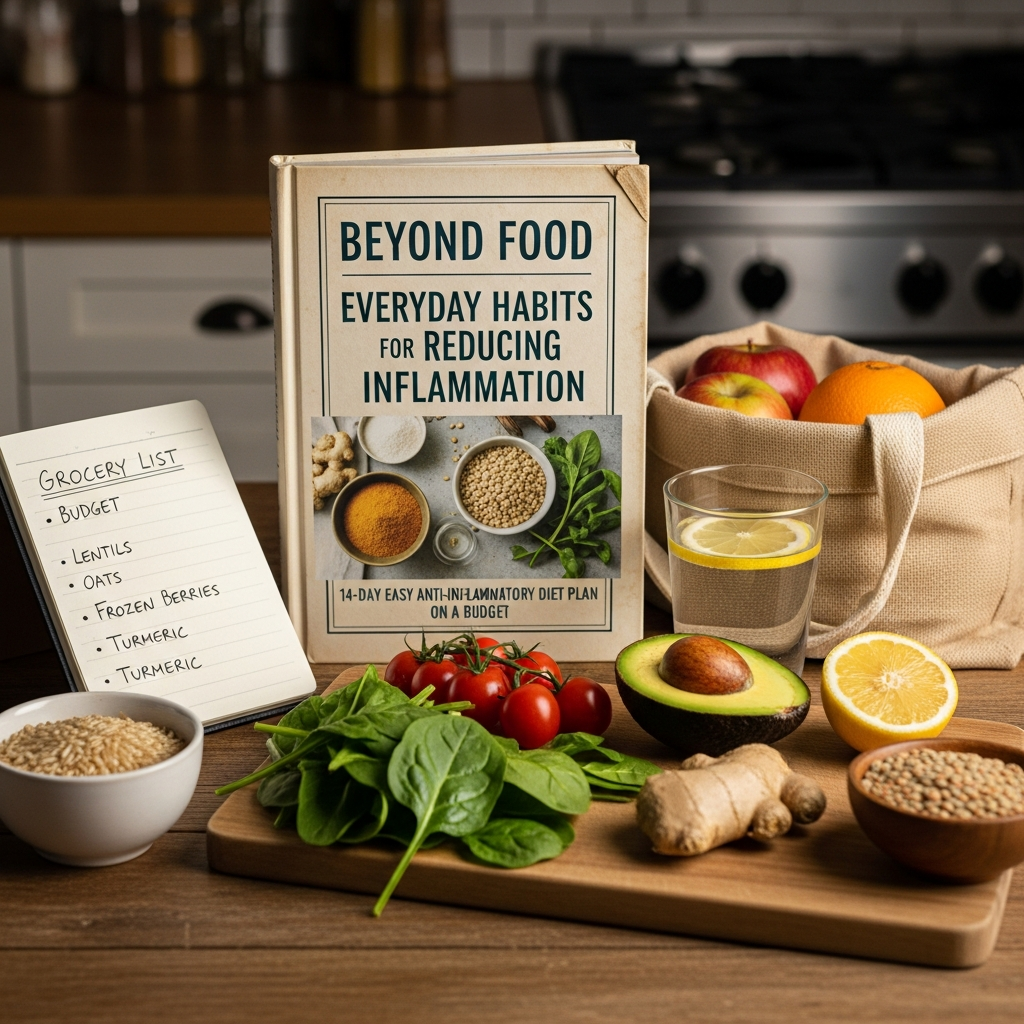
While diet is powerful, it’s part of a larger wellness picture. Incorporating a few simple lifestyle habits can greatly enhance your anti-inflammatory efforts.
Stay Hydrated
Water is essential for every bodily function, including flushing out toxins and supporting healthy cellular activity. Aim to drink plenty of plain water throughout the day. It’s free and incredibly impactful.
Prioritize Sleep
Lack of sleep can increase inflammation in the body. Aim for 7-9 hours of quality sleep each night. Create a relaxing bedtime routine to help your body and mind wind down.
Manage Stress
Chronic stress is a major contributor to inflammation. Find simple ways to manage stress, such as taking a short walk, practicing deep breathing exercises, listening to calming music, or spending time in nature.
Move Your Body
Regular physical activity, even gentle movement, can help reduce inflammation. You don’t need a gym membership. Walking, stretching, dancing, or light bodyweight exercises at home are all effective. Find something you enjoy and do it consistently.
Read Food Labels
Becoming an informed consumer empowers you to make better choices. Learn to spot hidden sugars, unhealthy fats, and artificial ingredients on food labels. The simpler the ingredient list, the better.
Mindset and Consistency: Staying on Track
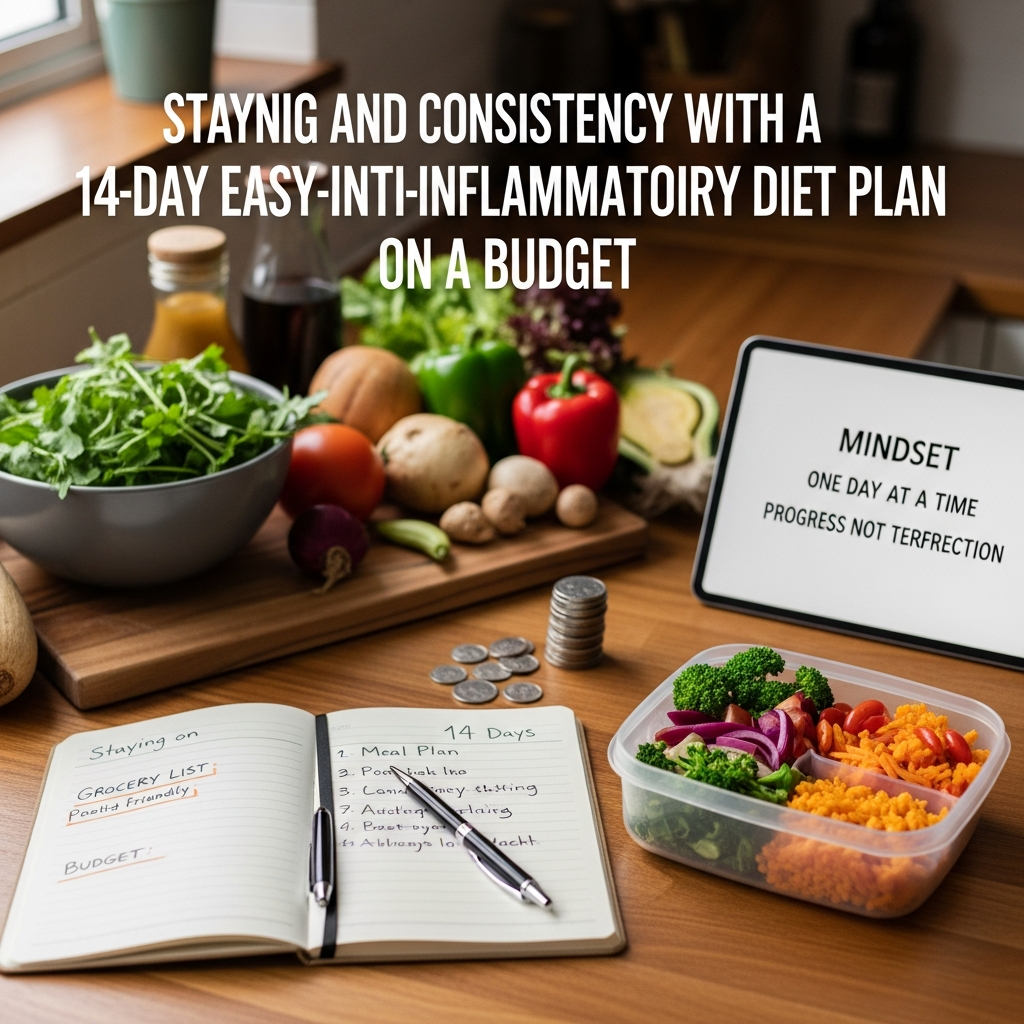
Starting a new diet can feel like a big challenge. Remember, this is a journey, not a race. Your mindset plays a crucial role in your success.
Be Patient
Results from dietary changes don’t happen overnight. Give your body time to adjust and heal. Focus on how you feel day-to-day, rather than seeking dramatic immediate changes. Consistency over perfection is key.
Focus on Progress, Not Perfection
You’re human, and there might be days you deviate from the plan. Don’t let a minor slip-up derail your entire effort. Acknowledge it, learn from it, and get right back on track with your next meal. Every healthy choice adds up.
Build a Support System
Share your goals with a friend or family member. Having someone to encourage you, or even to join you, can make the process much easier and more enjoyable. Shared meals can also be a great motivator.
Learn to Listen to Your Body
Pay attention to how different foods make you feel. Does a certain meal leave you energized or sluggish? Are your symptoms improving? Your body provides valuable feedback; learn to interpret its signals.
Meal Prep Like a Pro
Spending an hour or two on the weekend to chop vegetables, cook grains, and prepare a few simple components for the week can be a game-changer. This saves time during busy weekdays and prevents unhealthy impulse eating, all while being budget-friendly.