

Chronic inflammation is a significant driver of many modern health concerns, yet managing it does not require a massive financial investment. By choosing nutrient-dense whole foods that are naturally high in antioxidants and healthy fats, you can support your body’s immune response and reduce systemic stress. This guide explores 17 cost-effective snacks that provide anti-inflammatory benefits while remaining accessible for any budget. Incorporating these options into your daily routine can lead to improved energy levels, better joint health, and overall longevity.
1. Raw Walnuts
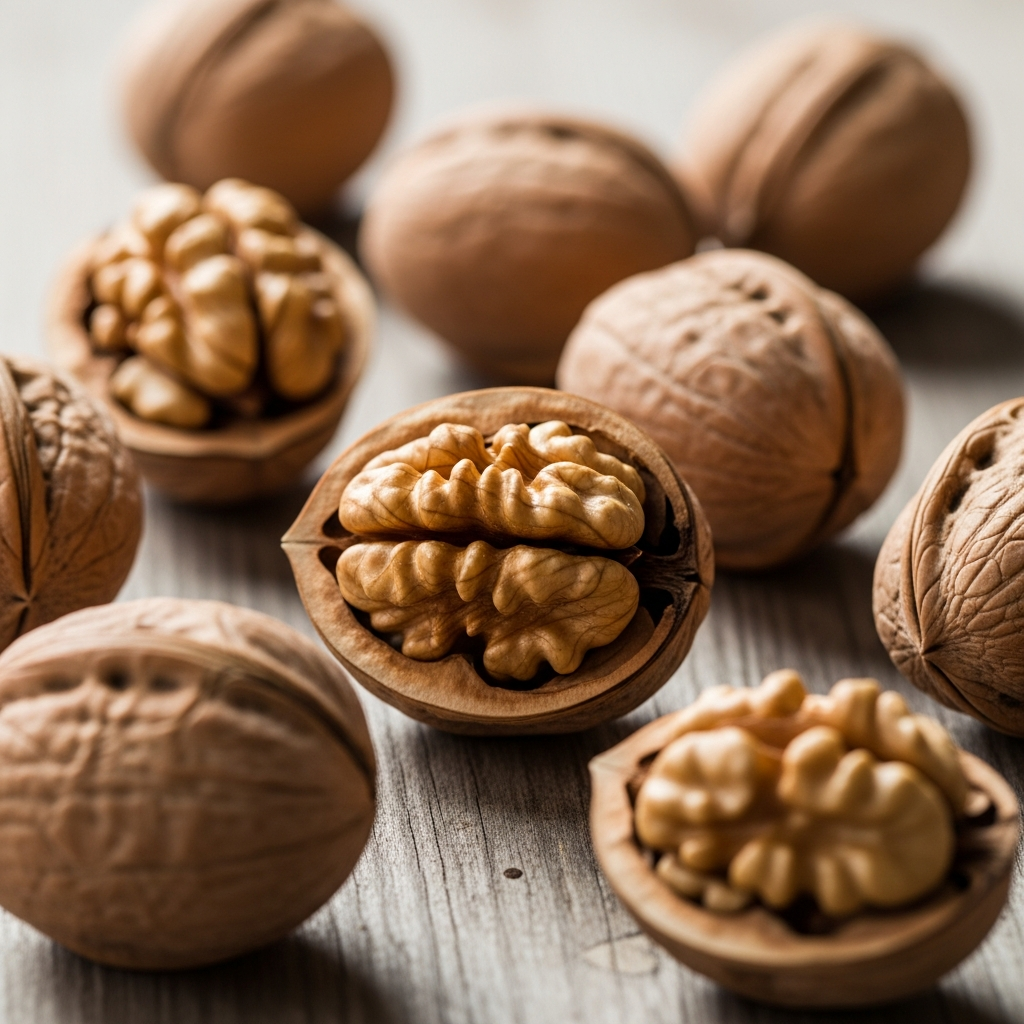
Walnuts are an exceptional source of alpha-linolenic acid, a type of omega-3 fatty acid known for its ability to reduce C-reactive protein, a marker of inflammation. Purchasing them in bulk or from the baking aisle often lowers the cost per serving. Just a small handful provides a substantial dose of polyphenols that fight oxidative stress in the brain and body.
2. Canned Sardines
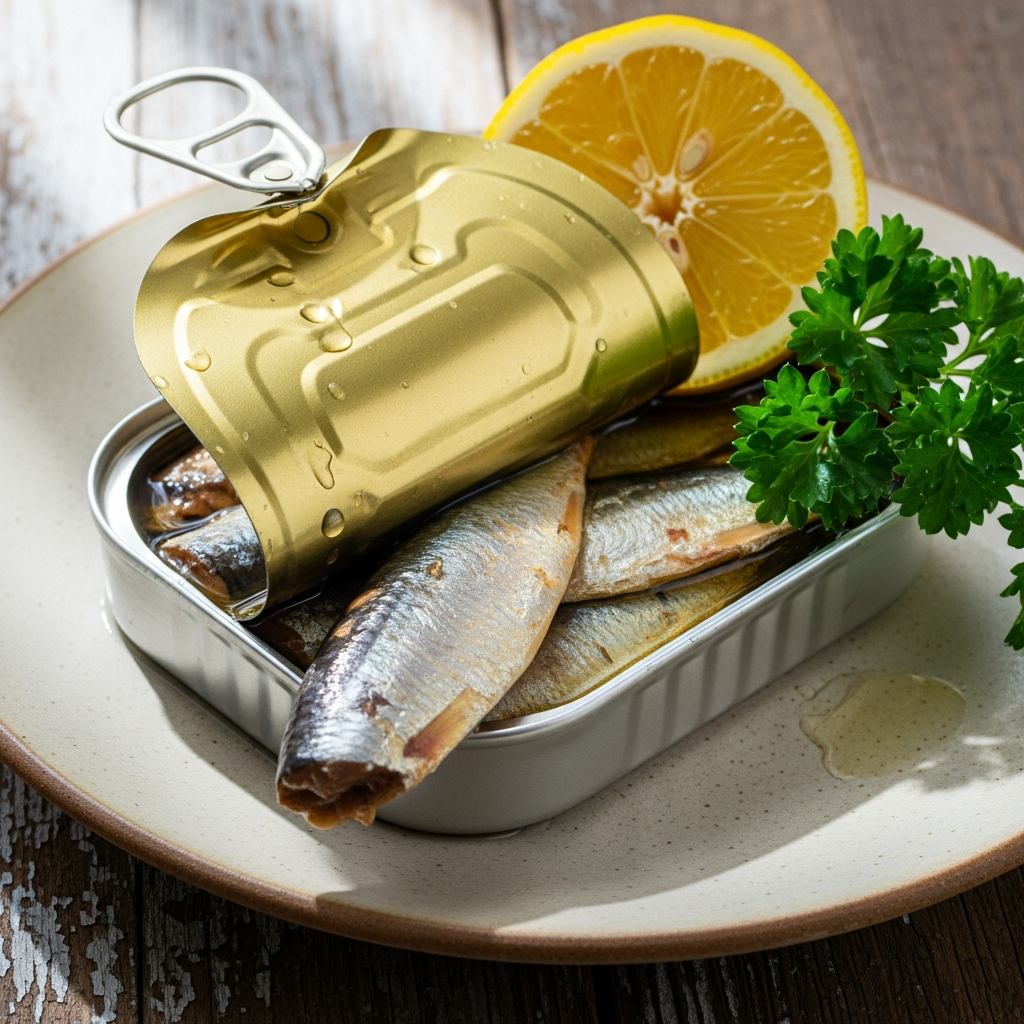
While often overlooked, canned sardines are one of the most concentrated sources of EPA and DHA omega-3 fatty acids. They are significantly more affordable than fresh salmon and have a long shelf life. The high protein and vitamin D content further support bone health and immune regulation, making them a powerhouse for reducing inflammation.
3. Frozen Mixed Berries
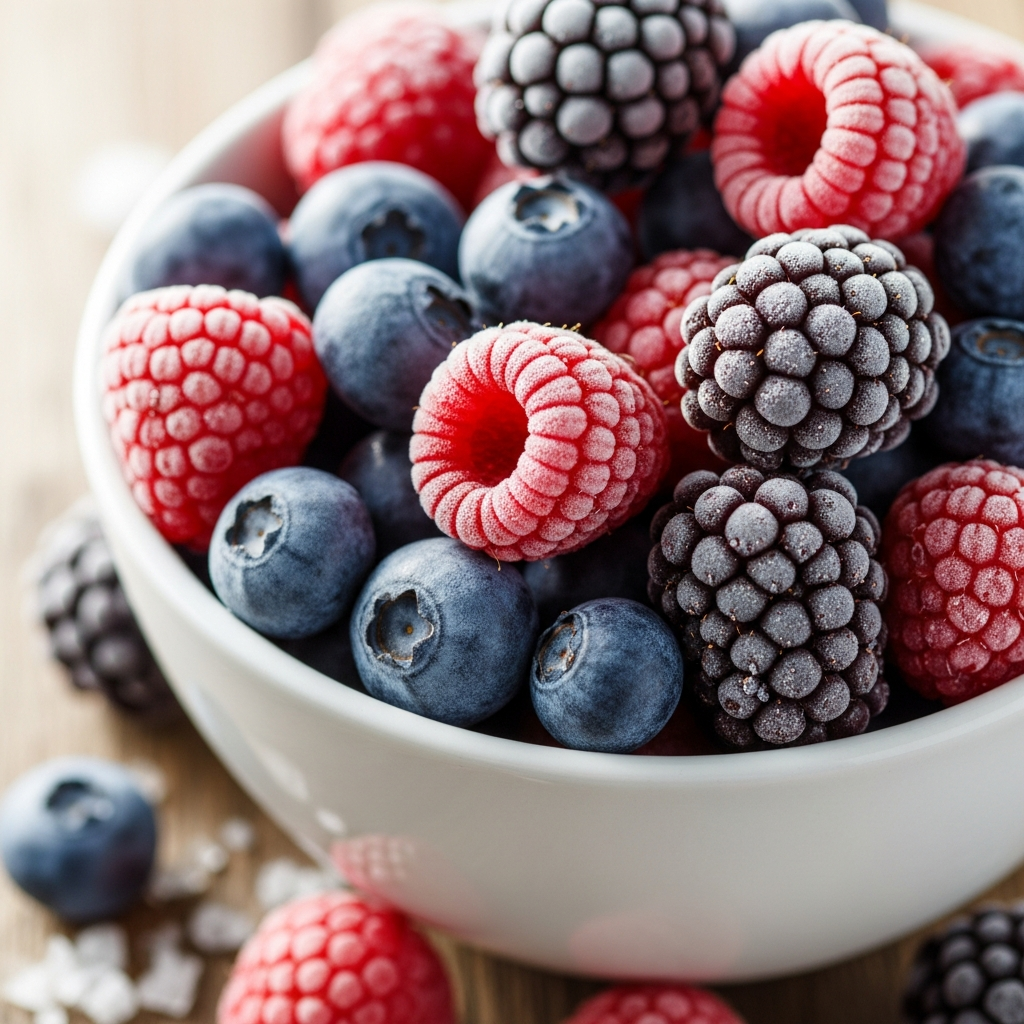
Berries like blueberries, strawberries, and raspberries are packed with fiber and antioxidants called anthocyanins. These compounds have been shown to reduce inflammation and boost immunity. Frozen varieties are nutritionally equivalent to fresh versions but are often available at a fraction of the price and can be enjoyed year-round.
4. Oven-Roasted Chickpeas
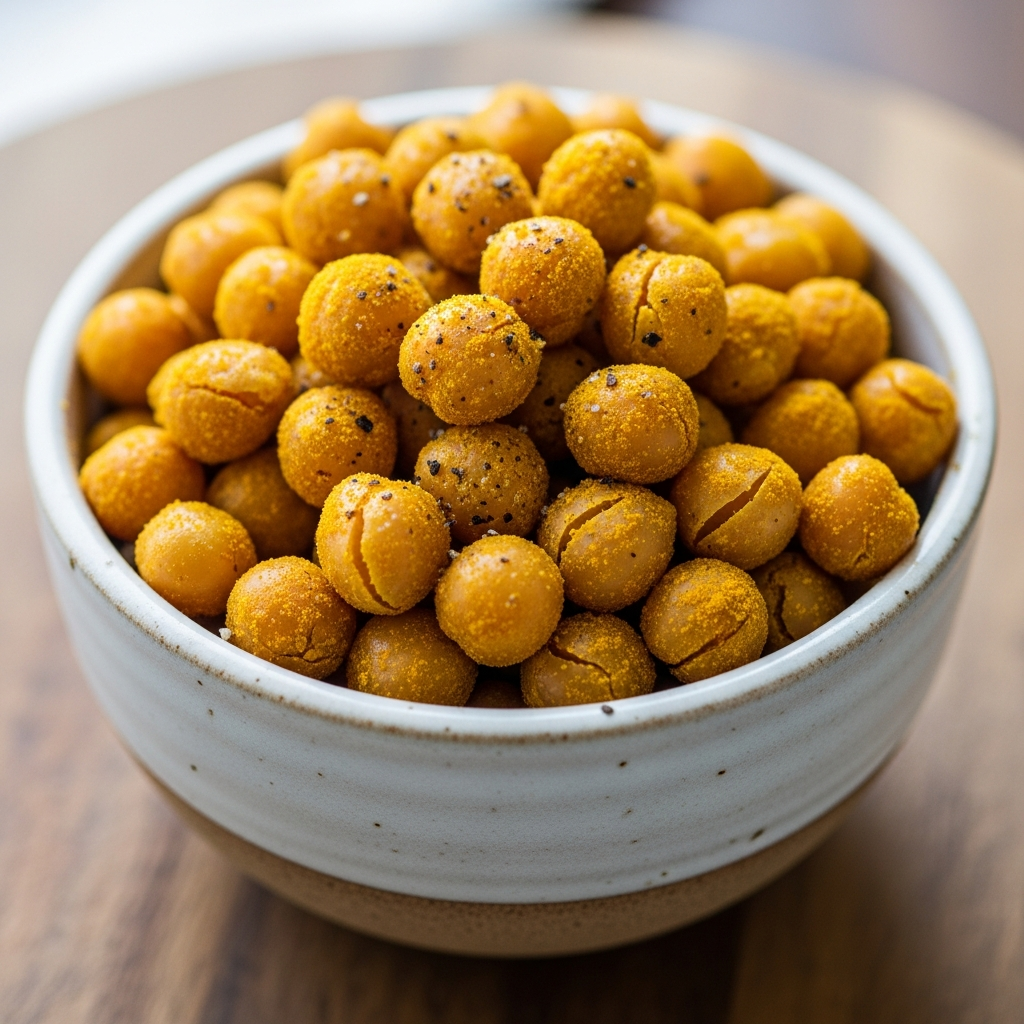
Chickpeas are a budget-friendly legume rich in fiber and plant-based protein. When roasted with anti-inflammatory spices like turmeric or cumin, they become a crunchy, satisfying snack. The fiber helps maintain a healthy gut microbiome, which is essential for managing systemic inflammation levels.
5. Plain Greek Yogurt with Cinnamon
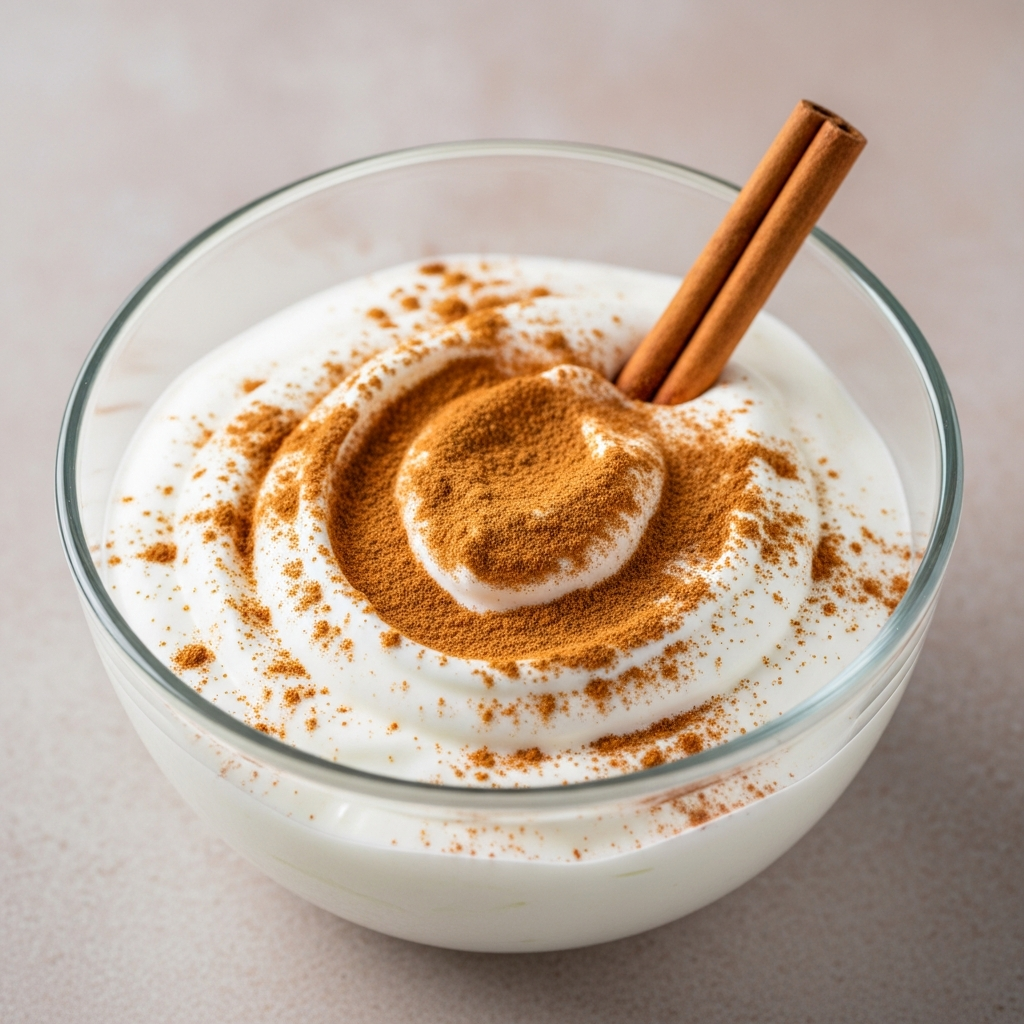
Greek yogurt is an excellent source of probiotics, which support gut health and reduce inflammation rooted in the digestive system. Opting for plain versions avoids the pro-inflammatory effects of added sugars. Adding a sprinkle of cinnamon provides additional antioxidant benefits and helps regulate blood sugar levels.
6. Green Tea

Green tea contains epigallocatechin-3-gallate (EGCG), a substance that inhibits the production of pro-inflammatory cytokines. It is one of the most affordable ways to hydrate while providing the body with a steady stream of antioxidants. Drinking it between meals can help maintain a calm, anti-inflammatory internal environment.
7. Hard-Boiled Eggs

Eggs are a complete protein source containing choline and vitamin D, both of which play roles in modulating the inflammatory response. Preparing a batch at the beginning of the week ensures you have a quick, inexpensive snack available. Choosing pasture-raised eggs when possible can further increase the omega-3 content.
8. Apple Slices with Peanut Butter
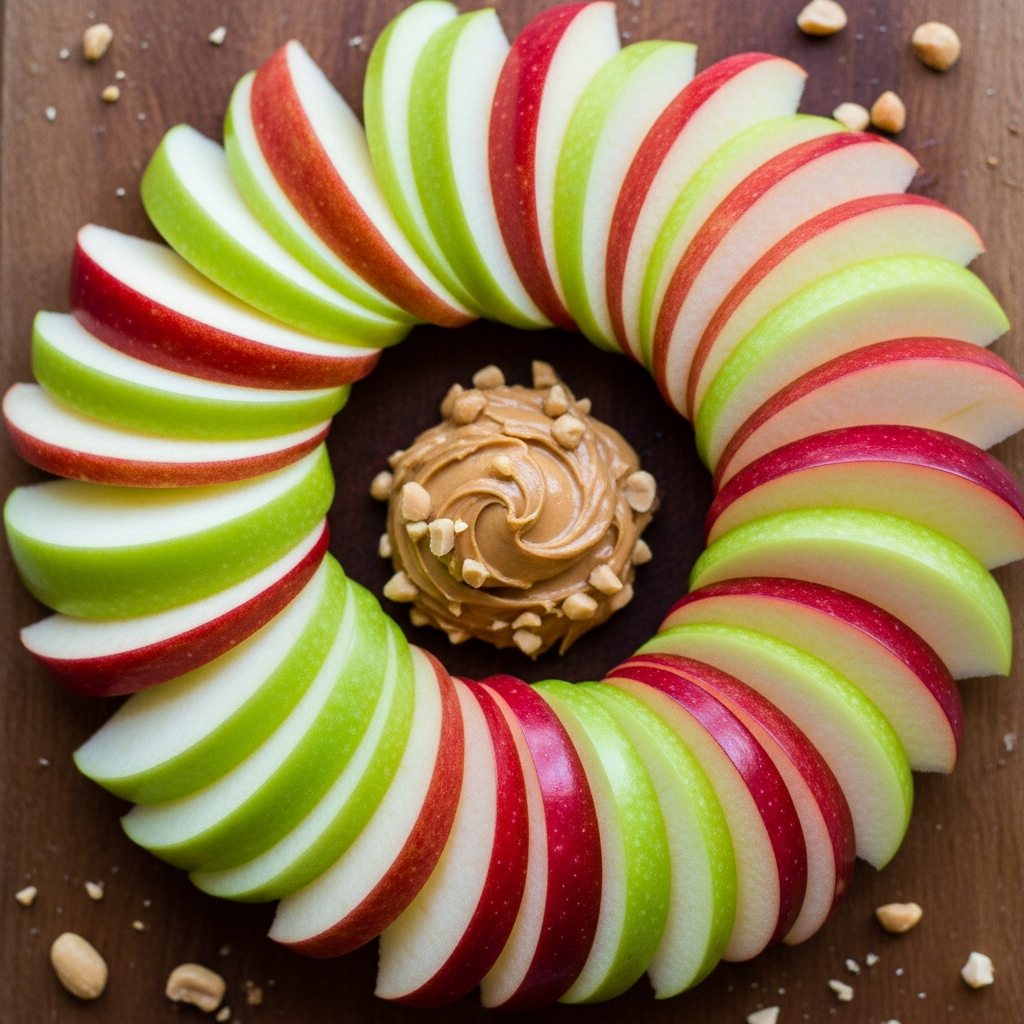
Apples are rich in quercetin, a flavonoid that helps reduce inflammation and allergy symptoms. Pairing them with natural peanut butter adds healthy monounsaturated fats and protein. This combination is both filling and effective at providing a slow release of energy without spiking blood sugar.
9. Carrot Sticks and Hummus
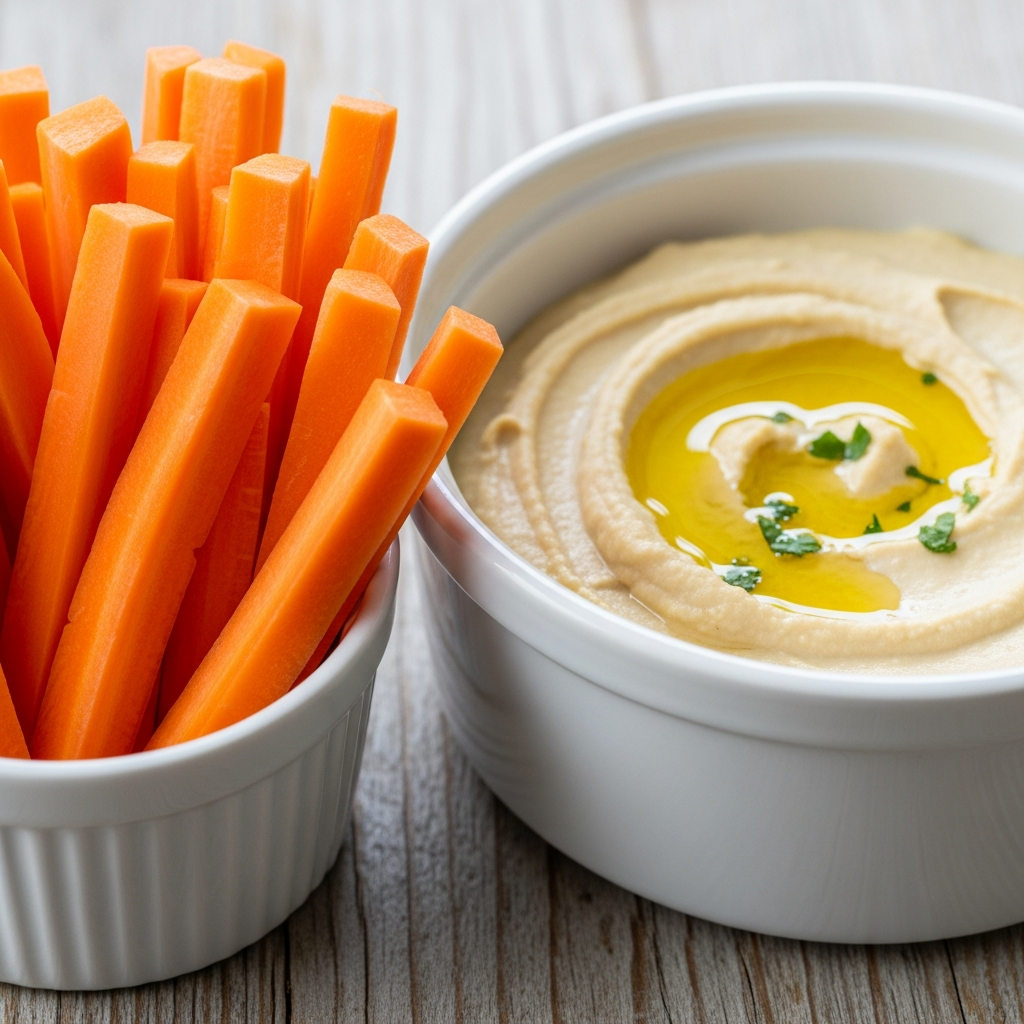
Carrots are high in beta-carotene, which the body converts to vitamin A to support the immune system. Hummus, made from chickpeas and olive oil, provides healthy fats and fiber. This combination is a classic affordable snack that provides a satisfying crunch and various phytonutrients.
10. Pumpkin Seeds
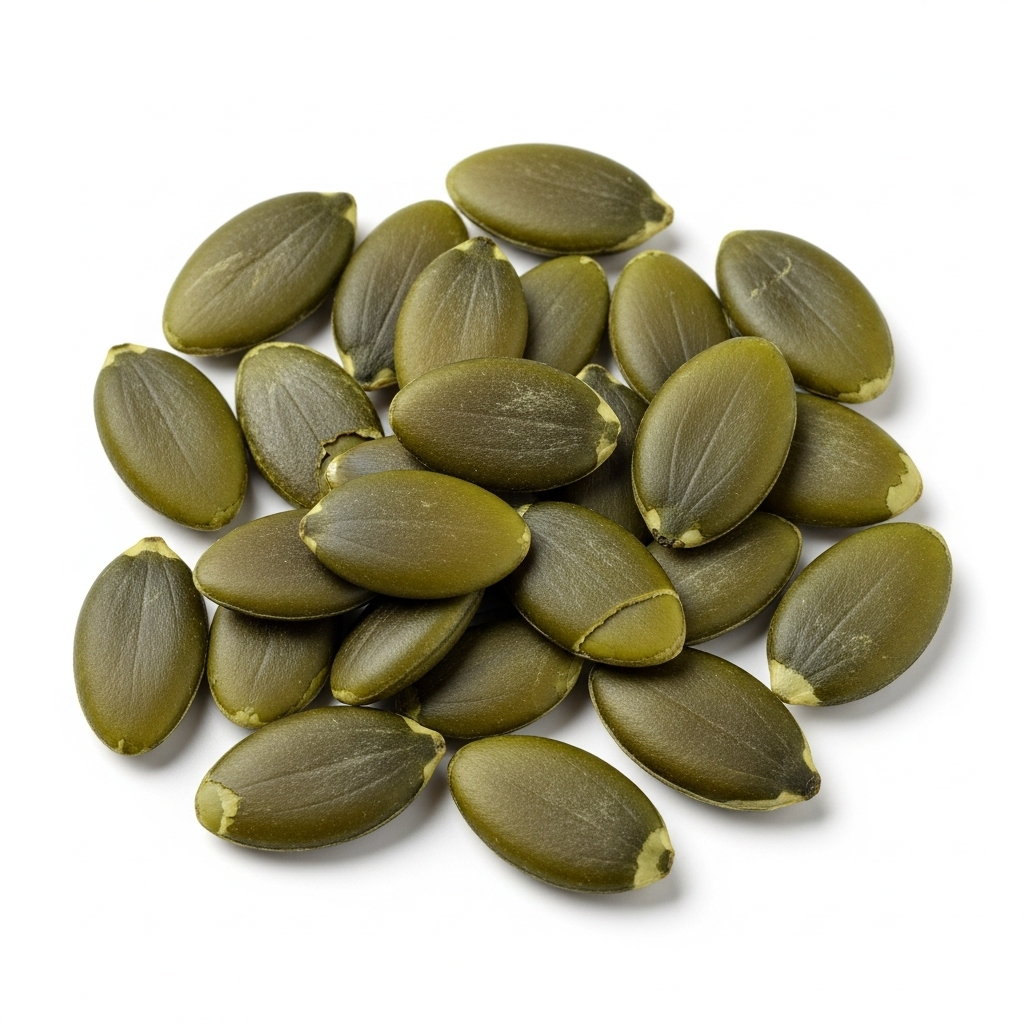
Also known as pepitas, pumpkin seeds are a great source of magnesium, zinc, and healthy fats. Magnesium deficiency is often linked to increased inflammation, making these seeds a vital addition to an anti-inflammatory diet. They are inexpensive when bought in the bulk section and can be eaten raw or lightly toasted.
11. Dark Chocolate (70% Cocoa or Higher)

In moderation, dark chocolate is a potent source of flavanols, which reduce inflammation and improve the health of the lining of your arteries. To reap the benefits without the negative effects of sugar, choose varieties with at least 70% cocoa. A single square is often enough to satisfy a craving while providing health benefits.
12. Steamed Edamame
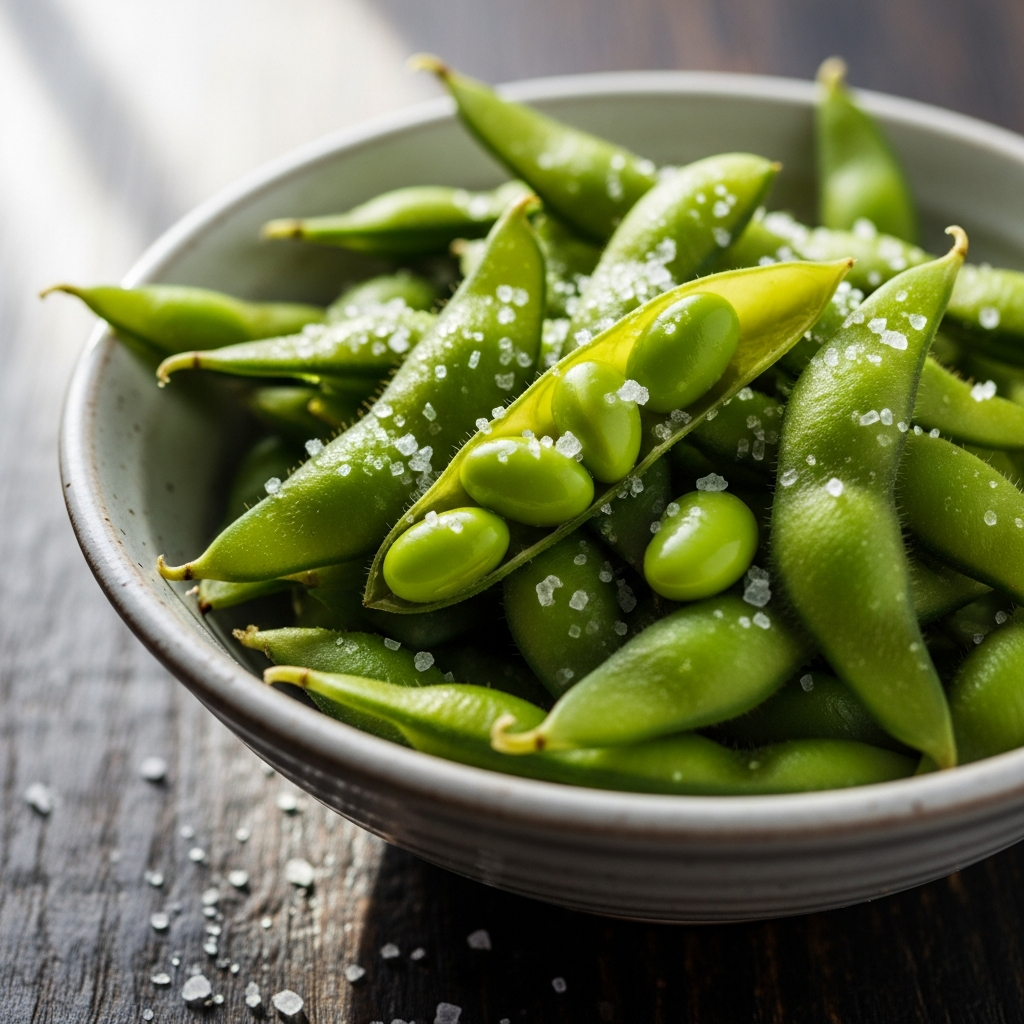
Edamame, or young soybeans, are high in isoflavones and omega-3 fatty acids. These compounds are known to help lower inflammatory markers in the blood. Buying them frozen in the shell makes for a quick and cost-effective snack that is high in both fiber and protein.
13. Avocado on Whole Grain Toast
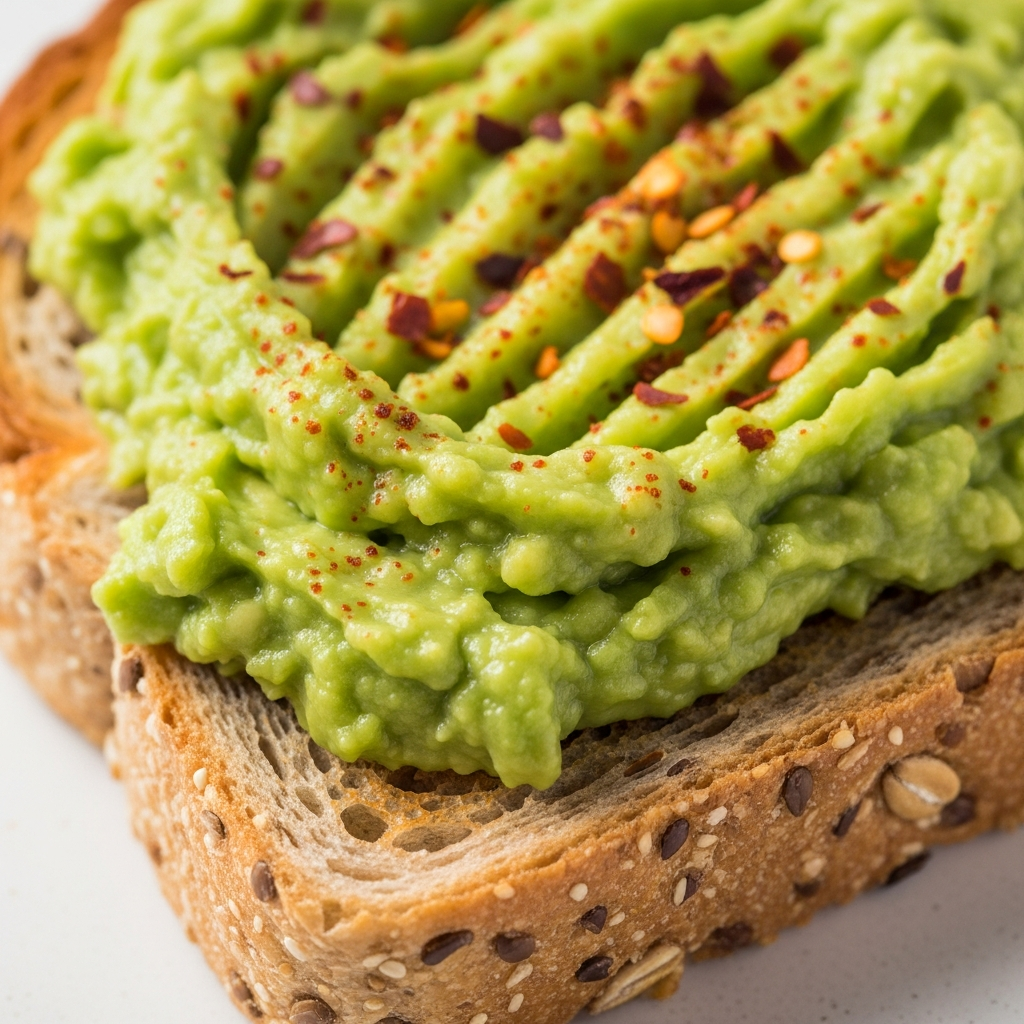
Avocados are rich in potassium, fiber, and heart-healthy monounsaturated fats. They contain carotenoids and tocopherols, which are linked to reduced cancer risk and lower inflammation. Spreading half an avocado on a piece of budget-friendly whole-grain toast provides a nutrient-dense snack that keeps you full.
14. Turmeric and Ginger Tea

Turmeric contains curcumin, one of the most powerful natural anti-inflammatory compounds. When combined with ginger, which contains gingerols, the effects are synergistic. Making a tea from these roots or using dried powders is an extremely low-cost way to soothe the body and reduce joint pain.
15. Chia Seed Pudding
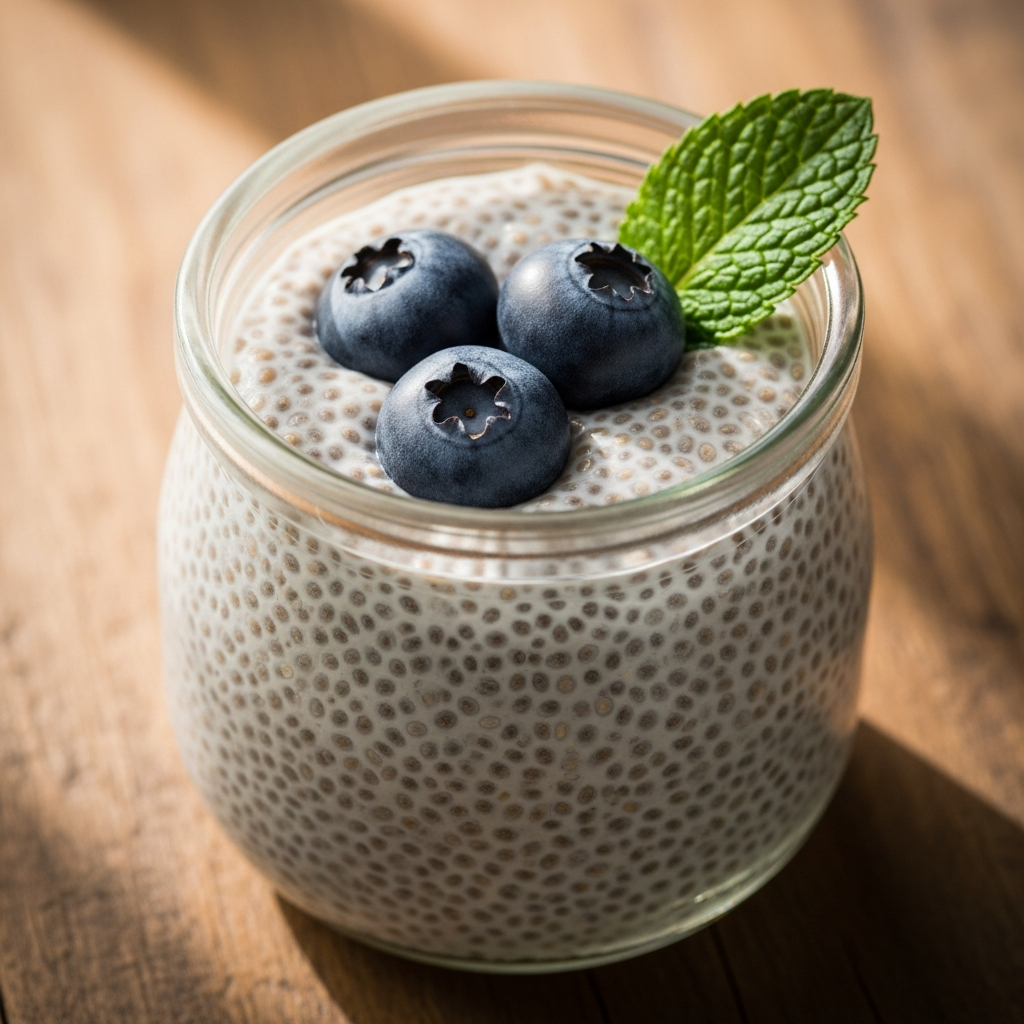
Chia seeds are an excellent source of omega-3 fatty acids and fiber. When soaked in water or a low-cost milk alternative, they create a pudding-like consistency. This snack is highly customizable and provides a sustained release of nutrients that help keep inflammation at bay throughout the day.
16. Sliced Bell Peppers
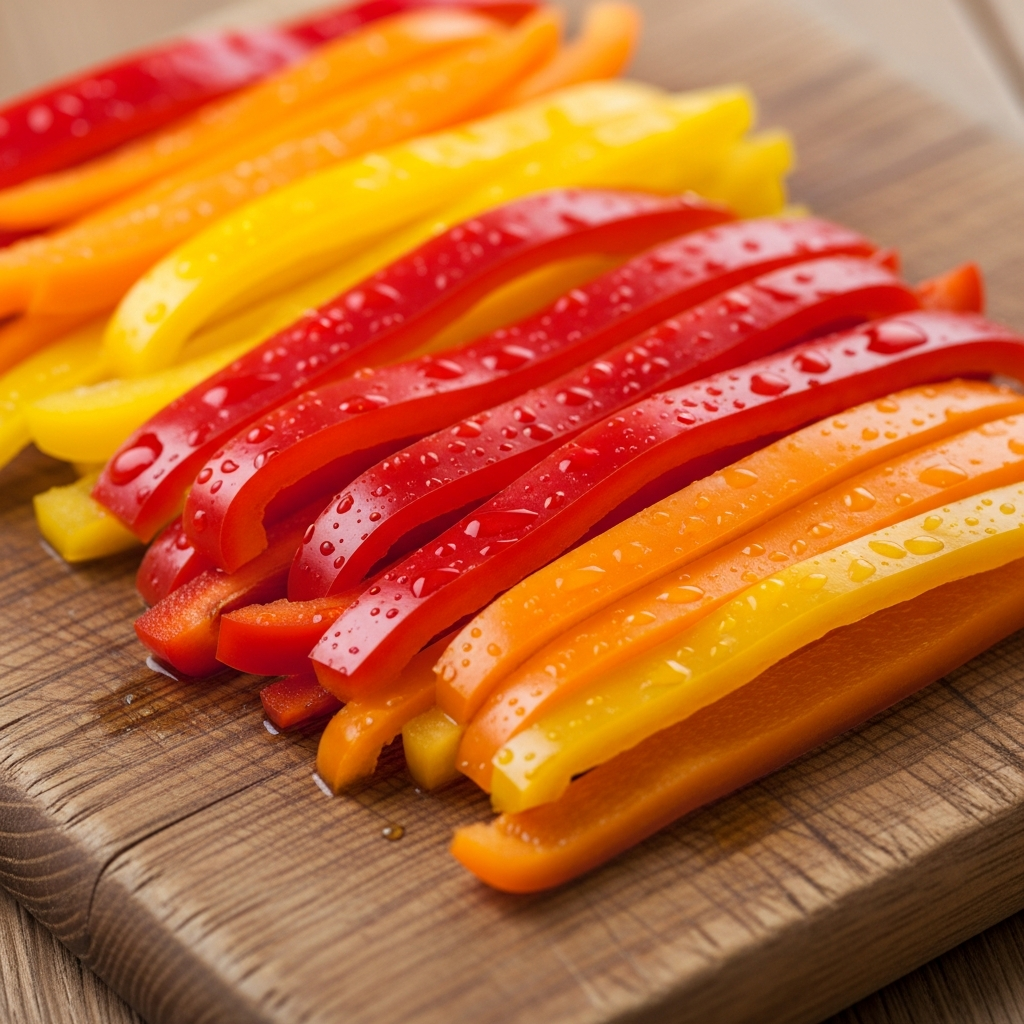
Bell peppers, particularly the red, orange, and yellow varieties, are loaded with vitamin C and antioxidants like quercetin and capsanthin. Vitamin C is essential for collagen production and the repair of tissues, helping to mitigate inflammatory damage. They are often sold in multipacks, making them a budget-friendly vegetable choice.
17. Raw Almonds
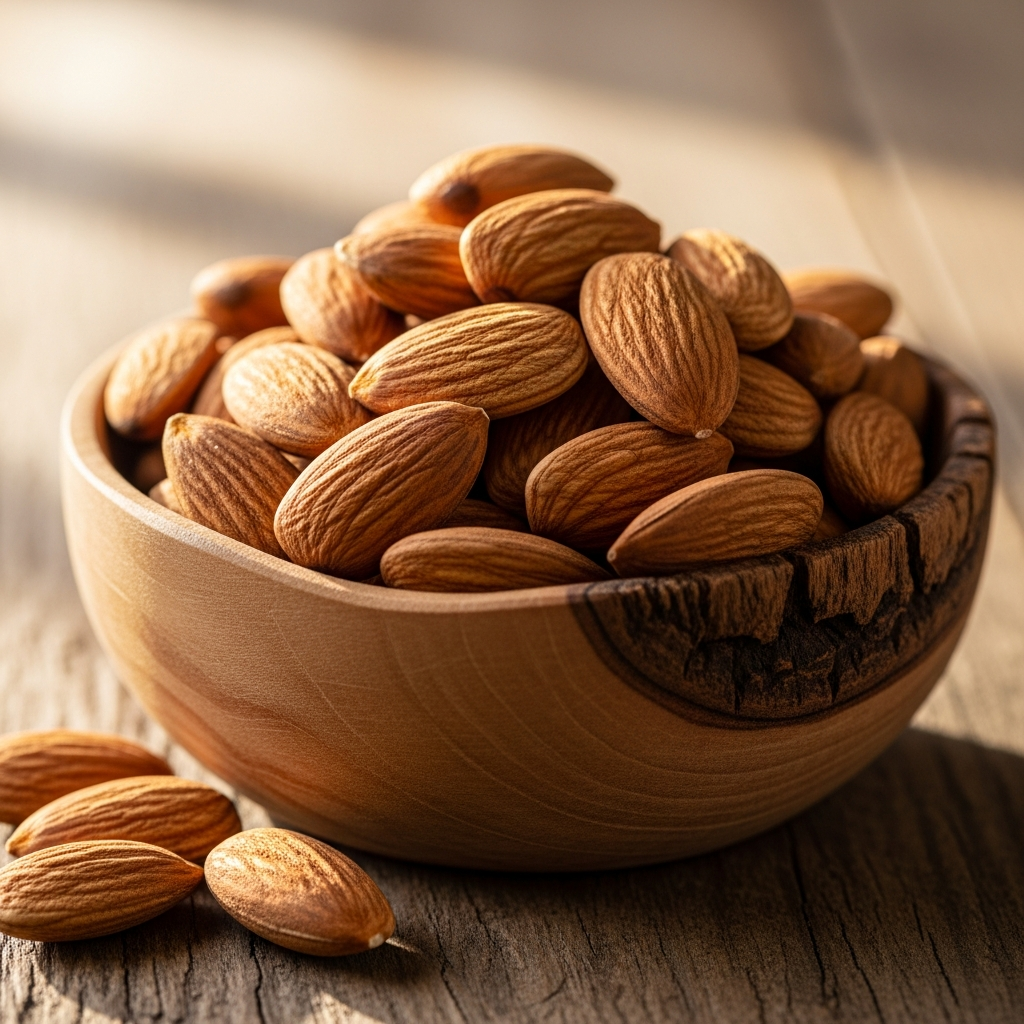
Almonds are a premier source of vitamin E, a fat-soluble antioxidant that protects cells from oxidative damage. They also provide fiber and monounsaturated fats. Buying them in larger bags or at discount grocers ensures you have an easy, portable snack that supports long-term heart health and reduced inflammation.
Conclusion
Reducing inflammation does not have to be a complicated or expensive endeavor. By focusing on whole foods like nuts, seeds, colorful vegetables, and fatty fish, you can effectively manage your body’s inflammatory response while sticking to a budget. Consistency is key; by integrating these 17 affordable snacks into your daily routine, you are making a long-term investment in your physical and mental well-being.