
Embarking on a weight loss journey can often feel like an uphill battle against biology. However, losing fat efficiently isn’t just about “eating less and moving more.” It’s about optimizing your body’s metabolic machinery to burn fuel more effectively. When you understand the science of thermogenesis, hormonal balance, and nutrient density, you can accelerate your progress without feeling deprived.
To achieve faster results, you need a multi-pronged approach that targets diet, exercise, and lifestyle habits. Here are 12 proven strategies to help you torch body fat and reach your goals in record time.
1. High Protein
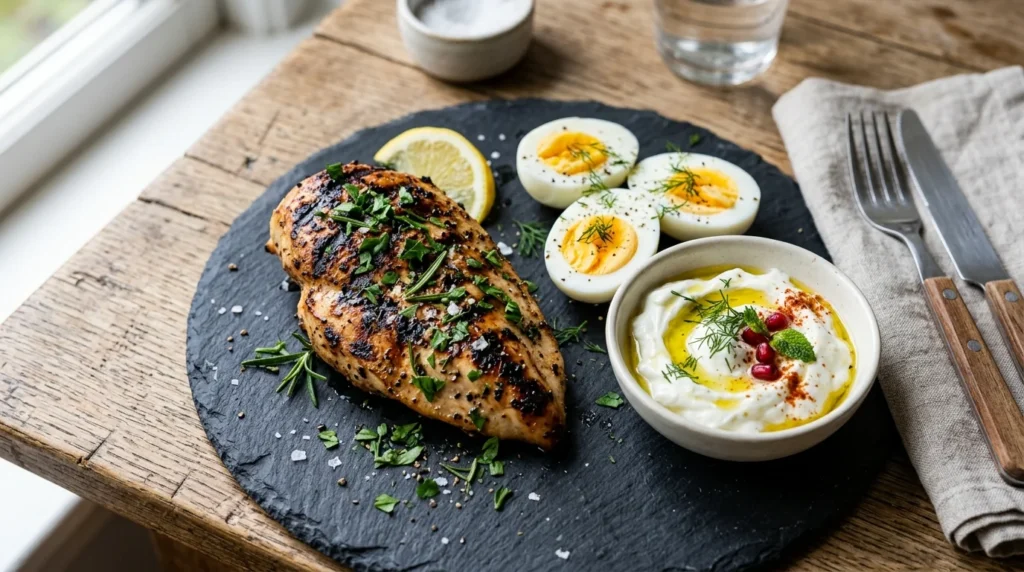
Protein is the undisputed king of weight loss nutrients. When you consume protein, your body spends significantly more energy digesting it compared to fats or carbohydrates—a phenomenon known as the Thermic Effect of Food (TEF). High protein intake can boost your metabolism by 80 to 100 calories per day.
Furthermore, protein is incredibly satiating. It triggers the release of fullness hormones like GLP-1 and PYY, while simultaneously suppressing ghrelin, the “hunger hormone.” By centering every meal around a lean protein source—such as chicken, fish, tofu, or eggs—you naturally reduce your overall calorie intake without the constant nag of hunger pangs.
2. Intermittent Fasting

Intermittent fasting (IF) is not a diet, but an eating pattern. The most popular method is the 16:8 approach, where you fast for 16 hours and eat during an 8-hour window. During the fasting state, your insulin levels drop significantly, which facilitates fat burning.
When insulin is low, your body can more easily access stored body fat to use as energy. Additionally, fasting can lead to an increase in growth hormone, which aids in fat loss and muscle gain. By limiting the window of time in which you consume calories, you also create a natural caloric deficit that can lead to rapid weight loss.
3. Soluble Fiber
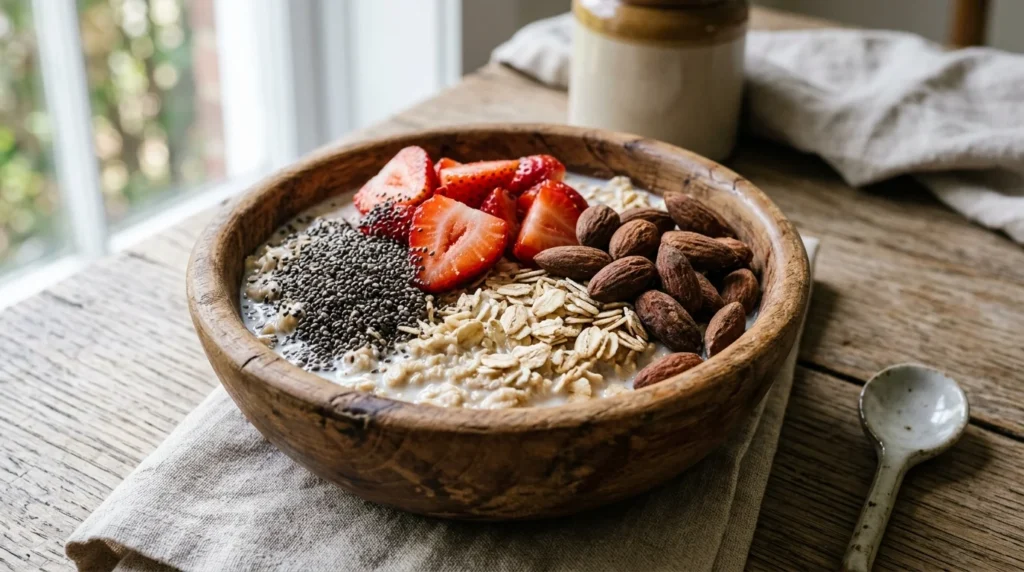
Fiber is the secret weapon for a flat stomach. Specifically, soluble fiber absorbs water and forms a gel that slows down food as it passes through your digestive system. This delay in “gastric emptying” keeps you feeling full for much longer.
Studies have shown that increasing soluble fiber intake can specifically target visceral fat—the dangerous fat stored around your abdominal organs. Foods rich in soluble fiber include oats, flaxseeds, legumes, Brussels sprouts, and avocados. Aim for at least 25-30 grams of fiber per day to maximize digestive health and fat loss.
4. HIIT Workouts

If you want to burn fat fast, stop spending hours on a steady-state treadmill. High-Intensity Interval Training (HIIT) involves short bursts of all-out effort followed by brief recovery periods. This style of training creates an “afterburn effect” officially known as Excess Post-exercise Oxygen Consumption (EPOC).
Because HIIT is so taxing on the body, your metabolism remains elevated for hours—sometimes even days—after you leave the gym. You can perform HIIT with running, cycling, or bodyweight exercises like burpees and mountain climbers. Just 20 minutes of HIIT can be more effective for fat loss than an hour of jogging.
5. Strength Training
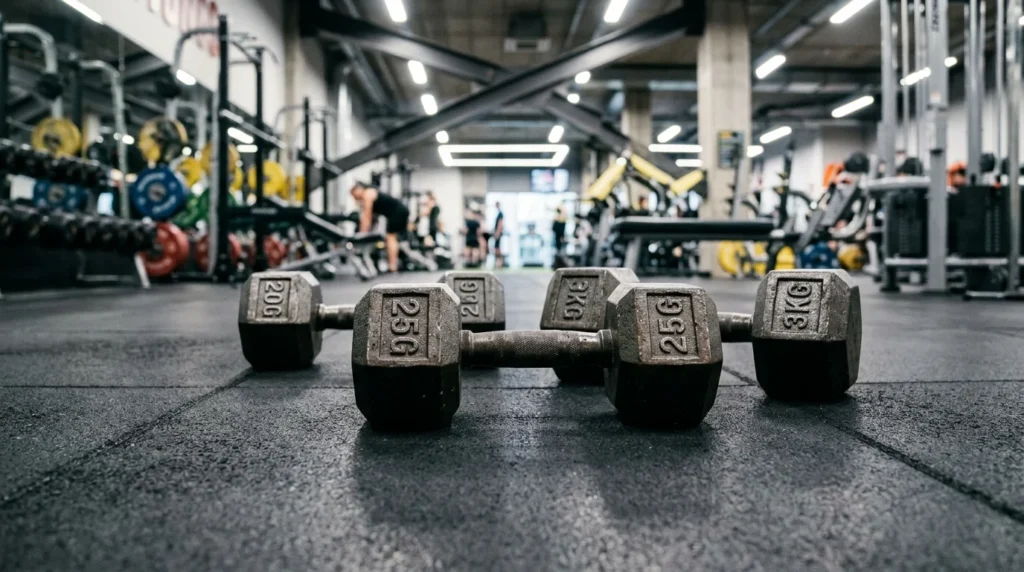
While cardio burns calories during the activity, strength training builds muscle, which burns calories 24/7. Muscle tissue is metabolically active; the more of it you have, the higher your Resting Metabolic Rate (RMR).
When you lose weight rapidly, your body often tries to shed muscle alongside fat, which can slow down your metabolism. Lifting weights prevents this muscle loss, ensuring that the weight you lose comes primarily from fat stores. Aim for at least three sessions of resistance training per week, focusing on compound movements like squats, deadlifts, and presses.
6. Proper Hydration
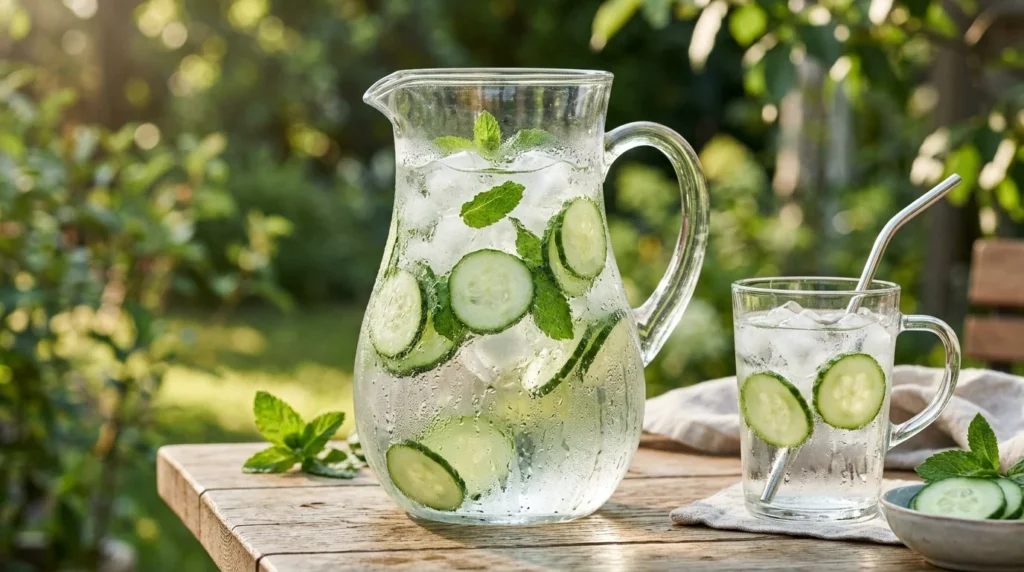
Water is essential for every metabolic process in the body, including lipolysis (the breakdown of fat). Often, our brains mistake thirst for hunger, leading us to snack when all we really need is a glass of water.
Drinking water—especially cold water—can temporarily boost your metabolism. Your body has to expend energy to heat the water to core temperature. Furthermore, drinking a large glass of water 30 minutes before a meal has been shown to reduce the amount of food consumed, leading to greater weight loss over time.
7. Green Tea

Green tea is more than just hot water; it is a potent fat-burning elixir. It contains powerful antioxidants called catechins, the most important being EGCG (Epigallocatechin gallate). These catechins work synergistically with the small amount of caffeine in the tea to enhance norepinephrine activity.
Norepinephrine is a hormone that signals fat cells to break down fat and release it into the bloodstream to be used as energy. Drinking 2-3 cups of green tea daily can provide a modest but significant boost to your fat-burning potential, especially when paired with exercise.
8. Quality Sleep

Sleep is the most underrated factor in weight loss. When you are sleep-deprived, your body’s biochemistry shifts into “fat storage mode.” Lack of sleep spikes cortisol (the stress hormone) and disrupts the balance of leptin and ghrelin.
Leptin tells your brain you are full, while ghrelin signals hunger. When you don’t sleep enough, leptin drops and ghrelin soars, leading to intense cravings for high-carb, high-sugar foods. Aim for 7 to 9 hours of uninterrupted sleep to keep your hormones balanced and your willpower strong.
9. Mindful Eating
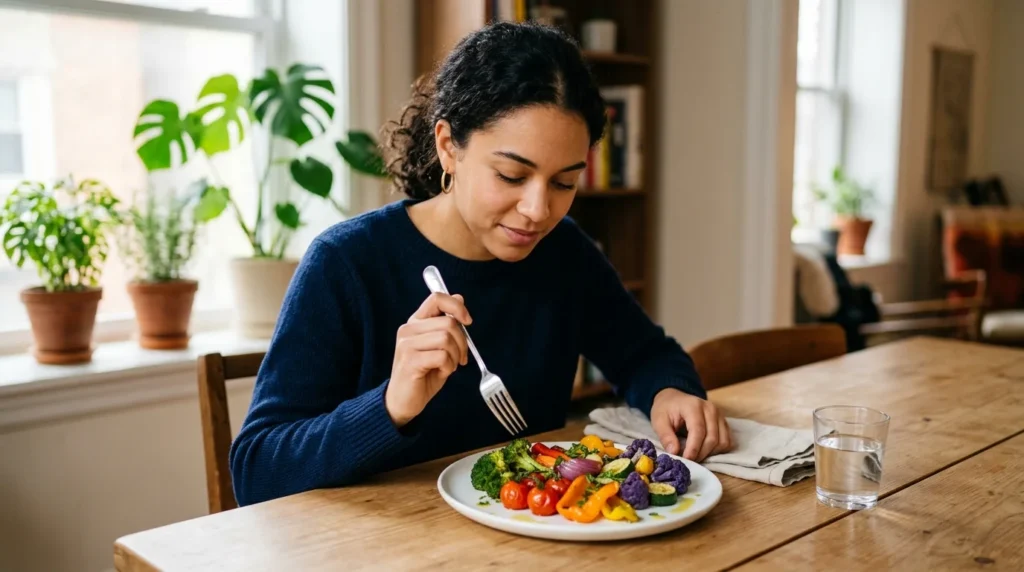
In our fast-paced world, we often eat while distracted by phones, TV, or work. This leads to “mindless eating,” where we consume far more calories than we realize. Mindful eating involves paying full attention to the sensory experience of the meal—the smell, texture, and taste.
By chewing slowly and savoring every bite, you give your brain the time it needs (usually about 20 minutes) to receive the “fullness” signal from your stomach. This simple habit can prevent overeating and help you develop a healthier relationship with food.
10. Cut Sugars
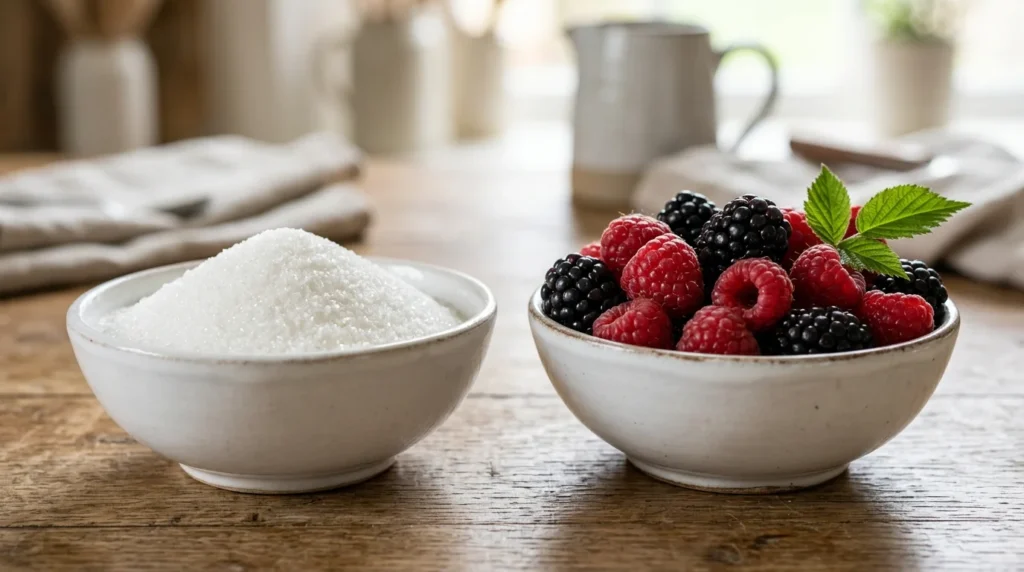
Refined sugars and simple carbohydrates are the primary drivers of fat storage. When you consume sugar, your blood glucose spikes, causing a massive release of insulin. Since insulin is a storage hormone, it tells your body to stop burning fat and start storing the excess sugar as adipose tissue.
By cutting out soda, candy, white bread, and processed snacks, you stabilize your blood sugar levels. This allows your body to tap into its own fat reserves for energy. Focus on complex carbohydrates like sweet potatoes, quinoa, and berries, which provide energy without the insulin roller coaster.
11. Apple Cider Vinegar
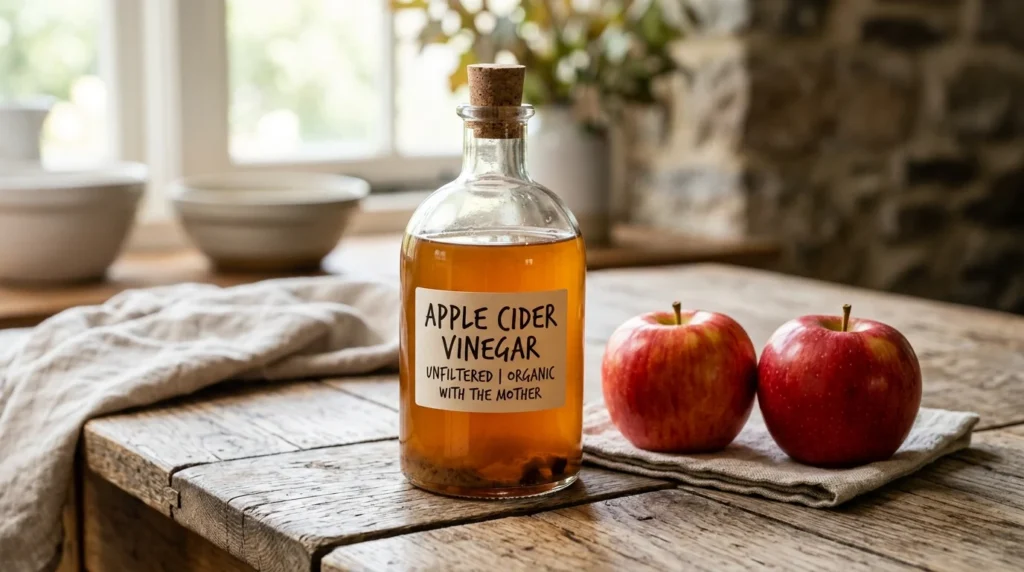
Apple cider vinegar (ACV) has been used for centuries as a health tonic, and modern science supports its role in weight management. The active ingredient, acetic acid, has been shown to reduce the storage of belly fat and suppress the centers in the brain that control appetite.
Taking one to two tablespoons of ACV diluted in a large glass of water before a high-carb meal can also improve insulin sensitivity and lower the blood sugar response of that meal. This prevents the “sugar crash” that often leads to further snacking later in the day.
12. Increase NEAT
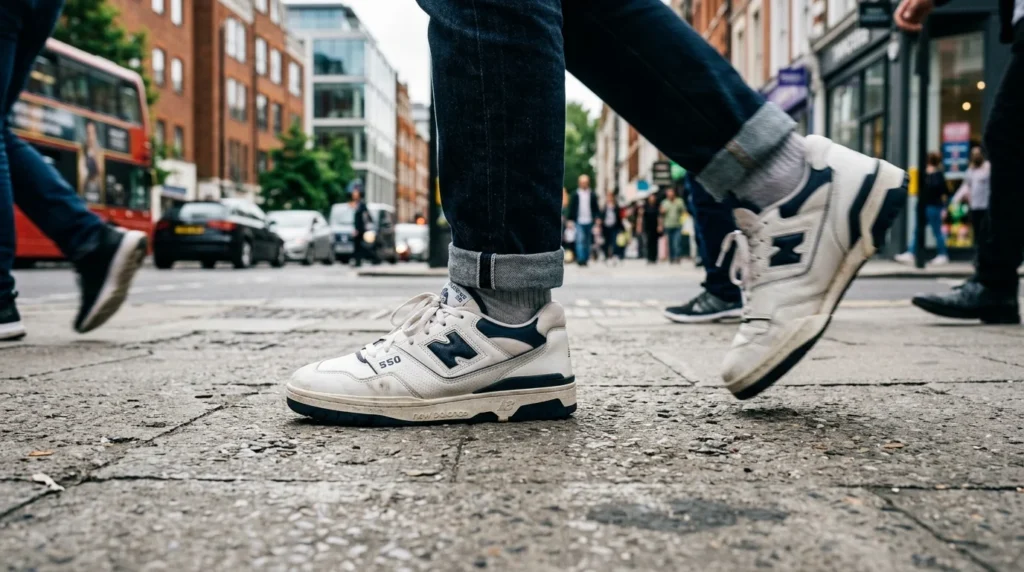
NEAT stands for Non-Exercise Activity Thermogenesis. This refers to the energy expended for everything we do that is not sleeping, eating, or sports-like exercise. It includes walking to the car, pacing while on the phone, taking the stairs, and even fidgeting.
For many people, NEAT accounts for a larger portion of daily calorie burn than a structured workout. To speed up fat loss, look for ways to move more throughout the day. Set a goal for 10,000 steps, use a standing desk, or do a few squats every time you get up from your chair. These small movements add up to significant fat loss over weeks and months.