
Can CrossFit Help With Weight Loss?
Stepping into a CrossFit gym, often called a “box,” can feel like entering a whole new world. You see people lifting heavy, moving fast, and pushing their limits. It’s an intense, varied, and challenging workout style that has gained a huge following. But for many, the big question isn’t just about getting stronger or fitter; it’s about whether this high-energy approach can truly help with weight loss.
The answer is a resounding “yes,” but it’s not quite as simple as just showing up. Like any fitness journey, CrossFit’s effectiveness for weight loss depends on a combination of factors, including consistency, effort, and perhaps most importantly, what you do outside the gym. Let’s dive into how CrossFit can be a powerful tool in your weight loss arsenal, and what you need to know to make it work for you.
Understanding How Weight Loss Works
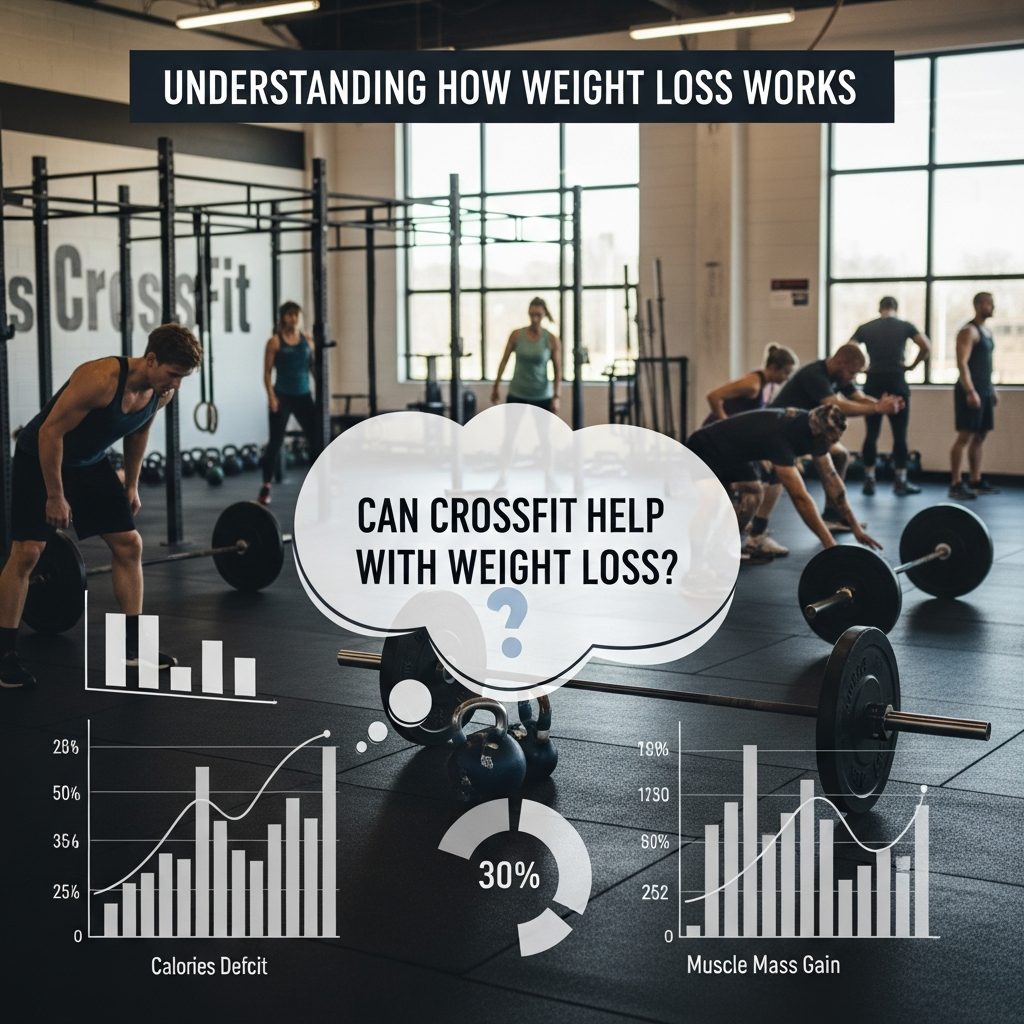
Before we talk about CrossFit, it’s helpful to understand the basic principles of losing weight. It’s not magic; it’s science, explained simply.
The Calorie Deficit Principle
At its core, weight loss happens when you consistently consume fewer calories than your body uses in a day. This difference is called a “calorie deficit.” Your body then turns to stored fat for energy, leading to a reduction in your overall weight. Exercise helps by increasing the number of calories your body burns.
Beyond Calories: Metabolism and Body Composition
While calories are crucial, weight loss isn’t just about the number on the scale. Your body composition – the ratio of fat to muscle – plays a huge role. Muscle tissue burns more calories at rest than fat tissue does. This means that building muscle can boost your metabolism, making it easier to maintain a calorie deficit and lose weight more effectively in the long run.
What is CrossFit, Anyway?

CrossFit is a branded fitness regimen that combines elements of high-intensity interval training (HIIT), Olympic weightlifting, powerlifting, gymnastics, plyometrics, and other exercises. It’s known for its “Workouts of the Day” (WODs).
A Mix of Everything
CrossFit workouts are “constantly varied, functional movements performed at high intensity.” This means you won’t do the same workout every day. One day might be heavy deadlifts, the next a long conditioning piece with running and bodyweight exercises, and the next a mix of gymnastics and lighter weights. This variety keeps your body guessing and prevents plateaus.
The Community Aspect
One of the defining features of CrossFit is its strong sense of community. You work out alongside others, cheering each other on. This camaraderie can be a powerful motivator, providing accountability and encouragement that makes sticking with your fitness goals much easier.
How CrossFit Supports Weight Loss Goals

CrossFit’s unique blend of exercises and its high-intensity nature make it particularly effective for burning calories, building muscle, and improving overall fitness – all key ingredients for successful weight loss.
Calorie Burn Champion
CrossFit workouts are designed to be challenging and intense, leading to significant calorie expenditure both during and after your session.
High-Intensity Interval Training (HIIT) Effect
Many CrossFit WODs incorporate elements of HIIT, where you alternate between short bursts of intense effort and brief recovery periods. This type of training is known for its ability to burn a lot of calories in a short amount of time. Even better, HIIT creates an “afterburn effect,” also known as EPOC (Excess Post-exercise Oxygen Consumption), meaning your body continues to burn calories at an elevated rate for hours after you’ve finished exercising.
Varied Workouts Keep You Engaged
The constantly varied nature of CrossFit means your body is always adapting to new challenges. This prevents your metabolism from getting too comfortable with a routine, which can sometimes lead to plateaus in weight loss. It also keeps things interesting, making you more likely to stick with it.
Building Muscle, Burning More Fat
CrossFit heavily emphasizes strength training, which is a game-changer for weight loss and body composition.
The Metabolic Advantage
As mentioned before, muscle tissue is metabolically active. The more muscle you have, the more calories your body naturally burns at rest. CrossFit helps you build lean muscle mass across your entire body, giving your metabolism a significant boost. This means you’ll be burning more calories even when you’re not working out.
Strength Training’s Role
You’ll be lifting weights, doing gymnastics, and performing functional movements that engage multiple muscle groups. This comprehensive approach to strength training helps sculpt your body, making you feel firmer and stronger, even if the number on the scale doesn’t change dramatically at first.
Improving Cardiovascular Health
Many CrossFit WODs include significant cardiovascular components like running, rowing, jumping, and cycling. This improves your heart and lung health, boosting your endurance. Better endurance means you can sustain higher intensities for longer during workouts, further increasing your calorie burn and overall fitness level.
Discipline and Consistency
The structured nature of CrossFit, with its scheduled classes and WODs, can help instill a sense of discipline and consistency. Showing up regularly and pushing yourself creates a routine that often spills over into other healthy habits in your life, including better food choices.
The CrossFit and Nutrition Connection for Weight Loss
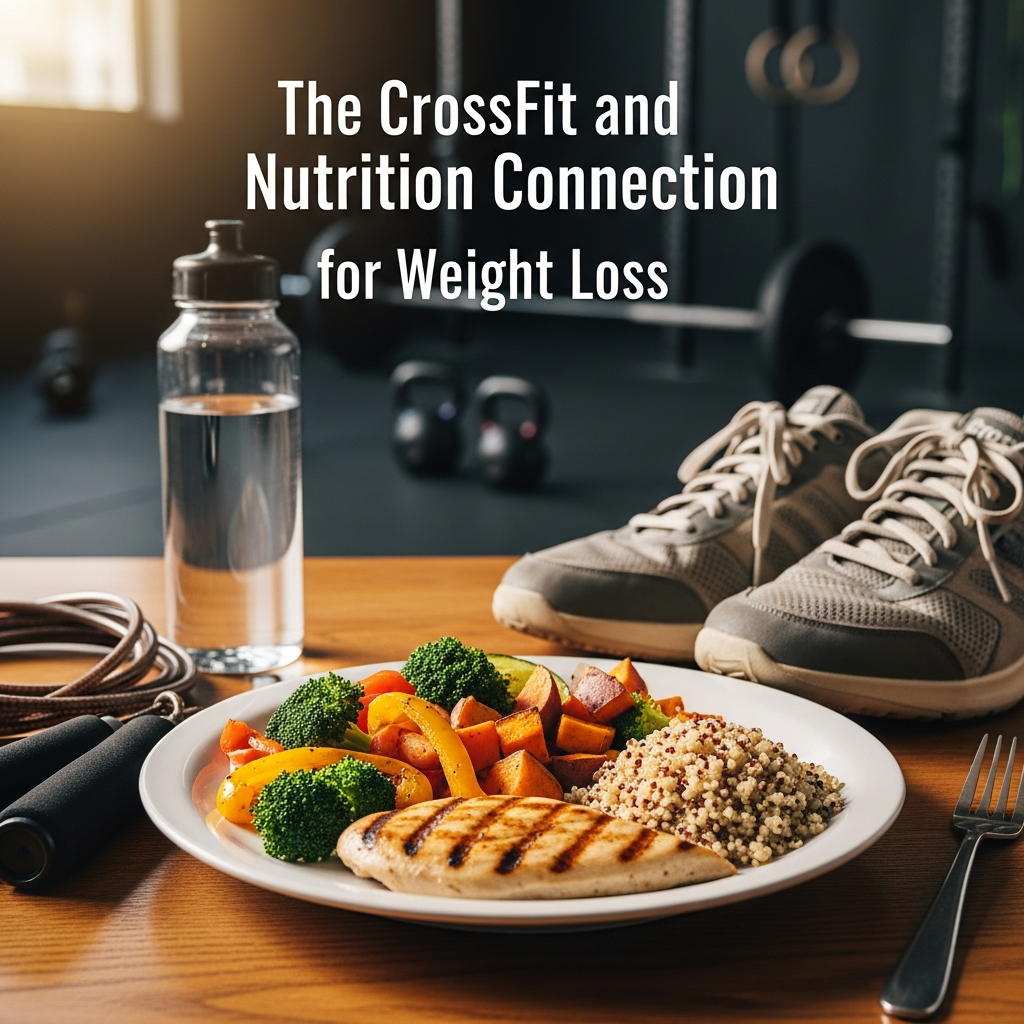
You can work out as hard as you like, but if your nutrition isn’t aligned with your goals, weight loss will be an uphill battle. CrossFit can amplify your results, but only if you fuel your body properly.
You Can’t Out-Train a Bad Diet
This old saying holds a lot of truth. While CrossFit burns a lot of calories, it’s easy to negate those efforts with unhealthy eating habits. Weight loss begins in the kitchen.
Fueling Your Workouts
Eating right isn’t just about cutting calories; it’s about providing your body with the nutrients it needs to perform well in intense workouts and recover effectively. This means a good balance of protein, carbohydrates, and healthy fats.
Simple Nutrition Habits for CrossFitters
You don’t need to follow an overly restrictive diet, but adopting some core habits can make a big difference.
Prioritize Protein
Protein is vital for muscle repair and growth, especially after intense CrossFit sessions. It also helps you feel full and satisfied, reducing cravings. Aim for a lean protein source with every meal.
Smart Carb Choices
Carbohydrates are your body’s primary energy source. Focus on complex carbohydrates like whole grains, fruits, and vegetables, especially around your workouts, to give you sustained energy and aid recovery.
Hydration is Key
Drinking enough water is crucial for performance, recovery, and overall health. Dehydration can hinder your workouts and even be mistaken for hunger. Keep a water bottle handy throughout the day.
Whole Foods Focus
Try to base your diet on whole, unprocessed foods. This means plenty of vegetables, fruits, lean meats, fish, eggs, nuts, and seeds. Minimizing processed snacks, sugary drinks, and fast food will naturally reduce your calorie intake and improve your nutrient consumption.
Practical Steps to Start CrossFit for Weight Loss
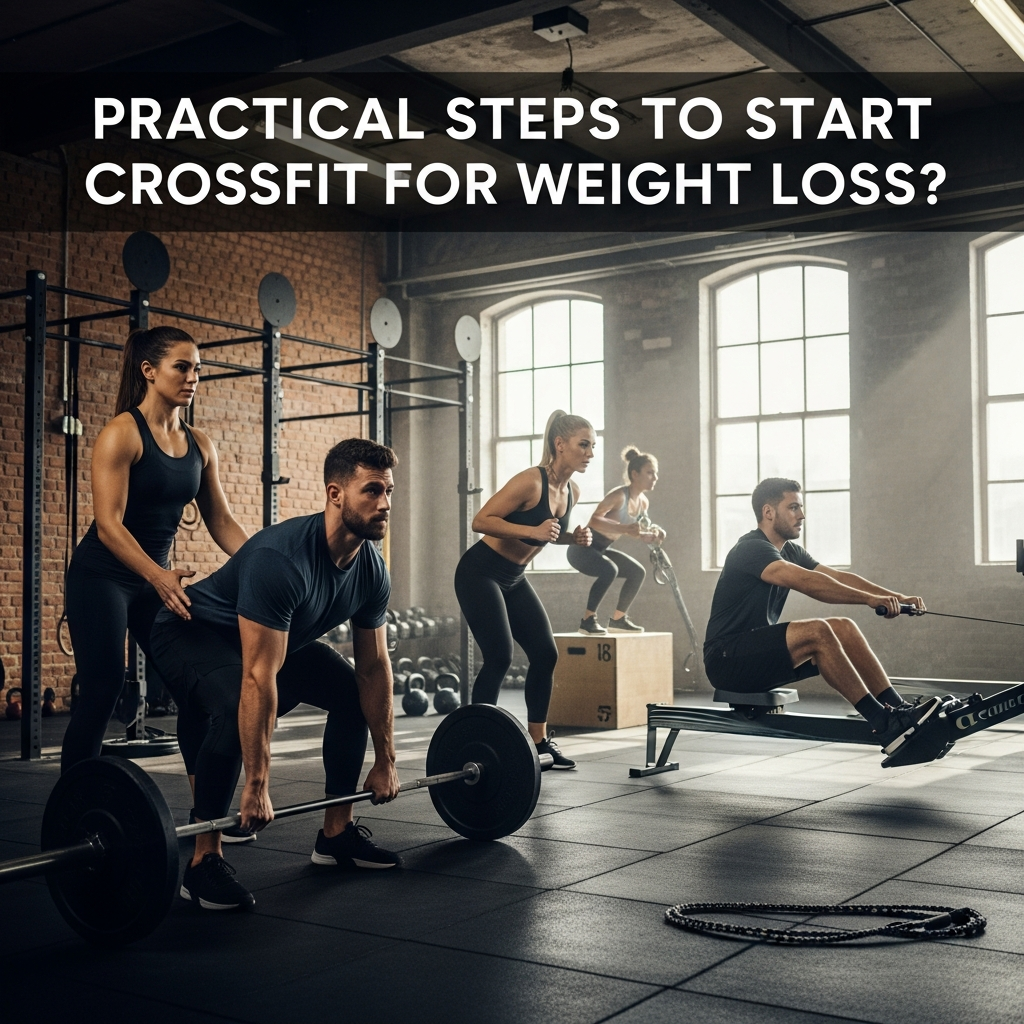
Ready to give CrossFit a try? Here’s how to approach it smartly and safely.
Finding the Right Box (Gym)
Not all CrossFit gyms are created equal. Taking the time to find one that fits you is important.
Look for Good Coaching
Quality coaching is paramount in CrossFit, especially for beginners. Good coaches emphasize proper form, help you scale movements safely, and create a welcoming environment. Don’t hesitate to visit several boxes, observe classes, and ask questions.
Try a “Foundations” Program
Most reputable CrossFit gyms offer a “Foundations” or “On-Ramp” program for newcomers. This teaches you the basic movements and proper techniques before you join regular classes, ensuring safety and building confidence.
Setting Realistic Expectations
Weight loss is a journey, and CrossFit is a powerful vehicle, but it still requires patience and a healthy perspective.
It’s a Journey, Not a Race
You won’t lose all your desired weight overnight. Be patient with yourself and focus on the small victories – getting stronger, improving your technique, and feeling better. Consistency over time yields the best results.
Don’t Just Focus on the Scale
While the scale can be a useful tool, it doesn’t tell the whole story. As you build muscle with CrossFit, your weight might not drop as quickly as you expect, even though your body composition is improving. Pay attention to how your clothes fit, how strong you feel, and before-and-after photos.
Listening to Your Body
CrossFit is intense, so understanding your body’s signals is crucial for long-term success and injury prevention.
Rest and Recovery
Don’t skip rest days. Your body needs time to repair and rebuild muscle tissue after intense workouts. Adequate sleep is also a non-negotiable part of recovery and can significantly impact your weight loss progress.
Scaling Workouts
Every CrossFit workout can be “scaled” to your current fitness level. This means adjusting the weight, repetitions, or movement complexity. Never feel ashamed to scale. It allows you to participate safely, maintain good form, and build strength over time.
Overcoming Challenges and Staying Consistent

Starting CrossFit for weight loss is exciting, but staying on track requires dedication and strategy.
The Mental Game
Weight loss isn’t just physical; it’s a mental journey too.
Embrace the Struggle
CrossFit will challenge you, both physically and mentally. There will be days you feel strong and days you feel weak. Embrace the struggle as part of the growth process. Each challenge you overcome builds resilience that extends beyond the gym.
Lean on Your Community
The community aspect of CrossFit is one of its greatest strengths. Connect with your fellow athletes, share your struggles and triumphs, and find an accountability partner. Their support can be invaluable on tough days.
Tracking Progress Smartly
Beyond the scale, there are many ways to measure your success and keep motivated.
Beyond the Scale
Take progress photos every few weeks, measure your waist or hips, and notice how your clothes fit. Track your workout performance – improvements in lifting heavier, moving faster, or mastering new skills are huge indicators of progress.
Journaling Your Journey
Consider keeping a workout journal. Note down your WOD results, how you felt, and any scaling you did. Also, track your nutrition habits. This helps you identify patterns, celebrate improvements, and make adjustments as needed.
Sample Weekly Routine
Here’s an example of how you might structure a week incorporating CrossFit for weight loss. Remember, this is just a template; your specific box’s schedule and your body’s needs might vary.
| Day | Focus | Notes |
| Monday | CrossFit WOD (Strength & MetCon) | Focus on learning movements, scale as needed |
| Tuesday | CrossFit WOD (Cardio Focused) | Stay hydrated, push pace safely |
| Wednesday | Active Recovery / Light Activity | Gentle walk, stretching, foam rolling, yoga for recovery |
| Thursday | CrossFit WOD (Mixed Modality) | Listen to your body, maintain good form |
| Friday | CrossFit WOD (Longer MetCon) | Challenge your endurance, celebrate your progress |
| Saturday | Active Recovery / Leisure Activity | Hike, bike ride, swim – something you enjoy that moves your body |
| Sunday | Rest Day | Prioritize sleep, prepare healthy meals for the week ahead |