
Feeling sluggish, struggling with unexpected weight changes, or experiencing brain fog? You’re not alone. Many people navigate the daily challenges that come with an underactive thyroid, also known as hypothyroidism. Your thyroid gland, a small butterfly-shaped organ in your neck, plays a huge role in almost every bodily function, from your energy levels to your mood and metabolism.
While medication often forms the cornerstone of thyroid management, what you eat can be a powerful tool to support your well-being. This 21-day high-protein meal plan is designed to offer a supportive nutritional strategy, focusing on foods that nourish your body and help manage some of those frustrating symptoms. We’ll explore why protein is so vital, highlight other key nutrients, and provide practical steps to integrate these changes into your daily life. Get ready to feel more vibrant and in tune with your body.
Understanding Your Thyroid: A Quick Look
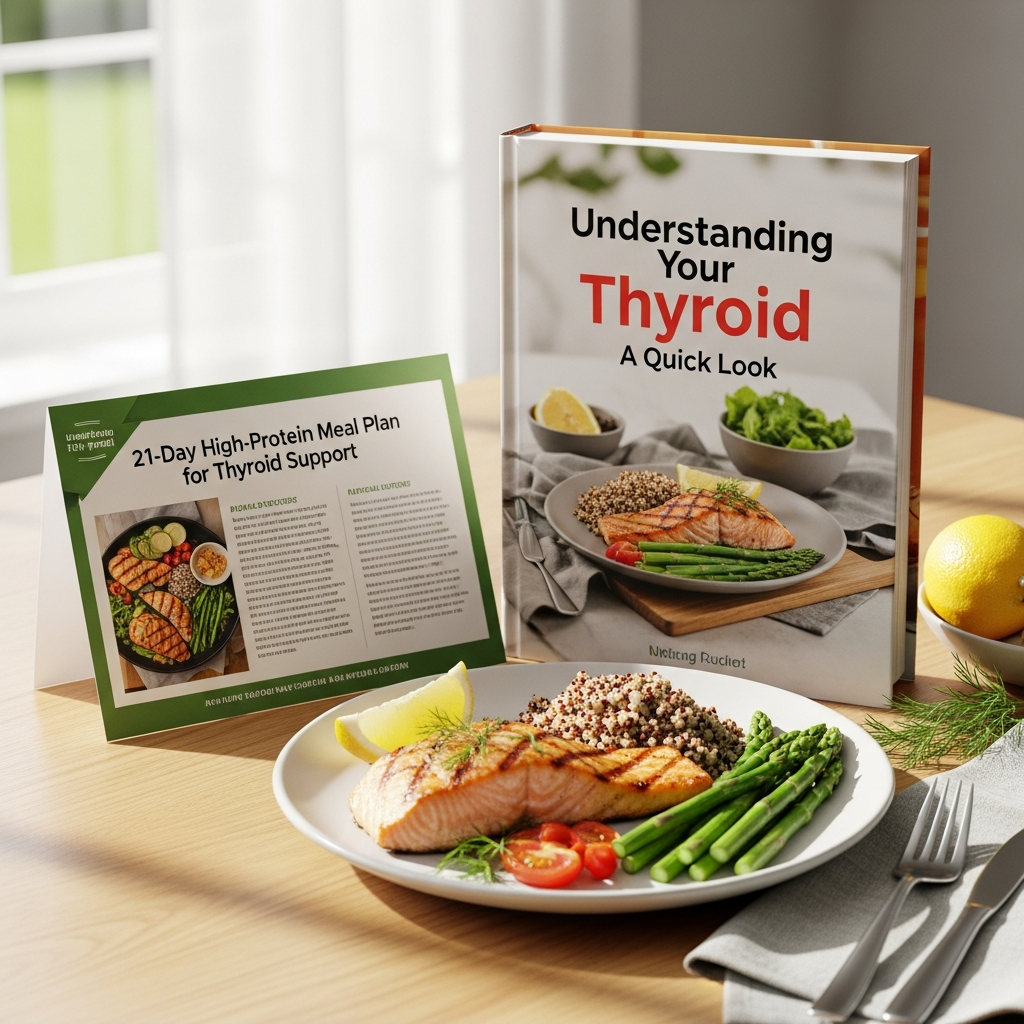
Before we dive into the meal plan, let’s briefly touch upon what your thyroid does and why it’s so important. Knowing this helps us understand why nutrition plays such a crucial supportive role.
What Does Your Thyroid Do?
Your thyroid gland produces hormones, mainly thyroxine (T4) and triiodothyronine (T3), which regulate your metabolism. Think of metabolism as the engine that converts food into energy, affecting your heart rate, body temperature, digestion, and even how quickly your cells work. When your thyroid is working optimally, your body hums along efficiently.
Common Thyroid Challenges
When your thyroid doesn’t produce enough hormones (hypothyroidism), your body’s processes slow down. This can lead to a range of symptoms, including:
* Fatigue and low energy
* Unexplained weight gain or difficulty losing weight
* Brain fog and difficulty concentrating
* Dry skin and hair loss
* Sensitivity to cold
* Constipation
* Muscle aches and weakness
It’s important to remember that these symptoms can vary from person to person. Always work with your doctor for diagnosis and medical management of your thyroid condition.
Why Diet Matters for Thyroid Health
While diet can’t replace medication, it can significantly impact how you feel. A well-chosen diet can provide essential nutrients needed for hormone production, support energy levels, help manage weight, and reduce inflammation that might contribute to overall discomfort. This is where a high-protein approach, combined with other nutrient-dense foods, can make a difference.
The Power of Protein for Thyroid Support
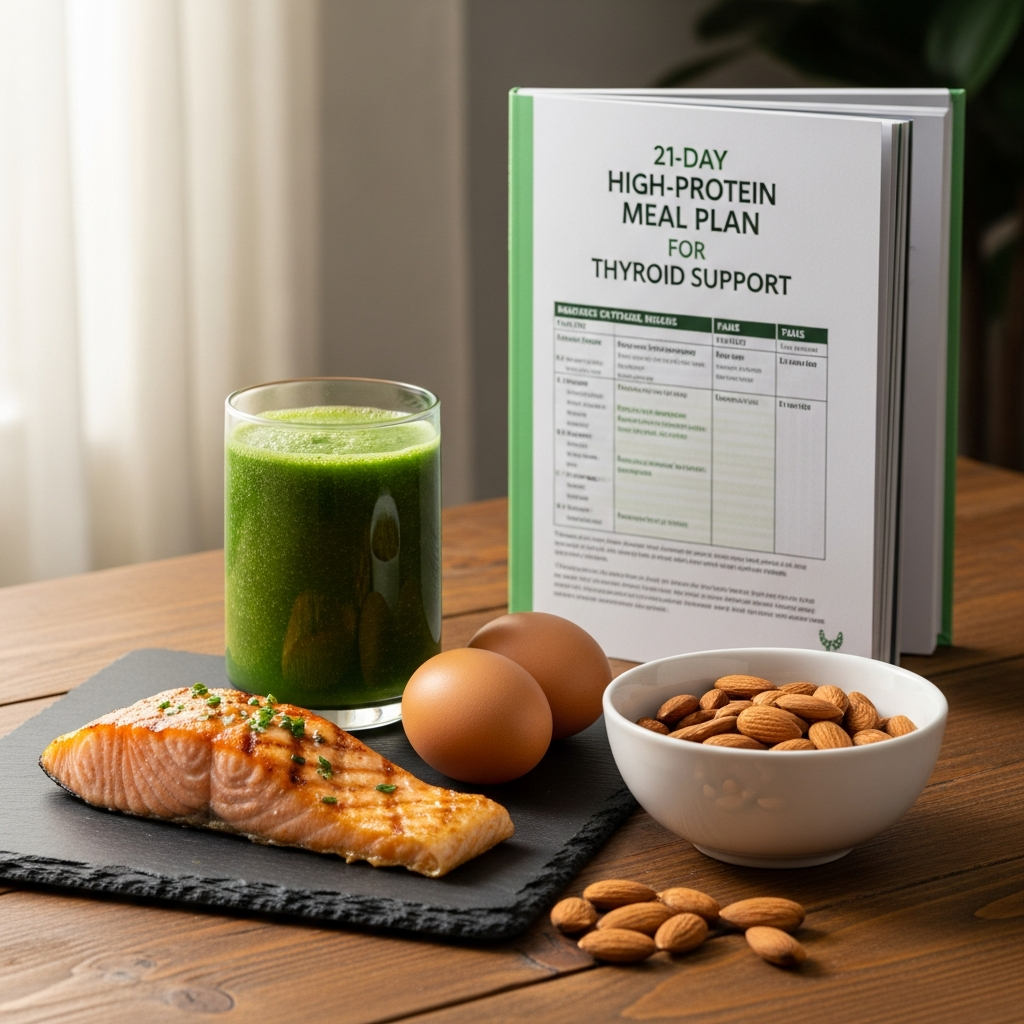
Protein is a fundamental building block for nearly everything in your body. For thyroid health, its role is particularly significant.
Why High-Protein?
Incorporating ample protein into your diet offers several benefits when you’re focusing on thyroid support:
* Hormone Production: Thyroid hormones (T3 and T4) are made from amino acids, which are the components of protein. Ensuring you have enough protein provides the raw materials your body needs.
* Satiety and Weight Management: Protein helps you feel fuller for longer, which can be incredibly helpful for managing appetite and body weight, a common concern for many with hypothyroidism.
* Stable Blood Sugar: Protein helps slow down the absorption of carbohydrates, leading to a more stable blood sugar response. This can prevent energy crashes and support sustained energy throughout the day.
* Muscle Mass Maintenance: Hypothyroidism can sometimes lead to muscle weakness. Adequate protein intake helps preserve and build lean muscle mass, which is vital for a healthy metabolism.
How Much Protein Do You Need?
The ideal amount of protein can vary based on your individual needs, activity level, and overall health. A general guideline is often around 0.8 to 1.2 grams of protein per kilogram of body weight per day for general health. For thyroid support and satiety, aiming for the higher end of this range, or even slightly above, can be beneficial, typically between 80-120 grams per day for many individuals.
It’s also important to spread your protein intake throughout the day rather than consuming it all in one meal. Aim for 20-30 grams of protein at each main meal to maximize its benefits.
Key Nutrients Beyond Protein for Thyroid Health
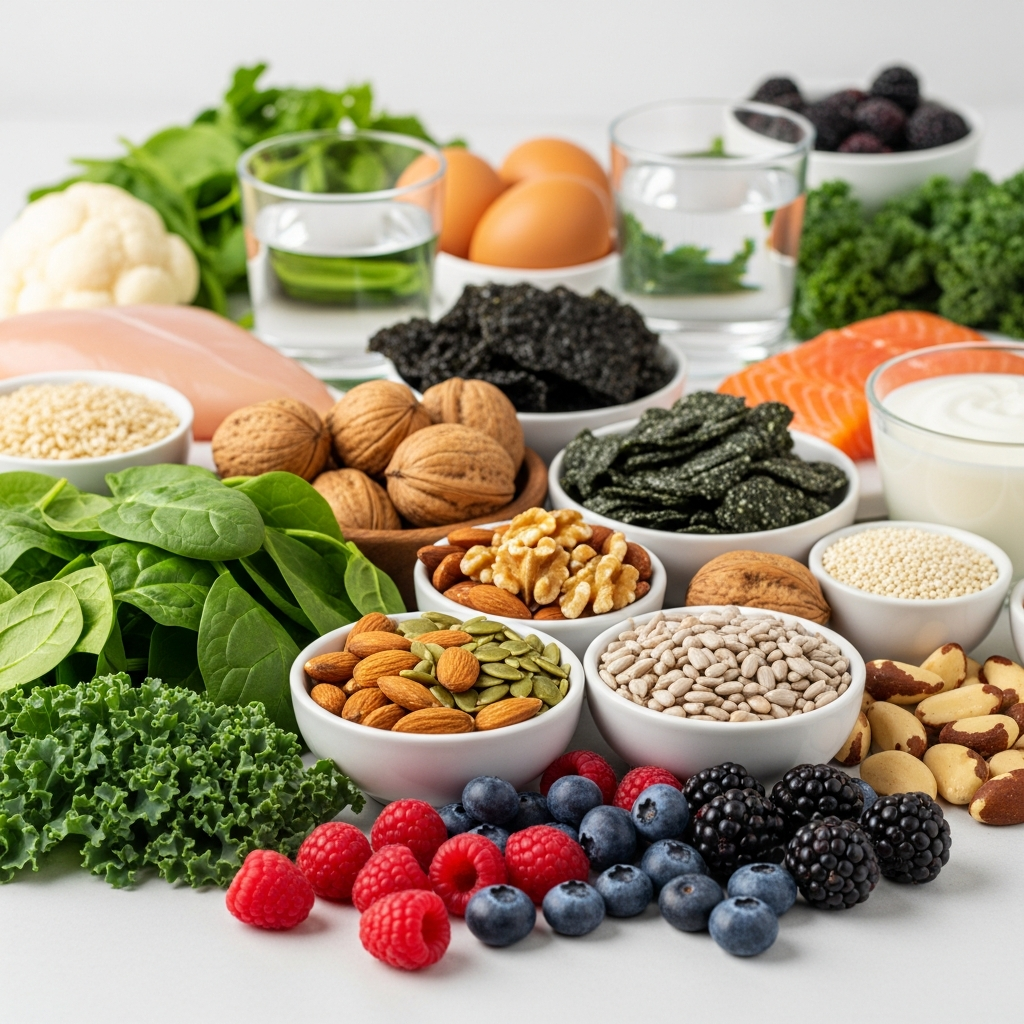
While protein is central to this plan, other specific vitamins and minerals are crucial for optimal thyroid function and overall well-being. Make sure your diet includes a variety of these nutrient-rich foods.
Essential Vitamins and Minerals
Iodine
Iodine is absolutely essential for the production of thyroid hormones. Without enough iodine, your thyroid can’t make T3 and T4. However, too much iodine can also be problematic for some individuals, especially those with autoimmune thyroid conditions. Work with your doctor to determine your specific needs.
Good sources include seaweed (in moderation), fish, and iodized salt.
Selenium
This powerful antioxidant plays a vital role in converting T4 into the active T3 hormone. It also protects the thyroid gland from oxidative damage.
Excellent sources are Brazil nuts (just 1-2 per day!), tuna, sardines, lean beef, and eggs.
Zinc
Zinc is involved in the synthesis of thyroid hormones and also helps convert T4 to T3. A deficiency in zinc can impair thyroid function.
You can find zinc in oysters, beef, chicken, pumpkin seeds, and lentils.
Iron
Iron is necessary for the production of thyroid hormones and also for the proper functioning of the enzymes that help convert T4 to T3. Iron deficiency can lead to fatigue, a common symptom of hypothyroidism.
Red meat, poultry, beans, and spinach are good sources.
B Vitamins
B vitamins, particularly B12, are important for energy production and nerve function. Many people with hypothyroidism experience fatigue and may have lower B12 levels.
Lean meats, eggs, dairy, and leafy greens are rich in B vitamins.
Vitamin D
Often referred to as the “sunshine vitamin,” Vitamin D plays a role in immune health and may be linked to autoimmune thyroid conditions. Many people are deficient in Vitamin D.
Fatty fish like salmon, fortified dairy products, and sunlight exposure are sources.
Foods to Include
Beyond specific nutrients, focus on a whole-foods approach:
* Lean Proteins: Chicken breast, turkey, fish, eggs, lean beef, Greek yogurt, cottage cheese, plant-based options like tofu and lentils.
* Colorful Fruits and Vegetables: A wide variety provides antioxidants, fiber, and various vitamins and minerals. Think berries, leafy greens, bell peppers, broccoli.
* Healthy Fats: Avocado, nuts, seeds, olive oil. These are important for hormone function and satiety.
* Smart Carbohydrates: In moderation, whole grains like quinoa, brown rice, sweet potatoes provide energy and fiber without causing rapid blood sugar spikes.
Foods to Limit
While not strictly forbidden, minimizing certain foods can be helpful:
* Processed Foods: Often high in sugar, unhealthy fats, and artificial ingredients that can contribute to inflammation and offer little nutritional value.
* Excessive Raw Goitrogens: Foods like raw broccoli, cabbage, and kale contain compounds that can interfere with thyroid function in very large amounts. Cooking them usually deactivates these compounds, so enjoy cooked cruciferous vegetables.
* Gluten (for some): Some individuals with autoimmune thyroid conditions (like Hashimoto’s) find relief from symptoms by reducing or eliminating gluten. This is highly individual and worth discussing with your doctor or a dietitian.
Designing Your 21-Day High-Protein Meal Plan
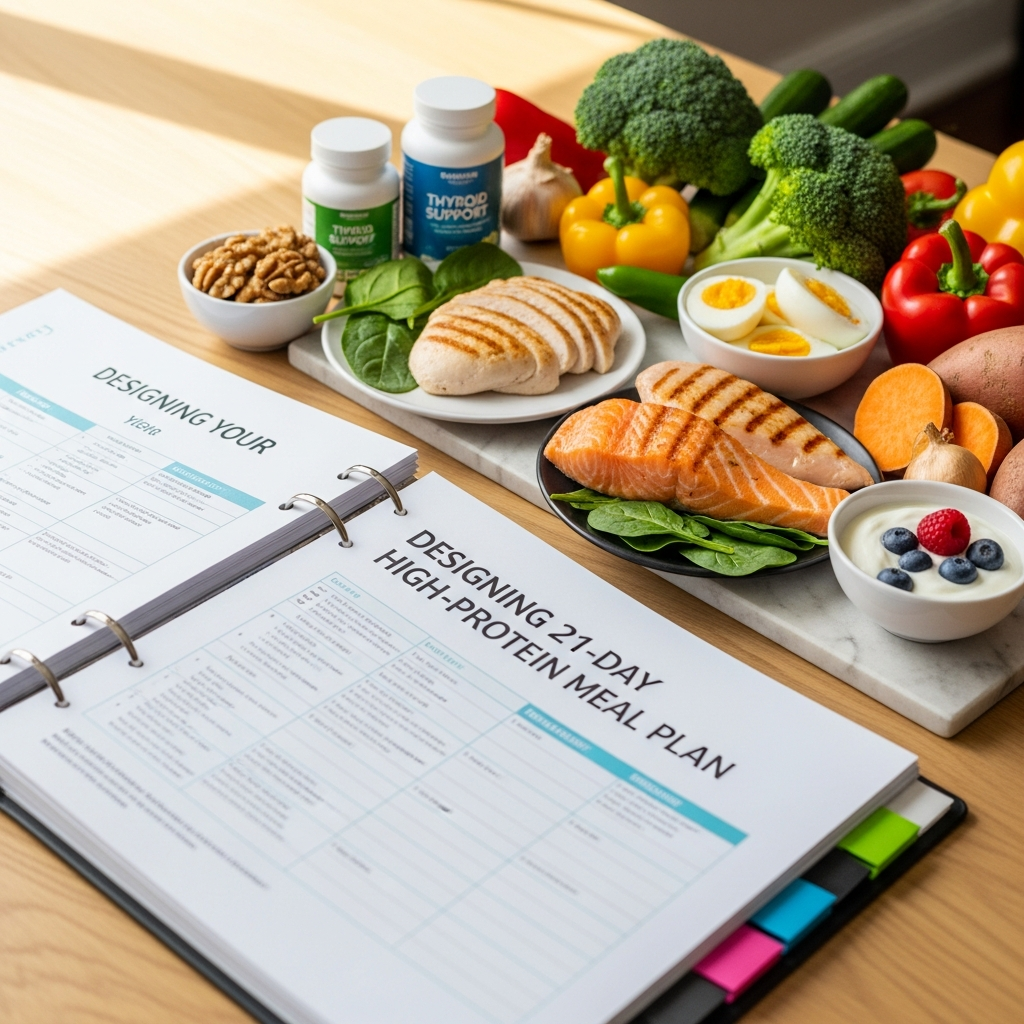
A 21-day plan is a fantastic way to establish new habits and give your body a chance to respond to dietary changes. It’s long enough to see potential shifts in energy and well-being.
The 21-Day Advantage
Why 21 days? It’s a commonly cited period for forming new habits. Committing for three weeks allows you to:
* Experience Consistent Nutrition: Give your body a steady supply of beneficial nutrients.
* Observe Changes: You might start to notice improvements in energy, digestion, or mood.
* Build Routine: Regular meal prepping and planning become second nature.
Building Your Plate: The Basics
For each meal, aim for a balance of these components:
* Protein First: Make lean protein the star of your meal.
* Abundant Vegetables: Fill half your plate with non-starchy vegetables.
* Healthy Fats: A serving of healthy fats for satiety and nutrient absorption.
* Smart Carbs: A modest portion of complex carbohydrates, especially at lunch and dinner if desired, for sustained energy.
Meal Prep and Planning
Success on a 21-day plan often comes down to preparation.
1. Plan Your Week: Dedicate some time each week (e.g., Sunday afternoon) to plan your meals and snacks for the upcoming days.
2. Grocery List Create a detailed shopping list based on your plan. This saves time and prevents impulsive unhealthy purchases.
3. Batch Cooking: Cook larger quantities of protein sources (chicken breasts, hard-boiled eggs), grains (quinoa, brown rice), and roasted vegetables that can be used in various meals throughout the week.
4. Snack Prep: Portion out nuts, seeds, or chop veggies for easy grab-and-go snacks.
Sample Daily Meal Plan (High-Protein, Thyroid-Friendly)
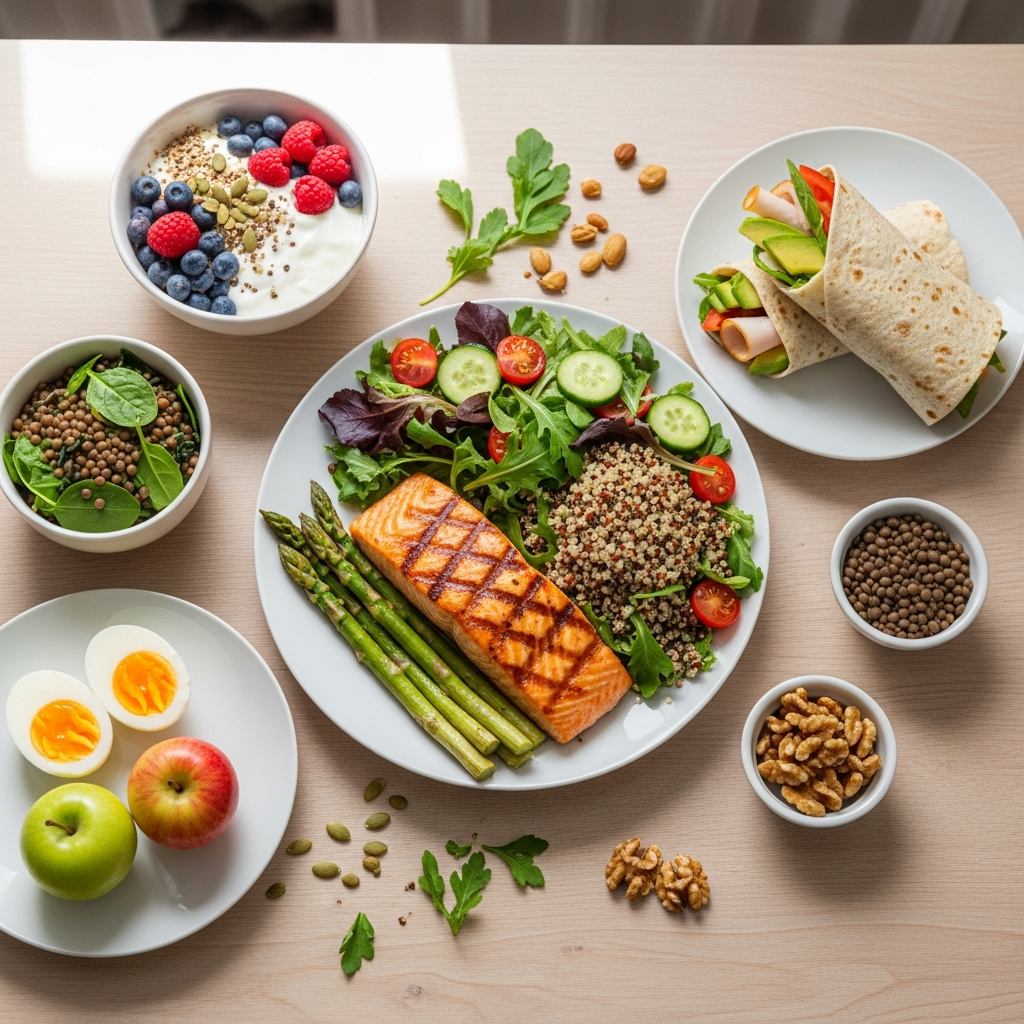
Here’s an example of what a day on this high-protein, thyroid-supportive plan could look like. Remember, variety is key, so use this as a template to swap in your favorite compliant foods.
Day 1 Example
Breakfast:
* Scrambled eggs (3 large eggs) with a handful of spinach and mushrooms.
* A side of sliced avocado.
Lunch:
* Large salad with grilled chicken breast (4-5 oz).
* Mixed greens, cucumber, bell peppers, cherry tomatoes.
* Dressing: olive oil and lemon juice.
Dinner:
* Baked salmon (5-6 oz) seasoned with herbs.
* Roasted asparagus and a small serving of quinoa (1/2 cup cooked).
Snacks:
* Mid-morning: Greek yogurt (plain, full-fat) with a few berries.
* Mid-afternoon: Handful of almonds or a hard-boiled egg.
Ideas for Variety
Don’t feel limited to the above! Here are more options for each meal type:
* Breakfast: Protein smoothie (protein powder, spinach, berries, almond milk), cottage cheese with seeds, turkey sausage patties.
* Lunch: Tuna salad (made with Greek yogurt or avocado mayo) served in lettuce cups, lean ground turkey stir-fry with mixed veggies, a bowl of lentil soup with a hard-boiled egg.
* Dinner: Lean beef chili, roasted turkey breast with sweet potato, shrimp and vegetable skewers, chicken and vegetable curry (using coconut milk).
* Snacks: Edamame, sliced apple with almond butter, small handful of walnuts, homemade protein bites (made with oats, protein powder, nut butter).
Practical Tips for Staying Consistent
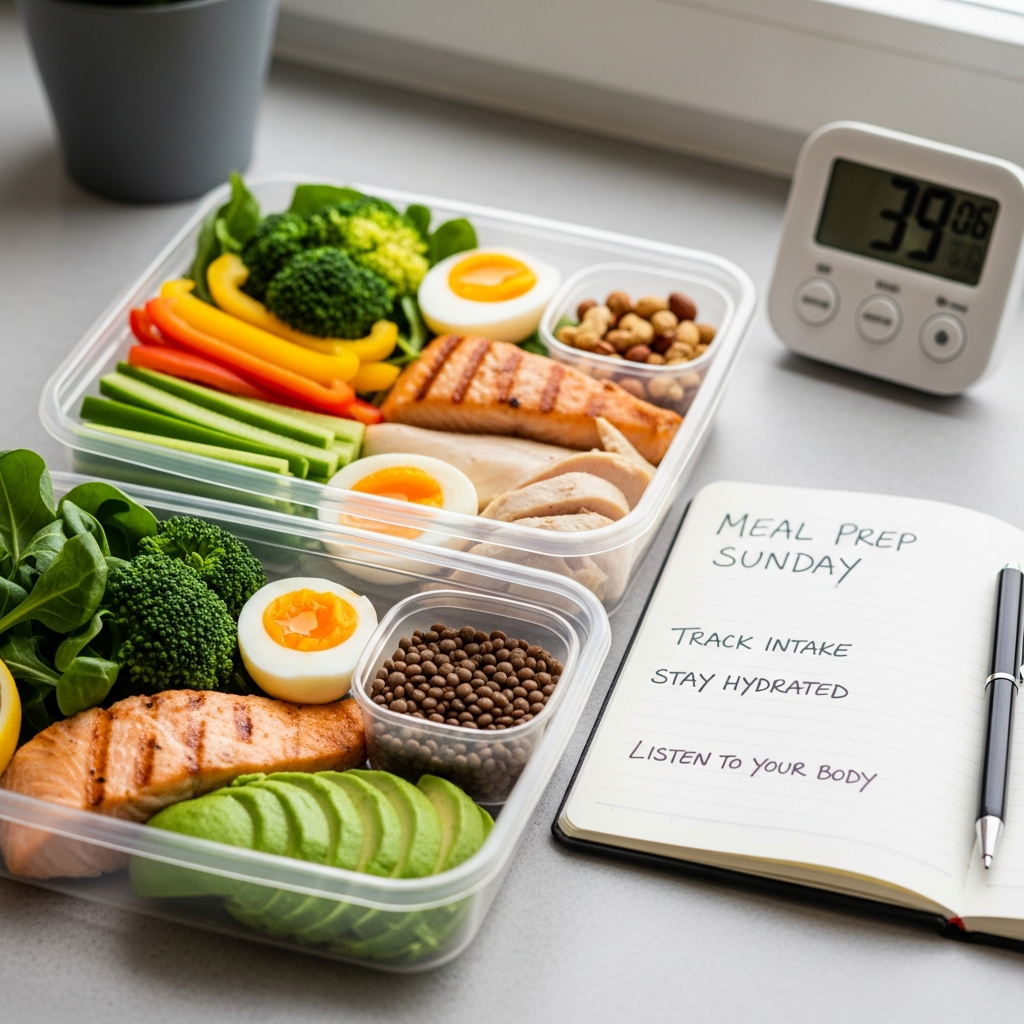
Embarking on a new eating plan can feel like a big step. These practical tips will help you navigate the 21 days with greater ease and consistency.
Hydration is Key
Drink plenty of water throughout the day. Staying well-hydrated supports metabolism, digestion, and overall energy levels. Aim for at least 8 glasses of water daily.
Listen to Your Body
Pay attention to how different foods make you feel. Do you have more energy after certain meals? Do others leave you feeling sluggish? This personalized feedback is invaluable.
Smart Snacking
Having healthy, protein-rich snacks readily available prevents you from reaching for less nutritious options when hunger strikes. Think nuts, seeds, a piece of fruit with nut butter, or hard-boiled eggs.
Don’t Fear the Kitchen
Embrace cooking at home. This gives you full control over ingredients and portion sizes, which is crucial for a supportive eating plan. Start with simple recipes and build confidence.
Mindful Eating
Slow down during meals. Pay attention to your food’s taste, texture, and smell. Eating mindfully can improve digestion and help you recognize when you’re truly satisfied.
Gentle Movement
While not strictly part of the meal plan, incorporating gentle exercise like walking, yoga, or stretching can complement your diet by improving circulation, reducing stress, and boosting mood, all beneficial for thyroid health.
Mindset and Maintaining Momentum

Changing eating habits requires more than just a plan; it requires a supportive mindset. Your mental approach can make all the difference in staying on track.
Set Realistic Expectations
You likely won’t feel completely transformed overnight. View this 21-day plan as a journey towards better health. Focus on gradual improvements and consistency rather than perfection.
Celebrate Small Wins
Did you successfully meal prep for the week? Did you choose a healthy snack instead of reaching for processed food? Acknowledge and celebrate these small victories. They build confidence and momentum.
Find Your Support System
Share your goals with a trusted friend or family member. Having someone who understands and encourages you can be incredibly motivating. Consider joining an online community for peer support.
Be Kind to Yourself
There will be days when you don’t follow the plan perfectly. That’s okay. Don’t let a minor slip derail your entire effort. Acknowledge it, learn from it, and gently guide yourself back to your path. Self-compassion is key.
The Long Game
Remember that supporting your thyroid health is an ongoing process. This 21-day plan is a fantastic starting point to develop sustainable habits that can serve you well for the long term. View it as an investment in your future well-being.