Seated Core Exercises for Strong Abs Without Strain
In our modern world, many of us spend a significant portion of our day seated. Whether it’s at a desk, in a car, or simply relaxing, prolonged sitting can often lead to a weakened core and increased risk of back pain. Traditional core workouts, with their emphasis on crunches and planks, can sometimes feel inaccessible or even intimidating, especially if you’re dealing with joint issues, back discomfort, or are just starting your fitness journey. But what if you could build a strong, resilient core right from your chair, without placing undue strain on your body?
This guide is designed to empower you with practical, effective seated core exercises that will strengthen your abs, improve your posture, and enhance your overall stability – all without ever having to lie down on the floor. We’ll explore why a strong core is vital, break down simple yet powerful movements, and show you how to seamlessly integrate these exercises into your daily routine. Get ready to transform your core strength, one seated movement at a time.
Why Seated Core Exercises Matter- Building Strength Safely
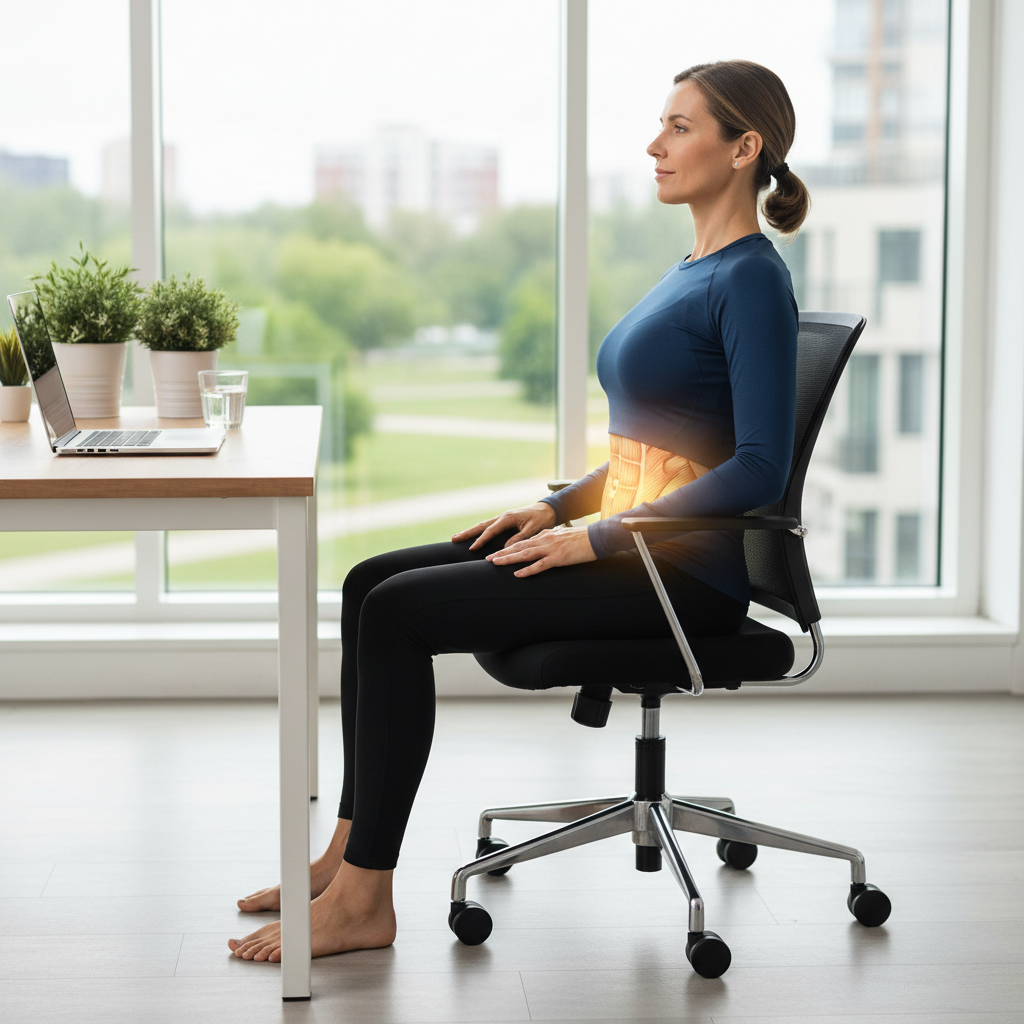
When we think of core workouts, images of intense gym sessions often come to mind. However, true core strength is about much more than just visible abs; it’s about stability, balance, and protecting your spine. Seated core exercises offer a unique and highly beneficial approach, making strength accessible to everyone.
Beyond the Six-Pack- Core Strength for Life
Your core isn’t just your rectus abdominis (the ‘six-pack’ muscles). It’s a complex network of muscles, including your deep transverse abdominis, obliques, and lower back muscles, all working together to stabilize your trunk. A strong core is fundamental for:
- Improved Posture: It helps you sit taller and stand straighter, reducing slouching.
- Reduced Back Pain: A weak core often contributes to lower back pain. Strengthening these muscles provides better support for your spine.
- Enhanced Balance and Stability: Every movement you make, from walking to lifting, originates from or passes through your core.
- Better Functional Movement: Everyday tasks become easier and safer, whether you’re carrying groceries or reaching for something overhead.
- Injury Prevention: A stable core helps protect your spine and reduces the risk of injuries during physical activity.
Accessibility and Safety for Everyone
One of the greatest advantages of seated core exercises is their accessibility. They are ideal for:
- Individuals with limited mobility or balance issues.
- Those recovering from certain injuries (always consult a doctor first).
- Pregnant individuals (with medical clearance).
- People who spend long hours at a desk.
- Anyone looking for a low-impact yet effective way to build core strength.
By removing the need to get on the floor or put pressure on joints, seated exercises allow you to focus purely on engaging and strengthening your core muscles in a controlled, safe environment.
Understanding Your Core While Seated- The Foundation of Strength
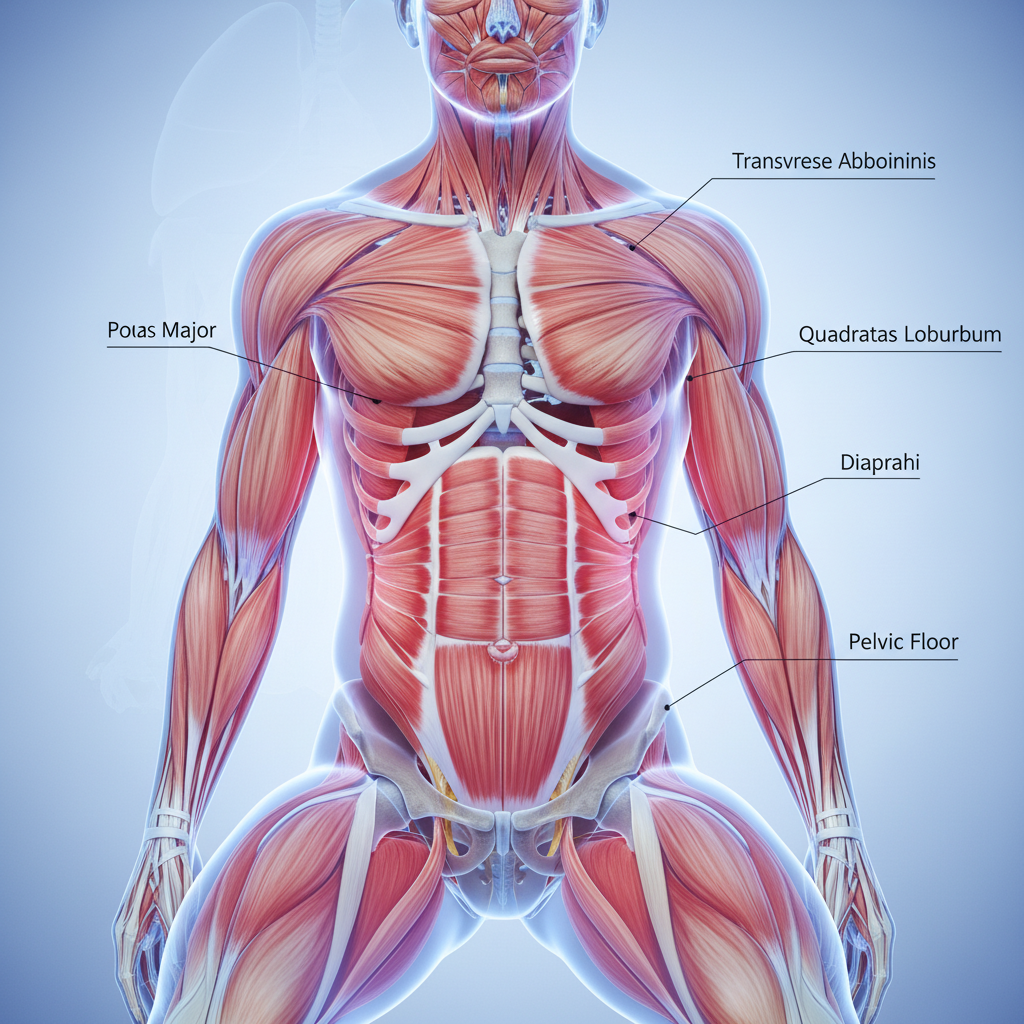
Before diving into the exercises, it’s crucial to understand what your core is and how to properly engage it, even when you’re sitting down. This foundational awareness will make every movement more effective and safer.
What Exactly is Your Core
Think of your core as a muscular corset that wraps around your midsection. It includes:
- Transverse Abdominis (TVA): The deepest abdominal muscle, acting like a natural weightlifting belt.
- Rectus Abdominis: The ‘six-pack’ muscles, responsible for flexing your spine.
- Obliques (Internal and External): Located on the sides, they help with twisting and side bending.
- Erector Spinae: Muscles along your spine that help you extend and rotate your back.
- Pelvic Floor Muscles: Supporting the organs in the pelvis and contributing to core stability.
The goal isn’t to isolate one muscle, but to learn to activate this entire system in harmony.
Finding Your Core Connection in a Chair
Before you begin any exercise, practice this simple technique to ‘find’ your core:
- Sit Tall: Sit on the edge of your chair with your feet flat on the floor, hip-width apart. Ensure your back is straight, shoulders relaxed, and ears aligned over your shoulders.
- Neutral Spine: Gently rock your pelvis forward and backward a few times to find a neutral position – neither overly arched nor rounded.
- Deep Breath: Take a deep breath into your belly. As you exhale, imagine gently drawing your belly button towards your spine, as if zipping up a tight pair of pants. You should feel a slight tension in your lower abdomen, but you should still be able to breathe normally.
- Engage, Don’t Suck In: This isn’t about sucking in your stomach; it’s about a gentle, controlled engagement of the deep core muscles. Maintain this engagement throughout the exercises.
Essential Seated Core Exercises- Your Step-by-Step Guide

Now that you know how to engage your core, let’s explore some highly effective seated exercises. Remember to move slowly and with control, focusing on your breath and core connection.
Seated March
This exercise strengthens your deep abdominal muscles and hip flexors.
- Setup: Sit tall at the edge of your chair, feet flat on the floor, hands gently resting on your thighs or by your sides. Engage your core.
- Execution: Slowly lift one knee towards your chest, maintaining a flat back and engaged core. Only lift as high as comfortable without rounding your back.
- Return: Gently lower your foot back to the floor.
- Repeat: Alternate legs, performing 10-15 repetitions per side.
- Tip: Imagine a string pulling your head towards the ceiling to maintain good posture.
Seated Russian Twists
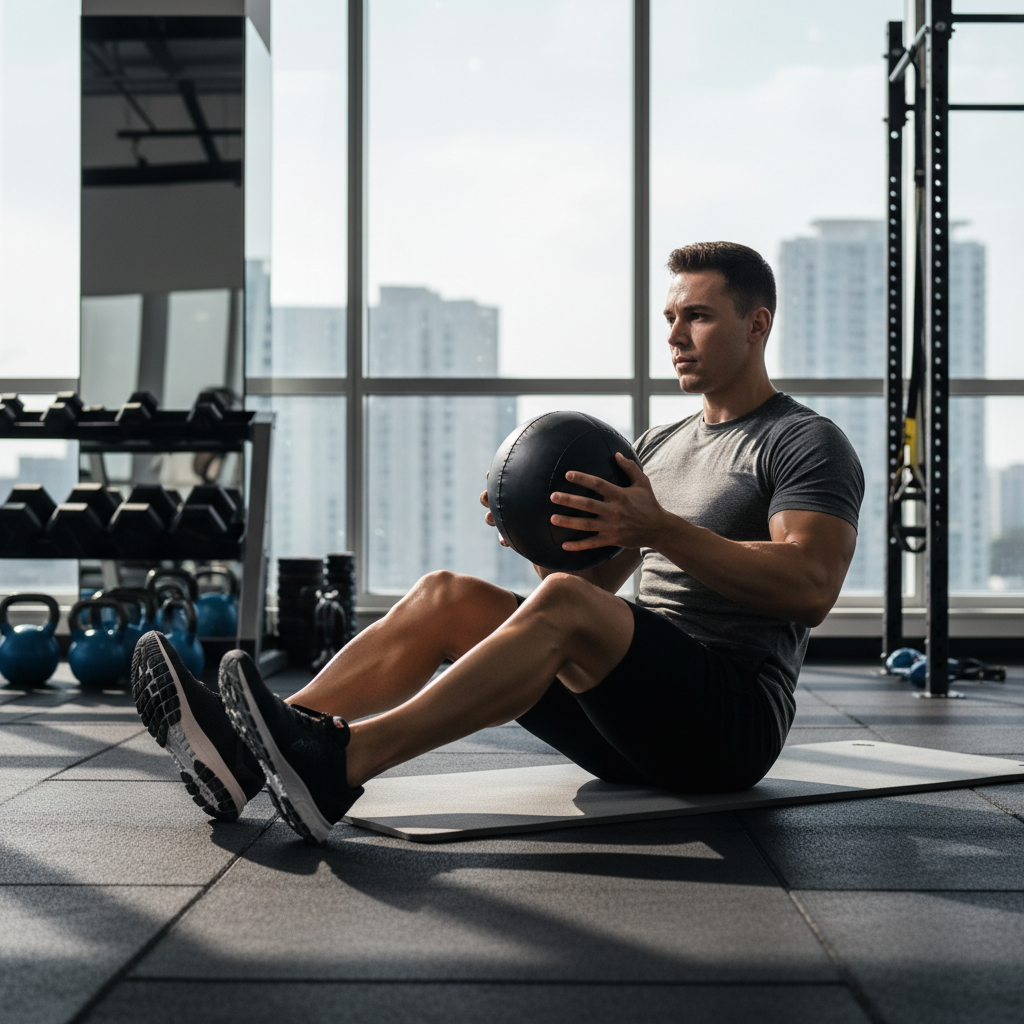
Targets your obliques and rotational core strength.
- Setup: Sit tall at the edge of your chair, feet flat on the floor. Clasp your hands together in front of your chest or hold a light weight (like a water bottle). Engage your core.
- Execution: Keeping your hips stable, slowly twist your upper body to one side, leading with your rib cage. Keep your gaze following your hands.
- Return: Return to the center with control.
- Repeat: Twist to the other side. Perform 10-15 twists per side.
- Tip: Avoid letting your shoulders hunch. Keep them relaxed and down.
Seated Leg Lifts

Works your lower abs and hip flexors.
- Setup: Sit tall, slightly leaning back against the chair for support if needed, but primarily engaging your core to maintain an upright posture. Feet flat.
- Execution: Keeping your legs together, slowly lift both feet a few inches off the floor. Hold for 2-5 seconds, focusing on your lower abs.
- Return: Gently lower your feet back down.
- Repeat: Perform 8-12 repetitions.
- Tip: If lifting both legs is too challenging, alternate lifting one leg at a time.
Seated Cat-Cow
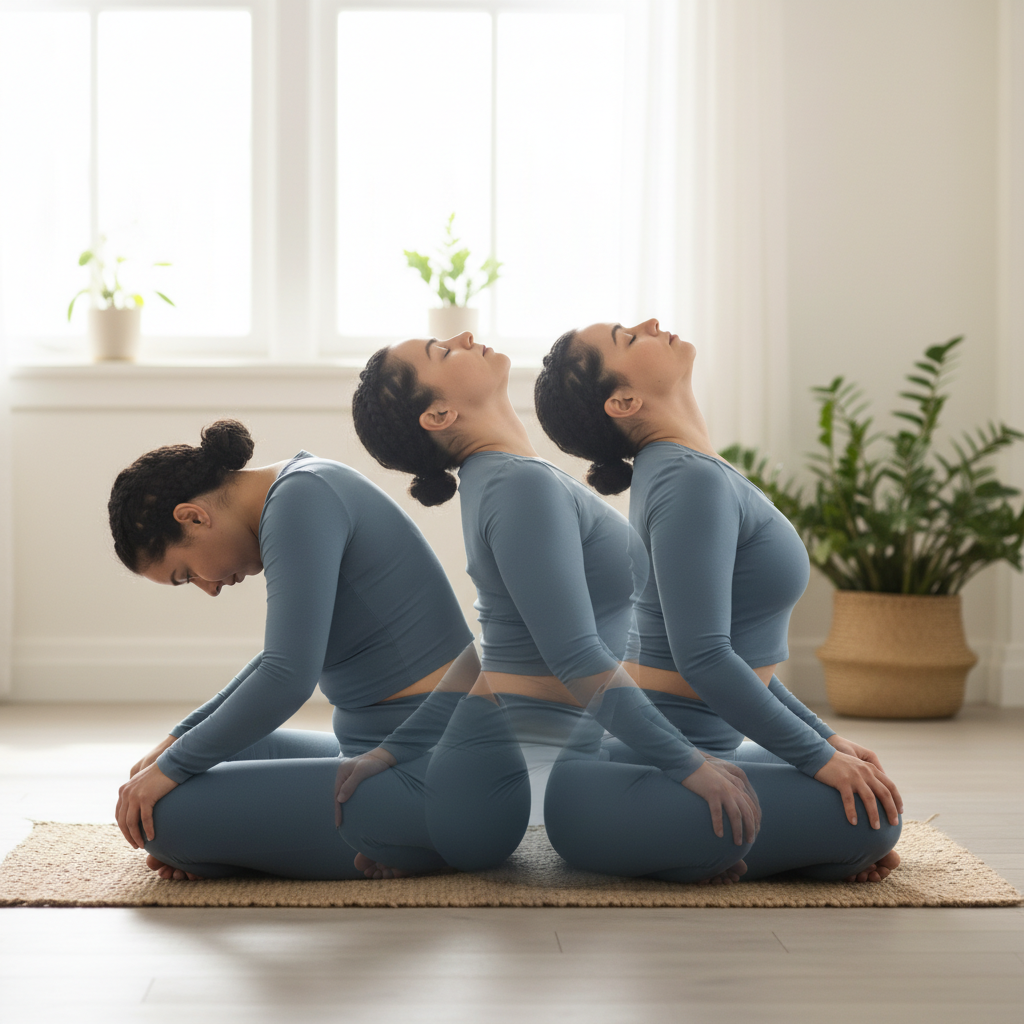
Improves spinal mobility and gently engages the core and back muscles.
- Setup: Sit tall, hands on your knees, feet flat.
- Execution (Cow): Inhale, gently arch your back, lift your chest, and look slightly upwards.
- Execution (Cat): Exhale, round your spine, tuck your chin to your chest, and draw your belly button towards your spine.
- Repeat: Flow smoothly between these two positions for 10-12 repetitions.
- Tip: Coordinate movement with your breath for maximum benefit.
Seated Side Bends
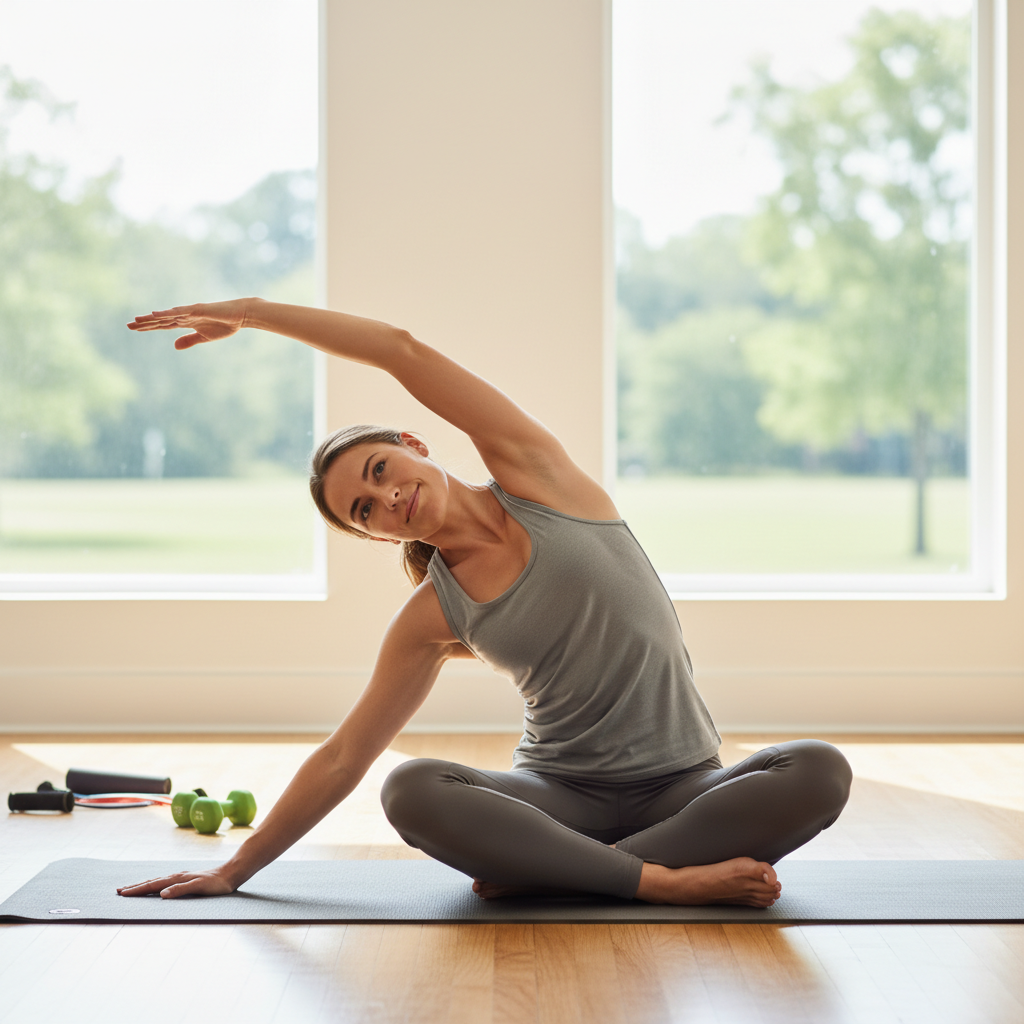
Stretches and strengthens the obliques and side core muscles.
- Setup: Sit tall, feet flat. Place one hand on your hip and raise the other arm straight overhead.
- Execution: Keeping your hips grounded, gently bend your upper body to the side opposite your raised arm, feeling a stretch along your side. Keep your chest open.
- Return: Slowly return to an upright position.
- Repeat: Perform 8-12 repetitions per side.
- Tip: Avoid leaning forward or backward; keep the movement purely sideways.
Seated Core Compression
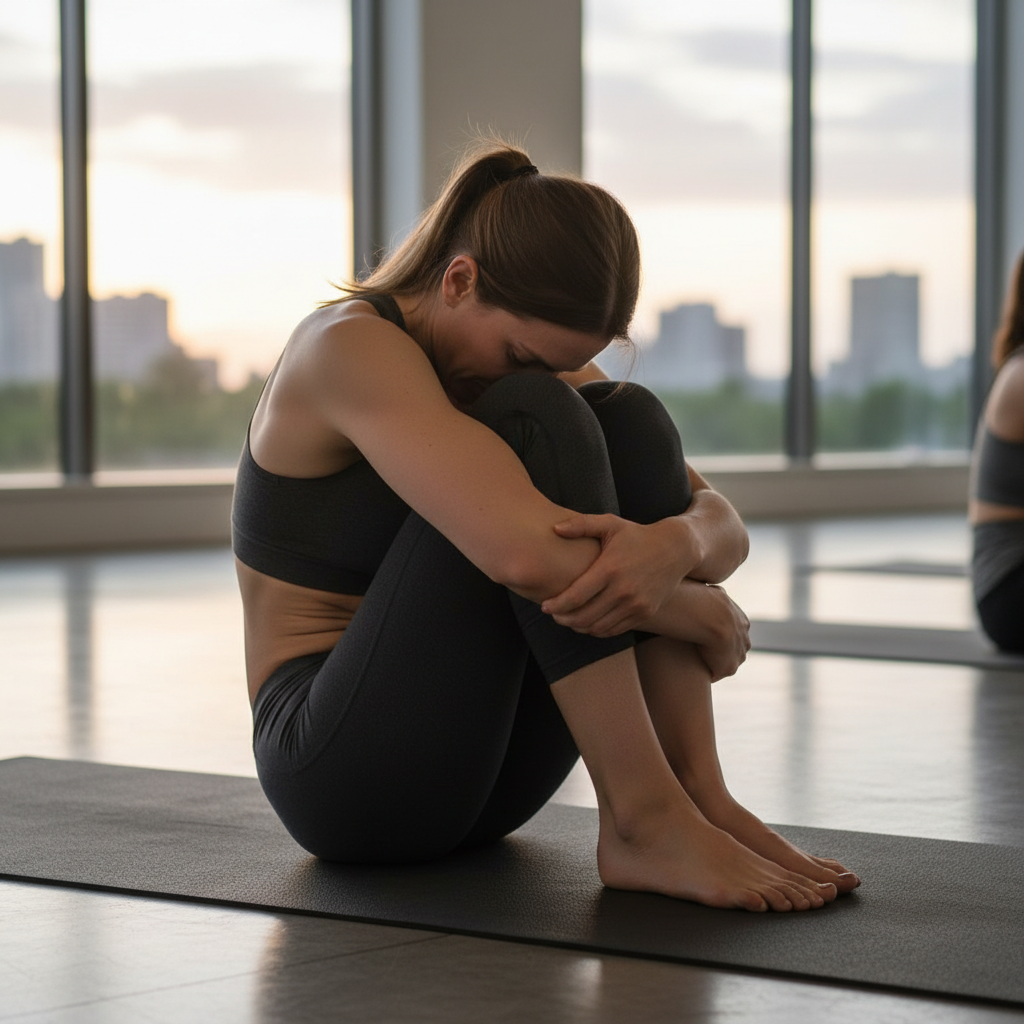
A more advanced move that deeply engages the transverse abdominis.
- Setup: Sit at the very edge of your chair, feet flat. Hold onto the sides of the chair for support. Lean back slightly, engaging your core.
- Execution: Exhale forcefully as you draw both knees towards your chest, rounding your lower back slightly. Focus on squeezing your core.
- Return: Inhale as you slowly extend your legs back out, but don’t let your feet touch the floor if possible, maintaining core tension.
- Repeat: Perform 8-12 repetitions.
- Tip: If too difficult, alternate one knee at a time, or keep feet on the floor and focus on the core squeeze.
Integrating Seated Core Work into Your Day- Habits for Success

The beauty of seated core exercises is their adaptability. You don’t need a dedicated hour; small, consistent efforts yield significant results.
Quick Daily Core Bursts
Think of these as ‘core snacks’ throughout your day:
- Morning Wake-Up: Do 5 minutes of seated marches and twists before you even leave your chair after breakfast.
- Desk Breaks: Every hour or two, take 2-3 minutes to perform a few rounds of seated leg lifts or cat-cows.
- Commute Time: While waiting in traffic or on public transport, practice gentle core compressions or simply focus on maintaining a neutral spine with core engagement.
- Evening Wind-Down: Before dinner, perform a set of seated side bends to release tension and strengthen your sides.
A Sample Weekly Routine
Consistency is key. Aim for 3-5 days a week, even if it’s just 10-15 minutes each session.
| Day | Focus Exercises | Sets & Reps |
|---|---|---|
| Monday | Seated March, Seated Russian Twists | 3 sets of 12-15 reps per side |
| Tuesday | Seated Leg Lifts, Seated Cat-Cow | 3 sets of 8-12 reps |
| Wednesday | Rest or Light Activity | |
| Thursday | Seated Side Bends, Seated Core Compression | 3 sets of 10-12 reps per side/total |
| Friday | Mix & Match (Choose 3 favorites) | 3 sets of 10-15 reps |
| Saturday | Active Recovery (Walking, Stretching) | |
| Sunday | Rest or Gentle Movement |
Mindset and Consistency- Building Lasting Core Strength
Painting pixels…